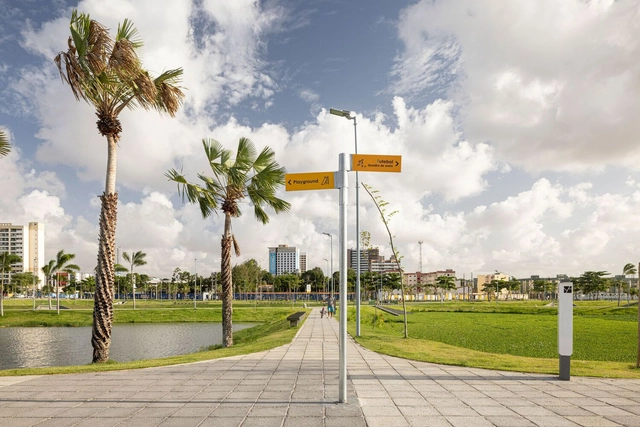
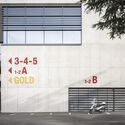
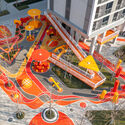
It’s easy to feel lost and anxious in a new environment. Even with the satellite-accurate quality of modern map apps in our back pockets, modern humans still get stressed when their internal map of the immediate area draws a blank.
While digital maps help us to find the fastest route through streets, when our need for direction is most urgent – such as finding the right department in a vast hospital campus, the relief of a toilet in a foreign airport, or the right platform 30 seconds before a train departs – even with innovative IPS technology, digital interfaces still come a distant second to well-placed signs or other, more intuitive, solutions.
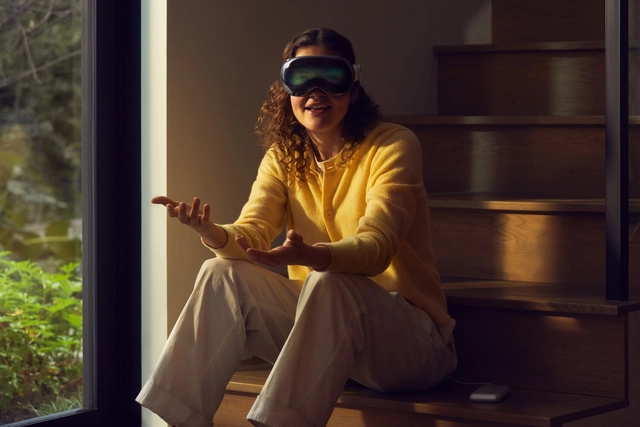
On June 5, Apple launched Apple Vision Pro, a new type of spatial computer that uses augmented reality goggles to allow users to experience a blend between the digital and physical worlds. The device promises to offer its users an infinite canvas for apps, larger and more immersive than traditional displays, while allowing them to stay present and connected to others. It features visionOS, the first spatial operating system to create this new way of interacting with digital content. Previous concepts like the metaverse have promised to transform the way we experience digital worlds, with architects taking the opportunity to delve into the design of restriction-free virtual spaces. Could this new device bring new ways of experiencing three-dimensional spaces, to better integrate architecture with digital environments?
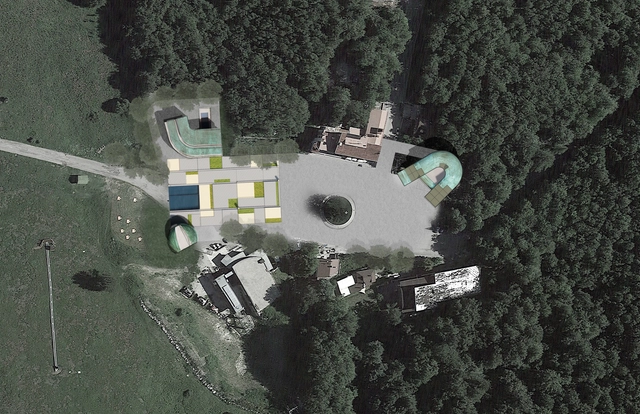
rati di Tivo Piazza at Gran Sasso . Image Courtesy of Steven Holl Architects
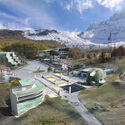
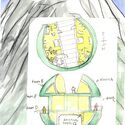
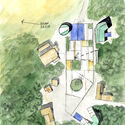
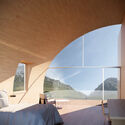
Steven Holl Architects has revealed a plan for the Gran Sasso area in Abruzzo, Italy, specifically in Prati di Tivo. The project aims to develop an area dedicated to tourists and mountaineers, complete with accommodation spaces, pools, spas, a restaurant, and a public plaza with views toward the mountain range. The designs and models of the project, along with the initial watercolor sketches, are presented at the Antonia Jannone Disegni di Architettura exhibition titled "Steven Holl: Half Earth," which will be available for viewing from May 26 to July 14.
“The first man wanted to build a shelter that would cover him without burying him.” With some logs found in the forest, he built a square covered with straw so that neither the sun nor the rain could enter, and thus, he felt safe. The description above refers, in a simplified way, to the theory of the primitive hut developed by the abbot Marc-Antoine Laugier in the mid-1700s. The small rustic hut described by Laugier is a model upon which he imagined the magnificence of architecture. It provides an important reference point for all speculation about construction foundations and represents the first architectural idea."
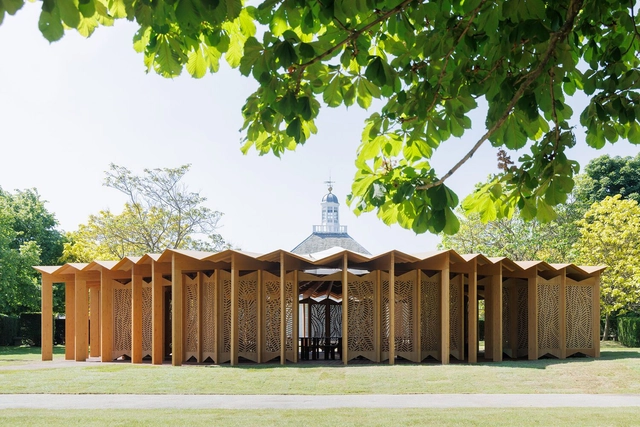
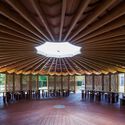
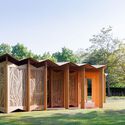
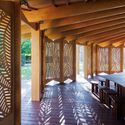
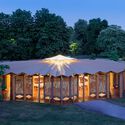
The Serpentine has announced the official opening of the 22nd Pavilion, designed by French-Lebanese architect Lina Ghotmeh, at Serpentine South on June 9th, 2023. The Pavilion is titled À table, a French invitation to sit down together at a table and engage in an open dialogue while sharing a meal. The interior space of the pavilion is defined by the large table that encircles the perimeter, offering an opportunity for conviviality and the sharing of ideas, concerns, joys, and traditions. The 300-square-meter structure, inspired by the architect’s Mediterranean heritage, is designed to be lightweight and fully demountable to ensure a minimal carbon footprint. The Serpentine Pavilion will be open and free of charge every day from June to October 2023.
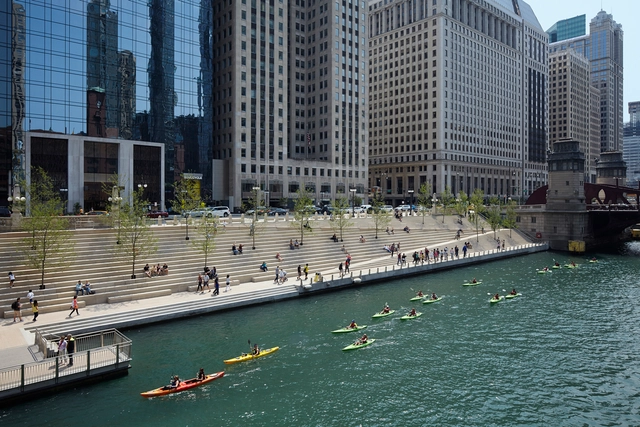
Photo by Kate Joyce, Ross Barney Architects Chicago Riverwalk. Image Courtesy of Chicago Architecture Biennial
The fifth edition of the Chicago Architecture Biennial just announced its list of participants. Under the artistic direction of Floating Museum, a collective of artists, designers, poets, and educators focused on building connections between art, community, architecture, infrastructure, and public institutions, CAB 5 will be presented at multiple sites throughout the city. "This is a Rehearsal" will focus on the community and process-related aspects of architecture, emphasizing how it helps to improve urban life and foster communal responsibility. The participants, chosen by Floating Museum, will look at global environmental, political, and economic challenges while addressing local circumstances. The goal of CAB 5's more than 100 activations, including installations and performances, is to get people to think about how society is impacted by physical infrastructure, societal history, aesthetic, and spatial design.
The Chicago Architecture Biennial is a nonprofit organization that aims to bring together people from around the world to explore innovative ideas and collectively imagine and shape the future of design. The exhibition will open on September 21, 2023, and will be on view until January 2, 2024, spanning various locations across the Chicago metropolitan area. Over 70 creative practitioners, including artists, architects, designers, and performers, will be featured in this citywide exhibition.
Sebastián Bravo leads Oficina Bravo, an architectural practice founded in Santiago de Chile that has been developing projects with a clear strategy: to contribute to the city by efficiently using architectural, economic, and constructive resources through renovation and remodeling. Among their projects are spaces that openly interact with the immediate context, including works of patrimonial, administrative, and residential value such as Casa Compañía and Zagreb Office, as well as a large series of gastronomic and commercial spaces such as Felix Café and Apolo Helados.
Due to its design process and its ability to transform and restore spaces, Oficina Bravo was selected by ArchDaily as one of the best new architectural practices of 2023. They make a point of talking with clients, understanding them, and involving them in the process. This, they say, is the only thing that ensures that the ideas behind the project survive with dignity.
We have selected seven coffee and ice cream shops in Santiago that were designed by Oficina Bravo, while also conducting an interview to get to know their inspirations, working methods, and future projects. The result is a true daily guide for you to enjoy their work, their design process, and a good cup of coffee.
Let’s talk. Good communication is key to building and maintaining working relationships, be they personal, romantic, business, or geopolitical. The importance of communication with and respect for one’s neighbors is a lesson that has featured heavily in many texts and teachings from all religions and cultures for millennia, possibly sparking civilization itself.
Some of the fastest growing economies are keen to shout from their garden rooftops about their growing environmentalism, infrastructure, attractive investment opportunities, and rising architectural scene, but also to keep alive the history and culture of their past, and build socially active environments.
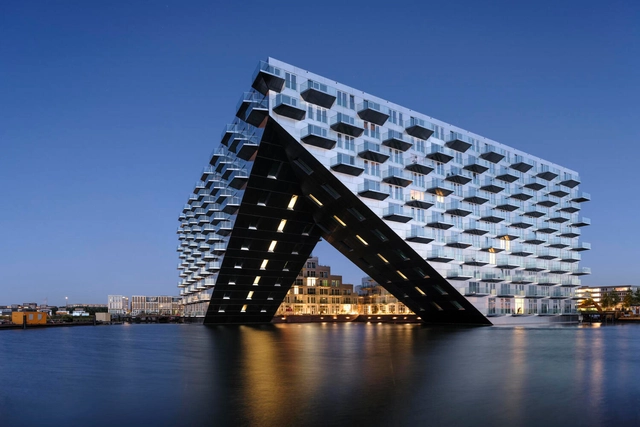
These four building projects from across East Asia and Europe both visually and symbolically invite guests inside to see how they operate, building positive relationships with residents of the building and the city, and visitors from beyond.
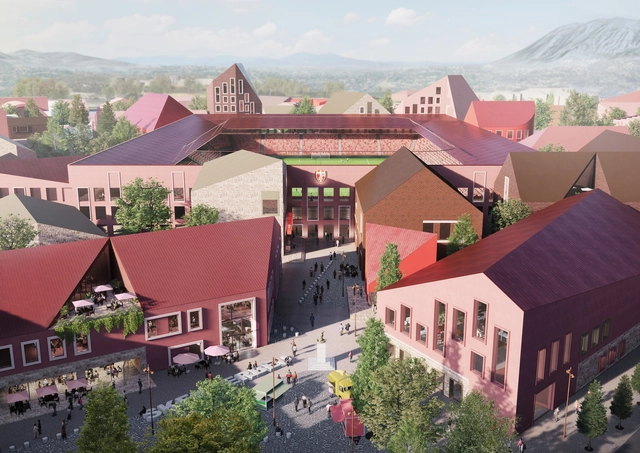
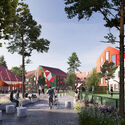
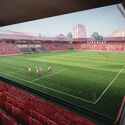
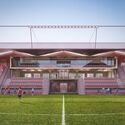
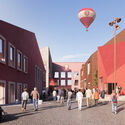
New Skenderbeu Stadium / CEBRA. Image Courtesy of CEBRA
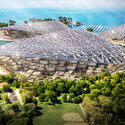
Danish architecture office CEBRA has won an international competition for the design of the new Skenderbeu Stadium in Korça, Albania. The winning proposal sets the 10,000-seat stadium in a lively neighborhood to create an engaging environment for fans, active citizens, businesses, and visitors of the Albanian city. The masterplan proposes buildings and alleys inspired by the Korça typologies to create a familiar cultural experience both in and around the stadium.
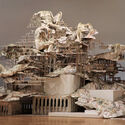
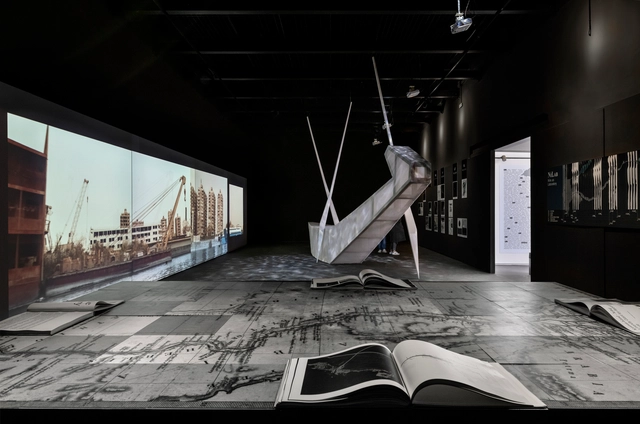
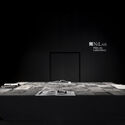
Installation at La Biennale di Venezia. Image Courtesy of NiLab
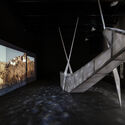
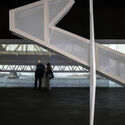
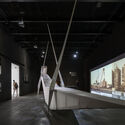
Along the longest river in the world, the Nile River, various landscapes and natural environments have been negatively impacted by interventions that do not consider the context or respect local cultures. In response, NiLab the Egyptian Pavilion at the 18th International Architecture Exhibition of La Biennale di Venezia, aims to revisit these places and highlight the value of architectural design in promoting more sustainable and culturally aware development along the river. The exhibition titled "NiLab: Nile as Laboratory", recognizes the Nile's exceptional geographical size, historical significance, and impact on natural and human landscapes, making it an ideal backdrop for reflection on contemporary issues.
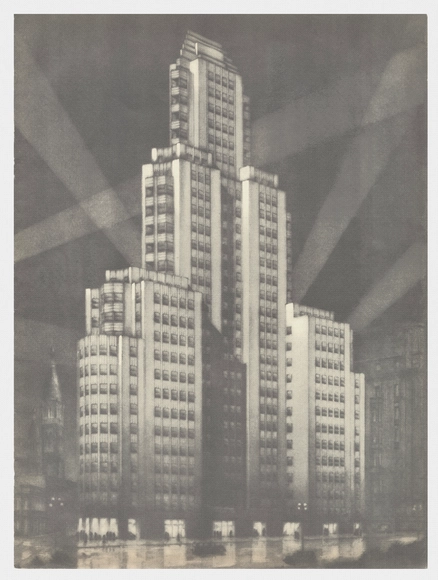
El croquis final en carbonilla del edificio Kavanagh, presentado a Cora Kavanagh en marzo de 1943. Foto: CdA. Image Cortesía de Díaz Ortiz Ediciones
Perhaps without even looking for it, Cora Kavanagh would leave one of the most emblematic buildings of rationalist architecture in Argentina. Inaugurated in January 1936, with its almost 120 meters of height, the Kavanagh Building stands in front of the ravine of Plaza San Martín, located in the central neighborhood of Retiro in the Autonomous City of Buenos Aires.
"Cora Kavanagh and her Building" is the title of Marcelo Nougués' new book that gathers the entire story, revealing everything from her building and her travels to her art collection and the different houses she lived in during a period of almost 50 years. In collaboration with Díaz Ortiz Ediciones, this 572-page printed volume compiles texts, photographs, and documents from the author's collection and also showcases selected images and illustrations from extensive research. Discover a part of this story below.
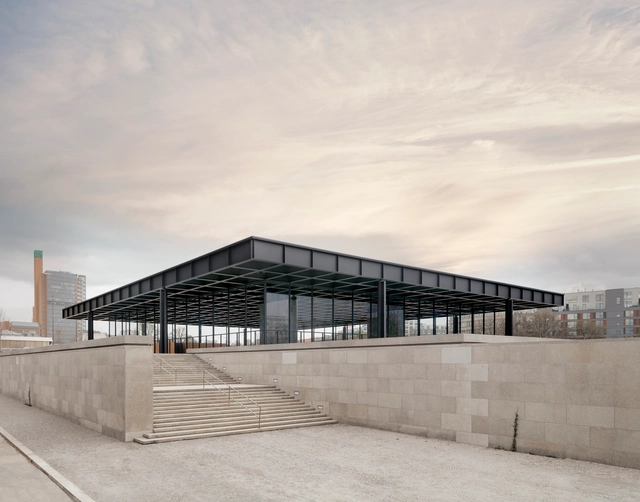
On June 1st, the ceremony for the VI European AHI Prize was held at the Sant Pau Hospital building in Barcelona. This recognition promoted by Architectural Heritage Intervention, in collaboration with the College of Architects of Catalonia and supported by the Department of Culture of the Generalitat de Cataluña, the City Council of Barcelona, and the Metropolitan Area of Barcelona, arises from the conviction that today, architectural heritage is not only an essential element of knowledge, but also a vital socio-economic resource for the sustainable development of territories.
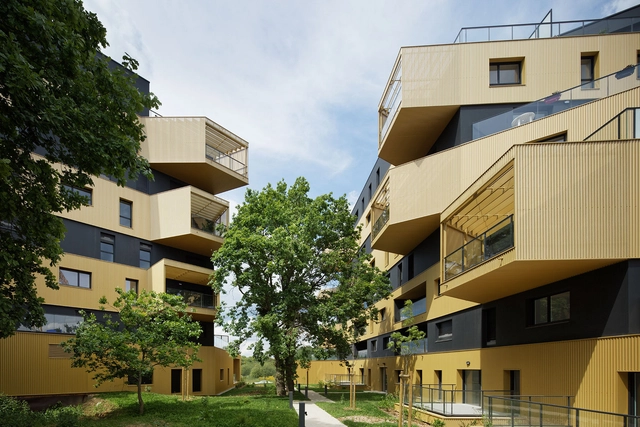
Social Housing is a principal element for a more democratic city. These housing structures provide decent dwellings for all citizens in urban areas and connect them to the rest of the city and its services.
Unfortunately, in many countries, the term "Social Housing" still has a negative connotation. It is often seen as a project that seeks to build the largest number of units with cheap materials, and little-to-no concern for the quality of life of its residents. Often times, it is designed for monetary reasons, as opposed to a project that serves the city and its people. Although this fact is recurrent, there are several examples that portray the opposite, in which architects manifest their political point of view through exceptional projects with innovative solutions that improve the urban experience.
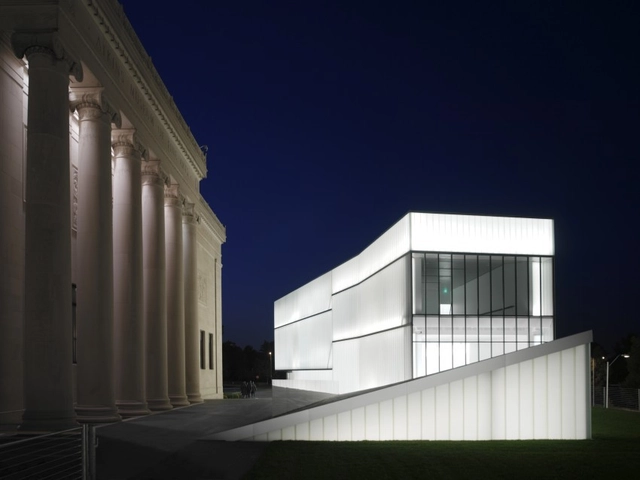
The American Midwest is making a new name for itself. While cities like New York and Los Angeles are known as global design capitals, dynamic modern architecture has begun emerging across the country’s fly-over states. Advocating world-class architecture, sustainability, and craft, Kansas City has become a leader in great American design.
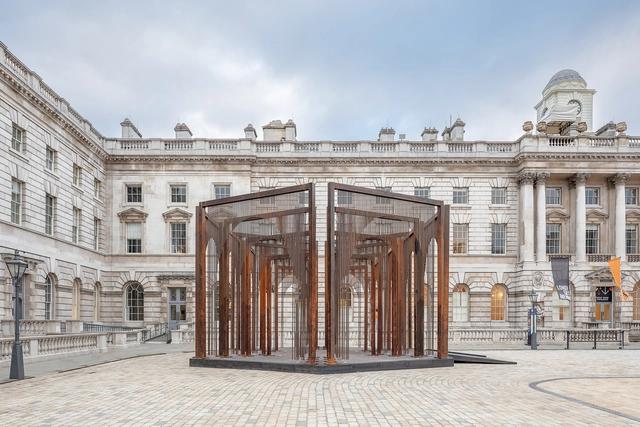
London Design Biennale has opened on June 1st, 2023, at Somerset House, bringing together participants from around the world to celebrate new forms of international cooperation through design. The Biennale, now in its fourth edition, will display more than 40 installations focused on the theme ‘The Global Game: Remapping Collaborations,’ chosen by this year’s Artistic Director, the Nieuwe Instituut, Instituut, led by Aric Chen. In addition to the national participants, the Eureka exhibition will showcase cross-disciplinary innovations from UK’s leading research centers.
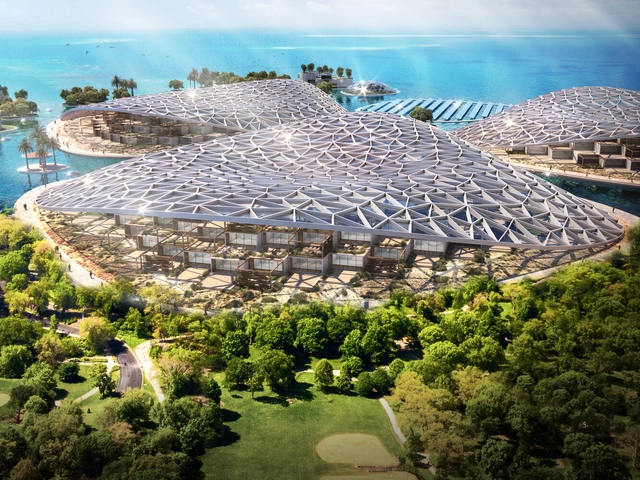
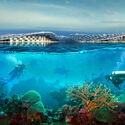
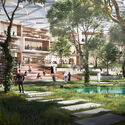
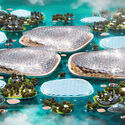
URB has revealed 'Dubai Reefs,' a floating living lab designed to restore marine ecosystems and promote ecotourism. The project's primary objective is to generate over 30,000 employment opportunities within a green economy in the city. Dubai Reefs encompasses a sustainable floating community dedicated to marine research, regeneration, and ecotourism, comprising residential, hospitality, retail, educational, and research facilities.
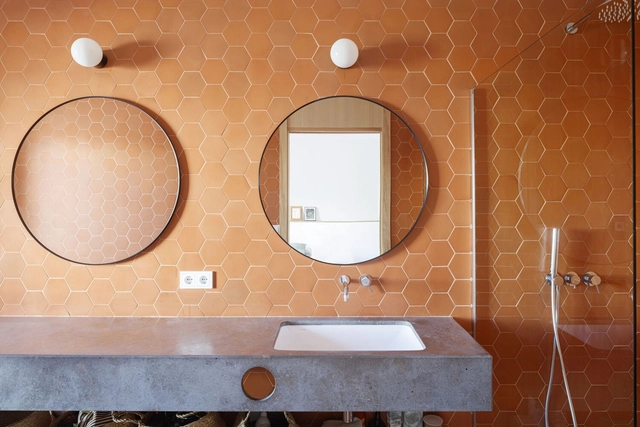
Over time, the space of the bathroom in the domestic sphere has increasingly gained importance. Nowadays, it is conceived as a space for well-being and health, where one can have an experience that meets the needs and requirements of its users. Beyond the different technologies implemented, the designs applied, or the materials used, architects and designers demonstrate, day by day, the multiple configurations and arrangements that these spaces can adopt through their projects, developing strategies both on an aesthetic and design level, as well as on a technical and functional level.
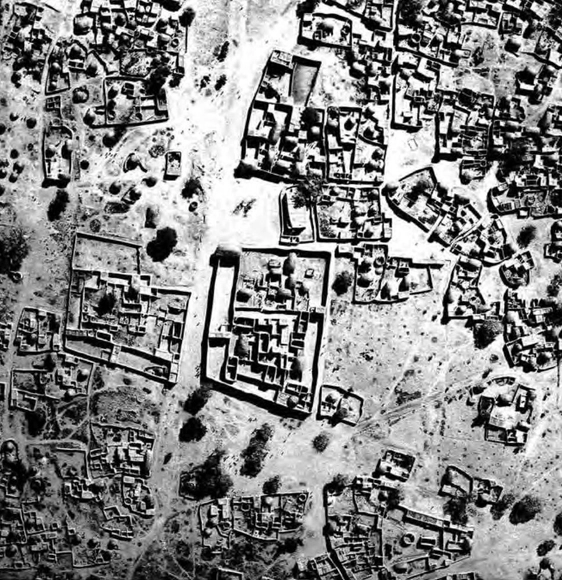
Fractals are complex geometric shapes with fractional dimensional properties. They have emerged as swirling patterns within the frontiers of mathematics, information technology, and computer graphics. Over the last 30 years, these patterns have also become important modeling tools in other fields, including biology, geology, and other natural sciences. However, fractals have existed far beyond the birth of computers, and have been observed by anthropologists in indigenous African societies. One of which is Ron Eglash; an American scientist who presents the evidence of fractals in the architecture, art, textile sculpture, and religion of indigenous African societies. In his book, “African Fractals: Modern Computing and indigenous design”, the fractals in African societies are not simply accidental or intuitive but are design themes that evolve from cultural practices and societal structures.