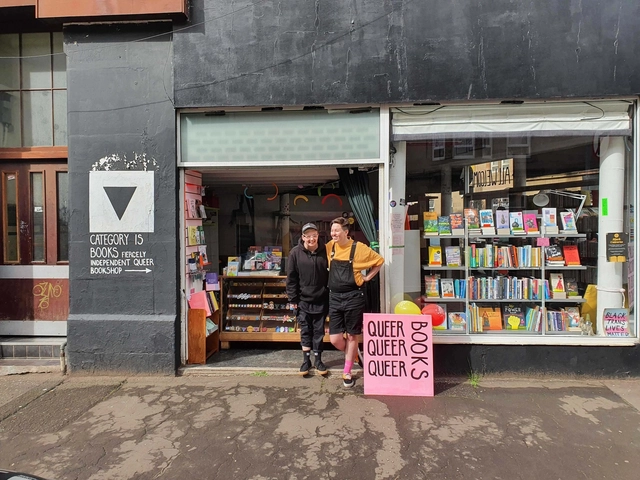
As we explore social practices that challenge the dominant model in architecture, we have come to recognize the significance of addressing issues related to identity, gender, race, and sexual orientation within the realm of spatial design. By considering these dimensions, we aim to highlight how the built environment can foster new ways of envisioning society and shaping our relationship with the world around us. To provide valuable insights, we have curated a bibliography that showcases the perspectives and experiences of individuals who defy the norms dictated by a universalizing approach. This collection of 20 books offers diverse narratives that invite us to perceive, imagine, and experience space through an LGBTQIA+ lens.
It has been about 200 years since the École des Beaux-Arts in Paris created an academic discipline—and thus the profession—of architecture. The central role of the architect as the defining agent of creation transcended the Master Builder, a role that defined those who designed buildings not as experts or celebrities but as stewards of building traditions.
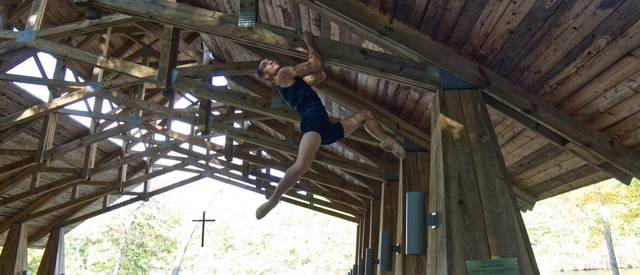
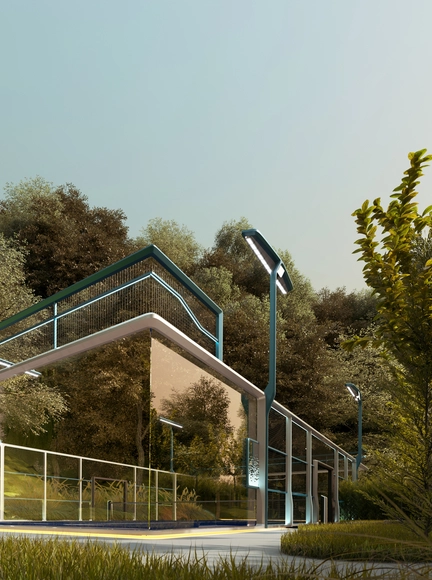
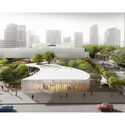
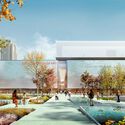
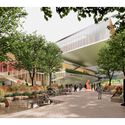
Sporting facilities can play a vital role in the lives of cities by providing multifunctional public spaces where the people can join in large-scale events providing entertainment and spectacle while also promoting well-being and enhancing community engagement. Additionally, well-designed sporting arenas can become icons for a city, creating a sense of pride and identity and attracting visitors and residents. One such example is the Grand Slam tennis tournaments, which take over cities like Paris, London or New York, attracting fans from all around the world. The Philippe Chatrier and greenhouse transformed into the Simonne-Mathieu Tennis Court in Paris have become architectural landmarks, serving as catalysts for urban development and cultural exchange.
Other small-scale venues also play a role in the lives of communities, acting as gathering places for people with shared interests, fostering a sense of belonging and contributing to the overall health of the neighborhoods. This week's curated selection of Best Unbuilt Architecture highlights projects submitted by the ArchDaily community that showcase both large and small scale sporting venues. From a ‘box in a box’ basketball pavilion in Greece, to a translucent multi-sports arena in El Salvador or a dune-line arena in Morocco, this selection features projects that encourage and celebrate movement, athleticism and fair play competition.
Sun protection is a universal need for human beings. While sunlight benefits our health and mood, it is also essential to protect ourselves from its harmful effects on our well-being and comfort. Throughout history, architecture has provided solutions to this need by offering shelter and comfort in shaded areas. Since ancient Egypt, sunshades made of palm leaves attached to a pole have been used to protect against the sun in open spaces.
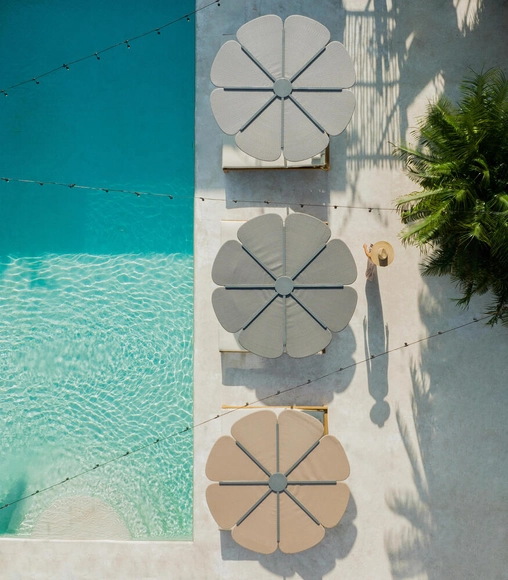
Thanks to contemporary materials, we can now develop more durable outdoor structures and furniture than the palm leaves used by the Egyptians 4000 years ago. This has resulted in lightweight and aesthetically pleasing structures that resulted from the designs and materials that emerged in the 20th century. Although these designs are not made from natural elements, they incorporate pieces that replicate their characteristics, providing shade with unique shapes and a distinctive design. In this context, cbdesign has created the Daisy umbrella. This flower-shaped parasol reproduces the colors found in natural surroundings, such as the sea, yellow frangipani, the blue sky, and purple bougainvillea.
https://www.archdaily.com/1002858/aesthetic-accents-flower-shaped-umbrellas-that-fuse-beauty-and-utilityEnrique Tovar
Over the course of five days this week, Copenhagen hosted the largest gathering in the realm of sustainable architecture, bringing together over 6,000 participants from 135 nations. The UIA World Congress of Architects 2023 focused on the theme "Sustainable Futures – Leave No One Behind." This event served as a forum for distinguished researchers and professionals of various backgrounds and ages to delve into methods of creating buildings that address climate change, bolster biodiversity, and foster social inclusivity. As the congress drew to a close, "The Copenhagen Lessons" were unveiled, comprising ten principles intended to facilitate swift and transformative progress in the field of sustainable construction.
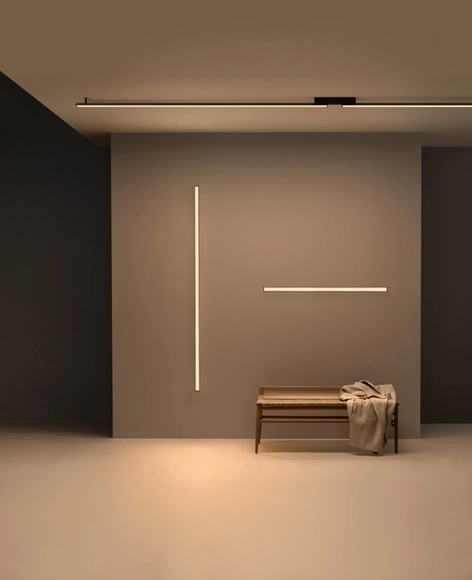
In the realm of architecture and interior design, lighting is a pivotal force in enhancing the overall atmosphere of a space. A harmonious interplay of light and design can elevate the ambiance and functionality of any architectural environment. Through meticulous attention to detail and innovative design principles, architects and designers can craft spaces that are not only visually stunning but also experientially enriching. By carefully considering these factors, creative architectural spaces can be brought to life, evoking emotions and transforming the way we perceive and interact with our surroundings.
In today's ever-evolving world, lighting has embraced a particular emphasis on new and streamlined proposals. Designed by Ramos & Bassols, the Spa collection by Vibia stands out for its adaptability, seamless design, and lighting performance. With its minimalist and refined form, the Spa LED lighting system offers compositional freedom, enabling designers to craft a wide range of atmospheres, from intimate corners dedicated to personal well-being to functional areas designed for general purposes.
https://www.archdaily.com/1003295/light-through-lines-seamless-design-for-creative-architectural-spacesEnrique Tovar
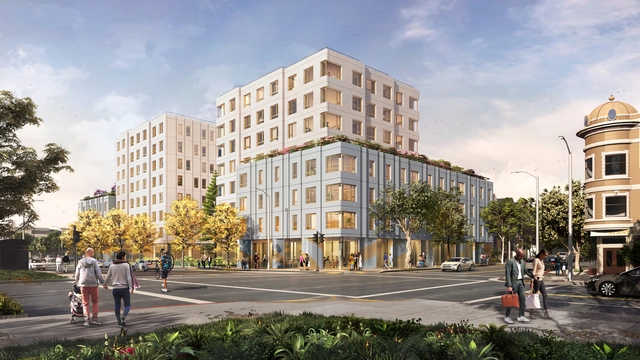
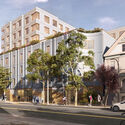
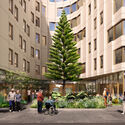
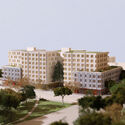
The result of a collaboration between OMA / Jason Long and Y.A. studio, the joint development of 730 Stanyan in the Haight Ashbury neighborhood of San Francisco broke ground. Upon completion, the 8-story building will accommodate 160 units of deeply affordable homes and amenities for low-income people, including formerly unhoused families, and homes and amenities for people with low incomes in San Francisco, including families, formerly unhoused families, and Transitional Age Youth (TAY). The project is scheduled to be completed in the Fall of 2025.
Low-carbon Material Solution - ECOPlanet. Image Courtesy of Holcim
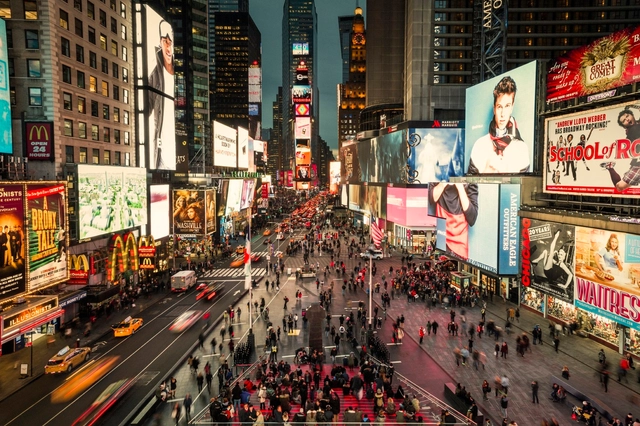
Cities are defined as densely populated geographic areas characterized by urban development. They serve as economic, political, and cultural centers, offering various services, infrastructure, and opportunities. However, urban densification has been associated with negative aspects such as health issues, pollution, and social problems. Countries like India and China, with their massive populations exceeding billions, face a significant demand for services and housing.
Recent research, including studies by institutions like the Berkeley Cool Climate Network, has brought about a paradigm shift in our perception of urban densification. This shift aims to reduce cities' carbon footprint and support collaborative efforts to achieve Sustainable Development goals. Densification is proposed as a crucial strategy for promoting social prosperity, and well-being, and combating climate change. However, a relevant question arises: How can we effectively achieve densification while addressing global warming? Companies like Holcim have responded to this challenge by developing sustainable building solutions and engaging in meaningful discussions with architects, such as Shajay Bhooshan, Associate Director at Zaha Hadid Architects. These collaborations provide valuable insights into the concept of urban densification as a catalyst for climate action.
https://www.archdaily.com/1003021/rethinking-urban-development-densifying-cities-for-accelerated-climate-actionEnrique Tovar
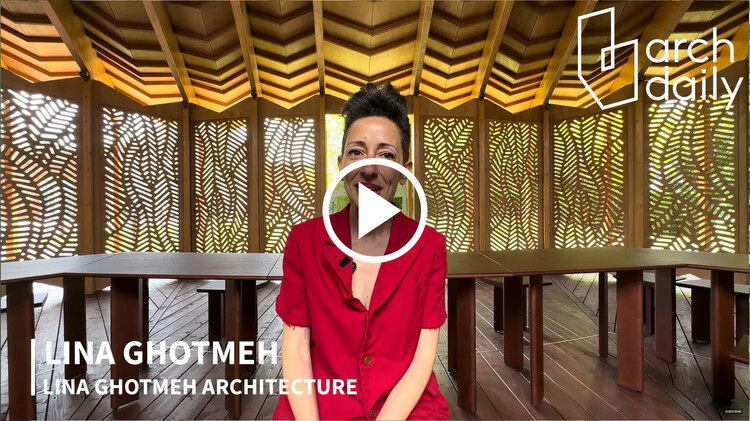
While visiting this year’s Serpentine Pavilion, the ArchDaily team has a chance to sit down with French-Lebanese architect Lina Ghotmeh, the designer behind the temporary structure built in the Kensington Gardens in London. The conversation touched upon Ghotmeh’s motivations and concepts that prompted this pavilion titled À table, conceived as an invitation to sit down together at a table, to enjoy sharing food and engaging in open dialogues. Delving into her Lebanese roots, the architect also expands on her methodology and the desire to create space for conversation and decision-making while encouraging conviviality among people of different backgrounds and experiences. The ArchDaily team also talked to Hans Ulrich Obrist, artistic director at the Serpentine Galleries, about the pavilion as a platform for architecture and the arts.
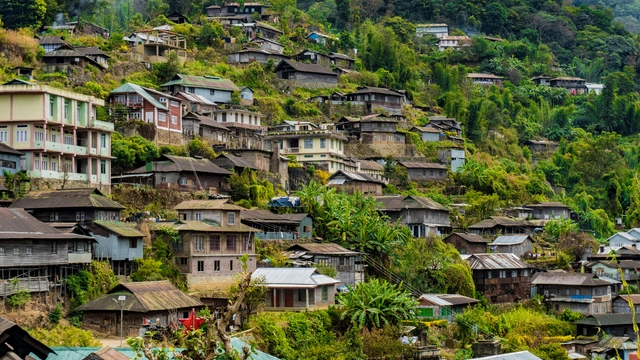
India recently overtook its sub-continental neighbor, China, to become the most populous country in the world with a demography of over 1.4286 billion people. As data from the United Nations also estimates an annual population growth rate of 0.7%, the country’s built environment is set to interact with a new discourse of demography and present its own perspective on how to build for billions. It is set to engage with new challenges of infrastructure, transportation, and adequate housing, which on the surface will force cities to constantly expand as a response to these dynamic needs. However, a critical look at the population distribution within the country reveals that the majority of Indians still live in rural areas as it caters to 65% of the population despite increasing rural-urban migration. This suggests a nudge in a different direction. One where the design and development of the rural areas take precedence over the cities. One that explores architecture in rural areas, its relationship with the cities, and its future as a primary framework to house the exploding population.
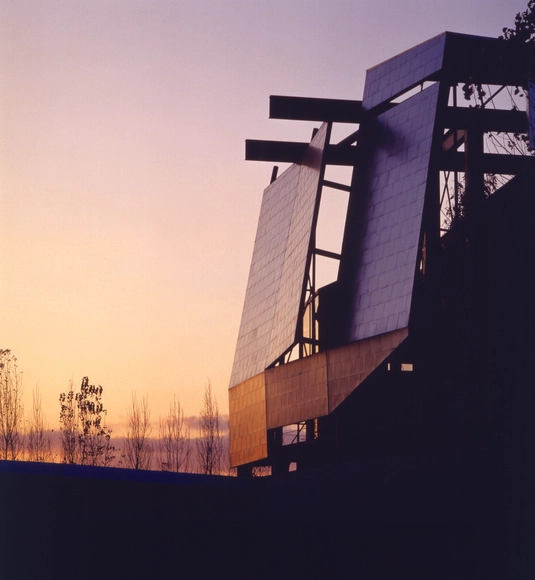
Carlson-Reges House (1992-1996). Image Courtesy of Michael Rotondi
Michael Rotondi’s buildings—museums, civic centers, education facilities, monasteries, restaurants, and residences—evoke kinetic mechanisms that fold, hinge, twist, and split open. They express the architect’s feelings, thinking, and mood at the time they had been designed, and, on some occasions, during their assembly and construction. Rotondi was born in 1949 in Los Angeles.
He established his RoTo Architects, a research-based firm in his native city, in 1991 after co-heading Morphosis for 16 years with Thom Mayne. Parallel to his practicing career, the architect has been teaching and lecturing at SCI-Arc, Southern California Institute of Architecture, which he co-founded in 1972, led its graduate program from 1978-1987, and was the school’s second director for a decade from 1987 to 1997.
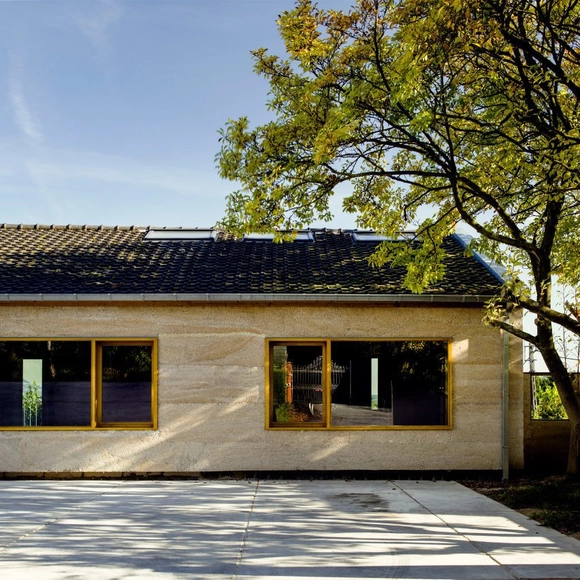
In recent years, the spotlight on sustainable, eco-friendly, and low-carbon materials has intensified across the architecture industry. Amid this interest, a renaissance of hemp architecture is gradually gaining momentum on a global scale. Hemp-based materials have emerged as a favorable alternative to traditional industrialized materials, presenting a multitude of benefits that could revolutionize the construction industry. Despite its vast promise, several hurdles obstruct the widespread adoption of hemp, inhibiting its transformative potential in the construction industry.
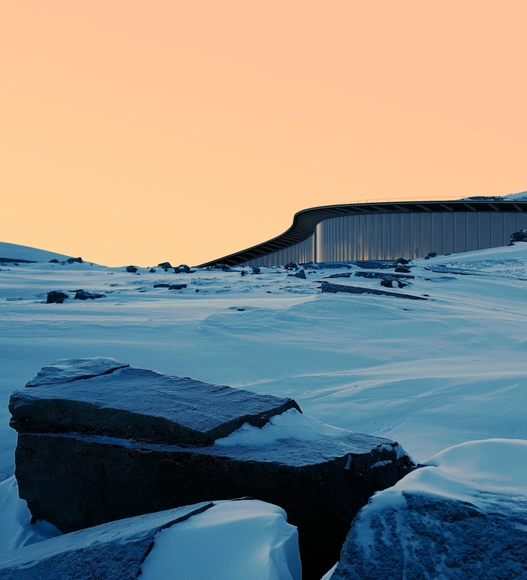
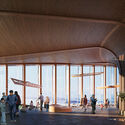
Following an international competition, Dorte Mandrup has been selected to design the new Inuit Heritage Centre in the territory of Nunavut in northern Canada. Designed together with Architect of Record Guy Architects, LEES+Associates, Adjeleian Allen Rubeli, EXP, Pageau Morel, Altus Group, and indigenous consultants Kirt Ejesiak and Alexander Flaherty, the new centre aims to become a sign of cultural conciliation and a symbol of the continuation of Inuit practices, traditions and values. By offering a place where Inuit can reconnect with their collective past through objects, stories, and activities, the centre will promote greater awareness of Inuit culture. The project is expected to be completed by 2027.
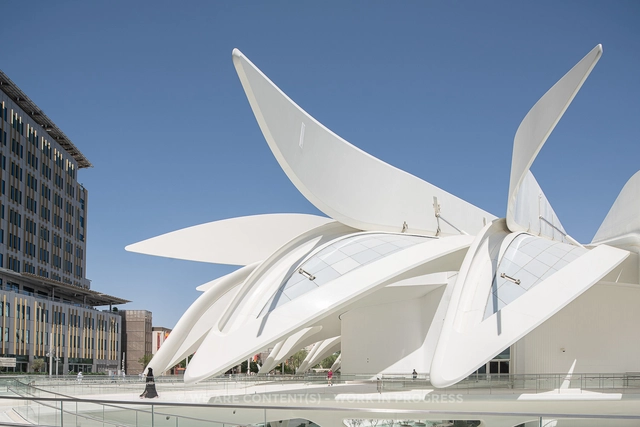
The XIV Florence Biennale of Art and Design announced that Santiago Calatrava will receive the Lifetime Achievement Award, a "tribute to one of the most influential architects of our times and a recognition of your audacious experimentation, extraordinary talent, and ingenious ability to combine architecture and art in projects imagined and designed in harmony with nature and oriented towards the ideals of beauty.”
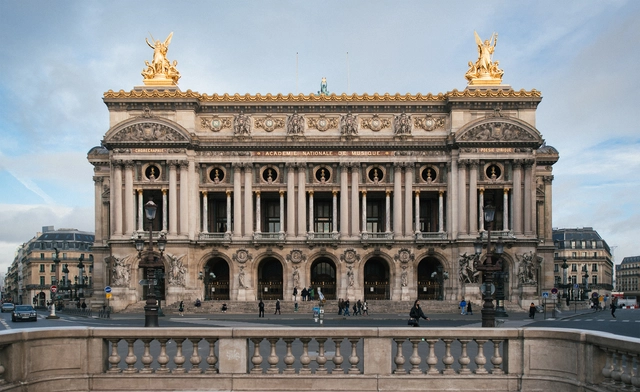
Paris Opera by Charles Garnier. Photo by Francesco Zivoli, via Unsplash
Architectural styles have fallen out of favor throughout history. Generally, the peak of one movement means the decline of another. Over time, the situation may reverse, as in the case of postmodernism, which has divided opinions since its emergence, but experienced a revival in the first decades of the 2000s (or maybe not). Temporal distance contributes to the revision of certain styles' relevance and evaluation of their qualities - or problems.