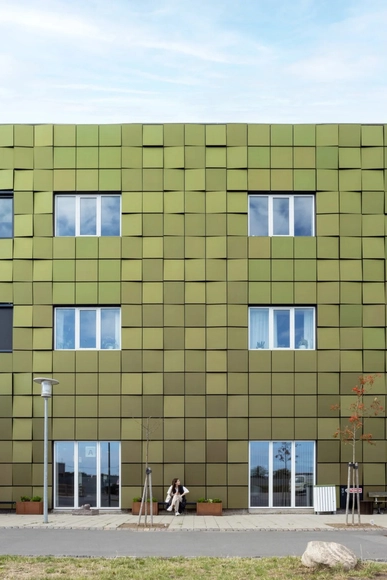
Traditionally relegated to roofs, photovoltaic (PV) panels tend to have a uniform appearance: large black or dark blue rectangular pieces of shiny glass with metal frames. Partly because dark colors better harvest sunlight to be turned into electricity, but also because silicon –the primary material used in most high-efficiency photovoltaic panels– tends to be dark in its crystalline form. Fortunately, there are now technologies to control luster, color and finish that provide aesthetic variety while maintaining high efficiency. SolarLab and other manufacturers are redefining conventional solar panels, introducing design flexibility and material qualities that allow architects to take advantage of large facade surfaces to generate renewable energy without compromising architecturally.
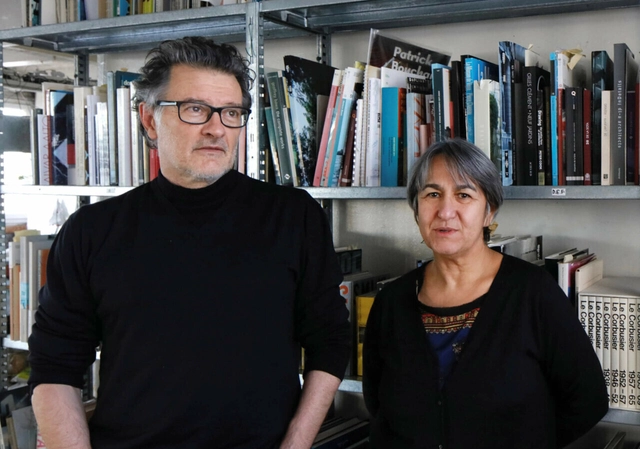
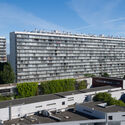
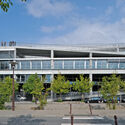
Sir John Soane’s Museum has announced French architecture practice Lacaton & Vassal as the recipient of the 2023 Soane Medal. The award comes in recognition of the office’s work spanning over 3 decades. Through an honest design approach, the office became known for the resourceful repurposing of materials and existing structures to prioritize the needs of residents and local communities. For this approach, the office has been previously awarded as the 2021 Pritzker Prize 2021 Laureate.
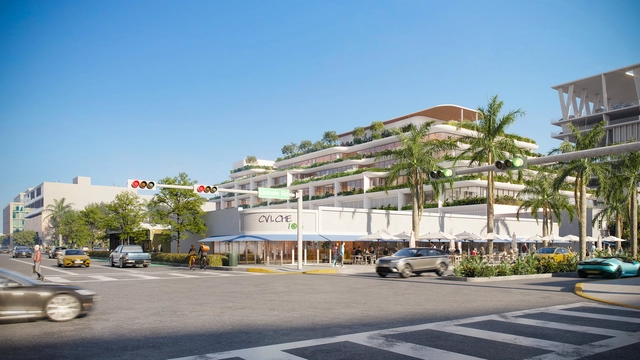
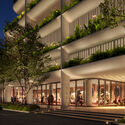
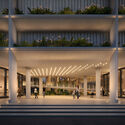
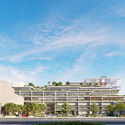
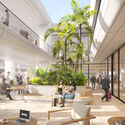
Foster + Partners has unveiled the plans for a new multi-purpose design in the heart of Miami Beach. “The Aalton” is a six-story building encompassing ground-level retail, offices, and residential spaces. Positioned at the intersection of Aalton Road and Lincoln Road, the renowned pedestrian shopping street, the building embraces Florida’s architectural heritage.
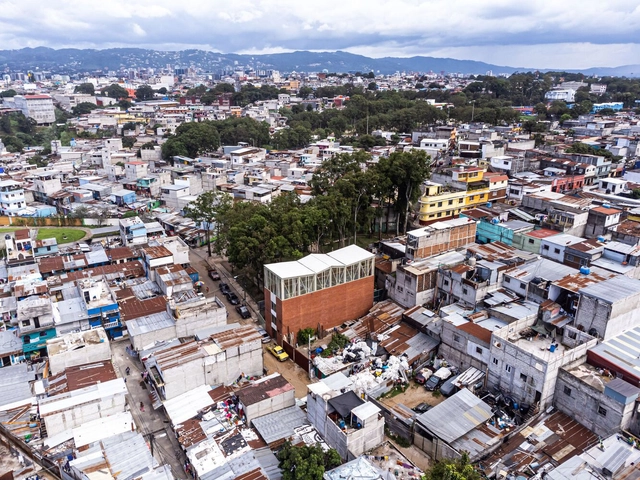
"Architecture, city, and activism" are the words that define Taller ACÁ, an emerging practice led by Jorge Villatoro and Hans Schwarz in Guatemala City. Among their projects are the Tiny House Quinn and the Community Center Plantando Semillas, which were recently selected as the winners of the Danta Awards at the 2023 Guatemala Architecture Biennial. In the following conversation, Villatoro and Schwarz provide detailed insights into their inspirations, working processes, and future projections for architecture, both in the country and in Central America.
As the temperature drops in the Northern Hemisphere, cold outdoor spaces are overcome with frost, ice, and snow, and we find ourselves rushing from one heated indoor environment to the next, less willing or less able to stop and appreciate the natural world around us.
Apart from dragging a spruce or fir tree inside and dressing it up in yuletide costume, we tend to leave the real natural world to its own seasonal devices until it reemerges in Spring. However, by inviting the positive effects of plant life into our homes, we can improve both our mental health and the air we breathe by filling them with peace and joy all year round, not just at Christmas.
Spacon & X is a Copenhagen-based design and architecture studio that works to create spatial identity across different mediums. Their cross-disciplinary work boasts a fusion between traditionally separated fields, contributing to a holistic physical brand experience. Chosen by ArchDaily as part of our 2023 New Practices, the studio works with an explorative approach to architecture, design, event planning, and production.
The studio is run by three partners who each come from different backgrounds: Architecture, Fashion Design, and Scenographic Design. In an interview with Nikoline Dyrup Carlsen, Svend Jacob Pedersen, and Malene Hvidt, ArchDaily delves into their practice, exploring their distinct skill sets and their collaborative and exploratory work ethic. The interview also goes beyond the practice, discussing their unique methodology and commercial business development strategy. Housing 25 employees with various backgrounds, the studio includes architects, carpenters, building constructors, and craft makers and is dedicated to pushing the boundaries of design and architecture.
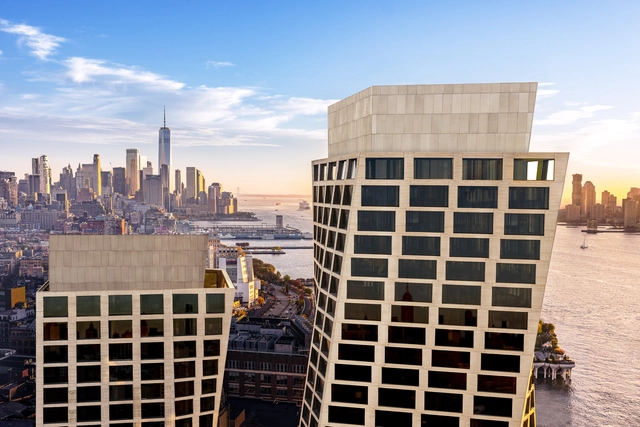
A new set of images showcases BIG's One High Line development nearing completion. Located on the ‘Architecture Row’ in New York, the coupled twisting towers share the Hudson River skyline with neighbors such as Frank Gehry’s IAC building, Renzo Piano’s Whitney Museum of American Art, and Jean Nouvel’s The Chelsea Nouvel ('100 Eleventh Avenue'), along with future works by Thomas Heatherwick and other renown architects. The two condominium towers designed by BIG are organized to define a central public courtyard, activating the public space with retail and commercial facilities. The towers’ exterior and the majority of the interior are completed, with the courtyard expected to be finished by early 2024.
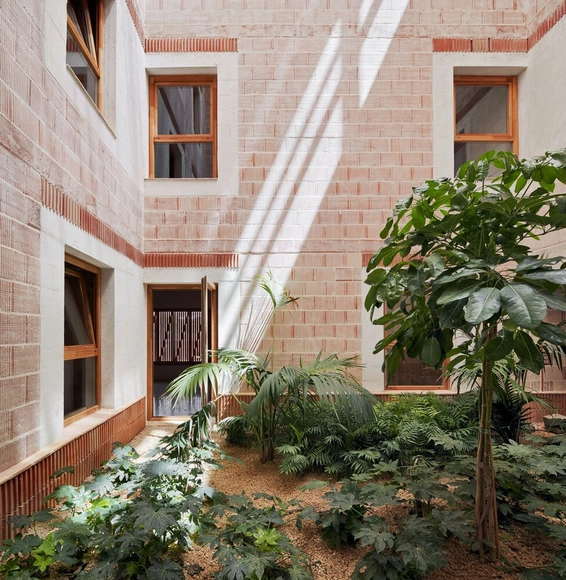
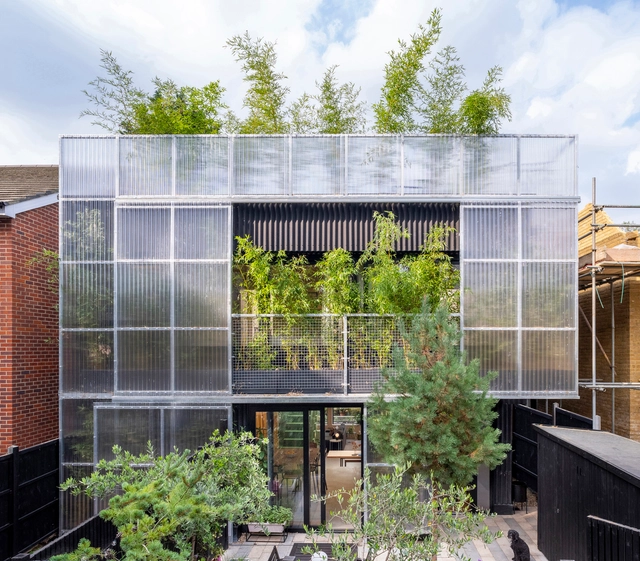
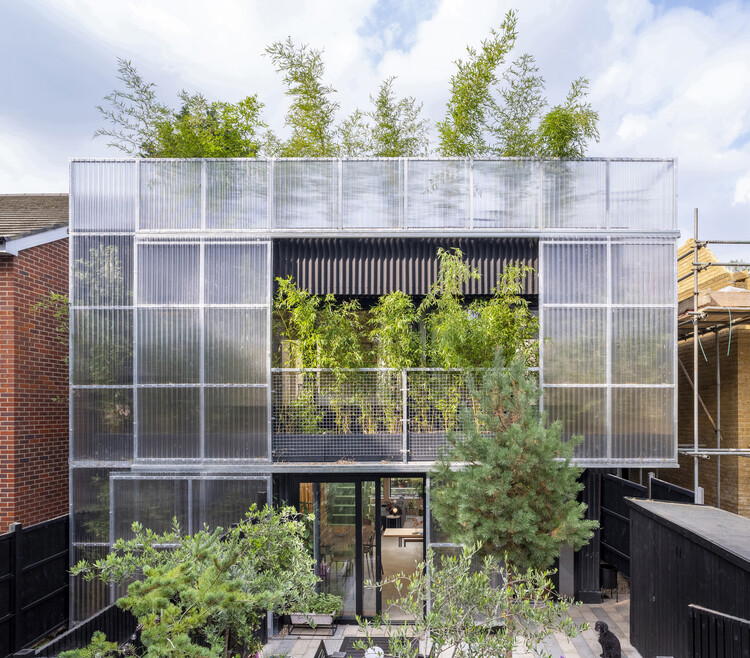
The 2023 RIBA House of the Year Award has been awarded to “Green House.” Designed by Hayhurst & Co, this polycarbonate-lined residential family home was inspired by nature. The annual award recognizes the house as the best example of residential design in the UK. Described as a “domestic greenhouse” and an “extraordinary ordinary house” by the RIBA jury, the design reflects nature’s ability to influence design.
Despite operating from distinct offices in Portugal, brothers Manoel and Francisco have forged their professional paths in tandem, collectively known as Aires Mateus, a shared surname. As a cohesive duo, these Portuguese architects have left their mark on projects across multiple countries, establishing themselves as a benchmark in contemporary architecture. They are praised for their innovative and elegant designs, gaining global acclaim for their ability to integrate simplicity, tradition, and functionality.
Moderated by David Basulto, Co-Founder and editor-in-chief at ArchDaily, the panel featured Jury Chairs for the Holcim Awards 2023 competition, Lesley Lokko, Belinda Tato, Craig Dykers, Manit Rastogi, and Tatiana Bilbao, who explained how the winning projects contributed to the industry's global knowledge network across regions, and how the construction industry is heading towards a sustainable practice.
The Panel Discussion took place on November 19th, 2023 at the Teatro Piccolo Arsenale, in Venice, Italy.
Moving towards modernity implies questioning established concepts. Today, we are witnessing several projects and approaches in architecture that explore alternatives to energy-intensive building systems, materials, and technologies commonly used in today's construction. These projects, far from adopting approaches that reject technology, seek to promote conscious architectural practices. They aim to go back to basics through passive strategies, using natural materials and a contextual understanding to develop sustainable architecture.
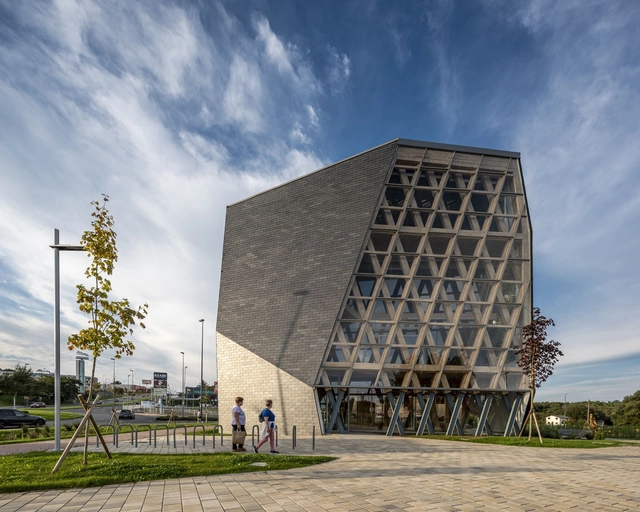
To boost sustainable architecture, it is crucial to have building models and materials that become recognizable icons in their immediate context, thus setting a precedent for the development of future proposals. One such example can be found in Spain, with the "Impulso Verde" project carried out in the city of Lugo which stands out for its construction model based on passive strategies and regional materials. In this project, using natural slate as cladding for the ventilated facade system and employing local resources in the structure was essential for the building's ecological footprint. Additionally, these elements strengthen the building's identity by connecting it to the surrounding landscape.
https://www.archdaily.com/1010187/sustainable-building-models-an-eco-friendly-structure-in-natural-slate-within-a-multi-ecological-neighborhoodEnrique Tovar
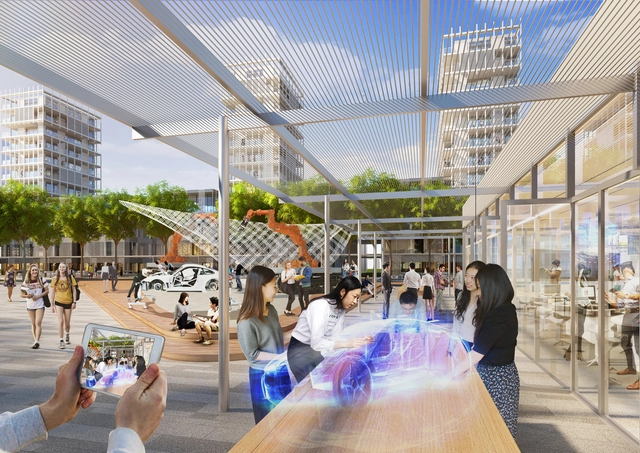
Ho Chi Minh City Innovation District / Sasaki. Image Courtesy of Sasaki
As technology and infrastructure rapidly evolve, a new buzzword finds itself in conversations across industries - innovation. The word is more relevant in light of future-facing challenges such as climate change, inequality, and economic crises. As a result of a surging interest in these concepts, innovation hubs have emerged across the world, aiming to foster creative and collaborative economies to spark quick change. What are innovation districts and how do they influence the built environment?
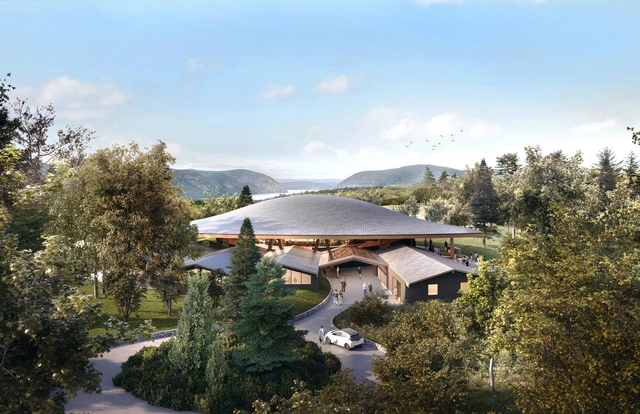
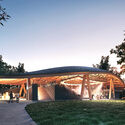
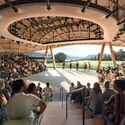
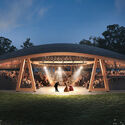
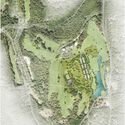
Studio Gang has revealed the design for a new theater for the Hudson Valley Shakespeare Festival (HVSF). Planned to become the first purpose-built LEED Platinum theater in the United States, the building located in Garrison, NY, will serve as the permanent home for HVSF. The structure, measuring over 13,800 square feet, or 1,280 square meters, is designed to become the central point of the 98-acre HVSF campus, aiming to emphasize the theater company’s commitment to sustainable principles and social engagement. The project is expected to break ground in 2024.
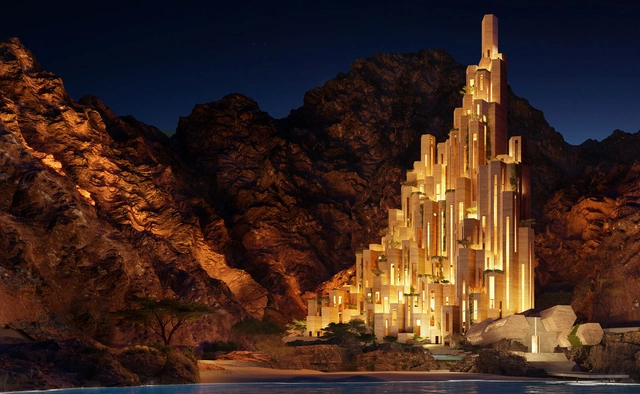
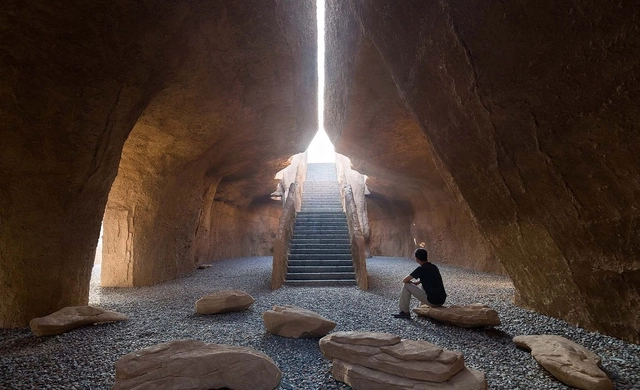
NEOM has just introduced “Siranna,” a new tourism destination within the new sustainable regional development evolving in Northwest Saudi Arabia. Aiming to blend innovation and refinement, while integrating with the coastal terrain, the design seeks to offer a luxury escape, with a 65-key hotel and 35 residences. Prioritizing minimal intervention in nature, Siranna’s development utilizes specific techniques to preserve the local landscape. The architecture pays tribute to the area’s heritage while blending into the mountains and wadi. The initiative aligns with NEOM’s dedication to creating sustainable spaces in nature.
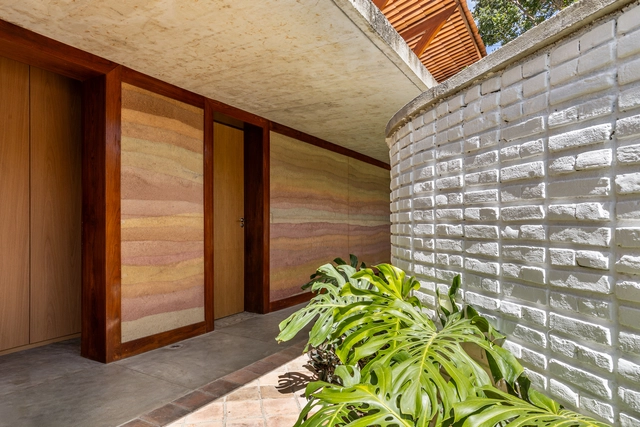
Being one of the first construction methods developed by humans, earth has proven its resilience and durability over time. While construction techniques have evolved and been updated over the years, there is still a long way to explore where the understanding of climate, geographic location, sustainability, structural requirements, and other factors determine its degree of application.
With low environmental impact and the ability to be used through a wide variety of techniques, such as rammed earth walls or 'tapiales,' this material offers the possibility of providing not only aesthetic but also thermal comfort, insulation, and other benefits. With the intention of discovering the different ways it has been used, we set out to select 12 projects distributed throughout Latin America, spanning Argentina, Brazil, Bolivia, Chile, Mexico, Paraguay, Peru, and Ecuador.
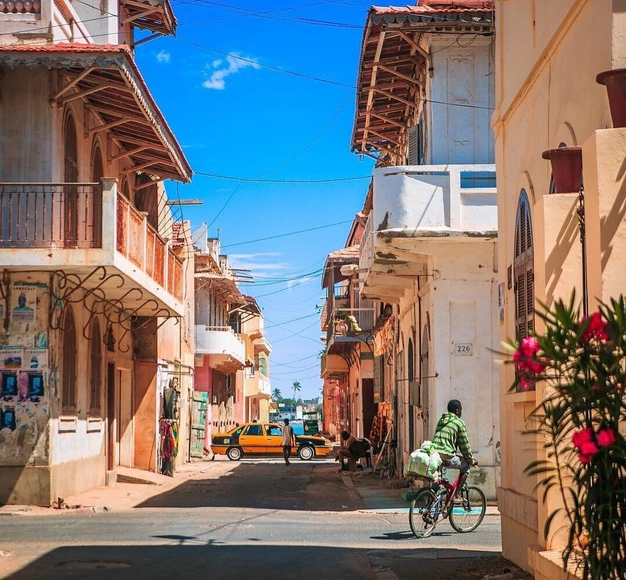
Few countries showcase living history like China. From the iconic Forbidden City to diverse landscapes and building styles, China has a rich cultural and architectural legacy. As the world’s largest construction market, the country continues to invest in new projects. At the same time, this rapid urbanization and accelerated development is juxtaposed with ancient building sites intertwined with layers of history and collective memory.
Local communities are more than just a collection of buildings and infrastructure. They possess a distinctive architectural character that mirrors their history, culture, and values. As part of our year in review, we take a deep dive into the top narratives that examine the architectural identity of different local communities.
These stories explore a wide range of topics, including unique geographic territories, cultural tribes, iconic landmarks, communal collaboration, and socio-ecological urban planning. Through these narratives, we uncover the captivating tales behind the buildings and public spaces that shape certain cities and towns.
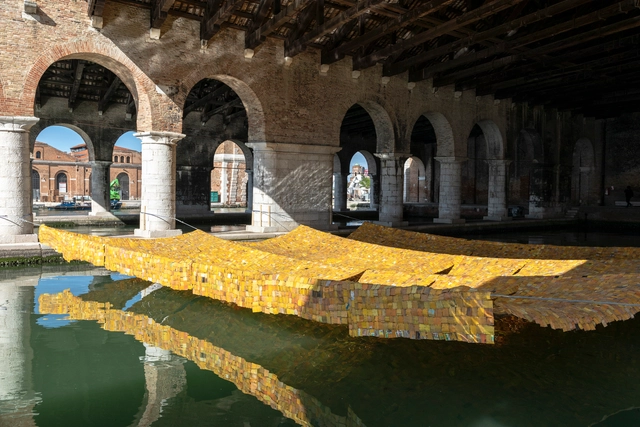
The 18th International Architecture Exhibition of La Biennale di Venezia closed on November 26th. A total of 285,000 people visited the exhibition, making it the second most highly attended Architecture Biennale in its history. Named "The Laboratory of the Future," this edition led by curator Lesley Lokko, has been the first to focus on Africa and its diaspora, exploring the “fluid and enmeshed culture of people of African descent that now straddles the globe,” in the words of the curator, with themes of decolonization and decarbonization.
This edition has attracted a wide array of visitors, 38% of whom are represented by students and young people. Visitors organized in groups represented 23% of the overall public, with a large majority of groups coming from schools and universities. The numbers denote an event centered on the transmission of knowledge and circulation of ideas.