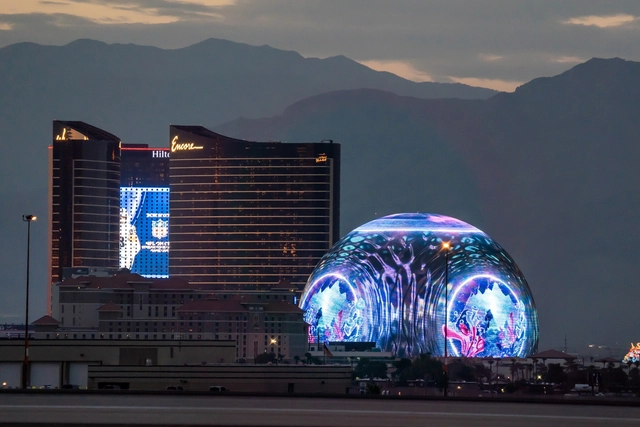
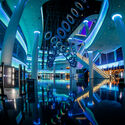
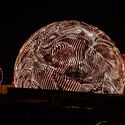
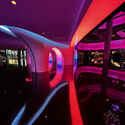
The Sphere at the Venetian Resort, previously known as the MSG Sphere, opened to the public with a series of concerts headlined by Irish rock band U2 on September 29, 2023, in Las Vegas. Designed by stadium specialist architecture office Populous, the project was first announced in 2018. Measuring 34 meters in height and 157 meters in width, the venue, whose building costs rose to $2.3 billion, is labeled the world's largest spherical structure, with its exterior clad in a high-resolution LED screen. The project, located east of the Las Vegas Strip and connected to the Venetian resort complex, is designed to host various events, including music, film events, and even some sports. To reveal the complete experience of this venue, new interior images showcase the intricate details and immersive atmosphere within.
In the ever-evolving landscape of urban development, cities are faced with an array of challenges that demand quick and innovative solutions, ranging from the critical issue of affordable housing to the pressing need for efficient and decongested infrastructure and sustainable energy practices. As the demands of the built environment expand, local authorities worldwide are redefining policies and regulations to shape their cities. These innovative regulations can drive sustainable and consistent progress as cities stand at the intersection between their present challenges and future aspirations.
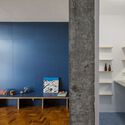
As temperatures rise, the demand for air conditioning is on the upswing. Recognizing its near indispensability in modern life, we seek more energy-efficient options in response to the climate crisis while considering how architects and designers can integrate these units discreetly into rooms. The challenge is to keep their primary function, cooling the environment, without drawing too much attention. In this context, we've compiled some tips on concealing air conditioning units to ensure a harmonious overall composition in the space.
As part of our 2023: Year in Review retrospective, on ArchDaily we review and reflect over this years’ publications. Residential architecture continues to be one of the most visited categories when it comes to built architecture, sparking interest from our users all around the world.
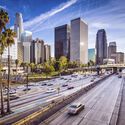
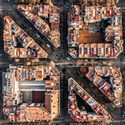
Los Angeles officials have voted on a motion to implement the first Park Block, a pilot project that creates a car-free grid of city streets to open up public space for pedestrians and cyclists, as reported by NBC Los Angeles. The plan takes inspiration from Barcelona’s Superblock program, which creates groups of nine blocks in the district of Eixample and restricts the traffic to the outside streets, freeing up the rest of the streets for pedestrian and local transit only. Implemented in 2016, the plan has led to reduced levels of air pollution, urban noise, and traffic fatalities. A similar program is now planned for Los Angeles, United States.
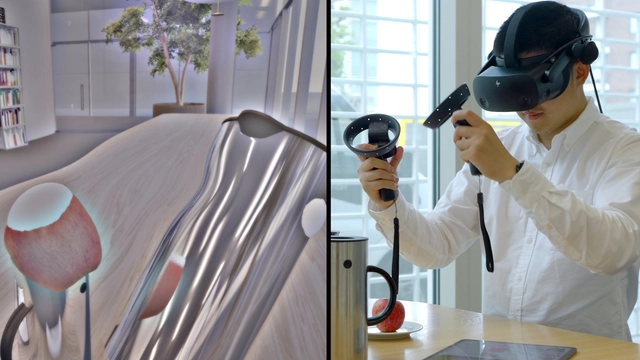
Foster + Partners Applied Research + Development team has created VARID (Virtual and Augmented Reality for Inclusive Design). Designed in collaboration with City, University of London (City) and UCL’s PEARL Lab, VARID is a design toolkit that uses virtual and augmented reality technologies. Its objective is to support academics, designers, and architects in better understanding how people with vision impairments perceive their environment.
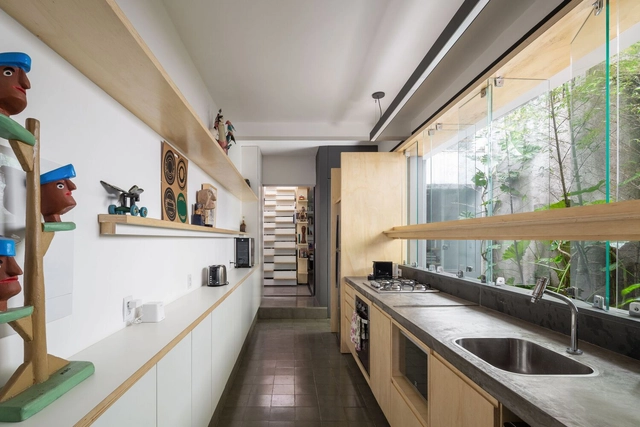
A needs program precedes every project. In certain typologies, specific activities are inherently linked to them. A meeting room in a corporate office, a collection in a museum, and bedrooms in a residence: the latter has a relatively well-defined basic needs program: bedrooms, living room, bathrooms, and kitchen. The size and arrangement of these elements in the space depend on various factors, but a house typically includes some combination of these essential components.
URB has released a study for “Dubai Cycle City 2040,” envisioning diverse cycling infrastructure in the Emirate. The initiative aims to revolutionize transportation in Dubai, allowing residents quick access to critical services and locations by cycling or walking. In a city where cars have reigned supreme as a transportation mode, plans are underway to transform urban mobility.
A few days before the end of November, Gramado, a city known as one of the most sought-after tourist destinations in southern Brazil, grabbed the attention of national and international media. Unfortunately, it wasn't due to its film festival or the traditional lavish Christmas festivities. The city, already suffering from weeks of persistent rain, witnessed the emergence of massive geological rifts tearing through its streets, creating a post-apocalyptic movie-like scenario.
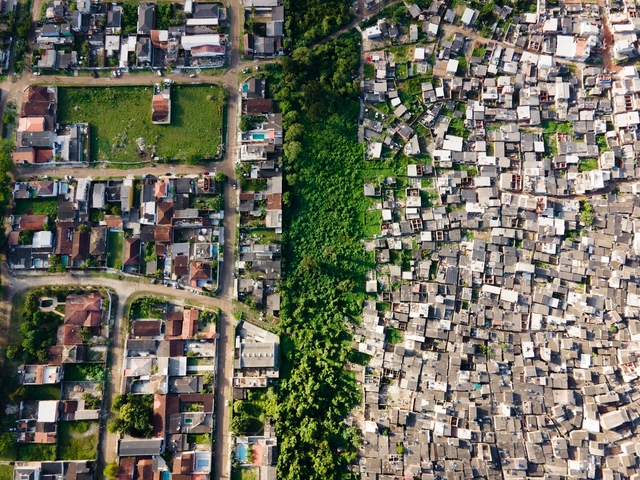
The imminent danger of ground movement alerted the population and the authorities, who promptly evacuated the buildings on the hills of the condemned neighborhood. This course of action proved entirely effective and responsible, as one of the buildings within the designated area did indeed collapse three days after the evacuation. However, it is worth noting a detail: the affected neighborhood consisted of upscale residences and luxury hotels and inns, which raises a question: would the efforts have been the same if the situation occurred in lower-income peripheral neighborhoods?
The traditional office space of the 20th century, with its huge filing cabinets, industrial-strength printers, and high-capacity meeting rooms, is no longer the only way to do business. As technologies such as cloud computing, video conferencing, and AI make our working lives simpler, all we really need is a flat surface and a wifi password.
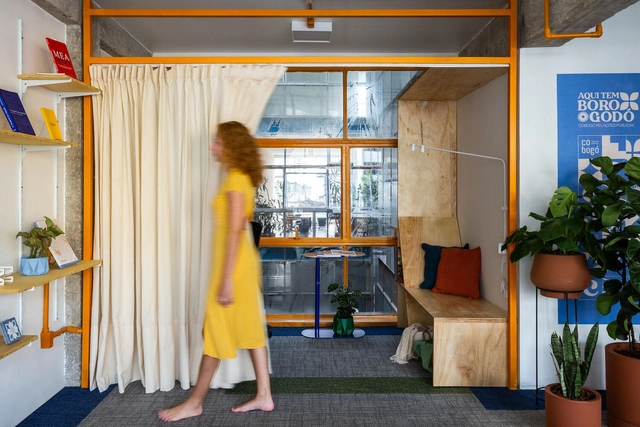
In a commercial climate where even the largest companies pay as much notice to their social media accounts as their share price, it’s never been easier for small businesses to compete, but finding suitable office space for single-digit employers can be hard. These four small-scale workplaces show how, by keeping things small, they can do more with a lot less.
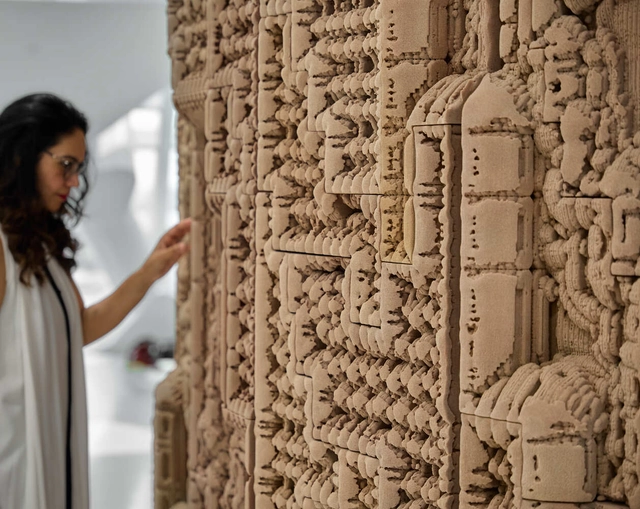
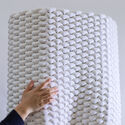
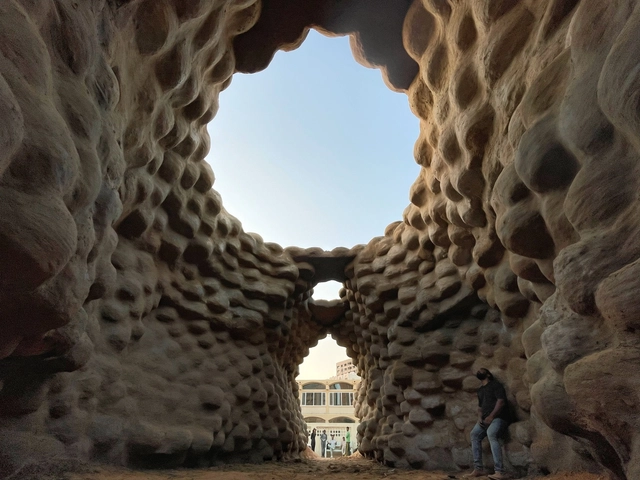
3D printing holds vast potential due to its ease of large-quantity manufacturing, its flexibility in terms of material exploration, and its ability to materialize all kinds of geometries. This year, architects and designers have looked at 3D printing technology to decarbonize construction materials, integrate contemporary aesthetics with traditional construction methods, and add a layer of craft and artistry to interiors and facades.
Regarding urban development, the choice between demolition and adaptive reuse holds far-reaching implications. From debates around the cultural and historical significance of structure to the environmental impact of the process of razing and rebuilding, compared to the cost of preserving and adapting, the matter of demolitions has ignited the architectural community to come together and ask for more responsible assessment strategies in hopes of rediscovering the value of existing structures. This article gathers some of the stories of buildings facing the threat of demolition and the processes that led to their rescue.
Covering all regions of the world, the continental winning projects of the 2023 Prix Versailles have been revealed. With 18 selected establishments in the categories of stores, hotels, and restaurants, as well as 15 shopping centers, the projects are grouped into six regions: Africa and Western Asia; Central, South America, and the Caribbean; North America; Central and Northeast Asia; South Asia and the Pacific; and Europe.
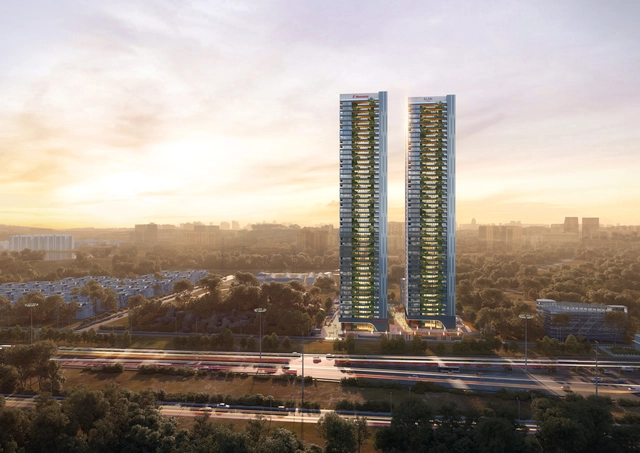
Courtesy of Architectural Dialogue | Elan - Meenakshi
Architecture competitions are platforms where innovation meets imagination, where the boundaries of what we know about design and architecture are relentlessly pushed. Serving as spaces for architects and designers to realize groundbreaking ideas, competitions challenge our conventions and shape our future environments. While countless creative concepts are proposed, only a handful are realized. In fact, these winning designs stand as a showcase for the creativity of architects, redefining our future built environments.
These winning projects demonstrate the global initiative to rethink the way we interact with spaces. HOKA fosters community interaction, while RITSO Resort merges tradition with modernity. Science Forest transforms museums into hubs for dialogue, and Elan-Meenakshi apartments in Hyderabad integrate urban living with green spaces. Ranging from Vietnam, Greece, Rome, to India, these examples showcase the transformative potential of architecture competition winners, reshaping our perception and interaction with the spaces we inhabit.
The Second Studio (formerly The Midnight Charette) is an explicit podcast about design, architecture, and the everyday. Hosted by Architects David Lee and Marina Bourderonnet, it features different creative professionals in unscripted conversations that allow for thoughtful takes and personal discussions.
A variety of subjects are covered with honesty and humor: some episodes are interviews, while others are tips for fellow designers, reviews of buildings and other projects, or casual explorations of everyday life and design. The Second Studio is also available on iTunes, Spotify, and YouTube.
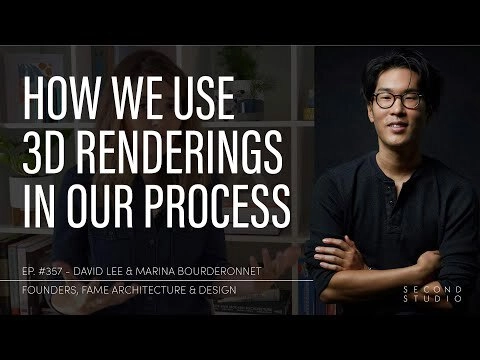
This week David and Marina of FAME Architecture & Design discuss how they use 3D images and renderings in their process. The two discuss the value of 3D images as a design tool and communication tool, the limitations and downsides of 3D images, and how these visuals are used during the different project phases.
https://www.archdaily.com/1011220/the-second-studio-podcast-the-pros-and-cons-of-3d-visualizationThe Second Studio Podcast
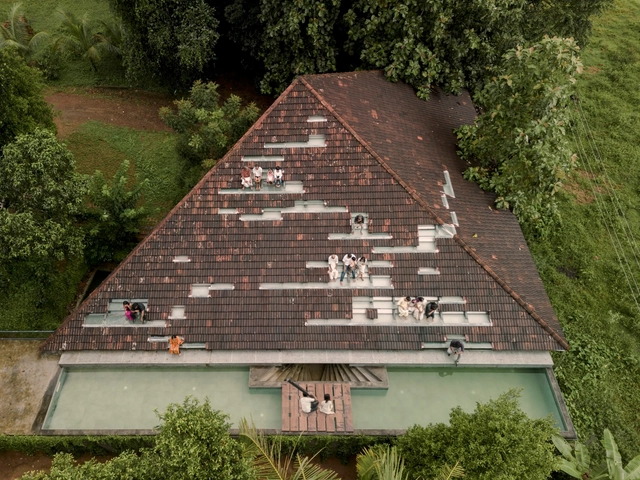
In recent years, India has emerged as a focal point for architects and urban designers from around the world. From the rich legacy of masters and emerging firms to smart city initiates being established across the peninsula, the acts of decolonization in architecture design to the evolution of a modernized vernacular, India has been demonstrating the power of supporting good architecture and urban design. This year, ArchDaily launched ArchDaily Building for Billions, a column that discusses the effects of population rise, urbanization, and economic growth on India’s built environment. Building for Billions was fueled by the recognition of changes and innovative projects washing over the country.
Architecture in the Global South often embodies a rich cultural heritage and craftsmanship, incorporating vibrant colors, intricate patterns, and symbolic elements. It also tackles the challenges faced by developing economies, such as limited resources, rapid urbanization, and social inequality, by promoting inclusive and community-driven design solutions. As installations and pavilions serve as radical templates for interrogating these architectural ideals and seeking innovative solutions, we present the top architectural installations as part of our year-in-review. They encompass curated exhibitions like the Venice Architecture Biennale, as well as permanent pavilion structures in specific contexts that delve into local materials, waste reuse, and the reinterpretation of historical narratives.
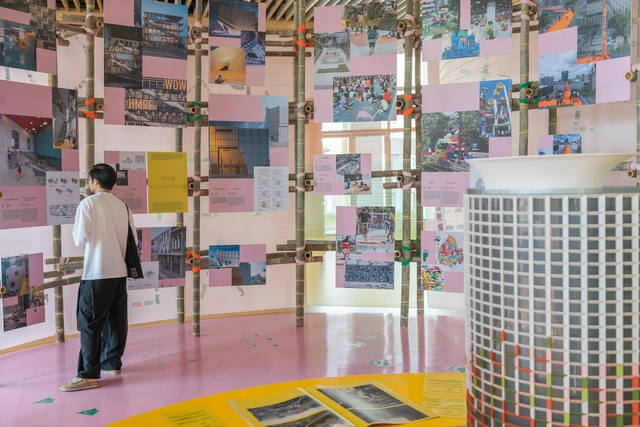
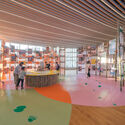
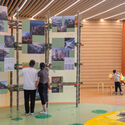
“ReviveR,” a new exhibition by MVRDV opened at the Shenzhen Women & Children’s Centre, focused on the different narratives surrounding its hosting building, from the role of play and social interaction, to the importance of fun environments for people of all ages, along with the need to reduce carbon emissions by applying principles of circularity. The exhibition is on display in the building’s 5th-floor auditorium from December 6, 2023, until February 28, 2024.