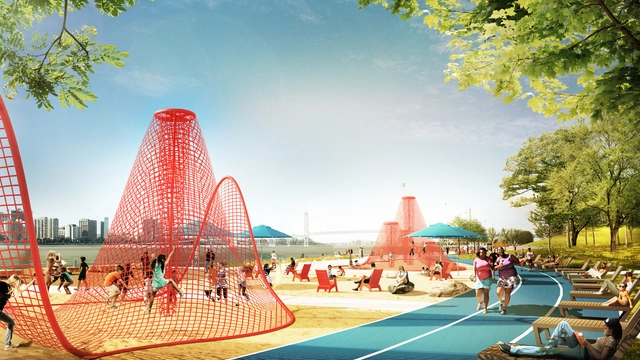
As the river offers a place of beauty and solitude to the people of Detroit, four international design teams have presented their creative schemes for the West Riverfront to extend this vibrant area in the city as part of an international design competition led by the Detroit Riverfront Conservancy (DRFC). The development of the 22-acre West Riverfront Park is expected to cost around $50 million to complete the DRFC’s ultimate vision for 5.5 miles of revitalized riverfront.
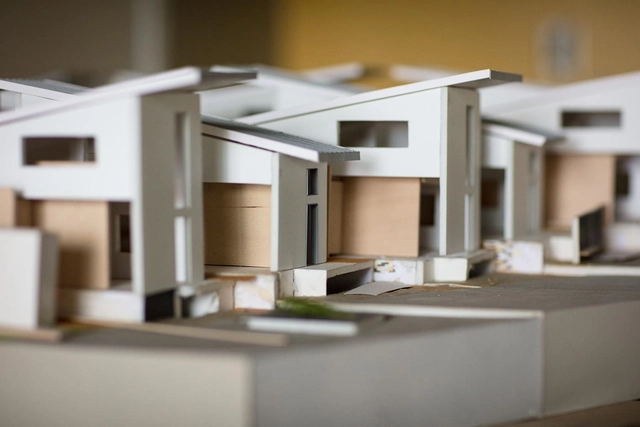
As a generation that has the most flexibility in day-to-day life, live-work dwellings are becoming more and more popular; a topic that is expected to be seen everywhere in 2018. We can now work anywhere as long as we have a decent internet connection and something to type on. Penda’s latest design, Yin & Yang house, calls upon millennials to take advantage of this ability and move back to the countryside for a better quality of life.
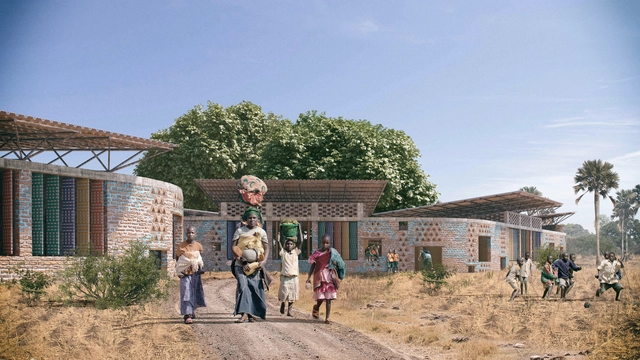
Many children in Africa are forced to bear the brunt of attending schools with poor ventilation that can easily overheat under the African sun. WAYAiR’s proposal for a new school in Ulyankulu tackles the climate issue and provide an “educational village” respecting the local heritage and identity of the town. WAYAiR is a group of like-minded educators that for the last 25 years have developed their unique school program in Poznan, Poland using an art based educational program and now wish to share their expertise worldwide.
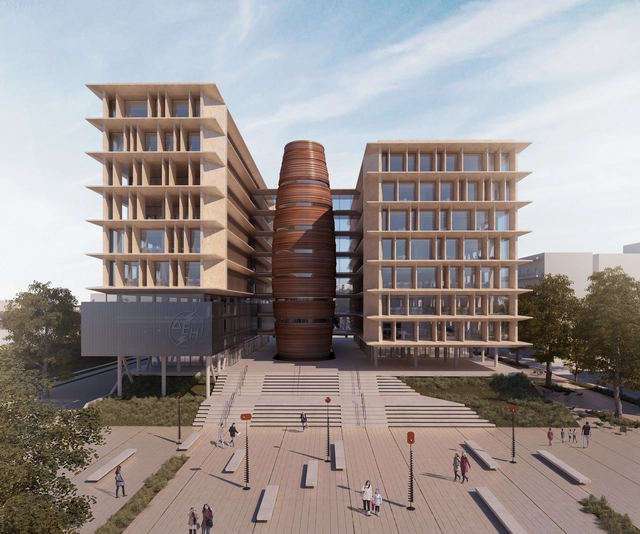
Micromega’s winning proposal for the new Public Power Corporation HQ in Athens seeks to define the company’s public character in creating an integrated urban park around and under the structure. The site which held the steam-powered station is to become a contemporary landmark for the city whilst establishing a dialogue with the historical complex and the existing old electricity factory.
Through Micromega’s design, PPC’s commitment to sustainable forms of energy will be established by three main “topoi” (spaces) that educate and express the company’s renewable sources – sun, wind, and water. In the creation of the new urban park, the architects hope to activate environmental awareness, reminding the public of the alternative clean sources available.
The argument, made by architectural historian Charles Jencks in the introduction for the recently released book Postmodern Design Complete, that Postmodern styles never truly left the architectural profession is stronger than ever. The movement from the late 70s and 80s which began as a reaction against the utopian canon of modernism has recently been re-entering the architecture scene and defining our present moment of architectural culture.
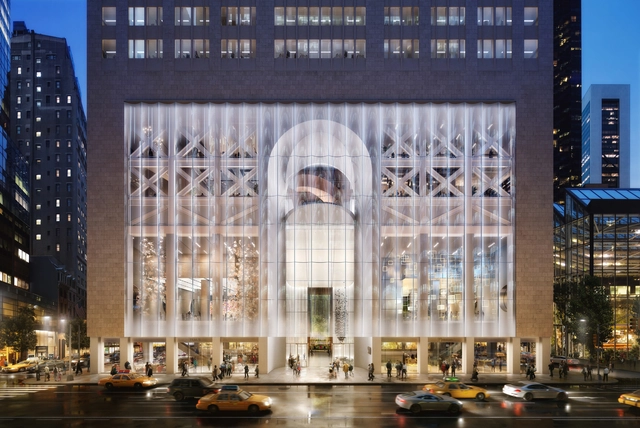
This brings up an important question: What is the current movement of architecture? And what came directly after postmodernism? If anything, it was an immediate cry of “No more Po-Mo,” followed recently by a wave of “save Po-Mo” perhaps best demonstrated by the rallying to save Philip Johnson’s AT&T Tower from a Snøhetta makeover. Even Norman Foster claimed that although he was never a fan of the postmodern movement, he understood its importance in architectural history. Postmodernism is making its recursive return with Stirling-esque rule-breaking jokes and pictorial appearances.
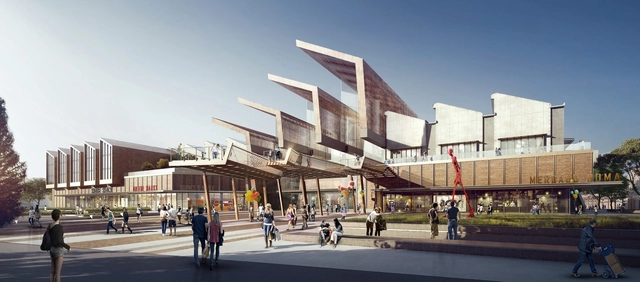
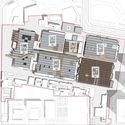
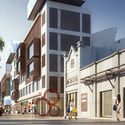
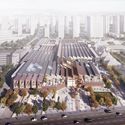
Fosun Group hired Woods Bagot to transform commercial planning of Dahua, an 82-year-old historic textile mill, into China’s next retail and entertainment district. Located in Xi’an’s urban center, the site sits next to Daming Palace, the Tang Dynasty’s royal residence and a national heritage site which attracts thousands of tourists each year.
Last week, Boise City Council unanimously approved world-renowned Safdie Architects to lead the local design team for the new cultural and civic center in downtown Boise. The center will expand the main library and bring it into the 21st century as well as becoming the new home for Boise Department of Arts & History that will house a performing arts venue for 400 capacity, gallery, and retail space.
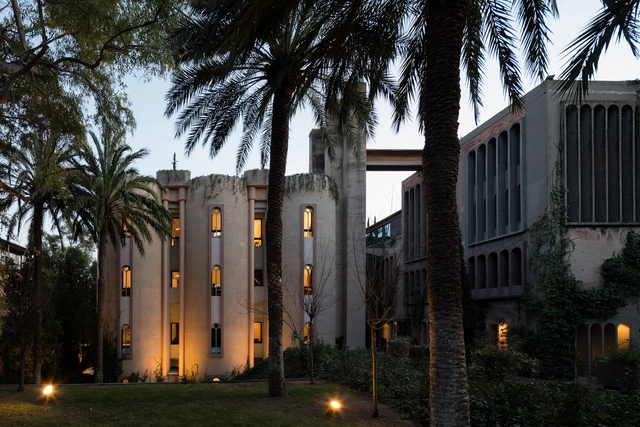
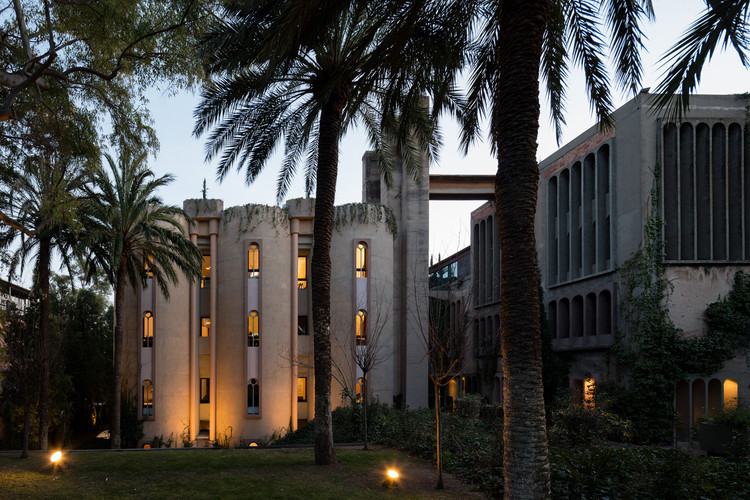
Architectural photographer Marc Goodwin captures the unique workspaces of architects around the world. So far, Goodwin’s photography has helped us imagine what office life might be like as an architect in London, Paris, Beijing, Shanghai, Seoul, the Nordic countries, and now, Barcelona. Read on to see the spaces where architects from Ricardo Bofill to Fermin Vazquez design solutions that impact our world.
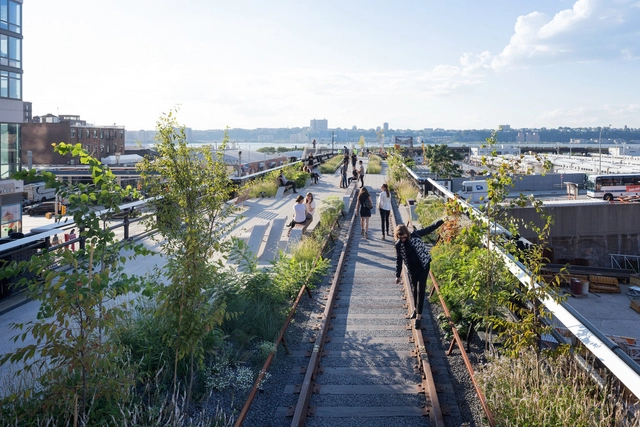
Eight long and prosperous years have passed since the first part of the New York High Line opened in 2009. As a prominent piece New York's architectural and urban identity, it is no wonder that it has been awarded the Harvard GSDVeronica Rudge Green Prize in Urban Design, recognising the ongoing efforts of the Friends of the High Line for their adaptivity to the changing context of the park and their support from the beginning for design excellence.
The jury was particularly inspired by the multidisciplinary project between James Corner Field Operations, Diller Scofidio + Renfro, and Piet Oudolf, spanning the public and private domains as a model of collaborative design. It was also commented on the social and political relevance of the High Line in saving a piece of American history from ruin and interacting through community outreach programs and a wider dissemination program for cities across the US.
The designs by Snøhetta for the renovation of the building at 550 Madison Avenue have launched the building to the forefront of the debate about the preservation of Postmodern heritage. The plans include replacing the stone facade with undulating glass in order to transform the building's street presence. Should plans progress, the once prominent arched entry will sit behind fritted glass and stone covered columns will be unwrapped to create a hovering datum.
In a world where technology is at the forefront of our lives, it’s hard to imagine that many of the jobs that are available now did not exist 10 years ago; uber drivers, social media managers, app developers and even the job of an ArchDaily writer would have seemed an abstract concept! As technology advances further, even more job positions will be created and others left behind, leaving it open to speculation as to what will come next.
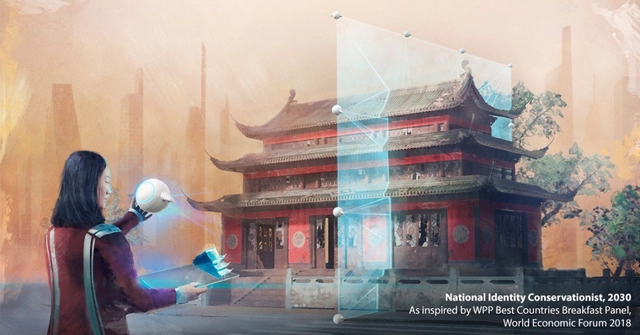
It is almost impossible to predict the future, but digital agency AKQA and Mish Global have attempted the impossible and envisioned several potential jobs in the design and construction industry in 2030 following inspiration from several panels they attended at the World Economic Forum. With the speed of changes over the last decade, they don’t seem too far from reality either.
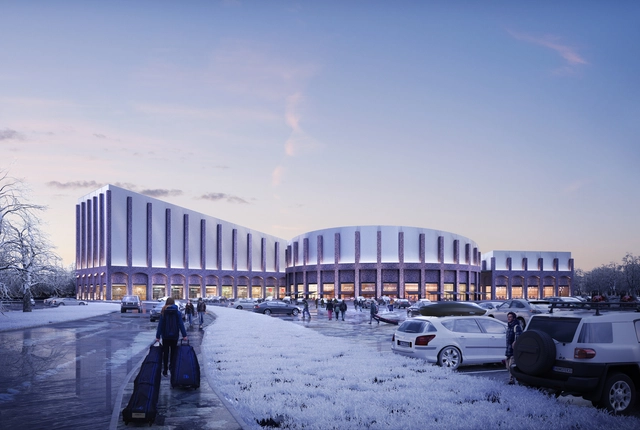
FaulknerBrowns Architects have recently submitted a planning application for a new major indoor snow and leisure center in Swindon, marked as a priority by Swindon Borough Council. The scheme is set the help regenerate the previously industrial area into a vibrant shopping district, located opposite the existing Oasis Leisure Centre. Russ Davenport, Partner at FaulknerBrowns Architects, said:
It is fantastic to be able to bring our experience and expertise in indoor snow and leisure destinations to Swindon for this exciting development. The complex—our fifth indoor snow scheme—will bring a neglected site back into use and provide visitors with a memorable experience, both on and off the slopes.
Following the evolution of architecture in Tuscany, this documentary maps out the decline of the region in the shadow of Brunelleschi and Alberti. From the 14th century onwards, Italy underwent a cultural rebirth that changed the entire world, bearing the architectural mastery of the Renaissance. However now, there appears to be a detachment within modern architecture and little work for the many architects who are being forced to emigrate.
Following recent natural disasters including the Northern California wildfires, the HASSELL + team have been inspired to reimagine the San Francisco Bay Area as a vibrant community hub, equipped to provide temporary facilities in an emergency. As part of the competition Resilient by Design, the ten teams were asked to provide solutions for the waterfront through site-specific conceptual design and collaborative research projects.
Each year the Vilcek Foundation selects American immigrant champions of the arts and sciences. This year the 2018 Vilcek Prize in Architecture was awarded to Guatemala-born, and now San Diego-based, professor and architect Teddy Cruz. Cruz uses his past experiences, living in Guatemala during its civil war, to focus his academic and professional career on shaping political and socioeconomic forces.
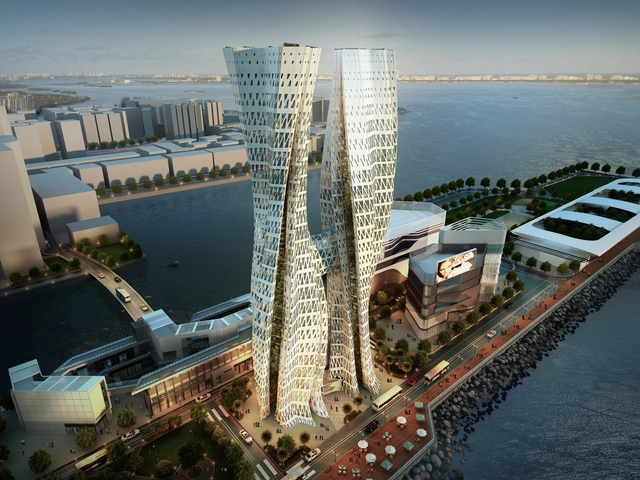
Bee Breeders have announced the winners of the SKYHIVE Skyscraper Challenge. The purpose of the competition was to allow architects, design students, engineers, and artists from all over the world to "generate design ideas for iconic high rise buildings in cities around the globe."
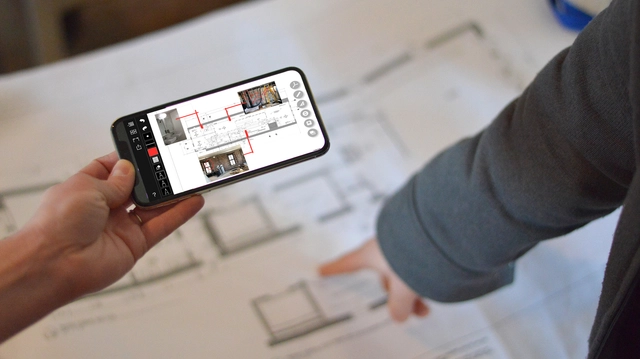
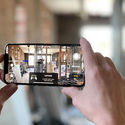
Have you ever been on the construction site and had a problem arise that needed immediate attention? The answer to that question is almost guaranteed to be yes. The Construction Administration phase is not intended to be a time for big design decisions, but with unforeseen field conditions, contractor errors and never-ending client changes, your team can keep designing and problem-solving throughout CA. Morpholio's new update to their Trace app for iPhone, TracePro, aims to transform site visits by "importing key components of the design process into the Construction Administration phase."
England-based Feilden Clegg Bradley Studios have completed their redesign of the Hayward Gallery which transforms the iconic cultural venue into a modern space which allows Southbank Centre to continue to provide “more access, to more arts, for more people.”


.jpg?1519738936&format=webp&width=640&height=580)
.jpg?1519739096 "Courtesy of Penda Austria")
.jpg?1519738994 "Courtesy of Penda Austria")
.jpg?1519766484 "Courtesy of Penda Austria")
.jpg?1519766430 "Courtesy of Penda Austria")
.jpg?1519738936)














.jpg?1517512410&format=webp&width=640&height=580)
.jpg?1517512410 "© Morley Von Sternberg")
.jpg?1517512388 "© Morley Von Sternberg")
.jpg?1517512260 "© Morley Von Sternberg")
.jpg?1517512243 "© Morley Von Sternberg")
.jpg?1517512410)


