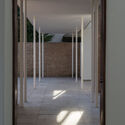
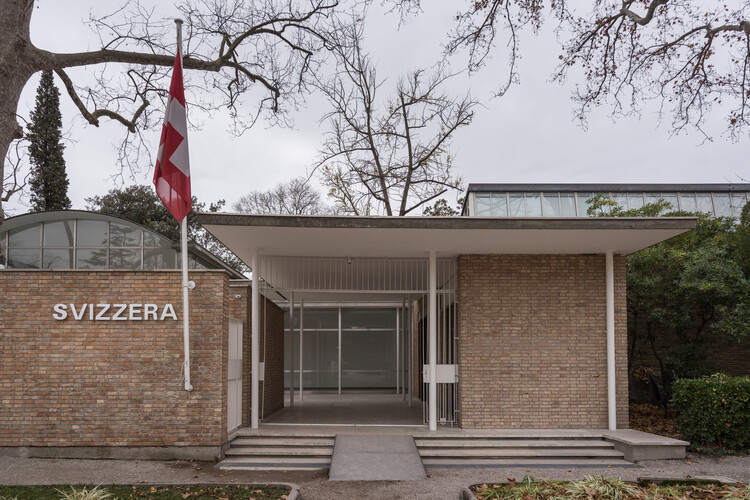
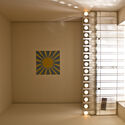
Amid the orderly grid of the Giardini della Biennale, the Swiss Pavilion appears almost reticent. Its low white volumes, completed in 1952 by Bruno Giacometti, seem to withdraw from the surrounding display of national pride. The building embodies a form of modernism that resists monumentality, where precision and restraint replace spectacle, and architecture becomes less an object than a framework for encounter.
Emerging from a Europe rebuilding itself, the pavilion reflects a time when nations were reimagining how to appear in the world. For Switzerland, neutrality had long been both a political stance and a cultural condition, and Giacometti translated this identity into a sequence of measured rooms arranged around an open courtyard, defined not by what they contain but by how they hold light, movement, and pause. The result is an architecture that does not speak loudly of belonging but invites attention through balance and care.
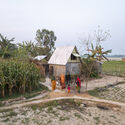
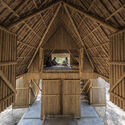
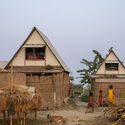
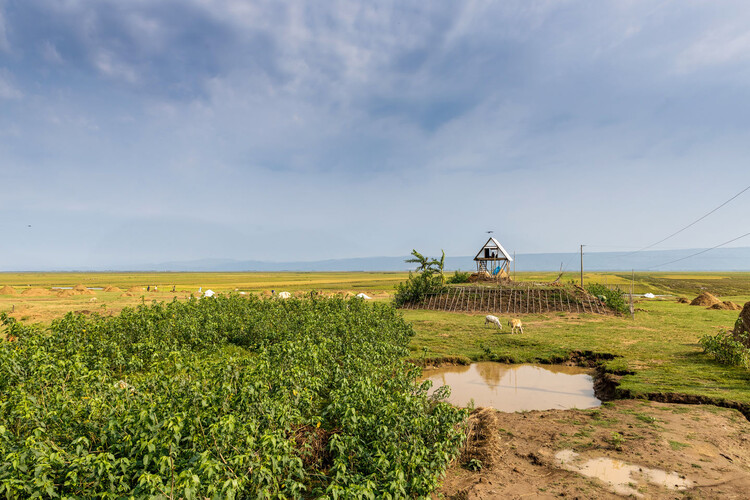
In the low-lying deltas of Bangladesh, water defines both life and loss. Every year, millions are forced to rebuild after floods wash away their homes, crops, and livelihoods. In these precarious territories, the act of building has become an act of resilience. It is here that Khudi Bari emerges as a modest yet radical proposal. Designed by Marina Tabassum Architects, the project provides a lightweight, modular, and affordable dwelling for communities displaced by climate change. Recognized as one of the winners of the 2025 Aga Khan Award for Architecture, it represents a form of architecture that empowers rather than imposes.
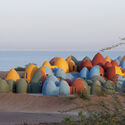
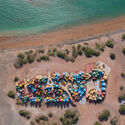
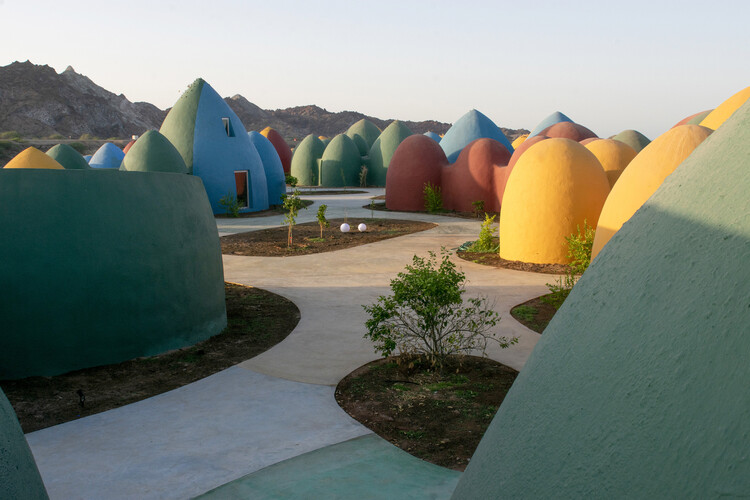
Hormuz Island, located in Iran, was a strategically significant port in the Persian Gulf, characterized by its landscape of colorful mountains. Despite its tourist appeal, the island faces significant socio-economic problems, with the local population having historically faced economic hardship. In response, the Majara Complex by ZAV Architects was conceived not merely as a building but as a deliberate architectural intervention designed to give control, opportunity, and economic benefit directly to the local community. To do this, the project channeled investment into local human resources and prioritized accessible construction techniques, creating a pathway for localized wealth creation. This allowed the Majara Complex to be one of the recipients of the Aga Khan Award for Architecture in 2025.
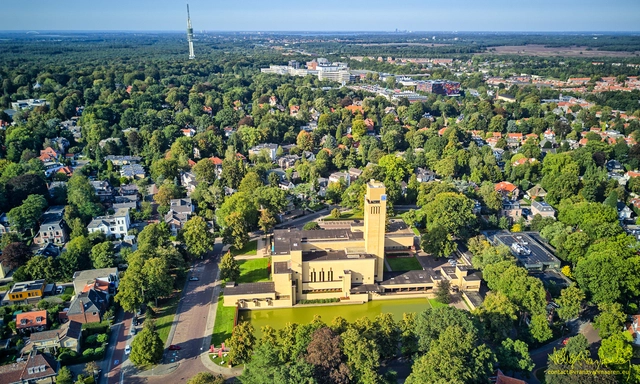
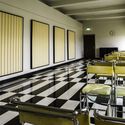
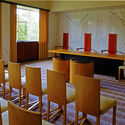
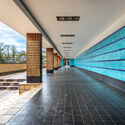
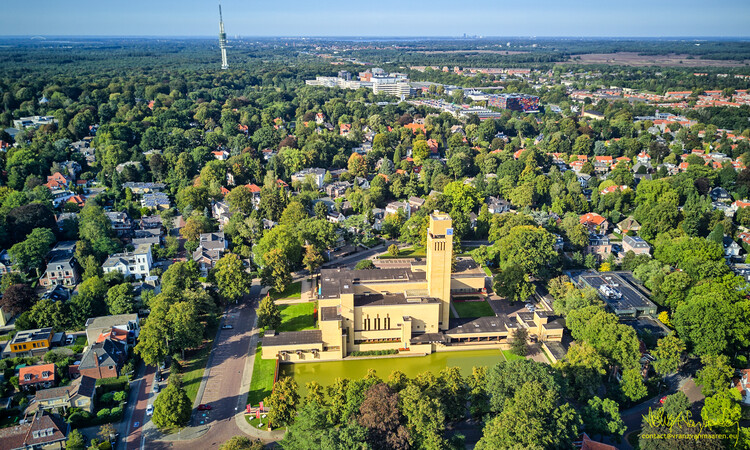
In the Dutch city of Hilversum, a municipal building completed in 1931 redefined the very idea of what a town hall could be. More than a house for local administration, the Hilversum Town Hall became the architectural expression of a community in transformation. With its tower rising above reflective ponds, its brick masses composed around courtyards, and its carefully detailed interiors, the building asserted that civic architecture could unite function with symbolism, efficiency with ceremony.
The architect behind this vision, Willem Marinus Dudok, was not only responsible for individual buildings but for the broader shaping of Hilversum itself. As a city architect and planner, he designed schools, housing districts, and parks, developing a language that fused Dutch craftsmanship with Modernist clarity. The town hall represented the culmination of this trajectory: a civic centerpiece where urban ambition, material refinement, and human scale converged in a single, coherent form.
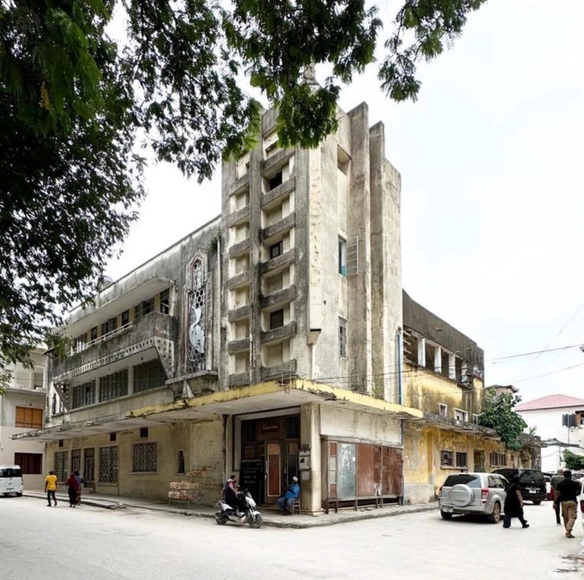
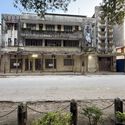
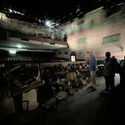
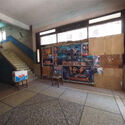
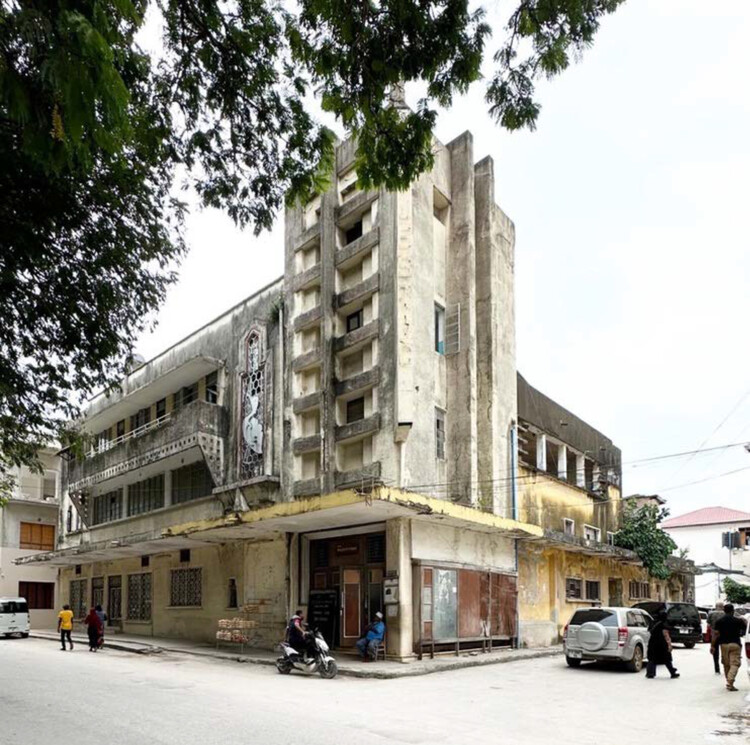
In historic Stone Town, the main city in Zanzibar, Tanzania, the story of one cinema building and its imminent restoration is reflective of the city's history and the narrative of cinemas generally. The early twentieth century saw the advent of cinema construction, peaking in mid-century, before declining against competition with multiplexes and home television. While many were demolished or irreparably altered, many also lay abandoned, like time capsules for a bygone era. They are a snapshot of the architecture styles and methods of their time, acting as a reminder of their role in their communities. Restoring and adapting a cinema like the Majestic is a recognition of its heritage and community value.
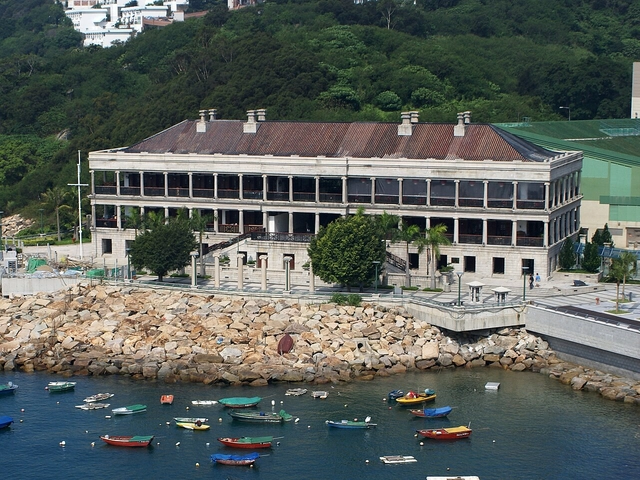
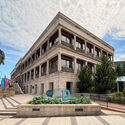
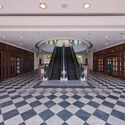
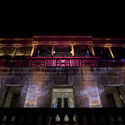
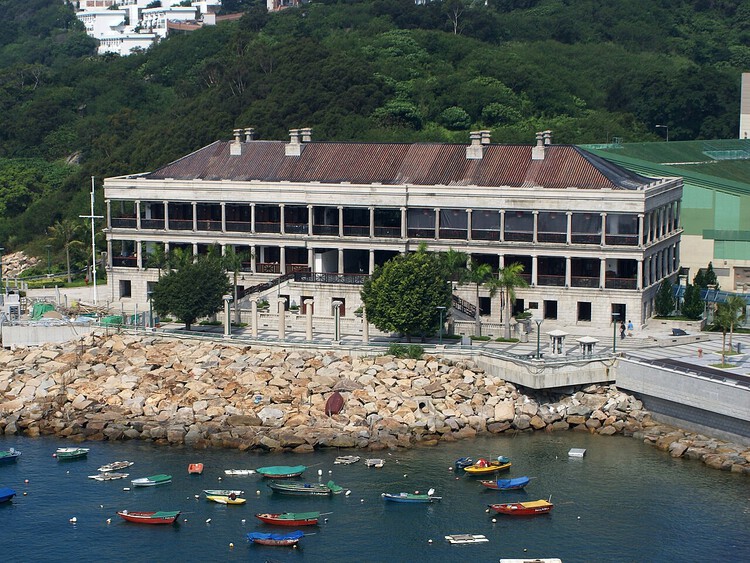
In preserving architecture, there are many possible approaches—ranging from treating a building as a static monument, meticulously restoring it in situ to the point of limiting public access, to more adaptive strategies that reprogram and modify interior spaces while retaining key architectural elements such as materiality and structural form. Yet one method stands apart, both in ambition and in controversy: to deliberately dismantle a building—brick by brick—meticulously label and document each part, and store it until a new site, purpose, or narrative emerges. Then, to reassemble it anew, possibly for an entirely different use. Though the original context is lost, this strategy aims to preserve cultural significance through transformation rather than stasis. This is the story of Murray House in Stanley, Hong Kong.
Originally constructed in 1846 as officers' quarters for the British military in Central, Murray House was one of the earliest examples of neoclassical architecture in Hong Kong—a unique and enduring trace of the city's colonial past. Its robust granite colonnades and symmetrical façade stood as a symbol of classical permanence. During the Japanese occupation of Hong Kong in 1941, the building's function was repurposed as the command center for the Japanese military police. It survived the war and continued to house various government departments throughout the postwar decades.
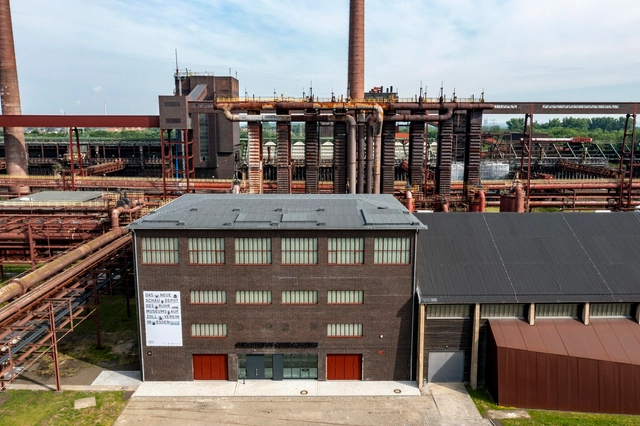
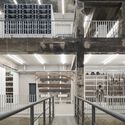
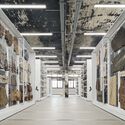
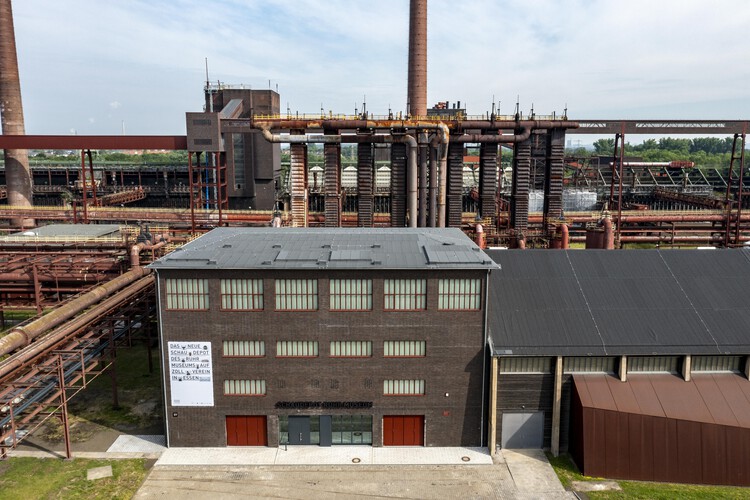
Once the largest coal mine in Europe, the Zollverein complex in Essen, Germany, has undergone a remarkable transformation over the past twenty-five years. What was once a landscape of abandoned industrial facilities is now a laboratory of contemporary architecture, featuring works by Rem Koolhaas, Norman Foster, and SANAA. Their interventions bridge the site’s industrial past with its imagined future. Spanning 100 hectares, the UNESCO World Heritage site has become a global model of adaptive reuse, redefining what it means to preserve industrial heritage. Within this context stands the Ruhr Museum and its enigmatic art repository, the Schaudepot. Located in the complex’s former salt factory, the museum impresses not only with its collection but also with its architecture, which transforms a 1960s industrial building into a vibrant cultural venue.
Because of its historical and architectural relevance, the project is featured in the 2025 edition of Open House Essen, under the theme “Future Heritage.” The initiative explores which spaces might shape our future architectural legacy and asks pressing questions: What should we preserve? What should we adapt? And how can we design a future that is both livable and fair?
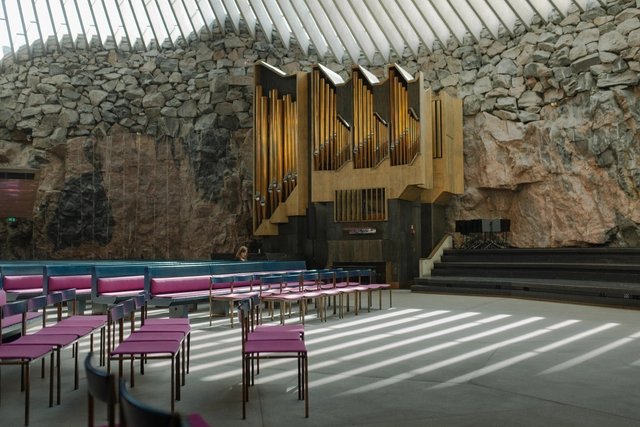
Near the center of Helsinki, Finland, in the Töölö neighborhood, one can find the Temppeliaukio Church, an unusual-looking Lutheran church nestled between granite rocks. Approaching the square from Fredrikinkatu street, the church appears subtly, a flat dome barely rising above its surrounding landscape. An unassuming entrance, flanked by concrete walls, leads visitors through a dark hallway, and into the light-filled sanctuary carved directly into the bedrock. The exposed rock walls earned it the alternative name “The Church of the Rock.” To contrast the heaviness of the materials, skylights surrounding the dome create a play of light and shadows and a feeling of airiness.
The church is the result of an architectural competition won by the architect brothers Timo and Tuomo Suomalainen in 1961. Their original solution was recognized not only for its creativity but also for the respect it showed to the competition’s goal: “to include the organization plan for the whole Temppeliaukio Square, taking into attention that as great part as possible of the rock outcrop of the square to be preserved.” The winning proposal achieves this by embedding the church inside the rock and placing parish facilities on the edges of the hillock. This article explores the story behind the Temppeliaukio Church both narratively and visually, through the lens of Aleksandra Kostadinovska, a professional photographer from Skopje.
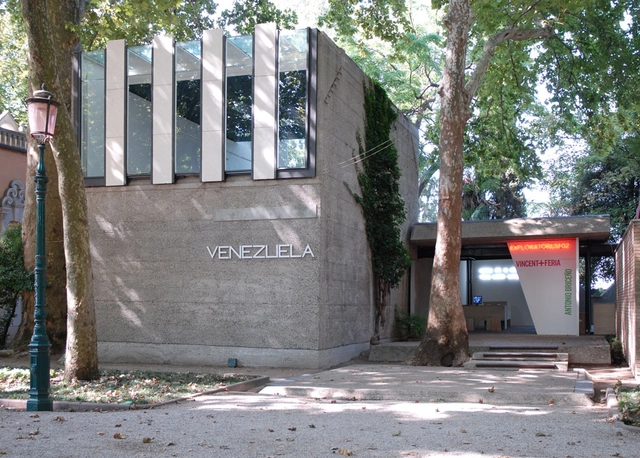
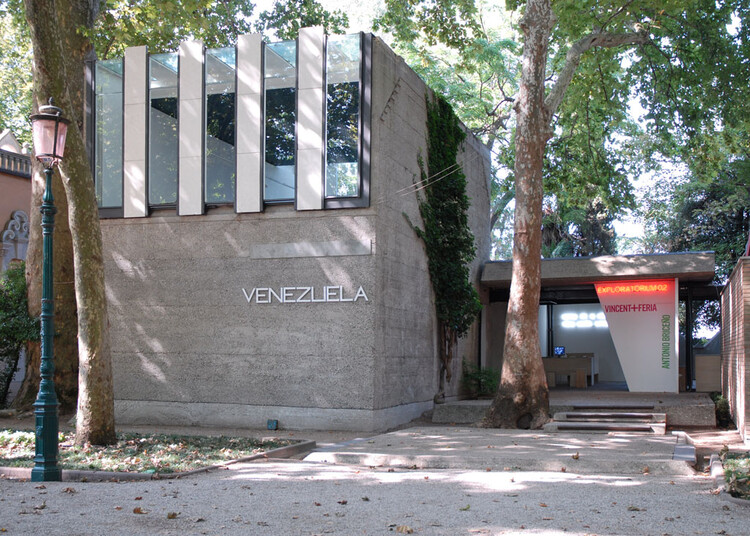
Nestled amongst the plethora of grandiose and carefully crafted national pavilions in the Giardini della Biennale in the Italian city of Venice is one pavilion by the city's perhaps most well-known modern architect. Sited between the pavilions of Russia and Switzerland is the VenezuelaPavilion, by architect Carlo Scarpa. In many ways, the structure typifies the design approach of its architect but has its idiosyncrasies. Built for Europe's most important biennial art exhibition, it is a member of a cohort of Modernist pavilions that came after the earlier, more classicist pavilions. This is its story.
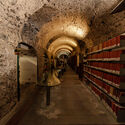
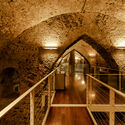
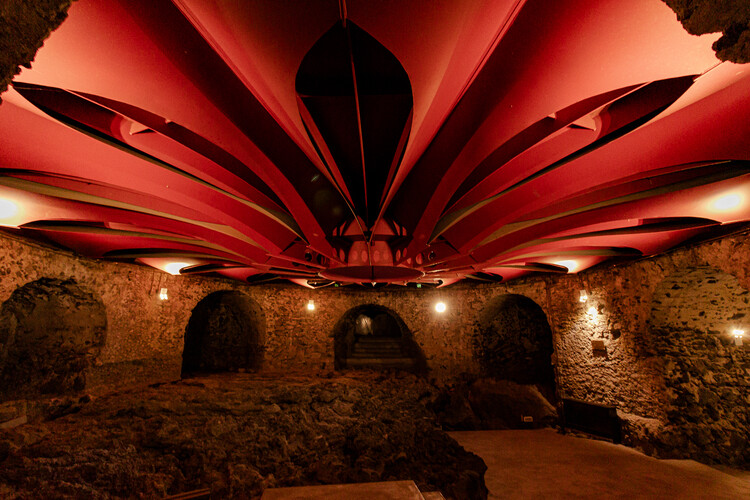
The Benedictine Monastery of San Nicolò l’Arena in Catania, Sicily, holds within its stones the echoes of five centuries, shaped by time, varied uses, violent earthquakes, and the blazing force of Mount Etna. Its walls, silent witnesses to history, were molded both by the fire of nature and by human hands. Yet among all the transformations it underwent, none was as profound or poetic as the one led by Italian architect Giancarlo De Carlo, starting in 1980. After 30 years of dedicated work, time required to truly understand such a complex and awe-inspiring site, the former monastic residence was reborn as a university, not by force, but through revelation.
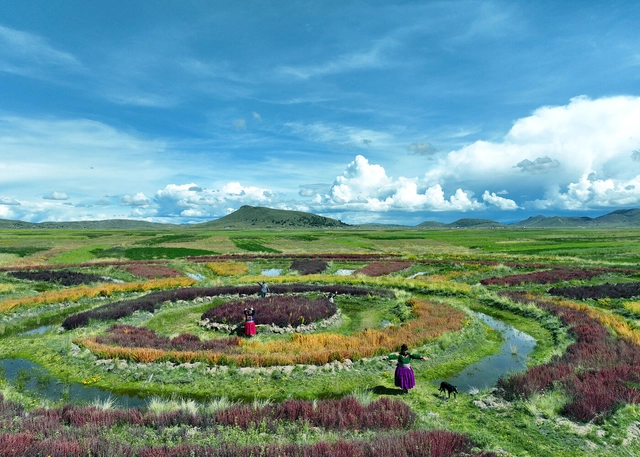
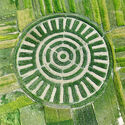
Waru Waru agricultural field. Image via World Monuments Fund
Offering a path toward resilience and food security in the alluvial plains of Lake Titicaca, the Waru Waru agricultural fields are spread across the Peruvian highlands and constitute an ancient agricultural system. Connecting an ancestral legacy with modern concerns about water and food security, climate resilience, and sustainable land management, these agricultural systems open the debate about efficient water management and the importance of agricultural biodiversity. At the same time, they are part of the sense of identity and pride of the local Aymara community, consolidating cultural knowledge that is passed down and preserved across generations.
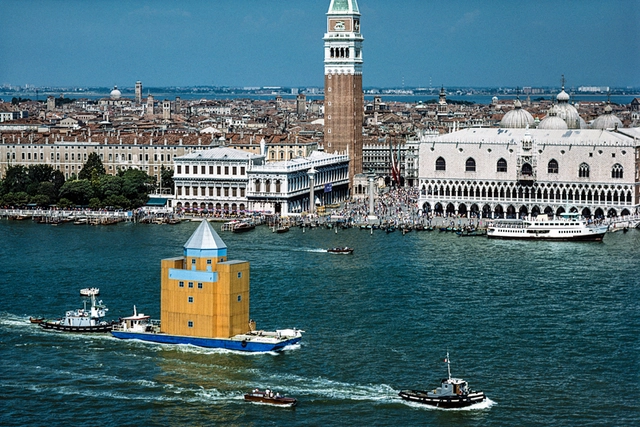
Teatro del Mondo, Venice 1979. Image by Antonio Martinelli
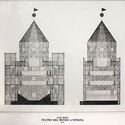
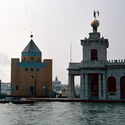
The first edition of the Venice Architecture Biennale took place in 1980, immediately revealing its role as a platform for images and ideas that would become essential references in contemporary architectural theory and practice. This disruptive character was embodied from the very beginning by the strangely familiar floating structure designed by Aldo Rossi, titled Teatro del Mondo. At once temporary and archetypal, the project introduced central themes that would shape Italian architectural discourse in the years that followed. To this day, it continues to inspire reflections on timelessness, imagination, and the memory embedded in cities.
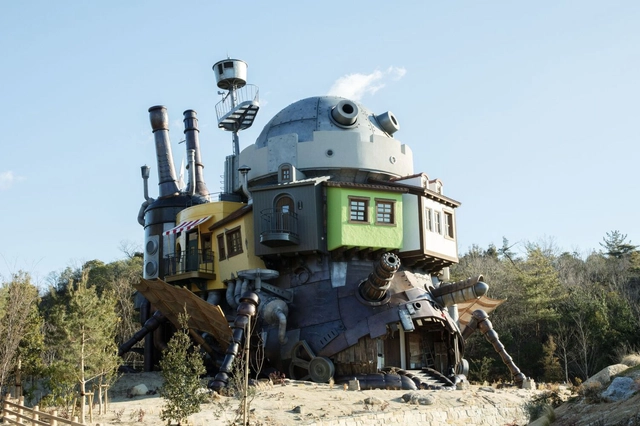
View of Howl's Moving Castle Replica inside the Valley of Witches area . Image via ghibli-park.jp, under policy of fair use
Studio Ghibli and its co-founder Hayao Miyazaki have become household names in the West, thanks to their impressive body of work, which includes over 10 feature films, 2 Oscars, and more than 100 awards worldwide. Films such as "Spirited Away" and "Howl's Moving Castle" showcase their mastery of world-building, story telling and compelling visuals which have earned them global acclaim. This has created a devoted fan base that previously only had the Studio Ghibli Museum in Tokyo to experience the films in real life. As the studio's popularity and movie portfolio grew, it became inevitable for them to expand into a larger space. That is why November 2022 marked the beginning of a new phase as the Ghibli Park opened its gates in Nagoya, Japan.
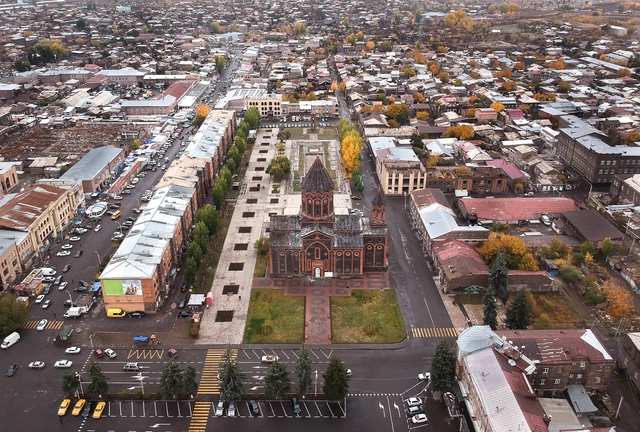
Gyumri, the capital of Armenia's Shirak region and the country's second-largest city, was historically known for its culture and architectural heritage. While it was part of the Soviet Union, the city hosted many factories that turned it into a primary industrial center in the region, reaching a population of approximately 225,000 people. However, during the past decades, Gyumri has seen a considerable population decline as a consequence of a devastating earthquake that destroyed the city in 1988 and killed thousands of people. More than 30 years later, Gyumri's regeneration process is still unfolding. The city's ongoing efforts to restore its built environment and boost economic development offer valuable insights into how urban regeneration can be navigated in the aftermath of disaster.
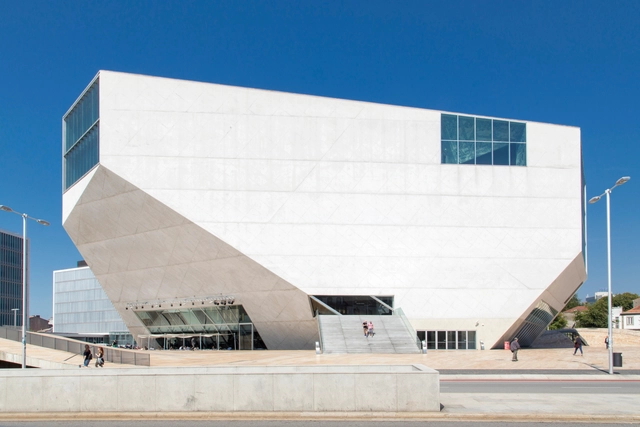
At the turn of the millennium, the world was gripped by the looming threat of the Y2K bug, a potential failure of computerized systems that could disrupt everything from banking to aviation. As midnight approached on December 31, 1999, people withdrew their savings, major corporations issued warnings, and governments scrambled to prevent public hysteria. But as the sun rose on January 1, 2000, the feared bug had no material impact, and the crisis faded as quickly as it had emerged. However, this era left its mark in unexpected places — particularly in architecture. Amid the anxiety surrounding digital technology, one of the most iconic concert halls of our time, Casa da Música in Porto, was born. Designed by OMA (Office for Metropolitan Architecture), its origins can be traced to a much smaller project: the Y2K House. What began as an exploration of private domesticity during the digital scare evolved into a grand public structure — an architectural transition from home to a performance hall.
Terrace Garden between both phases. Image Courtesy of NEUF architect(e)s
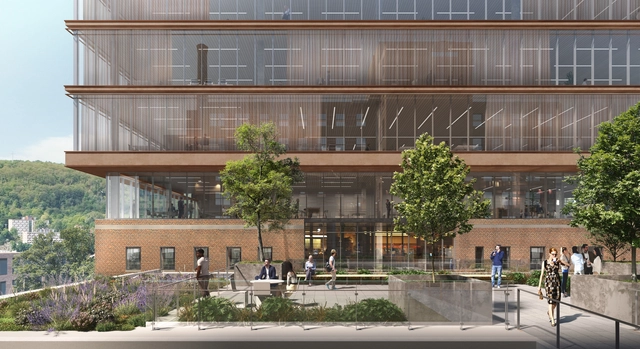
With modern medicine, it may be difficult for many people today to imagine the devastation caused by Tuberculosis (TB) just about 100 years ago. Initially associated with insalubrious, overcrowded conditions, just in Canada it caused the death of approximately 8000 people annually in the late 19th century. During this time, before more advanced treatments were discovered, prescriptions from doctors involved sunlight, fresh air, and rest. As a response, sanatoria were established. These were places where patients could be separated from the community to manage their disease. One testament to that legacy stands in the heart of Montreal: the former Royal Edward Laurentian Institute, later known as the Montreal Chest Institute. Born from crisis, it has since become a symbol of resilience, transformation, and innovation, shifting from a space of isolation to a thriving hub for research and entrepreneurship in the life sciences.
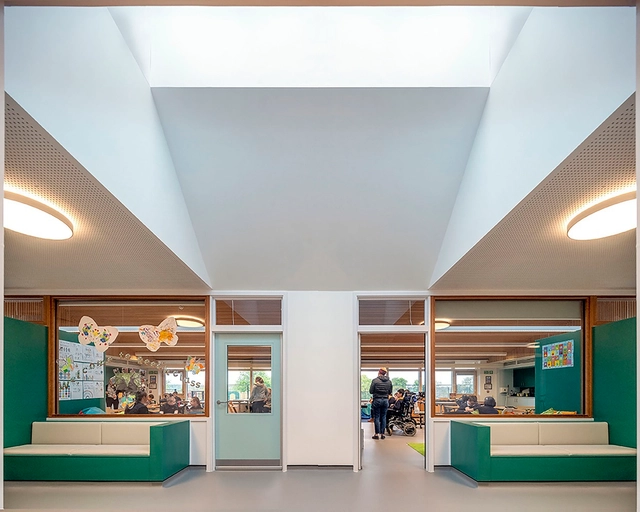
Gallaudet University was established in 1864, becoming the first American educational institution for the deaf and hard of hearing. The university is officially bilingual, with American Sign Language (ASL) and written English used throughout the educational programs. Over the years, the university has grown, adapting both its teaching methods and its spaces to the needs of its students, in turn learning from them how to counter the challenges they face and create a safer and more comfortable environment. These lessons turned into design guidelines, created to educate the architectural community about the strategies they can employ to create more accessible spaces for all.
Videos
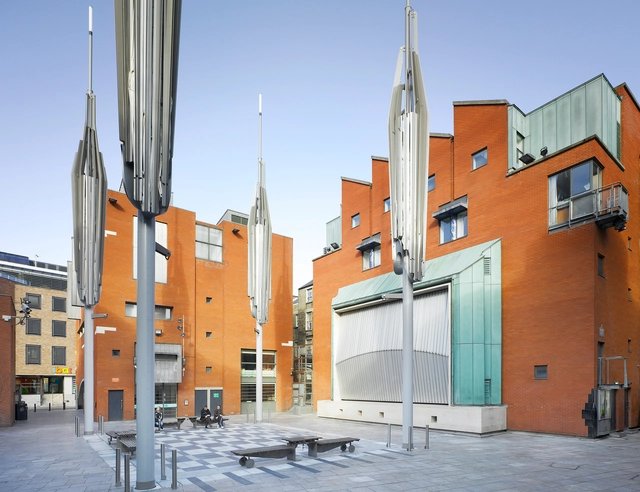
Meeting House Square, Temple Bar. Image Courtesy of Sean Harrington Architects
The veteran Irish architecture critic Shane O'Toole once remarked that when traveling in Europe in the 1970s, "The universal comment was is there modern architecture in Ireland? Now, in less than 50 years, we've gone to a Pritzker Prize and two RIBA Royal Gold Medallists in five years." He attributes this change in perception to a design competition that launched the careers of several of Ireland's award-winning architects of today. This was the Temple Bar Framework Plan competition of 1991 in the center of Dublin, the capital of Ireland, which was won by a group of architects still in their 30s, running under the name of Group 91.