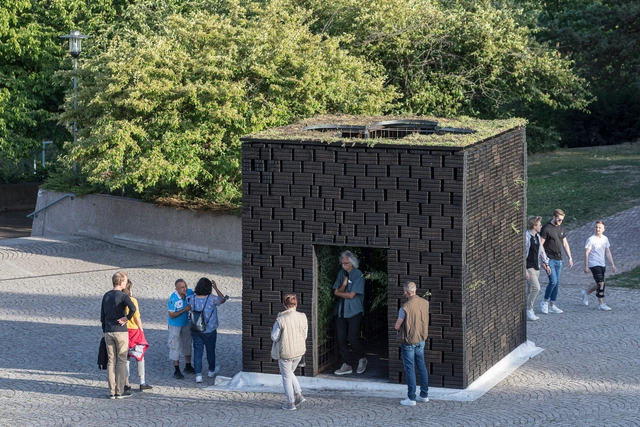
Coal Museum / Christoph Hesse Architects


https://www.archdaily.com/994960/coal-museum-christoph-hesse-architectsAndreas Luco
Africa at Architecture Biennials: Questioning Difficult Histories of Representation
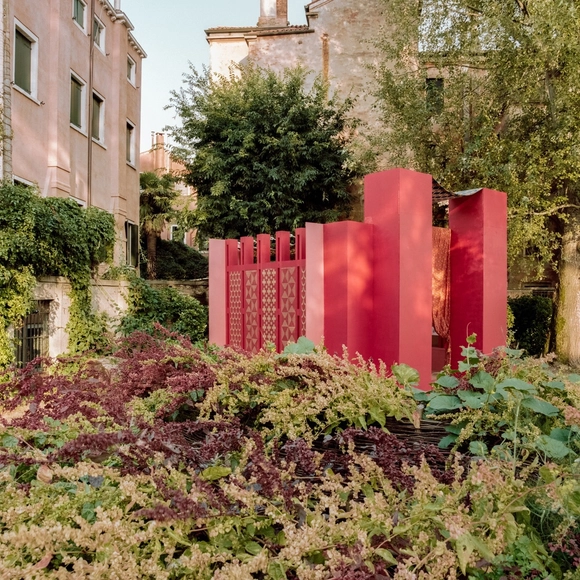
From the Tbilisi Architecture Biennial to the Sharjah Architecture Triennial, architecture exhibitions are ever-increasing fixtures on cultural calendars around the contemporary world. New editions of architecture exhibitions rest on a foundation propagated by exhibitions of the past – and these historical expositions, to a great degree, have shaped the architectural discourse we have today. But as these exhibitions were born out of a western framework, African historical representations on the biennial and triennial architectural stage have often been reductive, with an assortment of cultures flattened into one, and distinct architectural styles meshed in an incoherent manner.


https://www.archdaily.com/990911/africa-at-architecture-biennials-questioning-difficult-histories-of-representationMatthew Maganga
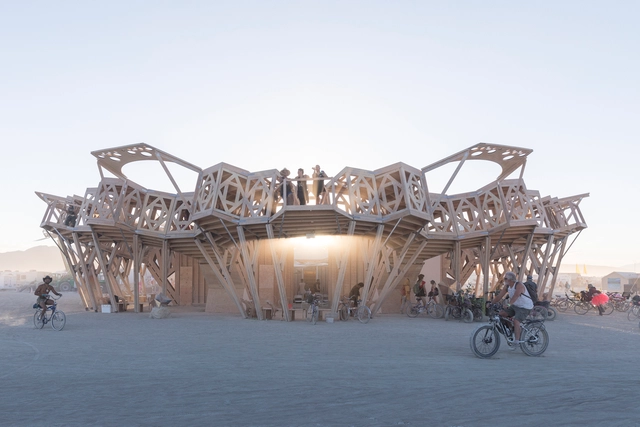
Catharsis / MAMOU-MANI


-
Architects: MAMOU-MANI
- Year: 2022
https://www.archdaily.com/994031/catharsis-mamou-maniDiego Hernández
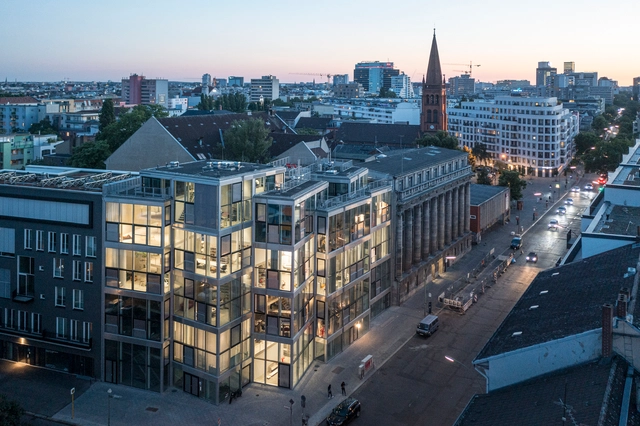
Building Community Kurfürstenstrasse / June-14 Meyer-Grohbrügge & Chermayeff


-
Architects: June-14 Meyer-Grohbrügge & Chermayeff
- Area: 3700 m²
- Year: 2022
https://www.archdaily.com/991465/building-community-kurfurstenstrasse-june-14-meyer-grohbrugge-and-chermayeffPaula Pintos
Bijgaardehof Co-Housing and Healthcare Center / BOGDAN & VAN BROECK
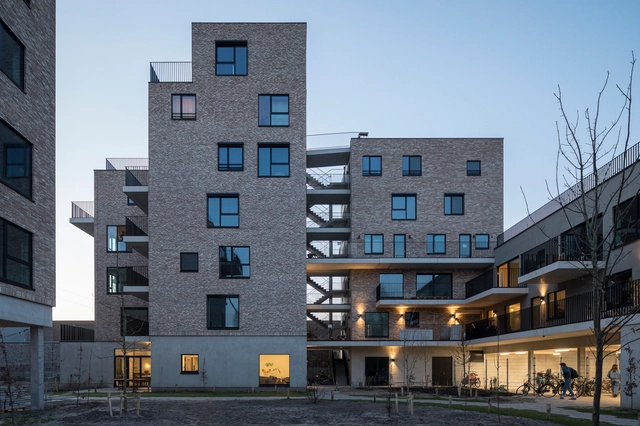


-
Architects: BOGDAN & VAN BROECK
- Area: 9375 m²
- Year: 2022
-
Professionals: LAND, Daidalos Peutz, Ney & Partners
https://www.archdaily.com/988277/bijgaardehof-co-housing-and-healthcare-center-bogdan-and-van-broeckAndreas Luco
Electra Electronic Industry Centre / A+noima


-
Architects: A+noima
- Area: 10609 m²
- Year: 2020
-
Professionals: Plan 31, Beta Proiect
https://www.archdaily.com/978596/electra-electronic-industry-centre-a-plus-noimaAndreas Luco
Hayy Jameel Cultural Center / waiwai
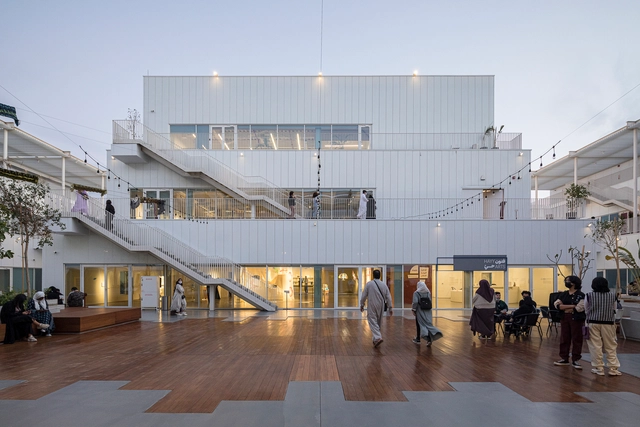


https://www.archdaily.com/978537/hayy-jameel-cultural-center-waiwaiHana Abdel
Urban Spaces 2 / Mumuleanu 14 Apartment Building / ADNBA
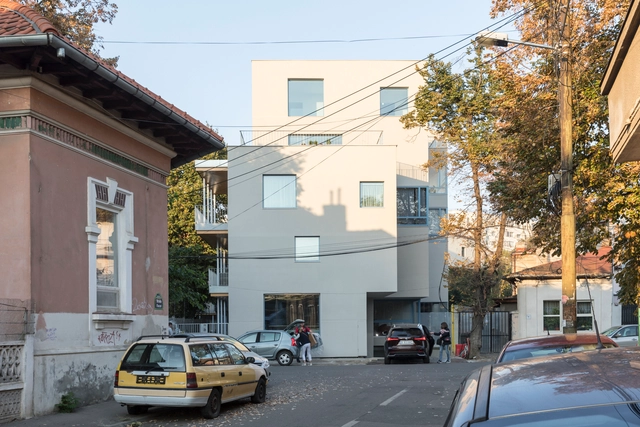


https://www.archdaily.com/975425/urban-spaces-2-mumuleanu-14-apartment-building-adnbaAndreas Luco
House in Dumbrava Vlasiei / ADNBA


-
Architects: ADNBA
- Area: 319 m²
- Year: 2021
-
Manufacturers: ALUKÖNIGSTAHL, IR Colours, The Natural wood Floor Company
-
Professionals: Incona, Alma Instal Pro, Beros Abdul Architects
https://www.archdaily.com/975393/house-in-dumbrava-vlasiei-adnbaHana Abdel
Eleftheria Square / Zaha Hadid Architects
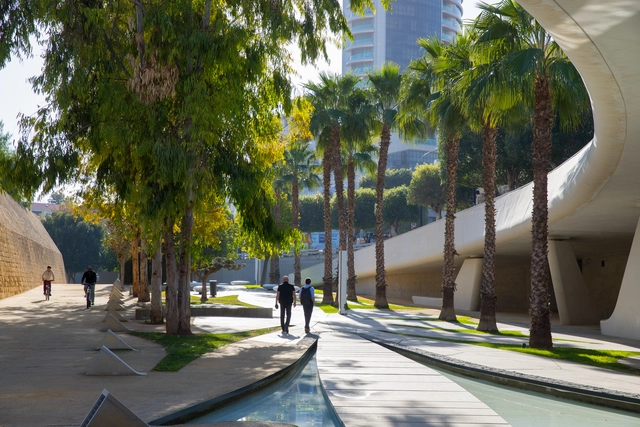


-
Architects: Zaha Hadid Architects
- Year: 2021
-
Professionals: ASD Hyperstatic Engineering, UNEMEC, Kardorff Lichtplanung Ing.
https://www.archdaily.com/973570/eleftheria-square-zaha-hadid-architectsPaula Pintos
Artificial Lighting in Interior Design
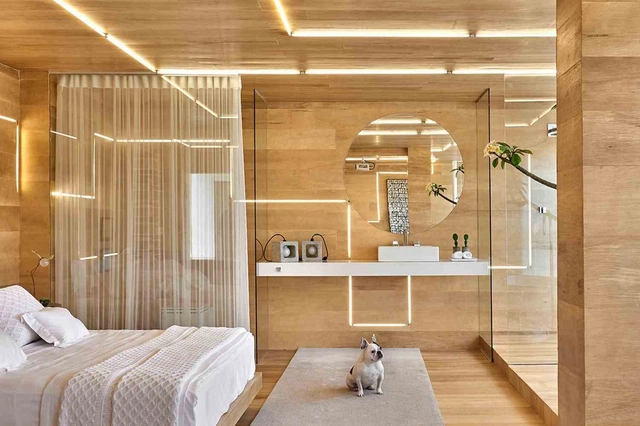
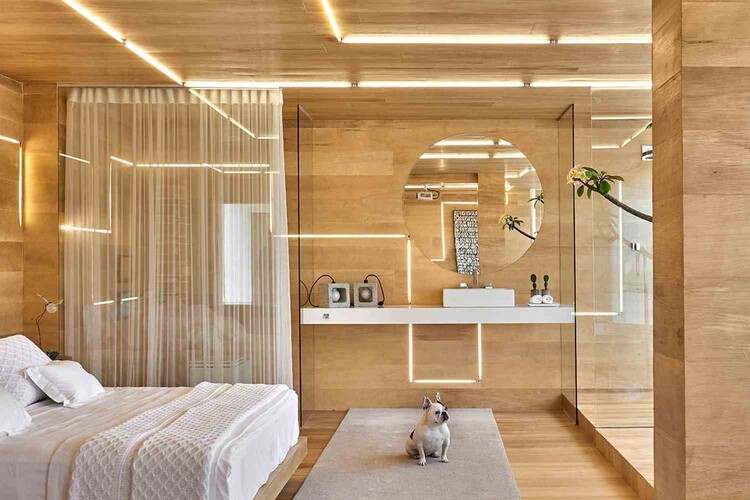
Natural or artificial, lighting is one of the most important elements in architecture, directly affecting our perception of spaces. It is capable of defining volumes, enhancing colors, textures, and therefore, contributing to the overall relationship between dimension, proportion, and contrasts. One of the many challenges of architecture is to shape spaces based on light and shade, and sometimes natural light is not enough, requiring additional light sources to be installed and controlled.


https://www.archdaily.com/962950/artificial-lighting-in-interior-designGiovana Martino
Axel Springer Campus / OMA


.jpg?1601987008&format=webp&width=230&height=230&crop=true)


-
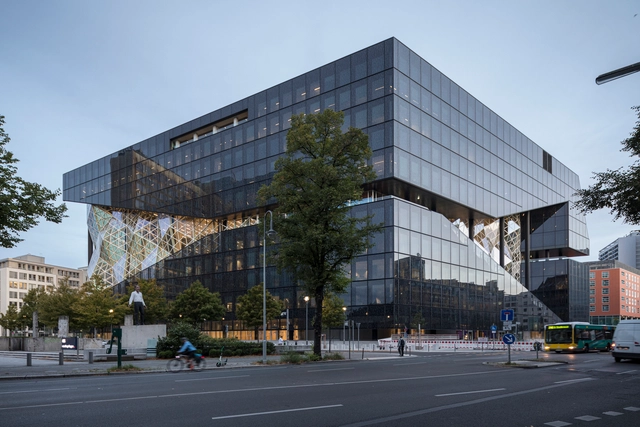
Architects: OMA
- Area: 57828 m²
- Year: 2019
-
Professionals: Arup, Lerch Bates, Les Eclaireurs, ZWP Ingenieur-AG, Kahle Acoustics, +10
https://www.archdaily.com/949064/axel-springer-campus-omaPaula Pintos
Spotlight: Aldo Rossi
.jpg?1462182949&format=webp&width=640&height=580)
Ada Louise Huxtable once described him as “a poet who happens to be an architect.” Italian architect Aldo Rossi (3 May 1931 – 4 September 1997) was known for his drawings, urban theory, and for winning the Pritzker Prize in 1990. Rossi also directed the Venice Biennale in 1985 and 1986—one of only two people to have served as director twice.


.jpg?1462182949)
https://www.archdaily.com/367400/happy-birthday-aldo-rossiAndrew Galloway
Spotlight: Gottfried Böhm
.jpg?1548249670&format=webp&width=640&height=580)
The career of Gottfried Böhm (born January 23, 1920) spans from simple to complex and from sacred to secular, but has always maintained a commitment to understanding its surroundings. In 1986, Böhm was awarded the eighth Pritzker Prize for what the jury described as his "uncanny and exhilarating marriage" of architectural elements from past and present. Böhm's unique use of materials, as well as his rejection of historical emulation, have made him an influential force in Germany and abroad.
.jpg?1484858103&format=webp&width=230&height=230&crop=true)
.jpg?1484858092&format=webp&width=230&height=230&crop=true)

.jpg?1548249663&format=webp&width=230&height=230&crop=true)
.jpg?1548249670)
https://www.archdaily.com/803586/spotlight-gottfried-bohmIsabella Baranyk
Spotlight: Santiago Calatrava
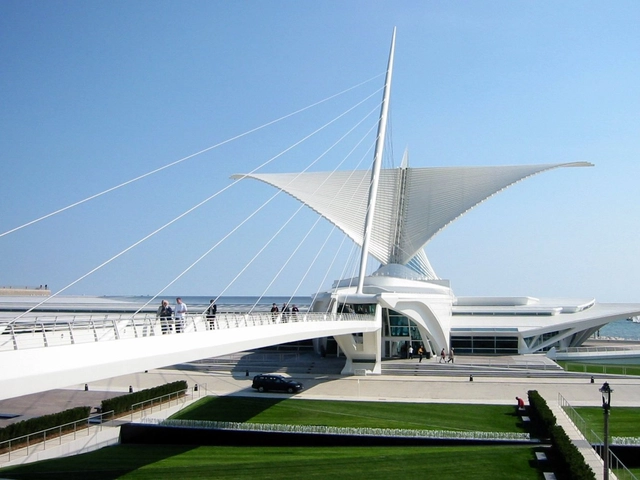
Known for his daring neo-futurist sculptural buildings and over 50 bridges worldwide, Santiago Calatrava (born July 28, 1951) is one of the most celebrated and controversial architects working today. Trained as both an architect and structural engineer, Calatrava has been lauded throughout his career for his work that seems to defy physical laws and imbues a sense of motion into still objects.


https://www.archdaily.com/531290/spotlight-santiago-calatravaEric Oh
Spotlight: Alejandro Aravena

As founder of the “Do Tank” firm ELEMENTAL, Chilean architect Alejandro Aravena (born on June 22, 1967) is perhaps the most socially-engaged architect to receive the Pritzker Prize. Far from the usual aesthetically driven approach, Aravena explains that “We don’t think of ourselves as artists. Architects like to build things that are unique. But if something is unique it can’t be repeated, so in terms of it serving many people in many places, the value is close to zero.” [1] For Aravena, the architect’s primary goal is to improve people's way of life by assessing both social needs and human desires, as well as political, economic and environmental issues.
https://www.archdaily.com/789618/spotlight-alejandro-aravenaMarie Chatel
OMA's Latest Fails to Live Up To Its Own Pedagogy
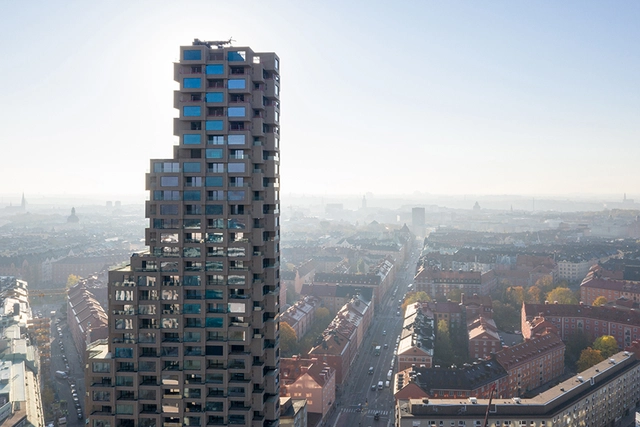
This article was originally published on Metropolis Magazine as "In His Latest Residential Building, OMA's Reinier de Graaf Doesn't Practice What He Preaches".
Last month in Stockholm, OMA partner Reinier de Graaf took a not-so-sly swipe at Bjarke Ingels: “I’m not a reincarnation of Harry Potter,” he said to a packed lecture theater at Stockholm’s KTH University.

https://www.archdaily.com/908027/omas-latest-a-pedagogical-failureGeorge Kafka
Modern as Metaphor: Where the Tate Stands in a Post-Brexit World
.jpg?1467325496&format=webp&width=640&height=580)
Editor's Note: This article was originally published on 30 June, 2016. While the debate surrounding the terms of the UK's exit from the European Union continues to rage, the Tate remains a steady icon for London and the UK. But the building has also become a symbol in a new fight: one between the capital's elites and the general public. As the political sands in Britain continue to shift, it may be interesting to see how - and with whom - the building aligns in the future. - Katherine Allen, Managing Editor
https://www.archdaily.com/790590/modern-as-metaphor-where-the-tate-stands-in-a-post-brexit-worldVladimir Gintoff