This guide covers a workflow that moves from project parameters to generated floor plans, 3D perspective views, exterior design exploration, and site context visualization, using AI tools in place of preliminary CAD and rendering work.
This guide covers a workflow that moves from project parameters to generated floor plans, 3D perspective views, exterior design exploration, and site context visualization, using AI tools in place of preliminary CAD and rendering work.


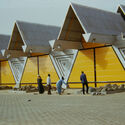
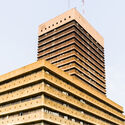
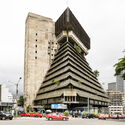
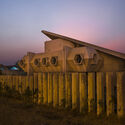
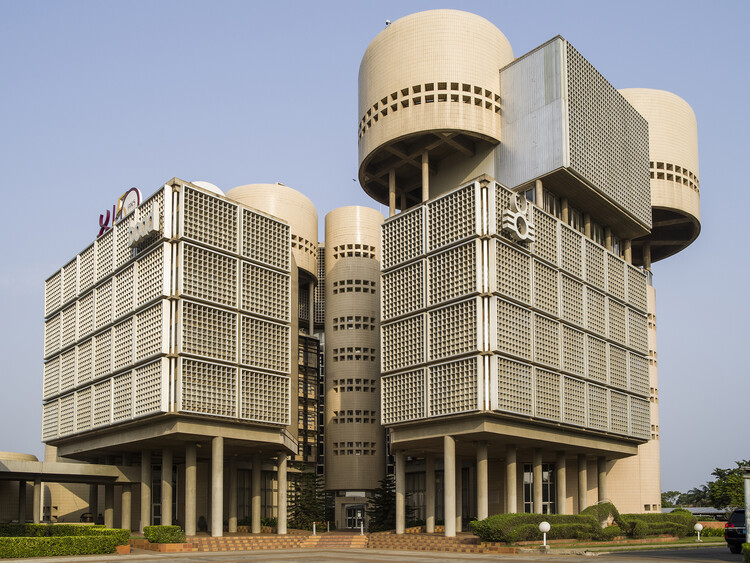
The Museum of Modern Art in New York inaugurated the exhibition Architects of Liberation: Modernism in Western Africa on July 5, 2026, on view through January 2, 2027. The exhibition examines African modern architecture from the late 1950s through the early 1980s in the context of political independence in the region. Works span seven countries: Benin, Cameroon, Côte d'Ivoire, Ghana, Nigeria, Senegal, and Togo. The display is organised around anchor projects selected as "entry points" into categories such as cityscapes, education, and housing. It is curated by Martino Stierli, The Philip Johnson Chief Curator of Architecture and Design, and Ikem Stanley Okoye, guest curator and associate professor at the University of Delaware, with Mallory Cohen, curatorial associate in the Department of Architecture and Design.

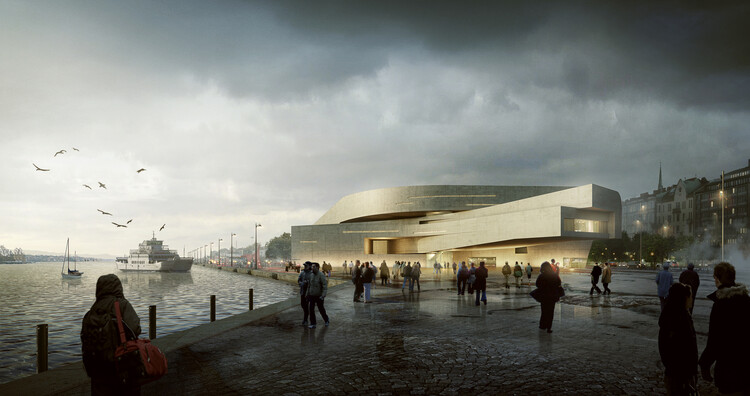
The concept of the museum has historically prompted reflections on identity, representation, and institutional frameworks. At present, museums are conceived as increasingly complex spaces, combining exhibition areas with other cultural and educational functions, prompting civic engagement, artistic experimentation, and archival responsibility. Throughout this year, numerous museum projects have been announced and advanced across multiple regions, with completion timelines largely extending from 2026 to 2030. Added to this variety is the wide range of concepts developed within the realm of ideas, proposals, and speculations. It is within this realm that this selection of projects submitted by ArchDaily readers finds its place: projects whose designs can expand the boundaries of our imagination.


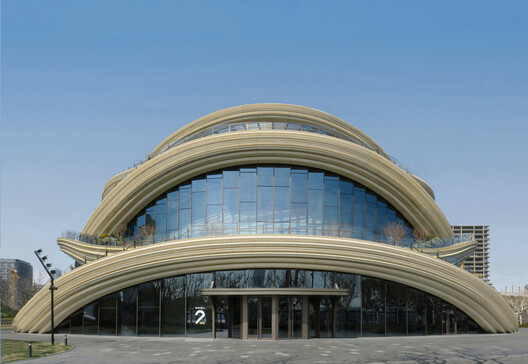
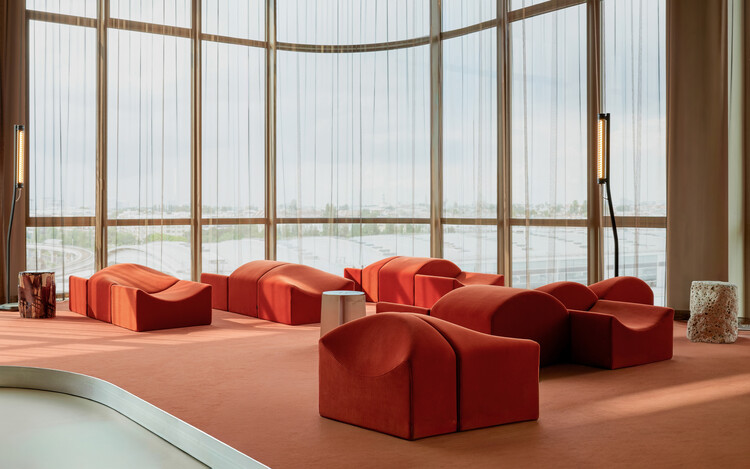
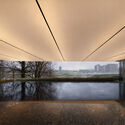
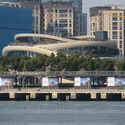
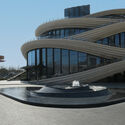
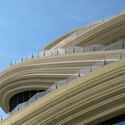
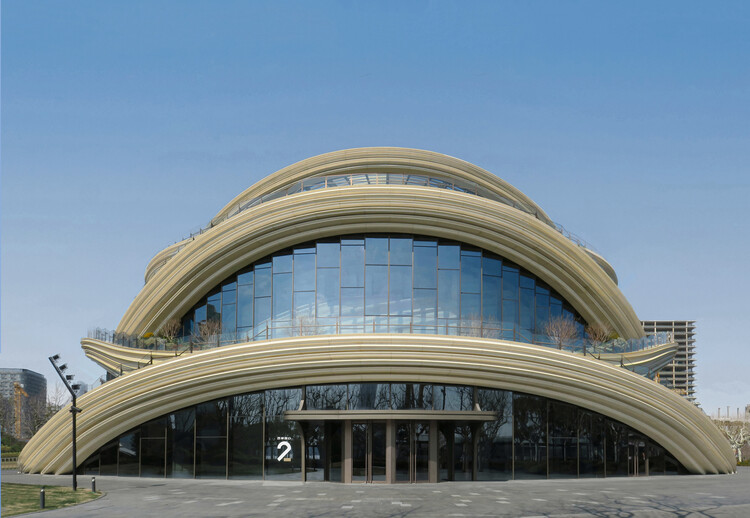
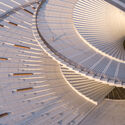
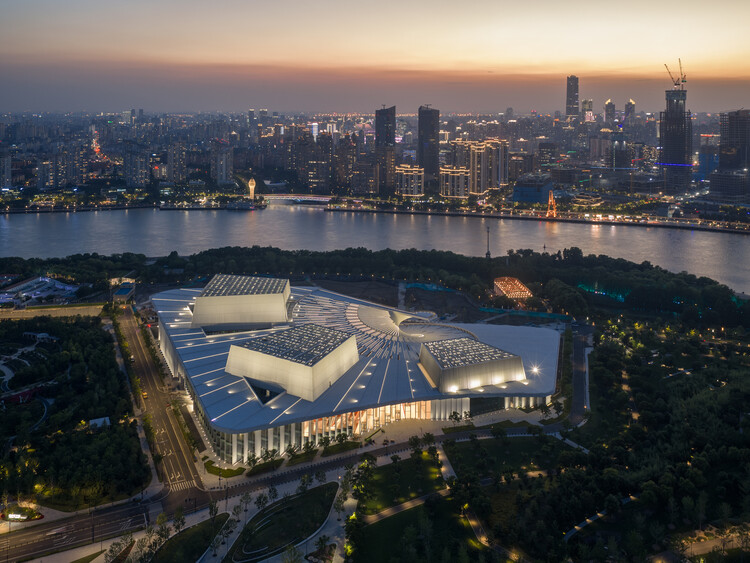
Photographer Paul Clemence has documented West Bund Orbit, Heatherwick Studio's public exhibition hall on Shanghai's West Bund waterfront, in a photo series exploring the project's evolving architectural identity. Located in Xuhui District along the Huangpu River, the building was conceived as a cultural destination within the area's emerging Financial Hub while extending the network of public spaces that define the redeveloped riverfront. Rather than focusing solely on the building as an object, Clemence's photographs examine the relationship between architecture, circulation, and landscape, revealing how the project's interconnected pathways and layered form engage both the waterfront and the surrounding city.

This week belonged to the arts, with cultural architecture dominating headlines across the globe. Landmark buildings for major institutions advanced through important construction and design milestones, from the Shanghai Opera House to Abu Dhabi's new performing arts center, while two new museum commissions were announced following international competitions. Architecture also took centre stage as a subject of exhibition itself, with the Sharjah Architecture Triennial revealing its participant list and Austria unveiling its proposal for the 2027 Venice Architecture Biennale. Beyond these developments, this week's news compilation includes three upcoming urban design projects: in Seoul, South Korea, a new riverside neighbourhood in the Apgujeong district weaves residential towers around parkland connecting the city to the Han River; in Cardiff, Wales, a pedestrian and cycle bridge over the River Taff links waterfront neighbourhoods to new housing along the water's edge; and in Bengaluru, South India, the Museum of Art and Photography is expanding its public campus, adding new civic and cultural facilities alongside a major new sculpture park set within a UNESCO Biosphere Reserve in Tamil Nadu.

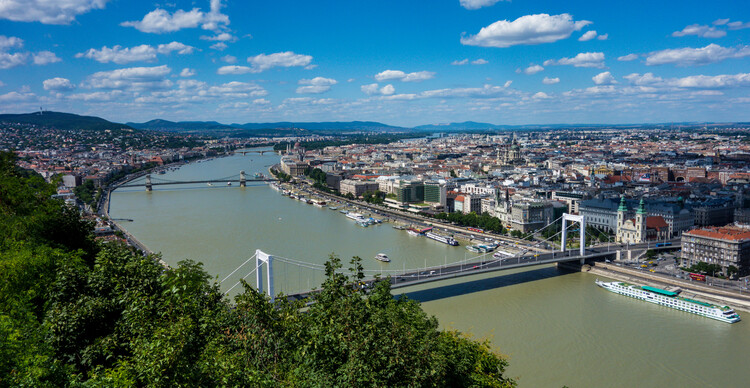
When Buda and Pest joined in 1873, the two parts formed a capital whose identity has since been tied to this balance between geography and urban order. From the riverbanks and thermal baths to imperial monuments and infrastructural works, Budapest's architecture carries the traces of these overlapping histories.
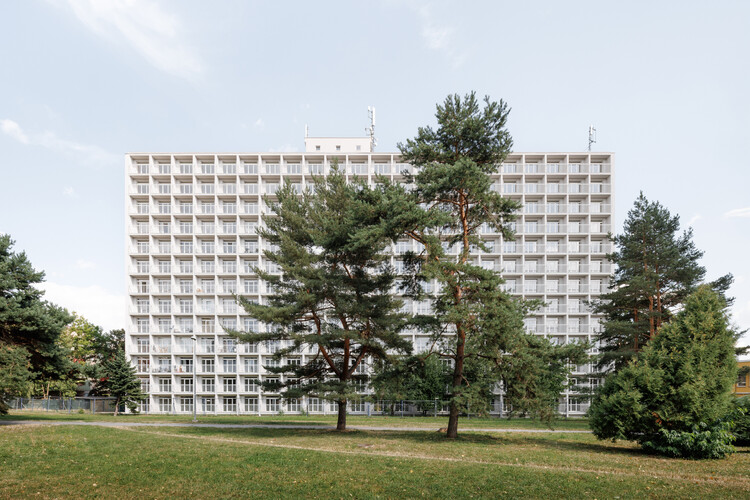
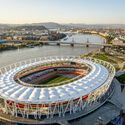
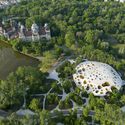
That layered condition continues to shape Hungary's capital today. Alongside its historic fabric, Budapest has seen a steady accumulation of contemporary projects, from cultural institutions in City Park to new educational buildings, sports facilities, adaptive reuse works, and large-scale developments along the Danube. Often working through inherited structures rather than apart from them, these projects add new layers to a city shaped as much by continuity as by change.