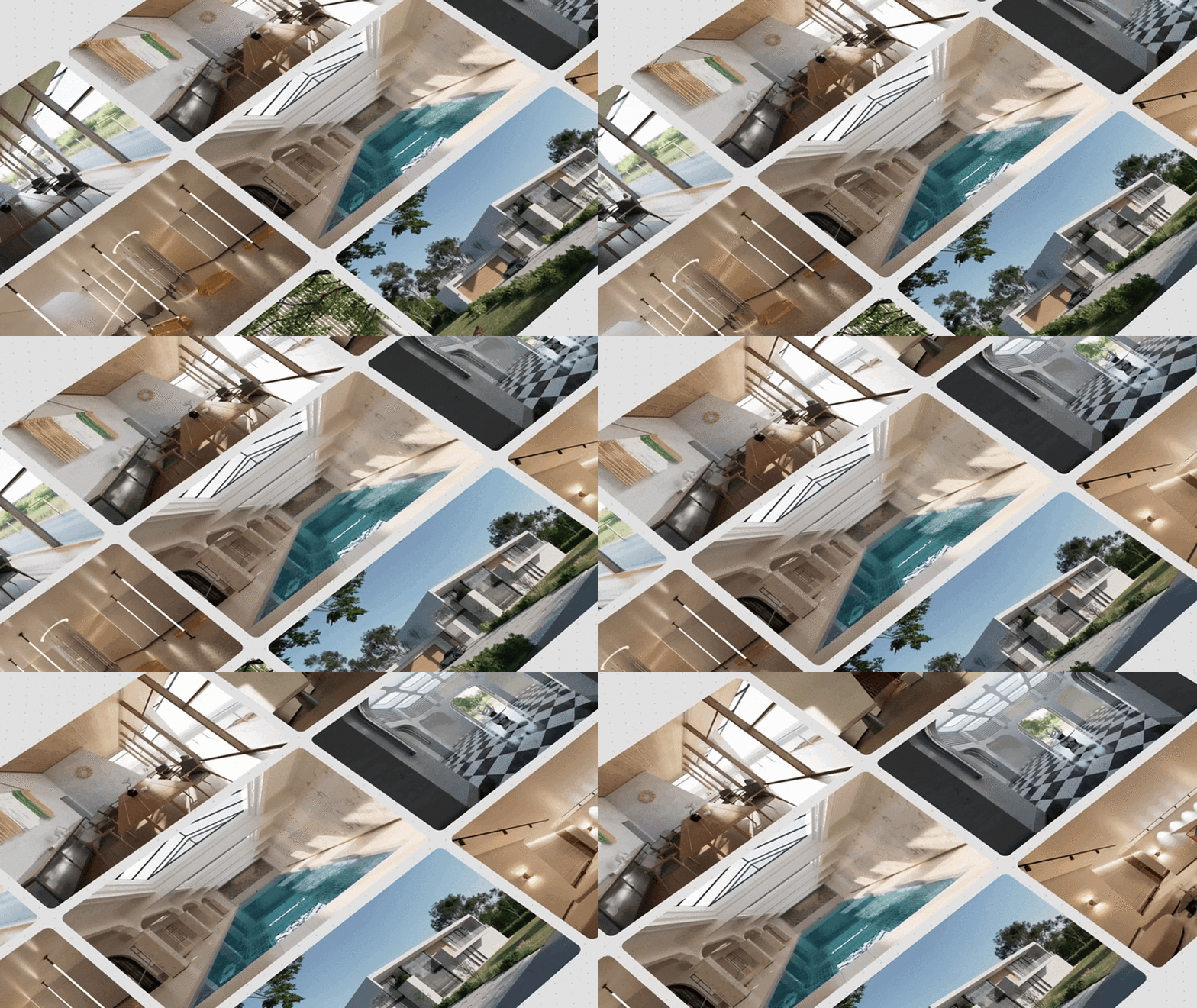
How to visualize architectural concepts in SketchUp using D5 Lite for faster design exploration.
How to visualize architectural concepts in SketchUp using D5 Lite for faster design exploration.



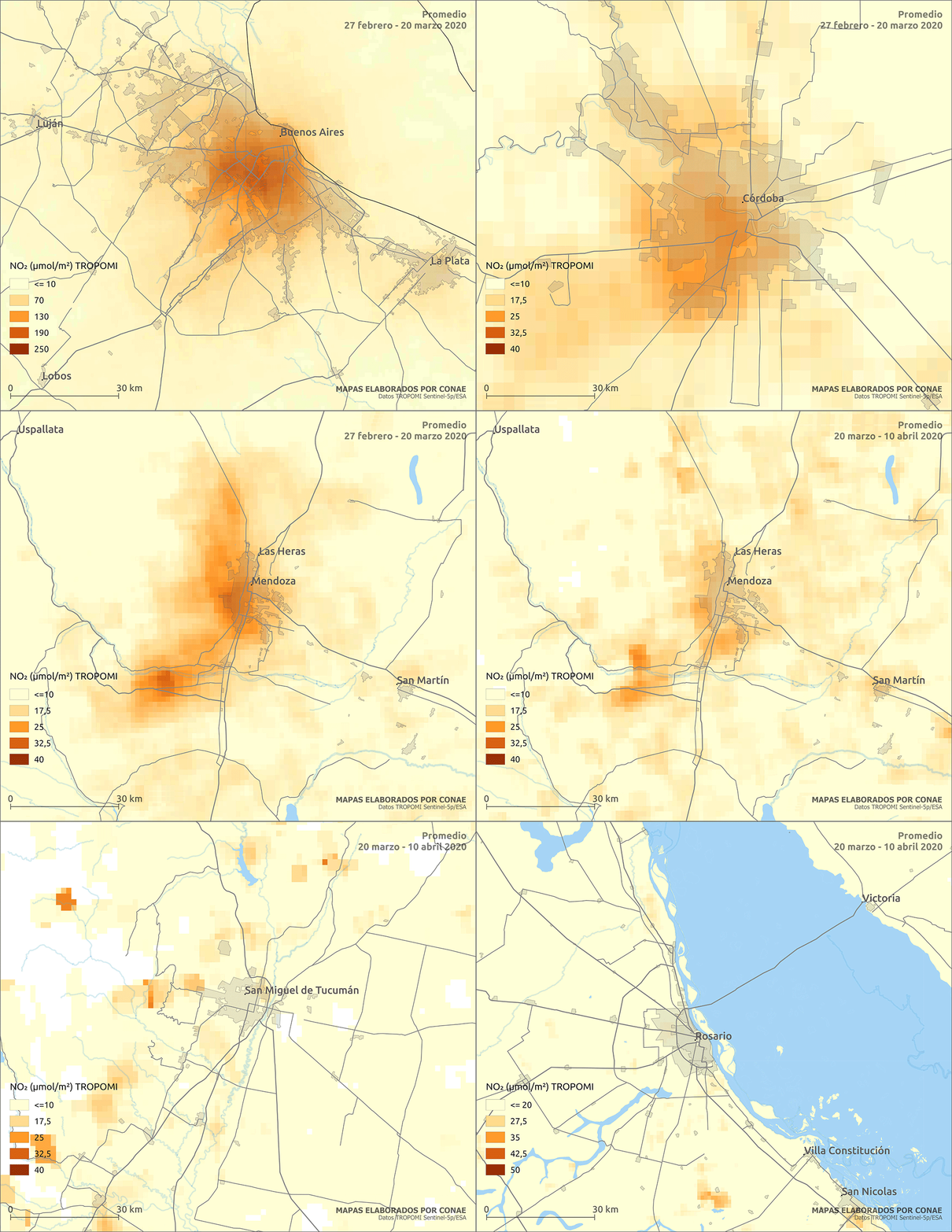
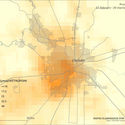
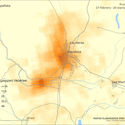
The levels of air pollution reached by major urban centers around the world in recent years reveal the troubled relationship we have maintained—and continue to maintain—with our environment. The gravity of the issue lies in the fact that this not only affects the overall balance of the planet, but according to the World Health Organization, the current state of the atmosphere also causes, through the simple act of breathing, the death of around seven million people each year. Shortly after governments in various countries announced measures to prevent the spread of the coronavirus—lockdowns and isolation—numerous studies began to show an unexpected and promising trend: air pollution levels in many cities began to drop significantly within days of the measures being announced due to reduced traffic and a decline in industrial emissions.

The development of digital interfaces, combined with the daily bombardment of advertising images, increases the demand for clarity—a clarity we tend to take for granted. This is what Baudrillard called the "world of hypervisibility." Art, however, can offer a slowing down of perception, pointing us to deeper dimensions of experience where speed becomes delay.
Guilherme Wisnik talks with Michael Wesely, a German art photographer best known for his photos of cities, buildings, and landscapes taken with a special ultra-long exposure technique. From 1986 to 1988, Michael Wesely attended the Bayerische Staatslehranstalt für Photographie in Munich before studying at the Munich Academy of Fine Arts.


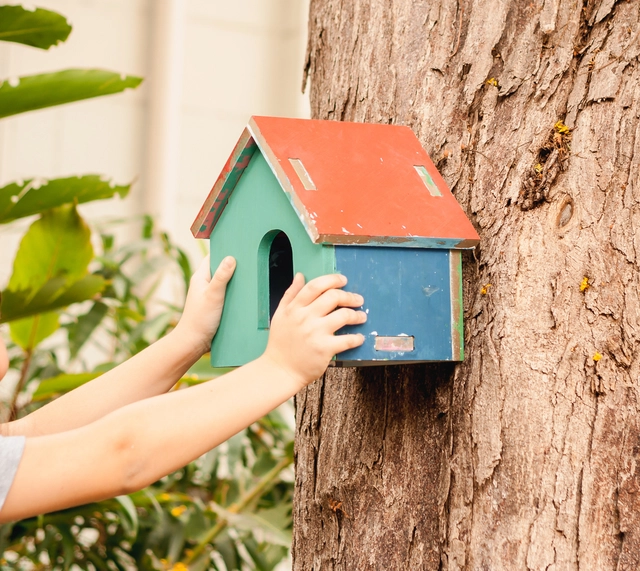
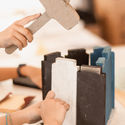
Architecture is a discipline deeply connected to the perception and construction of space, and could be introduced in early childhood education. With this in mind, the architects at Studio dLux proposed the Bird House project, a workshop for elementary school children designed to introduce the design and construction processes of a birdhouse.
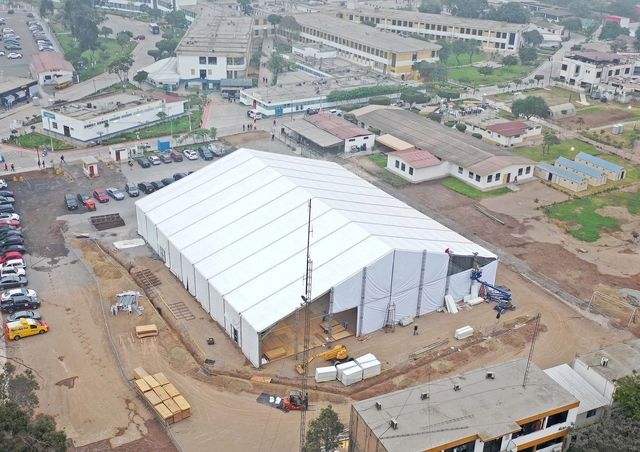
In recent months, Legado Lima 2019 has become one of the key organizations collaborating in the fight against the coronavirus pandemic in Peru. Thanks to hosting the Pan American and Parapan American Games in 2019, the country was able to apply lessons learned in infrastructure, equipment, protocols, and operations to combat COVID-19, repurposing and transforming modern infrastructure—originally built to host the continent's largest multi-sport event—to confront the pandemic.
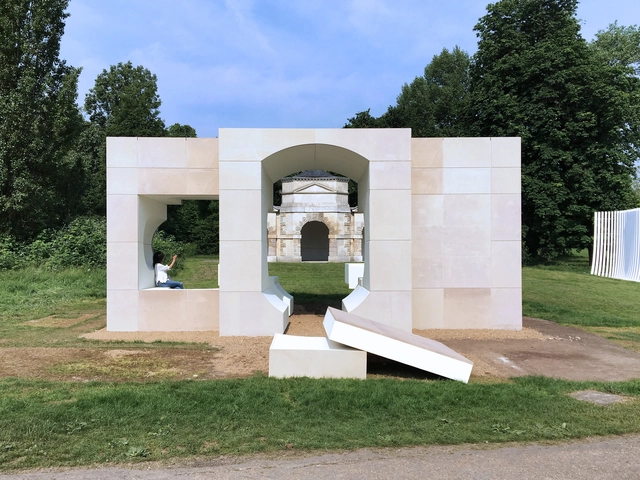




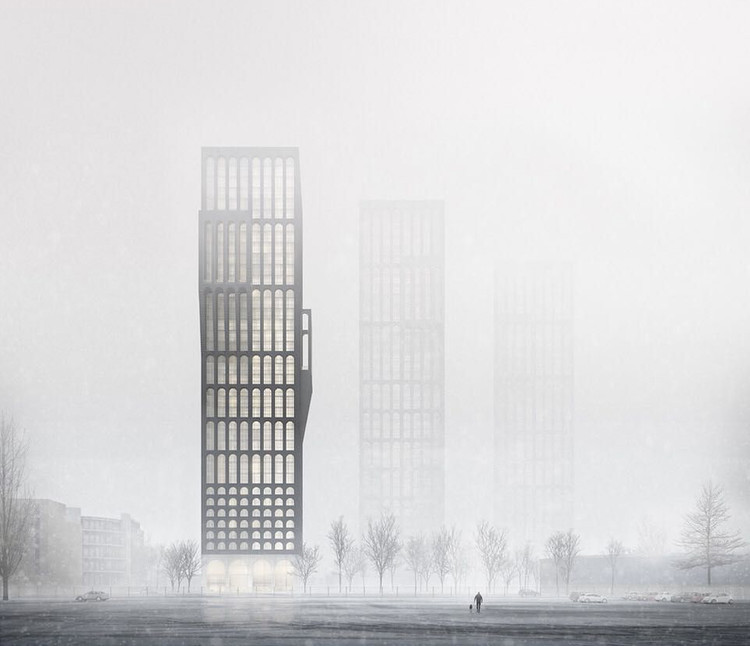
Techniques in visualization have evolved significantly over the years, providing increasingly accurate depictions that give architects a realistic view of their work before the foundation is even laid. For architects and the people they work with, the goal of a visualization is to illustrate the qualities and characteristics of a three-dimensional space that has yet to be built or is in the process of being constructed, by using hand or computer drawn images, videos, and even virtual reality platforms. All of these tools serve as a way of bringing an idea to life, whether for clients or judges in an architectural competition.

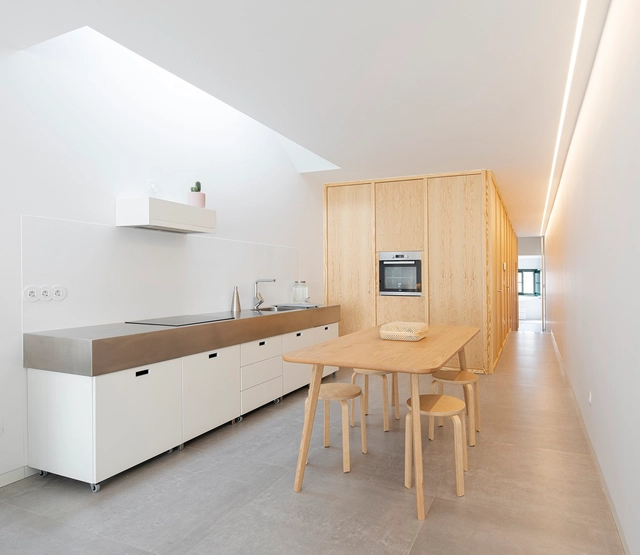
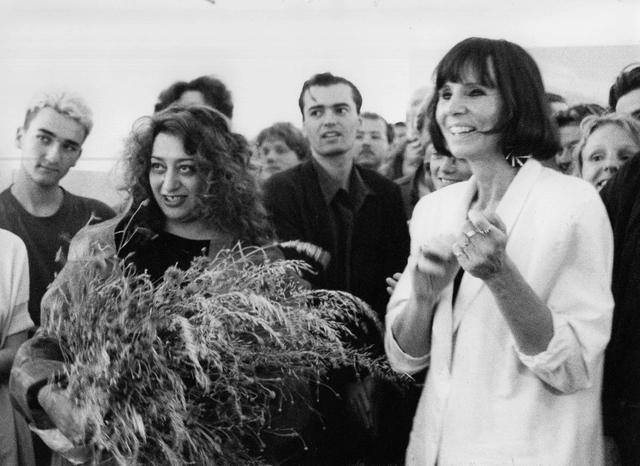
During the peak of Postmodernism, and the uprising of notions such as urban renewal and public participation, Aedes Architecture Forum, the first private architecture gallery in the world, opened in 1980 in Berlin. Founded by Journalist Kristin Feireiss and Helga Retzer, both neither architects nor regularly engaged with architecture at that time, Aedes aspired to encourage an international dialogue around the subjects of urban environment, space, and society.
Shortly after its inception, the center became an integral part of the contemporary international architectural scene, carrying out debates, seeking fresh ideas, showcasing the avant-garde, and highlighting young talents. Providing architects with a compelling space to present their architectural and urban ideas, Aedes hosted exhibitions for Zaha Hadid, Venturi Scott Brown, Cedric Price, John Hejduk, OMA (Office for Metropolitan Architecture), Peter and Alison Smithson, and Bernard Tschumi to name a few.