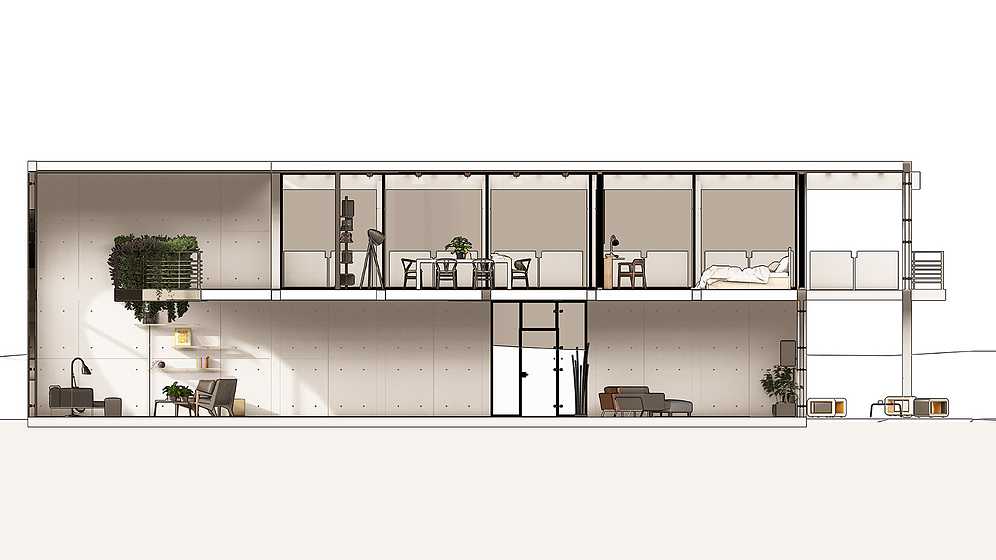
Produce personalized presentation boards that distill complex concepts into simple visual representations with a few helpful tools and effects.


Produce personalized presentation boards that distill complex concepts into simple visual representations with a few helpful tools and effects.
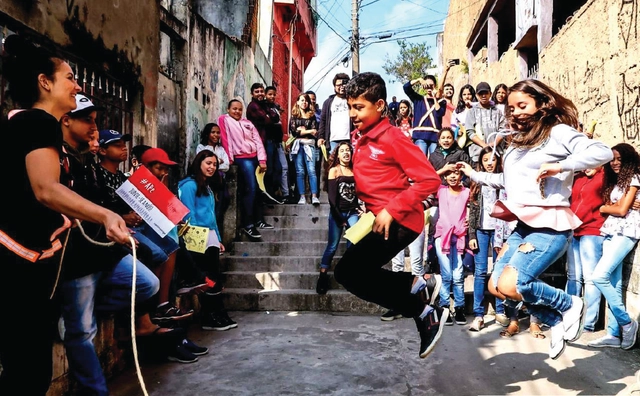
The Un-Habitat or the United Nations agency for human settlements and sustainable urban development, whose primary focus is to deal with the challenges of rapid urbanization, has been developing innovative approaches in the urban design field, centered on the active participation of the community. ArchDaily has teamed up with UN-Habitat to bring you weekly news, article, and interviews that highlight this work, with content straight from the source, developed by our editors.
Discover in this feature the first lesson to learn from UN-Habitat, on how to design with and for the people. In order to create great public spaces, the only secret is listening to the community. Questioning “how can we design together”, this article presents cases in Ghana, Brazil, and India, focusing on street, market, and open public spaces implementation projects, where interventions took on participatory approaches and involved local residents from the beginning of the process.
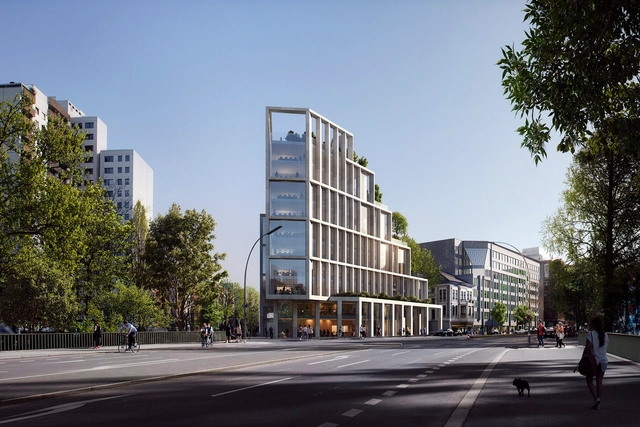
C.F. Møller Architects was selected to design the new HQ of Berlin Hyp, one of Germany’s leading real estate financiers. With a strong focus on sustainability, the winning proposal of the invited international competition, supports the bank’s vision, “contributing to the transition and urban development of the surrounding area”.
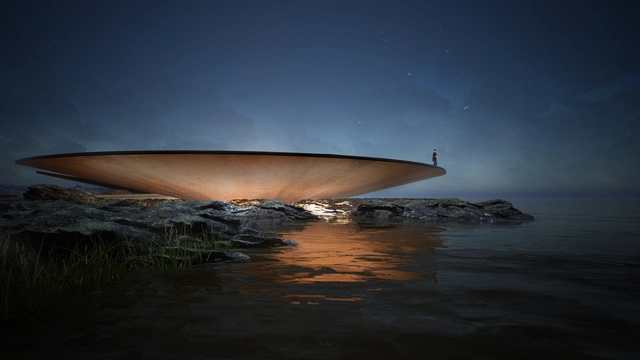
Architecture firm Gómez Platero has designed a new memorial to honor those affected by COVID-19. Sited in Uruguay, the monument is made to be an expression of hope in an uncertain time. As the first large-scale monument to the worldwide victims of the COVID-19 pandemic, the project is called the "World Memorial to the Pandemic." It aims to be a space for mourning and reflection that's environmentally conscious and emotionally impactful.
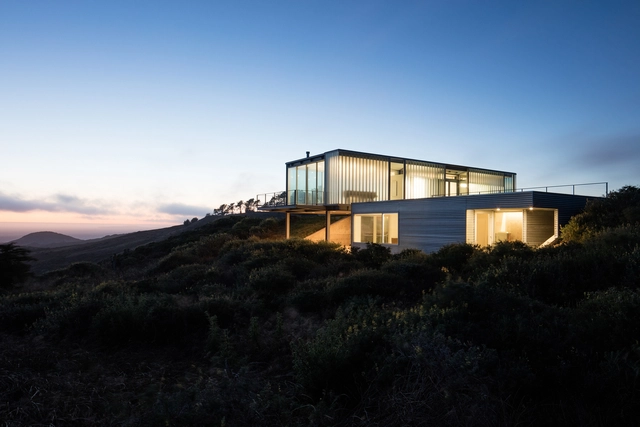
To celebrate World Photography Day, we've gathered a list of 10 BIPOC architectural photographers from around the world who are worth knowing - and following on Instagram.
The following names have also been recognized in two open lists that are constantly being updated in order to promote diversity in the photography industry: Diversify Photo and BIPOC STUDIOS. The idea behind these platforms is to allow Architects, Designers, Creative Directors, and art consumers in general, to discover photographers that identify themselves as Black, Indigenous, People of Color, available for assignments and commissions.
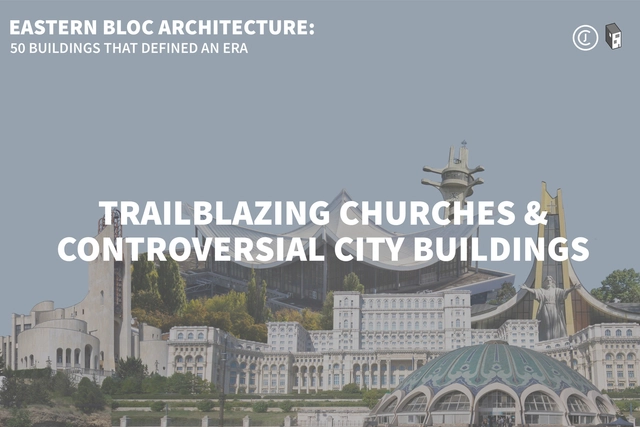
This article is part of "Eastern Bloc Architecture: 50 Buildings that Defined an Era", a collaborative series by The Calvert Journal and ArchDaily highlighting iconic architecture that had shaped the Eastern world. Every week both publications will be releasing a listing rounding up five Eastern Bloc projects of certain typology. Read on for your weekly dose: Trailblazing Churches and Controversial City Buildings.

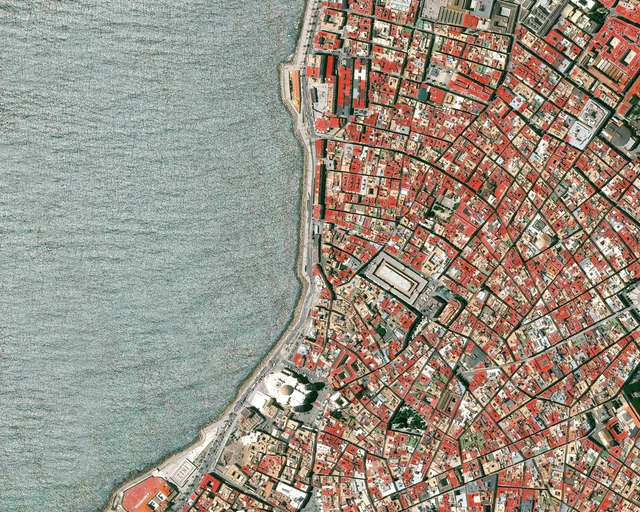
Seeing from above – the aerial vantage point – is the illusion of knowledge. This was the idea of Frenchman Michel de Certeau, a historian who was interested in the everyday practices that occur on the ground, on the streetscape. In contrast to Certeau's view, satellite images can be a powerful tool to understand, predict, and strive for a better future for humankind. This is the mission of Benjamin Grant, founder of Overview, a platform that explores human activity on Earth through aerial imagery.
Interested in fostering "an experience of awe" through elevated vantage points of our world, Overview offers snapshots featuring traces of human activity on the surface of the planet. Photos of cities and other cultural artifacts join pictures of mesmerizing topography and natural beauty in an impressive archive of drone and satellite images. Awe abounds as we face not only some of the most impressive human endeavors seen from the sky, but also as we are confronted with the rather gruesome side-effects of our very existence on Earth.
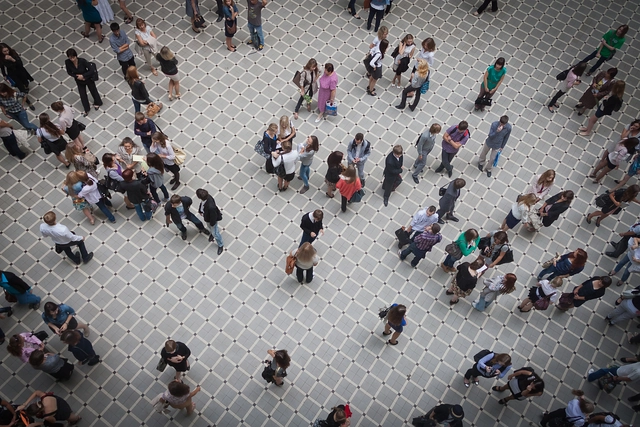
The following text was drafted in response to the first prompt in AN’s “Post-Pandemic Potentials” series. Two previous responses, by Mario Carpo and Phil Bernstein, reflected on the mostly seamless transition of architectural education from physical to virtual settings. Read more about the series here.
Michel Foucault’s famous account of the plague described the partitioning of the medieval city, the confinement of its citizens, and the accounting for and distribution of resources. Those foundational actions, according to his thesis, led to the disciplining of people and institutional bodies in space and time. Similarly, the field of medicine, consolidated by the Flexner Report of 1910 (and followed soon after by the founding of the Association of Collegiate Schools of Architecture, or ACSA, in 1912), was further formalized in the aftermath of the 1918 influenza outbreak that exposed the need for greater surveillance and diagnostics required in epidemiology.

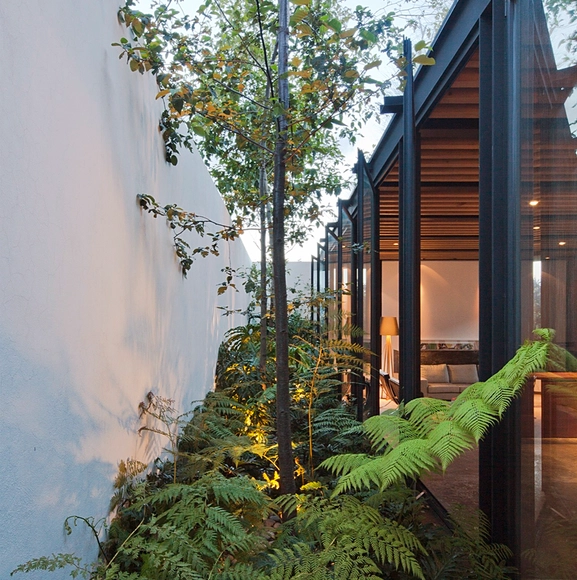
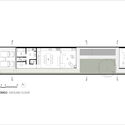
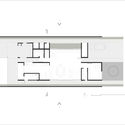
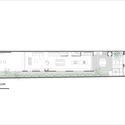
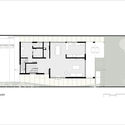
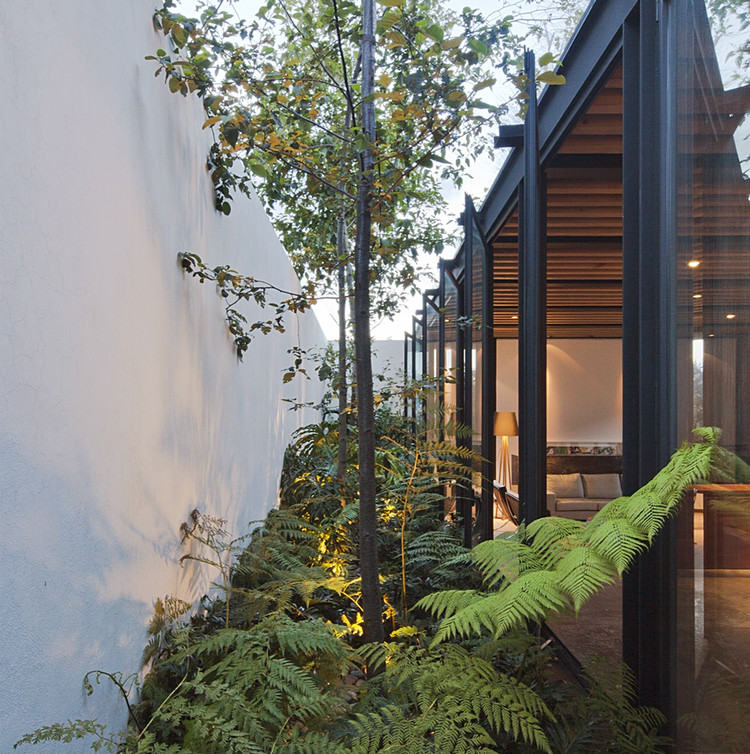
Patios and gardens play a crucial role in a project's planning and layout. In some instances, they serve as organizing elements while in others, they improve the quality of life in a space by providing light, ventilation, and a connection to the outdoors while maintaining the privacy of the inhabitants.
.jpg?1597760733&format=webp&width=640&height=580)
The World Architecture Festival just announced the launch of WAFVirtual from 30 November – 4 December 2020, where the worldwide architectural community can engage in a week of live content, special prizes, talks, panel discussions and networking opportunities with peers and our WAF partners. Registration will be free for architects and design professionals.
_Daria_Scagliola.jpg?1596665845&format=webp&width=640&height=580)
Public space has always been a top priority in every city’s urban planning agenda and given today’s world context, these urban spaces have emerged as fundamental elements of cities and neighborhoods. Plazas, squares, and parks, undeniable necessities in the urban fabric, have become, today, more vital than ever.
.jpg?1597648211&format=webp&width=640&height=580)
Architects are mobilizing their efforts, to help schools around the world reconsider their design in order to guarantee sustainability, emotional wellness, and physical health. CetraRuddy, Cooper Robertson, and WXY are amongst those proposing an increase in outdoor programming and a rearrangement of classrooms, for post-pandemic school design.
The architectural scene has been witnessing lately a growing focus on indoor/outdoor functions. Discover 3 different interventions from 3 different practices, tackling one common issue, and focusing on outdoor space as a major programming element.
.jpg?1597742181&format=webp&width=640&height=580)
MVRDV has just unveiled the If Factory, a disused urban structure converted into a new 11.000 m2 creative building, containing a mixture of offices for the Urban Research Institute of China Vanke and offices for rent. Located in one of Shenzhen’s most historic districts, Nantou, the project is the largest proposed renovation in the city to date.
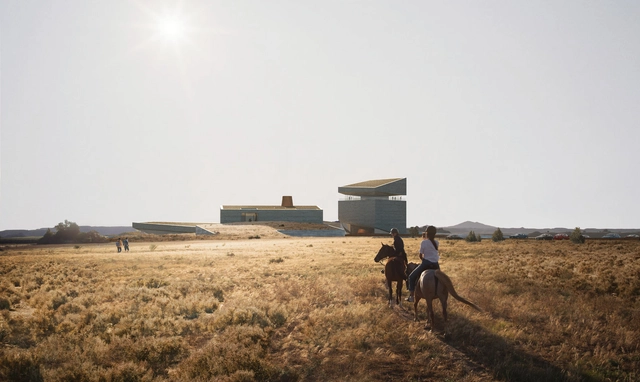
Snøhetta, Studio Gang and Henning Larsen have unveiled their designs for the new Theodore Roosevelt Presidential Library in North Dakota. The teams were selected from 12 firms, and the final design will be made to respond to the ecology of the Badlands. The three proposals showcase integrated architecture and landscape approaches designed to celebrate Theodore Roosevelt’s life.
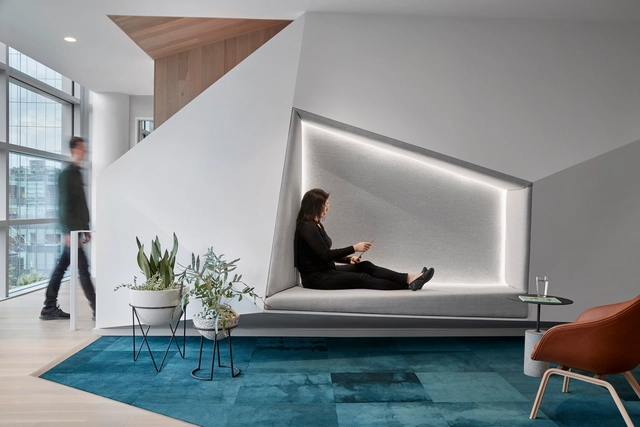
The COVID-19 pandemic has reshaped how we work together. From telecommuting to virtual programming, architects and designers are rethinking traditional office structures to reimagine collaboration around the world. For architect Evelyn Lee, her work as the first Senior Experience Designer at Slack Technologies centers on building better workplace experiences. In a year defined by remote work, she's exploring what culture and community mean today.
azl.jpg?1597700840&format=webp&width=640&height=580)
Nanjing-based architect Zhang Lei (b. 1964, Jiangsu, China) does not believe in history, only time. He is convinced that history is something that is taking place in our own time, being shaped by particular circumstances, current programmatic demands, latest building techniques, and contemporary sensibilities.
The COVID-19 Pandemic is a disruptive moment for our world, and it’s poised to spur transformative shifts in design, from how we experience our homes and offices to the plans of our cities. The webcast series Design Disruption explores these shifts—and address issues like climate change, inequality, and the housing crisis— through chats with visionaries like architects, designers, planners and thinkers; putting forward creative solutions and reimagining the future of the built environment.
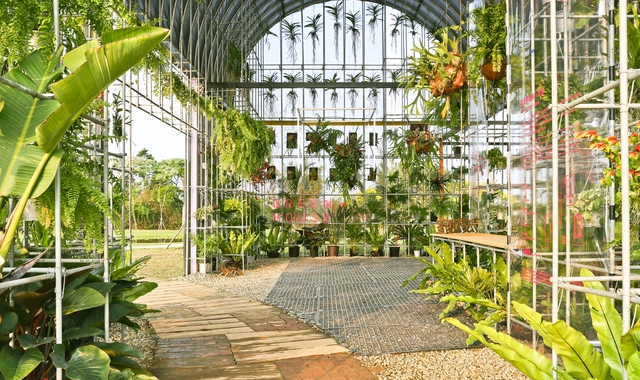
Since at least as early as ancient Roman times, humans have recognized the value of what is now known as controlled environment agriculture, allowing farmers to cultivate plants year-round rather than seasonally. Though they were invented hundreds of years ago, greenhouses continue to be the most popular means of controlled environment agriculture today, with innovations in technology and design having improved both the beauty and efficacy of this typology. Below, we will explore in detail the history and structure of the greenhouse, as well as several examples of innovative and experimental greenhouse design.
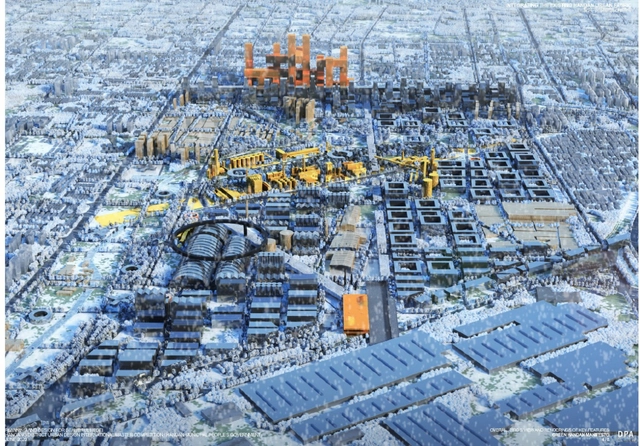
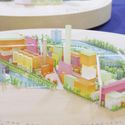
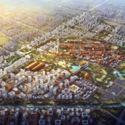
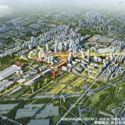
Dominique Perrault’s proposal has won “the transformation and revival of industrial heritages” or the Hangang district urban design international competition, in Handan, China. Six teams from world-renowned architectural firms, including Coop Himmelb(l)au and UNStudio Team, were invited to participate in the contest and envision the future of the city, through their creative designs.
.jpg?1597587766&format=webp&width=640&height=580)
SOM and Fender Katsalidis have won an international design competition for Central Place Sydney, a commercial development that will introduce new transformative public space and high-tech towers. Located in Sydney's Central Business District, Australia, the proposed project seeks to transform the western edge by introducing innovative buildings and public realm improvements.

.jpg?1597587782 "Courtesy of SOM | Fender Katsalidis")
.jpg?1597587827 "Courtesy of SOM | Fender Katsalidis")
.jpg?1597587803 "Courtesy of SOM | Fender Katsalidis")
.jpg?1597587766)
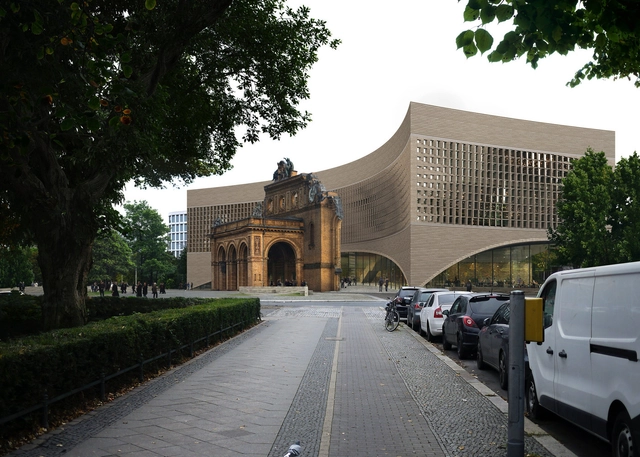
Dorte Mandrup has won the international competition to design the new Exile Museum (Exilmuseum) in Berlin. Located adjacent to the ruins of the historic railway station Anhalter Bahnhof, the museum will tell the stories of those who fled during the Nazi regime and look to today's present displaced populations. The studio’s proposal reinterprets the portico ruins on Askanischer Platz, together a monument and symbol of those driven into exile during the Second World War.
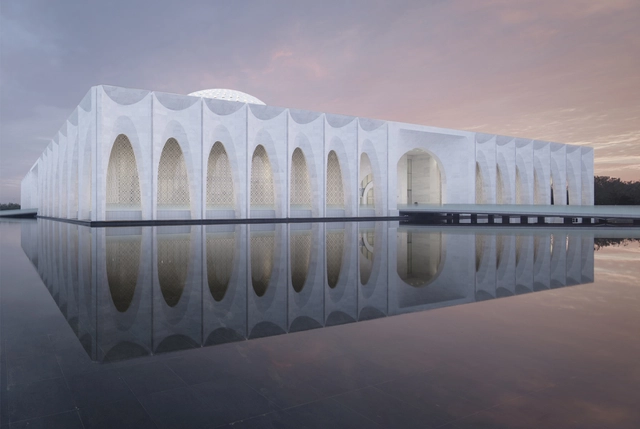
The A’ Design Award is an international award whose aim is to provide designers, architects, and innovators from all architecture and design fields with a competitive platform to showcase their work and products to a global audience. Among the design world's many awards, the A' Design Award stands out for its exceptional scale and breadth; over the eleven years the Award has been given, more than 12,000 awards have been bestowed across 110 categories and 180 nationalities. This year's edition is now open for entries; designers can register their submissions here.
During the next decade or so, our cities will expand at an inconceivable speed. According to the UN’s 2019 World Population Prospects, our planet by 2030 is expected to have 43 megacities —classified as those with more than 10 million inhabitants. Most megacities will be in developing countries. And by mid-century, almost 70 percent of the world’s population will be urbanised, with today’s rate at just over half. Moreover, 90 percent of the urban population growth is expected to happen in Africa and Asia.
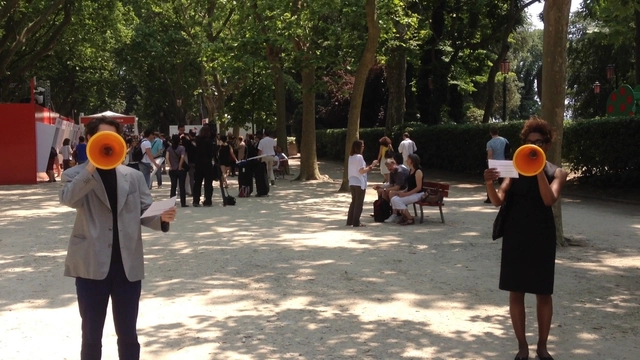
The inertia of politics and governance in a time when major societal changes occur at an increasingly faster pace and the dissatisfaction with the decision process makes room for bottom-up actions, activism and bold endeavours. In the light of so many examples of social activism, do architects have the tools to make their own stand? Does architecture have the power to disrupt the status quo?

The Midnight Charette is an explicit podcast about design, architecture, and the everyday. Hosted by architectural designers David Lee and Marina Bourderonnet, it features a variety of creative professionals in unscripted conversations that allow for thoughtful takes and personal discussions. A wide array of subjects are covered with honesty and humor: some episodes provide useful tips for designers, while others are project reviews, interviews, or explorations of everyday life and design. The Midnight Charette is also available on iTunes, Spotify, and YouTube.
This week David and Marina are joined by James Lord, Landscape Architect & Founder of Surfacedesign, to discuss the homogeneity of our streets and public spaces, his transition from architecture to landscape architecture, stories about Pierre Koenig and saving endangered frogs, the most common struggle Landscape Architects face in projects, storytelling in design, and much more. Enjoy!





_Del_Rio_Bani.jpg?1596667310 "© Del Rio Bani")
_Evgeny_Evgrafov_02.jpg?1596665789 "© Evgeny Evgrafov")
_Norbert_Tukaj.jpg?1596666158 "© Norbert Tukaj")
_Chao_Zhang.jpg?1596666402 "© Chao Zhang")
_Daria_Scagliola.jpg?1596665845)


.jpg?1597648186 "The Choice School - Calicut, India. Image Courtesy of CetraRuddy")
.jpg?1597648211)
.jpg?1597742097 "Courtesy of MVRDV")
.jpg?1597741926 "Courtesy of MVRDV")
.jpg?1597742150 "Courtesy of MVRDV")
.jpg?1597742181)




Iwan_Baan.jpg?1597699944 "Brick House (2007), designed by AZL Architects and built in Nanjing, China. Image")
Yao_Li.jpg?1597700286 "CIPEA No.4 House (2011), designed by AZL Architects and built in Nanjing, China. Image © Yao Li")
Yao_Li.jpg?1597700296 "Wanjing Garden Chapel (2014), designed by AZL Architects and built in Nanjing, China. Image © Yao Li")
Yao_Li.jpg?1597700792 "Song House (2019), designed by AZL Architects and built in Nansong, China. Image © Yao Li")
azl.jpg?1597700840)


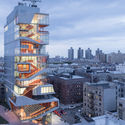





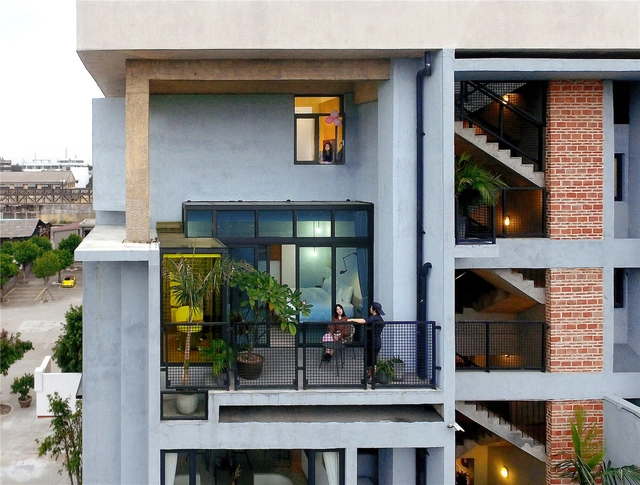
.jpg?1597281787 "Tangxing No. 5 Residential House / Saiwen Liu. Image Courtesy of A' Design Awards")


