

In Louisiana Channel's latest interview, Indian architect Anupama Kundoo shares her thoughts on the importance of observing the surroundings from the perspective of time and its imprint on matter. "Before humans, there was an architecture that life itself creates," says the architect discussing the natural world as a source of inspiration, pointing out that one "can see the same question already solved by nature".
News

.jpg?1606397161 "Wall House. Image © Javier Callejas")


A Visual Journey within the Sanctuary of Wadi Rum
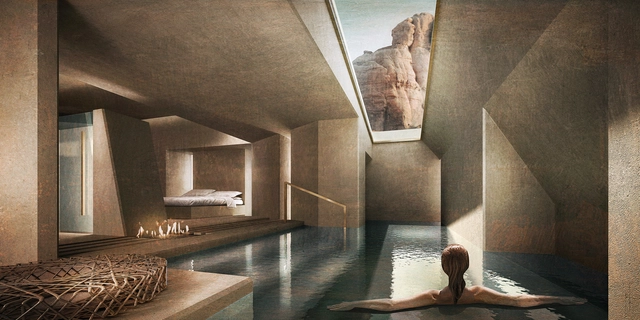
Delicately excavated from the natural grounds of Jordan’s Wadi Rum, Jordanian architect Rasem Kamal transformed the phrase of “form follows function” into “subtraction follows function”, emphasizing the relationship between external form and internal space with a resort that promises a sanctuary both above and underground.
In the newly-released video of the proposal, the architect uncovers the hidden resort and takes viewers on an enchanting walkthrough of the proposed Wadi Rum Sanctuary Resort. Kamal complements the desert’s jagged landscape with the resort’s subtle architecture, letting the structure blend seamlessly with its surroundings.
https://www.archdaily.com/951862/a-visual-journey-within-the-sanctuary-of-wadi-rumDima Stouhi
The Return of Superstudio and the Anti-Architecture Ideology

In the 1960s, Cristiano Toraldo di Francia and Adolfo Natalini, two Florence-based architecture students in their twenties, decided to undertake the substantial task of designing a new way for the citizens of the globe to inhabit the earth. Driven by the possibilities laid out in science fiction novels and the desire to prescribe design to solve the problems of their era, the duo, who dubbed themselves as Superstudio, sought to continuously reinvent their role in what it means to be an architect. Their solution was the creation of an “anti-design” culture as a means to provide commentary on politics, capitalism, and urbanism, by creating ideas in which everyone is given a functional space that frees itself of time, place, and the need for excessive objects.
https://www.archdaily.com/951925/the-return-of-superstudio-and-the-anti-architecture-ideologyKaley Overstreet
One of Frank Lloyd Wright’s Unpublished Projects Revealed to the Public: the Arizona State Capitol
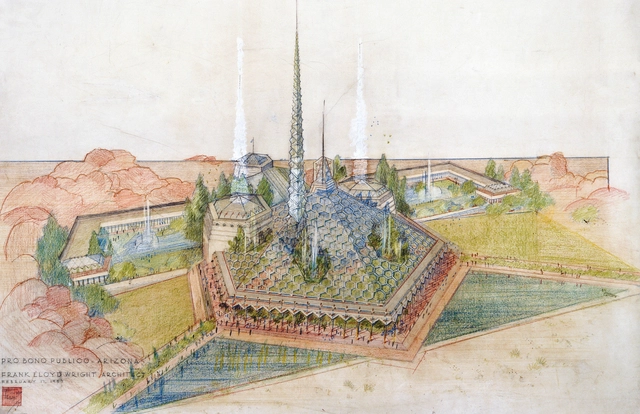
The Frank Lloyd Wright Foundation has uncovered the Arizona State Capitol project, a never seen before unbuilt proposal by Wright. An “oasis of democracy in the Sonoran Desert”, the intervention revealed in the latest issue of The Frank Lloyd Wright Quarterly, has been digitally remodeled, with photorealistic visualizations by David Romero.





https://www.archdaily.com/952197/one-of-frank-lloyd-wrights-unpublished-projects-revealed-to-the-public-the-arizona-state-capitolChristele Harrouk
Gensler and PAU Create Ford Motor Mobility District in Detroit’s Oldest Neighborhood
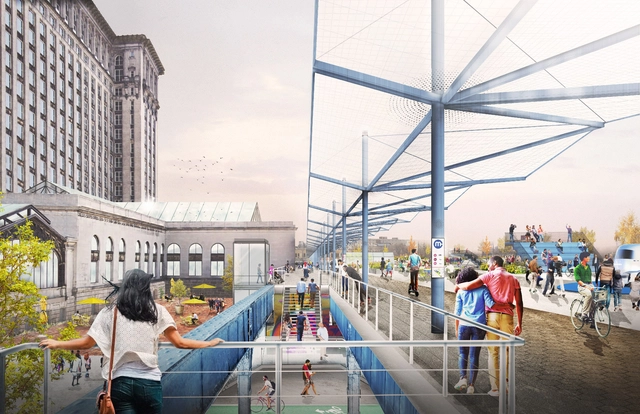
The Ford Motor Company has released a new plan for an innovation and mobility district in Corktown, Detroit’s oldest neighborhood. Designed by the Practice for Architecture and Urbanism (PAU), the "Michigan Central" plan involves a multiyear development that includes the restoration of the iconic Michigan Central Station. Gensler is reimagining the Book Depository building, while PAU is master planning the Michigan Central development as a whole. The vision is an open platform for startups and entrepreneurs to develop, test and launch new mobility solutions.

_02_Vernor_Plaza.jpg?1605922640 "Courtesy of PAU")


https://www.archdaily.com/951874/gensler-and-pau-create-ford-motor-mobility-district-in-detroits-oldest-neighborhoodEric Baldwin
Explore the Changes of Time and Space in the 1980s Through the Memories of Chinese Young Architects
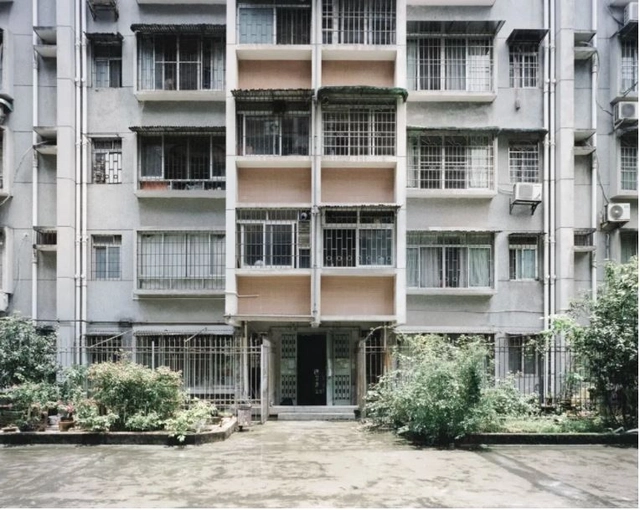
Sigmund Freud, the author of “The Interpretation of Dreams” and the founder of Psychoanalysis, once argued that, “A strong experience in the present awakens in the creative writer a memory of an earlier experience (usually belonging to his childhood) from which there now proceeds a wish which finds its fulfillment in the creative work.”
https://www.archdaily.com/950998/explore-the-changes-of-time-and-space-in-the-1980s-through-the-memories-of-chinese-young-architectsScarlett Miao
Meet the Winners of ArchDaily's 2020 Architectural Visualization Awards
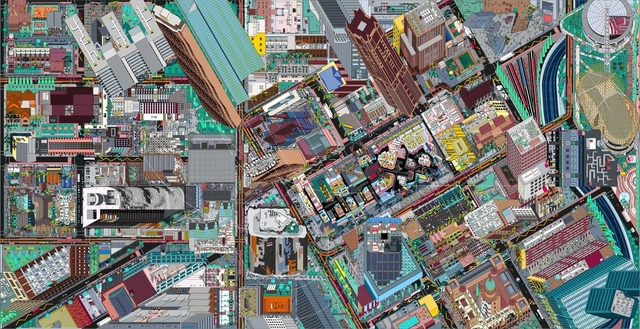
After 3 weeks of voting, the results are finally in. The ArchDaily Architectural Visualization Awards has just selected the winners of its first edition. Out of 750 visualizations submitted from all over the world, 6 winning images were chosen, two for each of the following categories: Exterior, Interior, and Conceptual.
Gathering more than 10 000 votes, This awards has come to an end. Presented by IPEVO, Cove.tool, and Concepts, the contest aimed to find the most talented individuals, who inspire us and help us visualize the future of our cities and buildings.
https://www.archdaily.com/952164/meet-the-winners-of-archdailys-2020-architectural-visualization-awardsChristele Harrouk
Children's Scale: A Brief History of Kid's Furniture
.jpg?1602872084&format=webp&width=640&height=580)

.jpg?1602872196 "Photo: 1931, Kaunas, Lithuania. Two children working on reading/writing words at Maria Varnienė's Children's House. The child on the left is Stasys Ragaišis, who later became a medical doctor.. Image via @montistory101")

.jpg?1602872084)
Children's furniture is all furniture –fixed or mobile– that is designed according to the ergonomic guidelines and anatomical dimensions of children specifically. Following this definition, we can identify two types of furniture: (1) those that facilitate a relationship between the caregiver and the child, and (2) those that allow the child to use them independently.
The big difference between these two types is that the first has dimensions that mainly adapt to the ergonomics of the adult, while the second is designed to meet the ergonomic needs of the child at each stage of their development. Since the growth of children occurs relatively quickly, it is common for the furniture of this second group to be multifunctional or even extendable.
https://www.archdaily.com/951235/childrens-scale-a-brief-history-of-kids-furnitureAudrey Migliani
3XN, B+H and Zhubo Win Competition to Design the New Shenzhen Natural History Museum
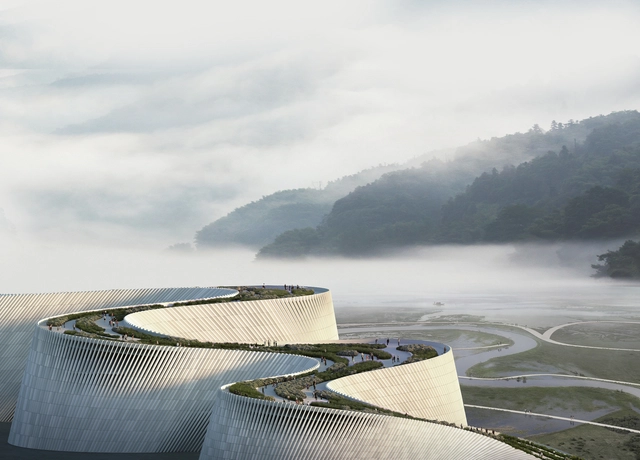
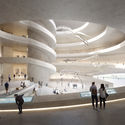
3XN, B+H, and Zhubo Design were selected as first-place winners in an international design competition for the new Shenzhen Natural History Museum. Attracting over 70 proposals from around the world, the contest first nominated fifteen teams for the bidding stage, representing 18 countries, before choosing the best proposal.



https://www.archdaily.com/952107/3xn-b-plus-h-and-zhubo-win-competition-to-design-the-new-shenzhen-natural-history-museumChristele Harrouk
Carlos Zapata Unveils New Mixed-Use Residential Tower in Quito
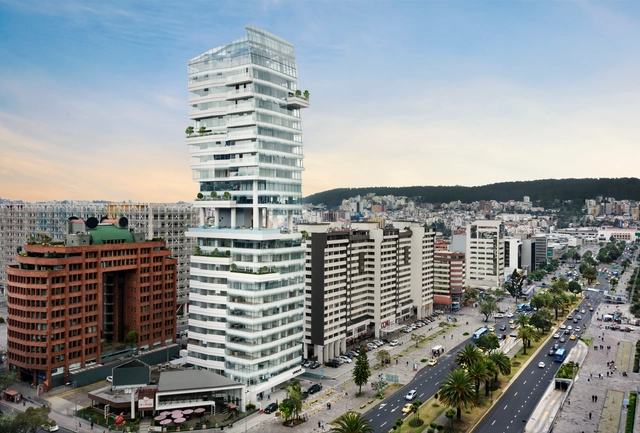
Architect Carlos Zapata has unveiled a new, mixed-use residential tower in Quito, Ecuador. Located on the northern edge of La Carolina Park, the design has become one of the city’s tallest buildings. The 24-story tower is defined by a three-story opening at its midpoint that creates an communal pool and lounge area, as well as a series of vertical gardens. The new tower was made to embrace Quito’s open sky and striking views of the Andes mountains.


.jpg?1606323402 "Courtesy of Carlos Zapata")

https://www.archdaily.com/952119/carlos-zapata-unveils-new-mixed-use-residential-tower-in-quitoEric Baldwin
Brazilian Interiors: 8 Projects with Flexible Furniture
.gif?1604578732)
When designing in times of quick and constant transformations, one must keep a close eye on the surge of new demands, and one must design spaces that embrace such mutability.
Flexible furniture is a reflection of this contemporary behavior because they can be moved around easily, they have great adaptability, and because they can perform different functions in a single piece. These pieces enable several different layouts, being able to adjust their shape according to specific requirements and changes, which helps optimizing interiors.


We have selected eight Brazilian projects that combine versatility and flexibility in furniture design.
https://www.archdaily.com/952036/brazilian-interiors-8-projects-with-flexible-furnitureCamilla Ghisleni
How to Start a New Project in Revit
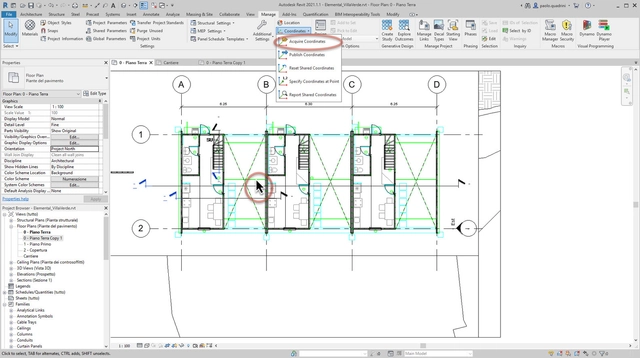
Revit is a parametric and multidisciplinary design software that can virtually create and insert any building within a BIM process. Revit is not a true modeler, but an aggregator of construction components governed by a series of specific rules. In order to avoid issues within the Revit project, it must be set up carefully. Since each project has different characteristics and requirements, there is no standard procedure when starting a new one. However, becoming familiar with various situations and their necessary steps will greatly help.
https://www.archdaily.com/951320/how-to-start-a-new-project-in-revitPaolo Quadrini
Psychology of Scale: People, Buildings and Cities

In the introduction of Cities for People, Jan Gehl stated clearly that most cities have neglected the human aspect when planning the built space. While technologies have allowed us to build large, our focus shifted from creating architecture for humans to erecting structures that look like they are meant for a different kind of species. Top-down urban planning decisions have ignored scales adapted to the senses and organic growth, and new ideologies prioritized speed, functionality, and profitability.
Dictating our city experience, scale, this major spatial component related to the human dimension, stimulates our senses, and influences our well-being. In this article, we lay down historical changes and underline scientific facts to highlight how scale can impact our daily city life, guided by Eden of the Orient, a series of photos by Belgian photographer Kris Provoost, portraying a battle of scale in Hong Kong.




https://www.archdaily.com/950321/psychology-of-scale-people-buildings-and-citiesChristele Harrouk
Snøhetta Designs Airside, a Mixed-Use Building on a Former Airport Site in Hong Kong
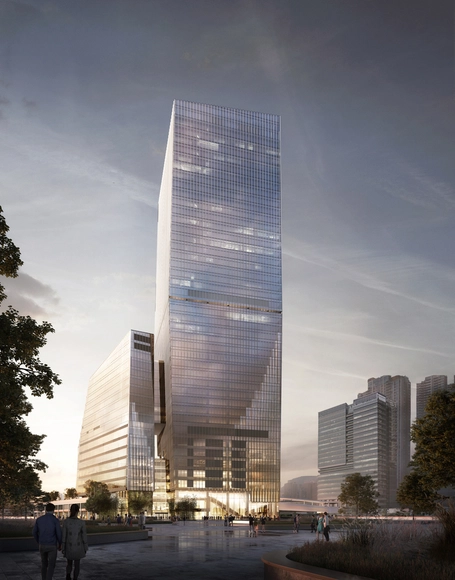
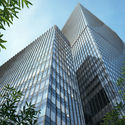
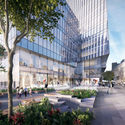
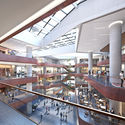
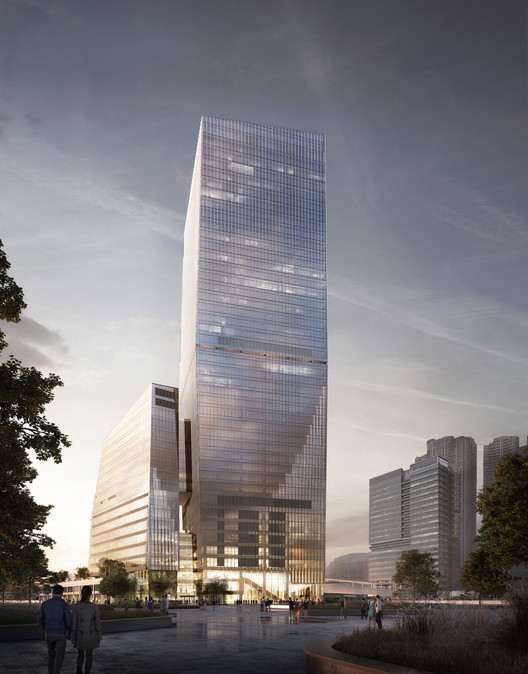
Snøhetta has revealed its first built project in Hong Kong, Airside, a 176,000 square meters mixed-use building. Located in the center of the former Kai Tak airport, the project commissioned by Nan Fung Group comprises a 200-meter tower merged seamlessly with its base.
https://www.archdaily.com/952033/snohetta-designs-airside-a-mixed-use-building-on-a-former-airport-site-in-hong-kongChristele Harrouk
43 Illustrated Homes Celebrate the Work of Paul R. Williams in California

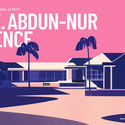
Paul Revere Williams’ incredible architectural career spanned the growth of Hollywood. Artist Ibrahim Rayintakath illustrated 43 of Williams’ most notable California homes for HomeAdvisor, including addresses and an illustrated map so architecture buffs can check out these historic buildings in person. Between the 1920s and his retirement in 1973, Williams designed over 2,000 private homes - many for Hollywood creatives such as Frank Sinatra, Lucille Ball, and Johnny Weissmuller.


https://www.archdaily.com/952078/43-illustrated-homes-celebrate-the-work-of-paul-r-williams-in-californiaEric Baldwin
What is Vernacular Architecture?
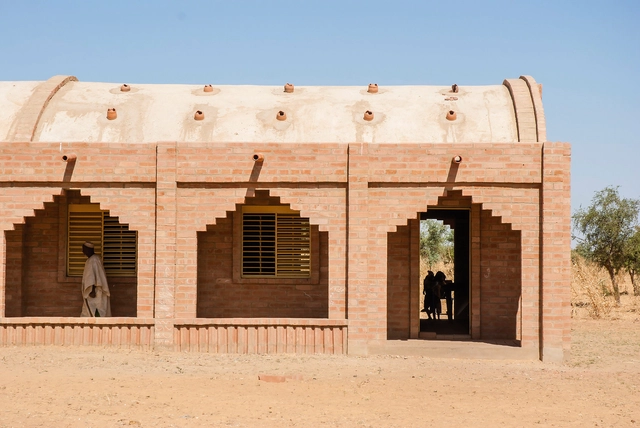
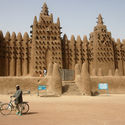
Vernacular architecture can be defined as a type of local or regional construction, using traditional materials and resources from the area where the building is located. Consequently, this architecture is closely related to its context and is aware of the specific geographic features and cultural aspects of its surroundings, being strongly influenced by them. For this reason, they are unique to different places in the world, becoming even a means of reaffirming an identity.


https://www.archdaily.com/951667/what-is-vernacular-architectureCamilla Ghisleni
Champion Announced for Future ShanShui City International Urban Design Competition
| Sponsored Content
.jpg?1606152301&format=webp&width=640&height=580)
On November 3rd, 2020, after successfully holding the Award Ceremony and the Shanshui City Theme Forum in Lishui, the site of the competition, the Future ShanShui City • Dwellings in Lishui Mountains International Urban Design Competition finally came to a successful conclusion after more than seven months.
https://www.archdaily.com/951429/champion-announced-for-future-shanshui-city-international-urban-design-competitionRene Submissions
Remote Architecture Education: How To Study Architecture Through Drawings
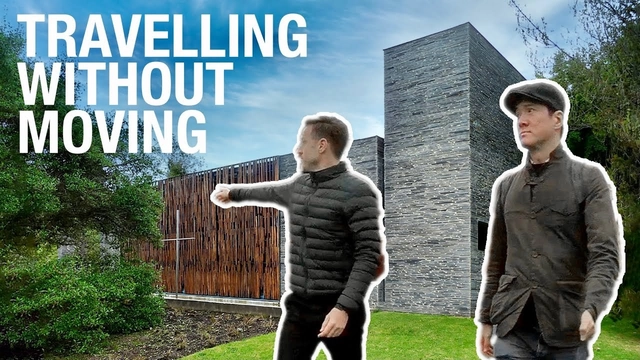
Now that traveling is restricted and mobility is limited, having the ability to get a sense of the space in person is somewhat impossible. Naturally, if we were to choose between being present in the project or skimming through images online, the choice would be the former. But luckily, we still have books and architecture websites to keep us well-informed.
In a new Youtube video, Archimarathon’s Kevin Hui and Andrew Maynard explain how we can understand architecture without being physically present in the project, but by letting our visualization skills and imagination do the investigations instead.
https://www.archdaily.com/951954/remote-architecture-education-how-to-study-architecture-through-drawingsDima Stouhi
Radial City Plan: Nine Examples Around the World Seen From Above


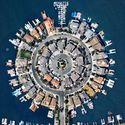
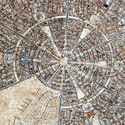
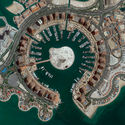

A radial concentric city plan is formed by streets that extend outward from a defined center and reach the outer edge of the city, together with concentrically arranged roads that connect the radial streets to the lots. This pattern traces back to ancient times and continues even to this day.
Depending on the historical context, location, or purpose of the city planning, the element found in the center may vary. Plazas, churches, or government buildings are among the most common elements and this is no accident, nor is the urban design pattern. Basically, the radial arrangement of streets is intended to highlight a particular element or location that has great political, religious, financial, or symbolic value to the city as a whole.

https://www.archdaily.com/951587/radial-city-plan-nine-examples-around-the-world-seen-from-aboveSusanna Moreira
Oyler Wu Collaborative and Ren Lai Architects to Re-Envision the Kaohsiung Museum of Fine Arts in Taiwan
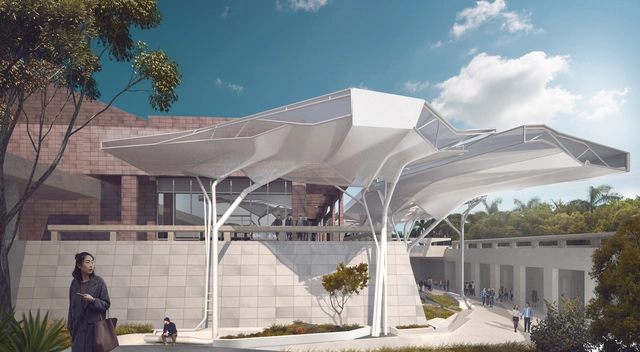
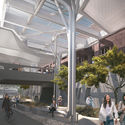
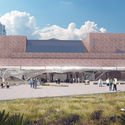
Oyler Wu Collaborative and Taiwanese partner Ren Lai Architects have won a competition to re-envision the Kaohsiung Museum of Fine Arts in Taiwan. Selected among finalists including Asif Khan with C.M.Chao Architects, Sou Fujimoto Architects with WSAA Design Team, and Liao Architects and Associates, the winning project proposes a newly renovated exterior that seeks to reconnect the building with its evolving context.


https://www.archdaily.com/951754/oyler-wu-collaborative-and-ren-lai-architects-to-re-envision-the-kaohsiung-museum-of-fine-arts-in-taiwanChristele Harrouk
FCBStudios Wins Competition to Design New Paradise Building in Birmingham
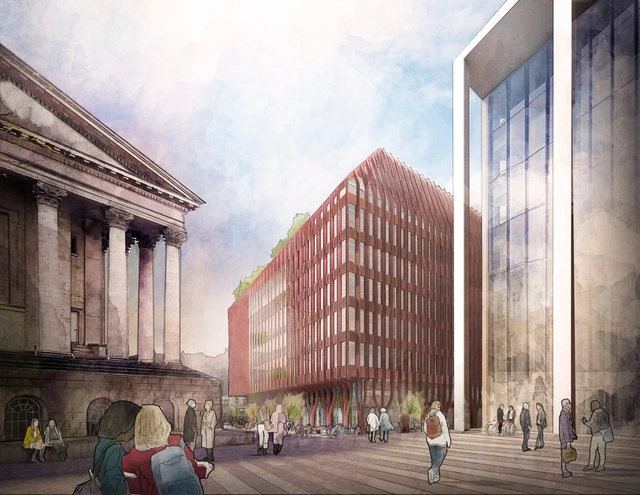
Architecture practice Feilden Clegg Bradley Studios (FCBStudios) has won the competition to design the next building at the Paradise site in Birmingham. The £700 million Paradise redevelopment is being made through a private-public joint venture with Birmingham City Council. The team's vision for Three Chamberlain Square is to create a new standard for a sustainable workplace in the city.
https://www.archdaily.com/951912/fcbstudios-wins-competition-to-design-new-paradise-building-in-birminghamEric Baldwin
Beals Lyon Architects Wins the 2020 Oscar Niemeyer Award in Latin American Architecture
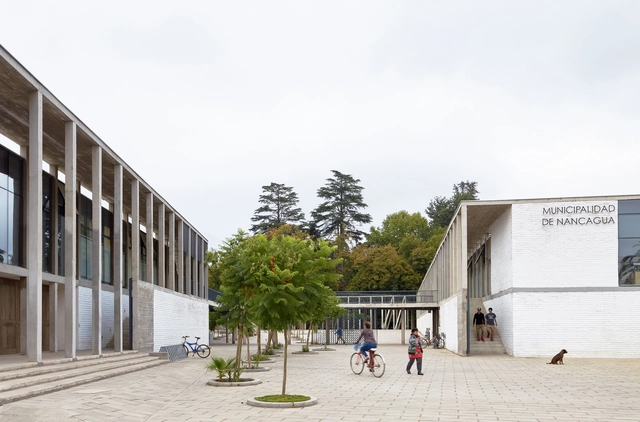
On November 18, the Panamerican Architecture Biennial of Quito announced the winning projects of the 2020 Oscar Niemeyer Award for Latin American Architecture.
https://www.archdaily.com/951847/beals-lyon-architects-wins-the-2020-oscar-niemeyer-award-in-latin-american-architectureFabian Dejtiar
A Greenhouse City on Mars and a Dockside Tower in Dublin: 8 Unbuilt Projects Submitted by our Readers
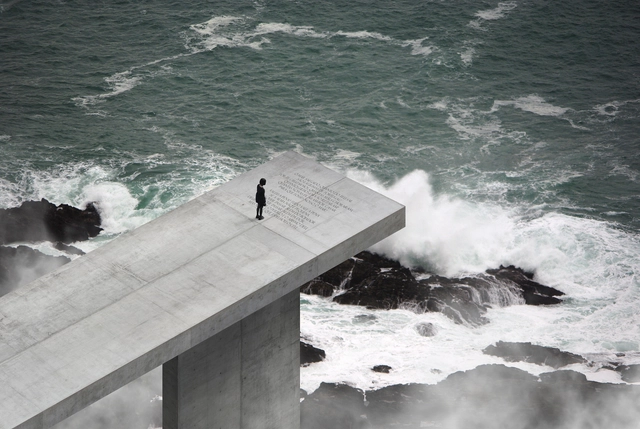
Architecture is defined by its context. This holds especially true when buildings are located in harsh climates and must respond to natural conditions. This week’s curated selection of the Best Unbuilt Architecture focuses on designs located at the intersection of nature and the built environment. Drawn from all over the world, they represent proposals submitted by our readers.
The article features a range of building types and locations, including many coastal proposals, from a regeneration plan on the South Coast of England and a proposal to link the famous Turku archipelago, to a dockside timber tower in Dublin. Also included are more extreme ideas, from an overlook on the Algarve coast to a vertical city with greenhouses located along a cliff on Mars.
.jpg?1605991358 "Nüwa City on Mars. Image Courtesy of ABIBOO Studio")
.jpg?1605991377 "Nüwa City on Mars. Image Courtesy of ABIBOO Studio")

https://www.archdaily.com/951886/a-greenhouse-city-on-mars-and-a-dockside-tower-in-dublin-8-unbuilt-projects-submitted-by-our-readersEric Baldwin