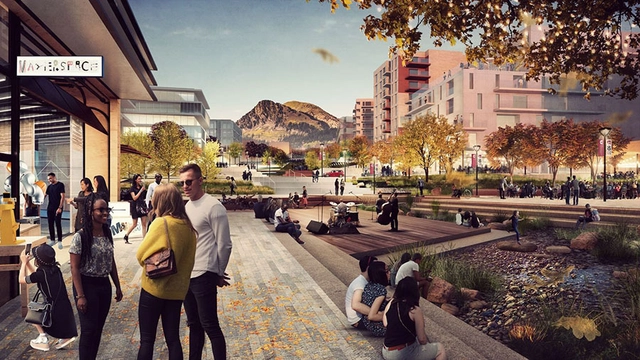
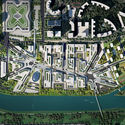
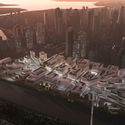
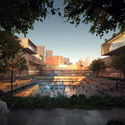
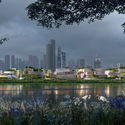
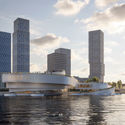
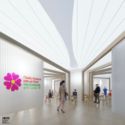
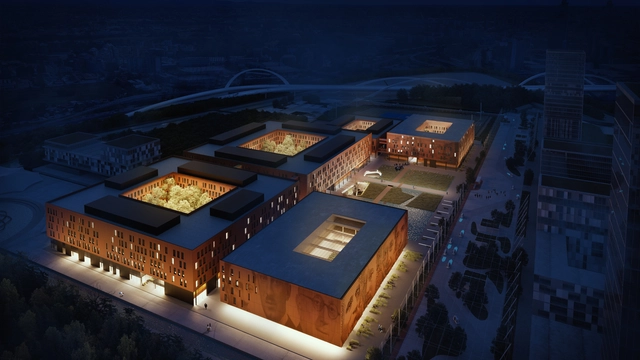
CRA-Carlo Ratti Associati and a team led by Australian real estate group Lendlease have imagined the new science campus of the University of Milan. The proposed project, a winning entry from the international competition will extend over 190,000 square meters and is due to open in 2025.
The iconic design conference and event Design Indaba has announced it will use 2021 as a year to plan and execute multiple Do Tank projects. In turn, they will be launching the Design Indaba Inside offering. The Design Indaba Conference and Festival will not take place in February 2021; instead, organizers will take the time to plan for 2022. Social distancing requirements combined with the physical limitations of Artscape Theatre Centre in Cape Town made the event unfeasible.
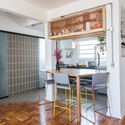
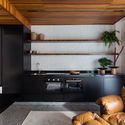
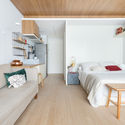
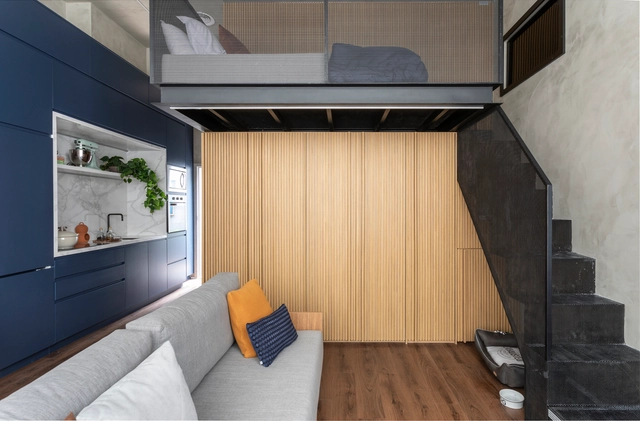
Solutions for small-scale apartments are becoming more and more needed due to the increasingly smaller apartments being built in the centers of Brazil's major cities. The high price of land, combined with the current laws and regulations, has boosted the construction of gradually smaller dwellings - which can often translate into lower quality of life for its residents.
However, that is not always the case, while architecture can play a fundamental role in transforming a small concrete and masonry box into a pleasant home that fulfills the needs of its dwellers. We have gathered 10 examples of apartments in Brazil, between 24m2 and 48m2, that transform small areas into quality spaces.
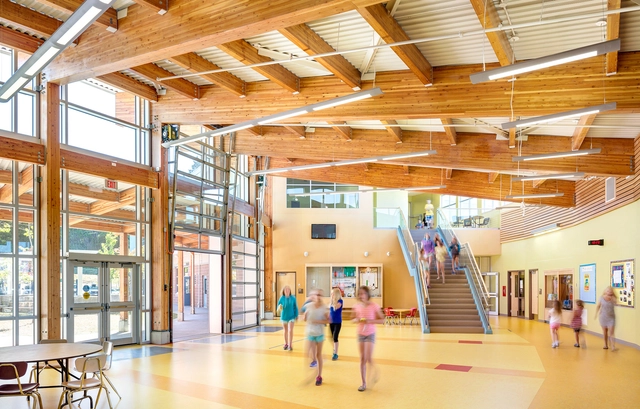
Many of our childhood experiences take place in school. Whether these memories are good or bad, most children and teenagers spend a majority of their days in classrooms or other educational facilities. According to IQAir, “every year, children spend an average of 1,300 hours in school buildings.” But even as the world changes rapidly, and the internet in particular increases the accessibility of information, the design and operation of schools remain, in a way, outdated. As noted in a previous article, ideally the typology of educational spaces and the configuration of classrooms should suit more contemporary ways of teaching and learning, rather than the traditional organization of rows of desks facing a teacher at the head. But it is important that the analysis of educational facilities does not stop there. All surfaces and materials have a significant impact on both the well-being and learning of users.
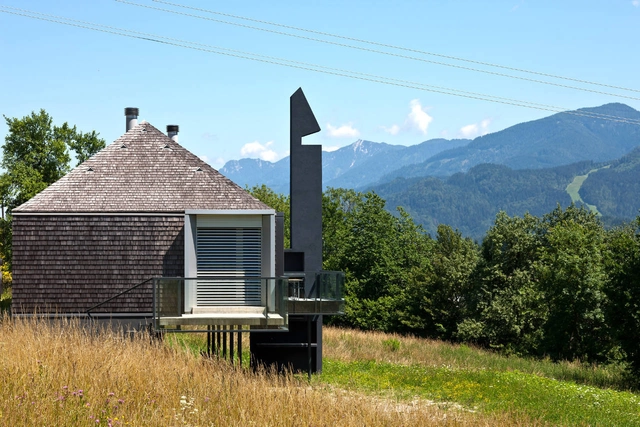
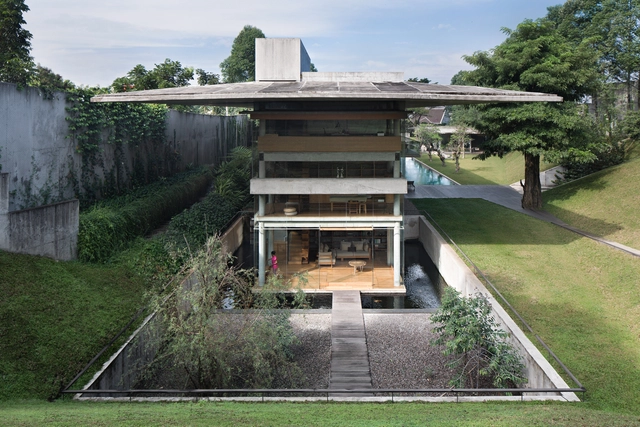
House in the Mountains / GEZA. Image Cortesia de geza
Francis D. K. Ching [1] characterizes a chimney as an “incombustible vertical structure, which contains a duct through which smoke and gases from a fire or furnace are pushed outwards and through which an air current is created.” While its pipes can be hidden in walls or other structures, the chimney top usually remains prominent in order to transfer dangerous gases from the inside out without dirtying the interior or harming the health of the occupants. Being vertical elements, there are chimneys that become major landmarks in the urban landscape, especially in industrial projects. At the time of drawing, deciding on the “weight” that the chimney will have in a project is essential. At Casa Milá, for example, Gaudí crowns the building in sinuous and curvy sculptural chimneys. In other cases, the solemnity of the building aesthetic is mirrored in its chimney, whereas in others, the architects render the chimney as hidden as possible. Recently, too, many chimneys have been refurbished for new uses or to accommodate new cleaner technologies. Whether it takes a prominent role or is hidden from view, see below some chimney design tips and possibilities of use.
Whether you’re in a back bedroom in suburban Milwaukee or a carved-out office nook in a posh New York loft, you will see signs of successful remote work. Between video conference calls, moms and dads are checking in on their remote-working students, marketing managers are squeezing in a video yoga class, and designers are throwing in a quick load of laundry. And while tending to these household responsibilities, we’re also designing new products and spaces, completing financial audits, and making video sales pitches. On the surface, remote work is, well, working.
Despite all the hurdles and the pain, 2020 did not fail us in terms of content. Reacting to the global situation, ArchDaily's team of editors has tackled all the pressing issues that occurred this year and influenced the worldwide state of turmoil. While the whole planet was on pause, these writers were in search of critical substance, seeking to produce exclusive editorial pieces that highlight present-day topics and concerns. Generating articles in 4 languages, English, Spanish, Portuguese, and Chinese, this group of diverse individuals provided both local and global perspectives, reaching everyone that “talks architecture”.
Aspiring "to empower everyone who makes architecture happen to create a better quality of life", ArchDaily’s selection of best articles is the result of many aspects. Some of the choices explored distinctive subjects while others were very well-received among our readers. Emphasizing its academic standards, our platform focused its efforts on covering a vast range of ideas, from the consequences of the pandemic on the built environment, cities and their transformations, technical expertise and material specifications, to artificial intelligence and the future.
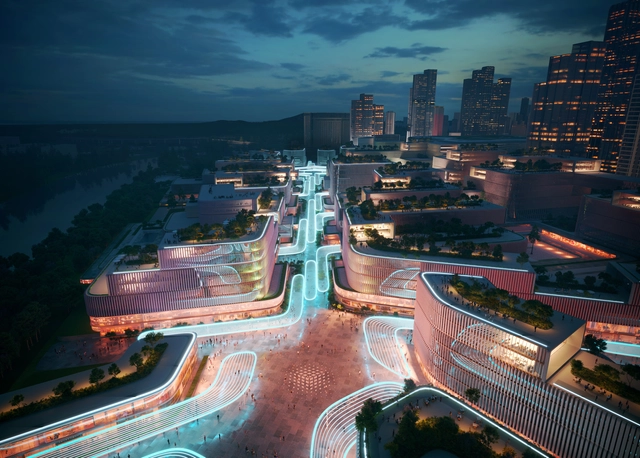
Zaha Hadid Architects has designed the future of Huanggang Port Area, creating a hub of scientific research and collaboration in industries in Shenzhen, China. The new proposed master plan puts in place “an important node of the Guangzhou-Shenzhen Science and Technology Corridor”, through the reconstruction of the port building as well as the transformation of its empty lots into the national center for technology innovation.
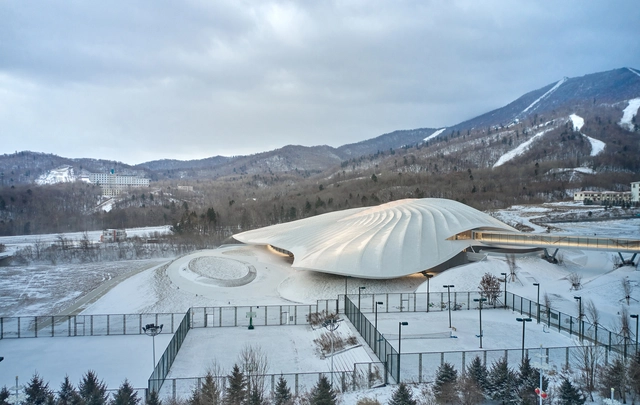
The new Yabuli Entrepreneurs’ Congress Center by MAD Architects is nearing completion in Northeastern China. Surrounded by snow-covered mountains, the project was commissioned by the Yabuli China Entrepreneurs Forum (Yabuli CEF). The team designed the center to become an iconic landmark embodying the Congress members' entrepreneurial spirit in the shape of a tent sitting at the foot of a mountain.
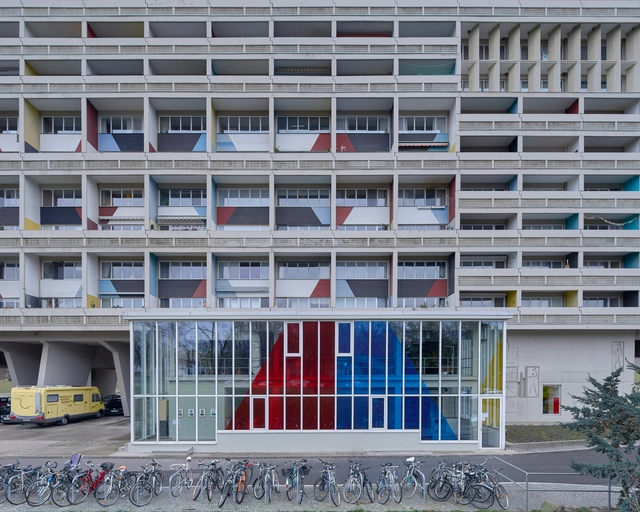
In response to the housing crisis in Europe after World War II, Le Corbusier began designing large-scale residential structures for the victims of the war. One of his most notable communal housing projects was the BerlinUnite d’ Habitation, also known as the Corbusierhaus. Completed in 1959, the project was designed to give Germany a more modern appeal, as it was trying to redefine itself after both the Second World War and Cold War.
To highlight the building’s particular exterior composition, architectural photographer Bahaa Ghoussainy explored Le Corbusier’s housing unit, putting its characteristics on full display.
Low-Rise: Housing Ideas for Los Angeles is the latest initiative spearheaded by Christopher Hawthorne, the Chief Design Officer for the City of Los Angeles. Since leaving his post as architecture critic of the Los Angeles Times in March 2018, Hawthorne has carved out a unique and surprisingly wide ranging role at City Hall. Recently I reached out to him to talk about his two-plus years in government, the latest “ideas” challenge (as he describes Low-Rise), and other issues facing Los Angeles.
New for 2021! Architonic hosts the Global Design Agenda – the architects’ programme of focus weeks for planning insights, market trends and product launches.
On behalf of the entire ArchDaily team, we would like to thank you for your continued support and for making 2020 our best year so far! We are now reaching more architects around the world and inspiring them in the creation of better built environments. With more than 5500 different projects published during the year, our curators are excited to share this collection of the 100 most visited projects of 2020. This selection represents the best content created and shared by the ArchDaily community over the past 11 months.
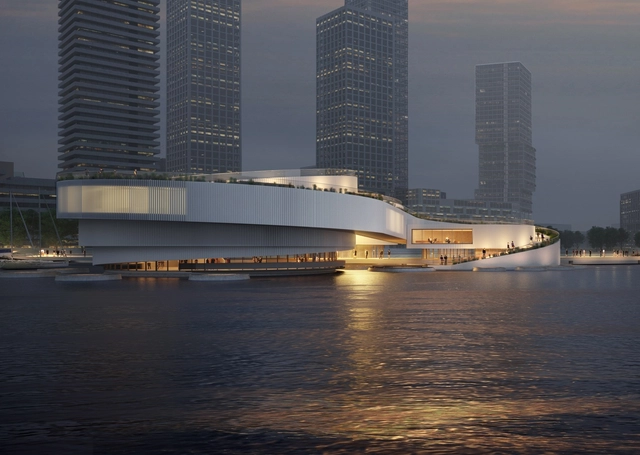
Architecture and design practice Mecanoo has created a new vision for an iconic Maritime Center along the Rijnhaven in Rotterdam. Located in the middle of the water, the project includes an undulating, organic building form made to contrast with the industrial nature of the surrounding port. Partly underwater, the design features a triple helix and is made as a place for maritime entrepreneurs, science and culture.
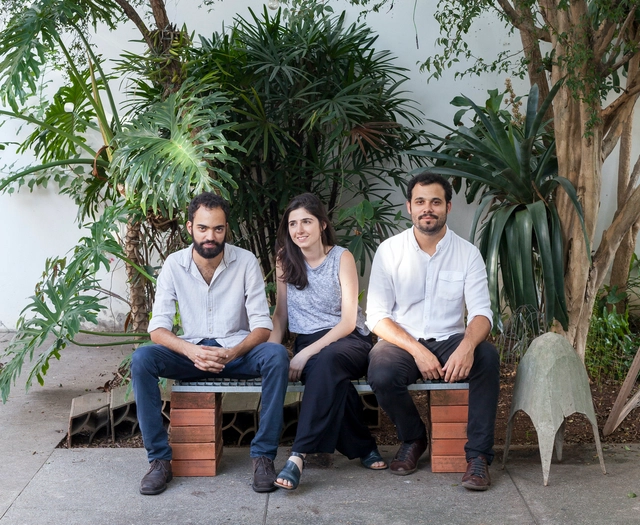
Vão is a transdisciplinary architecture office based in São Paulo, Brazil, created in 2013 by Anna Juni, Enk te Winkel, and Gustavo Delonero. The office operates in a territory between fields, exploring multiple subjects and scales ranging from art installations to residential architecture, as well as cultural, commercial, and corporate facilities, seeking to dissolve or push the boundaries between disciplines to enhance architectural thinking and practice.
Recently we had the opportunity to talk with the team partners about some of the topics that shape the firm's approach and also look deeper into some of the group's best-known projects. You can read the interview below.
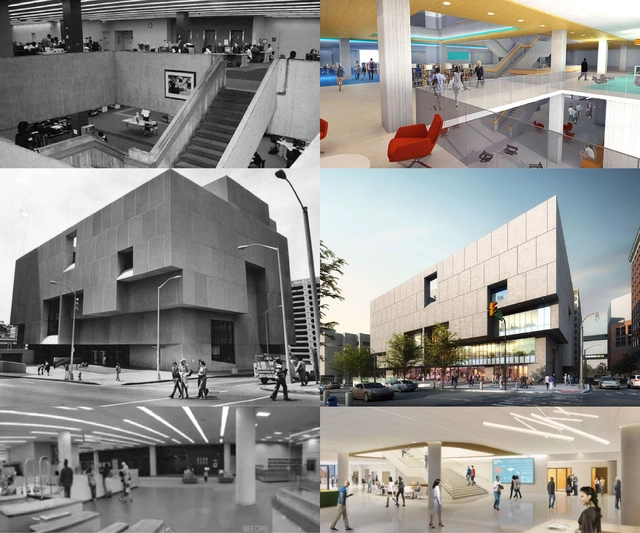
In 2016, the last modern masterpiece designed by world renowned architect Marcel Breuer, the Atlanta Fulton County Public Library, was slated for demolition. One of the Fulton County commissioners described the original design as looking “more like a jail” than a welcoming space for learning and productivity. To save the iconic building from the wrecking ball, changes would have to be made. This case study from cove.tool shows how energy and daylighting analysis is useful not only in new construction, but for revitalizing existing buildings as well.
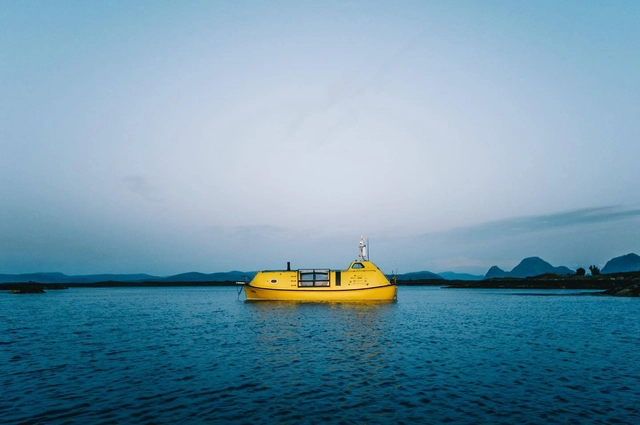
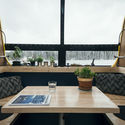
When architects Guylee Simmonds and David Schnabel bought a Scottish survival lifeboat for a voyage to the Arctic, they dreamed of setting sail to Norway and beyond. Called Stødig, the 100-man vessel was purchased in 2018 and converted over a one-year period. Capturing their inspiring journey, filmmaker Jonny Campbell created a feature film that explores the expedition and what it means to discover adventure in the everyday.
Before the pandemic, the world was already facing a series of global transformations in the field of construction, where emerging countries were at the forefront of a powerful economic shift. As the world's population is expected to reach the 10-billion milestone before 2100, the construction sector should be able to understand and adapt to the megatrends that are reshaping the globe.
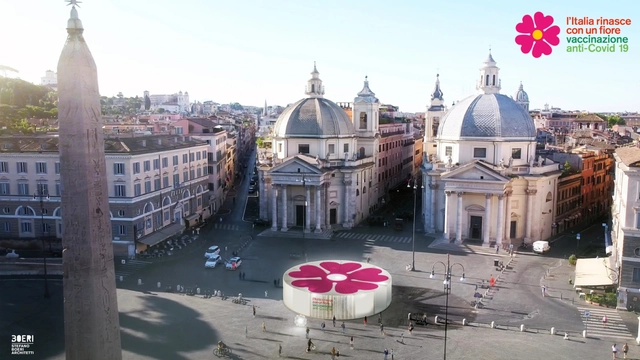
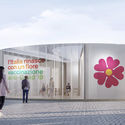
Stefano Boeri, together with a team of consultants, has created the architectural and communicative concept behind the anti-Covid-19 vaccination campaign. Under the slogan "With a flower, Italy comes back to life", the approved proposal, requested by the Italian Special Commissioner for the Covid-19 emergency Domenico Arcuri, includes the campaign logo, the temporary pavilions, and mobile information totem in public spaces.
The Children’s Museum of Manhattan has announced that it will renovate an abandoned church off of Central Park in New York City. Designed by architecture firm FXCollaborative and design studio Local Projects, the new museum building enables CMOM to meet increased demand for its program and resources, and marks CMOM’s first expansion in over 40 years. The project aims to engage and inspire New York City’s youngest citizens.
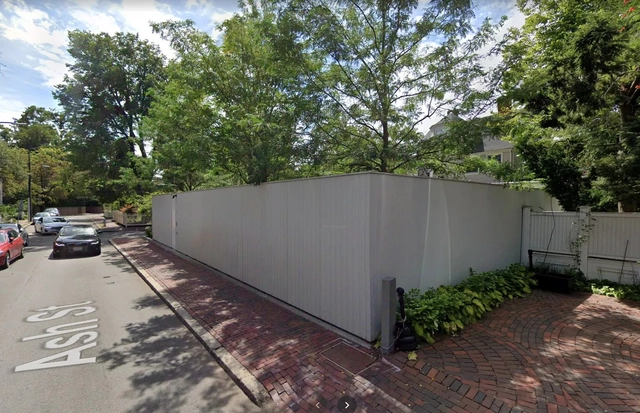
9 Ash Street, formerly the “Philip Johnson Thesis House” is seen as a precursor to the Glass House, but is, unfortunately, protected by a privacy enclosure from street views. Image via Google Maps
The Harvard Graduate School of Design (Harvard GSD) will no longer refer to a private residence at 9 Ash Street in Cambridge as the “Philip Johnson Thesis House.” Moving forward, the home, designed by and inhabited by Johnson while enrolled at the Harvard GSD in the 1940s, will now be known solely by its physical street address.
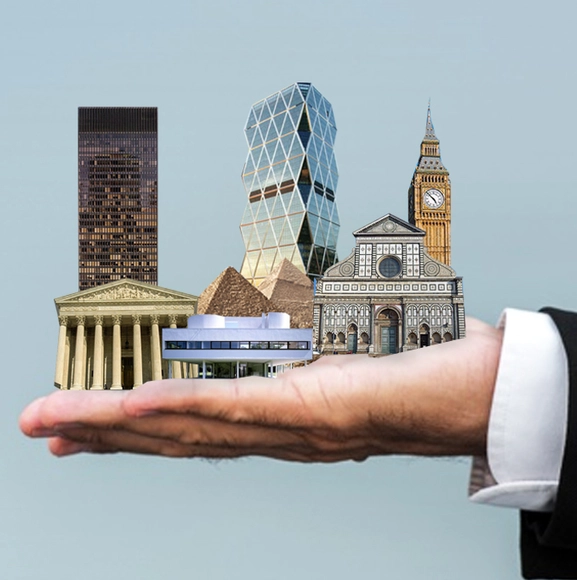
Architecture, and all aspects of the design world, has experienced numerous movements throughout time that have defined the way we express ourselves through buildings, art, and other mediums. Created out of a dissatisfaction with the status quo or the emergence of new technology, there have been particularly notable design shifts and emerging ideologies over the last 100 years. This leaves us to ask the question- what design moment are we in now, and what characterizes it? How will we retroactively reflect on this moment of time in design, and will the COVID-19 pandemic accelerate innovation to bring us to our next design era?
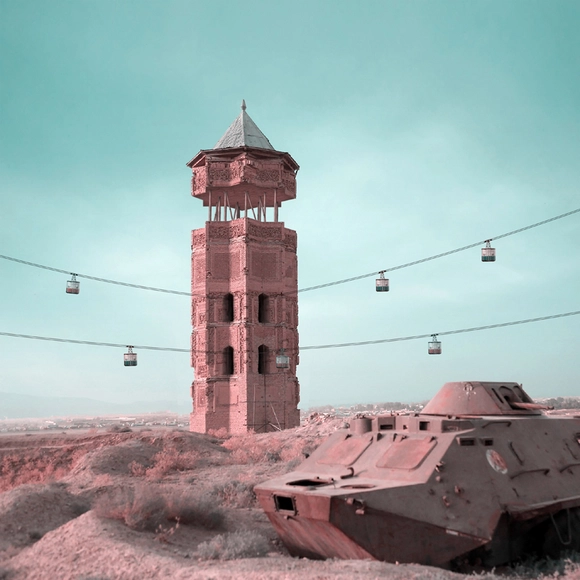
In the past, minarets were considered an important architectural element serving several purposes. They were built adjacent to mosques for the call to prayer, as well as at the entrances of cities as a main focal point to guide travelers. Today, however, the need for minarets has decreased as they have become tokens of historic times.
In the latest collection of his photo-series "Retrofuturism", Iranian architect and visual artist Mohammad Hassan Forouzanfar introduced a new function to historic Persian minarets through imaginary illustrations that compliment the aged brick structures with contemporary industrial archeology.
The first lockdown brought most of the world to a standstill, and many were quick to point out the silver lining: the significant drop in carbon emissions. However, this pollution reduction was short-lived, and past crises indicate that we might be standing at a crossroads when it comes to our climate goals. What has this unprecedented year meant for the efforts to curb climate change and protect the environment?




.jpg?1608087487&format=webp&width=640&height=580)
.jpg?1607605629 "Studio Saint Hilaire / Antonio Armando de Araújo - Arquitetura e Design. Photo © Evelyn Müller")