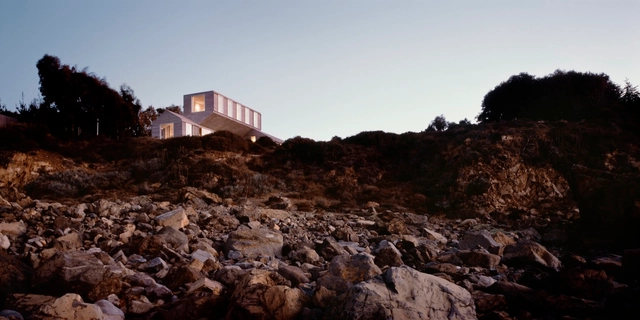
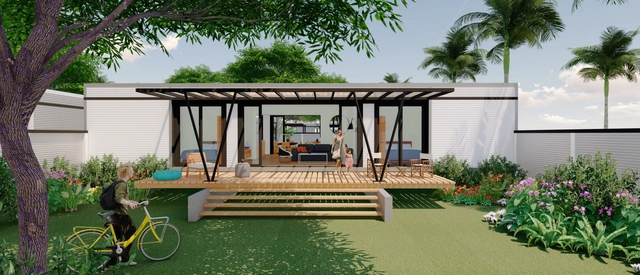
When the 2008 Great Recession destroyed advertising revenue for all of publishing and limited the cash that architects had for PR and photographers, the established way of promoting architects and architecture was brutally compromised. That same moment saw the instant availability of smartphones, with insanely good cameras, huge memory, and soon 5G transmission. Those technological revolutions turned graphic duffers into artists. Anyone can now photo, video, and narrate any perception anywhere, instantly, free - and share universally. The cliché of saying that the internet “everything changed” is true in how the world sees architecture.
This one-two punch of fiscal devastation and technological revolution has realized a New Practice; the Self-Promoting Architect, independent of the Machine of Defining Cool in architecture.
Rendering of the TFAM art complex. Image Courtesy of Taipei Fine Arts Museum
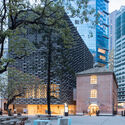
Following several years of preparation, Taipei Fine Arts Museum announces the start of its two-phase expansion project titled Out of Bounds: TFAM Expansion. Construction on a new collections vault began in October of this year, and an open call for architectural proposals for another new museum building will be launched in January 2022. The Museum was completed in 1983 and together with the new collection storage area and a second building, it will gradually expand Taiwan's contemporary art vista.
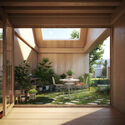
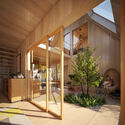
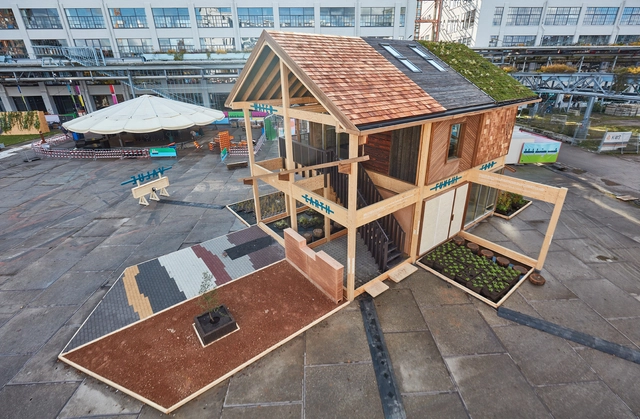
For some years now, wood has received an increasing amount of attention in the construction industry. With concerns raised about sustainability and the carbon footprint of buildings, new construction methods and innovative possibilities in the use of timber have developed rapidly. This interest in wood stems in part from its renewability, though this benefit is contingent on sustainable logging and the appropriate management of forests to be allowed to regenerate naturally. However, it is the versatility of wood that serves as the primary impetus for its widespread use. From boards, to beams, to floors, and even to thermal and acoustic tiles and insulators, wood can be used in several different stages of a single project and with different degrees of processing and finishing.
The Royal Institute of British Architects (RIBA) has announced its shortlist for the 2021 International Prize, a prestigious biennial award that celebrates the world’s best new projects that “champion buildings that change the world and positively impact the community around them". The jury has selected three projects from a list of 16 projects in 11 countries, and will announce the winner on Thursday 2nd December.
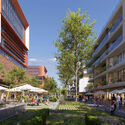
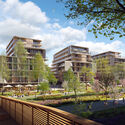
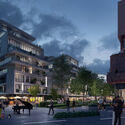
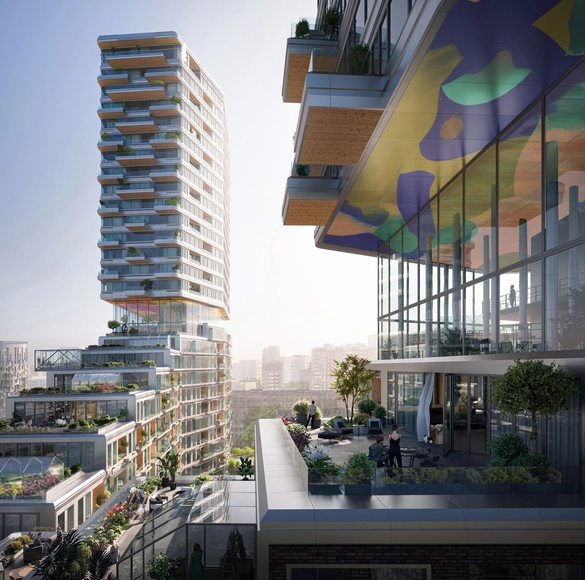
UNStudio revealed its competition-winning design for K31 Courtyard, a residential complex in Moscow that fosters community-building in the context of a rapidly changing city. The proposal features a stepped podium and two towers and reinterprets Moscow’s typical courtyard block, aiming to create a new neighbourhood through various housing typologies, amenities, and outdoor spaces.
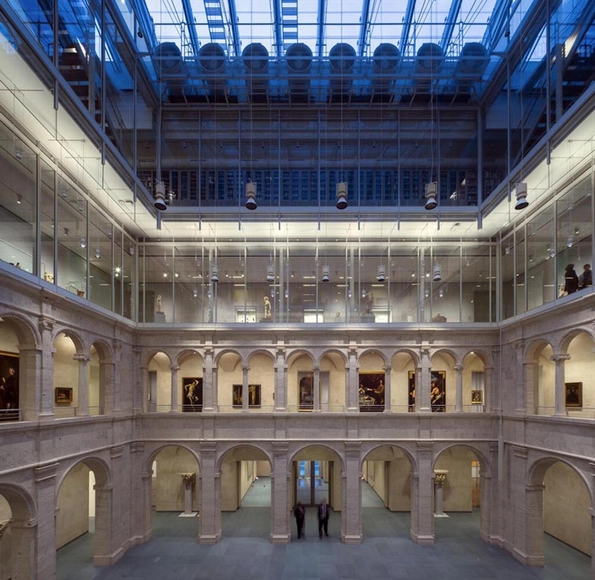
Responsible use and consumption of natural resources and the impacts of the building industry have been ongoing concerns in the field of architecture and urban planning. In the past, concepts such as clean slates, mass demolitions, and building brand new structures were widely accepted and encouraged. Nowadays, a transformation seems to be taking place, calling for new approaches such as recycling, adaptive reuse, and renovations, taking advantage of what is already there. This article explores a selection of projects and provides a glimpse into interventions by renowned architects in pre-existing buildings.
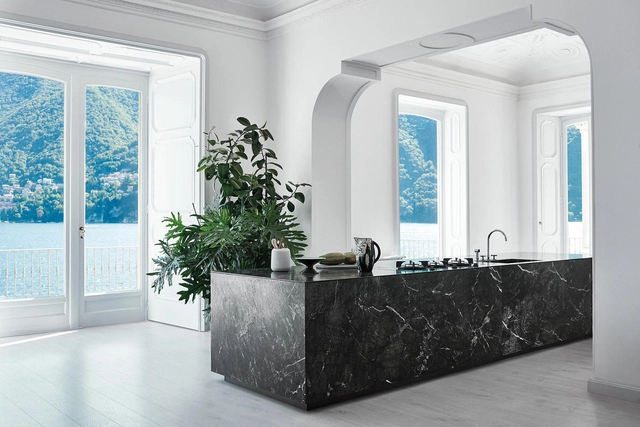
With contemporary lifestyles meaning more entertaining from home, forward-facing kitchen islands with integrated seating make staying in the new going out. But what makes the perfect kitchen island?
The use of organic and natural materials, as well as products that successfully emulate them, has been a strong ongoing trend that continues to gain popularity in interior design. Especially in the past year, where confinement restrictions have heavily influenced the amount of time people spend in their homes, the industry has experienced an increased demand for products capable of bringing nature and visual comfort indoors – whether it be in the form of furniture or other decorative elements. It is, without a doubt, a design movement that is here to stay.
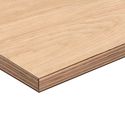
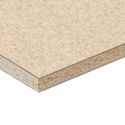
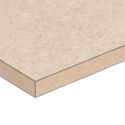
However, besides the interest in nature inspired objects, architects’ and designers’ primary consideration when selecting a material is often its quality, resistance, and maintenance needs. It is, therefore, ideal to combine a natural look with functionality when creating a user-friendly indoor environment. With that in mind, wood-based materials manufacturer EGGER has expanded its lacquer portfolio to develop a new line that unites an organic look with other beneficial properties.
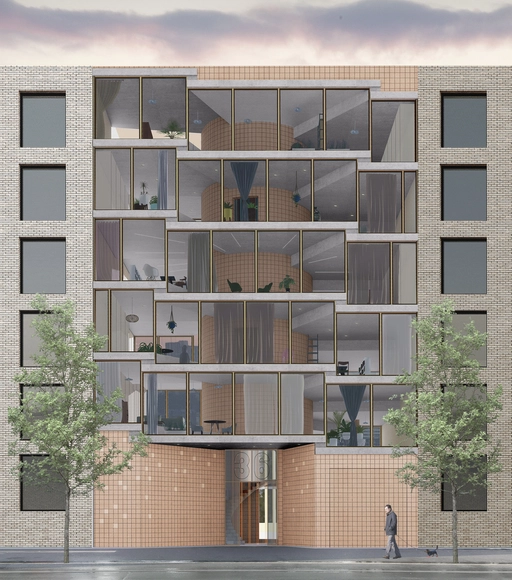
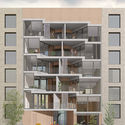
German architecture firm Meyer-Grohbruegge has proposed a new residential typology that "adds a dynamic spatial dimension to a small building gap and emphasizes physical experience in housing". The competition-winning design features a central spiral staircase that connects the entire structure together and offers residents a fluid and dynamic interior that merges the outdoors and indoors.
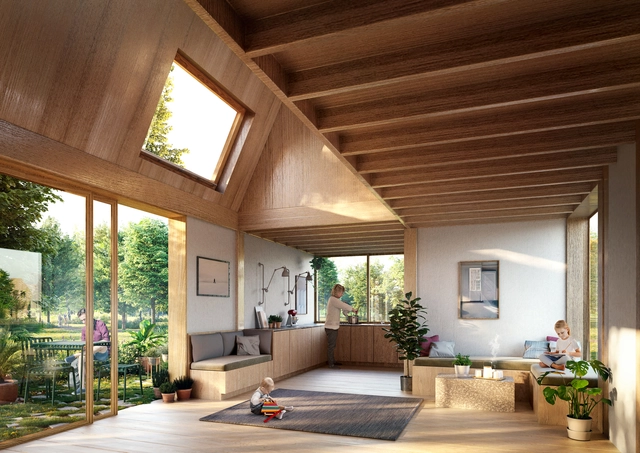
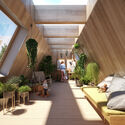
VELUX Group reveals The Build for Life concept aimed at creating sustainable communities and built environment through affordable, socially-oriented designs and new housing models, healthy indoor climates and the use of low-impact materials. Developed together with EFFEKT, MOE engineers and Danish construction company Enemaerke & Petersen A/S, the concept provides architects and city planners with a “compass’ for navigating the sustainability imperatives of the moment while encouraging the design of healthier living places.
Designing a public space means contemplating the aspects of everyday life in the city. Creating places for gatherings, conflicts, demonstrations, relaxation, and enjoyment. These spaces can be used in many different ways, depending on who interacts with them, and one of the main roles of those who design them is to expand these possibilities and sensations. Including plants, benches, sports facilities, spaces for culture, arts, and performances, conservation areas, or any other element that stands out, is essential to improve the quality of life of the citizens who enjoy these squares and parks.
https://www.archdaily.com/971738/parks-and-squares-20-public-space-designsEquipe ArchDaily Brasil
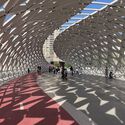
The technical needs of the construction of bridges many times guide the development of the design itself. However, architecture is never put aside, rather the opposite. The aesthetics of bridges that we collect in this article are the result of an intense, demanding, and stimulating dialogue between architecture and engineering, where the search for solutions only ends when both disciplines are fully satisfied.
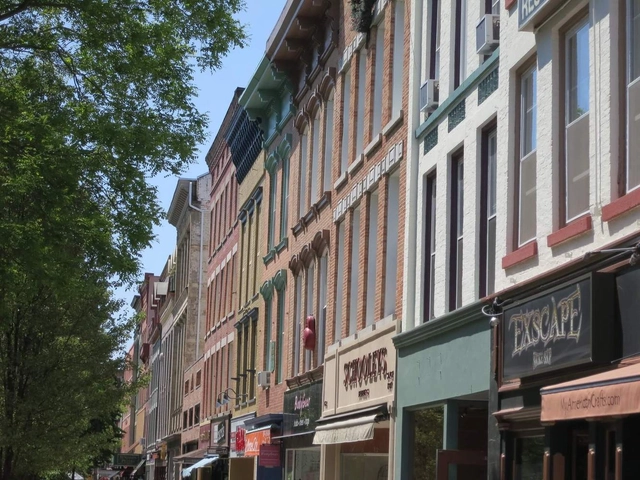
The Ithaca Commons, a downtown pedestrian mall, pictured in 2012.. Image via Paul Sableman/Flickr/CC BY 2.0
Last week, the Common Council of Ithaca, New York, voted to approve a first-in-the-nation decarbonization plan in which the roughly 6,000 homes and buildings located within the notably “enlightened” lakeside college town will be electrified to meet goals established by the city’s impressively aggressive Green New Deal (GND) plan. That carbon-neutral-by-2030 GND plan was adopted unanimously by the Common Council in June 2019 to “address climate change, economic inequality, and racial injustice,” per the city.
We are twenty-one years into the twenty-first century. The world has never been more connected with the advent of new technologies, yet historical inequalities still run rampant. These inequalities manifest themselves in different ways. Global travel, for example – despite the ubiquity of aeroplanes nowadays – is still only widely accessible to citizens of “developed” countries due to prohibitive visa restrictions. In architectural education, many institutions still prioritise a Eurocentric curriculum, the architecture of non-Western populations largely ignored. Another perpetuation of prejudiced systems is Orientalism – and exploring this concept through an architectural lens is useful for interrogating contemporary design approaches and approaches of the future.
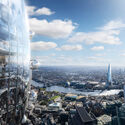
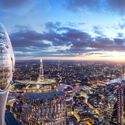
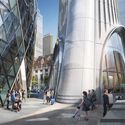
The UK government announced yesterday that planning approval will not be granted for Foster+Partners' Tulip tower. The decision letter published on behalf of the UK's housing secretary cites concerns over the design's embodied carbon and the possible negative impact on the surrounding architectural heritage. First revealed in 2018, the 305-metre tower would have become the tallest building in London's financial district.
In an ever more connected world Architects, not Architecture supports the cultural exchange in the architecture community and connects architects on a personal level beyond borders. If you’ve missed out on it in recent times, here is the talk from Dong Gong, founder and design principal of Vector Architects, who is based in Shanghai, China.
https://www.archdaily.com/971649/architects-not-architecture-dong-gong-from-vector-architectsAbhinav Thakar / Architects, not Architecture
This video takes us inside a professional model-building shop in Chicago called Presentation Studios International (PSI). They make models for all kinds of clients, but mostly for developers and architects. We get a tour of the shop from Robert Becker, an architectural designer and former employee. He helps us understand how models are conceptualized a little differently here than within an architectural office or in school. Here, they are almost strictly miniature buildings with the job of faithfully depicting a building design and serving as a persuasive tool to motivate investment. Then, we hear from Martin Chadwick, a life-long model builder to talk through the process of making high-quality miniature buildings and landscapes.
The climate crisis has become a staple of the architecture discourse, with the field slowly acknowledging its contribution to environmental issues and seeking to reframe its values and approaches. However, there is an evident lack of commitment and consistency in addressing the matter and an absence of systemic change. Emerging practices, organizations and startups are carving a new architecture practice, slowly unfolding a paradigm shift beyond "green" add-ons and technical equipment. Addressing environmental issues on multiple levels, from policy and design strategies to materials and construction processes, the following are some of the actors reframing the profession's relationship with sustainability.
"What if the built environment could be a solution to the climate crisis, rather than part of the problem? What if buildings could act like trees – capturing carbon, purifying the air, and regenerating the environment?" Responding to these questions, Skidmore, Owings & Merrill (SOM) has proposed Urban Sequoia, an architectural concept inspired by the ecosystem at the 2021 UN Climate Change Conference in Glasgow - COP26. The design features “forests of buildings" that isolate carbon and produce biomaterials that create a new ecological and resilient urban environment.
Zaha Hadid Architects reveals the winning design proposal for a mixed-use development in Budapest, comprising residential, office and retail functions, tied together by civic spaces and landscaped areas. The Zugló City Centre establishes a network of public squares and urban gardens that re-establish the natural ecosystem of Rákos Creek and connects the new development to the surrounding framework of parks and avenues.
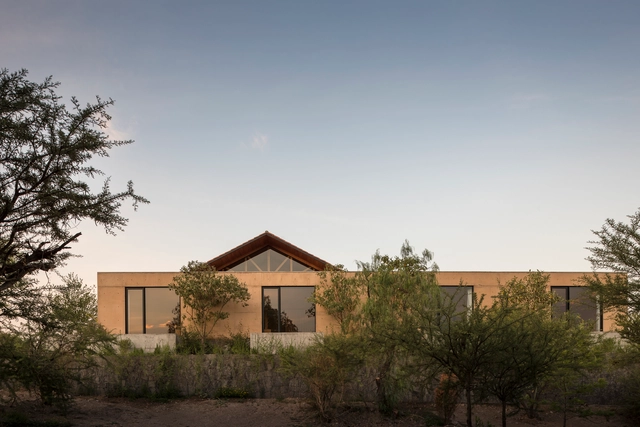
Hidalgo is a landlocked state to the north of Mexico City and bordered by the states of San Luis Potosí, Veracruz, Puebla, Tlaxcala, Mexico, and Querétaro. It's territory spans 20,821 km² and it's the sixth smallest state in the country. It's capital and most populous city is Pachuca de Soto. Hidalgo's diverse cultural wealth comes from the various indigenous groups that call the state home, such as the Otomíes, the Nahuas, and the Tepehuas. Hidalgo's cultural heritage centers on the cuisine, the Fiesta de Toros, Huapango and Bandas de Viento music, the Charreria rodeo, and the Xantolo celebration.
From my very first attempt at photographing architecture in December 1995 I realized that I wanted both building and landscape to narrate a common story and form an inseparable whole. There are two key processes at work when I photograph architecture as a component of its surrounding landscape: one directed inwards and one directed outwards, and they take place simultaneously.
In this week's reprint, author Andrés Duany presents a series of statements from today's architectural world. He considers that these understandings are the product of our times, a direct reaction and a consequence of the observed patterns.


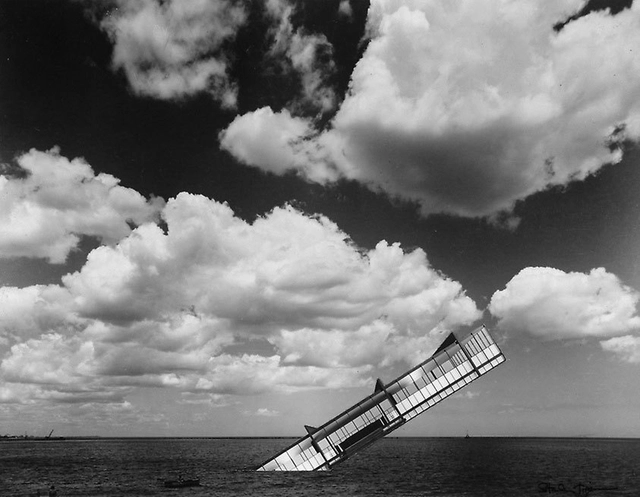

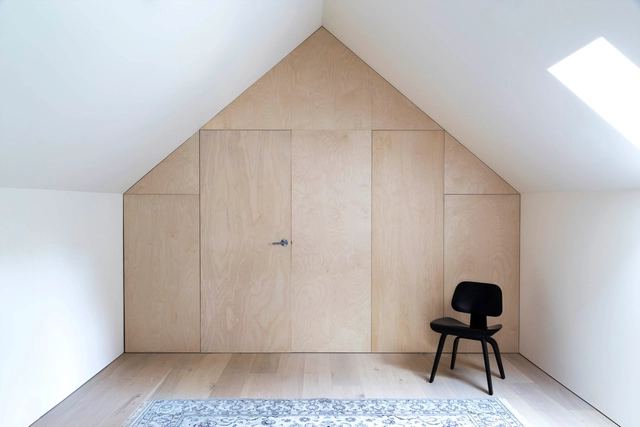


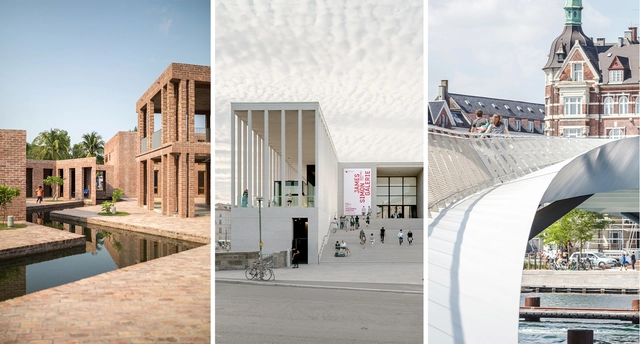
.jpg?1637053142 "James-Simon-Galerie / David Chipperfield Architects (Berlin, Germany). Image © Simon Menges")
.jpg?1637053340 "Lille Langebro / WilkinsonEyre + Urban Agency (Copenhagen, Denmark). Image © Rasmus Hjortshøj")
.jpg?1637053381 "Friendship Hospital, Satkhira / Kashef Chowdhury-URBANA (Shyamnagar, Bangladesh). Image Courtesy of URBANA")







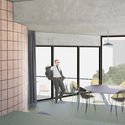















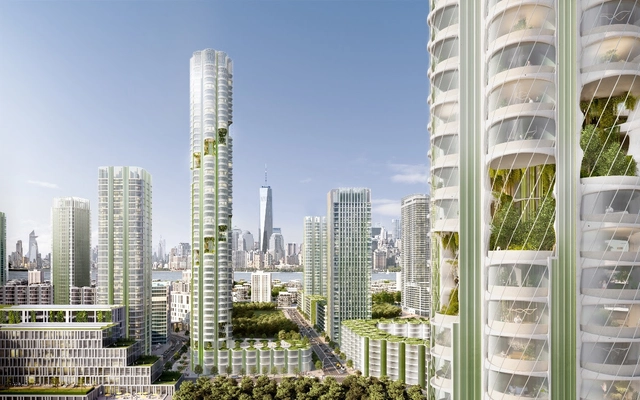
.jpg?1636652992 "Courtesy of SOM | Miysis")
.jpg?1636652975 "Courtesy of SOM")
.jpg?1636652975 "Courtesy of SOM")
.jpg?1636653008 "Courtesy of SOM")