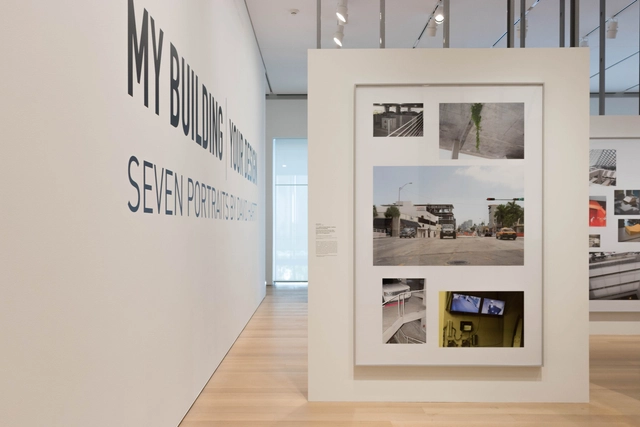
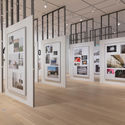
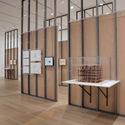
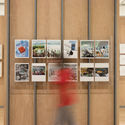
Installation view of My Building, Your Design: Seven Portraits by David Hartt, The Art Institute of Chicago, September 29, 2018 - February 3, 2019. Photo: Miguel Herreras.
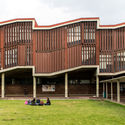
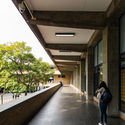
Although the National Autonomous University of Mexico (UNAM), south of Mexico City, is home to the well-known O’Gorman murals, it is, in fact, the campus itself, that is quite intriguing. Walking through UNAM, individuals find themselves in an architectural display of modernist buildings that date back 70 years, along with open courtyards, hidden walkways, and pavilions. Uniquely, the campus buildings have a little bit of everything: bold geometry, openness, abstraction, humanistic design, permeability with nature, decaying masonry walls, local lava rocks used as walls, and pavers throughout the campus.
Architecture as a Social Tool: Lecture by Jette Hopp of SNØHETTA coupled with the Finissage exhibition "Architecture and Landscape in Norway- Photographs by Ken Schluchtmann"
The role of architecture is to create strong and sustainable identities for cities and their communities. With well-conceived design, we can help things run more fluidly, improve people’s well-being, and make life more enjoyable. Every project is a unique expression of the ethos of its users, climate, and context. A built environment can be seen as a point of departure: it is where the architecture starts to communicate, the point from where it starts to interact with the public and its users. Followed by a talk with Jette Hopp of SNØHETTA.
Because, for all the inspirational works across the world, we would be lost without the photographers dedicated to sharing this inspiration with us. Here we present to you the 50 most influential architectural photographs of the year.
Havana has often been referred to as a time machine — a city that transports its visitors to a distant moment and time in history. The capital city’s colorful Spanish colonial-style architecture has made it a go-to destination for photographers, architects, and people seeking life in a bygone era. From classic cars to “its overall sense of architectural, historical and environmental continuity makes it the most impressive historical city center in the Caribbean and one of the most notable in the American continent as a whole,” remarks UNESCO.
https://www.archdaily.com/906621/street-photography-tour-of-havana-cuba-with-pratt-instituteSponsored Post
This article was originally published on ArchDaily on 13 February 2018.
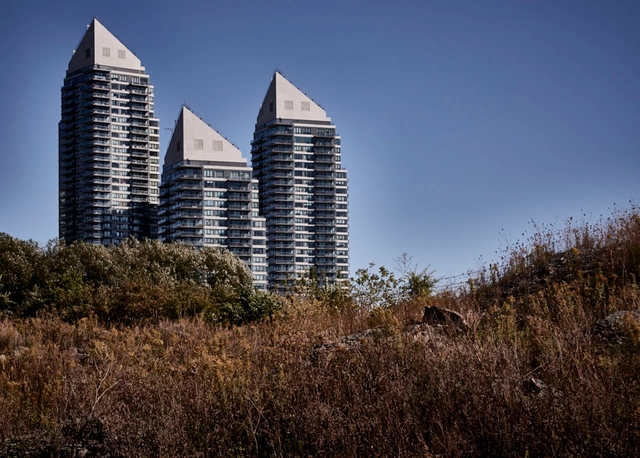
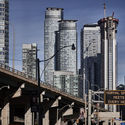
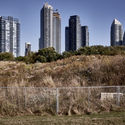
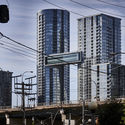
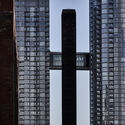
The City of Toronto has a long, fraught relationship with development and vacancy. The map of the initial Toronto Purchase of 1787 between the Mississaugas of the New Credit First Nation and the British Crown, which would later establish the colonial territory that became Toronto, conceives of the landscape as a single, clearly defined vacant lot anxious for development. Or, as artist Luis Jacob better described it, “signifying nothing but an empty page waiting to be inscribed at will.” Over two-hundred years later, as housing availability, prices, and rental shortages drive vertical condominium developments in the city, the politics of the vacant lot have never felt so palpable.
Erieta Attali has devoted two decades to exploring the relationship between architecture and the landscape at the edges of the world. Attali’s photography interrogates how extreme conditions and demanding terrains provoke humankind to re-orient and center itself through architectural responses. Her unrelenting and highly physical expedition has seen her traverse four continents, working in isolated and remote terrains from Iceland to the Indian Ocean.
If you're an architecture aficionado, the Colombian capital of Bogota should be high on your list. The city's architecture contains bits and pieces from throughout the country's history, from colonial structures to classical designs from the time of the Republic.
If you're a first time visitor to Bogotá —or a native tourist in your own city— we recommend this architecture guide for the top 10 locations to capture the city's best works.
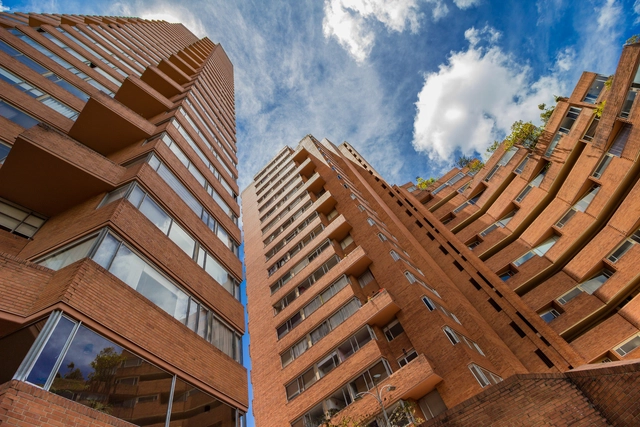
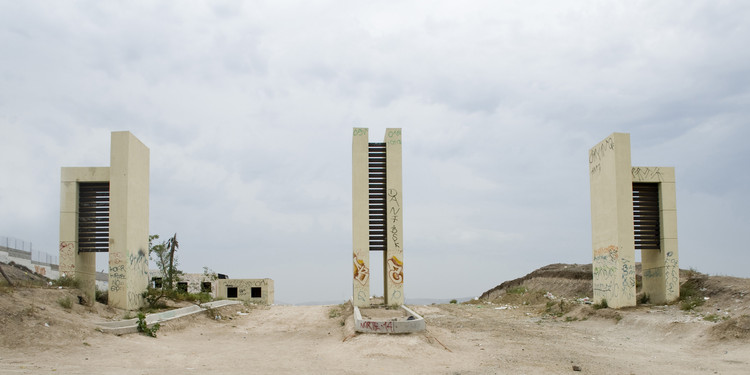
Tijuana is one of the most populated cities in Mexico. In 2000, the construction of collective housing boomed. This phenomenon completely transformed the limits of the city; the periphery exhibited a new appearance: a modernized future, new urban schemes, and a new lifestyle.
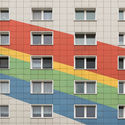
In the next chapter of his ongoing Urban Geometry project, self-taught Spanish photographer Andres Gallardo captures the elements of color, form, and materiality of post-war architecture in Berlin. This photo series, with installments featuring the modern marvels of Beijing, Seoul, Copenhagen, and Tallinn, among other cities, has become representative of Gallardo's personal growth from his humble start in his career as a professional photographer.
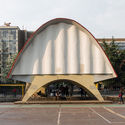
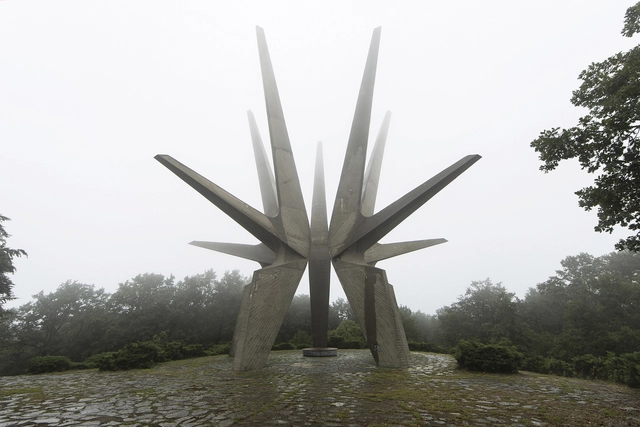
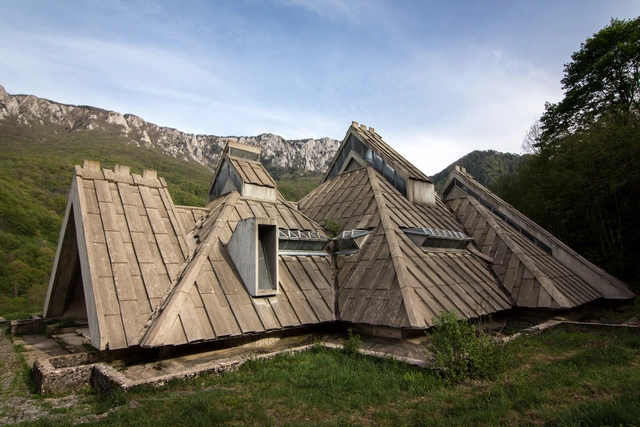
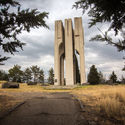
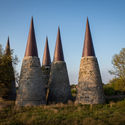
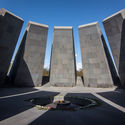
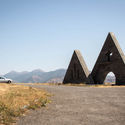
Thirty years after the breakup of the former Yugoslavia, the traces of the regime seem increasingly few and far between. Among the still existing monuments, conditions are mixed: some remain pristine, others are worn away after years of exposure to the elements.
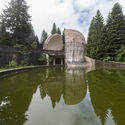
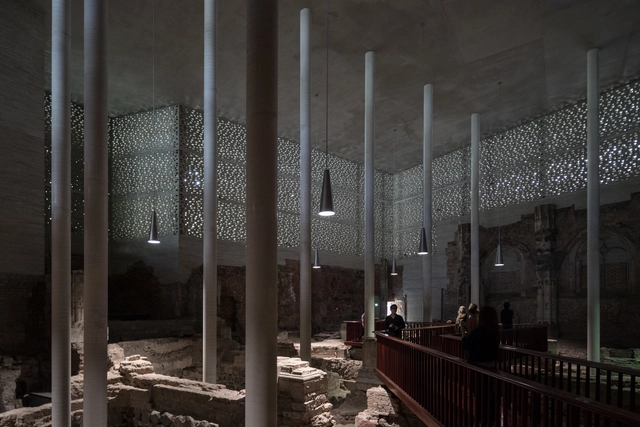
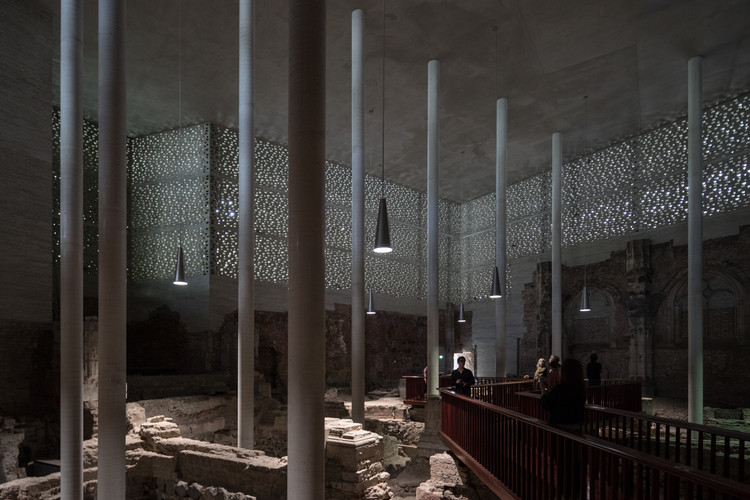
Peter Zumthor's quiet, technically pristine, and beautifully detailed work has long been an inspiration for architects. His Kolumba Museum, located in Cologne, Germany, a city that was almost completely destroyed in World War II, houses the Roman Catholic Archdiocese’s collection of art which spans more than a thousand years. Zumthor’s design delicately rises from the ruins of a late-Gothic church, respecting the site’s history and preserving its essence.
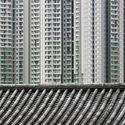
Hong Kong is an autonomous territory in southeastern China known for its skyscrapers, urban density, and high prices. However, on Nico Van Orshoven's travelogue, Everywhere in Particular, the Belgian architect creates a visual portrait of the territory beyond the stereotypes. With lively public spaces and stunning natural landscapes, Hong Kong can and will surprise you.
Below, Van Orshoven recounts his visit to Hong Kong:
British researcher Darmon Richter has recently released Monumentalism, a visual study of over 200 photographs featuring socialist architecture and designs built by 20th century regimes around the world. These photos were taken in more than 30 different countries and show a broad range of subject matter, from military parades in the former Soviet Union to revolutionary memorial sites. See more after the break.
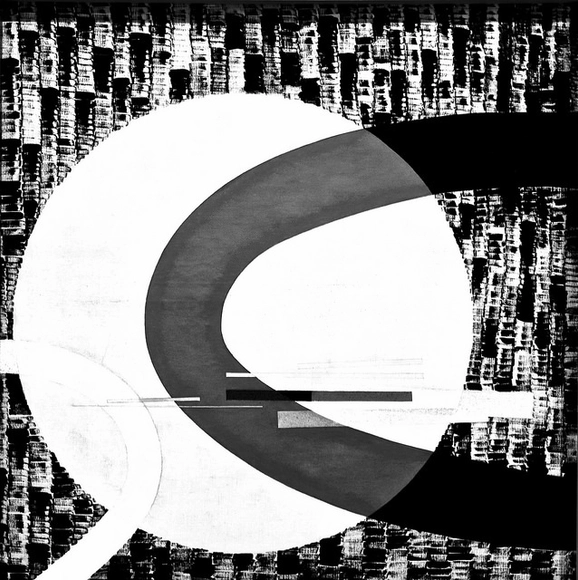
The Hungarian artist László Moholy-Nagy was one of the most influential thinkers, designers and art educators of the first half of the twentieth century. His experimentation with light, space and form generated international attention. Among those impressed by Moholy-Nagy's work was Walter Gropius, German architect and founder of the Bauhaus School, who made Moholy-Nagy one of the youngest instructors in the history of the Bauhaus. In his time at the Bauhaus, Moholy-Nagy utilized multi-disciplinary art practices to revolutionize abstract artistic media.
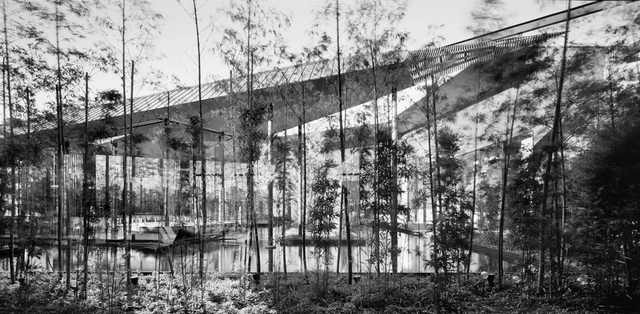
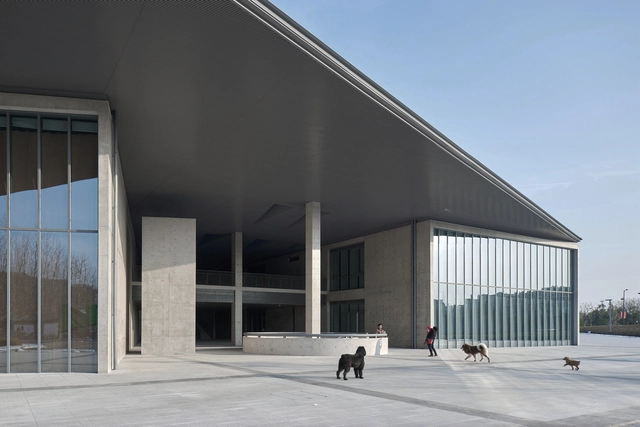
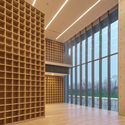
The historic Liangzhu Village in Hangzhou, China has a new monumental cultural center by the Japanese architect Tadao Ando. Opened in 2016, the building has become another popular cultural site in the village following the opening of David Chipperfield’s Liangzhu Museum a decade ago.
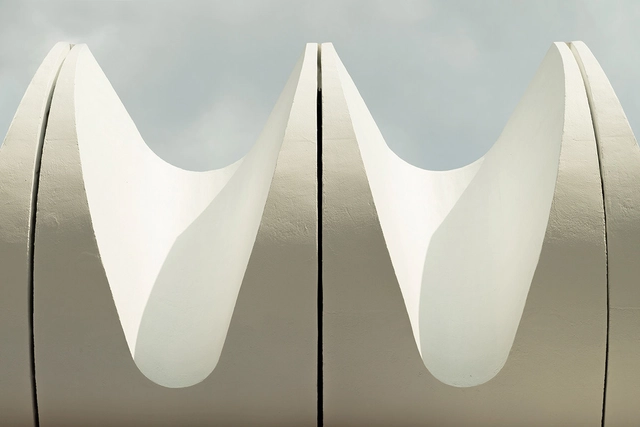
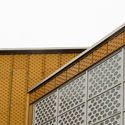
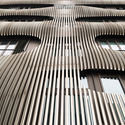
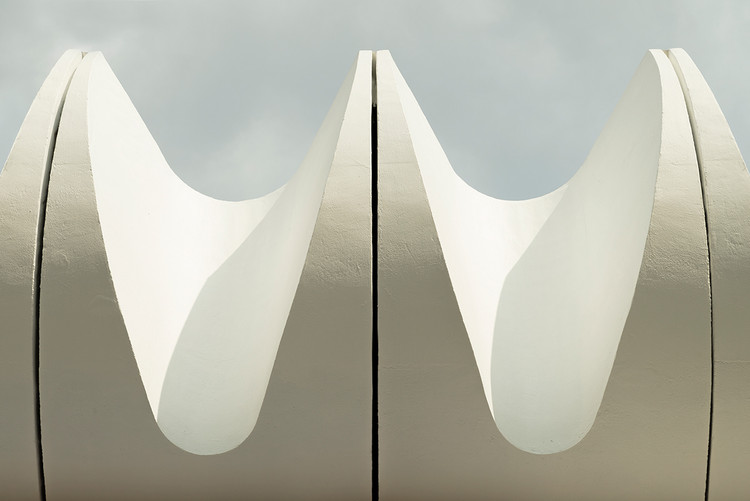
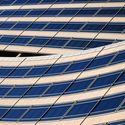
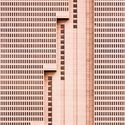
In his ongoing study, Nikola Olic - a Serbian photographer based in Dallas, Texas - focuses on “architectural photography and abstract structural quotes that reimagine their subjects in playful, dimensionless and disorienting ways.” Often isolating elements of a facade, which obscures the viewer's sense of scale and perspective, Olic provides short descriptions of each image, acting as a “demystifying tool” and reminding us of the everyday nature of his subject matter. In the third collection shared with ArchDaily, the photographs are taken in Dallas, Fort Worth, Las Vegas, New York, Los Angeles, Long Beach, and Hong Kong.
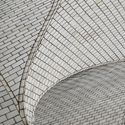
In the town of Moukhtara, Mount Lebanon, L.E.FT Architects have transformed a 100-square-meter structure into a symbolic, picturesque mosque. The Amir Shakib Arslan mosque is a rendition of old versus new with a white steel structure overlaid onto an existing building of cross-vaulted masonry. The angular geometry of the steel plates is a result of the structure’s alignment in relation to Mecca.
Lebanese architectural photographer Bahaa Ghoussainy has released a new series of images which accentuate the contrast that lies between the architectural design of the mosque and the traditional representation of Islamic mosques and prayers. The juxtaposition of an Islamic holy place built in a non-Islamic town is translated into the architecture’s design, merging two dissonant styles into one complementary structure.



















.jpg?1527226454&format=webp&width=640&height=580)
.jpg?1527225607 "© Bahaa Ghoussainy")
.jpg?1527225807 "© Bahaa Ghoussainy")
.jpg?1527226615 "© Bahaa Ghoussainy")
.jpg?1527227695 "© Bahaa Ghoussainy")
.jpg?1527226454)