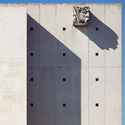
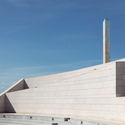
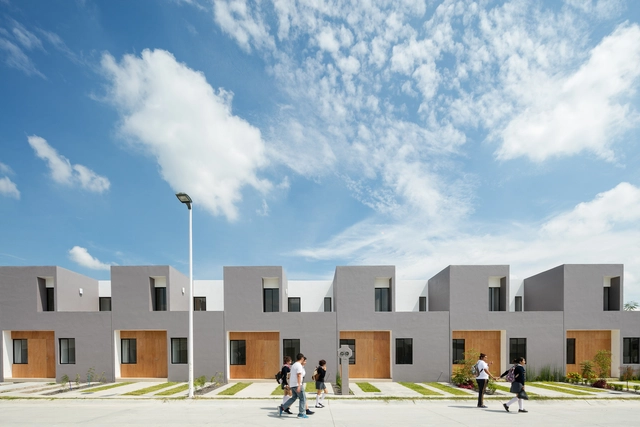
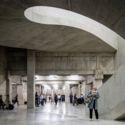
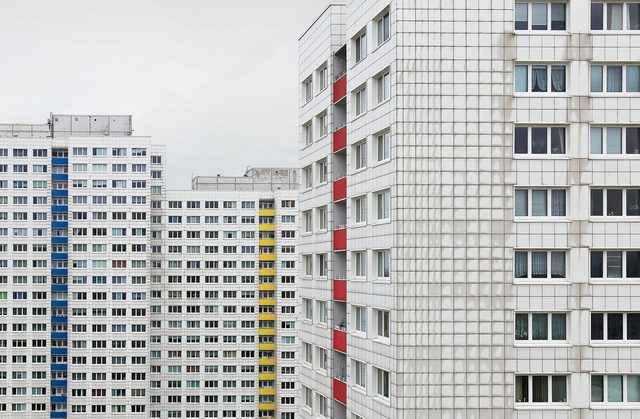
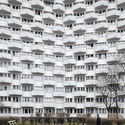
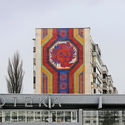
Post World War II, Brutalism found its way across Europe, redefining modernist architecture and establishing a new style for mass housing and communal buildings. Although most of the light was shed on concrete landmarks in major cities, European suburbs have also housed many exceptional brutalist buildings such as the 'Hammer-shaped Tower Blocks' or the 'Houses on Chicken Legs'.
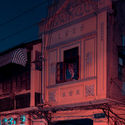
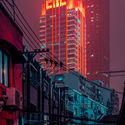
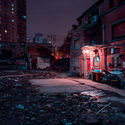
Between Shanghai’s crowded meat markets, bundles of wires, vivid neon lights, and dense smogs, lie the historic ‘Shikumen’ lane houses. Built between the end of the 19th century and World War II, these houses were inspired by French and British Colonial and Art Deco styles and the Chinese ‘Hutong’ housing style. But time for these aged ornate structures is running out, as all the Shikumen lane houses across Shanghai are being torn down.
As part of his Shanghai Streets series, photographer Cody Ellingham has set out on a mission to freeze time and capture these historic streets before they are completely demolished and forgotten.
Regardless of what field designers specialize in, they are capable of translating their ideas and fantasies into visible and tangible material. After all, a designer's principle is quite simple: If it doesn't exist, create it.
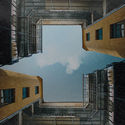
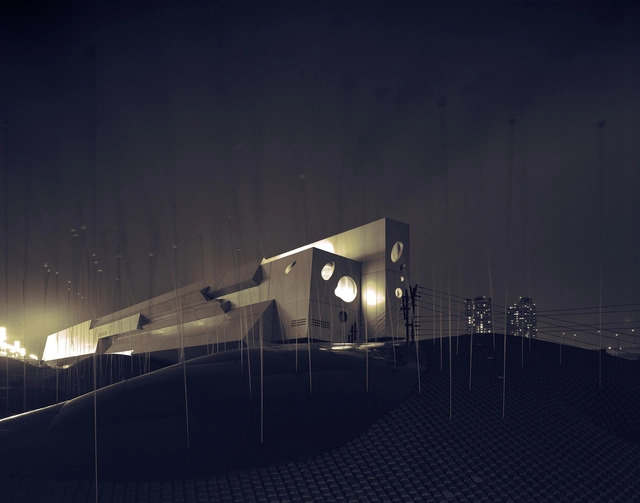
For his final photography exam, Szabó Viktor took photos of existing buildings and manipulated them into structures that only exist in his imagination.
Nothing is ordinary about the Italian city of Venice. Whether it is the vividly-colored architecture that dates back to Gothic and Byzantine eras, or the fact that the city is floating on water, culturally-rich Venice is an intriguing destination for people of all backgrounds and interests.
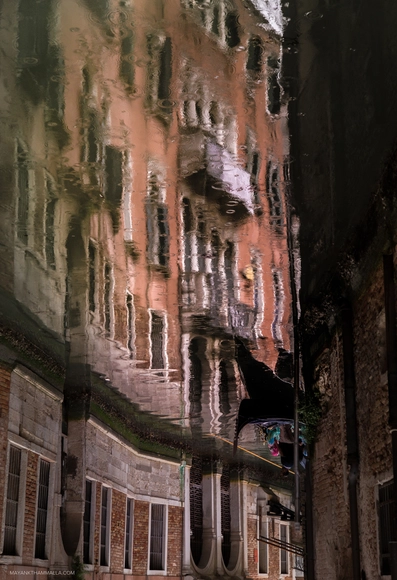
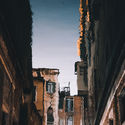
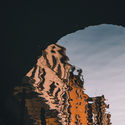
With every visit to Venice, London-based architect and photographer Mayank Thammalla found himself discovering new scenic views of the city, ones that are often tucked beneath its architecture. In his recent photographic series ‘Echoes of Venice’, Thammalla used the canal ripples as his canvas and displayed the deteriorating architecture of Venice from a unique, inverted perspective.
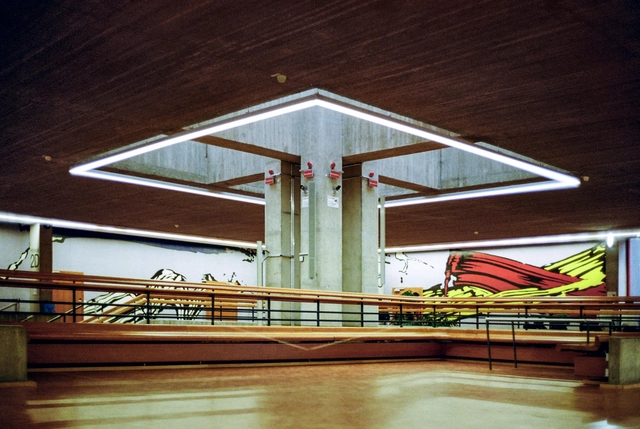
Although Brutalist architecture is often criticized for its raw, unfinished look, it has been frequently used in the design of public buildings, with many becoming iconic landmarks. Some architects chose to break away from typical concrete structures and implemented a pop of color on the walls, window frames, and flooring, adding some dynamism to the monotonous palette.
Shot with a Leica M6 film camera, architecture and interior design photographerLuciano Spinelli photographed the Düsseldorf University campus, displaying the contrast between its brutalist architecture and vibrant design features.
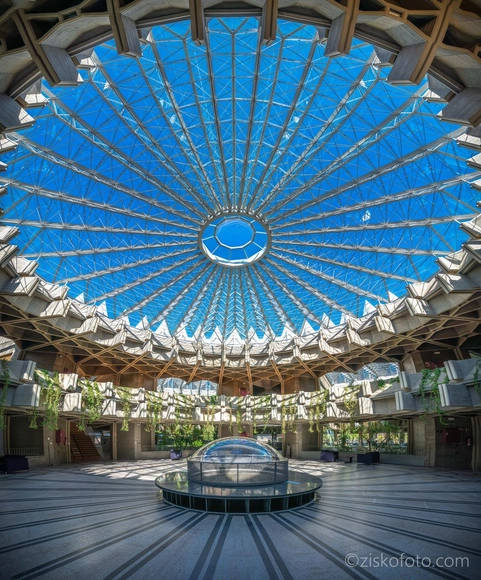
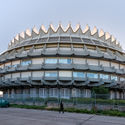
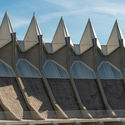
Madrid-based architectural photographer Zisko Gómez captures the recently-growing interest in Spanish architect Fernando Higueras with his photo series of Higueras’ “La Corona de Espinas,” or “The Crown of Thorns.” The building is currently headquarters to the Spanish Cultural Heritage Institute and contemporary art foundation ICO recently organized an exhibition in Madrid of Higueras’ work.
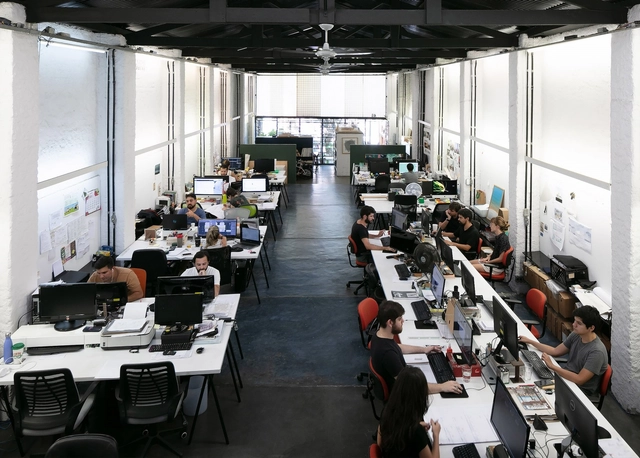
Architectural photographer Marc Goodwin recently visited Brazil to continue on his journey documenting the world's architecture offices. Expanding on his current list, he's already visited Panama City, the Netherlands, Dubai, London, Paris, Beijing, Shanghai, Seoul, the Nordic countries, Barcelona, and Los Angeles. In Brazil, Marc photographed 20 offices across a range of scales and project types. Find out more about the individual offices and the city they are a part of through Marc's feature.
British architectural photographer Peter M. Cook has documented the city of Tokyo and its evolution for more than twenty years. Following the development of the city and its buildings with a large-format camera, Cook's first book of photographs have been published by Hatje Cantz Verlag with 100 shots. The monochromatic, large-format photographs reveal a story of one of the world's most iconic cities.
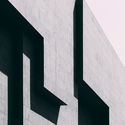
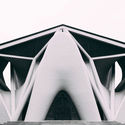
Over the past few days, exceptional products have been exhibited at the Salone del Mobile, ranging from furniture pieces and light fixtures, to textiles and finishes. As part of Milan Design Week, the Salone saw impressive collaborations with architects and the use of never-seen-before materials, all displayed at the Milan Fairgrounds, while some projects — too grand and imposing for a constraint exhibition — took place at the second part of the event, the Fuorisalone.
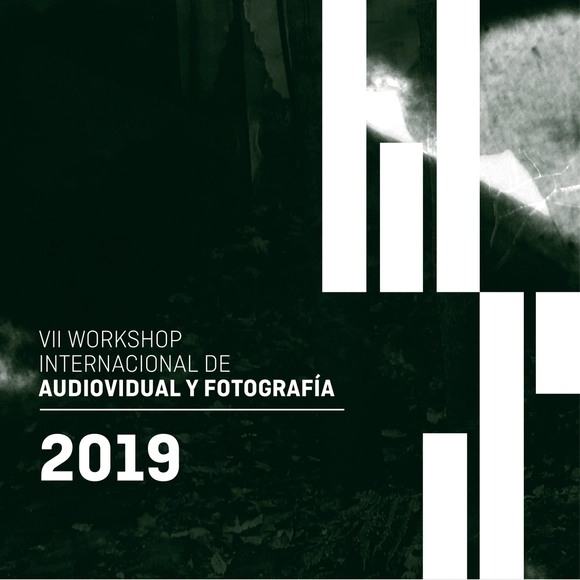
The workshop has the aim of broadening knowledge of audiovisual and photography, centered in Architecture and Space. The course develops from the approach to the territory and architecture of RCR and combines reflection on Visual Arts and its implementation in practice through creative work. The exercises are raised around the awakening of the senses, stimulating the creation of images that make us experience wanting to touch, listen and be in this specific place.
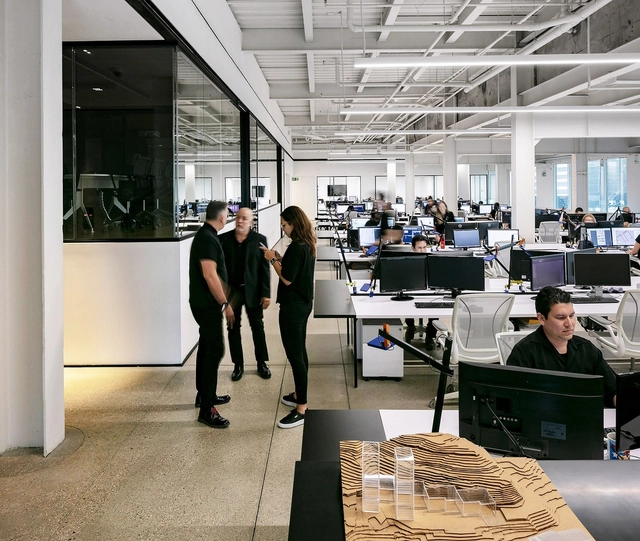
Architectural photographer Marc Goodwin recently visited Panama City to continue on his journey documenting the world's architecture offices. He's already featured an impressive list, including the Netherlands, DubaiLondon, Paris, Beijing, Shanghai, Seoul, the Nordic countries, Barcelona, and Los Angeles. In Panama, Marc photographed a range of work spaces across eight offices, from a studio of five people all the way up to 200. Looking outside and in, he captured both the spaces where designers work and glimpses into the city itself.
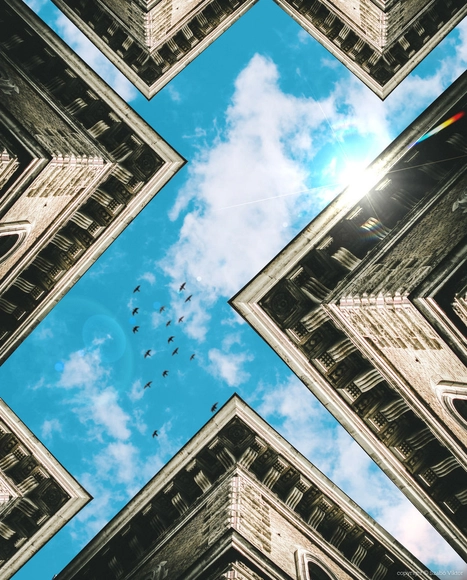
What would historic cities look like if scale didn’t exist and functions were manipulated?
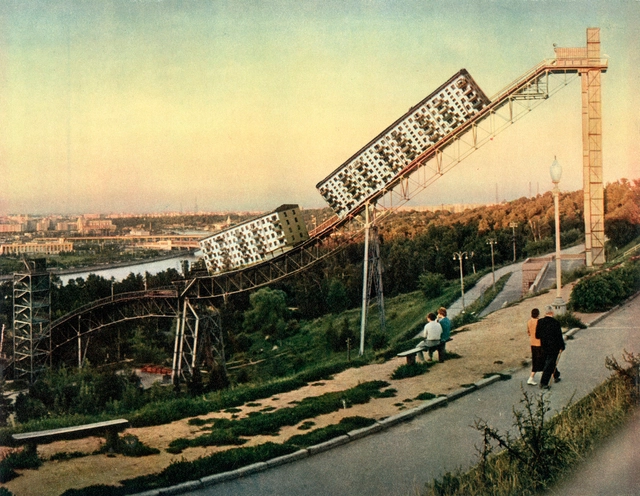
Dutch artist Tamara Stoffers found inspiration from an old Soviet Union book published in the early 1960s, which featured images of mass-housing apartment blocks without any ornamentation or color. The book highlighted the symmetry and functionality of Soviet architecture, representing what a communist future strived to look like. It became clear to her that a lot of stories lie in the history of USSR that deserve to be explored.
Stoffers' admiration extended beyond Russian architecture, looking at everyday objects, banners, postcards, and books. In a matter of 4-5 years, she put together a series of surreal collages taken from more than 30 picture books. The images, which seemed intriguing on their own, were mixed and matched with complementary photographs in an exaggerated, amusing way, presenting the Soviet Union as never seen before.
Magic lies in architectural ruins. Beneath the dirt and mold, fractured walls and deserted rooms still stand, preserving the remains that have lingered long after their owners' departure.
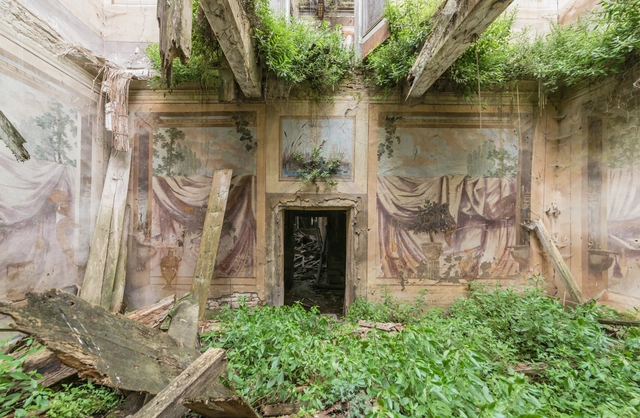
During his explorations of abandoned places across Europe, photographer Romain Veillon stumbled upon enchanting frescoes and paintings that were left to fade in the parlors of the aristocrats. Veillon became keen on finding more of these imaginary museums across the continent, and to his chance, managed to discover many in France, Germany, Italy, Ireland, and Portugal.
Before their art is forgotten and their houses quietly rust away, Veillon captured the murals found in these haute bourgeoisie family houses, which illustrate stories of the cities they lay in and the people they once belonged to.
Enquanto meio de representação da arquitetura, a fotografia apresenta qualidades indiscutíveis. Com ela, é possível apresentar a um público distante obras erguidas em qualquer lugar do mundo, de vistas gerais a espaços internos e pormenores construtivos - ampliando o alcance e, de certo modo, o acesso à arquitetura.
Entretanto, como qualquer outra forma de representação, não é infalível. Na medida que avanços tecnológicos permitem fazer imagens cada vez mais bem definidas e softwares de edição oferecem ferramentas para retocar e, por vezes, alterar aspectos substanciais do espaço construído, a fotografia, por sua própria natureza, carece de meios para transmitir aspectos sensoriais e táteis da arquitetura. Não é possível - ao menos não satisfatoriamente - experienciar as texturas, sons, temperatura e cheiros dos espaços através de imagens estáticas.
“The Flying Photographer” is the name of the documentary that will showcase Sara Nunes (architectural film director from Building Pictures) following the amazing journey of Fernando Guerra during the period of one year of travel to get the best architecture photographs from around the world.
https://www.archdaily.com/910897/new-documentary-on-portuguese-photographer-fernando-guerra-follows-his-journey-through-architecturePedro Vada
















_0819.jpg?1555075404&format=webp&width=640&height=580)
_0942.jpg?1555075486 "Temporary Exhibition by Space Encounters. Image © Laurian Ghinitoiu")
_0885.jpg?1555075448 "Conifera by COS x Mamou-Mani. Image © Laurian Ghinitoiu")
_1081.jpg?1555075537 "Echo by Pezo von Ellrichshausen . Image © Laurian Ghinitoiu")
_1351.jpg?1555075661 "La Foresta dei Violini by Piuarch. Image © Laurian Ghinitoiu")
_0819.jpg?1555075404)