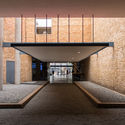
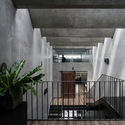
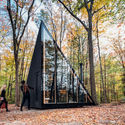
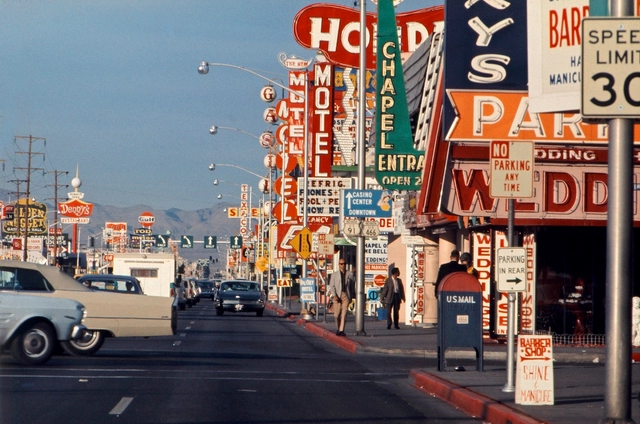
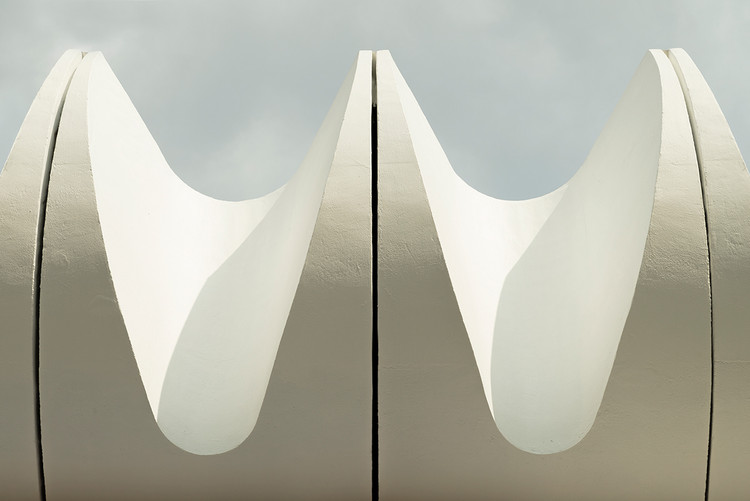
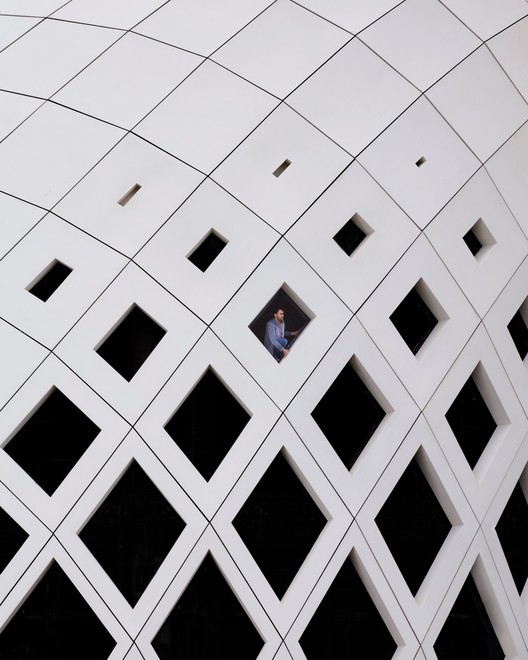
Celebrate Bauhaus 100 through the world's number one visual storytelling platform, Instagram. An essential tool for designers, Instagram is a constantly growing digital database of market sharing and stimulation. Social media has changed not only how we gather precedents and market our designs, but also our designs themselves. "Instagram Culture" drives designers to create more shareable moments. As we continue to seek these dynamic encounters, let us not forget our forefathers of user experience design and the Bauhaus school.
Opening in the late 1980s after more than ten years of construction, the Slovak Radio Tower is an unmissable feature in the landscape of Bratislava. The building, an inverted pyramid of steel frame construction, was designed by Štefan Svetko, Štefan Ďurkovič, and Barnabáš Kissling during the height of socialist realism.
In many parts of the world, more women have architectural degrees than men. However, this fact hasn’t translated past university into the working world as women continue to be underrepresented across nearly all levels of practice.
The conversation regarding women in architecture gained tremendous traction back in 2013 with the petition for Denise Scott Brown to be recognized as the 1991 Pritzker Prize winner, alongside her husband and the consequent rejection of that request by Pritzker. The Architectural Review and Architect's Journal have, since 2015, jointly presented awards to the exceptional female practitioners as part of their Women in Architecture Awards program. The swelling of these movements have helped to promote not only the role but also the recognition of women in architecture.
In the heart of Berlin resides an architectural metaphor of invisibility, emptiness, and anarchy forged by the Second World War upon the Jewish citizens. The expansion of the original Jewish museum, which was first organized as an anonymous competition by the Berlin government, was proposed as a means of bringing back Jewish presence, retracing their culture and religion into the German city. Renowned architect Daniel Libeskind, who was chosen to develop the project, used architecture as a form of expression, and created a museum that narrates the Jewish civilization before, during, and after the Holocaust.
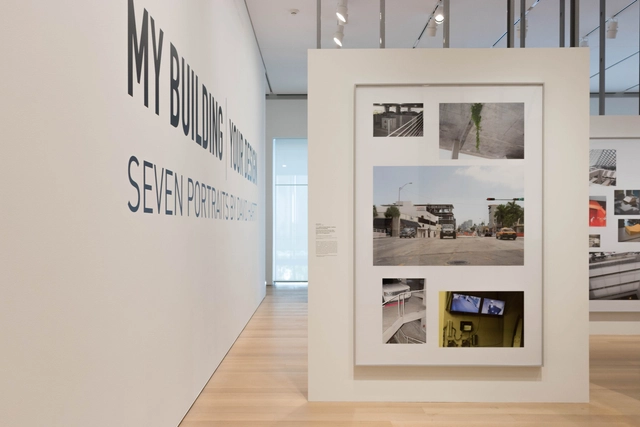
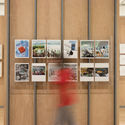
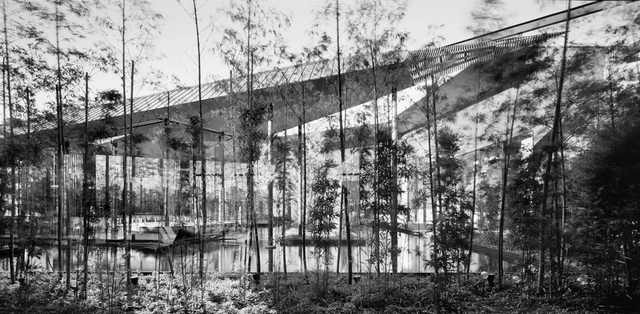
Installation view of My Building, Your Design: Seven Portraits by David Hartt, The Art Institute of Chicago, September 29, 2018 - February 3, 2019. Photo: Miguel Herreras.
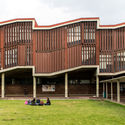
Although the National Autonomous University of Mexico (UNAM), south of Mexico City, is home to the well-known O’Gorman murals, it is, in fact, the campus itself, that is quite intriguing. Walking through UNAM, individuals find themselves in an architectural display of modernist buildings that date back 70 years, along with open courtyards, hidden walkways, and pavilions. Uniquely, the campus buildings have a little bit of everything: bold geometry, openness, abstraction, humanistic design, permeability with nature, decaying masonry walls, local lava rocks used as walls, and pavers throughout the campus.
Architecture as a Social Tool: Lecture by Jette Hopp of SNØHETTA coupled with the Finissage exhibition "Architecture and Landscape in Norway- Photographs by Ken Schluchtmann"
The role of architecture is to create strong and sustainable identities for cities and their communities. With well-conceived design, we can help things run more fluidly, improve people’s well-being, and make life more enjoyable. Every project is a unique expression of the ethos of its users, climate, and context. A built environment can be seen as a point of departure: it is where the architecture starts to communicate, the point from where it starts to interact with the public and its users. Followed by a talk with Jette Hopp of SNØHETTA.
Because, for all the inspirational works across the world, we would be lost without the photographers dedicated to sharing this inspiration with us. Here we present to you the 50 most influential architectural photographs of the year.
Havana has often been referred to as a time machine — a city that transports its visitors to a distant moment and time in history. The capital city’s colorful Spanish colonial-style architecture has made it a go-to destination for photographers, architects, and people seeking life in a bygone era. From classic cars to “its overall sense of architectural, historical and environmental continuity makes it the most impressive historical city center in the Caribbean and one of the most notable in the American continent as a whole,” remarks UNESCO.
https://www.archdaily.com/906621/street-photography-tour-of-havana-cuba-with-pratt-instituteSponsored Post
Courtesy of carriage trade, photo: Nicholas Knight.
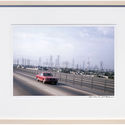
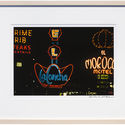
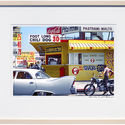
An exhibition has opened at New York’s Carriage Trade Gallery celebrating the photography of Denise Scott Brown, highlighting the significance of pop art in the American vernacular. The project was initiated by Scott Brown, and first exhibited in Venice in 2016, with the latest events in London and New York initiated by PLANE-SITE.
The exhibition, titled “Photographs 1956-1966” is co-curated by Andres Ramirez, with 10 photographs selected, curated, and featured for limited sale. As well as being on display at the Carriage Trade Gallery, a concurrent exhibition is taking place in the Window Galleries at Central Saint Martins, University of the Arts, London.
This article was originally published on ArchDaily on 13 February 2018.
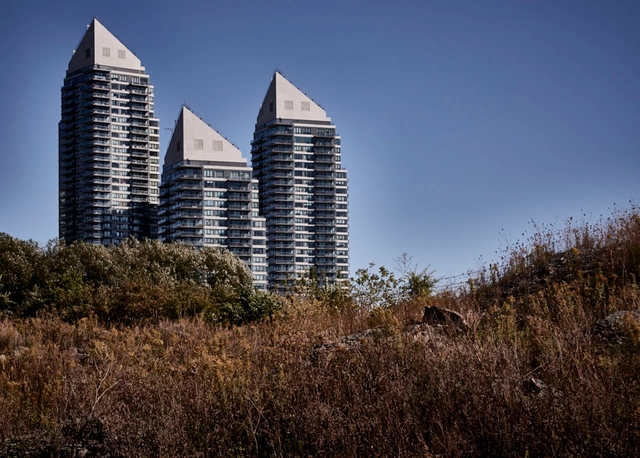
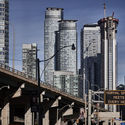
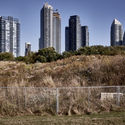
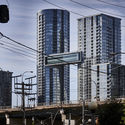
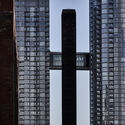
The City of Toronto has a long, fraught relationship with development and vacancy. The map of the initial Toronto Purchase of 1787 between the Mississaugas of the New Credit First Nation and the British Crown, which would later establish the colonial territory that became Toronto, conceives of the landscape as a single, clearly defined vacant lot anxious for development. Or, as artist Luis Jacob better described it, “signifying nothing but an empty page waiting to be inscribed at will.” Over two-hundred years later, as housing availability, prices, and rental shortages drive vertical condominium developments in the city, the politics of the vacant lot have never felt so palpable.
Erieta Attali has devoted two decades to exploring the relationship between architecture and the landscape at the edges of the world. Attali’s photography interrogates how extreme conditions and demanding terrains provoke humankind to re-orient and center itself through architectural responses. Her unrelenting and highly physical expedition has seen her traverse four continents, working in isolated and remote terrains from Iceland to the Indian Ocean.
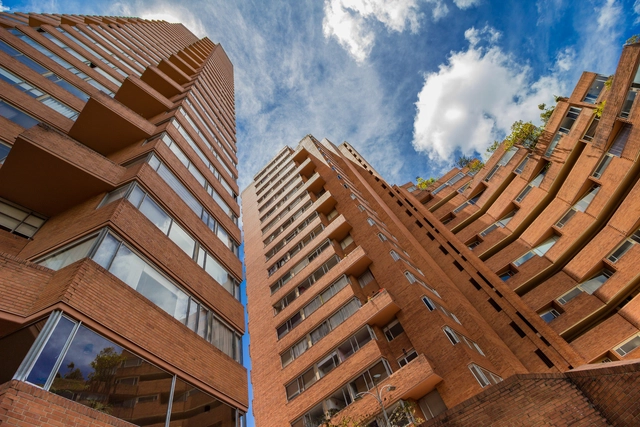
If you're an architecture aficionado, the Colombian capital of Bogota should be high on your list. The city's architecture contains bits and pieces from throughout the country's history, from colonial structures to classical designs from the time of the Republic.
If you're a first time visitor to Bogotá —or a native tourist in your own city— we recommend this architecture guide for the top 10 locations to capture the city's best works.
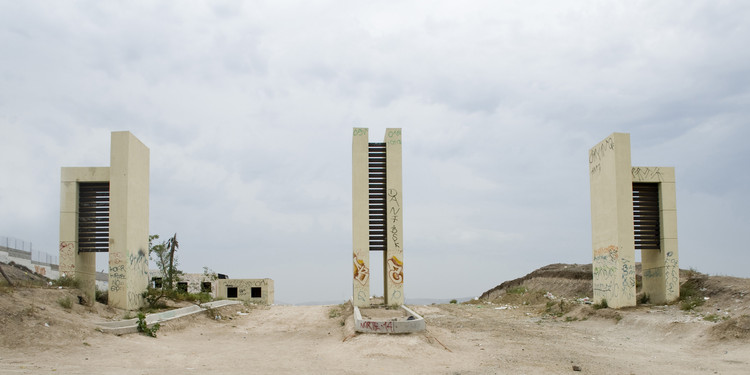
Tijuana is one of the most populated cities in Mexico. In 2000, the construction of collective housing boomed. This phenomenon completely transformed the limits of the city; the periphery exhibited a new appearance: a modernized future, new urban schemes, and a new lifestyle.
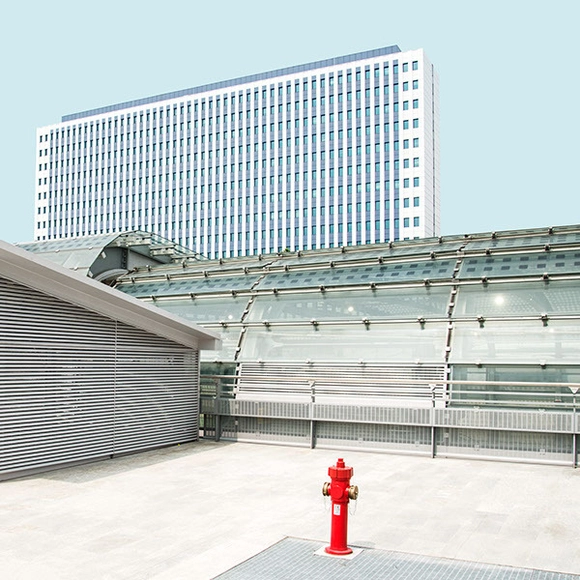
In the next chapter of his ongoing Urban Geometry project, self-taught Spanish photographer Andres Gallardo captures the elements of color, form, and materiality of post-war architecture in Berlin. This photo series, with installments featuring the modern marvels of Beijing, Seoul, Copenhagen, and Tallinn, among other cities, has become representative of Gallardo's personal growth from his humble start in his career as a professional photographer.
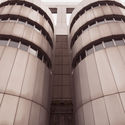
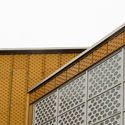
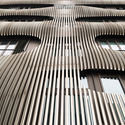
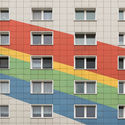
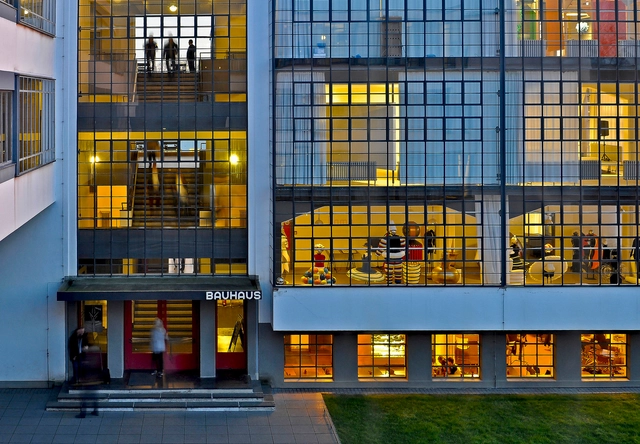
In recent years, social media (especially Instagram) has become an extremely important tool in the field of architecture. Instagram has become the go-to visual platform for showcasing a wide variety of architectural typologies and styles, city views, and stunning edifices that often go unnoticed. While these buildings may seem ordinary to the everyday passerby, they become objects of art for not only architects but those who stop to take notice of their design.
Below we have selected 13 Instagram accounts dedicated to highlighting facades and walls from around the world, showcasing the diversity of our cities.
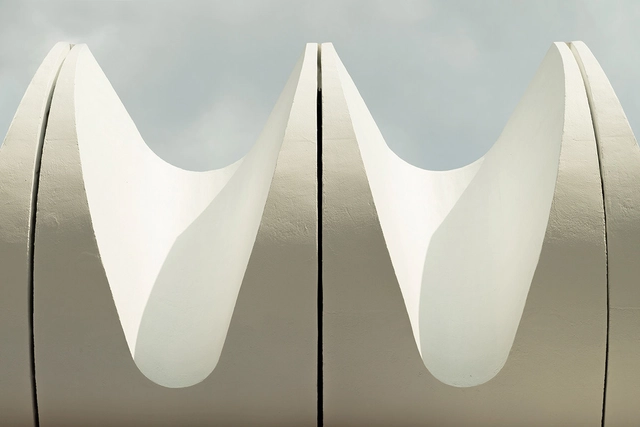
Andres Gallardo's ongoing Urban Geometry series captures unique forms, colors, and shadows of modern architecture of various cities. The project is a personal one for Gallardo, as it has been a long-term photo series that has accompanied him throughout his journey in becoming a professional photographer, displaying his development and evolution as he captures the architectural beauty of cities such as Beijing, Helsinki, Seoul, and Copenhagen.
Below is the Copenhagen chapter of the series, a visual poem that allows us to see the city in new ways. Through flowing line and bright bursts of color, Gallardo displays an almost surreal version of the city, where the jagged forms and smooth curves of its modern architecture have replaced human presence.
In a world rapidly transitioning toward primarily digital content creation, more and more people are beginning to experiment with various digital media. There is undoubtedly an intimate relationship between architecture and photography, and many architects enjoy experimenting with taking pictures, both of their own work and of their surrounding environment. But how do you know if you have the right gear needed to start off on the right foot? And more importantly, how can you get the most out of your equipment?
In honor of World Photography Day this month, we have put together a helpful guide to get started with lenses for architectural photography. This guide will specifically highlight the best lenses (for both DSLR and mobile) to use for your shots and why.
.jpg?1549809940)
.jpg?1549809709 "© Alexandra Timpau, Alex Shoots Buildings")
.jpg?1549811238 "© Alexandra Timpau, Alex Shoots Buildings")
.jpg?1549809072 "© Alexandra Timpau, Alex Shoots Buildings")
.jpg?1549809230)
.jpg?1549808705)
.jpg?1548941027&format=webp&width=640&height=580)
.jpg?1548939693 "© Bahaa Ghoussainy")
.jpg?1548940235 "© Bahaa Ghoussainy")
.jpg?1548940920 "© Bahaa Ghoussainy")
.jpg?1548941418 "© Bahaa Ghoussainy")
.jpg?1548941027)