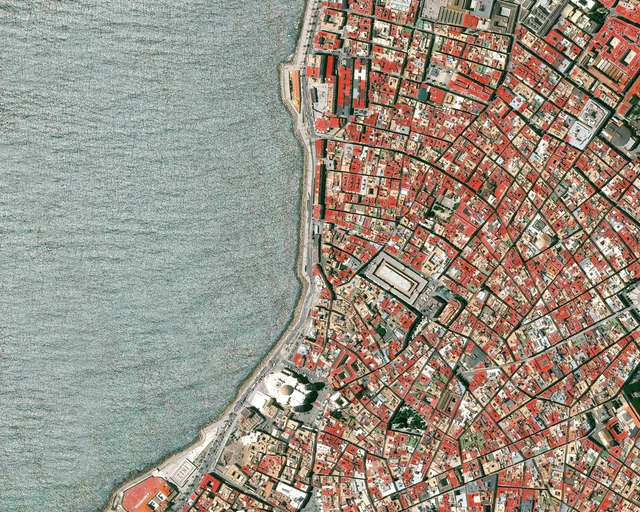
Seeing from above – the aerial vantage point – is the illusion of knowledge. This was the idea of Frenchman Michel de Certeau, a historian who was interested in the everyday practices that occur on the ground, on the streetscape. In contrast to Certeau's view, satellite images can be a powerful tool to understand, predict, and strive for a better future for humankind. This is the mission of Benjamin Grant, founder of Overview, a platform that explores human activity on Earth through aerial imagery.
Interested in fostering "an experience of awe" through elevated vantage points of our world, Overview offers snapshots featuring traces of human activity on the surface of the planet. Photos of cities and other cultural artifacts join pictures of mesmerizing topography and natural beauty in an impressive archive of drone and satellite images. Awe abounds as we face not only some of the most impressive human endeavors seen from the sky, but also as we are confronted with the rather gruesome side-effects of our very existence on Earth.
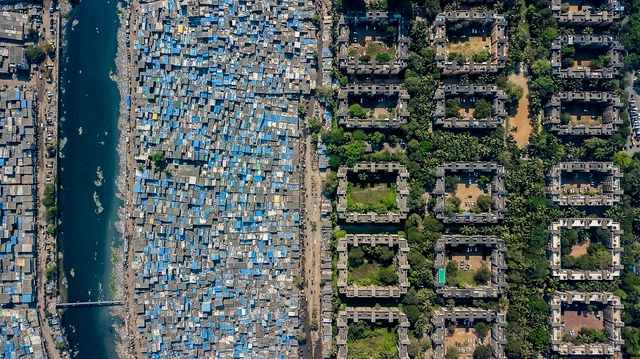
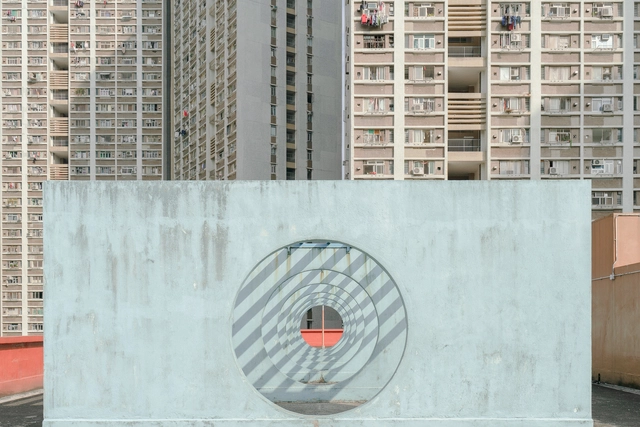
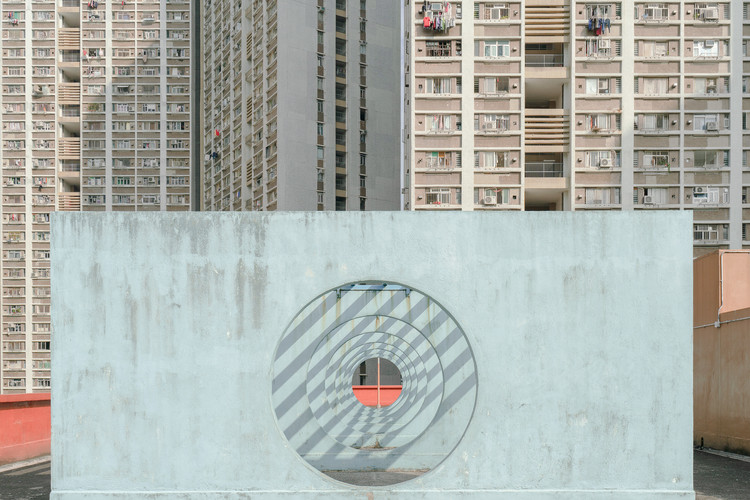
Across the world, urban clusters have —to a greater or lesser extent— social and economic differences. Reflected in space, these imbalances of income and access to education, health, sanitation, and infrastructure generate ruptures more or less visible —although drastically felt.
Although a daily reality for some, socio-spatial inequalities can often go unnoticed. Photographer Johnny Miller states, "Discrepancies in how people live are sometimes hard to see from the ground... Oftentimes, communities of extreme wealth and privilege will exist just meters from squalid conditions and shack dwellings." Miller's photo series 'Unequal Scenes' seeks "to portray the most 'Unequal Scenes' in [the world] as objectively as possible."
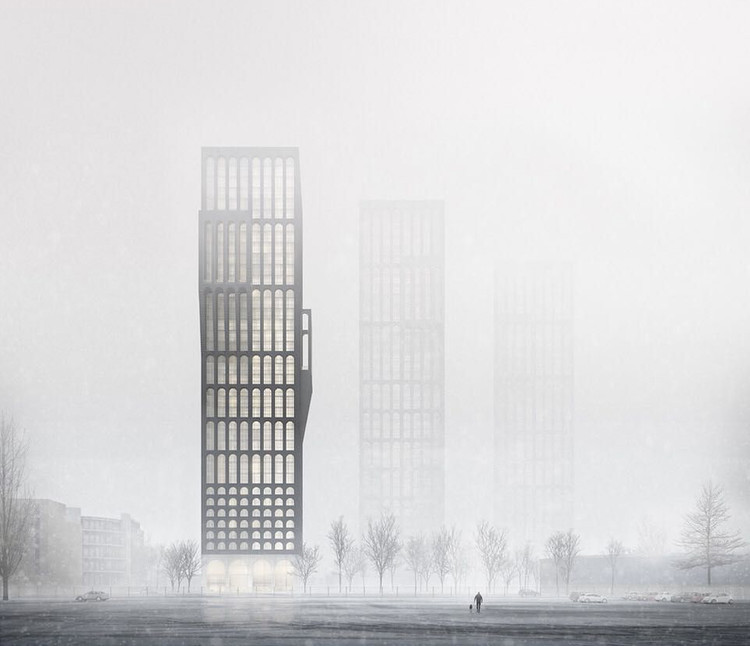
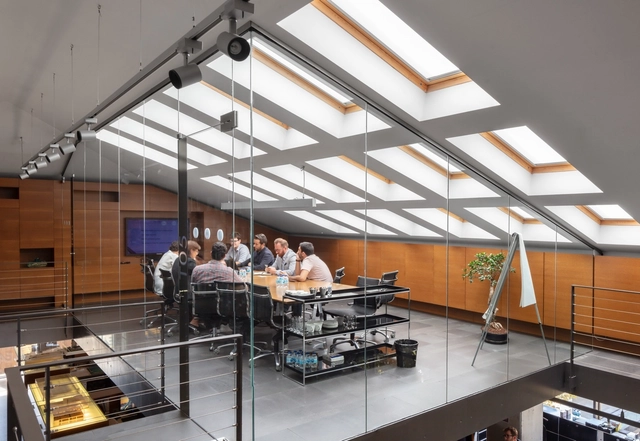
Techniques in visualization have evolved significantly over the years, providing increasingly accurate depictions that give architects a realistic view of their work before the foundation is even laid. For architects and the people they work with, the goal of a visualization is to illustrate the qualities and characteristics of a three-dimensional space that has yet to be built or is in the process of being constructed, by using hand or computer drawn images, videos, and even virtual reality platforms. All of these tools serve as a way of bringing an idea to life, whether for clients or judges in an architectural competition.
The new Zoomed In virtual photography and architecture festival has launched this week. Running from 21st - 24th of April, the festival brings together a diverse international selection of architectural photographers and cross-disciplinary creatives in a series of online talks and discussions, short film screenings, image galleries, and a charity print sale to raise funds for those most in need during the current pandemic crisis.
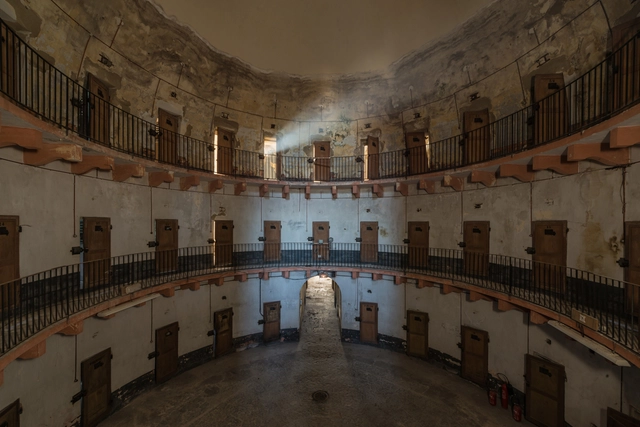
An expression of power and a symbol of surveillance, the panopticon is a notorious architectural concept intended as a disciplinary mechanism. Photographer Romain Veillon shares his images of the Panopticon-inspired prison in Autun, France.
Architectural and fine art photographer Pygmalion Karatzas is presenting a number of free online architectural photography resources for readers to explore in the period of the COVID-19 pandemic. The selected resources include e-books, numerous interviews with renowned photographers from around the world, educational presentations (academic papers, lectures, workshops), and videos.
As author Jeremy Lent points out in a recent article, the phrase “social distancing” is helpfully being recast as “physical distancing” since this pandemic is bringing people closer together in solidarity than ever before, and we are witnessing a heartwarming rediscovery of the value of community, and humanity’s prosocial impulses like altruism and compassion manifesting across sectors and boundaries.
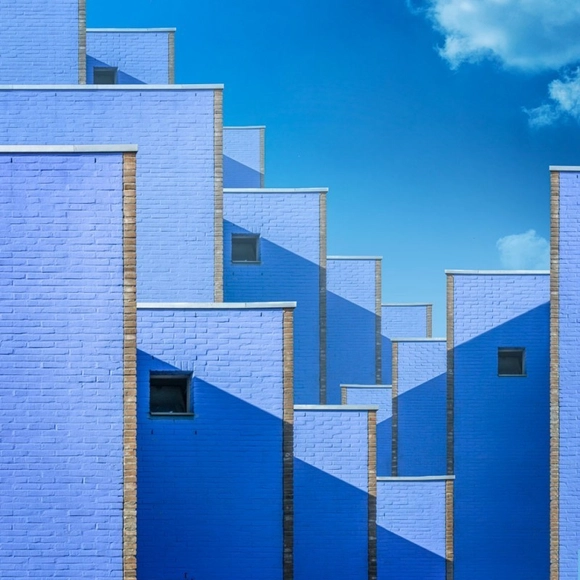
The 13th edition of International Color Awards, an event honouring achievements in color photography, has recently presented its gala and here are some of the winners and nominees.
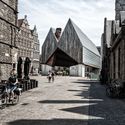
The COVID-19 pandemic has reshaped urban life, and so too has it left many streets and buildings empty as people practice social distancing. From Times Square to the Place de la Concorde in Paris, photographers are capturing these "empty cities" in a defining moment across the globe. In turn, The New York Times recently published a piece dubbed "The Great Empty", showcasing a new side to urban life in these structures and streets. Now five photographers have been commissioned to photograph Rotterdam during the pandemic.
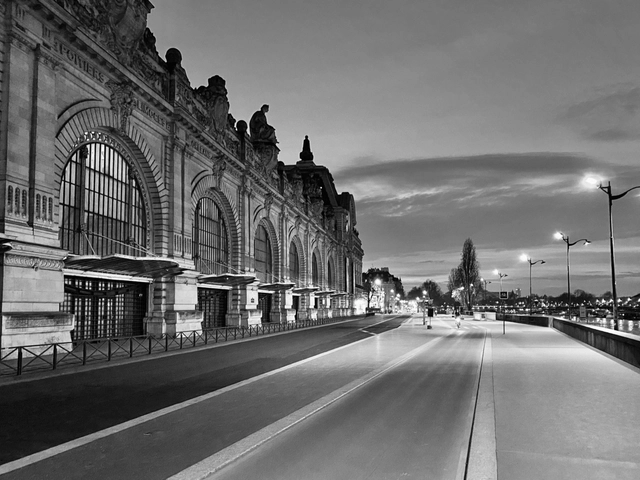
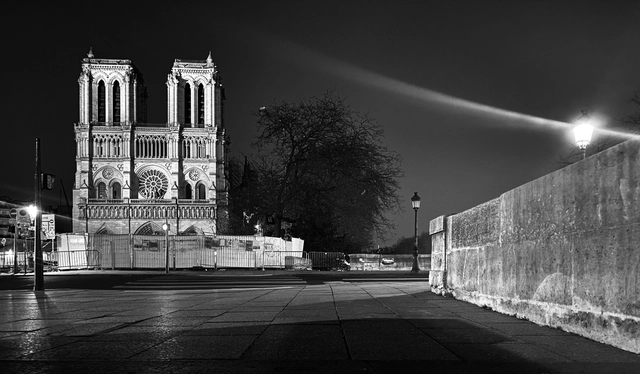
Calls to quarantine and social distancing throughout the world, in response to the novel coronavirus, have left unique and historical postcards: the cloudy canals of Venice are now crystal clear and the satellite images of China show a significant decrease in pollution. The renowned photographer Erieta Attali, with her phone in hand, was able to walk through the empty streets of Paris and portray, under her signature gaze, the French capital in isolation.
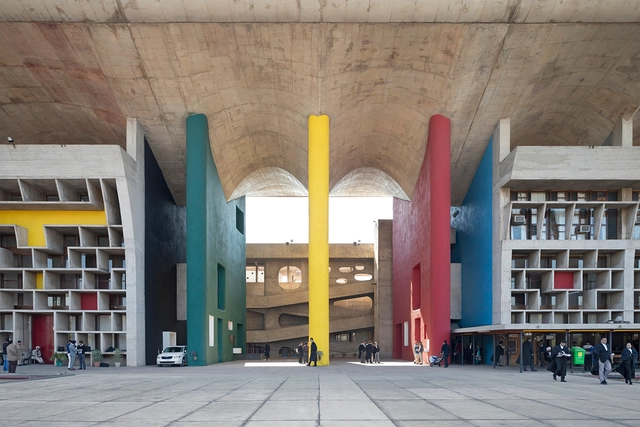
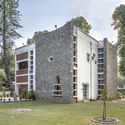
Through its urban planning and civic buildings, Chandigarh represents an iconic fragment of Modernist architecture. This economic and administrative centre was meant to showcase the progressiveness of the 1950s' newly independent India.
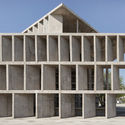
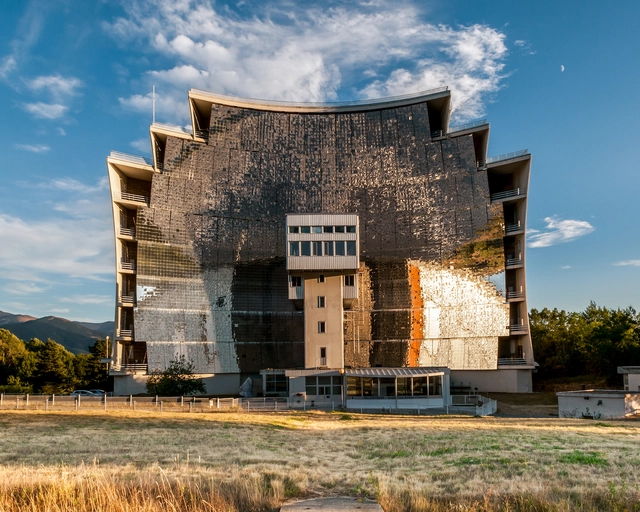
RIBA presents Forms of Industry, an exhibition of contemporary photographs by Alastair Philip Wiper (1980) and archival images by Eric de Maré (1910-2002) from the RIBA Collections. Separated by more than 50 years, the two photographers share a common interest in industrial buildings and landscapes, yet their differing approaches create a commentary on changing attitudes towards industrialisation and sustainability.
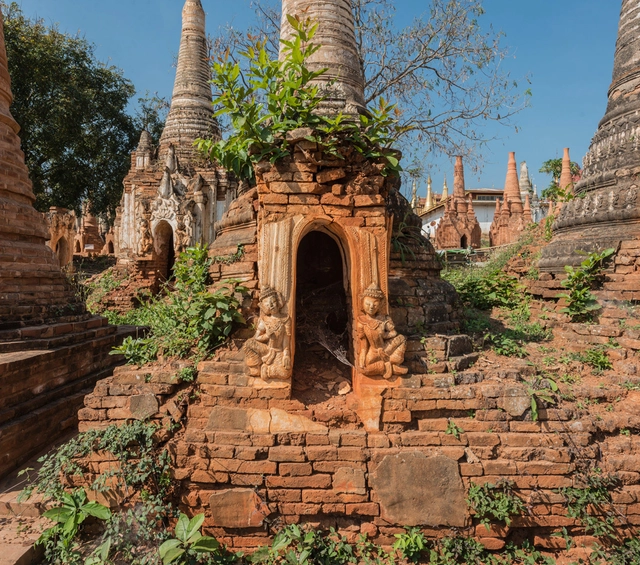
The historic village of Indein, Myanmar was founded by monks around the 3rd century B.C, who wanted to spread Buddhism across the country. Hundreds of pagodas, ornaments, and statues of Buddha were built around the area, but with time, the village was abandoned and its temples were consumed with greenery. Nowadays, the site stands as a visual contradiction of old and new, as people have begun renovating and preserving the historic structures little by little, surrounding the crumbling temples with brand new white stupas.
Photographer Romain Veillon had the chance to explore and photograph Indein, capturing the raw remains of the historic site.
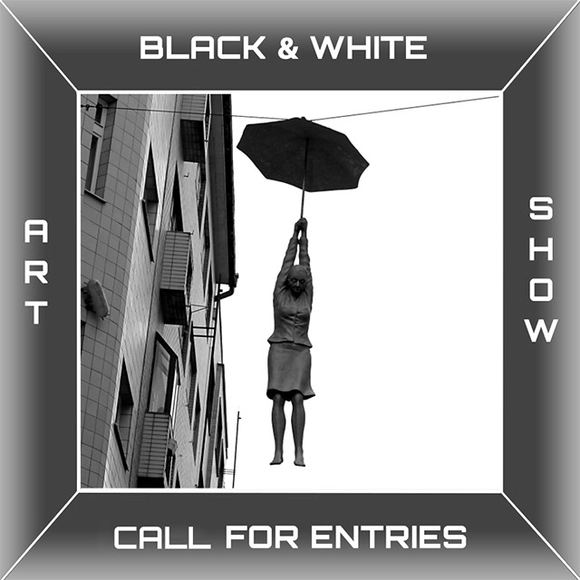
Grey Cube Gallery proudly presents the first Black & White Show for the month of February 2020. The contest is open to all artists worldwide over 18 years of age. Entries must include the black and white or shades of gray as the primary focus. All visual art mediums (except video and sound) are allowed. The Best of Show winning artwork will be displayed as the poster of the show. All wining artists ( Merit Award & Honorable Mention) will receive a digital award certificate. The application fee is $16 for the 2 images of artwork. You may enter more than once. The deadline to submit entries is March, 05 2020.
Alexey Kozhenkov is a freelance photographer currently based in Russia, with a strong interest in urbanism, architecture and man-made structures. Kozhenkov was born in 1993 in Riga, Latvia and became a self-taught photographer after graduating from university.
Architectural Photographer Laurian Ghinitoiu recently won in three categories in the Architectural Photography Awards 2019. The categories where he received awards were Social Housing, Exterior and Buildings in Use.
What started as a curiosity for Ghinitoiu, photography, through hard work and passion soon became a lifestyle and a continuous journey around the world. To date, this journey, has allowed him to receive an improved and more complex understanding of architecture, where he documents the built environment.
For the 1957 International Builders Fair, Oscar Niemeyer developed the Interbau Apartment House, a modernist eight-storey building that sits on V-shaped pillars in the city of Berlin. While the building's facade consists of uniform windows and loggias clad with primary-colored mosaics, it is interrupted by enclosed pathways that connect the structure to the external elevator.
Architectural photographer Bahaa Ghoussainy explored the building and highlighted the complementary relationship between its uniform modernity and dynamic suspensions.
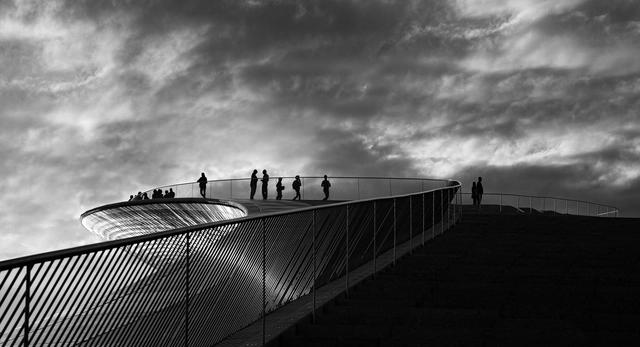
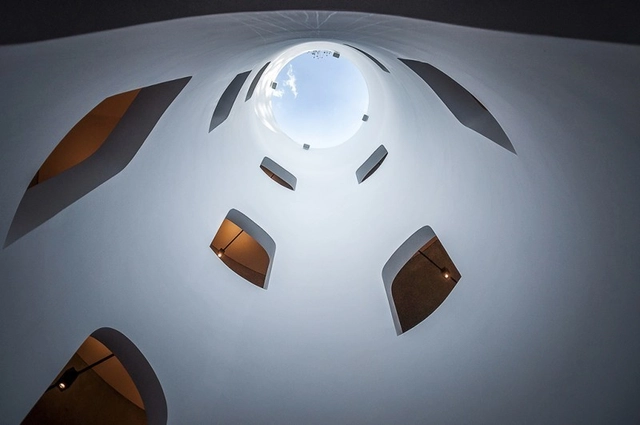
The Museum of Art, Architecture and Technology, Lisbon, Portugal by Amanda Levete shot by Inge Schuster. Image Courtesy of The Architectural Photography Awards 2019
The Architectural Photography Awards 2019 has revealed its shortlisted images under 6 categories: Exterior, Interior, Sense of Place, Buildings in Use, Mobile, and Portfolio. Sponsored by Sto and supported by the World Architecture Festival (WAF), this year’s lineup was selected from nearly 2000 entries from 42 countries.







-Alastair-Philip-Wiper.jpg?1587401464&format=webp&width=640&height=580)
-Alastair-Philip-Wiper.jpg?1587401452 "Courtesy of Zoomed In Festival")
-Alastair-Philip-Wiper.jpg?1587401464)













_7898.jpg?1576293443&format=webp&width=640&height=580)
_8843.jpg?1576293185 "© Laurian Ghinitoiu")
_0020.jpg?1576293369 "© Laurian Ghinitoiu")
_0638.jpg?1576293455 "Skanderbeg Square, Tirana, Albania by 51N4E. Ghinitoiu's third win. Image © Laurian Ghinitoiu")
_9154.jpg?1576293270 "© Laurian Ghinitoiu")
_7898.jpg?1576293443)
.jpg?1575455535&format=webp&width=640&height=580)
.jpg?1575455403 "© Bahaa Ghoussainy")
.jpg?1575455498 "© Bahaa Ghoussainy")
.jpg?1575455479 "© Bahaa Ghoussainy")
.jpg?1575455317 "© Bahaa Ghoussainy")
.jpg?1575455535)
.jpg?1575311092 "© Marc Goodwin")
.jpg?1575310961 "© Marc Goodwin")

.jpg?1575310983 "© Marc Goodwin")