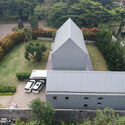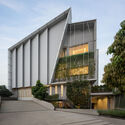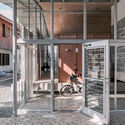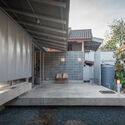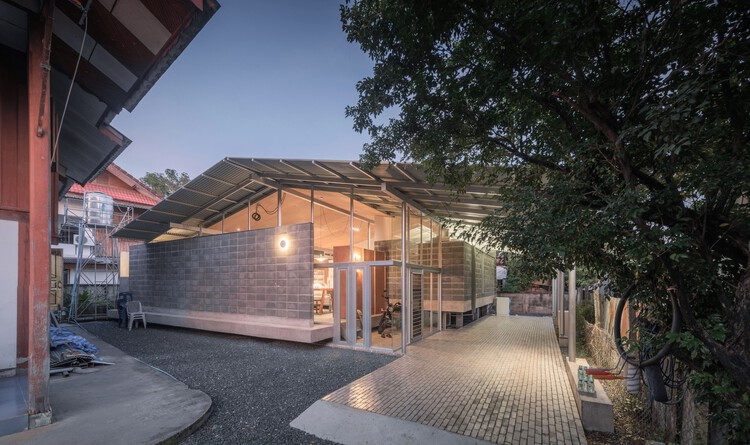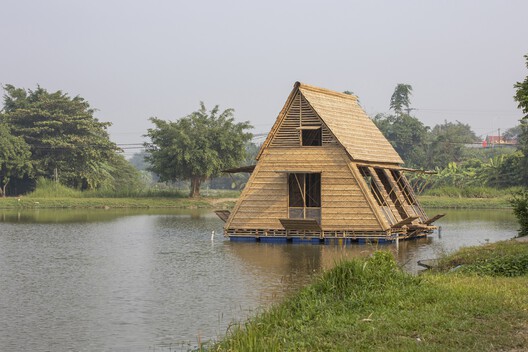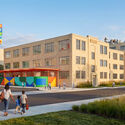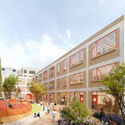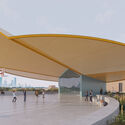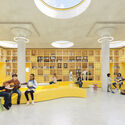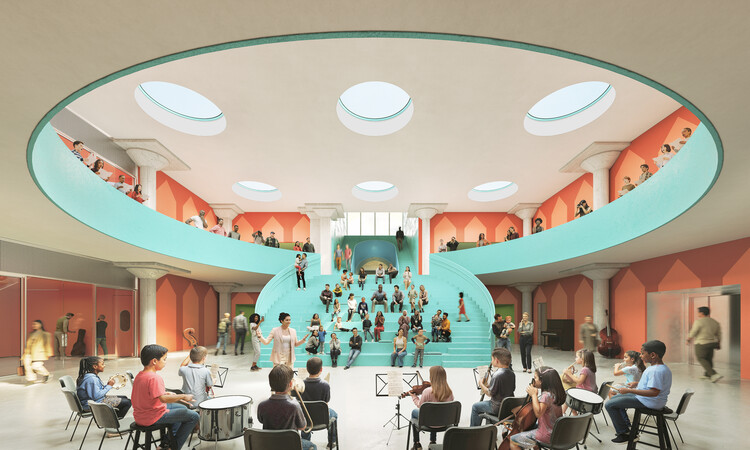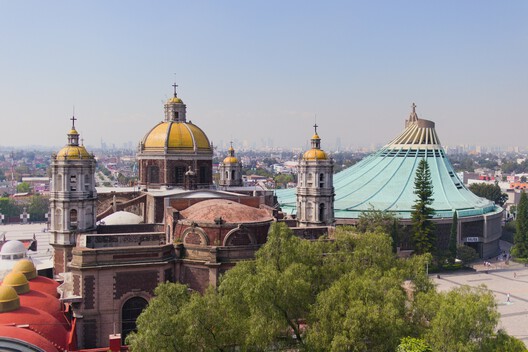
While architecture often responds to a specific program of uses, taking into account areas, contexts, and various economic and technical conditions, buildings rarely remain the same throughout their lifespan. Programs, spatial dynamics, and users' needs change, as do environmental, economic, and technological conditions, requiring interventions that were likely not anticipated at the beginning of a project. Steel structures make it possible to envision architecture capable of growing, transforming, being disassembled, and reassembled. Their dimensional precision, industrialized components, and potential for mechanical connections enable the design of open systems prepared for future interventions.