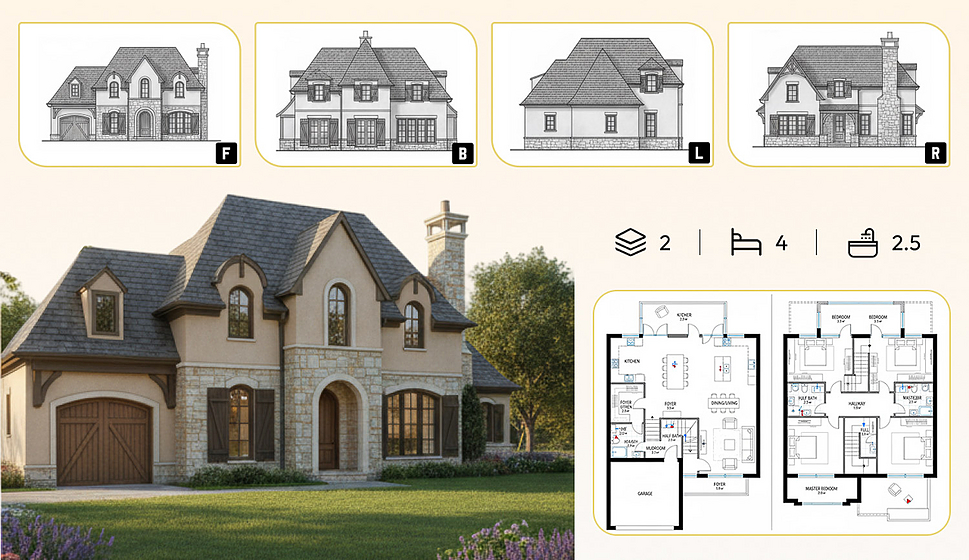
This guide covers a workflow that moves from project parameters to generated floor plans, 3D perspective views, exterior design exploration, and site context visualization, using AI tools in place of preliminary CAD and rendering work.
This guide covers a workflow that moves from project parameters to generated floor plans, 3D perspective views, exterior design exploration, and site context visualization, using AI tools in place of preliminary CAD and rendering work.
What Will Happen Here? (O que vai acontecer aqui?) is a new documentary by Left Hand Rotation, in collaboration with Stop Despejos and Habita, on the housing struggles in Lisbon—a city where rents have increased by 50% over the last three years and that has become the leading European city for real estate fund investment.

Promoted by the Uruguay River Administrative Commission, organized by the Society of Architects of Uruguay (SAU) and the College of Architects of the Province of Entre Ríos (CAPER) —and sponsored by the Argentine Federation of Architect Associations (FADEA)— the call for entries is now open for the binational preliminary design competition to develop a Control Laboratory for the environmental analysis of the Uruguay River.
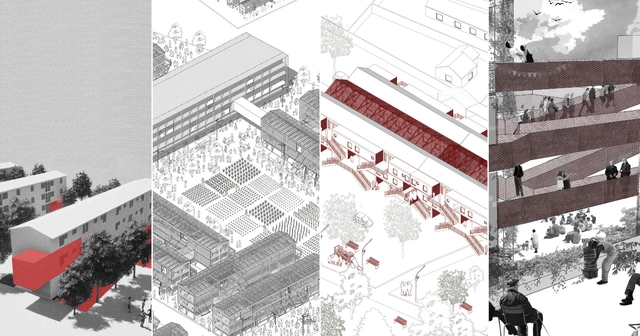
As part of Semana UTEM 2019—"The Project Within the Project"—21 teams from the Faculty of Architecture at the Metropolitan Technological University of Chile (UTEM) participated in the Domestic Pre-Existences workshop. The students proposed interventions for the historic "C Blocks" in Santiago's pericenter—residential complexes designed by the state Housing and Urban Development Service (SERVIU) between 1986 and 1996.
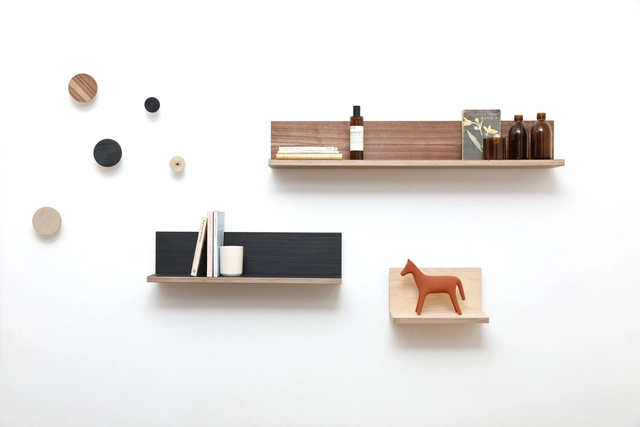
Pirwi, the leading national design editor, recently presented new collections featuring collaborations with Mexican artists and designers, including Daniel Pouzet, Joel Escalona, Moisés Hernández, Pablo Herrera, Sebastián Ángeles, Sergio Morales, and Mario García Torres. These collaborations range from small objects such as shelves and furniture to design pieces that offer a critique and reflection on the era we inhabit. Some of the pieces shown below come together as a complete range of daily-life objects designed by Pirwi, reflecting the brand's aspiration to reach a more inclusive audience and refresh its image with materials and finishes not previously explored.
Data is a controversial topic in the twenty-first century. Policy-making regarding data collection and use lags behind, while its value continues to rise—turning any initiative in the sector into big business.
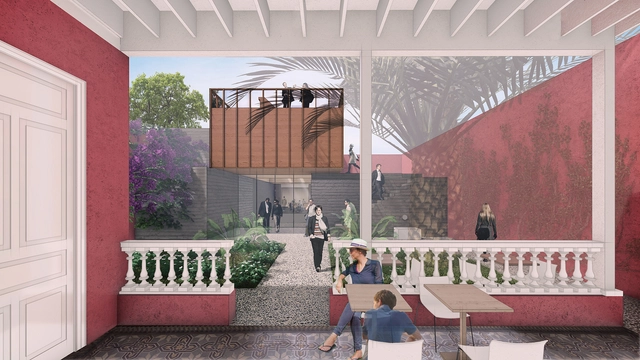
"The French Institute for Andean Studies (IFEA) has chosen a winner for the expansion and renovation of its headquarters in Lima. The proposal by ESARQUITECTURA + Román Bauer Arquitectos emerged victorious in the competition... with a project that highlights the inner courtyard of the historic house." The IFEA has selected a winner for the expansion and renovation of its Lima headquarters. The proposal by ESARQUITECTURA + Román Bauer Arquitectos has emerged victorious in the competition.
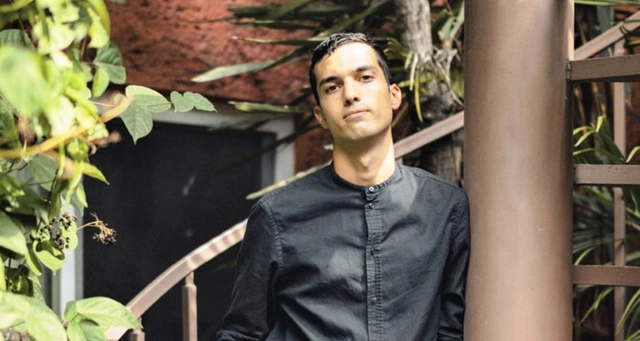
As part of the annual CEMEX Awards, the recipient of the Arq. Marcelo Zambrano Scholarship has been announced, reaffirming the commitment to supporting the development of architecture in Mexico. CEMEX awards the Arq. Marcelo Zambrano Scholarship in honor of the exemplary professional dedication and leadership of architect Marcelo Zambrano, aiming to support young Mexicans in pursuing postgraduate studies at prestigious international universities.
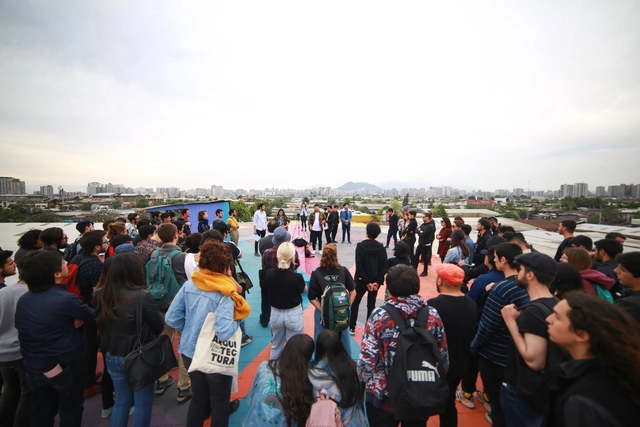
After eight days of intense work in Santiago, architecture students from 12 universities across Chile developed urban activation prototypes to facilitate mobility and public use in various areas of the Franklin neighborhood. The projects were created for the XXI Chilean Biennial of Architecture and Urbanism.

Together with a group of researchers, over the last five years we have been studying working-class housing developments in southern Chile: the coal basin in Lota, Schwager, and Pilpilco; the textile towns of Bellavista and Carlos Mahns in Tomé; and the working-class settlements in Valdivia and Magallanes.
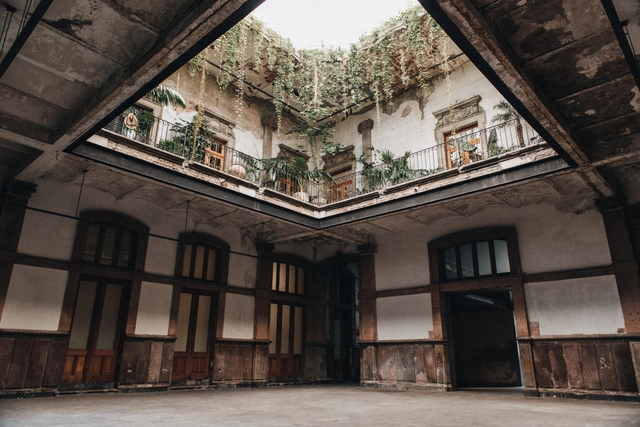
In 1900, Dr. José Ignacio Capetillo and his wife, María de la Luz Servín, purchased the land located at General Prim 32 from Archbishop Eulogio Gregorio Gillow. On this site, the Capetillo-Servín family began construction on an apartment building commissioned to architect Manuel Gorozpe, who designed it in the eclectic style characteristic of the period and completed construction in 1906.
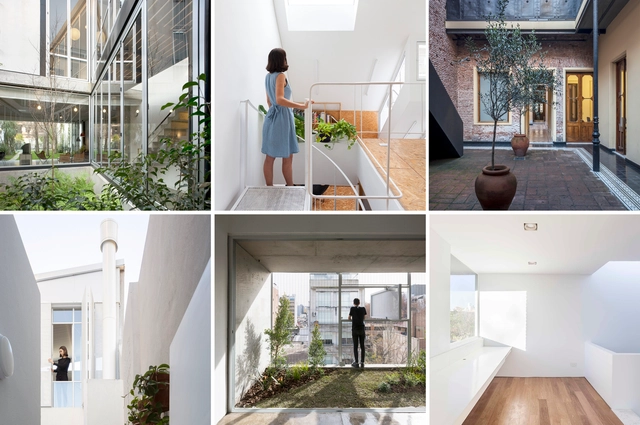
Have you ever been curious to see inside someone else's home? With this tagline, Open House Buenos Aires has announced the details of its seventh edition, an invitation and a unique opportunity to rediscover both the architecture of Buenos Aires and its stories and residents. Like every year, this festival offers free admission to numerous architecturally significant buildings that are normally closed to the public. Over the weekend of November 9 and 10, more than 140 buildings will open their doors, making the festival one of the year's most important cultural events.
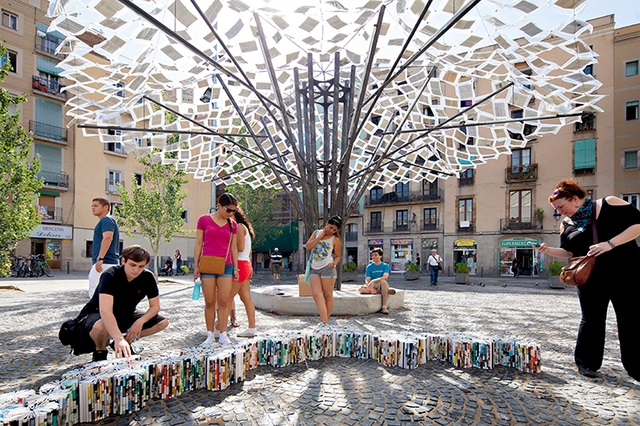
The concept of the margin implies the existence of a center. Consequently, anything that is not part of this central focus is deemed external or peripheral. This division between center and margin, or center and periphery, extends beyond the architectural sphere into political, social, and regional realms. Therefore, when we speak of practices on the margins of architecture, we are also discussing multidisciplinary approaches—efforts focused more on understanding the context of the work and less on merely answering pre-established questions. In cultures or contexts shaped by historical discontinuities and interruptions, there is a distinct effort to define identity through self-knowledge and discovery, ultimately designing projects to address specific needs. As a result, research, the dissemination of knowledge, and alternative methods of architectural production become essential steps in this process.
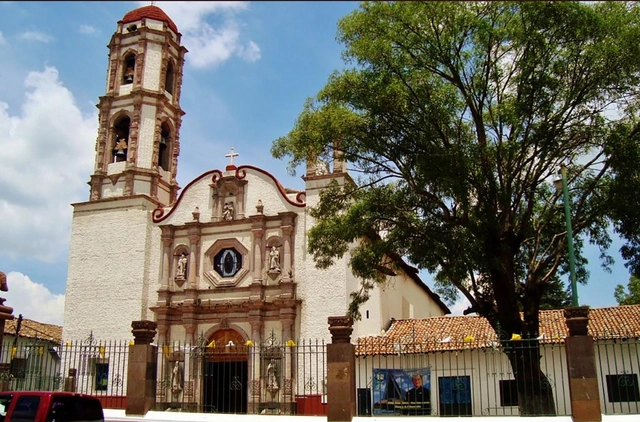
The Latin American Coordinator of Architecture Students (CLEA Latinoamérica) has confirmed on social media that the 2020 edition of the Latin American Social Workshop (TSL) will be held in San Felipe del Progreso, Mexico.
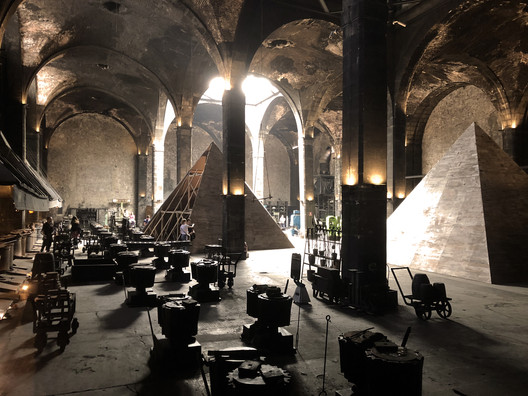
As part of the exhibitions featured in the 2019 Abierto Mexicano de Diseño, the firm Dellekamp / Schleich presented the installation Dicotomías del Poder at the Museo Numismático Nacional in Mexico City. The exhibition runs from October 9 to November 17, Tuesday through Sunday, from 10:00 AM to 4:00 PM.
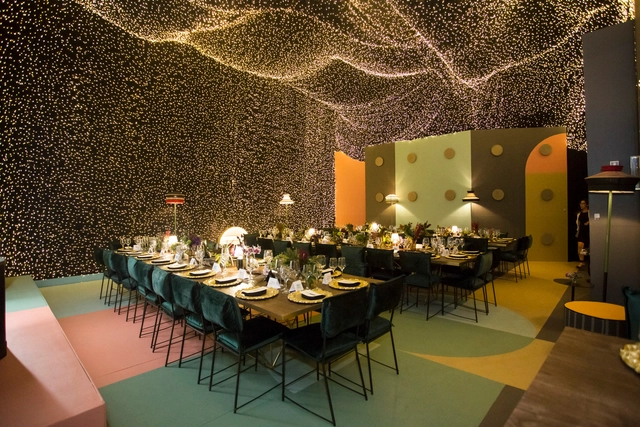
As part of Design Week Mexico 2019, Diez Company opened Maison Diez Company to the public. Led by Rodrigo Fernández, this dedicated design and lighting project brings together various elements to create an environment centered on illumination. This unique project in Mexico returns with a renewed concept, showcasing new proposals in a house in the Juárez neighborhood, aimed at those who enjoy architecture, design, hospitality, and construction.
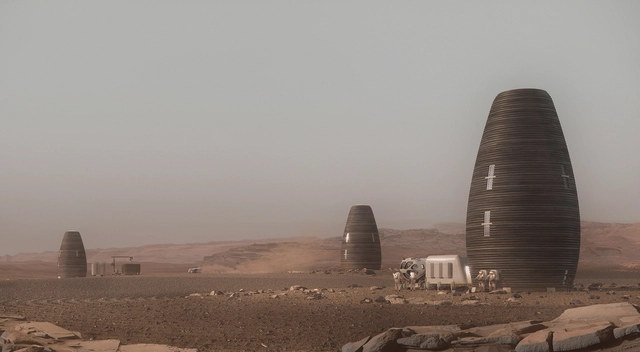
Open House Madrid has announced the winners of the 2019 City Awards, a new accolade highlighting the most innovative, socially engaged, and committed proposals shaping the future of cities. According to its founders, "these awards recognize both innovation and design as essential factors in improving citizens' quality of life, aiming to foster a culture of design and innovation in Spain."
_07.jpg?1577130518&format=webp&width=640&height=580)
Antonio Lamela's Torres Colón is "an unprotected Madrid icon set to change completely." The twin buildings by the Spanish architect—who also designed the renovation of the Santiago Bernabéu stadium and Terminal 4 of the Madrid-Barajas Airport alongside Richard Rogers—will undergo a renovation that adds four new floors and a new facade by 2022.

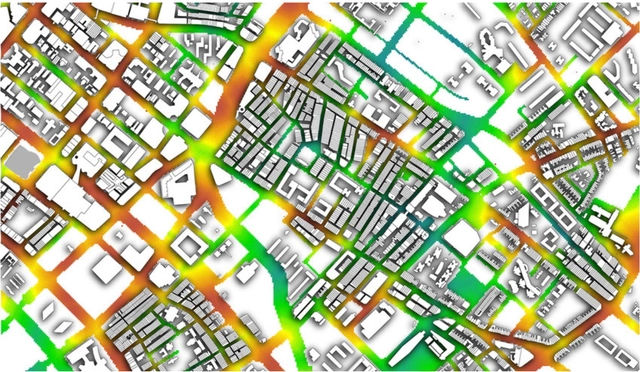
In 2018, Chilean researchers Teodoro Dannemann, Boris Sotomayor-Gómez, and Horacio Samaniego published the results of a study in Royal Society Open Science that, by anonymously tracking the "footprint" of 350,000 mobile phones during working hours, visualized urban segregation in Santiago.
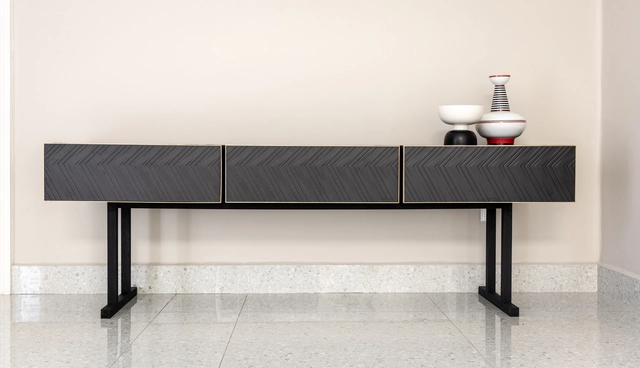
On August 8, as part of Expo Arte-Objeto—an exhibition commemorating the 60th anniversary of Llano de la Torre— Firenze invited architect Ricardo Casas to reinterpret the use of porcelain tiles with playful, exclusive designs.
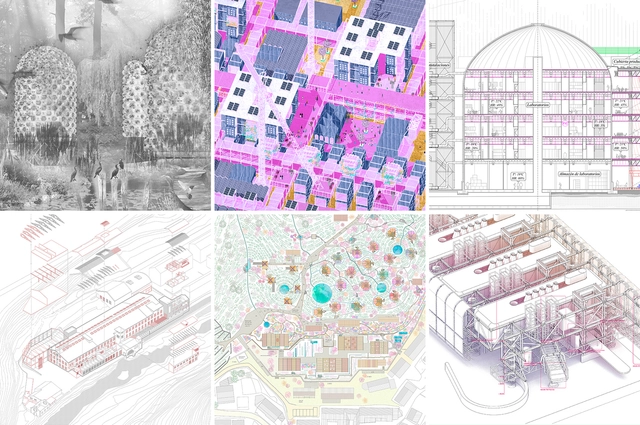
To showcase the valuable output of Spanish universities, we launched an open call in September, inviting our readers to submit their thesis projects. Following a comprehensive evaluation of nearly 50 proposals, we selected 6 projects that not only offer innovative responses and deep research into complex, contemporary issues but also challenge and question the future of architecture.
_8575.jpg?1568928556&format=webp&width=640&height=580)
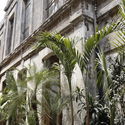
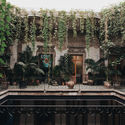
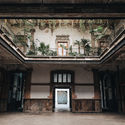
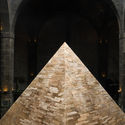
As part of the 2019 Chicago Architecture Biennial, the Graham Foundation hosted Tatiana Bilbao's exhibition, "Unraveling Modern Living," featuring an immersive installation that transforms a former domestic space to explore new forms of collectivity. Through this intervention, Bilbao reconfigures the existing architecture to create a garden, a space for knowledge, a space for dialogue, and a space for gathering, in collaboration with the Sweet Water Foundation, Colectivo 1050°, MAS Context, and Lurie Garden, among others.
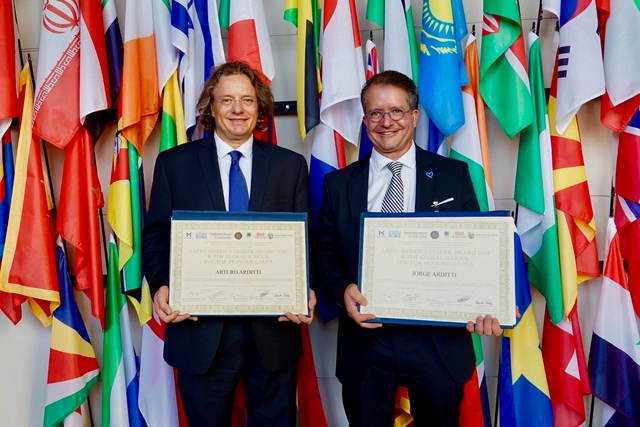
On Wednesday, December 4, Mexican architects Arturo and Jorge Arditti received the Honorary Doctorate Latin America Leaders Awards 2019 at the United Nations headquarters in Vienna. The distinction was awarded by The Global School for Social Leaders in collaboration with 1MillionStartups, The Ban Ki-moon Centre for Global Citizens, the Humanist World Foundation, and the Analysis and Opinion Research Group (GIAO).
.jpg?1573499805&format=webp&width=640&height=580)
On the occasion of the recent XXI Chilean Biennial of Architecture and Urbanism, the curatorial team consisting of Beatriz Coeffé, Juan Pablo Urrutia, Vesna Obilinovic, Tomás Villalón, and Joaquín González spoke with Chilean architect Enrique Walker. An academic and former director of the Master of Science in Advanced Architectural Design program at Columbia GSAPP from 2008 to 2018, Walker has explored throughout his career an interest in the everyday in architecture.
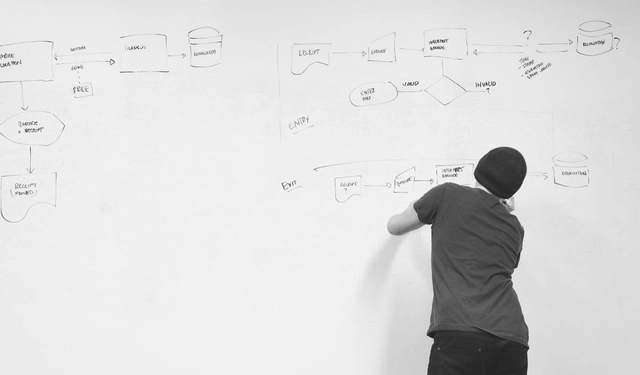
What little we know about the architectural profession is broken. It is no longer applicable to the second millennium, as evidenced by the unsustainable reality facing the vast majority. The experiences of previous generations were unique, tied to a specific historical moment. Today, we must learn to read our own historical moment and reprogram our vision to find the paths forward that currently remain hidden.










_8568.jpg?1568928579)
_8548.jpg?1568928532)
_8569.jpg?1568928567)
_8576.jpg?1568928544)
_8575.jpg?1568928556)