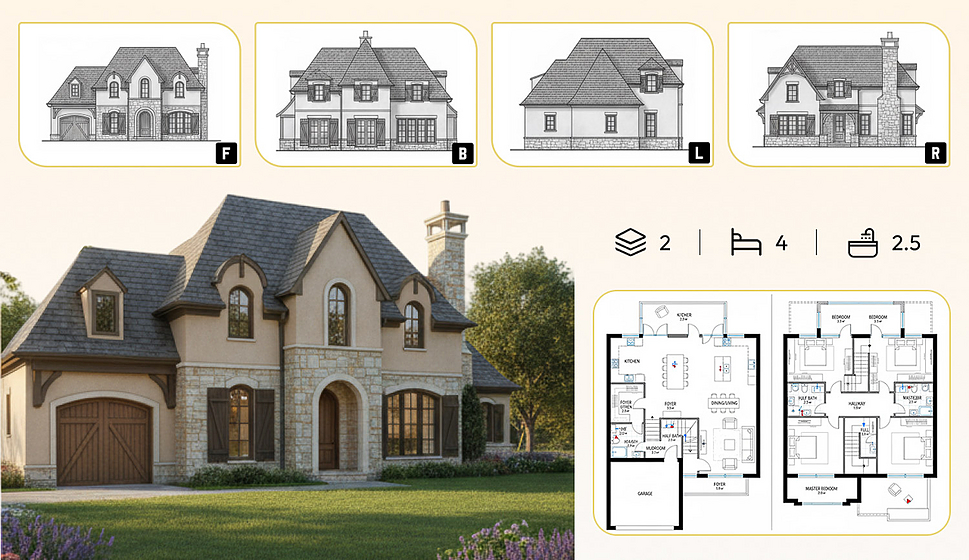
This guide covers a workflow that moves from project parameters to generated floor plans, 3D perspective views, exterior design exploration, and site context visualization, using AI tools in place of preliminary CAD and rendering work.
This guide covers a workflow that moves from project parameters to generated floor plans, 3D perspective views, exterior design exploration, and site context visualization, using AI tools in place of preliminary CAD and rendering work.

They are architects, but they do not believe architecture alone can fully address the complexity of urban life. Rahul Mehrotra, from India, and Zulu Araújo, from Brazil, came together for the debate on Migrations and Diasporas, part of the June programming for the 27th World Congress of Architects. They shared their experiences and both argued that architecture, in dialogue with other fields of knowledge, must encompass movements of a social and cultural nature. The debate was moderated by engineer Daniella Abreu, Executive Secretary of International Affairs for the State of Santa Catarina.

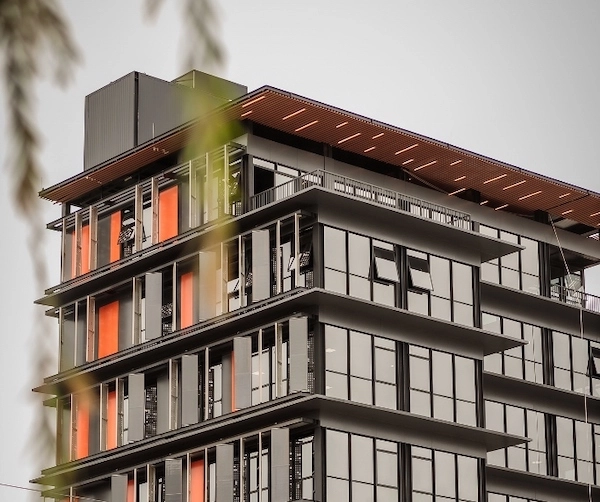
The Level Building, an eight-story corporate building constructed in downtown Tubarão, Santa Catarina, took just 100 days to complete, with 20 of those days dedicated exclusively to on-site assembly. This was made possible by using off-site construction methods, meaning it was fabricated in a factory. Due to its scale and rapid timeline, the off-site building is being hailed as a milestone in Brazilian construction. “It is the largest volumetric off-site building in Latin America,” says Ricardo Mateus, CEO and founder of the construction tech company Brasil ao Cubo, the firm behind the project.
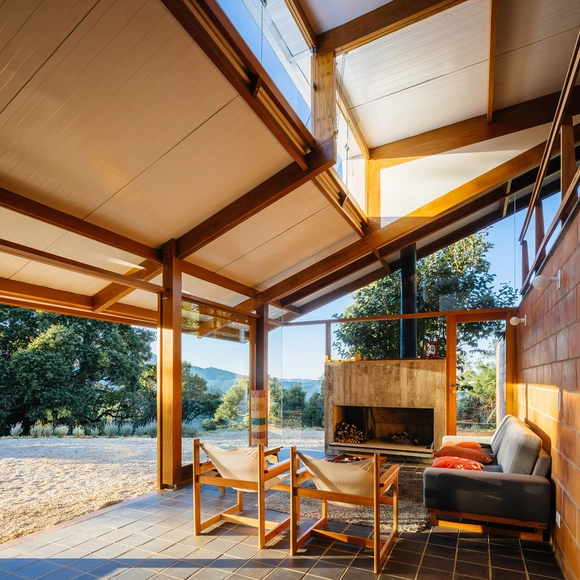
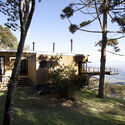
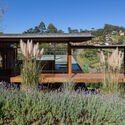
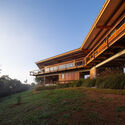
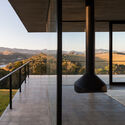
Spanning over 500 kilometers across the states of Rio de Janeiro, São Paulo, and Minas Gerais, the Serra da Mantiqueira has become in recent years one of the favorite destinations for travelers seeking mild climates and a countryside atmosphere. Towns like Gonçalves, Monte Verde, Campos do Jordão, Santo Antônio dos Pinhais, and Camanducaia are just a few of the municipalities in the Mantiqueira region that have attracted a growing number of visitors seeking a closer connection with nature.
The mountain range has altitudes varying between 1,000 and 3,000 meters, resulting in low temperatures for its latitude. Additionally, mist and occasional frost lend the landscape a bucolic character quite distinct from other nearby, lower-elevation areas—an effect that becomes even more pronounced in the winter.
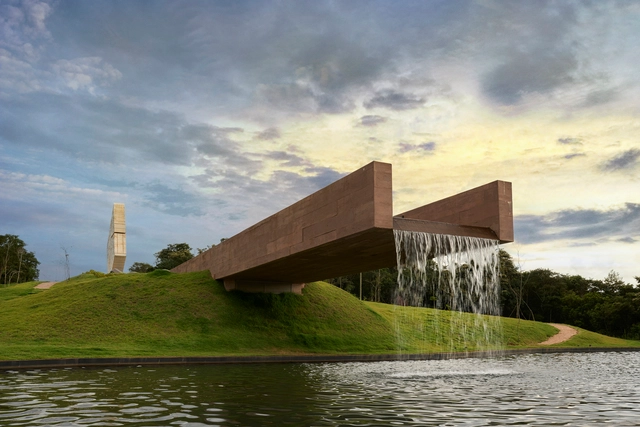
On January 25, 2025, six years after the collapse of the Córrego do Feijão mine dam in Minas Gerais, the Brumadinho Memorial was inaugurated. Designed by the firm Gustavo Penna Arquiteto & Associados (GPA&A) and built on the very site of the tragedy, the memorial was developed in collaboration with the victims' families to preserve memories, offer a space for mourning, and encourage reflection on the disaster.
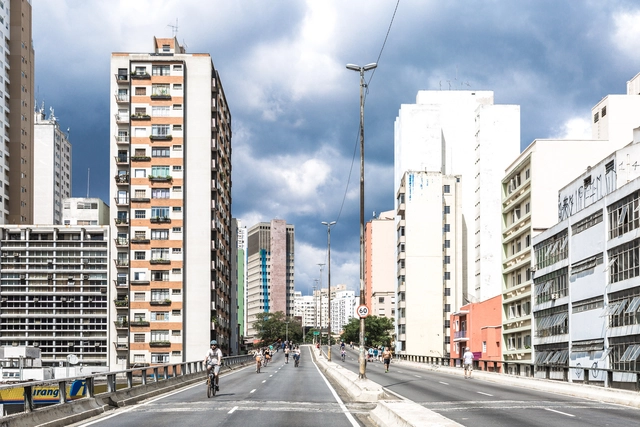
Are Brazilian cities ready to adapt to climate change? Driven by this question, scientists at the University of São Paulo (USP) have developed an index to measure the adaptive capacity of urban centers to the impacts of climate change. The index, called the Urban Adaptation Index (UAI), is described in an article published in the May issue of the scientific journal "Climatic Change".
Developed by researchers from the CiAdapta project, which studies the interactions between climate transitions, cities, and decision-making processes, the UAI aims to evaluate the presence or absence of legal and regulatory frameworks supporting urban interventions related to climate adaptation.
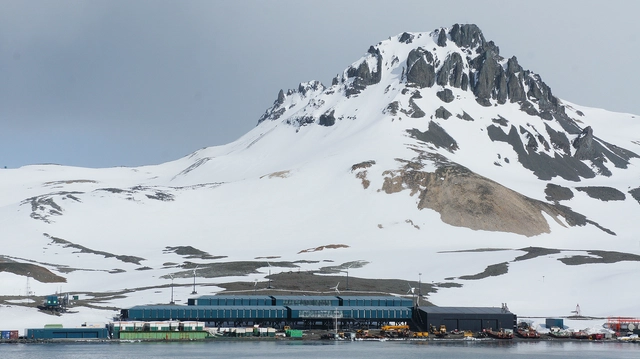
Registration for the 8th Instituto Tomie Ohtake AkzoNobel Architecture Prize has been extended until September 9. Submissions can be made online and free of charge on the award website.
The initiative—aimed at Brazilian or foreign architects who have lived in Brazil for at least two years and present projects built over the last ten years—continues to map contemporary architectural production, highlighting significant projects in the current Brazilian landscape. Commitment to the site and sustainability, as well as design and constructive inventiveness, are key aspects of the evaluation process.
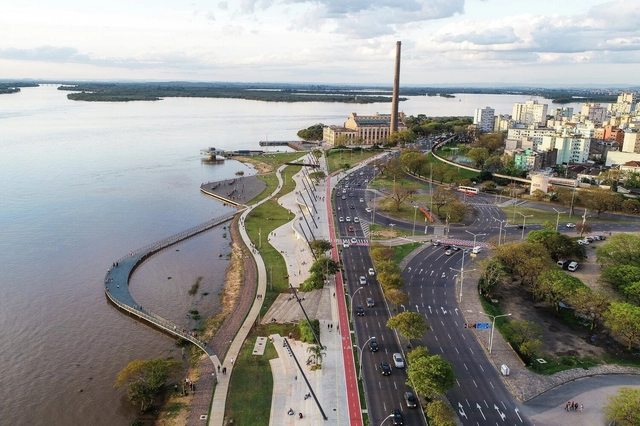
The Institute for Advanced Architecture of Catalonia (IAAC) has launched a scholarship for Brazilian students up to 28 years old. Created in partnership with the Brazilian consulting firm Quanta Consultoria and the IAAC Redes Platform, the Jaime Lerner Scholarship honors the influential urban planner who passed away in May of this year, and covers all tuition costs for the Online Master in Cities (MOeC): Proximity Urbanism, for the 2021-22 academic year.

Following a one-year hiatus imposed by the coronavirus pandemic, Open House Porto (OHP) returns in an adapted format that aims to celebrate the relationship between citizens and public space. On July 3 and 4, the public will be able to visit and explore 16 spaces in Matosinhos, Porto, Vila Nova de Gaia, and, for the first time, Maia, which is making its debut in the event.
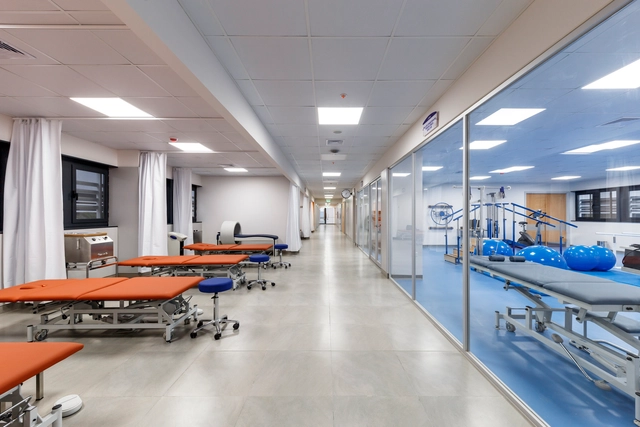
On July 2, Brazil celebrated Hospital Day. The date commemorates the founding of the Santa Casa de Misericórdia de Santos Hospital, in the state of São Paulo, in 1945—considered one of the largest in the country—and today serves as a way to honor healthcare professionals, from doctors and nurses to social workers, technicians, and administrative staff.
Naturally, in the current context, this date takes on an even deeper layer of meaning, becoming also an opportunity to celebrate the immeasurable efforts of healthcare professionals who fight daily to ensure the survival of hundreds of thousands of people infected by the coronavirus. To mark the occasion beyond national borders, we have gathered ten Latin American hospital projects here.
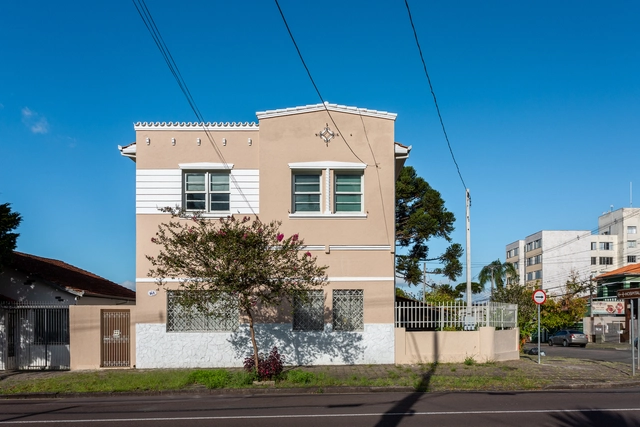
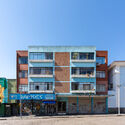
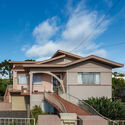
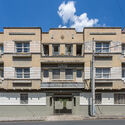
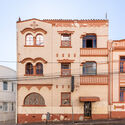
Most of the urban landscapes that shape our lives are made up of modest houses—those built in the 20th century by immigrants, artisans, and anonymous builders. However, this vernacular architecture, full of warmth, good design, and rich details, is not studied as frequently as it should be. But this is beginning to change. At least in Curitiba.
Architects Fábio Domingos Batista and Paula Domingos Fraiz Morais spent months studying the residential architecture of the Paraná state capital. Now, they are launching a two-book box set, *Inventário de Arquitetura Residencial Curitibana* [Inventory of Curitiba's Residential Architecture], aimed at the general public. The publication features architectural details of approximately 160 houses in Curitiba built between 1920 and 1960.
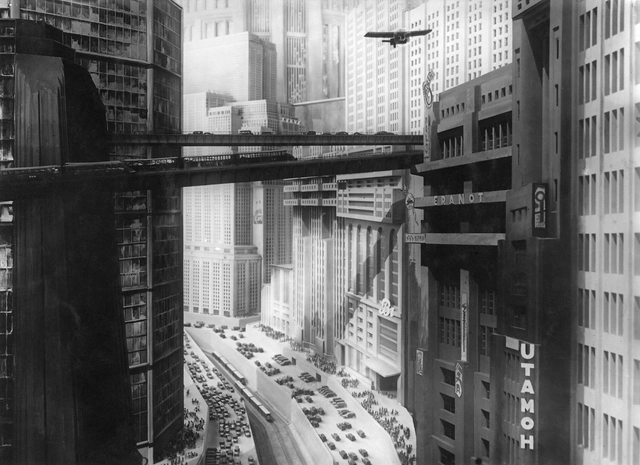
Belas Artes À La Carte is a movie streaming service designed for film lovers. Its catalog of around 400 titles includes films from all corners of the world and all eras: contemporary works, classics, cult films, works by great directors, award winners, and, above all, those that deserve to be revisited and touch the hearts of cinephiles.
Another highlight is the curated film showcases. Recently, À La Carte featured specials dedicated to French, Italian, Korean, Spanish, and Swiss cinema. Recognizing the close and prolific relationship between architecture and cinema, ArchDaily and Belas Artes À La Carte have partnered to offer readers one month of free access to the platform's film catalog!
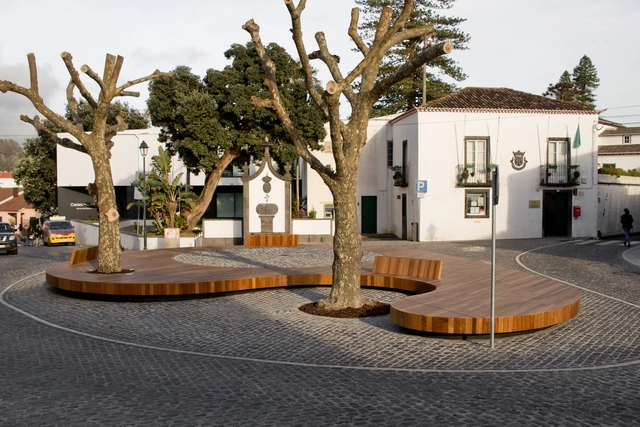
Squares are open spaces within the urban fabric, defined by buildings or streets, that facilitate a variety of gatherings and social and cultural activities. Whether intentionally planned or remnants of the urban layout, squares are fundamental to the life and culture of the community, and they proved even more vital following the COVID-19 pandemic. Here, we present nine small-scale squares that demonstrate the diverse uses and functions these spaces can assume in contemporary cities.

The relationship between architecture and cinema is a recurring theme on Arquicast. These are two distinct art forms with different purposes, yet they complement and influence one another through shared attributes—such as tapping into collective memory, valuing the image as a visual language, and evoking emotions and sensations in users and viewers alike. The podcast team is so passionate about discussing cinema that they created a dedicated series on the topic, with a dozen episodes already produced.

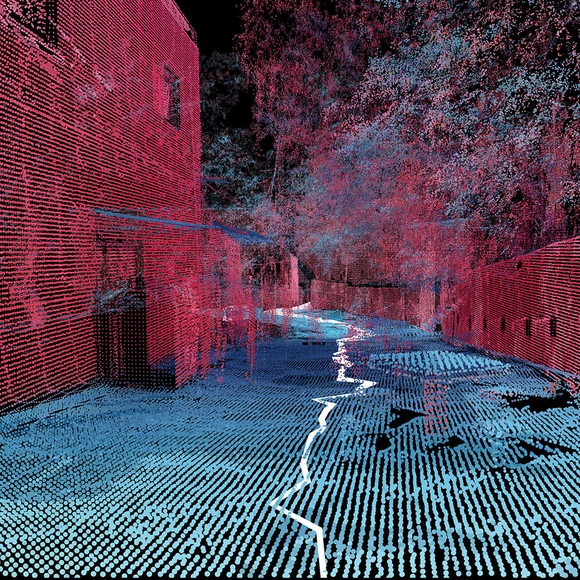
Using 3D laser scanning technology, the Senseable City Lab at the Massachusetts Institute of Technology (MIT), in collaboration with BRTech 3D and Washington Fajardo, Rio de Janeiro's Municipal Secretary of Urban Planning, is conducting a comprehensive morphological analysis of Rocinha, Brazil's largest favela, which has around 100,000 residents across 838,000 square meters and nearly 26,000 homes.

Located 60 km from Belo Horizonte, Caeté is the latest Brazilian city to adopt free public transportation. The initiative took effect on July 1 and will undergo a six-month trial period, with the potential for permanent implementation. Approved by the City Council, the bill allows residents to use the municipality's six bus lines free of charge. Previously, the fare was R$4.
The program is funded through a monthly subsidy of R$90,000 paid to Transcol Caeté, the transit concessionaire operating in the city, which had previously considered suspending services due to financial difficulties.
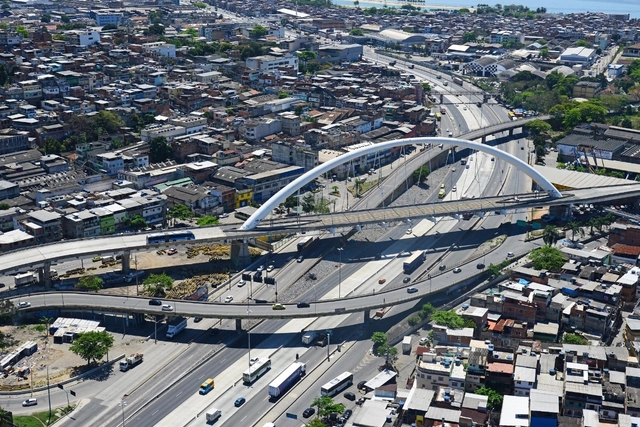
Under construction since 2014 and scheduled for completion in 2022, the TransBrasil BRT has the potential to become one of the highest-capacity BRT corridors in the world. The corridor could redefine the land use and occupation of Avenida Brasil, one of Rio de Janeiro's main thoroughfares, which last year led the ranking of traffic collisions involving casualties. The avenue cuts through and divides several predominantly low-income neighborhoods, segregating them and hindering access between both sides of the roadway. Completing the TransBrasil corridor is an opportunity for the urban restructuring of these neighborhoods and the improvement of public spaces for residents, workers, and visitors in the region.

Economic crises, health emergencies, and natural disasters, followed by social conflicts, political instability, and the search for new places to live, have historically driven the displacement of hundreds of millions of people. Consequently, entire populations have had to adapt to changes in residence, habitat, and culture.
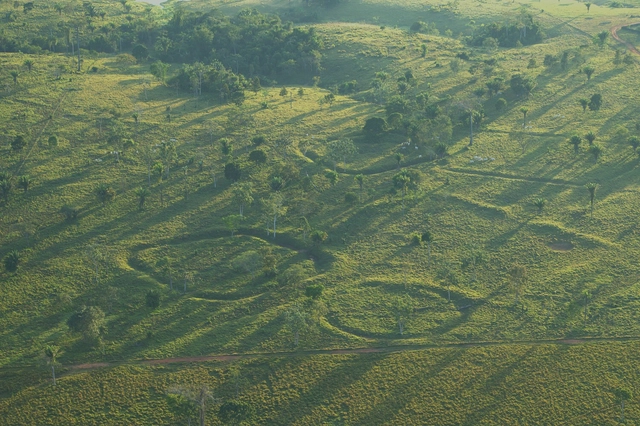
Brazil's participation in the 19th International Architecture Exhibition – La Biennale di Venezia will be marked by the exhibition (RE)INVENÇÃO, curated by architects Luciana Saboia, Matheus Seco, and Eder Alencar of the collective Plano Coletivo. The initiative, organized by the Fundação Bienal de São Paulo in partnership with the Ministries of Culture and Foreign Affairs, invites a reflection on the connections between nature and the city, exploring ancestral infrastructures and their potential reinterpretation in contemporary Brazil.
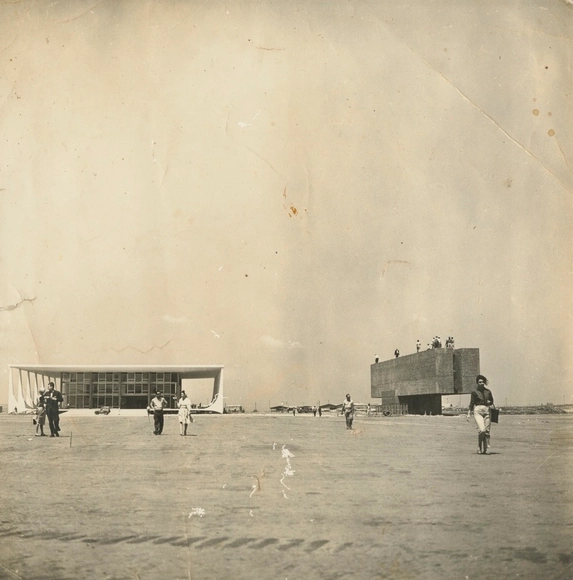
The Federal District of Brasília and Casa da Arquitectura in Portugal have signed an agreement to share the digital archive of Lucio Costa, the urban planner behind Brasília's Pilot Plan. The signing ceremony took place on February 18, 2025, at the Buriti Palace, in the presence of the governor of the Federal District, Ibaneis Rocha, the executive director of Casa da Arquitectura, Nuno Sampaio, and the Portuguese Minister of Culture, Dalila Rodrigues.
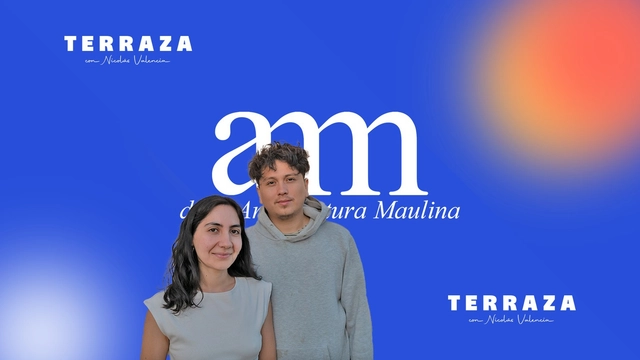
Nicolás Valencia speaks with Chilean architects Matías González Ulloa and Sofía Carrión Bobadilla, creators of Área Verde and leaders of Arquitectura Maulina, a digital platform focused on the architecture, territory, and reflections of Chile's inspiring Maule region.
Nicolás Valencia speaks with Chilean architect Germán Valenzuela about the book Del territorio al detalle (Bifurcaciones), a selection of the most interesting contemporary architects in Latin America, from Al Borde to Rozana Montiel, including Mauricio Rocha, Inés Moisset, and Solano Benítez.
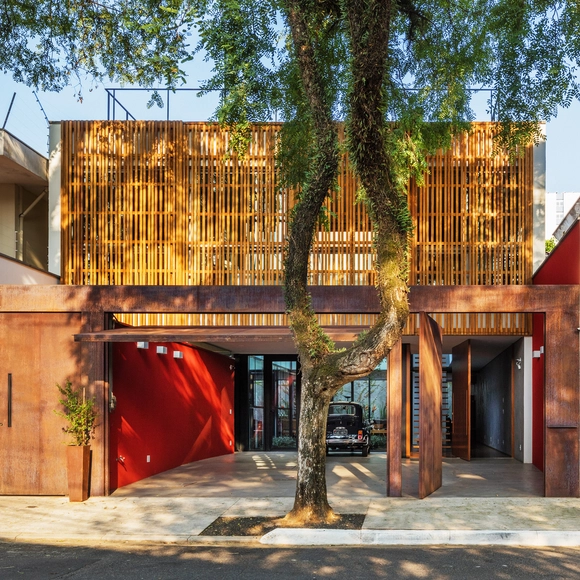
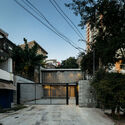
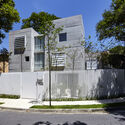
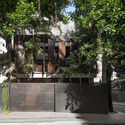
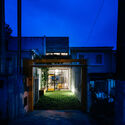
Houses are the most intimate structures we as architects can design. It is no coincidence that intimacy, security, and privacy are recurring concepts in residential architecture. Yet, like all architecture, houses are inevitably embedded in a context—an environment with which they must engage. There are many ways to achieve this, particularly within highly dense urban fabrics, as is the case in many Brazilian cities.
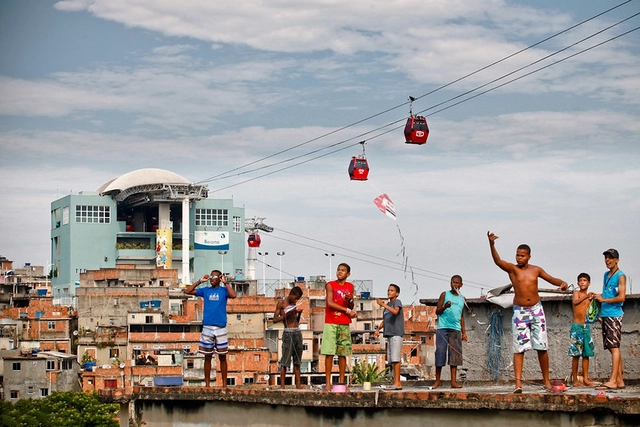
"There is coconut candy and peteca
Let the child play
Today is a day of celebration
The ibejada comes to bless."
— Song for the erês
Streets come alive when they belong to the erês and die when they belong to cars. I dream of a project that I intend to put into practice when time allows: writing a manual of the fabulous rules of hopscotch, carniça, button football, preguinho, capture the flag, ring-around-the-rosy, lenço-atrás, slope soccer, dodgeball, and the variations of marbles. The title is already set: "The Loving Ecology of Street Games."
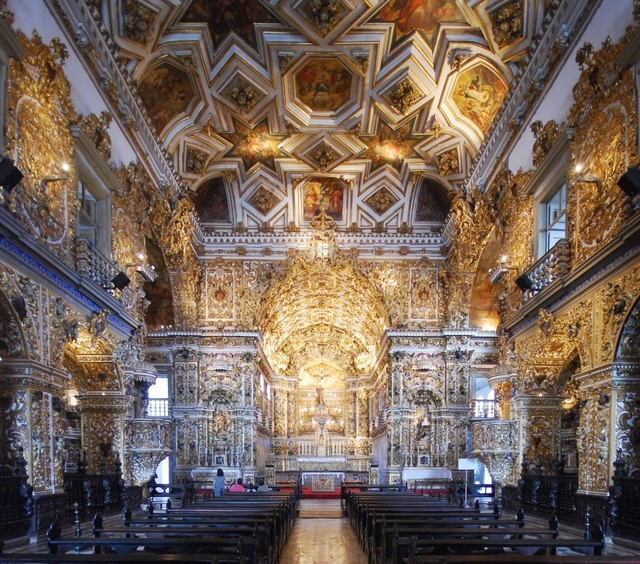
What happened at the conventual Church of Saint Francis of Assis in Salvador is yet another sad chapter in a process afflicting Brazilian cultural heritage, which has intensified in recent years with the fires at the National Museum in Rio de Janeiro, the Cinemateca, and the Museum of the Portuguese Language in São Paulo. Consequently, over the last few days, there has been intense debate regarding who is to "blame" for what occurred in Salvador, or who bore the "responsibility" to prevent this disaster, which also claimed the life of a young tourist: whether the church administrators, IPHAN (the National Institute of Historical and Artistic Heritage), or local cultural and heritage agencies. This is a difficult and indeed important issue to discuss, demanding careful investigation into the causes of the incident. Yet the debate must be broader, aimed above all at considering how we can prevent such events from happening: greater investment, greater appreciation of artistic and architectural heritage, stricter and more effective safety protocols, preventive conservation, and heritage education. In the days following the incident in Salvador, numerous colonial-period buildings were closed across the country under the claim that they, too, might collapse. Our heritage demands attention—in many cases, urgently.