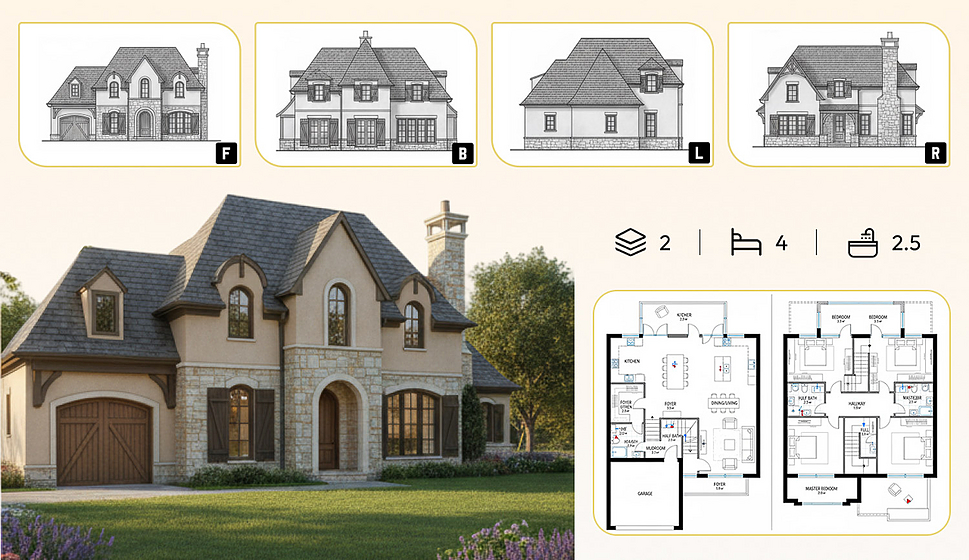
This guide covers a workflow that moves from project parameters to generated floor plans, 3D perspective views, exterior design exploration, and site context visualization, using AI tools in place of preliminary CAD and rendering work.
This guide covers a workflow that moves from project parameters to generated floor plans, 3D perspective views, exterior design exploration, and site context visualization, using AI tools in place of preliminary CAD and rendering work.
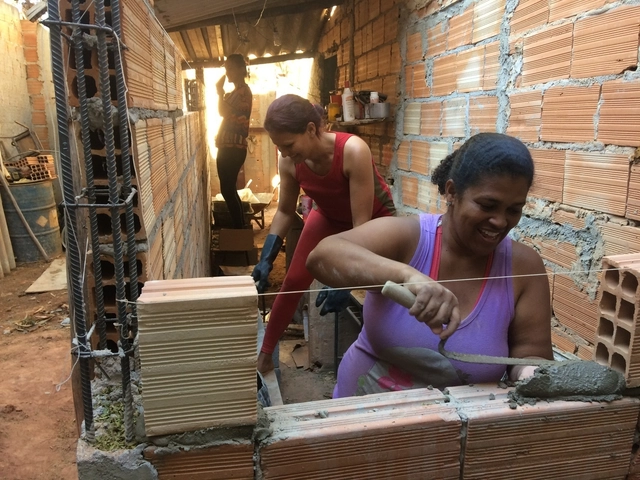
November 19 marks Women's Entrepreneurship Day, prompting a reflection on the challenges of entrepreneurship as a woman.
In 2019, the Brazilian Institute of Quality and Productivity released its most recent report on Entrepreneurship in Brazil, based on the Global Entrepreneurship Monitor (GEM), a worldwide research program that assesses entrepreneurship levels across countries. In this report, which predates the COVID-19 pandemic, 88.4% of respondents stated that one of their primary motivations for starting a new business was 'to make a living because jobs are scarce.' In Brazil, micro-enterprises have gained significant ground as alternative employment, driven both by rising unemployment rates and the deregulation of labor laws and subsequent increase in 'outsourcing.'
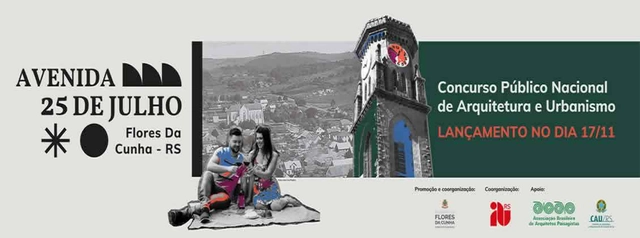
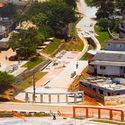
The Municipality of Flores da Cunha (RS), in partnership with the Institute of Architects of Brazil – Rio Grande do Sul Department (IAB RS) and supported by the Council for Architecture and Urbanism of RS (CAU/RS) and the Brazilian Association of Landscape Architects (ABAP), has launched the National Public Competition for Architecture and Urban Design to revitalize Avenida 25 de Julho – one of the city's most important thoroughfares. The competition guidelines are available on the website and the Instagram profiles of IAB RS and the municipal government.
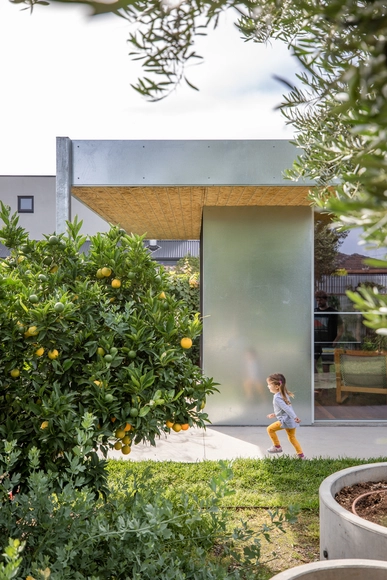
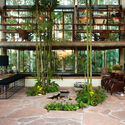
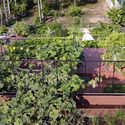
While closely related, landscaping and gardening are distinct practices that engage with natural, living elements within the built environment. Read on to explore how each of these fields operates.

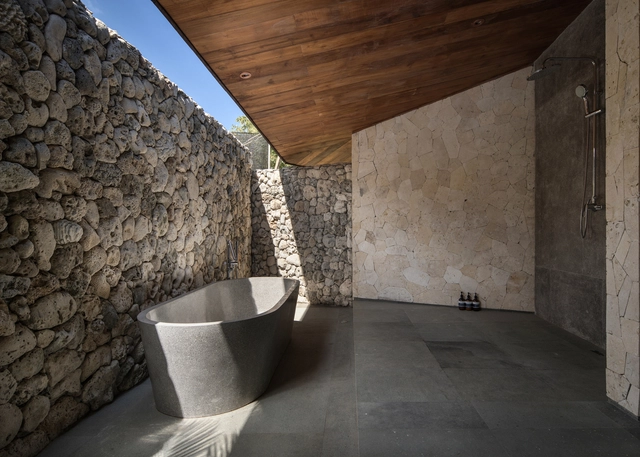
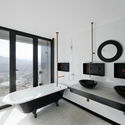
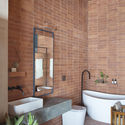
To reach the designs we know today, bathtubs have taken on countless forms. From Greek public baths and Zen Japanese ofuros to 18th-century cast-iron tubs and sophisticated modern whirlpool systems, these fixtures have been shaped and reinvented over the centuries, securing their place in history. Yet, regardless of culture or era, they have always been associated with spaces of physical and mental purification, allowing for moments of relaxation and introspection.
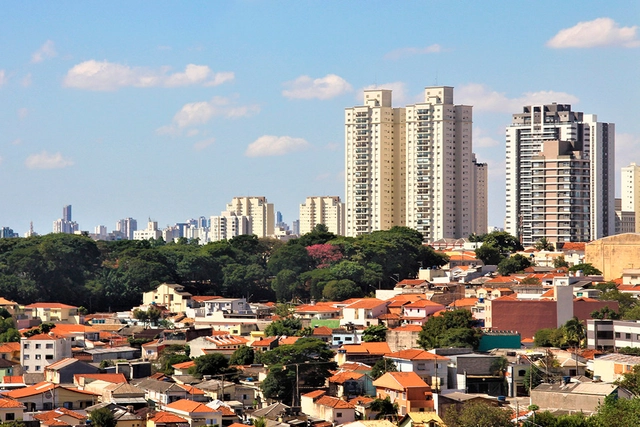
Verticalization and population density are poorly understood aspects of our cities. Contrary to popular belief, a more vertical city is not necessarily a denser one. In Brazil, favelas and semi-formal housing make up some of the densest urban areas. These consist of small dwellings built close together, often home to multiple families. Conversely, there are neighborhoods with many high-rises and few people. These buildings may be commercial, with no residents, or they may contain large apartments, small families, and expansive open space around them. Few realize that Cidade Ademar, a low-rise residential district in southern São Paulo, is twice as dense as the high-rise jungle of Itaim Bibi.
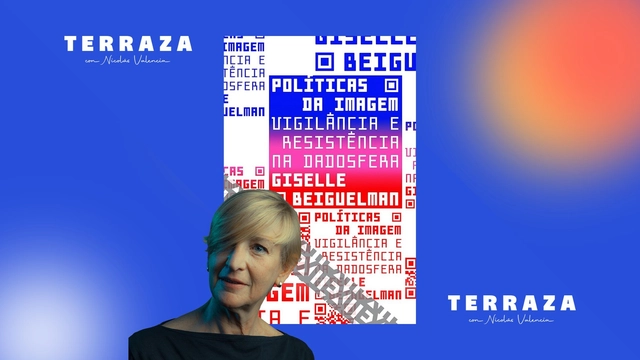
At the FIESP Cultural Center in São Paulo, Nicolás Valencia sits down with Brazilian artist Giselle Beiguelman to discuss artificial intelligence, data centers, and coup plotters, drawing from her book Políticas da Imagem, her exhibition Venenosas, Nocivas e Suspeitas, and her research project Domingo no Golpe.
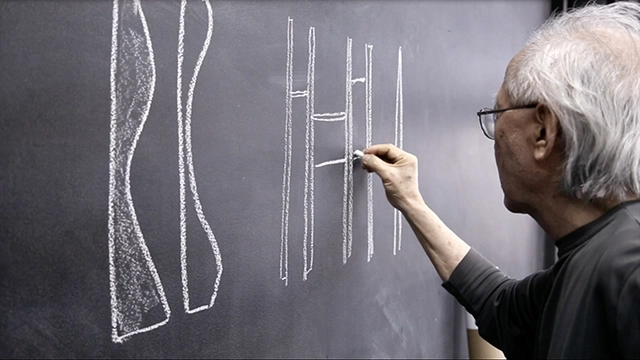
On Saturday morning (27), Ruy Ohtake, son of the Japanese-Brazilian artist Tomie Ohtake, passed away. The São Paulo architect, responsible for several architectural landmarks in the city of São Paulo, had bone marrow cancer, but the official cause of death has not yet been released.
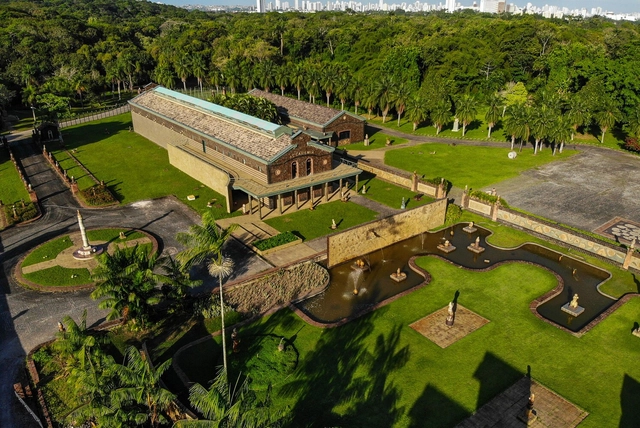
Oficina Brennand, one of Recife's landmarks, was established in 1971 on the ruins of a ceramic factory as a project by artist Francisco Brennand. The monumental 15-square-kilometer complex "became an inspiring source and repository of the Pernambuco artist's history" and is now entering a new institutional phase. It will feature a new master plan proposing interventions in the institute's deactivated spaces, designed by the São Paulo-based firm METRO Arquitetos Associados.
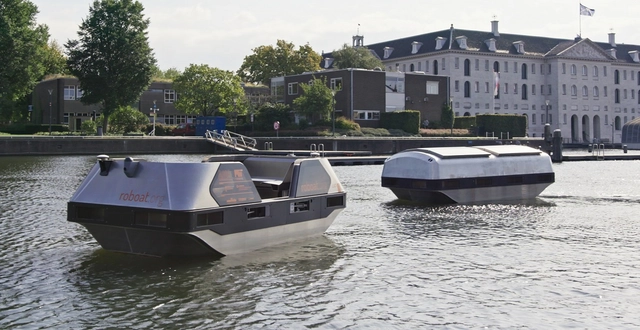
With a canal network spanning over 100 kilometers, Amsterdam has just unveiled a fully electric, autonomous boat. Designed to operate as a water taxi, the vessel can transport up to five people at a time.
Named Roboat, the vehicle can operate uninterrupted for 10 hours without a pilot on board. Charging is done wirelessly, via proximity and without human intervention. Other integrated technologies include sensors and 360-degree cameras powered by artificial intelligence.
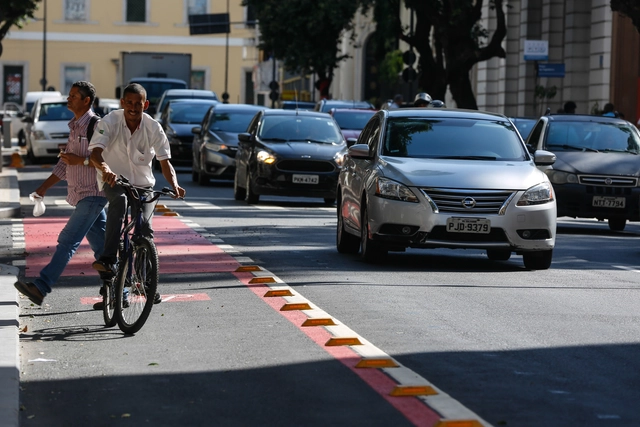
Since the onset of the Covid-19 pandemic, cycling has become an even more popular, resilient, and reliable alternative for daily travel, and temporary (or pop-up) bike lanes are increasingly common in major cities around the world. Between March and July 2020, 394 cities, states, and countries reallocated street space so people could walk and bike with greater ease, efficiency, and safety.

A type of garden roof tile has been developed by a Dutch company. This “two-in-one” product promises to transform any conventional roof into a green oasis, bringing several benefits to residents.
Unlike traditional green roofs, where plants must be installed on top of the structure, these tiles come with the vegetation already “built-in.” Each unit is covered with a mix of sedum and substrate. Best of all, they require very little maintenance.

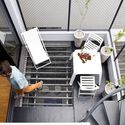
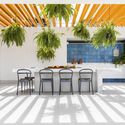
As summer approaches, so does the desire to enhance our homes' outdoor spaces. Whether for sunbathing, enjoying the breeze, or gathering with friends, areas like patios, backyards, and balconies can be highly versatile depending on how they are occupied. With this in mind, we have compiled some essential tips to help you make the most of these spaces.
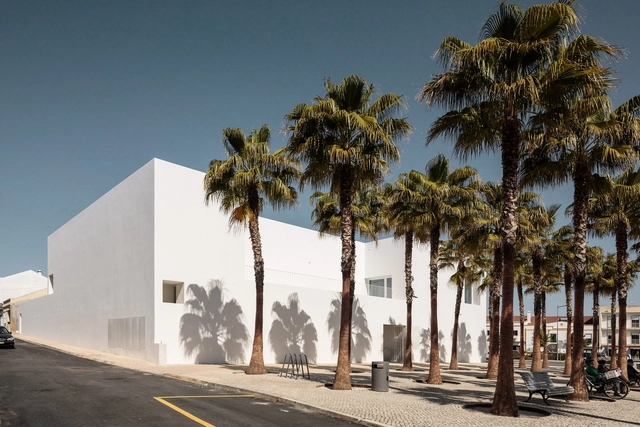
With the aim of getting to know the architects, projects, and stories behind landmark Portuguese architecture, Sara Nunes, from the architectural film production company Building Pictures, launched the podcast No País dos Arquitectos, where she speaks with key figures in contemporary Portuguese architecture.
In this week's episode, Sara speaks with architects Pedro Domingos and Pedro Matos Gameiro about the design of the Grândola Municipal Library and Archives in southern Portugal. Revisit previous interviews from the podcast No País dos Arquitectos and read the transcript of the interview with Domingos and Gameiro below.

The Education and Training Commission (CEF) of CAU/RJ is conducting the survey Impacts of Remote Learning on the Training of Architects and Urban Planners. The goal is to analyze the impact of the COVID-19 pandemic on undergraduate education and professional training during the pandemic and its future ramifications, considering the implementation of remote classes and restrictions on curricular and extracurricular activities in architecture and urban planning schools across the state of Rio de Janeiro.

Before we are drivers or cyclists, we are all pedestrians. Designing safer ways to navigate on foot, while also offering opportunities for leisure and contemplation for passersby, means conceiving a fairer city that offers a better quality of life—one that respects all its citizens and prioritizes their well-being. Accordingly, we have gathered here several parks, crossings, and pedestrian bridges designed exclusively for non-motorized use.

The incredible architectural drawings of Marion Mahony, the first registered female architect in Illinois (United States), were featured in many of Frank Lloyd Wright's projects—though he never credited her for them. Sophia Hayden, the first woman to graduate with an architecture degree from MIT, won the competition to design the Woman's Building, earning at least three times less than her male colleagues. Mayumi Watanabe was part of the first group of professors at UnB. Carmen Portinho, who was instrumental in introducing the concept of social housing to Brazil, fought for women's suffrage. Ruth Glass coined the term "gentrification." Rosa Kliass has more than 300 built projects. Zaha Hadid was the first woman to receive the Pritzker Prize (2004) and the RIBA Royal Gold Medal (2016).

Founded in 2004 by then-architecture students Carlos Maia, Débora Vieira Mendes, and Igor Macedo, Tetro Arquitetura boasts a portfolio that spans projects across much of Brazil, yet maintains a remarkably cohesive approach. In the view of some architectural critics, the formal and conceptual identity defining the firm's work is driven in part by the influence of the Brazilian modernist tradition. But is this actually the case? This and other questions are explored in this casual conversation with the unconventional trio from Minas Gerais.
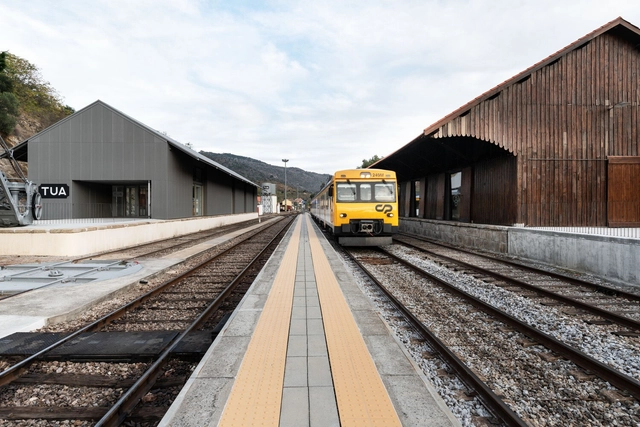
With the goal of getting to know the architects, projects, and stories behind landmark Portuguese architecture, Sara Nunes, from the architectural film production company Building Pictures, launched the podcast No País dos Arquitectos, where she speaks with leading names in contemporary Portuguese architecture.
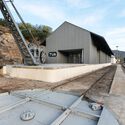
In this week's episode, Sara speaks with architects Susana Rosmaninho and Pedro Azevedo, from the studio Rosmaninho + Azevedo, about their project for the Tua Valley Interpretive Center, located in Carrazeda de Ansiães. Catch up on other interviews from the podcast No País dos Arquitectos and read the transcript of the interview below.
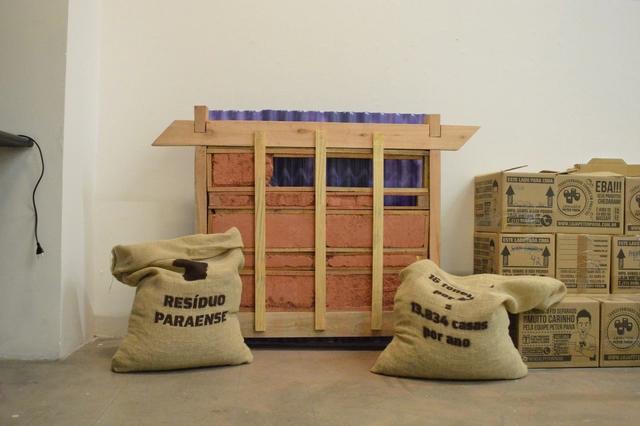
The 4th Tomie Ohtake Institute Leroy Merlin Design Award, dedicated to university students and recent graduates, has announced the three winning projects of this edition. The goal of this fourth cycle, themed around the verb acolher (to welcome/to shelter), is to highlight proposals that explore the relationship between design and other fields, such as communication, architecture, biology, engineering, fashion, technology, economics, physics, education, mathematics, and chemistry. The winners will receive scholarships for design courses abroad.
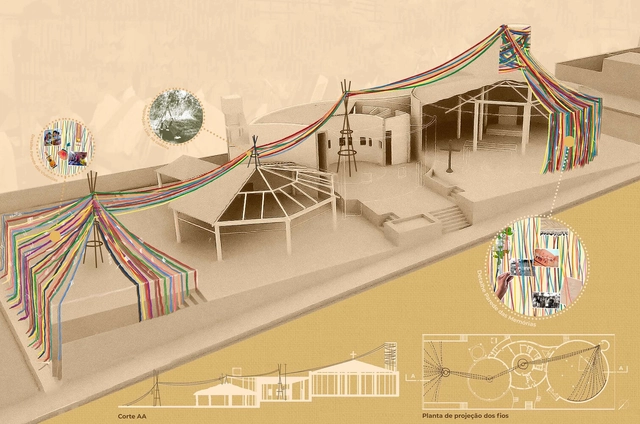
The 6th {CURA} Award has announced the results of its competition for students and young architects. In this edition, participants were invited to propose temporary interventions in works by Lina Bo Bardi. The proposal could be sited in any city in Brazil, provided it was an intervention in a work by the architect.
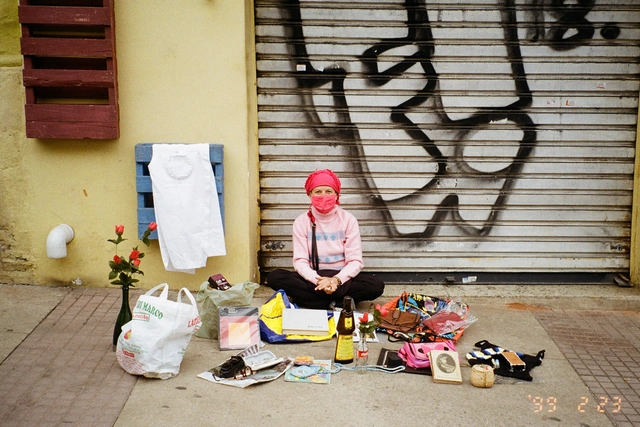
The exercise of observing a space, taking into account its historical, social, and sensory complexities, is an act that should be part of the daily life of those who practice architecture. This act qualifies actions that engage with that spatiality. Consequently, using architecture as a tool to understand the dynamics of the environments we frequent becomes essential.
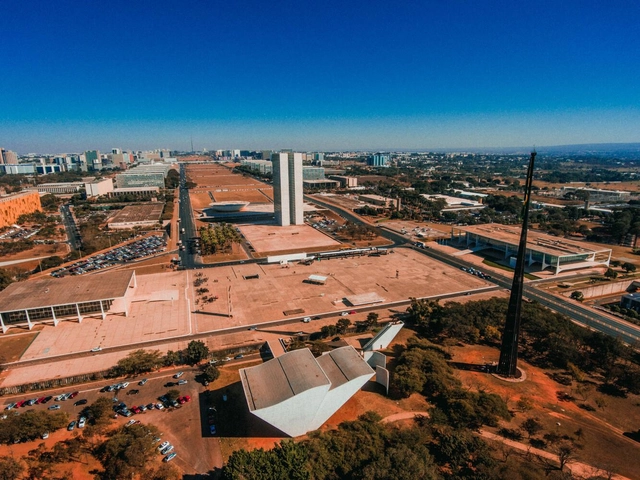
Arquicast invited architect Matheus Seco, a Rio de Janeiro native from Bloco Arquitetos, to discuss Brasília, their home for several years. The topic is particularly compelling: not only is the city's history intrinsically linked to the image of a nation, but it also offers a vast archive of exceptionally high-quality photographs, maps, floor plans, and other iconographic records.

Another year draws to a close, and with it comes another list reviewing the most memorable moments of the last twelve months. This time, we analyze the photos that garnered the highest engagement (likes, comments, shares, and saves) on ArchDaily Brasil's Instagram.

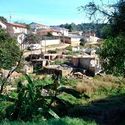
In Brazil, urban problems associated with urban growth and poverty, driven particularly by the informality of land occupation and the precariousness of infrastructure and urban services, have proved to be an insurmountable challenge for public authorities.
Despite past efforts, low-income housing access has largely been achieved through self-built housing and the relaxed enforcement of land subdivision, use, and occupation regulations.