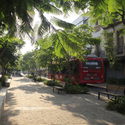
Plazoleta Amo Torres is a project by Echauri Morales in collaboration with Corporación Planen.Located in downtown Guadalajara, Jalisco, Mexico, the intervention comprises a series of urban design gestures aimed at revitalizing the area along Hidalgo Avenue at its intersection with Santa Mónica Street, directly in front of the Corona Market.
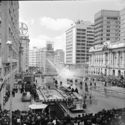
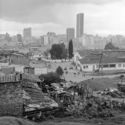
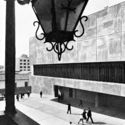
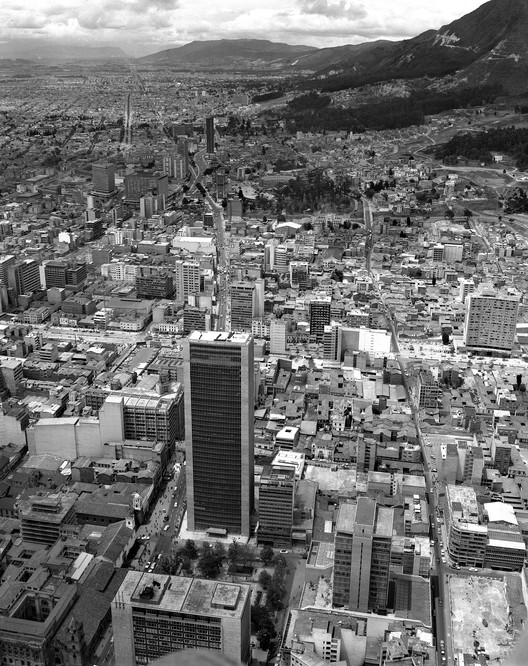
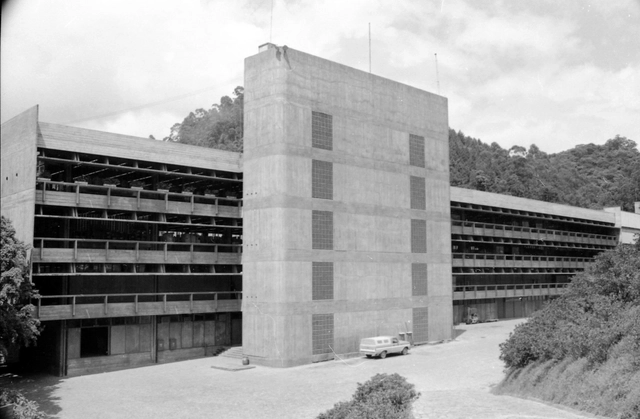
Driven by a shared interest in cities, architecture, and photography, the FORM+ research group at the Universitat Politècnica de Catalunya (UPC) and ArchDaily en Español established an editorial partnership in 2018 to showcase the research of FORM+, following the recent publication and exhibition Bogotá en la mirada de 10 fotógrafosheld in the Colombian capital.
Through this collaboration, our Spanish-speaking readers discovered the work of pioneers of urban and architectural photography, drawing on research by curators María Pía Fontana (UdG), Miguel Mayorga (UPC), and Margarita Roa (USB, Cali), all members of the FORM+ group. "Photography is a form of intellectual and sensory mediation with the world, expanding our perceptual experience and renewing our visual sensitivity: an instrument to learn how to look, a resource for the creative imagination, and a means to recognize space and the built environment," the curators explained.
The deck is finished, the beams and columns have already been painted, and construction is moving forward at a good pace at the Guarda Housing Complex in Perafita, Matosinhos, Portugal, which will very soon see the completion of Uma Casa de Brincar e Não Só… / Not Only a Playhouse, built as part of the second edition of “O Lugar de Partilha.” At the end of the first week on-site, there is still much work to be done for this Self-Construction Laboratory organized by Casa da Arquitectura (CA) – Portuguese Center for Architecture and curated by Roberto Cremascoli, but spirits are high, and by August 10th, everything will be ready for the local community to enjoy.
Cia Hering Matriz - edifício da Nova Costura. Image Cortesia de Acervo Hans Broos
Born in Slovakia in 1921, architect Hans Broos began his career in Brazil in 1953, after graduating in Germany in 1949. His brief European career was marked by the reconstruction of Germany, during which he worked alongside architect Egon Eiermann as his assistant at the Technical University of Karlsruhe. During this period, Broos came into contact with Le Corbusier and his principles of modern architecture. Aligned from the beginning with the architects of the Modern Movement, Broos developed his first works in Blumenau and Florianópolis, in the state of Santa Catarina, far from major Brazilian urban centers. Throughout his professional life, the architect addressed a wide range of programs—from residential and industrial to religious, commercial, and social projects—over a career spanning more than 50 years and nearly 400 projects. Of these, approximately 100 were built in various states, including Santa Catarina, São Paulo, Pernambuco, and Goiás. The architect passed away in 2011.
At the end of last November, we published the winners of the second call for graduation thesis projects in Colombia, which received 70 proposals from 14 cities and 29 universities. Ultimately, nine projects cleared all three evaluation stages, standing out for addressing pressing issues, presenting rigorous research, and proposing challenges for both urban and rural contexts, much like in 2016.
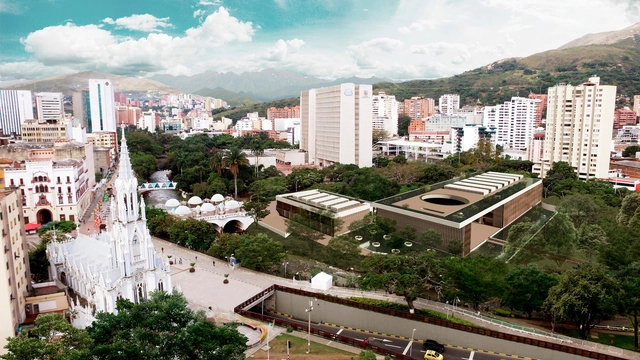
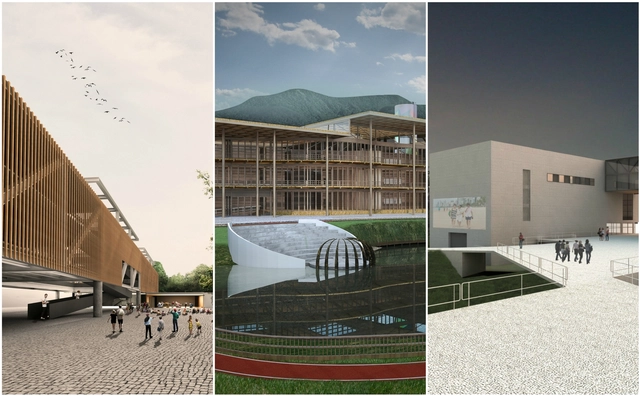
Here, we take an in-depth look at the Paseo Bolívar Cultural Integration Center, a proposal developed by Ángela Puerta Gaviria and Carolina Delgado Quintero, both graduates of the Universidad del Valle in Cali.
National Archives of Brazil Via Flickr (Public Domain)
Brasília needs no defense. Its reality asserts itself above any discourse. As Paulo Leminski wrote in his Catatau: Brasília – the joy of maps.
In these dark times for our country, criticism has resurfaced regarding the untimeliness, or mistake, of transferring the capital from Rio de Janeiro to the cerrado of the central plateau. It is a conformist argument with avant-garde pretensions, attempting to draw a parallel between the dismantling of Rio de Janeiro and the relocation of the capital.
The dust of memory makes us forget the conflicts and revolts surrounding the relocation of the capital from Bahia to Rio, which was also considered a mistake at the time. Along with the move to the new and beautiful setting of Guanabara Bay came the slave-based system and the naturalization of violence implicit in its organization. A parallel can indeed be drawn between Rio-Brasília and Bahia-Rio. Neither architecture nor a new geographical setting inherently changes the way a society organizes or governs itself.
Seu Acervo, a platform for architecture final graduation projects, has released the results of the "Most Popular Project of 2017" open call, launched last November. The goal of the call is to expand the reach of the material available on the platform and encourage recent graduates to engage with digital publishing media.
The winners of this first edition of the award are Rogério Oliveira da Costa, from the Centro Universitário Belas Artes de São Paulo; Nayara de Paula, from the Universidade Anhembi Morumbi; and Hugo Rossini, from the Universidade Presbiteriana Mackenzie. See the winning projects below.
Plano trata da questão global da habitação na cidade, não se focando apenas na questão social. Foto: David Holt/Flickr-CC. Image Cortesia de TheCityFix Brasil
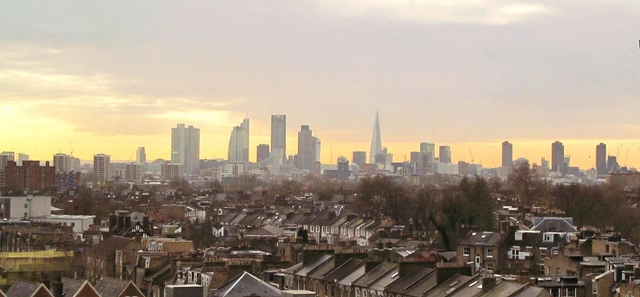
The plan's foundation is sustainable development (encompassing social, environmental, and economic advancement), followed by: principles of equal opportunity for Londoners; the reduction of income inequality; assessing climate change impacts; encouraging the use of the River Thames for passenger and freight transport; and identifying the resources available to implement the plan.
https://www.archdaily.com/1114275/how-london-proposes-an-inclusive-city-of-opportunity-for-allLuiz Fernando Hagemann
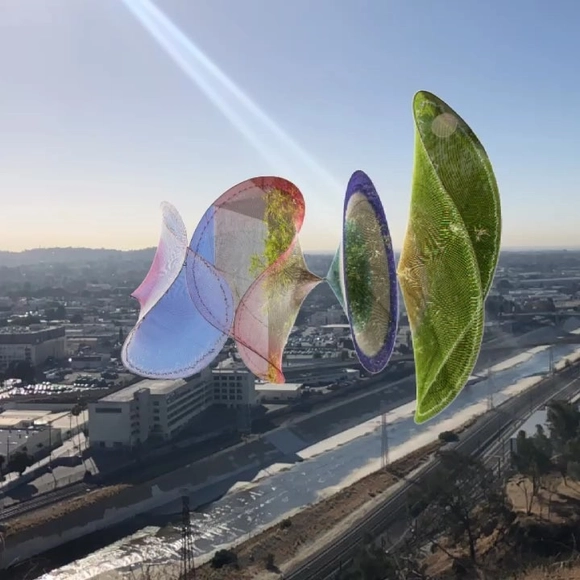
Colombian artists Carolina Caycedo and Gala Porras-Kim arrive in the United States with two augmented reality art installations. These projects seek to convey social, economic, and environmental issues through augmented reality.
These installations are part of the project “Defining line,” which leverages the reach of technology through a free mobile application, democratizing access and virtually bringing people closer to works of art.
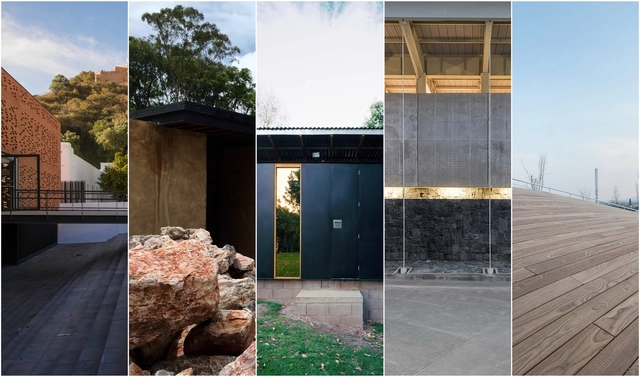
The 21 projects that make up the Official Selection of the Mexican Pavilion at the 16th International Architecture Exhibition of the Venice Biennale converge in latitudes, geographical regions, and echoes of the territory, drawing from the curatorial theme "Freespace." In four installments, we will share the works and insights of each of the participants representing Mexico in Venice. Read on to discover the third part of these projects.
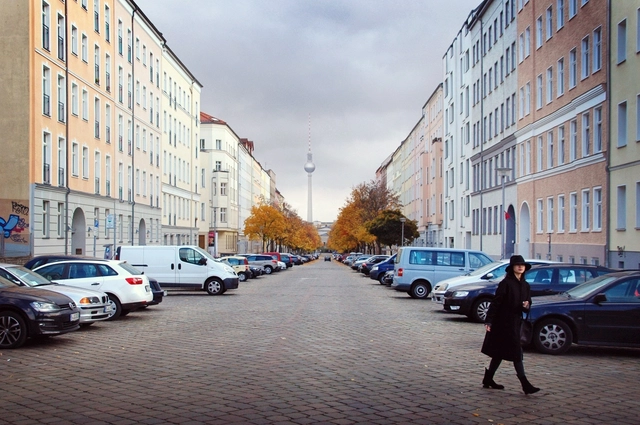
Fundación Arquia, along with architect Ana Asensio, invites us to reflect on how cities have been designed until recently—spaces of friction conceived without equal participation in decision-making, which consequently leads us to discuss feminism.
Courtesy. Image via Secretaria Municipal de Urbanismo e Licenciamento - SMUL
The new illustrated version of the Building and Works Code (COE) is now available online. Released by the São Paulo Municipal Secretariat of Urbanism and Licensing (SMUL - PMSP), this edition features graphic design by oitentaedois, making the legislation more accessible to the general public.
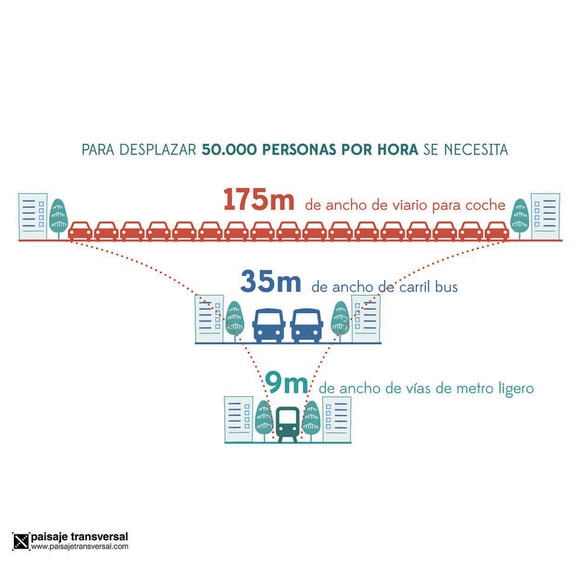
Numerous movements are demanding alternatives to current urban mobility—systems designed by and for vehicular traffic, burdened by an outdated planning mentality that centered everything around the car. Their reasons are equally diverse: improving public health, utilizing economic resources more rationally when commuting, lowering pollution levels (both noise and air), and even increasing efficiency by reducing travel times.
Yes, we are referring to the endless and inevitable daily traffic jams we have all experienced.
If the benefits across all sectors are so clear, why haven't we implemented an alternative mobility system on our streets yet? There are several answers to this question, ranging from public resistance to change and a lack of prioritization in political agendas, to the simple fact that there is no universal, magic formula to solve every issue overnight everywhere. Once we overcome these barriers, we can begin by analyzing who currently uses the streets, who does not, and why.
Cortesia de Secretaria Municipal de Cultura de São Paulo
To celebrate the diverse groups that built the cultural heritage of São Paulo and helped shape the city's identity, the Municipal Secretariat of Culture will host the Jornada do Patrimônio (Heritage Journey) on August 18 and 19, under the theme "One City, Many Hands."
The event offers a free, diverse program aimed at connecting the public with historical and emotionally significant spaces that define the city's history. In total, 320 activities will take place, including tours, lectures, workshops, building visits, guided tours, and book launches.
Videos
Work / Proyecto Habitar. Image via Proyecto Habitar
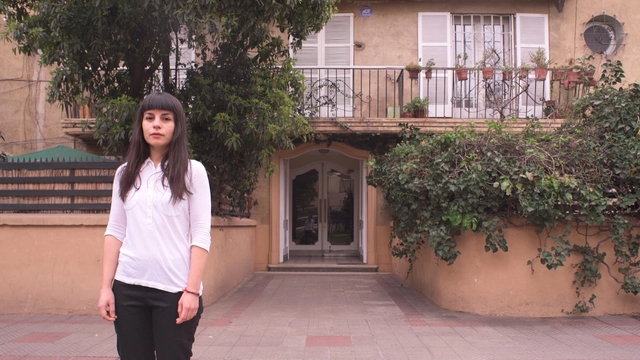
Across nine episodes, the series Proyecto Habitardelves into the privacy of homes to explore the reality of housing in Chile. Through the perspective of its protagonists, the series explores a range of housing-related issues, as directors Joaquín Mora and Verónica Wüst aim to spark a long-overdue discussion.
"Housing is a crucial issue that will soon come to the forefront, as we live within an economic system that raises various challenges we must discuss as a society," Mora comments.
This time, we invite you to watch three new episodes of the series: health, work, and occupation.
On December 20, the final curatorial review of the first National Essay and Research Competition, Written Architecture 2017, took place at the national headquarters of the Colegio de Arquitectos de Chile.
Organized by Grupo Arquitectura Caliente and co-organized by Ediciones ARQ, the competition awarded the 20 best articles out of 87 submissions in the undergraduate and graduate categories, representing 18 architecture schools across 9 different Chilean cities.
The competition was directed by Gabriela García de Cortázar and featured a jury of 30 prominent academics and professionals on the Evaluation Committee.
Below is the article by Universidad de Chile student Pablo Schmidt, winner of the Graduate Category.
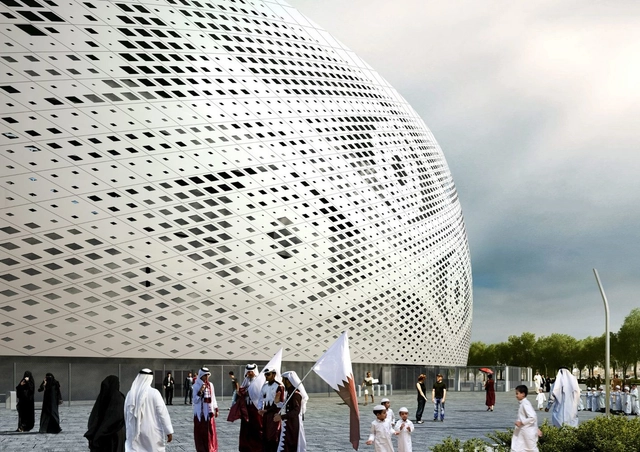
Al Thumama Stadium, designed by Ibrahim M. Jaidah, explores Qatari history, symbolism, and culture. Courtesy of the Supreme Committee for Delivery & Legacy
The 2022 World Cup takes place in Qatar from November 21 to December 18, promising to amaze spectators with its stadiums. There are eight projects in total—some built from scratch, while others are existing structures undergoing renovation.
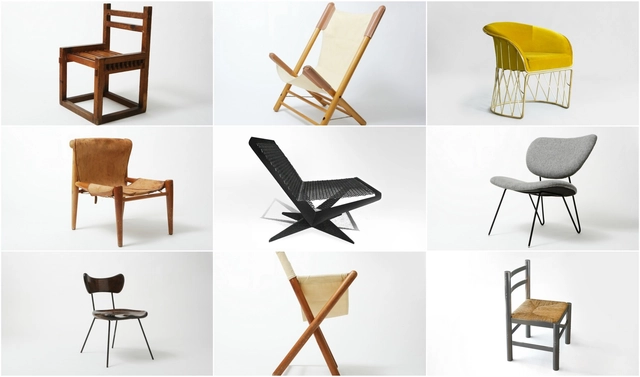
The 20th century in Mexico was a period of vibrant artistic and architectural experimentation. This era marked the establishment of the Modern Movement, bringing with it innovative ideologies that nurtured new talent and shaped the frameworks of artistic and architectural production.
For many years, architects worked as multidisciplinary designers, creating both spaces and furniture under a single, cohesive vision. Yet despite this, some of these pieces have faded into obscurity, overshadowed by major architectural works and the fast pace of modern life, where mass-produced furniture renders these unique designs invisible.
Originally published in 1995, Registro de uma vivência is an autobiography by Lucio Costa (1902–1998) composed of critical essays, memoirs, plans, projects, photographs, and drawings specifically selected and arranged by the author.
Out of print for nearly 20 years, the book has been reissued by Editora 34 in partnership with Edições Sesc SP. Fully preserving the original graphic design, this new edition features an introduction by Maria Elisa Costa, Lucio’s daughter, an index of names, and an essay by Sophia da Silva Telles, which seeks to decipher the significance of the work of this great architect and urban planner, who was also one of the most important Brazilian intellectuals of the 20th century.
The Mictlán Pavilion Competition was established as part of the activities for the 2018 Mictlán Festival, an annual event held in the municipality of Tlajomulco de Zúñiga in the state of Jalisco, Mexico. This event aims to celebrate the Day of the Dead traditions in this municipality, particularly along the Cajititlán waterfront.
For the competition, participants designed an intervention for the San Juan Evangelista pier in Tlajomulco, which served as a transitional space within the Day of the Dead Festival installations.
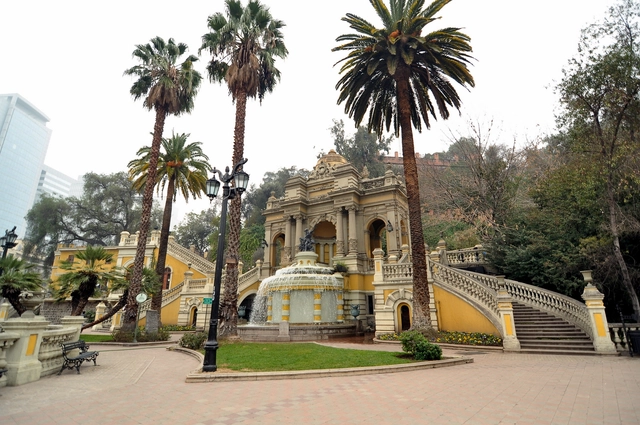
In May 1999, 17 historic buildings in Santiago opened their doors to launch the very first edition of Chile's Cultural Heritage Day. Nearly two decades after that inaugural event, the upcoming edition will span an entire weekend for the first time, taking place on Saturday, May 26, and Sunday, May 27.
Portuguese architect João Luís Carrilho da Graça has been unanimously selected as the winner of the inaugural Leon Battista Alberti Architecture Prize, awarded by the Leon Battista Alberti Center for Studies Foundation, named after the prominent Renaissance architect and art theorist.
Carrilho da Graça, who heads the eponymous firm Carrilho da Graça Arquitectos, is known for major projects in Portugal and other European countries, such as the Lisbon Cruise Terminal, the Theater in Poitiers, and the Orient Museum.
Architecture is perhaps the built heritage that best expresses a city's history, highlighting major cultural figures whose work enriches the history of its people. The Porto Architecture Guide 1942-2017 follows the Lisbon Architecture Guide 1948-2013; together, they are the first two volumes in the Cities collection published by A+A Books.
To streamline tree mapping, the Secretariat of Environment and Animal Welfare (Sema) is studying the development of an app to record information on tree species in the city's urban forest. If the study proves viable, the software is expected to be ready by the second half of this year.
The system, currently under study, is part of the Urban Forestry Master Plan, mandated by the Public Prosecutor's Office and launched in March of last year. The inventory is the most time-consuming phase of the project; however, the app will make it possible to map urban trees in certain areas of the city, collecting data such as geographical coordinates and tree health.
.jpg?1538415823)
.jpg?1538415966 "© Carlos Díaz")



.jpg?1533646991&format=webp&width=640&height=580)

.jpg?1529271805&format=webp&width=640&height=580)










.jpg?1535567635&format=webp&width=640&height=580)