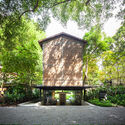
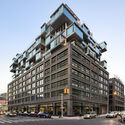
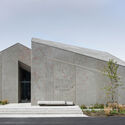
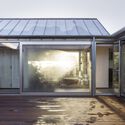
With its sights set on the future, in 2024, the Universidad Católica del Uruguay is adding the Architecture, Design, and Environment program to its academic offerings. Felipe Reyno, PhD in Architecture and director of this new degree program, reflects on the need to train architects with a contemporary, contextual, diverse, critical, and collaborative perspective.
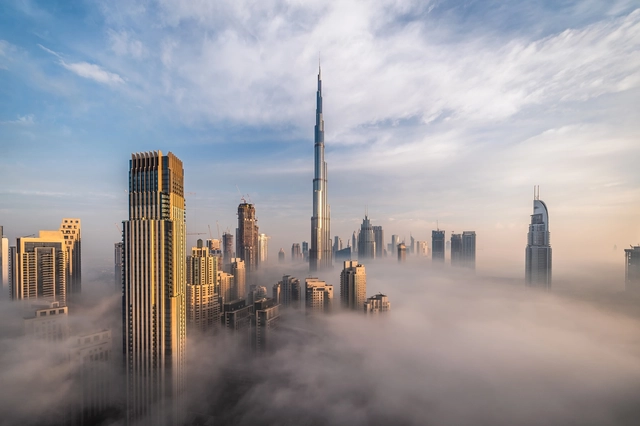
On November 30, 2023, the UN COP28 climate summit begins in Dubai, the United Arab Emirates. The name stands for the Conference of the Parties under the UNFCCC, and symbolizes the annual meeting of world governments for the purpose of establishing strategies to limit the extent of climate change and its adverse effects. Last year’s summit concluded with several important measures, including the promise of a global fund aimed at providing financial aid to developing countries affected by climate disasters.
The main purpose of COP is to reinforce the commitments of the Paris Agreement, signed in 2015, which strives to keep the global temperature rise under 1.5C degrees. As the construction industry accounts for 39% of global emissions, architecture plays an important role in helping to lower our carbon footprint, making COP28 a crucial event for architects.
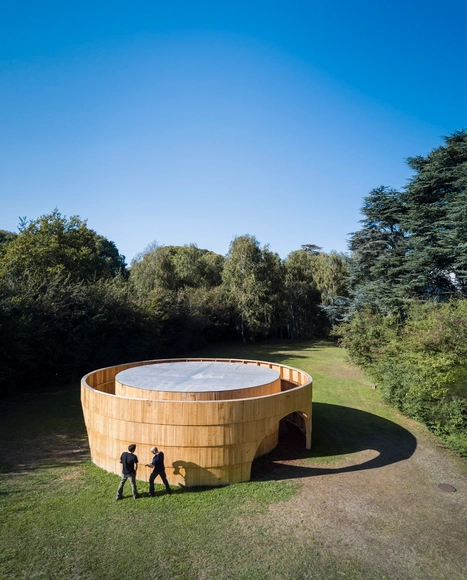
There are numerous intersections between art and architecture, including aesthetic enjoyment, formal element composition, the relationship with the environment, and abstraction. The unique combinations of these aspects distinguish each architecture office or artist in their practice and language. Diogo Aguiar Studio is an architecture office that actively explores these intersections, pushing the boundaries that traditionally separate art from architecture.
Each project is built on the dynamic interaction between architecture and art, serving as its foundation and driving force. This approach yields work that addresses functional requirements and ventures into uncharted territories of spatial research. Notably, materials exploration and sensory aspects in both architectural and immersive artistic spaces stand out as a significant aspects of their endeavors.
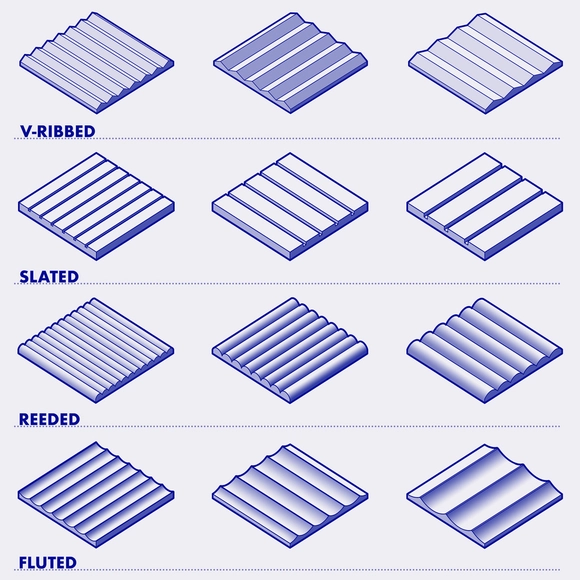
Trends always come and go in the ever-evolving, somewhat cyclical landscape of interior architecture. Whether it’s a new aesthetic, an innovative wall treatment or the latest viral color, certain design features rise to prominence all the time in this dynamic industry. Some fade as quickly as they emerge or resurface in new forms years later, while others endure and stand the test of time through continuous reinvention –often thanks to their versatile and adaptable nature. Ribbed paneling is a clear example of the latter. With its ability to add texture and visual allure to various design styles, it has been a popular cladding choice for bedrooms, kitchens and living spaces in recent decades. And now more than ever, fitting with current preferences that lean towards sleek, tactile and structured elements, it has consolidated its presence in contemporary residential interiors.
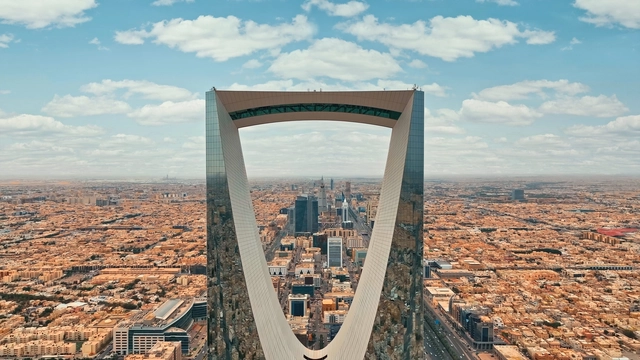
The Bureau International des Expositions (BIE) announced yesterday, on Tuesday, November 28, that Riyadh, the capital city of the Kingdom of Saudi Arabia has been selected to host the 2030 World Expo, by securing the necessary two-thirds majority of votes in the first round. Marking another milestone for the Gulf, following Dubai's Expo 2020 and Qatar's hosting the FIFA World Cup in 2022, this five-yearly event draws millions of visitors and investments. Under the theme, "The Era of Change: Together for a Foresighted Tomorrow", Expo 2030 Riyadh will run between 1 October 2030 and 31 March 2031.
Competing against South Korea's port city of Busan and Rome in Italy, Riyadh won the bid with 119 votes, while Busan received 29 votes, and Rome got 17 votes out of the 182 members of the Paris-based Bureau International des Expositions (BIE). Other explored subjects were the themes of “Transforming Our World, Navigating Toward a Better Future” by Busan and “People and Territories: Regeneration, Inclusion and Innovation”, for Rome.
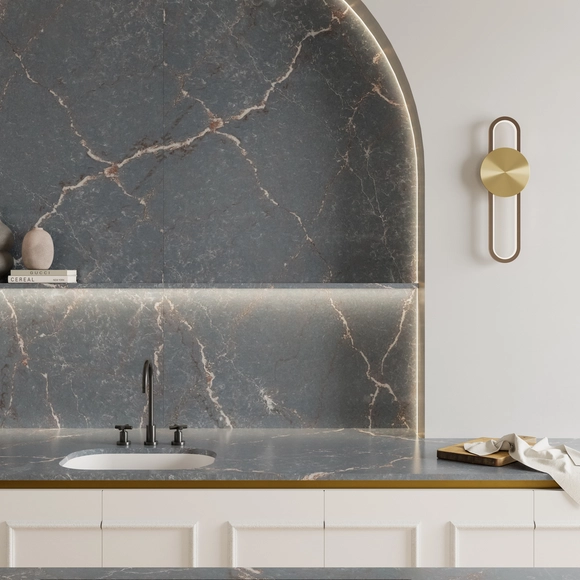
Whether through small samples of materials or a digital collage, a moodboard is a valuable project tool for architects and designers; an inspiration board with colors and elements to guide choices. The objective is to use this as an inspirational tool for upcoming projects, in order to define backgrounds, predominant textures, and standout details. To this end, surfaces play a fundamental role in defining a space and setting the tone of the space, just like a piece of music, where all the other elements may or may not match the harmony of the chosen palette.
The first award winners of the 2023 World Architecture Festival have been announced, following Day One of live presentations at Marina Bay Sands in Singapore, in which hundreds of shortlisted projects were presented by practices from around the world. Amongst today’s category award winners of the world’s largest international live-judged architectural event are MAD Architects, Woods Bagot and Nextoffice, Studio of Architectural Research & Design, who won across three individual categories.
Videos
One of the floating wind turbines installed in Portuguese waters. Photo: EDP
Between October 31 and November 6, 2023, Portugal produced more than enough renewable energy to meet the entire country's demand. While fossil fuel plants were still operational, the clean energy generated was more than sufficient to supply the grid. Consequently, consumer electricity rates dropped drastically.
The built environment represents, for most of us, the background of everyday life, and yet, when we look at a building, we rarely understand what it is made of. In doing so, we also fail to understand its impact on us and on the larger systems of nature. Office Kim Lenschow aims to draw attention to this and to provoke critical thinking in relation to architecture and the materials that make it. By focusing on small-scale, mostly residential projects, the office seeks to reveal this hidden narrative of materials and cultivate more awareness and engagement with the structures surrounding us. For their involvement in the exploration of materials and sustainable development, Office Kim Lenschow has been selected as one of the ArchDaily 2023 New Practices. Every year since 2020, ArchDaily has curated and highlighted emerging offices that bring a new perspective to the field of architecture and design.
Álvaro Siza, Portugal's first Pritzker Laureate, is undeniably a figure of major importance in the history of contemporary architecture, with projects that have reshaped the urban landscapes of numerous cities around the world. While his name and work are widely known, Siza is a highly private and introspective person who prefers to keep his personal life out of the spotlight.
Directed by producer and director Augusto Custódio, the documentary SIZA offers a more intimate and personal look at the renowned Portuguese architect. The film covers his childhood, his relationship with his wife, his passion for sculpture, and his admiration for classical music, exploring his influences and professional journey.
In charming Oberneukirchen, located in the Austrian countryside, architect Walter Kräutler and artist Sofie Thorsen have come together to transform the interior of the neo-Gothic village church in episode 10 of Opening up.
How is it possible to reduce the energy consumption of our homes? What design, material, and/or technological strategies can be developed to achieve interior comfort while also addressing the climate crisis? While achieving energy efficiency depends, among other factors, on the state of the homes, there are various strategies related to the implementation of renewable energies, air conditioning technologies, and more that can be applied, taking into account government policies, laws, regulations, and standards specific to each region.
It could've been so kitsch. When you hear that a former prison has been transformed into a hotel, you'd be forgiven for imagining an incarceration-themed novelty destination, replete with door handles in the shape of handcuffs and complimentary striped pajamas.
Grüntuch Ernst Architekten's sensitive adaptation of a women’s jail in Berlin-Charlottenburg is anything but, however. The landmark building, originally completed in 1896, has been carefully honed into a place of light and tranquility and has already managed, since its opening last year, to cultivate a loyal community of discerning –and returning– guests in search of restorativeness rather than restorative justice.
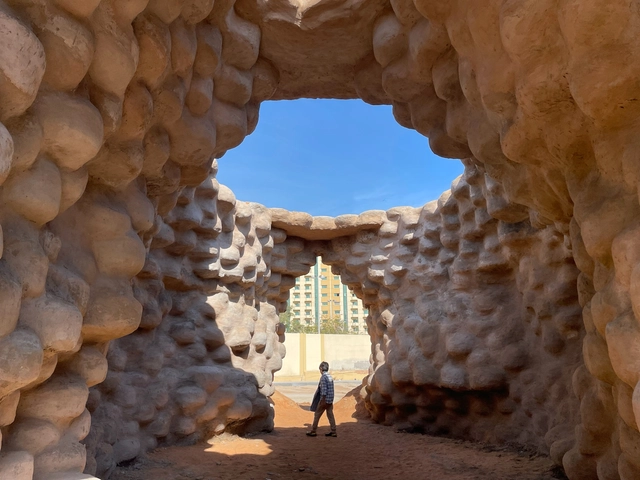
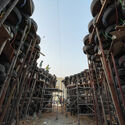
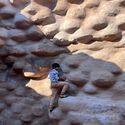
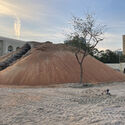
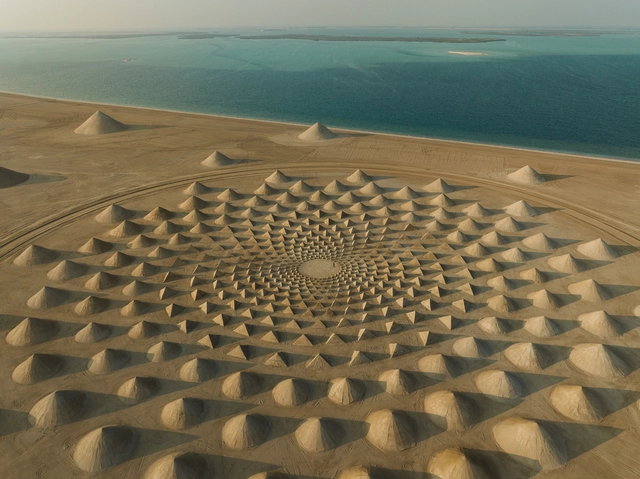
“Self Similar,” a sprawling and immersive land artwork created by Jim Denevan has just debuted in Abu Dhabi,UAE as part of a more extensive city-wide exhibition. Curated by Reem Fadda, Director of Abu Dhabi Culture Programming and Cultural Foundation, along with Alia Zaal Lootah, this city-wide exhibition showcases 35 distinct site-specific artworks by both local and international artists. Scheduled to run until January 30, 2024, the exhibit is a diverse collection aiming to engage audiences.
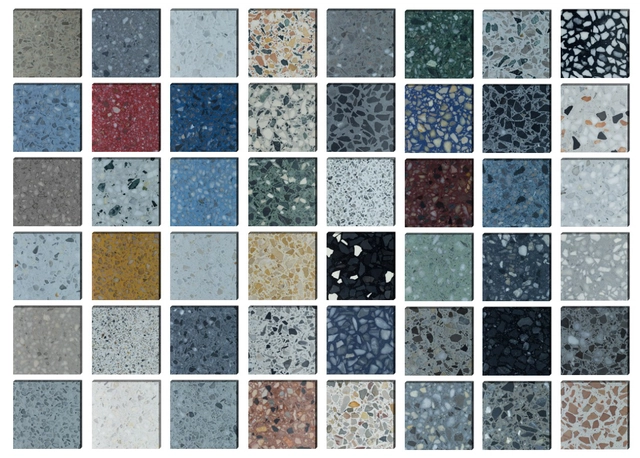
Initially conceived as a way to use fragments from marble construction waste, terrazzo is a material widely used around the world, with its modern roots dating back centuries to Venice, Italy. Its aesthetic is unmistakable, characterized by mottled patterns and a wide range of colors poured onto the floor. It is not surprising that this material is widely appreciated by architects in various types of projects due to its unique appearance. A notable example of the use of terrazzo is the Guggenheim Museum in New York, designed by Frank Lloyd Wright. Upon discovering it during one of his trips, Wright recognized that thanks to its aesthetic appeal and versatility, it would endure as the museum's interior finish.
The evolution of construction materials has transformed terrazzo from the traditional mixture used by Wright, which included concrete as a binder, to a version that incorporates an epoxy matrix, enhancing its iconic aesthetic and integrating additional technical capabilities. Today, Terrazzo & Marble empowers contemporary designers to create distinctive patterns and vibrant color palettes that seamlessly align with the context of modern architecture. This is accomplished through four leading principles that guide architects in specifying epoxy terrazzo.
https://www.archdaily.com/1009577/mottled-and-timeless-why-do-architects-and-designers-specify-epoxy-terrazzoEnrique Tovar
Architecture is a lifelong journey in constant evolution, where passion, learnings, collaboration and the unexpected shape your career.
In the inspiring context of Bali we meet Javi Diaz, Spanish architect who has been on such a journey, that took him from Spain to Portugal, Brazil, Fiji and then Indonesia, where he has developed the unique Bandido Bali project – an architectural destination embedded into the lush nature of Bali, and connected with its culture.
Videos
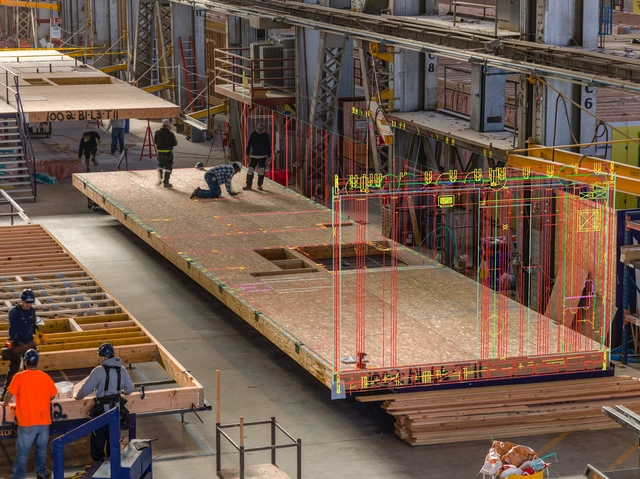
Phoenix Project. Image Cortesia de Autodesk
"In just one generation, we have gone from the pencil to AI.” This quote by Knut Ramstad from the Nordic Office of Architecture encapsulates the seismic changes we have witnessed in the development of architecture projects over the last few decades. By bringing forth increased efficiency and visualization possibilities, the express analysis and deeper understanding of project variables have become much easier. Architectures have become more complex, with more variables, numerous new demands and pressures, and with deadlines not getting any shorter. In this ever-evolving landscape of the architecture, engineering, and construction (AEC) industry, technological advancements have sparked a radical shift in professionals' approach to conceptualizing, planning, and executing projects, expanding a wide array of opportunities and highlighting the transformative power of data as an essential resource. This transformation could catalyze the industry's efficiency and sustainability, with a crucial focus on reducing its carbon footprint and minimizing waste generation.
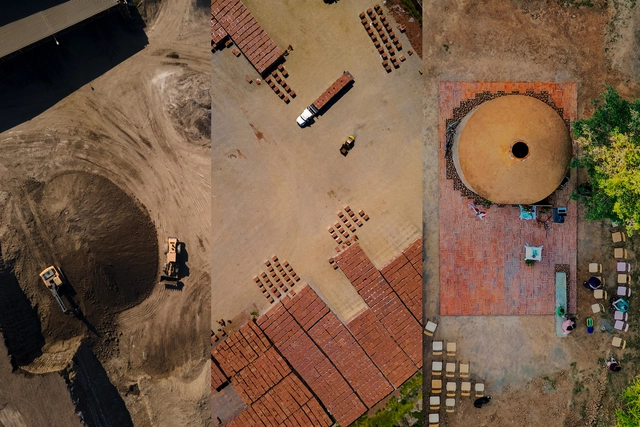
Although construction is primarily based on technical principles, which at first glance seem to follow only pre-established designs and specifications, there is a deeper dimension related to the nature and essence of the materials used. These materials do not only perform a utilitarian function; they also transcend their mere purpose, evoking the notion put forward by Pablo Neruda: "There is a rigor in materials that limits excessive whim and the struggle to infuse them with humanity."
Among the range of existing materials, there is perhaps none as universal as brick. Its versatility and aesthetic honesty have made it a widely used resource in the construction of diverse spaces worldwide. Within Chilean architecture, the broad possibilities this material offers have been highlighted, having been exceptionally utilized by numerous architects. Furthermore, it has gained renewed relevance in architectural discourse, as exemplified by the book "Arcilla. Materia y Obra en Arquitectura." This is reflected throughout the history of Cerámica Santiago and its joint collaboration with the Faculty of Architecture and Art at UDD to promote the Brick Architecture Prize.
https://www.archdaily.com/1136376/matter-clay-and-construction-the-use-of-ceramic-brick-in-chilean-architectureEnrique Tovar
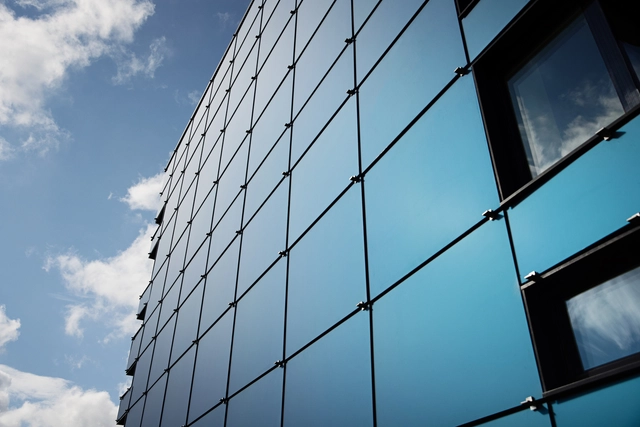
Solar Facades on Det Grønne Hus. Image Courtesy of SolarLab
Renovations involve design processes that transform, refurbish and enhance architectural elements. From gentle aesthetic changes to structural additions, building renovation can improve functionality, safety, and energy efficiency. By integrating new technologies, contemporary strategies are giving new life to existing buildings, propelling already-built projects into the future.
Through their energy-efficient, durable, and bespoke solutions, SolarLab leverages architectural heritage by introducing custom energy-producing facades to existing buildings. By seamlessly combining technologies with design freedom, these solar facades adapt to each project’s style while acting as rain screens with a long, maintenance-free service life. Moreover, by producing sustainable electricity, integrating this system into refurbishment projects contributes to the building’s day-to-day operations, effectively reducing its environmental impact.
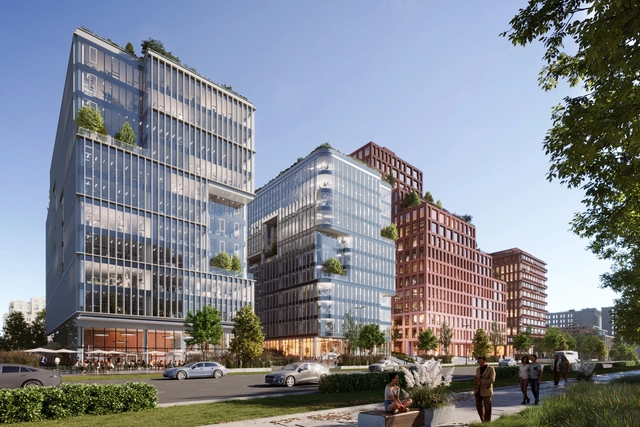
MVRDV and Orange Architects collaborate on the NUVO project, a new mixed-use complex to be built in Ukraine’s capital, the team of architects has revealed their design for three of the buildings that will become part of NOVO. Commissioned by Kovalska, the project is now restarting after work was put on hold due to the active conflict in Ukraine. The two firms are collaborating to refine the master plan initiated by APA Wojcehowski Architects.
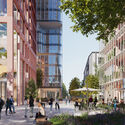
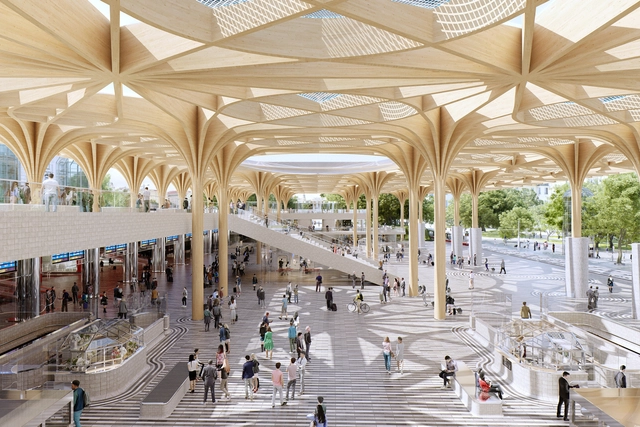
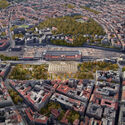
Henning Larsen has just won a competition to redesign Prague Central Station, Nový Hlavák. The project aims to reconnect the historic central station and terminal hall with Vrchlického Sady Park, serving as a welcoming gateway to Prague. Shaping the city’s landscape, the initiative hopes to contribute to a more sustainable and livable Prague.
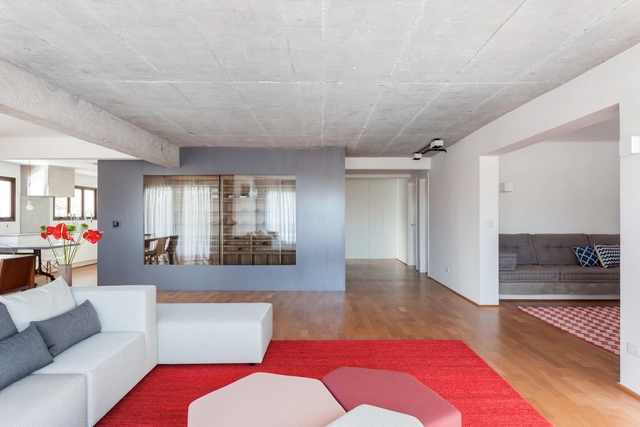
Choosing how to paint your apartment can significantly impact its atmosphere and visual appeal. While it may be tempting to stick with the comfort of white walls, considering different colors can enhance your everyday life and make your home more vibrant. To help you navigate the many possibilities, we've gathered some tips for creating a more colorful and personalized living space.