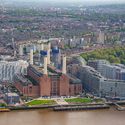
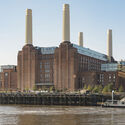
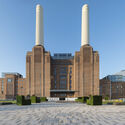
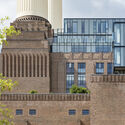
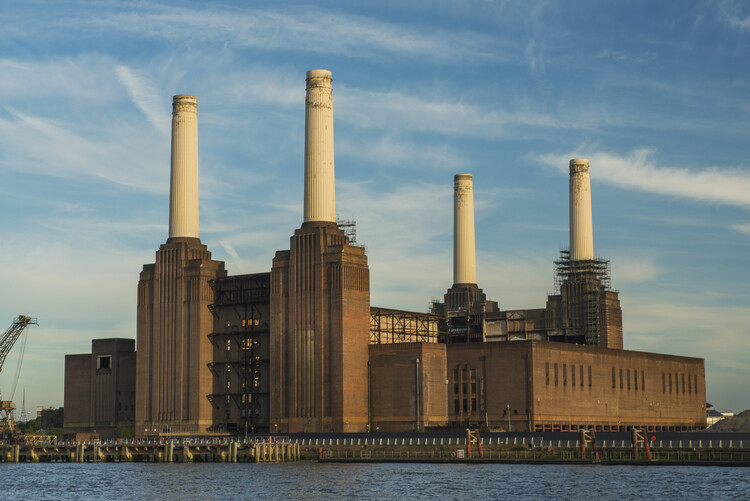
Battersea Power Station is a former coal-fired power station located on the south bank of the River Thames in London, originally designed by architects J. Theo Halliday and Giles Gilbert Scott. Notable for its appearance on the cover of Pink Floyd's 1977 studio album Animals and in Alfred Hitchcock's 1936 film Sabotage, the station is one of the world's largest brick buildings and is known for its Art Deco interior fittings and décor. Recognized today as part of modern industrial heritage, the site's transformation into a commercial development began in 2012, with the adaptive reuse guided by a masterplan designed by Rafael Viñoly. On February 16, Battersea Power Station announced the appointment of the strategic urban design practice Studio Egret West to evolve the original masterplan for the remaining 16 acres of the 42-acre riverside neighbourhood in the southwest London.
Tokyo is never-ending. It is a city made up of many cities, where everything is superlative and encounters with overwhelming scale are constant. For those visiting for the first time, the cultural shock is striking. Everything is extremely clean despite the absence of public trash bins, there's a strong impression of zero violence, and society seems to follow strict disciplinary codes to the letter. There’s a sense that human relationships and individual feelings are set aside in favor of the collective, with all the benefits and drawbacks that this way of life may bring.
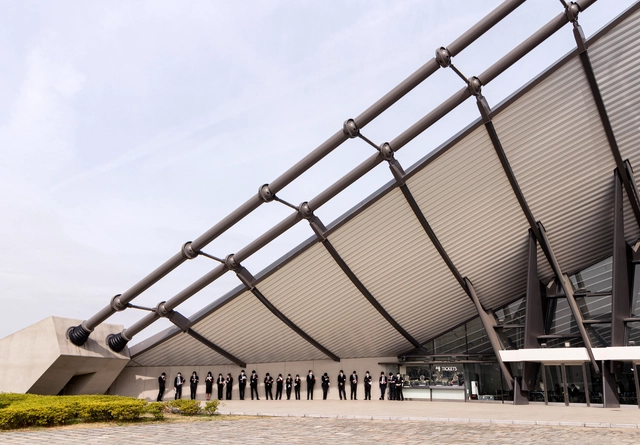
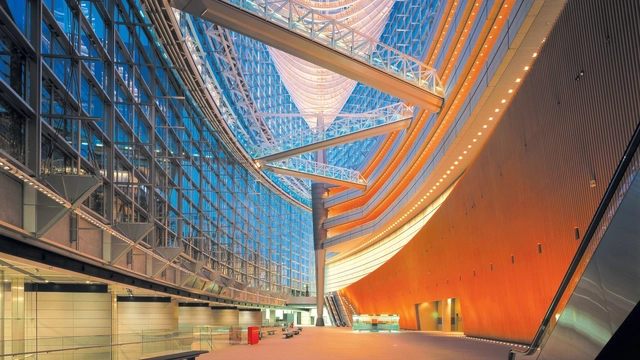
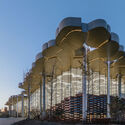
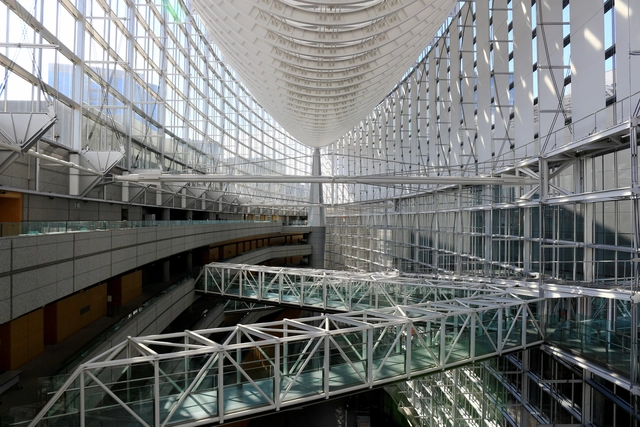
Rafael Viñoly Architects’ Tokyo International Forum has been honored with the prestigious AIA Twenty-five Year Award. Celebrating its “distinctive transparent character and capacity to engage with the public in the largest metropolitan area in the world.” Rafael Viñoly Architects was first selected to design the structure through Japan’s first international design competition facilitated by Kenzo Tange, the architect of Tokyo’s City Hall and the first Japanese laureate of the Pritzker Prize.
Delving into the realm of unbuilt architectural projects by renowned offices offers a peak into the design principles and ethos of the studios. The curated list of unbuilt projects submitted by established architecture practices has the potential to reveal new perspectives on the socio-cultural and environmental factors shaping contemporary architecture. These designs often respond to complex challenges such as sustainability, urbanization, and cultural preservation, reflecting architects' efforts to navigate and contribute meaningfully to the built environment.
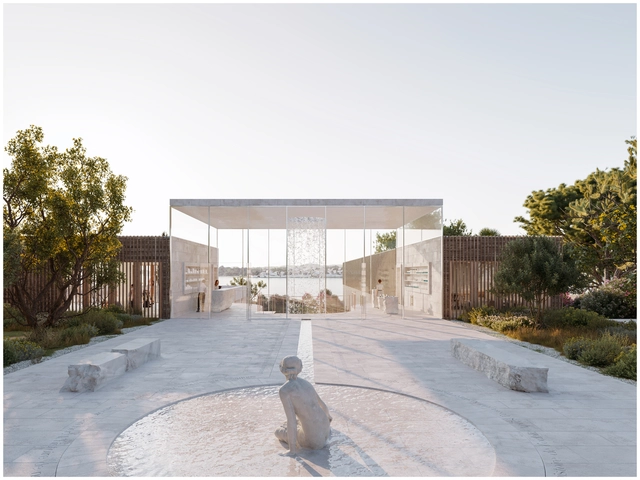
Within this curated selection, one standout project is Rafael Viñoly Architects' Médano El Pinar, marking the late architect's last contribution to the architectural landscape. Other projects such as Aedas' Ellinikon Commercial Hub explore the opportunities of new developments, such as the disused airport transformed into Europe's largest coastal park in the periphery of Athens, while others are highlighting natural landscapes or offering spaces for creative and innovative programs. Featuring internationally recognized offices like SOM, Kohn Pedersen Fox, Gensler, or GAD Architecture, the selection showcases the unrealized concepts and architectural experimentations of renowned offices.
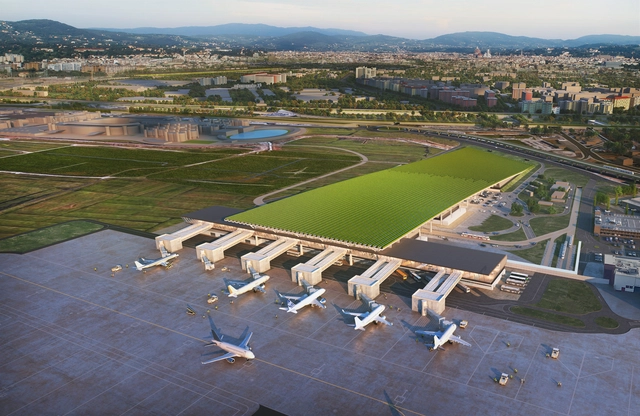
Rafael Viñoly Architects has released new renderings of their design for the new international terminal at Aeroporto Amerigo Vespucci in Florence, Italy. According to the architects, upon completion, the new terminal is expected to welcome over 5.9 million passengers a year, becoming one of the largest airports in the Tuscany region of Italy. In a nod to the Tuscan traditions of winemaking, the terminal’s rooftop features a 19-acre productive vineyard. The project is divided into two construction phases, with the first one scheduled to be completed in 2026, and the second in 2035.
As we step into the new year, we take a moment to reflect on the lasting impact of celebrated architects, designers, and curators who passed away in 2023. This past year witnessed the departure of influential figures who, through their talent and dedication, left an indelible mark on the built environment. Some embarked on their careers with bold gestures that reshaped architectural paradigms, while others worked quietly, placing a profound focus on the human experience or the invisible figures of out profession.
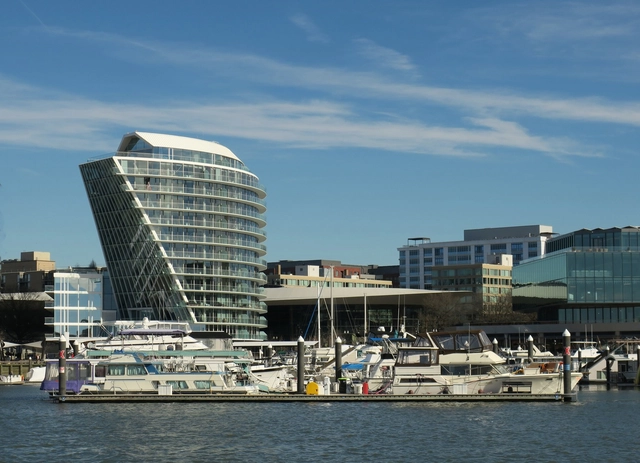
Paul Clemence has released images of the Amaris mixed-use development in Washington D.C., one of the latest works completed by renowned Uruguayan American architect, Rafael Viñoly. The photographic series reveals a distinctively shaped curvilinear building opening towards public spaces along the Potomac River. The volume is created to accommodate residential units with generous views toward the surrounding landscape, marking the terminus point to a row of new buildings in The Wharf development.
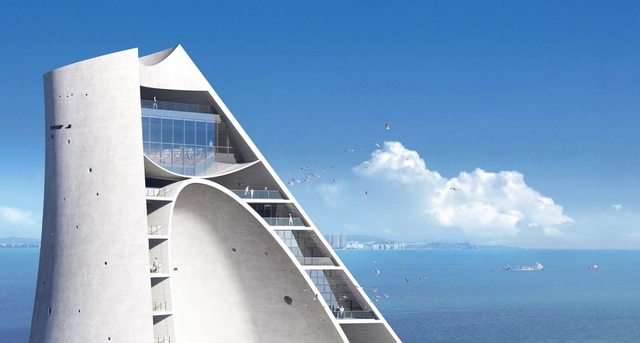
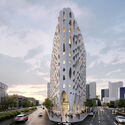
Sun Tower / OPEN Architecture. Image Courtesy of OPEN Architecture
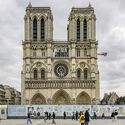
As the year 2023 comes to a close, we review the evolution of the field of architecture, but we also look forward to the most anticipated projects planned to open in 2024. As Paris is preparing to host the 2024 Summer Olympic Games, several projects and infrastructure updates have been planned to support the global event. Another milestone for Paris will be the reopening of the Notre Dame Cathedral, as reconstruction works near completion for the fire-damaged 12th-century monument.
The selection of projects spans various scales and programs, from restoration and expansion works such as OMA's plan for Museo Egizio in Turin, or David CHipperfield's Grand Residential Building in Belgium, to architecture developed with indigenous peoples, such as Snøhetta's Čoarvemátta in Northern Norway, cultural facilities in Asia and Europe and environmentally-conscious buildings such as Studio Gang's Hotel in the United States.
Foro Internacional de Tokio, Japón. Imagen de kazuhiro. Image via Shutterstock
Addressing diverse scales, users, and themes, Rafael Viñoly has been involved in numerous architectural projects ranging from museums and educational facilities to airports and skyscrapers. Beyond the economic, geographic, technological, social, or cultural variables he has faced, the wide range of works he has left us as a legacy is the fruit of a trajectory that we propose to go through from his beginnings in the profession to his most controversial and most recent projects.
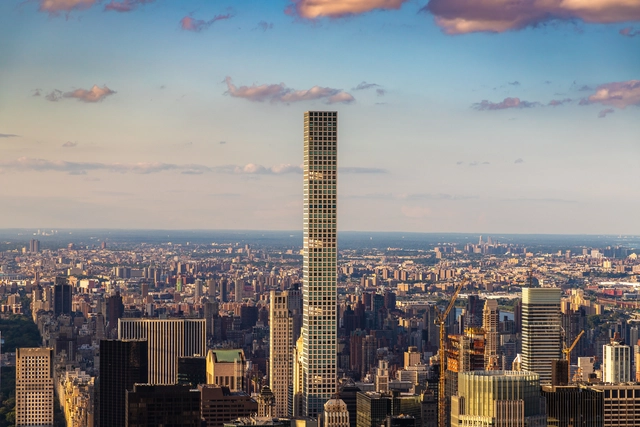
Panoramic view of 432 Park Avenue Condominiums, designed by Viñoly, in New York City, United States. Image via Shutterstock / Sergii Figurnyi
The world of architecture is mourning the death of the renowned Uruguayan-American architect, Rafael Viñoly, who passed away at the age of 78. With more than half a century of experience in the profession, Viñoly was known for his bold and imposing designs that were built in various cities around the world.
Globalization and its pension for both virtual and physical connectivity has led to the linking of the world's economies, territories, and cultures and nowhere is this more evident than in the field of architecture.
Architectour Guide London: The Urban Explorer's Guide
The new series of city guides for architects by Architectour brings to life the lost essence of travel and discovery. A compilation of exciting places – known and not so known – arranged in an innovative way: a continuous scenic itinerary, which is fun to follow and is full of quirks and surprises along the way. Hand-drawn sketches by architect and author Virginia Duran are the personal touch of the book, revealing the essential without spoiling what is a traveling delight: our first impression of a place.
125 Greenwich Street. Image Courtesy of Bizzi & Partners
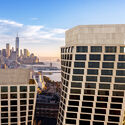
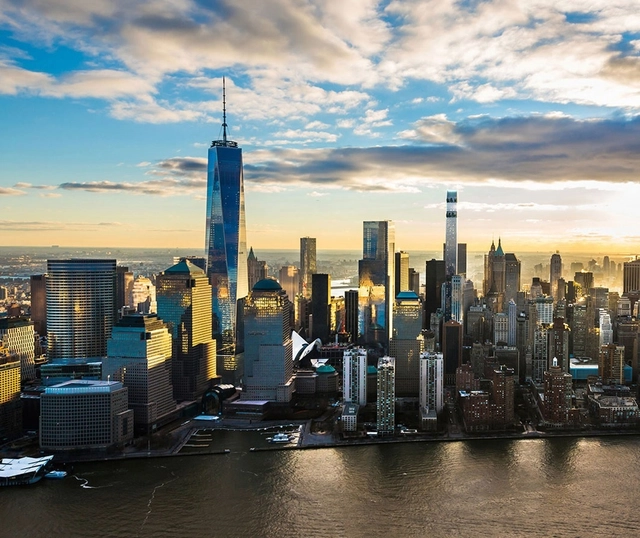
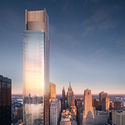
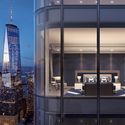
Rafael Viñoly's 125 Greenwich Street skyscraper in downtown Manhattan has topped out. The 912-foot-tall luxury condominium skyscraper was designed as a slender structure with exposed concrete columns. Rising 88 storys, the project includes a curved glass façade to enhance the panoramic views of the Hudson River, the Statue of Liberty, the World Trade Center Complex, and the New York City skyline.
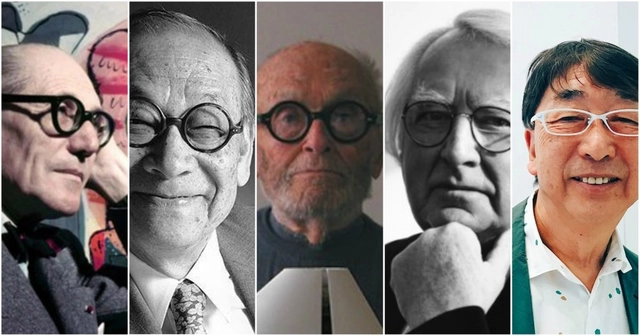
Eyeglasses: the quintessential accessory of the architect. They are mini pieces of architecture you can wear, and an outward expression of your inner persona. Whether they be square, round, or wire-frame, black, white, tortoiseshell, or bright neon tones, they represent our visionary ideals. As such, many of the most iconic spectacles have an interesting history behind them; so here are the stories behind seven of the most recognizable eyeglasses in the architecture world.
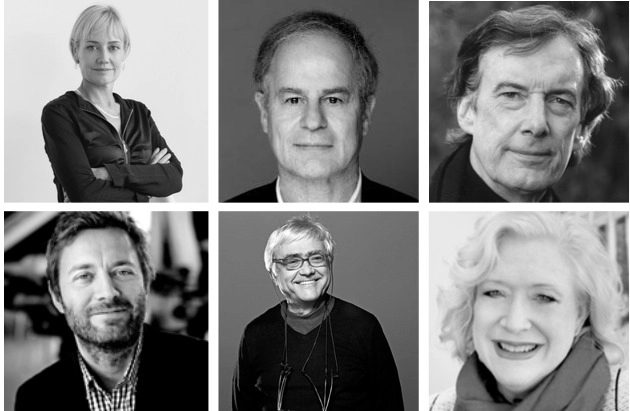
The World Architecture Festival (WAF) has announced their program for the 2017 edition focusing on the theme of “Performance.” An incredible list of speakers including Alison Brooks, Charles Jencks, Pierre de Meuron and France Kéré will feature across 3 days from November 15th to 17th at the Arena Berlin, Germany. Conferences, city tours, lectures and critiques of the shortlisted projects from the 2017 WAF awards are among the events scheduled for the festival.
The seminars, speeches, debates and discussions will examine “the topic of performance from the perspectives of housing, public spaces, festivals, cultural institutions and new technologies.”
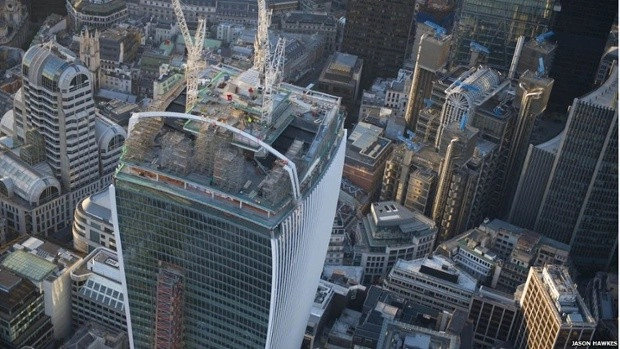
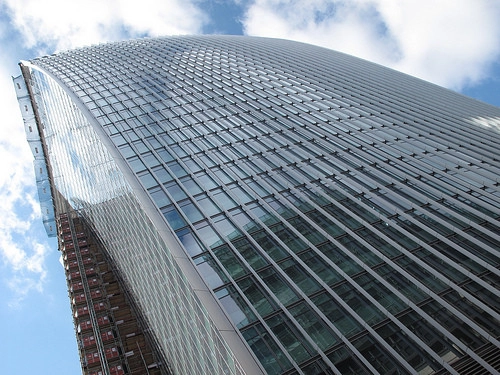
In a review of Rafael Viñoly Architects'20 Fenchurch Street, which is also known as the 'Walkie-Talkie' or 'Walkie Scorchie' after it emerged that its façade created a heat-focusing ray strong enough to melt cars, Rowan Moore questions London's preoccupation with iconic buildings and its money-driven planning schemes. Using 20 Fenchurch Street as a key example, Moore argues that not only does the building seem "to bear no meaningful relationship to its surroundings," but its Sky Garden - a terrace at the top of the building which claims to be "the UK’s tallest public park" - is a symbol of a bewilderingly unbalanced economy.
Work to alter Rafael Viñoly Architects' 20 Fenchurch Street - dubbed the Walkie Talkie due to its unusual shape and then the "Walkie Scorchie" after it created a heat-focusing ray strong enough to melt cars last summer - is due to start later this month, after planning permission for the additions was granted in April. The alterations, also designed by Rafael Viñoly Architects, will see horizontal aluminium louvres added to the glass facade between the 3rd and the 34th floor to ensure that the reflective "death ray" effect is not repeated.
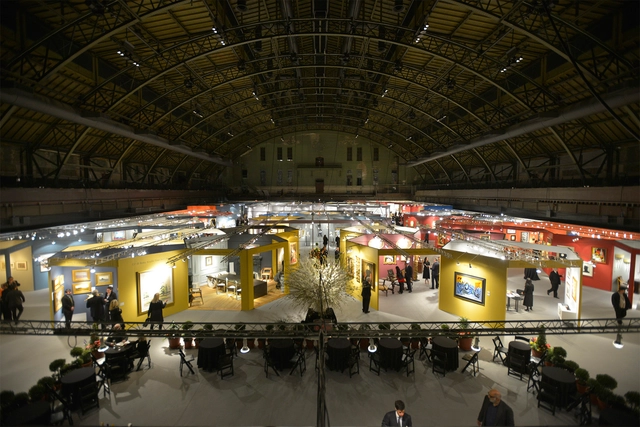
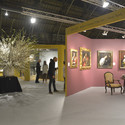
New York's Park Avenue Armory, originally built in 1861 for the Seventh Regiment of the National Guard and restored by Herzog & de Meuron in 2007, is about to be temporarily taken over by Rafael Viñoly. On April 30th 2014 Artvest Partners will launch Spring Masters New York, "a fair for art produced between antiquity and the 20th century, which corresponds with Christie’s and Sotheby’s signature Impressionism and modern art auctions". Viñoly's hexagonal grid of exhibition rooms will fill the 55,000 square foot Drill Hall in an attempt to break with the monotony of the rectangular grid format.