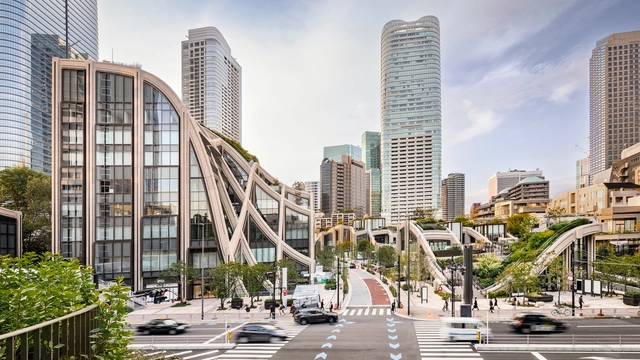
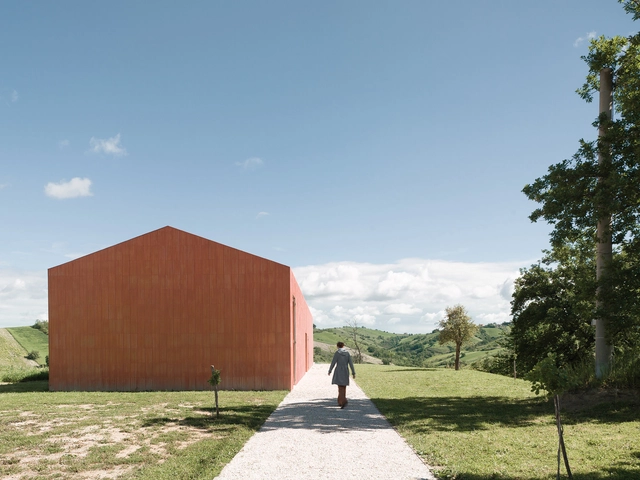
The awards ceremony took place at the Palacio de Minería Museum in Mexico City to announce the 11 winning projects of the 2023 Interceramic Architecture and Interior Design Award across their respective categories, as well as the Lifetime Achievement Award in Architecture, presented to architect Gonzalo Gómez Palacio.
Marumbi Urban Garden, in Curitiba. | Photo: Valdenir Daniel Cavalheiro | Copel
Curitiba has implemented several initiatives to strengthen biodiversity and enhance the quality of vegetation in its urban landscape. Consequently, the capital of Paraná, alongside 18 other cities worldwide, has been selected to participate in UNEP's (United Nations Environment Programme) Generation Restoration project.
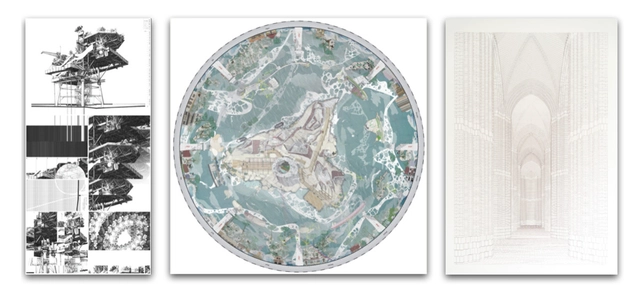
Left: ‘(Re)membering the See Monster’ by Eldry John Infante; Centre: The Archatographic Map of the Incomplete Landscape on Pedra Branca’ by Eugene Tan; Right: ‘Grundtvig’ by Ben Johnson. Image Courtesy of Architecture Drawing Prize
The Architecture Drawing Prize, now in its 7th edition, celebrates the art of drawing in three main categories: hand-drawn, digital, and hybrid. The Prize attracted nearly 250 drawings from around the world, a record for the competition, with the majority of entries being in the hand-drawn category. The winners of each category have been announced. The winning drawings, along with the shortlisted entries will be displayed at the World Architecture Festival in Singapore from 29 November until 1 December 2023, and at Sir John Soane’s Museum in London from 31 January to 3 March 2024. The Overall Winner will announced on 29 January 2024 as part of a webinar hosted by Sir John Soane’s Museum, ahead of the exhibition.
According to the jury, the technologies used by the entrants to find creative ways of depicting buildings generated probing discussions among the jury members, testing the nature and definition of architectural drawing. Sponsored by Iris Ceramica Group, the Architecture Drawing Prize is co-curated by Make Architects, Sir John Soane’s Museum and World Architecture Festival (WAF).
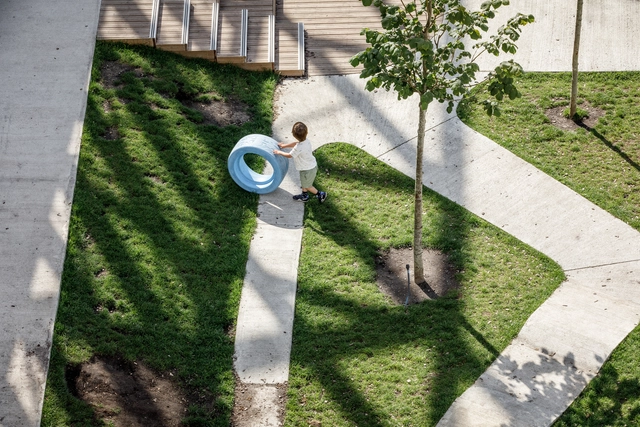
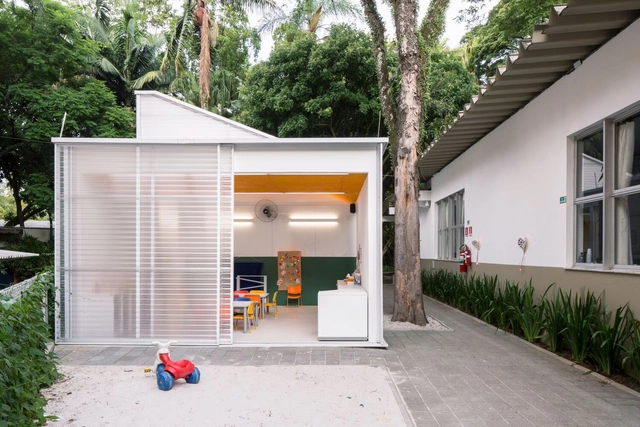
Have you ever considered how spaces are perceived, experienced, and enjoyed from a height of 95 cm? Considering urban design from the child's perspective is essential for fostering inclusive, healthy, and secure cities. Components tailored to these needs benefit children and enhance the experience for adults, the elderly, and people with disabilities. Blocks play a pivotal role in this discourse as key urban elements. These spaces provide several opportunities for utilization and adaptation within urban environments. They can be modified and designed in diverse ways, incorporating strategies to better cater to the specific needs of children.
In his Robie House, Frank Lloyd Wright created an ingenious arrangement of public and private spaces that slowly moving away from the street through a series of horizontal planes. Pronounced eaves made the interior space expand toward the outside. Considered the first phase of the American architect's career, the so-called Prairie Houses had marked horizontality, mainly due to the enormous plans created by slightly inclined eaves. Eaves are ubiquitous in most traditional architecture, and in addition to their aesthetic role, they serve several important functions, the primary one being to keep rainwater away from the building's walls and structure. But for some time now, we have seen plenty of projects with sloping roofs without eaves, forming pure and unornamented volumes. This brings us to the question: in these projects, how are practical issues such as draining rainwater?
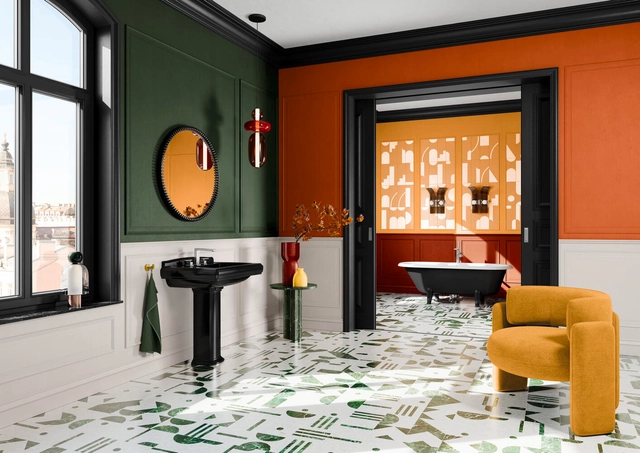
With Hommage, Villeroy & Boch has been recalling, for over two decades, the origins of the bathroom at the start of the 20th century. Now, the collection of washbasins, WCs and a freestanding bathtub is getting a color update in matte black. Image Courtesy of Villeroy & Boch
What if François Boch –a frustrated French cannonball foundryman who left it behind to instead found a pottery workshop with his sons in Audin-le-Tiche, France– had never existed? What might the modern bathroom look like today?
We can't answer that, of course, but we do know that Boch's decision in 1748 certainly laid one of the founding stones for it – even if they started out only making simple clay pots and jugs. The business quickly flourished and history took its course. This was also due to the fact that, with the help of some new formulas, the company succeeded in producing lighter earthenware and more elaborate shapes that were more affordable than expensive porcelain.
São Paulo-Belém Connection. Photo: Gabriela Di Bella
From November 23 to 25, "SP/Amazon Connection: Climate Action" will host a seminar on communication, art, and climate urbanism, featuring free workshops, debates, lectures, and exhibitions at the Centro Cultural Banco do Brasil São Paulo (CCBB SP). To conclude the event's programming, an art installation will be on display on the exterior wall of the CCBB Annex until December 25.
Conceived by Novo Acordo Verde (NAVE) and the Fervura platform, "SP/Amazon Connection: Climate Action" strategically uses artistic expression and the occupation of urban public space as tools to amplify information. It aims to connect the general public with topics like the climate crisis and the essential solutions needed for humanity and the environment to overcome history's greatest challenge.
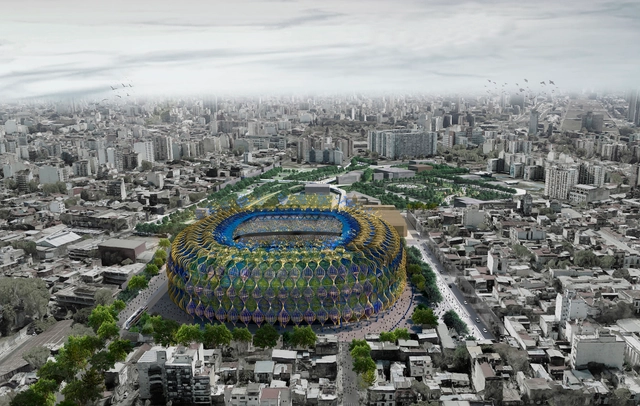
The School of Architecture and Design at the University of Morón (ESAD) has presented the expansion and renovation project for the Club Atlético Boca Juniors stadium, widely known as La Bombonera, located in the Autonomous City of Buenos Aires, Argentina. Led by Alejandro Borrachia alongside a team of ESAD professors and students, the project proposes rethinking the stadium's capacity and its adaptation to modern demands, aiming to address the needs of club members and officials, the social issues affecting local residents, and the city's environmental challenges.
The vomitorium and its purpose is one of historical architecture’s most common misconceptions. It’s said that the vomitorium was a room that neighbored Roman feasts, where guests could socially eject the contents of their stomach before returning to the feast with renewed capacity. Although this theory was not entirely based on fiction – as Romans are known to have indeed taken up habitual regurgitation, possibly as a sign of excess wealth – there’s no reason to believe there was a specific room dedicated to the practice.
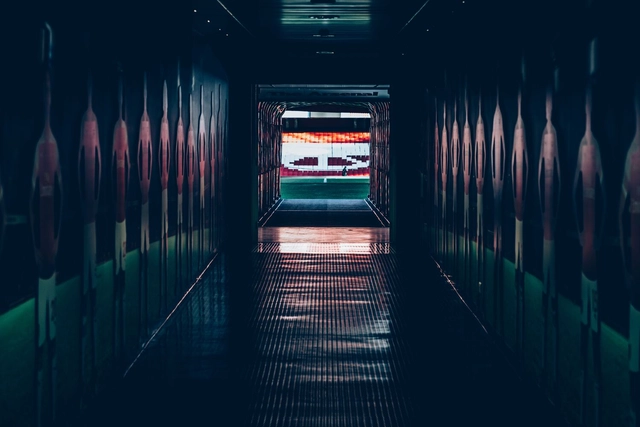
The original usage of the term ‘vomitorium’ – taken from the same Latin root ‘vomere’ – in fact refers to a room that allows a large building to disgorge itself of its contents. A vomitorium, therefore, is nothing more than a corridor. Specifically, a wide, arterial corridor leading to or from a high-capacity public space such as a theatre, arena, or stadium, designed with the intention to get as many people in or out of the venue as quickly as possible. A well-designed vomitorium, for example, is essential for efficient emergency evacuation procedures, but even during day-to-day activity, the ability to move large numbers of people quickly helps with a venue’s turnover and creates a more pleasant crowd experience.
As has been widely reported, the construction industry is responsible for approximately 40% of all global carbon emissions. This is an enormous issue, and there is no single solution.
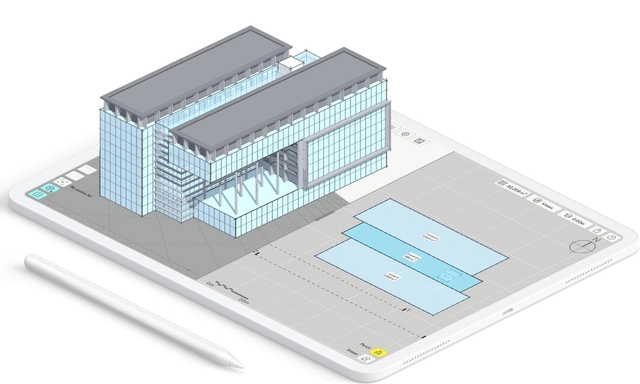
It is in this context that Codesign has proudly partnered with 2050 Materials to launch an early-stage Carbon Calculator. This simple tool takes the building data from Codesign's building model and combines it with user-selected properties to calculate the carbon impact of the design.
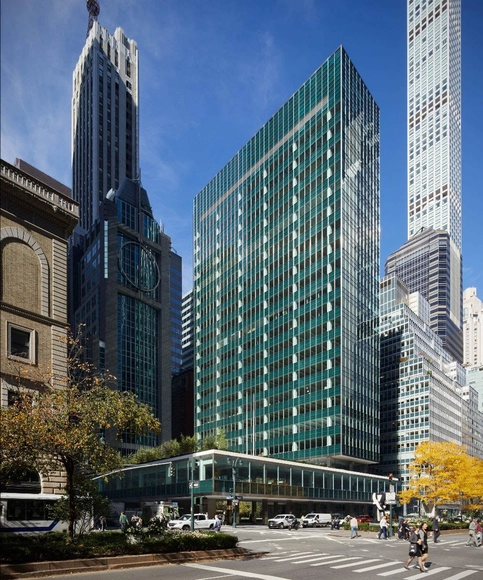
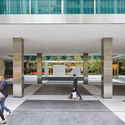
Skidmore, Owings & Merrill (SOM) has completed the restoration works for Lever House, one of New York’s Modernist landmarks. The building was completed in 1952, following SOM’s design. At that time, architecture critic Reyner Banham said of the building “it gave architectural expression to an age just as the age was being born.” Since then, SOM has retained a level of stewardship, revisiting the building and ensuring that the restoration works preserve the original image without compromising contemporary standards of performance.
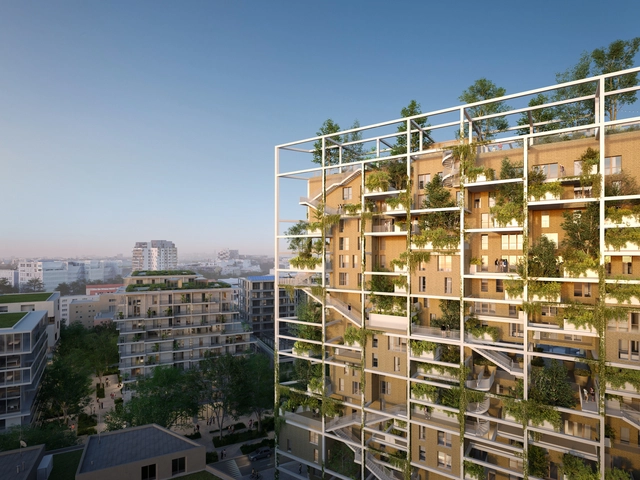
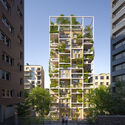
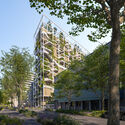
Construction on MVRDV’s La Serre started. Situated in the ZAC Léon Blum eco-district in Issy-les-Moulineaux, just outside of Paris, and designed by MVRDV, in collaboration with landscape architect Alice Tricon, and developer OGIC, the scheme aims to challenge conventional apartment living by integrating nature into the urban setting. The project features housing units, shops, and ample greenery, aiming to create a haven of biodiversity.
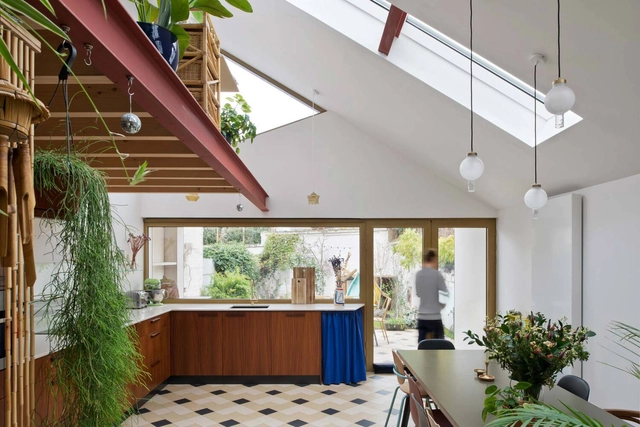
Double-height ceilings, commonly found in museums and industrial warehouses to accommodate large objects, offer both aesthetic and functional advantages. This concept seamlessly translates to residential designs, where these ceilings are often strategically placed near social areas or stairs. By doing so, they enhance the overall space, increase illumination, and add an impressive sense of height. In this context, we present examples to illustrate how to maximize the benefits of double-height ceilings in your home.
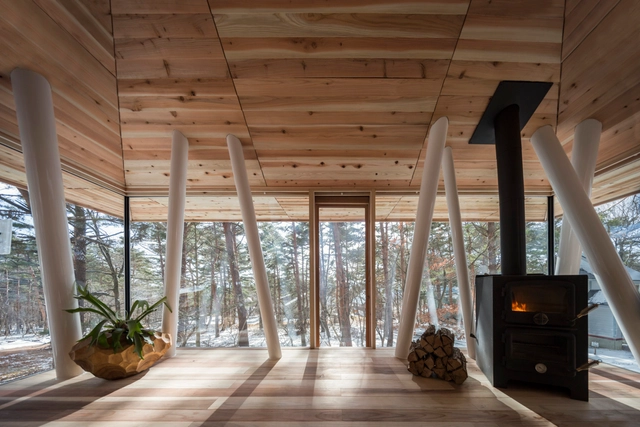
Some of the most picturesque projects are those built in the mountains; the rustic cabin wrapped with a floor-to-ceiling glass panel that overlooks the snow-covered trees. Visually, the architecture exudes an enchanting feeling, but is it truly a habitable space? When houses are built on an elevation of 3,000 meters, installing a fire element alone is not efficient or sustainable. Spaces on such altitudes or particular geographic locations require to be treated thoroughly, beginning with the architecture itself. Whether it's through hydronic in-floor heating systems or wall-mounted chimneys, this interior focus explores how even the most extreme winter conditions did not get in the way of ensuring optimum thermal comfort.
Videos
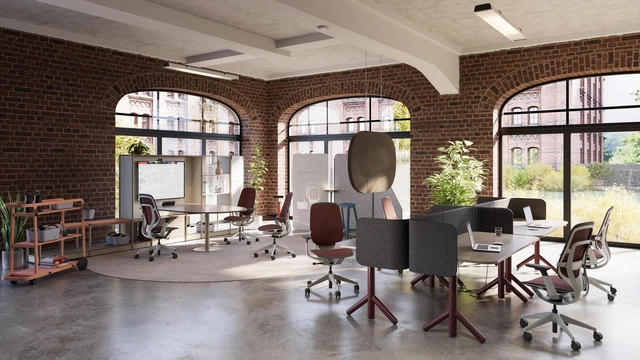
Aesthetically, Steelcase Karman is made to blend into a modern interior with soft technology that is not visible to the eye. It diminishes the style gap between office and living furniture. Image Courtesy of Steelcase
Essential design. I’ve found myself writing this phrase a lot lately. It can be applied to many new products put out by furniture brands who are aware of their role in preserving the environment’s resources, and of the changing, more mindful market. It has become in itself an aesthetic direction that acknowledges the need for restraint. It is performance with no excess, technology that’s invisible; functionality with economy of form. Today, if we are putting more stuff out there, it needs to justify its existence more than ever.
Take the office chair. It’s been designed and redesigned, had knobs put on, not to mention levers. It’s been made to look technical, it’s been made to look like an armchair. In effect, excessive detail and over-complicated adjustment systems have often made the seat’s ultimate performance unattainable for the majority of users. So what’s next for the task chair in this age of restraint?
https://www.archdaily.com/1010028/form-and-function-in-balance-the-essential-design-office-chairEmma Moore
From the competition for the Gabriela Mistral Cultural Center to the competition for the restoration of Palacio Pereira, architectural competitions have enabled the design and construction of many iconic buildings in Chile's history. To recognize architectural competitions as a platform for professionals and students to not only showcase their creativity and skills, but also to secure the preliminary design that best meets a building's requirements, we have selected some of Chile's most successful architectural competition results.
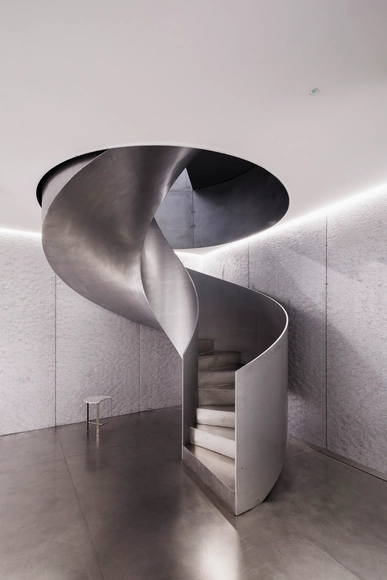
Shortly before the First World War, Harry Brearley (1871-1948), who had been working as a metalworker since he was 12 years old, developed the first stainless steel. Seeking to solve the problem of wear on the inner walls of British army weapons, he ended up obtaining a corrosion resistant metal alloy, and added chrome to the cast iron. The invention found applications in almost all industrial sectors including for the production of cutlery, health equipment, kitchens, automotive parts, and more, replacing traditional materials such as carbon steel, copper, and even aluminum. In civil construction, this was no different, and stainless steel was soon incorporated into buildings.
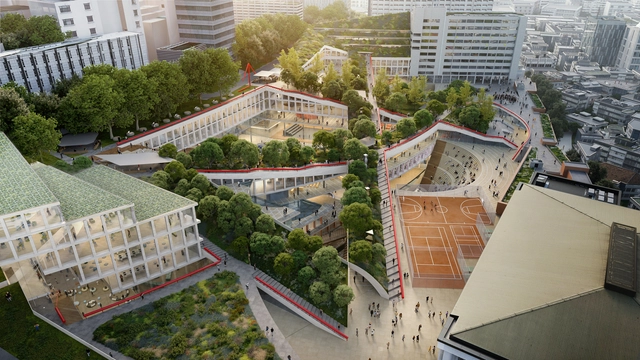
OMA / Chris van Duijn won the competition to design a new campus for Hongik University in Seoul, South Korea. The proposal introduces a cluster of low-rise buildings interconnected by a network of public spaces molded on the existing topography of the site. The design aims to reemphasize the university’s connection to the city and its neighboring areas and to introduce greenery and various open spaces creating a seamless connection between roof terraces, outdoor courtyards, and sunken plazas. The winning proposal was chosen from the entries from established international practices, including SANAA, Herzog & de Meuron, Renzo Piano Building Workshop, and David Chipperfield Architects.
Amidst the immense possibility of constructive solutions, all have advantages and disadvantages, gains and limitations. Whether for economic reasons, deadlines, material availability, or spatial performance, each type of material responds to the project in a certain way and gives it a specific visual and environmental aspect. In general, multiple construction systems are required, enabling the offsetting of any shortcomings in one material through the performance of another. This approach ensures a balanced and effective implementation of diverse materials to address specific project requirements. Drywall panels, or drywall, are on this threshold between rejection and preference.
Hidden in plain sight right above our heads, there’s around 50-150cm of wasted space going unused and unnoticed. Those hard-to-reach spots atop wardrobes, kitchen cupboards, and bookcases are reserved only for seldom-used objects, left to be forgotten and gather dust. Helping rooms with high ceilings make full use of their additional height, however, interior ladders allow storage spaces to reach their full potential, while making sure they remain safe, comfortable, and easy to access by everyone.
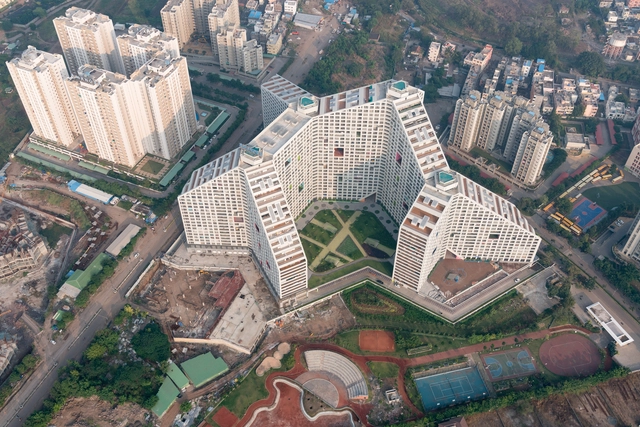
Like most countries, India faces a perpetual housing crisis. As the world’s most populous nation, with an urban population expected to grow from 410 million in 2014 to 814 million by 2050, this becomes a pressing concern. The Indian built landscape brings further complexities in the form of a pervasive market-driven approach and the need for socially relevant housing. Looking into the future, how will India address the needs of its growing population to house the next million urbanites?
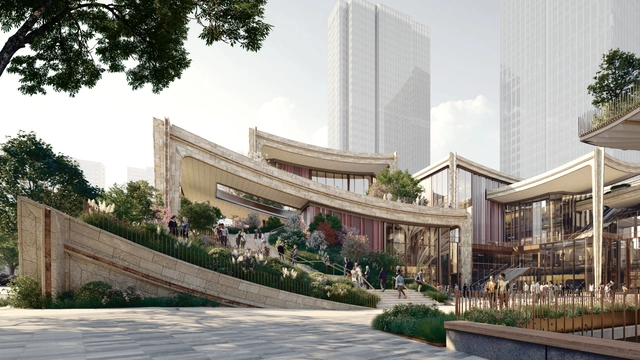
Heatherwick Studio has revealed the design of a new shopping district in the historic city of Xi’an in Shaanxi, China. The proposal aims to highlight the city’s rich heritage of ceramic-making and, through this, to create a sensory experience for visitors in opposition to the restricted act of online shopping. Spanning over 1115,000 square meters, the development features a mixture of functions, from offices, apartments, and a hotel, to a variety of green spaces, rooftop terraces, gardens, and a sunken terrace, all doubling as social spaces. The project is under construction and scheduled for completion in 2024.