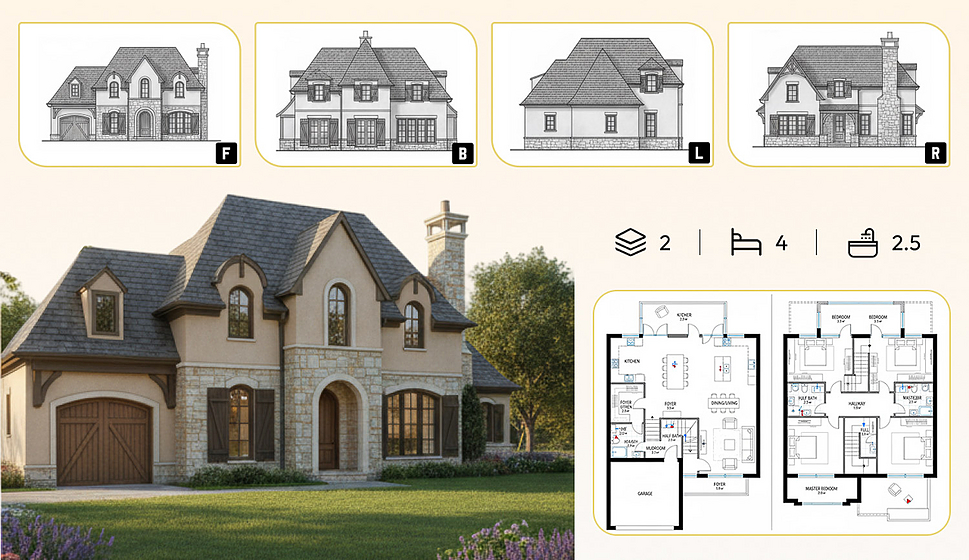
This guide covers a workflow that moves from project parameters to generated floor plans, 3D perspective views, exterior design exploration, and site context visualization, using AI tools in place of preliminary CAD and rendering work.
This guide covers a workflow that moves from project parameters to generated floor plans, 3D perspective views, exterior design exploration, and site context visualization, using AI tools in place of preliminary CAD and rendering work.
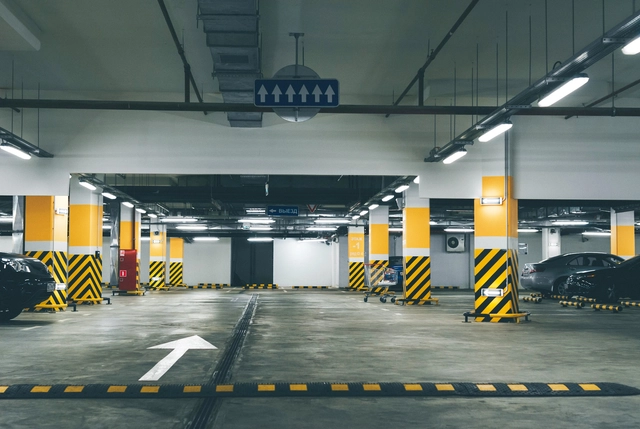
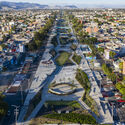
On January 13, the City of São Paulo, through the Municipal Secretariat of Urban Development and Licensing, published the draft bill for the mid-term review of the Strategic Master Plan (PDE)—the city's primary urban planning and development tool. In the draft, which is open for online public consultation and civil society feedback until February 17, the most controversial aspect involves changes to the parameters determining the number of parking spaces allowed in new residential developments near public transit infrastructure, such as subway and train stations, and bus corridors.

The Project Strategies Methodology (M.E.P.) is a process that has been under development since 2013 within the Architecture and Urbanism program at Mackenzie Presbyterian University (FAUMACK). It has been applied by the Project Strategies in Urban, Degraded, and Port Territories research group (LAB-STRATEGY) through international workshops, conferences, academic outreach, and educational materials across various geographical regions of Latin America and the Caribbean.
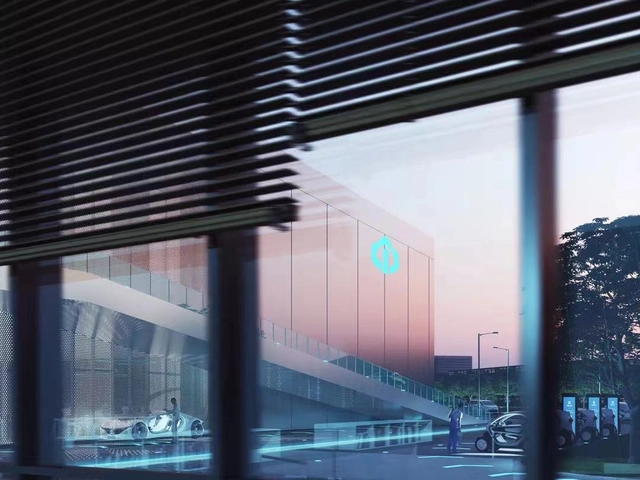
weico is a newly established architecture firm founded by a group of highly experienced industry professionals. Located in a small courtyard near the East Gate of the Temple of Heaven in Beijing, the studio currently comprises about 20 team members. Beyond building design, weico’s practice spans interior design, urban design, architectural programming, and large-scale project management. The firm places a strong emphasis on the cross-disciplinary integration of design with technology, industry, economics, and the humanities, and has recently begun incorporating graphic design into its project workflows. Led by Principal Architect and Partner Sun Wei, weico—established just over a year ago—has already won bids for and taken on major projects, including the T3 Headquarters, Hengli International Headquarters, the Hongqi High-End Customization Center, and consulting for the Hong Kong University of Science and Technology (Guangzhou) Phase II. The firm was also shortlisted for the CGN Scientific Research Base and the Bay Area University, drawing significant attention within the domestic industry.
Although we are an architecture firm, we do not view design as the end of our work, but rather as the starting point. We hope that all our work can serve as a medium to express our understanding of the world, and even as a tool to drive change.
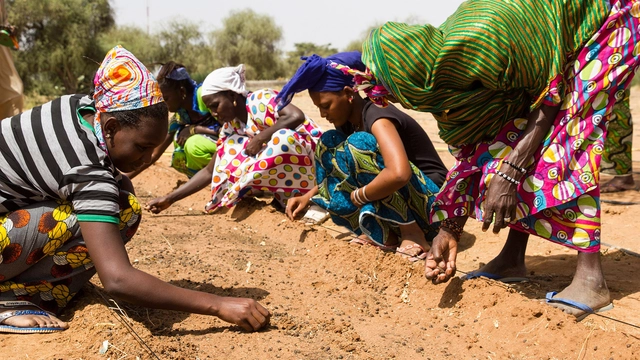
Designated by the United Nations (UN), June 17 was established as the World Day to Combat Desertification and Drought, a date that serves to raise awareness about these phenomena while promoting initiatives to address them. Broadly speaking, desertification refers to the process of land degradation in arid regions, caused primarily by human activities and climatic variations. This phenomenon leads to the loss of vegetation cover, soil erosion, and reduced agricultural productivity, among other negative consequences. Drought, on the other hand, is a prolonged period of abnormally low rainfall resulting in water scarcity, which can have severe impacts on ecosystems, agriculture, and human livelihoods.
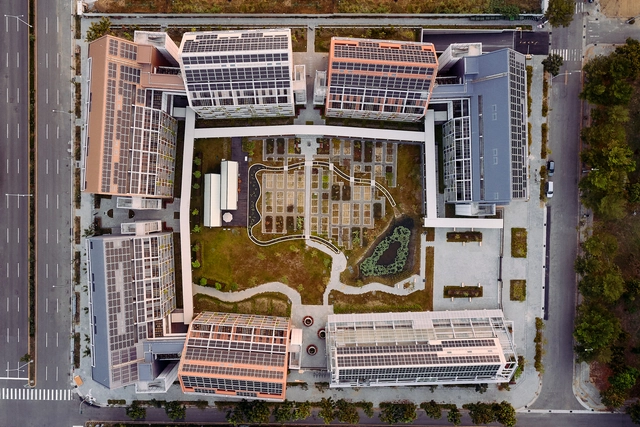
The concept of the circular economy is increasingly prominent in discussions on architecture and urbanism—especially as cities are home to around 55% of the world's population and continue to grow. The goal of circularity is to reduce the environmental impact of current production and consumption models through the efficient use of material resources and waste reduction. But how can this idea actually be implemented in cities?
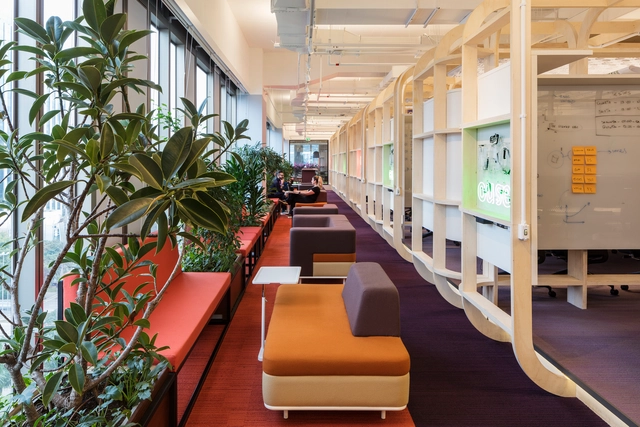
Burnout Syndrome, or professional exhaustion syndrome, is an emotional disorder characterized by extreme exhaustion, stress, and physical depletion resulting from demanding work environments that entail intense competition or high levels of responsibility. Particularly during and after the pandemic—essentially our current reality—burnout rates have surged. Yet, the topic remains under-discussed. Given the significant role of spatial design in the lives of employees, how can neuroarchitecture support quality of life and help mitigate burnout?




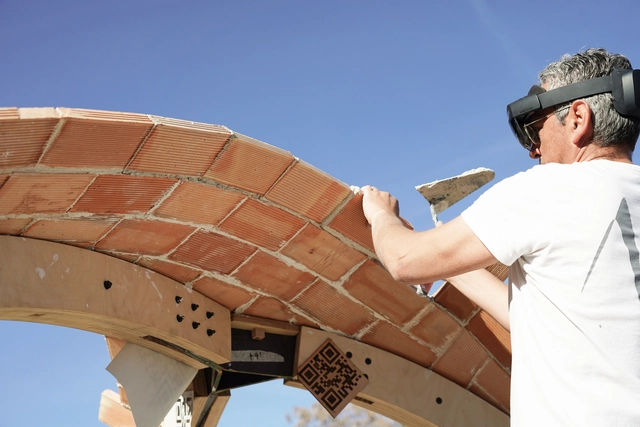
Although the architecture and construction industry has advanced in recent years into new areas such as artificial intelligence (AI), parametric modeling, virtual reality (VR), and other cutting-edge tools, their integration and systematization within the design process remains slow. In an increasingly connected and constantly evolving world, digital tools and emerging technologies are revolutionizing how architects design and build, rewriting the rules and expanding creative horizons. Therefore, it is essential to continue discussing how these tools are being integrated and how their potential can be further unlocked within the discipline.
This July, ArchDaily is exploring the topic of the design process. Within this framework, we want to open up the discussion to hear about your experiences, learn from your successes, challenges, and mistakes—and explore together how these new tools are transforming the practice of architecture.
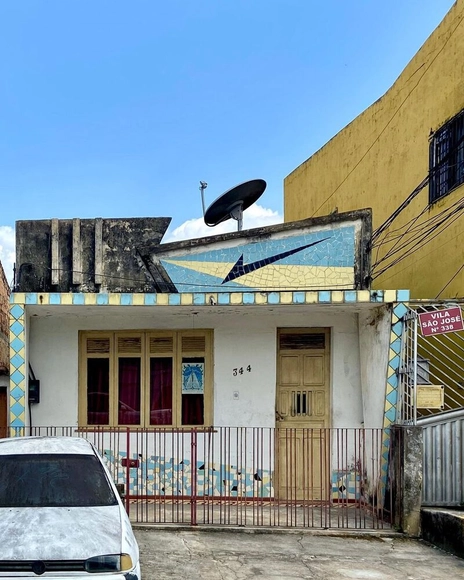
Modernism in Brazil was shaped by various facets and conceptions of progress. In architecture, one of the primary aesthetic languages used to express this was ceramic tile panels, as seen in the work of artists such as Athos Bulcão, Cândido Portinari, and Burle Marx.
In the northern region, specifically in the state of Pará, the Modernist movement arrived adapted to local standards. This was reflected in the widespread use of parapets to conceal roofs, gardens featuring native plants, wooden window frames, and facades clad in ceramic tiles, among other features. Furthermore, engineers and architects of the era, such as Ruy Meira and his nephew Alcyr Meira, designed several murals across the region using both whole and broken tiles.
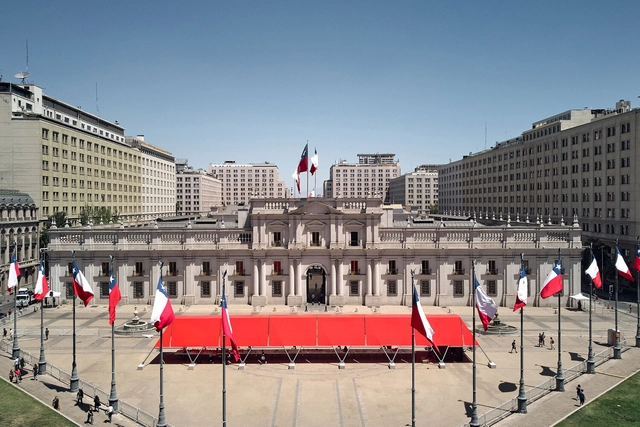
The Exhibition Pavilion for the 2023 Chilean Biennial of Architecture and Urbanism was located in the Plaza de la Constitución, just steps from the Palacio de La Moneda. The structure references and reinterprets a pavilion designed on this very site in 1972 by architect Montserrat Palmer for the Ministry of Public Works (MOP) to mark the opening of UNCTAD III—the headquarters of the Third United Nations Conference on Trade and Development in the Third World.
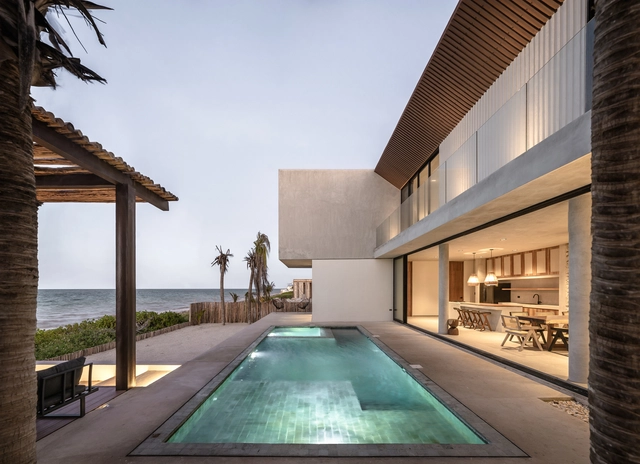
Pool design is an opportunity to create sophisticated, relaxing spaces that complement and enhance their surroundings. When choosing materials, it is essential to look for options that are not only aesthetically appealing but also durable and wear-resistant. One material that meets all these criteria is Sukabumi stone.
This natural stone is quarried in the region from which it takes its name, Sukabumi, Indonesia. In addition to its visual appeal and emerald green color, Sukabumi stone has slip-resistant properties and is highly resistant to erosion. These qualities make it a popular choice for pool projects and decorative accents with a natural aesthetic worldwide.
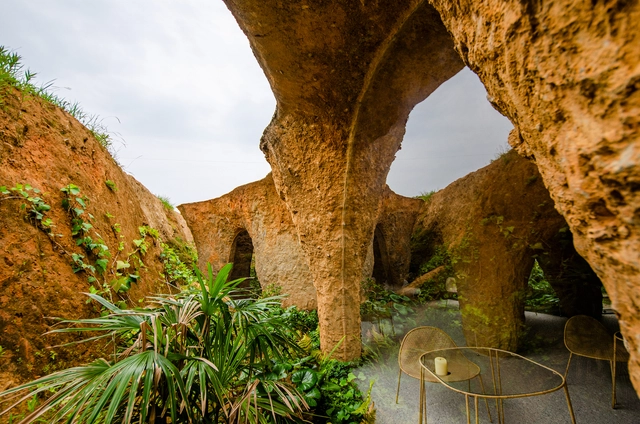
In the dawn of humanity, communities instinctively organized themselves based on local conditions, available resources, and their way of life. While nomadic groups created solutions for temporary occupation—often carrying shelters among their belongings—settled groups also developed ways to occupy available spaces, establishing construction techniques that have evolved to this day.
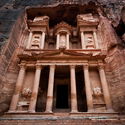
One such way of dwelling, which conventional architecture eventually sidelined—to the point of it acquiring a fantastical status in popular culture—was the occupation of cavernous or excavated spaces. Yet, this remains an ancient practice that leverages vernacular techniques to adapt to climate conditions and expand architectural possibilities.
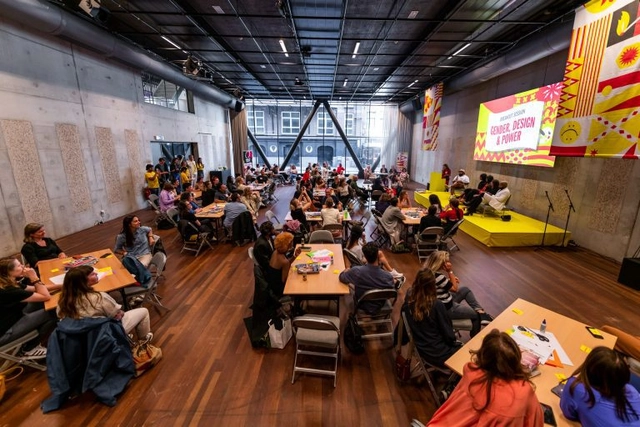
As part of the agenda of What Design Can Do (WDCD)—an international organization that seeks to accelerate the transition to a sustainable and just society using the power of design—a series of events and conferences took place in Amsterdam during 2022, bringing together speakers from all over the world to present their projects and perspectives on the current challenges facing the design community today.
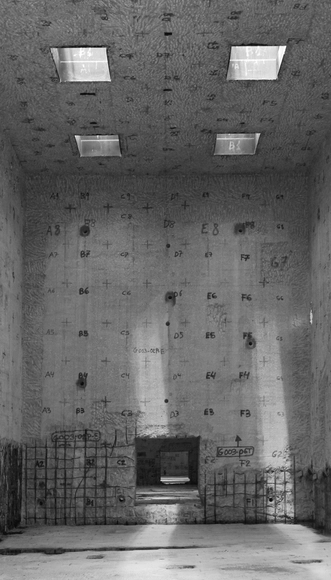
The last few decades have yielded a renewed conception of the ruin, shaped by the logic of contemporary society. These ruins can be found, for example, in the demolition of industrial buildings on a colossal scale. Yet they are stripped of their historical and enigmatic values, since we have witnessed their birth and coexisted with them in the present.

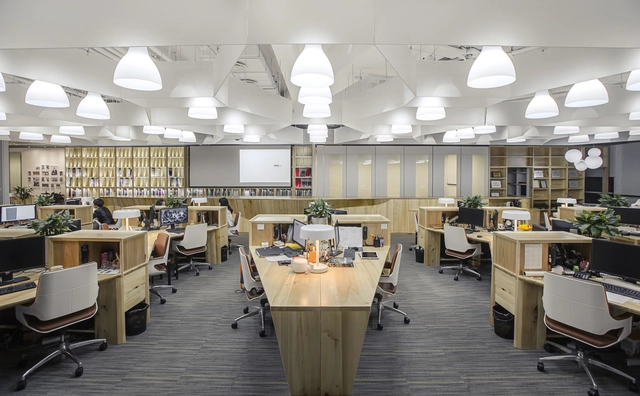
DDB Architects (Shanghai) was founded in 1998 by Professor Xiang Bingren. Since its inception, influenced by a strong academic background, the firm has adhered to the core philosophy of "culture-led design, creative value enhancement." This approach manifests as a multifaceted contemplation of culture across diverse design typologies, driving continuous creative momentum. Positioning itself as a highly specialized, professional, and lean, top-tier architectural design team, the firm is committed to pursuing both academic and artistic excellence in architecture. Over more than 20 years of deep industry engagement, the firm has maintained an urban perspective. It has accumulated extensive project experience, professional expertise, and a robust client base across seven key sectors: supertall complexes, offices and corporate headquarters, urban renewal, commercial spaces, cultural landmarks, bespoke hospitality spaces, and customized residential spaces. Through high-caliber design creativity, professional quality, and attentive, personalized service, DDB has established an outstanding market reputation.
The firm features a mature innovation and research system, a lean design methodology, and an integrated design workflow.
Innovation and Research System: Centered on talent development and brand building, the firm has conducted a series of distinctive explorations and practices across platforms such as R&D, team knowledge management, and media communication. By integrating R&D platforms with design practice, design and management are closely linked to drive iterative upgrades.
Lean Design System: Utilizing its proprietary, meticulous curtain wall control methodology, the firm manages façade design with scientific rigor, allowing for highly targeted cost optimization.
Integrated Design: With an integrated design matrix, the firm possesses design capabilities across architecture, landscape, and interior design, alongside the perspective and capacity to address related technical challenges. Additionally, by collaborating with a network of leading domestic technical partners and consultants, DDB has formed a multidisciplinary design matrix to deliver highly professional solutions tailored to clients' specific needs.
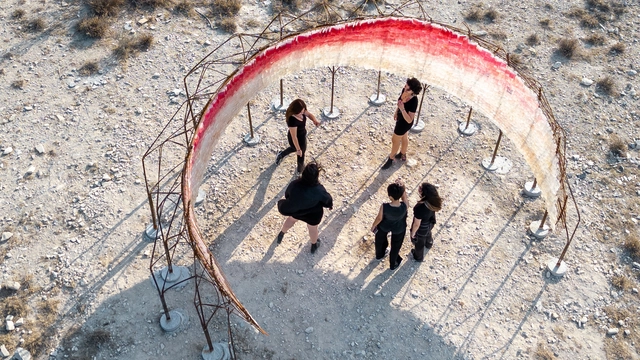
The Centro de Estudios Superiores de Diseño de Monterrey (CEDIM) presented "Cámara Clara," an installation that seeks to dialogue with the sun within the semi-arid landscape of the northern city of Monterrey, Mexico. This ephemeral installation, created by CEDIM students, does not fight against the sun, as architecture so often does, but rather celebrates its presence and orbital rhythms, allowing viewers to contemplate it through its skin from a precise central vantage point within the structure.
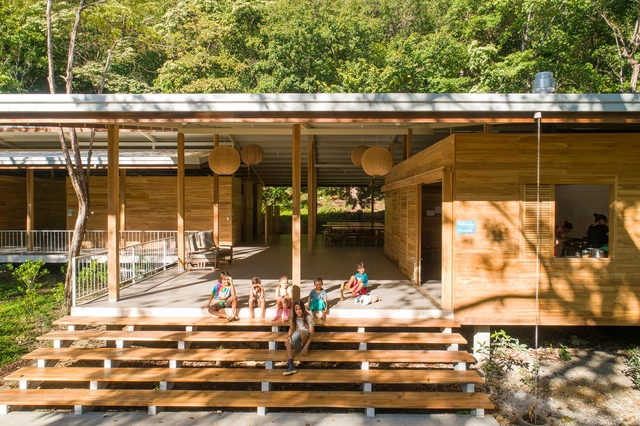
What does it mean for the Costa Rican Architecture Biennial to have reached sixteen editions? Clearly, it represents a significant accumulation of exhibitions, conferences, and diverse programs that reflect the concerns and shifts in the country's architectural agenda over the past three decades.
'A Project of Trends: 30 Years of Architecture Biennials in Costa Rica' is the exhibition at the Museum of Contemporary Art and Design (MADC) that reviews this trajectory in detail, under the precise curation of Paz Monge Cortés and José Daniel Picado-García.
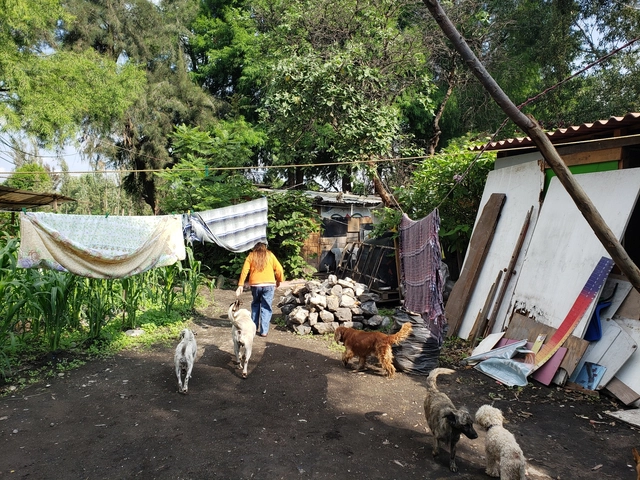
Since the pandemic, urban issues have become more pressing than ever for many people in Latin America. COVID-19 triggered a turbulent shift in the real estate market, driven both by speculation in second-home markets and the influx of “digital nomads” in cities like Medellín, Buenos Aires, and Mexico City.

From fire in prehistoric caves to public lighting in smart cities, illumination has constantly evolved alongside technological advancements. In recent years, however, it has begun to shift even more significantly in terms of design and functionality, driven by a growing awareness of its impact on the environment and human health.

What comes to mind when you think of technology? Of all the words that pop into your head, "ancient" probably isn't one of them. We tend to think of technology as something that belongs to the future.
In a world where high-tech solutions are virtually synonymous with development, Julia Watson has taken the opposite approach. The New York-based Australian designer has spent much of her career traveling to indigenous communities in the most remote parts of the world—from Benin to Iraq—to study how we can apply their ancient innovations to our planet's contemporary environment.
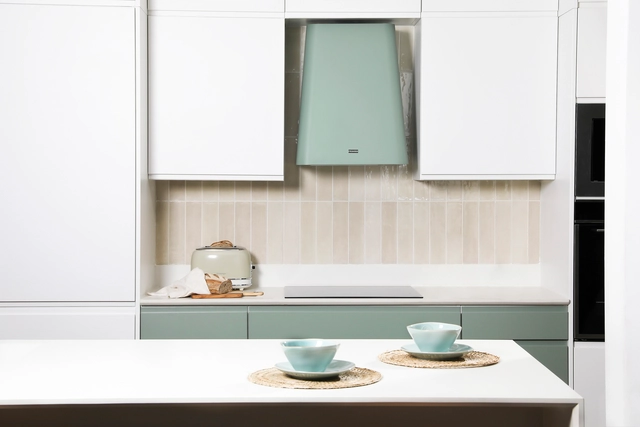
The role of fire in human development is undeniable. Our ancestors leveraged this discovery to cope with low temperatures, protect themselves from predators, and cook food to make it more digestible. Over time, the ritual of cooking evolved from a simple open-air campfire to enclosing fire within chambers. These chambers gradually became more sophisticated over the years, eventually transforming into the complex, modern elements that served as the starting point for the emergence of kitchens as social architectural spaces.
Regardless of its size or layout, the kitchen as a shared space has preserved its ritualistic nature to this day. In ancient times, we gathered around the fire to prepare food and tell stories; today, we meet in our home kitchens to connect with one another. The importance of this space in daily life is enhanced by kitchen furniture lines like Wasser, a brand distributed by CHC that balances aesthetics and functionality, conceiving kitchens as utilitarian and social spaces, with special attention paid to design.
On December 10, 2022, ArchDaily successfully hosted the inaugural "Co-Creation & Co-Ideation" forum for ArchDaily Building Materials (Jianri Zhucai). The event featured seven guest speakers who shared their stories about materials: Libin Chen (Partner at David Chipperfield Architects Shanghai), Jing Lin (Senior Project Architect / Associate Director at SHL Architects), Shuangquan Ni (Marketing Director at Avarte), Yi Yao (Deputy General Manager of the Design Management Department of China Resources Land East China Region), Zhou Qing (Deputy General Manager and Design Director at GOA), Isabel (Residential Project Manager at iGuzzini), and Chunyan Cai (Principal of Atelier Tao+C). Additionally, Shuang Han, ArchDaily China's Editor-in-Chief, introduced our decision to launch a WeChat Mini Program to enter the building materials sector, along with our future plans. We would like to extend our special thanks to China Resources Land for providing the venue, to our sponsors iGuzzini and Avarte for their generous support, and to all the attendees.
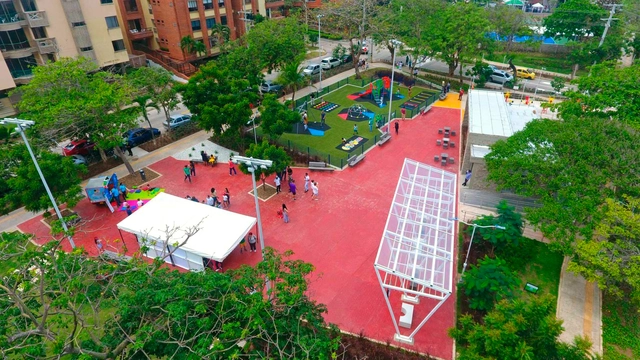
Samira Perez, a longtime resident of Barranquilla, Colombia, used to spend time and money on taxis to take her children to local shopping malls after school and on weekends. There, they would pass the time window-shopping at high-end stores, watching shows, and eating at restaurants.
The central role of the shopping mall in the lives of the Perez family is common in rapidly urbanizing Latin American cities, where, in the absence of accessible outdoor alternatives, malls often provide safe, clean social spaces. In Barranquilla, where malls are ubiquitous, a 2009 perception survey showed that 90% of residents were dissatisfied with the city's green and public spaces.
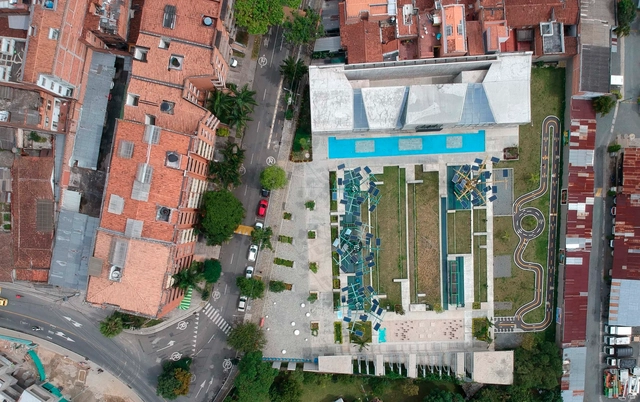
Every year, the Colombian Society of Architects convenes representatives, experts, and special guests to address pressing issues related to everyday architecture. At this year's Colombian Congress of Architecture and Urbanism, the overarching framework was defined by the concept of "social architecture."
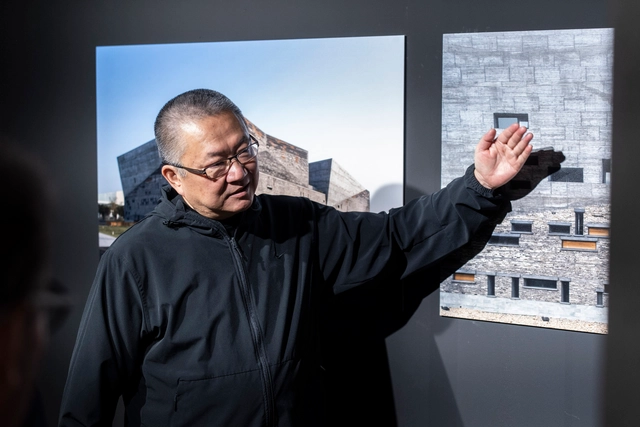
In October 2023, the Mugak International Architecture Biennial of the Basque Country opened its fourth central exhibition in the city of San Sebastián, Spain, the result of a collective dialogue between key figures from the architectural and artistic worlds. Positioned as one of the leading architectural events of the Atlantic Arc, this public meeting point engages with the trends and concerns of our time.
Running through February 2024 with free admission at the Basque Country Architecture Institute, the reflective exhibition "Habitar el Cambio" (Inhabiting Change) is structured around the concepts of "rebuilding, rehabilitating, and rethinking," responding to the current climate of complexity and crisis across economic, health, ecological, and social spheres.