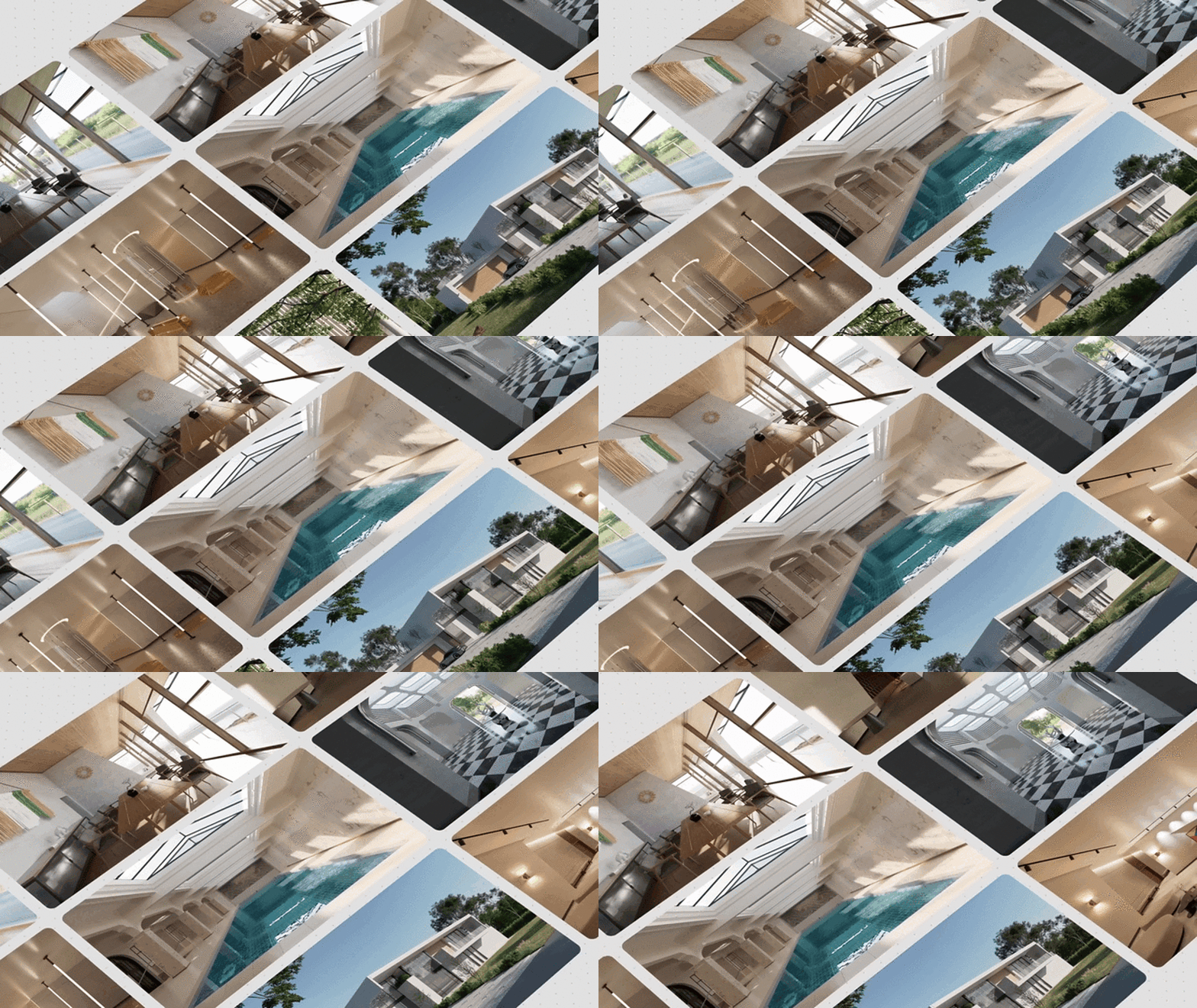
How to visualize architectural concepts in SketchUp using D5 Lite for faster design exploration.
How to visualize architectural concepts in SketchUp using D5 Lite for faster design exploration.

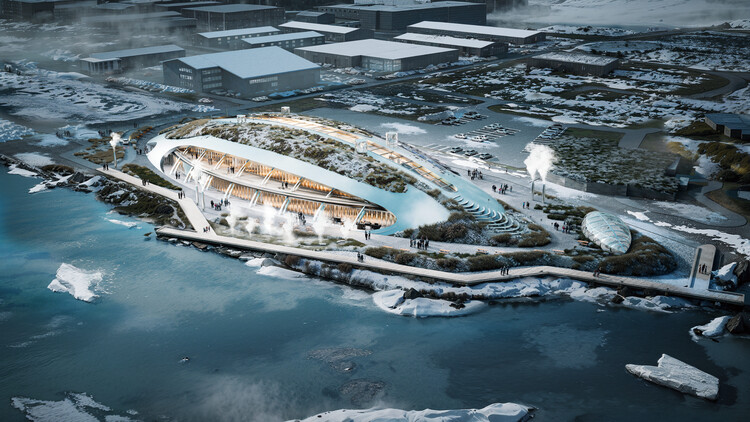
Research is a structured and active process of analyzing, testing, interpreting, and solving, ultimately leading to knowledge that can be considered disruptive. The creative process behind research is an invitation to the imagination: to seek answers, solutions, and alternatives to the reality we know. To go beyond theory, the exercise moves away from books and computers and into spaces designed specifically to foster experimentation. In these six unbuilt projects, laboratories, workshops, observatories, gardens, auditoriums, and exhibition spaces are arranged as fertile ground for the imagination. These spaces must support collaborative work and creativity, so that curious minds and skeptics alike can find paths toward alternative futures.
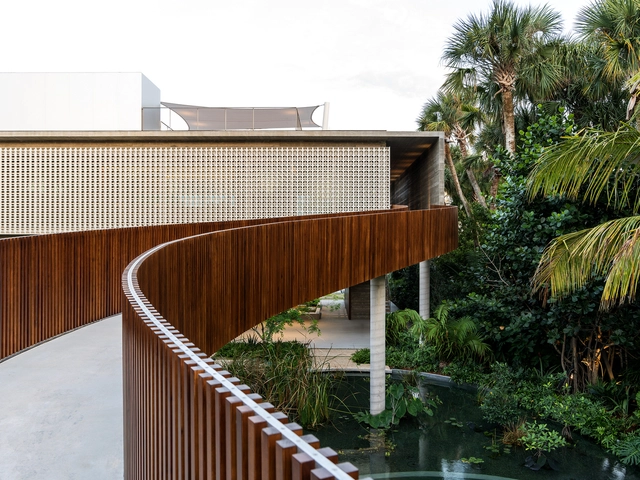
In modern architecture, the promenade architecturale stood out as an essential design strategy to realize the principles of functionality, aesthetics, and integration with the urban context. Iconic projects by Le Corbusier, such as Villa Savoye (1929), illustrate this concept by guiding the visitor along an upward path that culminates in the contemplation of the roof garden, an open space where the building dialogues harmoniously with nature. A century later, the concept continues to influence contemporary projects, exploring the relationship between movement and space across various architectural typologies such as houses, museums, libraries, and parks.
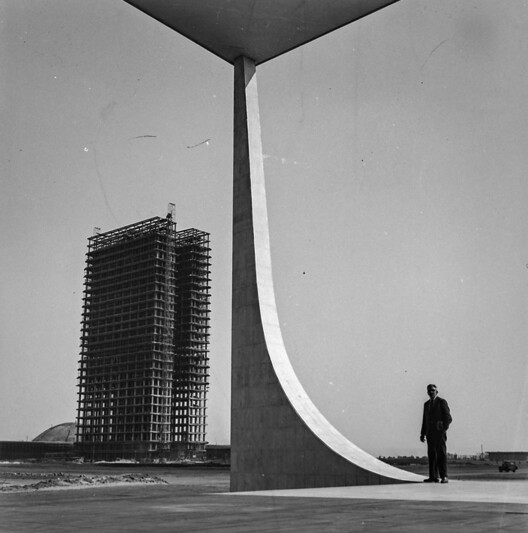
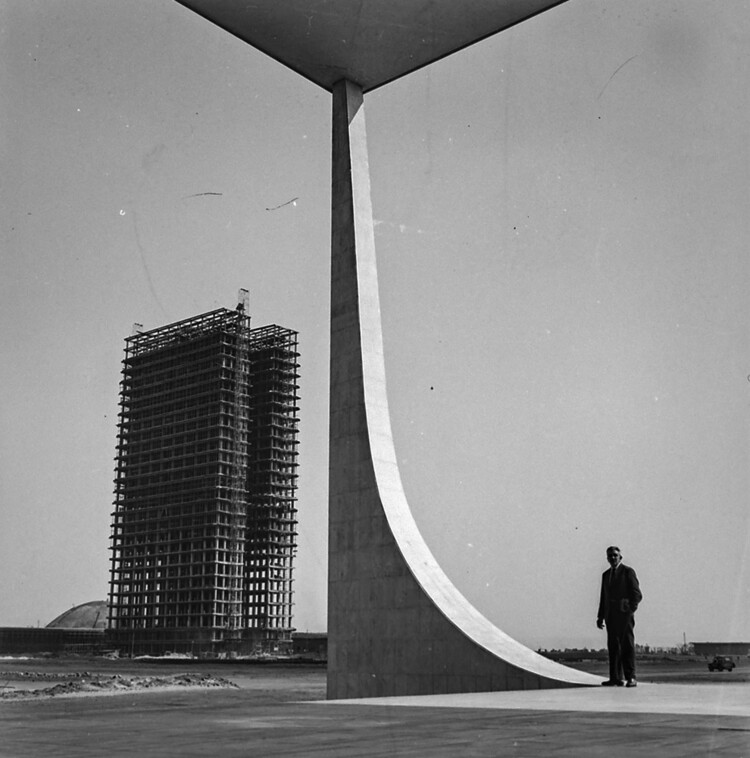
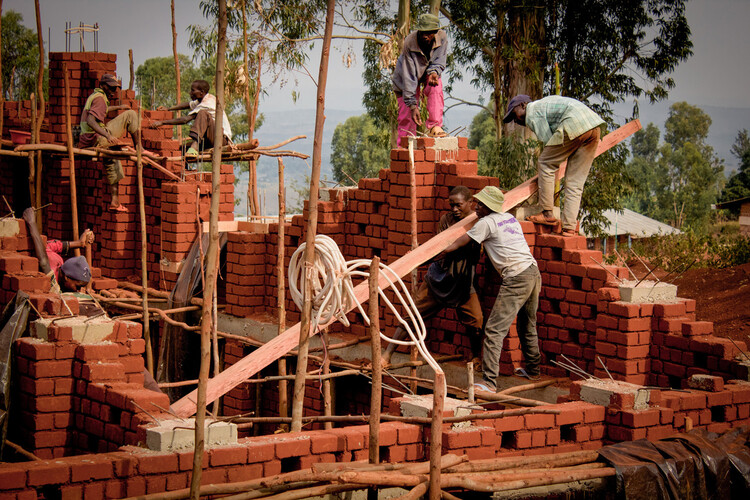
Building a city from scratch is no easy task. It never has been, and it never will be. The very idea of creating something that would otherwise develop and grow gradually demands resources, organization, and, above all, labor. This was the case in 1958, when Brazil's Central Plateau became one of the largest construction sites of the 20th century for the building of Brasília. Tens of thousands of candangos (migrants coming predominantly from northeastern Brazil, many without prior technical training) arrived to build an entire capital in just over three years, under then-president Juscelino Kubitschek's motto of achieving "fifty years of progress in five." Oscar Niemeyer's architecture and Lúcio Costa's plan would not have been possible without the assumption that enough workers were available and willing to endure low wages and extremely harsh conditions to transform concrete and curves into a national symbol.

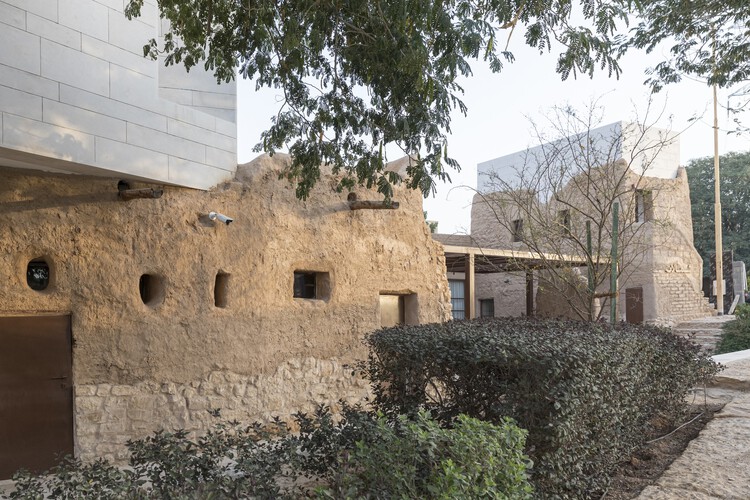
As Saudi Arabia's cities expand through increasingly ambitious cultural projects, Syn Architects has spent much of its practice looking at what predates that transformation. The practice's participation in the 2025 Venice Architecture Biennale grew out of years spent documenting Najdi architecture, disappearing urban fabric, local materials and inherited forms of knowledge. For Syn, heritage becomes useful when it can be documented, tested and brought back into use.

Selecting wood for outdoor applications involves more than appearance alone. Durability, stability, versatility and sustainability all influence how a material performs over time. Understanding these factors can help architects, builders and homeowners choose the right wood for exterior projects.
Wood remains one of the most desirable materials for exterior applications. Its natural appearance, warmth and versatility make it a popular choice for decking, siding, windows, doors, outdoor structures and architectural detailing.

Architects are trained to choose materials, compare their properties, and decide how they should be used. Some practices are taking on a different task: developing the material itself.
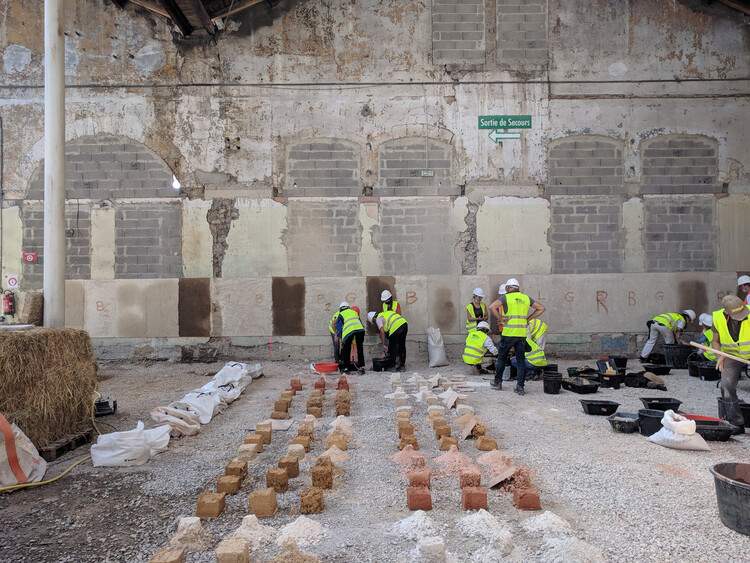
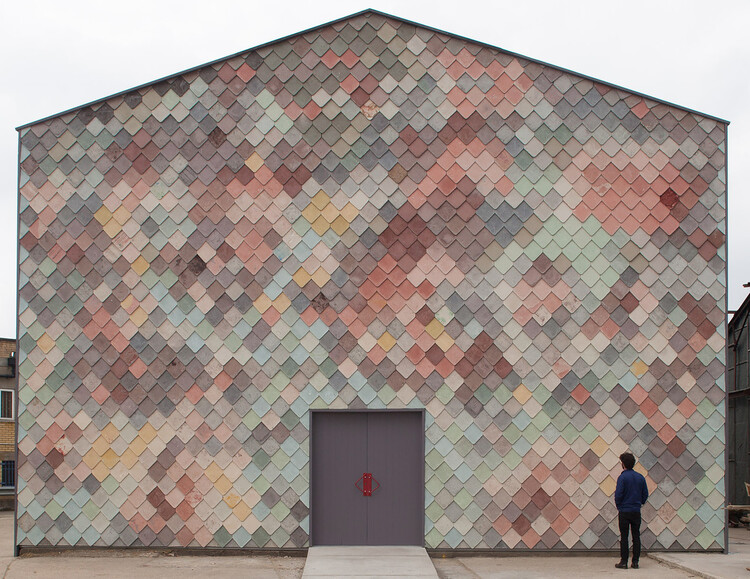
For Material Cultures, BC architects, and Studio Ossidiana, this can begin with hemp grown for construction, earth excavated from building sites, or mixtures of concrete, pigment, stone, and shells. Their work connects material research with processing, fabrication, and construction.

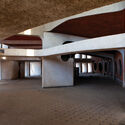
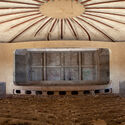
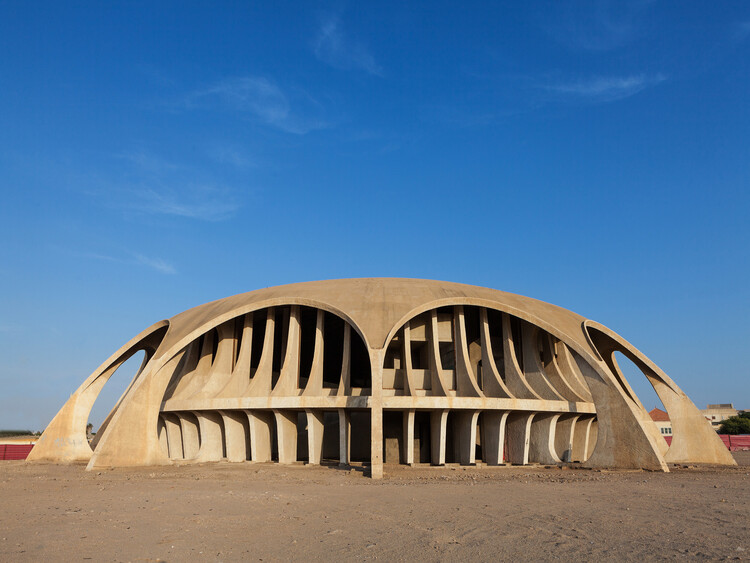
What sustains the purpose of architecture that has never been occupied? For decades, this was the question surrounding the Namibe Cinema-Studio, built on the coast of Angola in 1973. Conceived as a film screening venue, the building remained closed and abandoned, never fulfilling the role for which it was created. Yet it withstood the passage of time, becoming an icon of the Angolan landscape and architecture, until finally screening its first film nearly fifty years later.
But what kept this building alive in the collective imagination for so long? Was it precisely its bold, singular architecture that was able to give meaning to a project that never had a use?

On Spain's Costa Brava, the little-known brutalist housing block Les Feixes, in L'Estartit, becomes the main stage of "Caçador de Geometries" (Geometry Hunter), a short film produced by Simon and directed by filmmaker Matilda Vidal de Llobatera. Its premiere marks the launch of the sixth edition of the Living Places – Simon Architecture Prize, the only award that uses video to explain architecture from the perspective of those who inhabit it. Curated by Fundació Mies van der Rohe since 2016, it is now open and, coinciding with its tenth anniversary, it joins the program of Barcelona 2026, World Capital of Architecture.

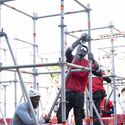
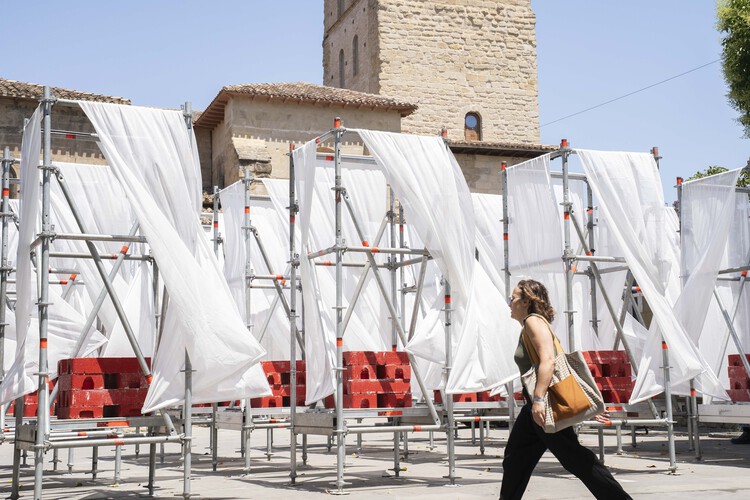
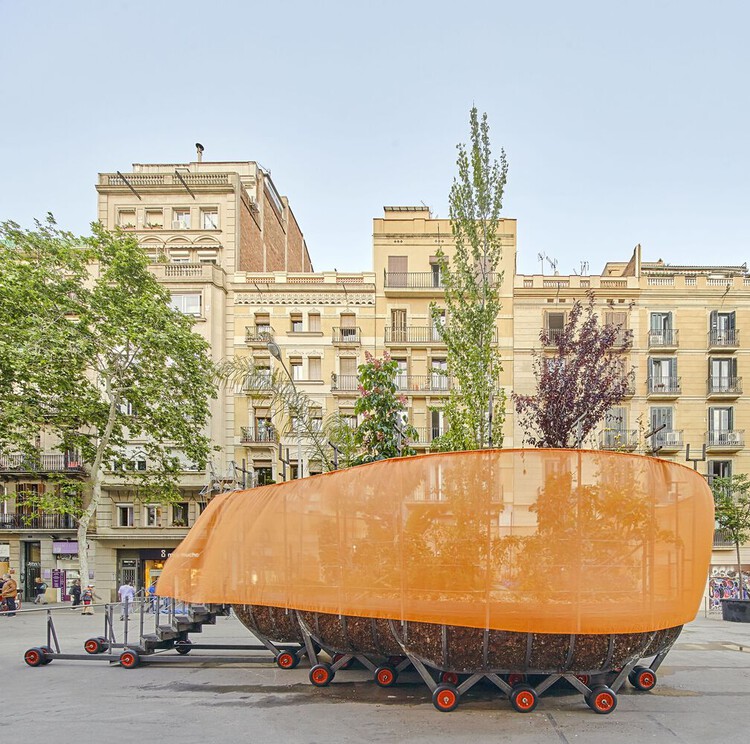
Concéntrico returned to Logroño for its 12th edition in June 2026, transforming the city into a working site for architecture. Since its founding in 2015, the festival has built an identity on resisting a distant, controlled exhibition of design by constructing full-scale installations in the city's streets, plazas, and vacant lots. Concéntrico embeds installations directly into daily life, engaging residents and visitors as active, observant participants. This year's program brought together more than twenty projects by architects, designers, and researchers working across geographies and methods, each contributing to a citywide experiment in reimagining public space.

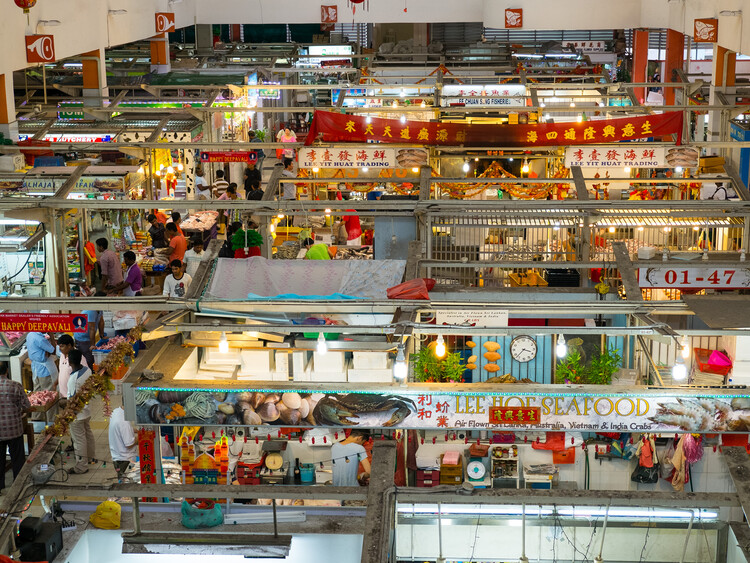
In many Asian cities, eating has never belonged entirely to the private home. It spills into markets, hawker centers, street stalls, and wholesale districts embedded within larger buildings or areas. These are places where the city exchanges information and watches other people pass through. They are not restaurants in the conventional sense, nor are they simply markets. In some way, their vibrancy and usage reflect the society's conditions at that moment. They are public kitchens: shared infrastructures where domestic routines are partially transferred into collective space.
Hong Kong's Municipal Services Buildings and curbside dining are where food is understood not only as culture, but as urban organization. The cooked-food center in the city folds eating into a larger civic machine of wet markets, libraries, and sports halls. The dai pai dong and street-side table, meanwhile, transform the curb into a temporary dining room. Looking beyond Hong Kong, similar questions emerge across the region. How do cities make room for social eating? Where does cooking happen when domestic space is limited? What kind of architecture supports the mess and heat of everyday food?

Nature-based solutions are a primary strategy for contemporary climate adaptation and urban ecological resilience, embraced by cities regardless of their geography or climate zone. Green roofs, urban forests, bioswales, expanding tree canopy, protected wetlands, and permeable landscapes are featured prominently in municipal adaptation plans. These interventions are deployed across neighborhoods, distributed through street networks, and measured by hectares restored, trees planted, stormwater retained, or temperatures reduced. This shift expands the role of ecology within cities, establishing environmental elements as infrastructure systems and providing planners with a grounded framework for integrating natural systems into urban development.

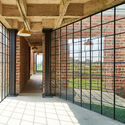
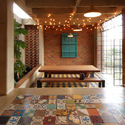
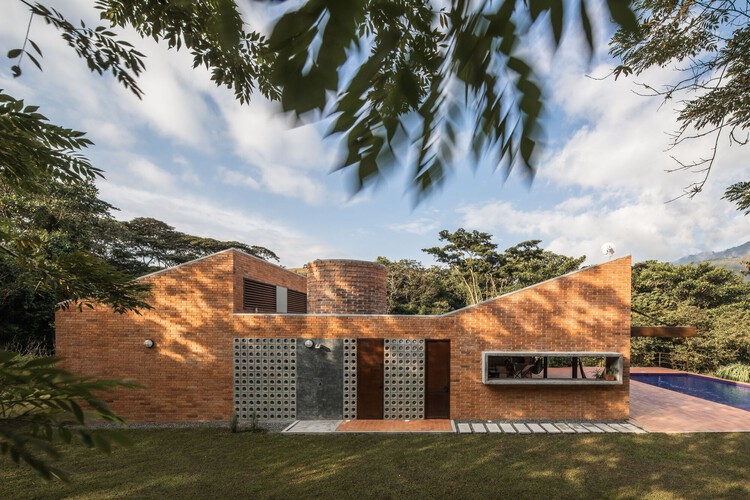
Brick is one of Colombia's most widely used materials, helping its local architecture stand out globally. This is due to the excellent quality of the clay found in several regions of the country. In addition to cladding most of the buildings that define Bogota's urban landscape, the material is used in all its forms, from adobe to floor tiles in rural homes.
Relatively close to the capital are the iconic artisanal brickworks that have supplied the materials defining Colombian architectural trends, as was the practice of architect Herbert Baresch, who even had custom brick formwork designed for his concrete columns, and whose adobe bricks were manufactured by local artisans directly on the construction sites. This material seems destined never to become obsolete; on the contrary, technological advancements continue to reveal new methods of application. Below are 12 examples of houses that employ it as an exposed surface.

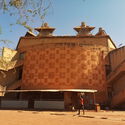
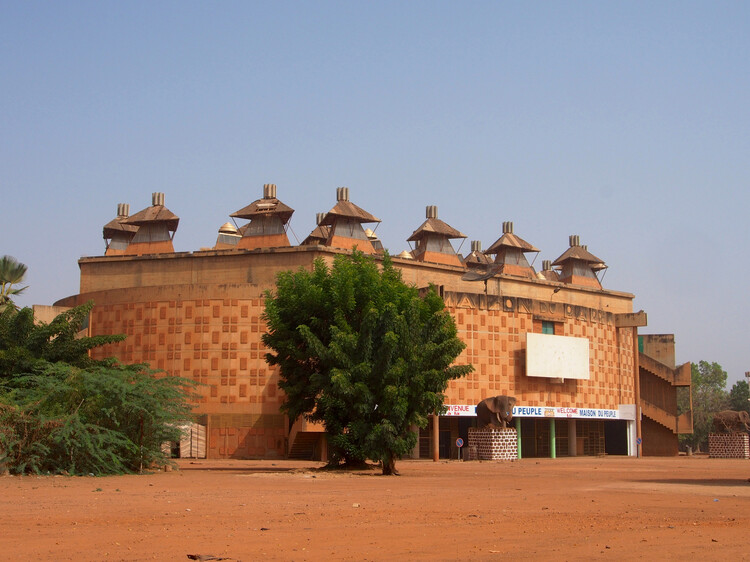
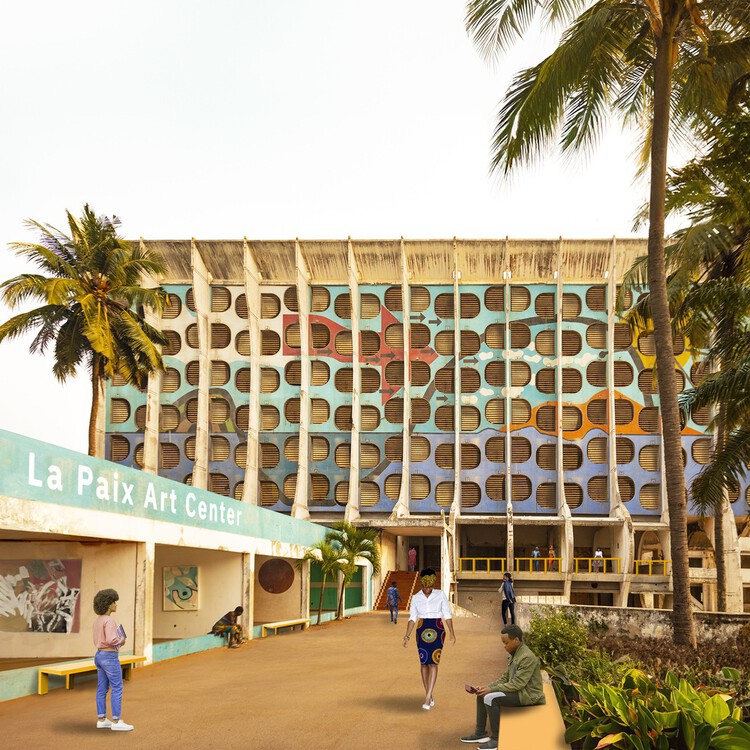
When African countries gained independence from European colonial rule during the mid-twentieth century, nation-building involved more than establishing new governments and political institutions. Newly sovereign states also needed to establish a built identity that could distinguish them from their colonial past, and architecture became an important tool in this process. Across the continent, monumental civic buildings, universities, conference centers, and cultural institutions were commissioned to embody progress and national unity. Yet this created a fundamental contradiction: many of these buildings adopted modernist and Brutalist architectural languages that had originated in Europe, while some were even designed by architects from former colonial powers. The Maison du Peuple in Ouagadougou, Burkina Faso, provides a particularly revealing example of how an architectural language associated with Europe could be appropriated and transformed into an expression of postcolonial independence.

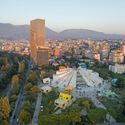
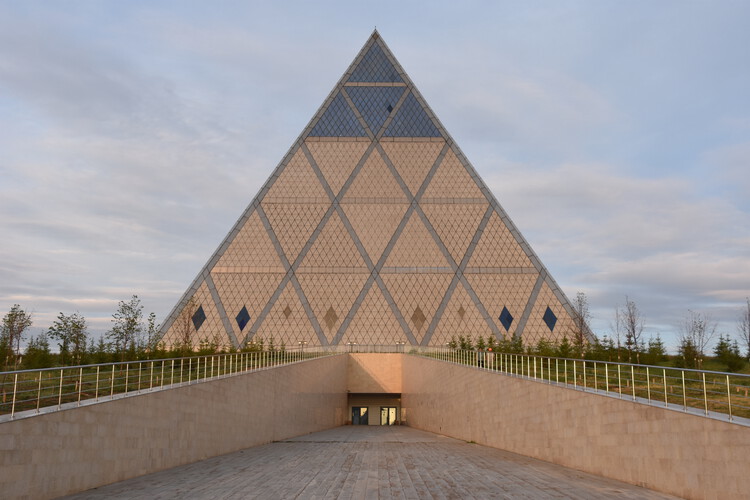
The Pyramid of Tirana opened as a museum to Enver Hoxha in October 1988, three years after his death and three years before the regime collapsed. In the decades that followed, it served as a radio station, a conference venue, a nightclub, and a base for NATO during the Kosovo war. In 2023, MVRDV reopened it as a park and technology school, adding steps to the façades so that the building could be walked over. The inauguration was timed to the Western Balkans Summit on 16 October, a date that some critics pointed out was Hoxha's birthday. Two projects of national self-definition, thirty-five years apart and built on opposite political premises, have used the same structure.

Architectural prototypes are often used to test decisions before construction begins. But in some practices, prototyping begins while those decisions are still taking shape. Moving an idea from drawing into matter introduces questions that depend on making itself: how a material can be cut or joined, how much a piece weighs, how an assembly comes together, whether parts can be reused, or even what form the project should take.
TAKK, salazarsequeromedina, and Ensamble Studio each make physical experimentation part of their design process, but they ask different things of it. For TAKK, prototypes help test how materials and components come together as a construction system. For salazarsequeromedina, models and built systems remain open to dismantling, recombination, and later uses. Ensamble Studio uses physical experiments to generate geometry and construction knowledge that can move into engineering and full-scale building. What distinguishes these approaches is not simply that they prototype, but what each practice expects to learn through the prototype.

Between the eighteenth and nineteenth centuries, traveling through Rome, Paris, Venice, Florence, and other European cities was considered an essential part of a newly graduated architect's education. At a time when access to photographs and publications was extremely limited, these trips were the primary way to experience architecture up close. In the early twentieth century, Le Corbusier reinterpreted this tradition in his own way: at 23, he embarked on the Voyage d'Orient, passing through the Balkans, Istanbul, and Athens, producing travel notebooks he would return to throughout his life.

Argentina's vast territory reveals multiple ways of building shaped by its geographic, climatic, and cultural diversity. When designing single-family homes in Córdoba, Mendoza, Santa Fe, and Buenos Aires, numerous young Argentine architecture firms respond to distinct material, landscape, and cultural conditions by working with the resources, construction systems, and crafts available in each area. The house becomes a means of interpreting its context, engaging with local traditions, and incorporating new approaches to architectural production.
As the setting for everyday life, the house is part of an ongoing experience, acting as a complex and subtle organism that responds not only to its inhabitants' way of life but also to the landscapes in which it is situated. After presenting different perspectives and definitions by figures such as Le Corbusier, Ernesto Rogers, and Lewis Mumford, Argentine architect Eduardo Sacriste emphasizes in his book Qué es la casa its role as a reflection of the past, sharing the present and illuminating the future.

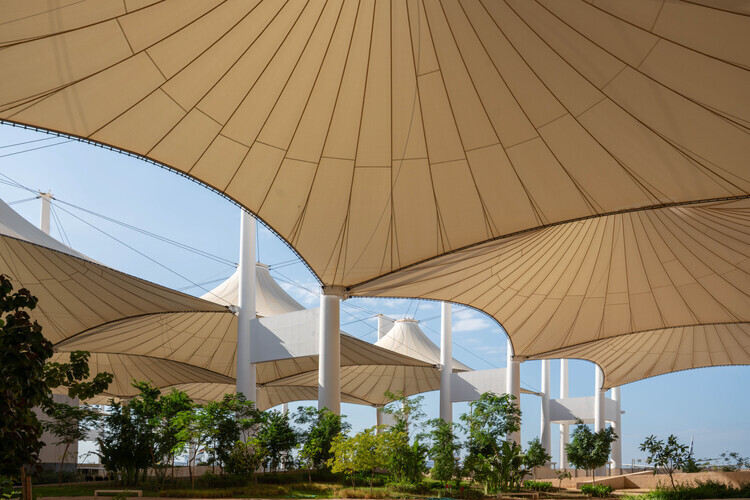
Across the Gulf, Bedouin heritage often enters architecture first as an image. Airport terminals recall tent silhouettes, visitor centres incorporate woven screens, and pavilions reinterpret traditional textiles as decorative façades. These references have become a familiar visual language for expressing regional identity. They also risk reducing one of the world's most sophisticated vernacular building traditions to an architectural motif. Long before the Bedouin tent became a cultural symbol, it was an environmental technology: a lightweight, adaptable structure capable of creating comfort in one of the planet's most demanding climates. What contemporary infrastructure may inherit is not the tent's silhouette, but the construction intelligence woven into it.
ArchDaily is looking for an Expert Contributor to join our Sponsored Content team. In this role, you will create editorial content exploring architectural products, materials, projects, and ideas while maintaining the design-focused perspective and editorial standards that define ArchDaily.
This role requires a strong understanding of architecture and design, experience with branded or sponsored content, and the ability to communicate complex ideas in a clear, engaging, and professional manner. Sponsored content at ArchDaily is brand-funded writing created with partners that presents products, projects, and ideas in ArchDaily's editorial voice, with the aim of informing, inspiring, and engaging readers.

"Architecture that holds multitudes." This is the phrase Studio NEiDA uses to introduce itself, making its position toward the world clear: to listen to and respect the plurality of existences that move through each context. More than a statement of principles, the phrase seems to function as a method. What does it mean, after all, to design spaces capable of sheltering not only people, but also memories, knowledge, and conflicts?
There is no denying that Studio NEiDA's plural approach is, in part, rooted in its own geographical position. Working between Togo and Germany, the practice operates across two seemingly distinct contexts that are nevertheless historically connected. In a recent interview, Jeanne Autran-Edorh, the French-Togolese architect and co-founder of the studio, alongside the curator and writer Fabiola Büchele, recalls the history between the two countries, noting that, as few people know, before becoming an independent republic, Togo was a German colony that later came under French rule.

The ceiling is one of the largest continuous surfaces in a space, yet why is it rarely the first architectural element people notice? Often perceived as the plane that conceals structure and building services, it quietly recedes into the background while facades, materials, structural systems, and furniture define a building's architectural identity. Yet few architectural elements influence the experience of a space as consistently as this one. The ceiling shapes how sound travels, how light is reflected, how air moves through a room, and ultimately how architecture is experienced, bringing together technical performance and architectural expression through a single continuous surface.
Danish architectural theorist Steen Eiler Rasmussen observed in his book Experiencing Architecture that ceilings shape the character of a room through rhythm, proportion, light, and atmosphere. Rather than simply enclosing space, they help organize it, defining areas and guiding movement without the need for additional walls. As buildings became larger, more open, and more dependent on integrated building services, architecture began asking more of this overlooked surface. The ceiling gradually shifted from a concealed building component into an active architectural system in which acoustics, lighting, ventilation, thermal comfort, and technical infrastructure could converge on a single plane.

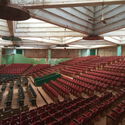
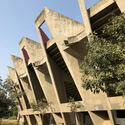
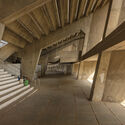
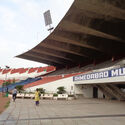
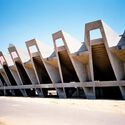
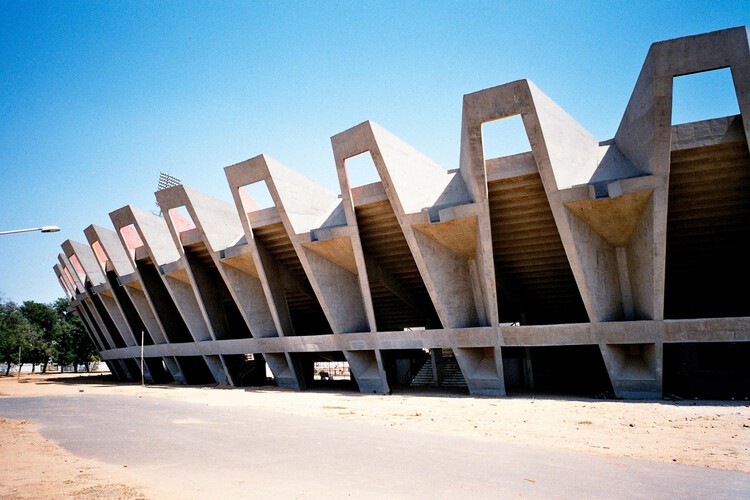
In the heart of Ahmedabad's Navrangpura district in India sits the Sardar Vallabhbhai Patel Stadium. More than just a cricket ground, the stadium stands as one of India's earliest experiments in modernist public architecture. Built in the decades following the country's independence, the structure has not only become an engineering landmark, but also a major public space within Ahmedabad's urban fabric. Despite the building's architectural and historical significance, as well as its deep involvement in daily community life, it has suffered significant physical degradation as a result of decades of poor maintenance and lack of funding. That fragility is precisely why it has drawn international attention. In 2020, the World Monuments Fund (WMF) placed the Sardar Vallabhbhai Patel Stadium on its World Monuments Watch, a global list highlighting cultural heritage sites facing urgent preservation challenges.

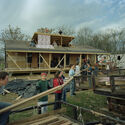
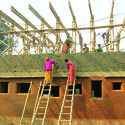
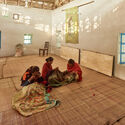
There has never been a more celebrated moment for craftsmanship in architecture. Across magazines, awards, and international exhibitions, handmade brick, lime plaster, carved stone, woven bamboo, and rammed earth have re-emerged as symbols of environmental responsibility, cultural continuity, and architectural authenticity. Beyond these carefully documented projects lies another reality. The overwhelming majority of buildings constructed today, from apartment blocks and office towers to public housing and commercial developments, continue to rely on industrialized systems that leave little room for skilled artisans. Craft has become increasingly visible at the very moment it has become increasingly uncommon. In countries such as India, the contrast is difficult to ignore. Centuries-old building traditions continue alongside one of the world's fastest-growing construction industries. To reframe the question of why craftsmanship is returning, perhaps the intrigue is why it now appears primarily where construction budgets, timelines, and clients can afford it.

The Arts and Crafts movement is often remembered as an architectural style defined by handcrafted details, an intimate scale, natural materials, and a rejection of excess and industry. Its influence is frequently traced through visual characteristics that continue to appear in contemporary architecture and interiors, from exposed timber and crafted joinery to an emphasis on texture and permanence, yet reducing the movement to an aesthetic vocabulary overlooks its far more significant contribution. For William Morris, Philip Webb, John Ruskin, and their contemporaries, architecture was a question of how things were made, who made them, and whether the process of making could cultivate dignity, meaning, culture, and beauty.