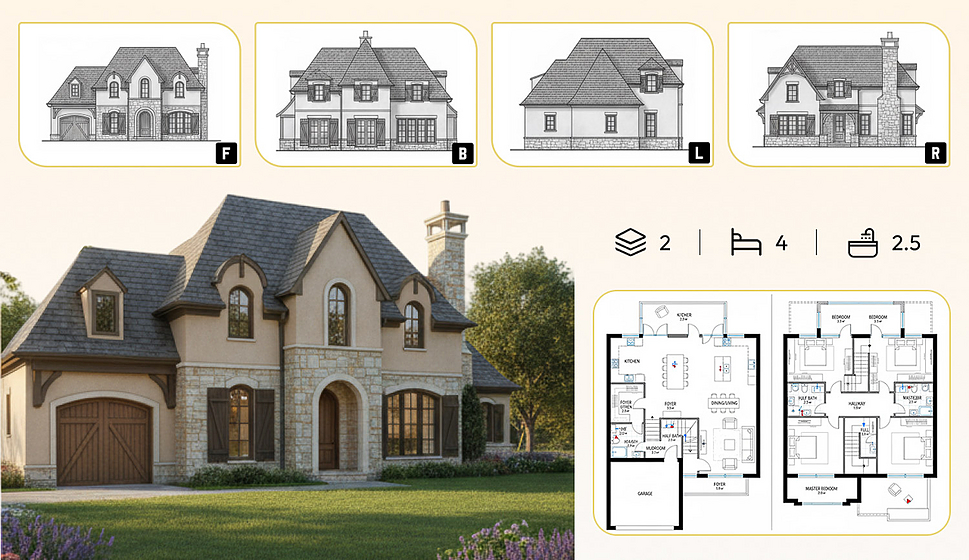
This guide covers a workflow that moves from project parameters to generated floor plans, 3D perspective views, exterior design exploration, and site context visualization, using AI tools in place of preliminary CAD and rendering work.
This guide covers a workflow that moves from project parameters to generated floor plans, 3D perspective views, exterior design exploration, and site context visualization, using AI tools in place of preliminary CAD and rendering work.

In temperate and cold climates, architecture typically begins with a defensive gesture. The building envelope is a sealed boundary designed to resist the exterior environment through insulation, vapor barriers, and mechanical control. In cold countries like Canada, where winter temperatures can plunge well below freezing, airtightness is not a luxury. In this context, buildings must resist the exterior environment entirely to maintain interior comfort. However, in Central America, a region spanning from Belize to Panama, architectural logic shifts from exclusion to negotiation. In this region, the envelope is not a wall of defense but a specialized filter.

Collective housing is a hallmark of Europe. The 2nd edition of the award is looking for collective housing projects to highlight their social impact and the policy frameworks that support them. Submissions are free and open until 30 April.
Post-industrial modernity generated a wide range of collective housing models that left a lasting mark on European cities and architectural history: from the Hofs of Vienna and the Weissenhof Siedlung to Le Corbusier's Unité d'habitation and the works presented at Berlin's Interbau.
The excesses of the modern movement cast a long shadow over social housing – a stigma that post-modernity failed to dispel. Yet since the turn of the millennium, new forms of collective housing have re-emerged, reconnecting with welfare-state ideals amid pressures from urbanization, property market tensions and ecological urgency.

In the nineteenth century, entire railway networks became obsolete almost overnight, not due to physical deterioration, but because of changes in the technical standards that supported them. The expansion of railroads across Europe and North America adopted different track gauges (the transverse distance between rails), and as a dominant standard gradually emerged, these infrastructures became incompatible with one another. This required large-scale adaptations, conversions, or even complete reconstruction, in what became known as the "Gauge War."
With the mass adoption of telecommunications networks in the twentieth century, cities around the world built large telephone exchange buildings filled with electromechanical equipment responsible for routing calls between regions. These structures were highly specialized pieces of infrastructure, often occupying entire city blocks and organized around large-scale technical machinery. With the transition to digital switching technologies and, later, the widespread adoption of mobile telephony, much of this equipment became obsolete within a few decades. The buildings themselves often remained structurally sound, but the systems they were designed to support had already evolved beyond them.

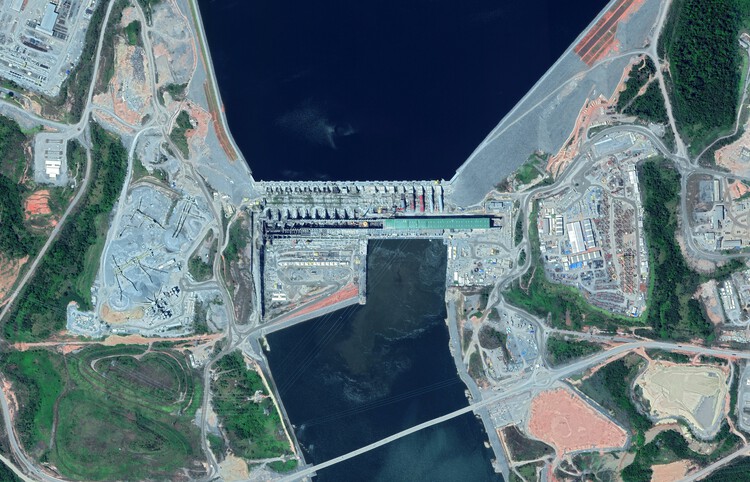
Some of the most significant transformations of South American landscapes have been produced not by cities, but by large infrastructures built to extract and distribute natural resources. Mining operations, energy systems, and transport networks have connected remote landscapes to broader economic structures while transforming rural territories and urban settlements throughout the continent. These infrastructures do not simply occupy space; they reorganize it. They have not only supported economic growth but also reconfigured territories in ways that continue to generate political, environmental, and social debate across the continent. From this perspective, territories can be understood not as fixed geographic areas but as socio-ecological systems shaped by cultural, environmental, and political relations, a point emphasized by anthropologist Arturo Escobar in his work on territorial thinking in Latin America.

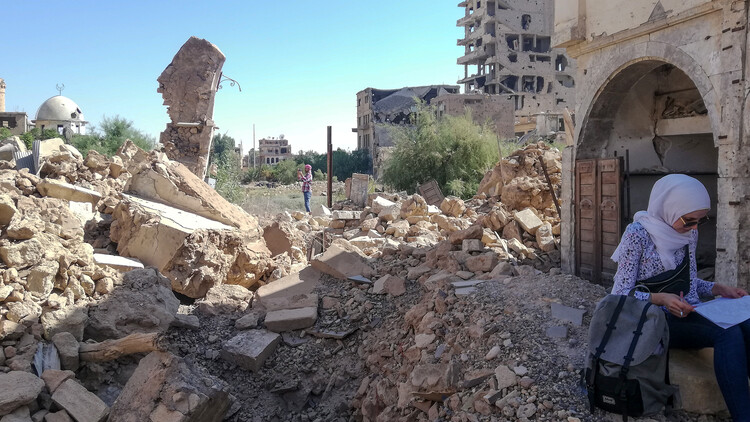
The historic city of Deir ez-Zor in eastern Syria has had more than its fair share of calamity after the outbreak of the war in 2011. After seeing destruction caused by fierce battles between armed groups and the central government, as well as occupation by ISIL, the earthquake in February 2023 brought further damage. Behind the headlines, however, is an ancient city tracing its founding to the dawn of civilization on the banks of the Euphrates River, with living architecture from the Ottoman and French Mandate periods. A winner of the ArchDaily 2025 Next Practices Awards, the Deir ez-Zor Heritage Library aims to revitalize the city and support sensitive reconstruction by documenting and promoting its built heritage.

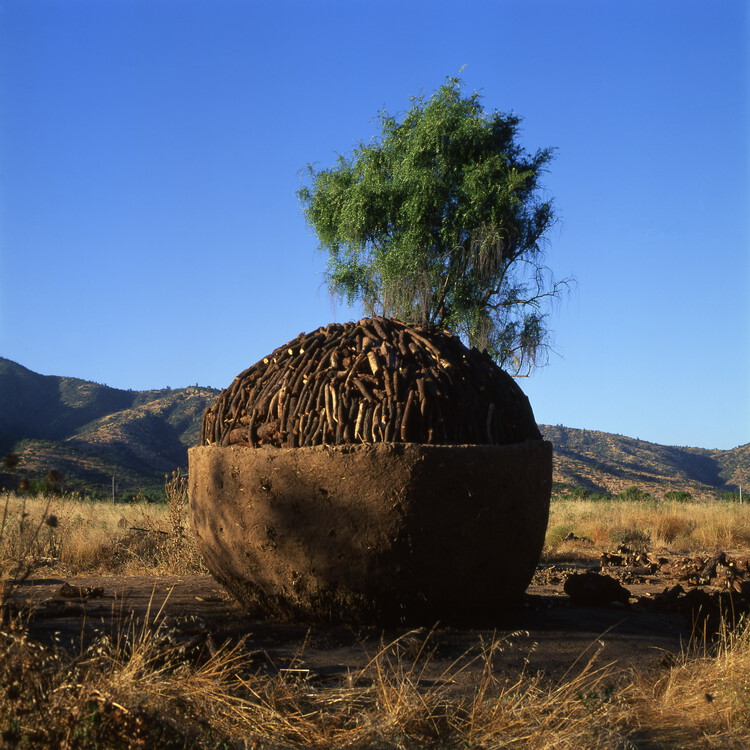
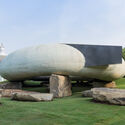
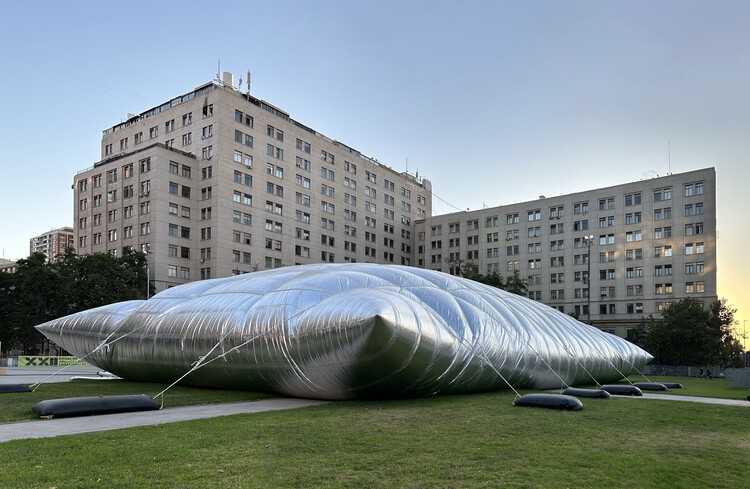
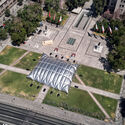
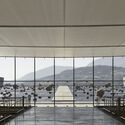
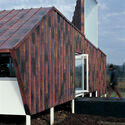
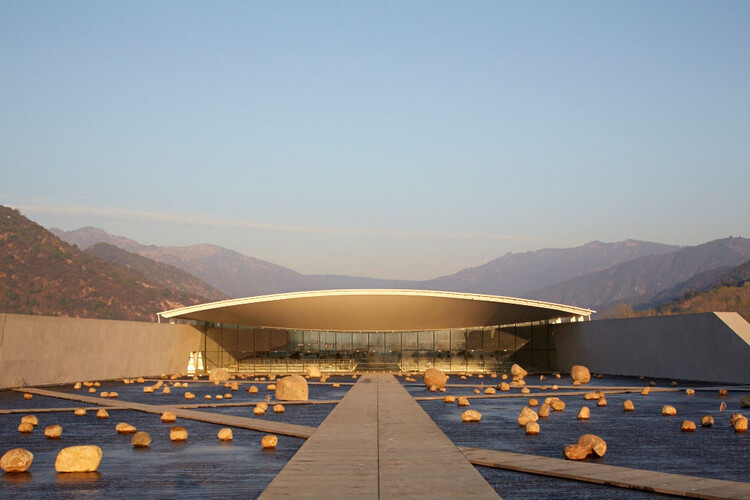
Chilean architect Smiljan Radić Clarke has developed a body of work that resists easy categorization. His buildings often seem both ancient and provisional, carrying a monumental presence while retaining an unexpected sense of fragility. Stone, concrete, timber, fabric, and fiberglass are combined in unexpected ways, producing architectures that hover between permanence and ephemerality. Rather than pursuing a stable formal language, the 2026 Pritzker laureate approaches architecture as an open field of experimentation, where material behavior and structural perception are constantly tested.

In an age dominated by screens and digital images, the full character of a designed object often remains hidden. Only when encountering an object in person can one sense its texture, notice how it interacts with light, or even perceive its subtle smell. These sensory qualities— so difficult to convey online—reveal why design fairs continue to matter. Increasingly, these fairs have become spaces for experimentation in contemporary design, where ideas about materials, collaboration, and social responsibility are publicly explored. Curated programs, exhibitions, and experimental installations transform these events into environments where designers, manufacturers, and researchers test new possibilities for the built realm.

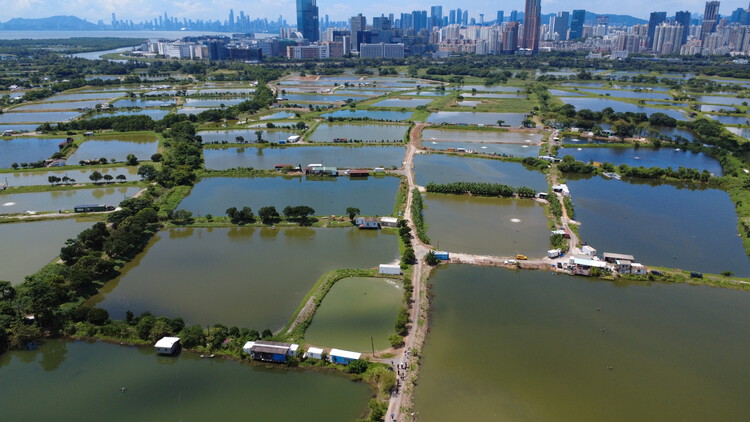
In South China, there is occasionally an urban myth—especially across Hong Kong, Shenzhen, and Guangzhou—about choosing a home that avoids western light. Over decades, the west-facing sun has proven to be a particularly difficult condition to live with: its low angle in the afternoon, its aggressive heat gain (especially in summer), and the way it penetrates deep into interiors. With global warming and longer, hotter seasons, that much-romanticized "afternoon glow" is increasingly experienced less as romance and more as glare, heat, and fatigue. Although this wisdom circulates as a community-driven rule of thumb, it carries an undeniable architectural clarity about building orientations: avoiding western light is not only about thermal comfort, but also about avoiding the sharpest, most intrusive form of direct illumination—light that strikes at the most unforgiving angle, washing surfaces, flattening depth, and turning rooms into high-contrast fields of discomfort.

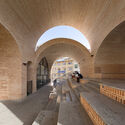
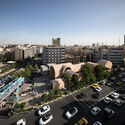
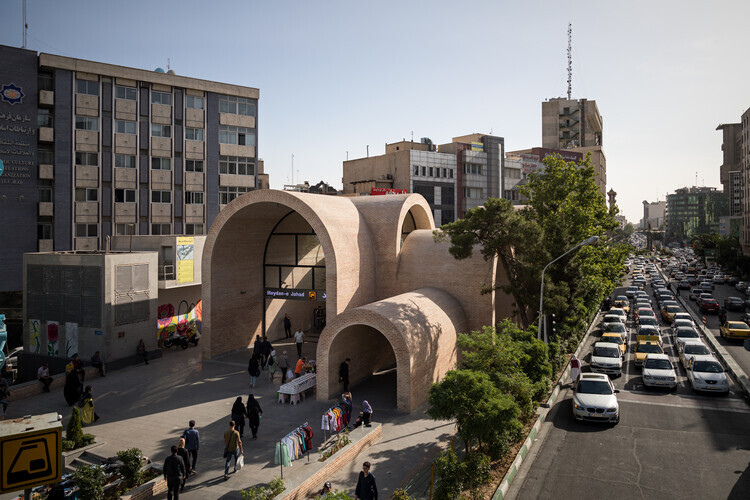
In Iran's capital, Tehran, movement defines the city. Each day, millions navigate a landscape shaped by highways, traffic corridors, and dense urban blocks. Over decades of rapid expansion, infrastructure has become the dominant language of development. Streets prioritize vehicles, sidewalks function as narrow conduits, and many public spaces operate primarily as passages rather than places of gathering. Across parts of West Asia, ongoing conflict has also reshaped the region's urban landscapes, where significant architectural environments have been damaged or transformed. Within this broader context, the preservation and creation of everyday civic space becomes increasingly meaningful. Recognized with the Aga Khan Award for Architecture, the Jahad Metro Plaza project, designed by KA Architecture Studio, demonstrates how modest infrastructural interventions can reshape the civic life of a city.
The metro network plays a central role in Tehran's daily life. It connects distant districts and sustains the rhythms of the metropolis. Yet the places where the underground city meets the surface are rarely conceived as civic environments. Metro entrances typically appear as fragments of infrastructure: stairs descending below ground, surrounded by railings, kiosks, and improvised circulation paths. They function efficiently as thresholds, but seldom as places to remain.

Set along the outer breakwater of Port de Cap-d'Ail, located next to Monaco, the Beach House occupies a threshold between land and sea. Surrounded by water and docked boats, the building sits in close dialogue with the harbor, exposed to the shifting light, reflections, and atmosphere of the Mediterranean. Within this setting, the house reads almost like another vessel moored along the harbor wall.
When architect Dave Rowles began work on the project, however, the residence offered little of this character internally. The former private home had been stripped back almost entirely, leaving a raw concrete shell. The renovation, therefore, began with a fundamental question: how can an interior capture the qualities of its surroundings? Rather than competing with the powerful maritime context, the design focused on creating a calm, material-driven interior that frames and amplifies the beauty and experience of the surrounding landscape crafted from oak, cedar, marble, and stainless steel details. In collaboration with barth, a company specializing in interior craftsmanship, Rowles transformed the concrete structure into a cohesive interior, where natural materials, light, and refined detailing define both the interior and exterior spaces.

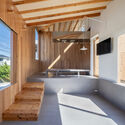
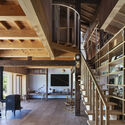
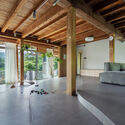
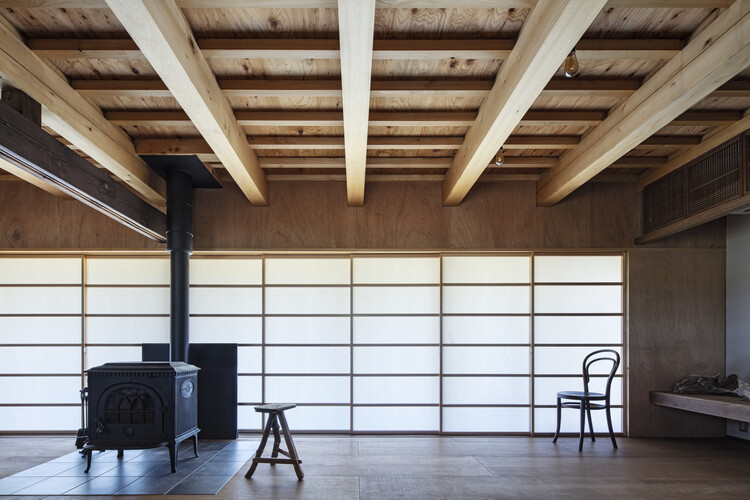
In a shifting societal and environmental landscape, how can architectural design respond to transformation while meaningfully engaging with what endures? 1110 Office for Architecture, based in Osaka, Japan, approaches this question through a body of work defined by careful residential renovations and precise spatial interventions.
Named a winner of the ArchDaily 2025 Next Practices Awards, the practice represents an emerging voice in redefining architecture's role within conditions of change.

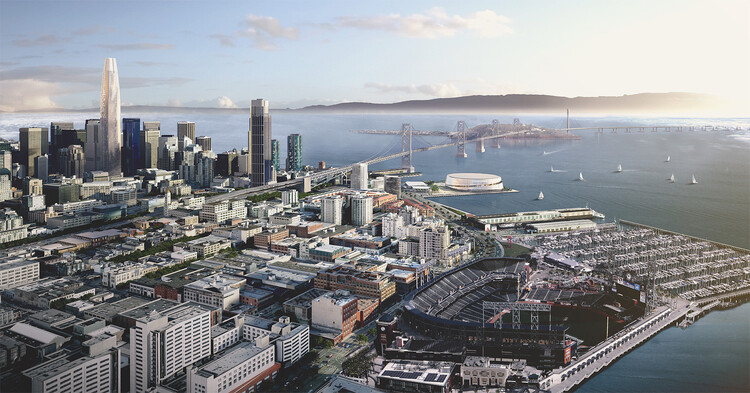
San Francisco is a city that has always remade itself under pressure. Its Victorian streetscapes have survived seismic retrofits and glass towers, its neighborhoods defined as much by change as by its resistance to change. But no force in the city's history has reshaped the built environment as completely, or as quickly, as the technology economy. What began in the postwar sprawl of Silicon Valley migrated north and inscribed its logic onto the skyline and the lives of residents. The result of this logic is an architectural culture of considerable technical refinement and refined material palettes, yet one that remains largely indifferent to the existing population.
The cost of indifference is measurable and mounting. San Francisco must accommodate more than 82,000 additional housing units by 2031 under California's Regional Housing Needs Allocation framework, in a city where median rent already ranks among the highest of any American metropolitan area. Teachers, healthcare workers, and service employees are actively displaced by a real estate market calibrated to a single sector's income levels rather than the city's largest workforce.

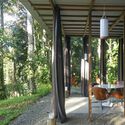
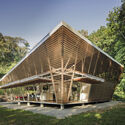
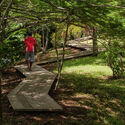
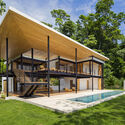
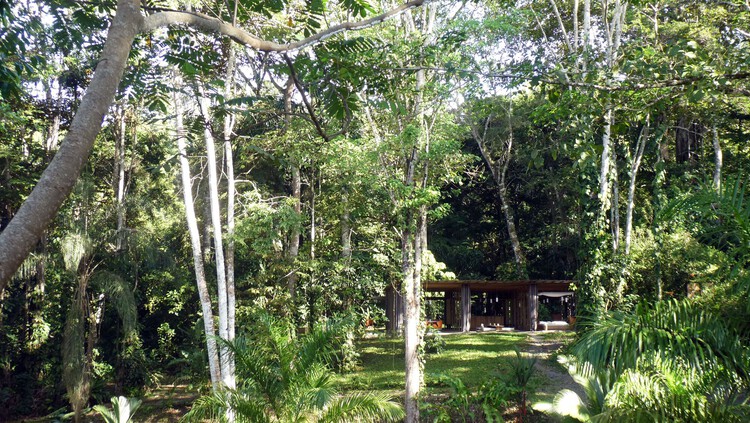
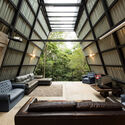
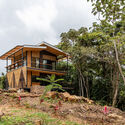
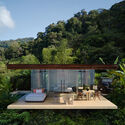
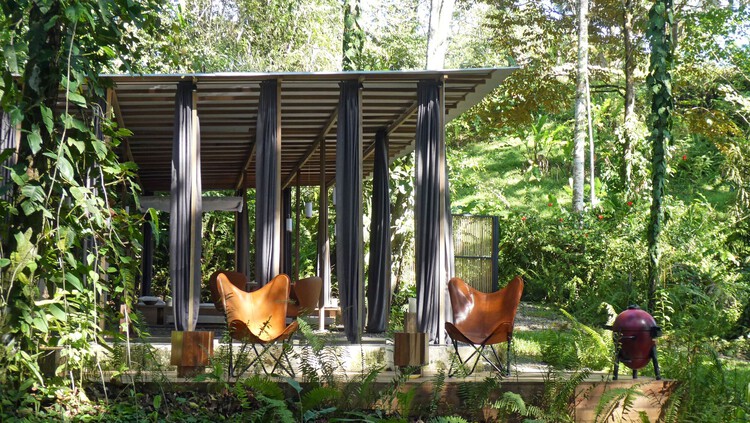
Costa Rica is a small country in Central America, internationally renowned for its tourism, biodiversity, and tropical climate. Given this context, tropical design strategies for hotel design are often more studied, but residential cabin projects can represent a more surgical approach to understanding the landscape. Often situated in remote forest or jungle locations, these cabins, apart from the common tropical design strategies, have to prioritize long-term durability and low-maintenance costs, particularly in regions where access for repairs is logistically difficult. This necessitates a design philosophy that favors both structural and climatic resilience.
Building in this context requires precise design responses to two primary environmental stressors: extreme precipitation and high humidity. Costa Rica's tropical climate, while varying by altitude, generally delivers an average monthly rainfall exceeding 150 mm in many regions. This constant water load can create a "wet-bulb" effect, where stagnant, saturated air accelerates interior material degradation and creates physiological discomfort for the inhabitants. To design effectively under these conditions, contemporary cabin architecture employs a three-fold strategy of minimal site invasion, the creation of thermal gradients, and passive climate mitigation.

In today's competitive design landscape, Building Information Modeling (BIM) is no longer just a trend—it has become a baseline expectation. Yet many practices still struggle to balance the complexity and effort involved with the actual value they receive in return. But what if it were possible to unlock the benefits of BIM without adding unnecessary workload? Exploring a lean approach to BIM—focused on efficiency, clarity, and real project outcomes—can help architectural teams streamline their design workflows, strengthen collaboration, and maintain creative control from concept through delivery.

Architecture has traditionally been described as a discipline concerned with space, form, and material presence. Yet this understanding becomes increasingly limited when confronted with the conditions that shape contemporary construction. Buildings no longer emerge from a stable relationship between site, program, and material. Instead, they are produced within a dense web of technological systems that operate across territorial, ecological, and temporal scales. Energy networks, data infrastructures, extraction processes, and global logistics shape architecture as decisively as climate or urban context.
Seen from this angle, architecture is less a discrete object than a moment within a larger technical field. Supply chains, data systems, automated maintenance, and energy grids do not sit "behind" the built environment. In a certain way, they influence what can be built, what is affordable, how buildings perform over time, and what kinds of waste they produce. When architecture is assessed primarily through form, it risks overlooking the systems that condition its production and afterlife.

Every architecture student knows what it's like to spend sleepless nights working away, rushing to finalize a project as a deadline looms ahead. Revising every detail, putting the finishing touches and hoping for the best. The pay-off? Seeing the finished project, talking about it with your classmates, and getting to dream about your perfect idea of what a space should look and feel like.
While making the shortlist selection throughout the past two weeks, the ArchDaily jury panel was well-aware of what it feels like to be an architecture student. Comprised of architects, the panel carefully studied, considered and debated each individual project, with an understanding of what goes into each and every submission. The result is a shortlist that exemplifies the spirit of the Student Project Awards and its mission to recognize the creativity and vision of students who are redefining architectural practice and discourse.

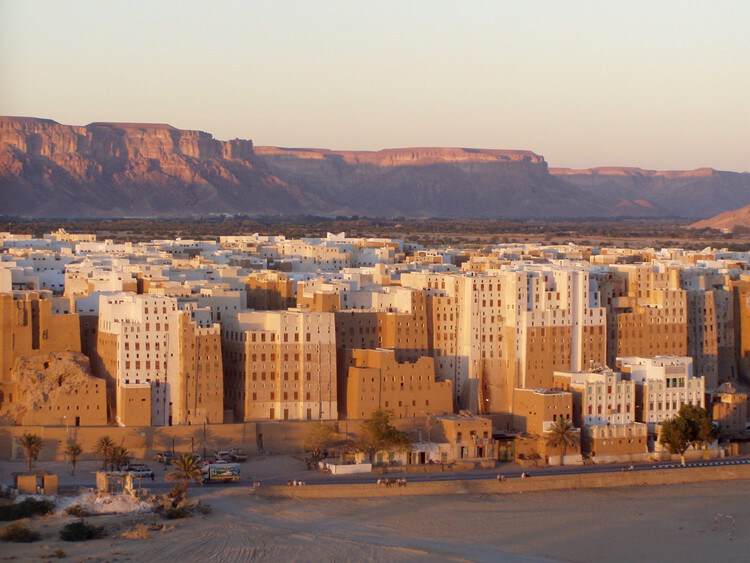
Symbols of technological development and urban density, tall buildings as we know them today emerged in the late 19th century, primarily in the United States, in response to rapid growth in urban commerce and the need to expand cities without consuming more land. The term skyscraper, for instance, was coined in the 1880s and originally referred to buildings of about 10 to 20 stories—an impressive height at the time.
However, the idea of building vertically is far older than steel-and-glass skyscrapers suggest. Long before the Industrial Revolution, several societies were already experimenting with vertical urbanization as a solution to spatial constraints, territorial defense, or environmental adaptation.

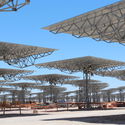
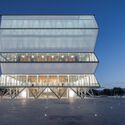
The Myron and Berna Garron Health Sciences Complex (SAMIH), at the University of Toronto Scarborough, was shaped by a clear and non-negotiable mandate: at least 20% of the building's energy consumption had to be generated from renewable sources installed on-site. To meet this ambitious requirement, the project team explored how solar technology could move beyond the roof and become embedded within the architecture itself, positioning the project within a broader shift toward performance-driven sustainable architecture. The 63,000-square-foot facility houses teaching, research, and clinical training programs dedicated to educating future healthcare professionals. Designed by Diamond Schmitt Architects and MVRDV, the project initially followed a conventional path, pairing a restrained facade with rooftop photovoltaic panels.

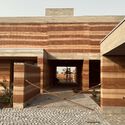
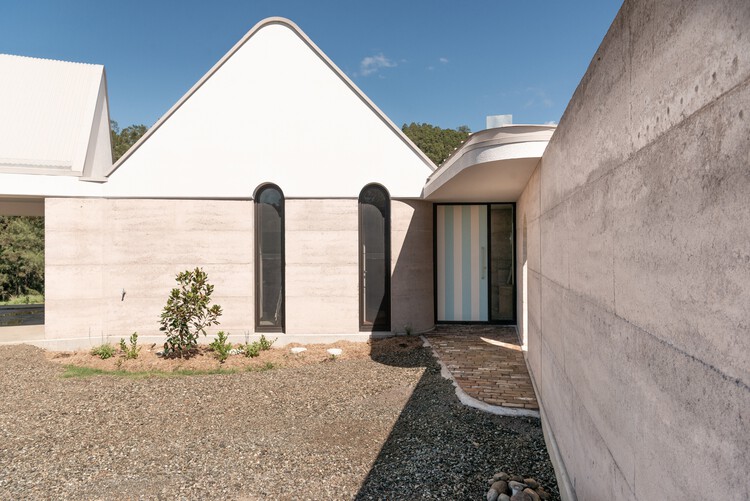
In recent years, earthen construction has gained renewed attention in architecture. Materials such as adobe, rammed earth, and compressed earth blocks, once mainly associated with vernacular traditions, are increasingly being explored by contemporary architects. Rather than representing a simple return to the past, this renewed interest reflects a broader reconsideration of how architecture engages with materials, local resources, and environmental conditions.
For centuries, building with earth was part of everyday construction across many regions of the world. Techniques such as adobe, rammed earth, cob, and other soil-based systems developed gradually through adaptation to climate, available resources, and local construction practices. These methods responded directly to environmental conditions while shaping cultural ways of building. This knowledge circulated through collective practices rather than formal architectural education, allowing techniques to evolve through continuous experimentation.

For most of human history, night arrived as a planetary certainty. Darkness spread across landscapes, and the sky revealed thousands of stars. Today, that sky is disappearing. Artificial light spills upward from cities, scattering through the atmosphere and turning night into a permanent haze. Research mapping global sky brightness shows that more than 80 percent of humanity now lives under light-polluted skies, and the Milky Way has vanished from view for over a third of the world's population. The disappearance of dark skies is usually discussed within astronomy, but the sources of that change are deeply embedded in the built environment. Buildings emit light, reflect it through glass façades, and extend illumination far beyond their walls. In the technosphere, the vast system of infrastructures and materials humans have constructed, architecture now shapes both physical space and the sensory conditions surrounding it.

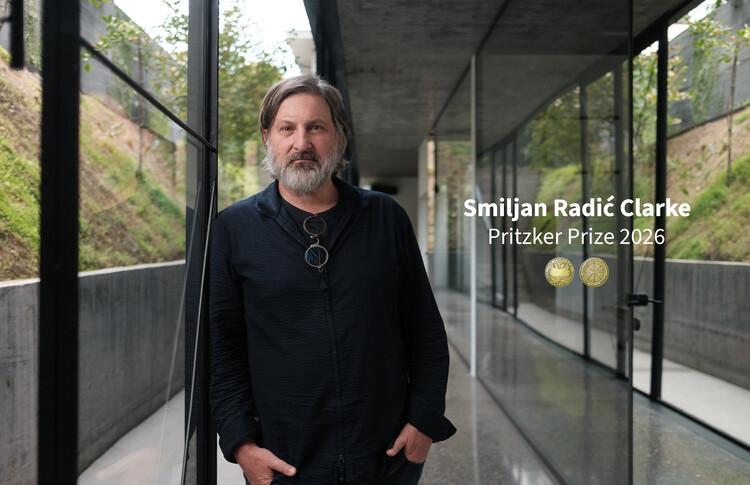
Smiljan Radić Clarke, the 2026 Pritzker Prize winner, is a contemporary Chilean architect known for his experimental approach to design, with a practice that balances the elemental with the intimate, the monumental with the fragile. Over the course of more than three decades, Radić has developed an architecture that resists repetition and conventional stylistic categorization, favoring instead deeply site-specific, materially attuned, and culturally reflective interventions.
His work negotiates between permanence and impermanence, memory and imagination, creating buildings that are as much about human experience and emotion as they are about structure and form. Across residences, cultural institutions, and temporary installations, Radić's architecture foregrounds the interplay between context, materials, and the subtle gestures that shape how spaces are inhabited and perceived.

Chilean architect Smiljan Radić Clarke has been announced as the laureate of the 2026 Pritzker Architecture Prize, regarded as one of the highest honors in the field of architecture. The award recognizes Radić for a body of work that explores architecture through material experimentation, spatial perception, and a careful engagement with landscape and context. Born in Santiago, Chile, where he continues to live and work, Radić leads the practice Smiljan Radić Clarke, established in 1995. As the second Chilean to receive the prize, after Alejandro Aravena in 2016, he joins a distinguished list of previous laureates, including Liu Jiakun in 2025, Riken Yamamoto in 2024, David Chipperfield in 2023, and Diébédo Francis Kéré in 2022.
Radić's architecture operates within a territory where the phenomenological experience of space precedes explanation. His buildings often appear quiet, elemental, and resistant to easy verbal interpretation, encouraging visitors to experience them through movement, atmosphere, and perception rather than through formal expression.

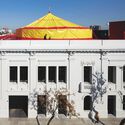
The 2026 Pritzker Price Award has been awarded this year to the Chilean architect of Croatian descent, Smiljan Radić Clarke. Born in Santiago, Chile, in 1965, his practice evokes a geography of extremes, shaped by the tectonic tension between the staggering weight of the Andes and the seismic instability of the territory. After graduating from the Pontifical Catholic University of Chile and pursuing further studies in aesthetics in Venice, Smiljan Radić Clarke established his base in Santiago. From there, he has developed one of the most singular visions in contemporary architecture. His work privileges the intensity of the moment through a fragile architecture. Within it, the building operates as a temporary and tactile refuge that places the spectator in a state of aesthetic uncertainty, oscillating between ancestral ruin and avant-garde artefact.

Amid the rapid build-out of data centres and AI economies across the Greater Bay Area—and alongside the celebration of AI as a tool and "author," as featured in 2025 Hong Kong–Shenzhen Bi-City Biennale of Urbanism\Architecture (Hong Kong)—a parallel question becomes unavoidable: how do the planning and construction of AI infrastructure actually begin to shape everyday life? Many of the facilities already built remain intentionally distant from daily experience. The "cloud" may be marketed as immaterial, but its architecture is profoundly physical: high-power, high-heat, service-heavy environments that are often sited in remote or low-density areas to take advantage of lower land costs and to minimize friction with nearby communities. Security and risk management further reinforce this logic. Data centres hold sensitive, privileged information—corporate assets, legal records, government and institutional data—and remoteness becomes part of their operating model, keeping the infrastructures of AI both spatially and socially out of sight.