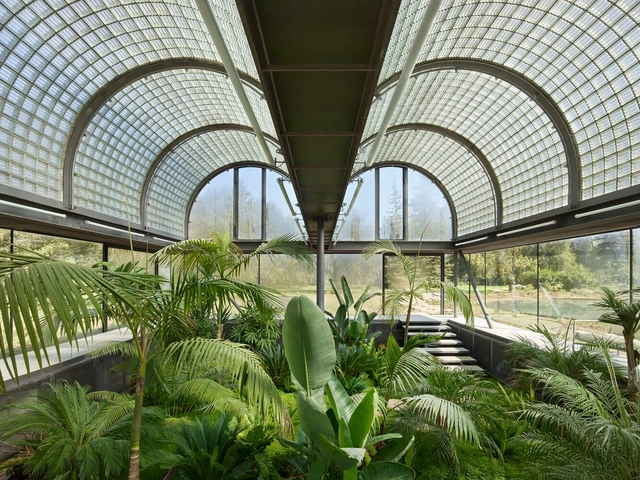
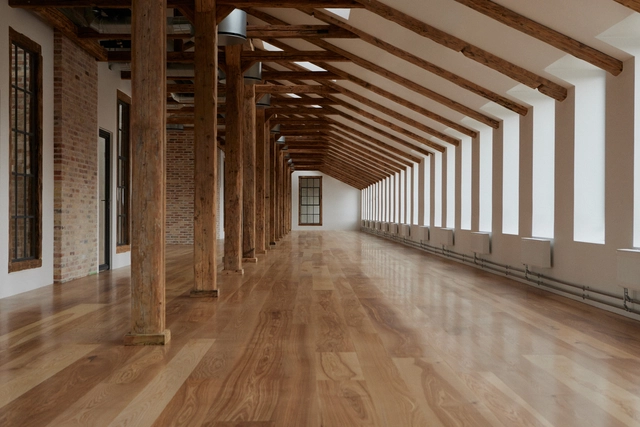
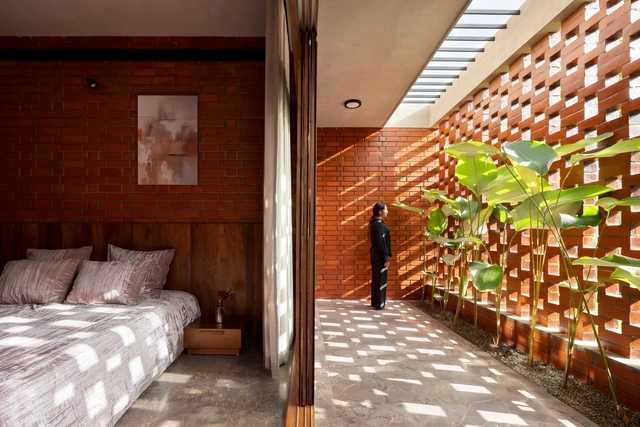
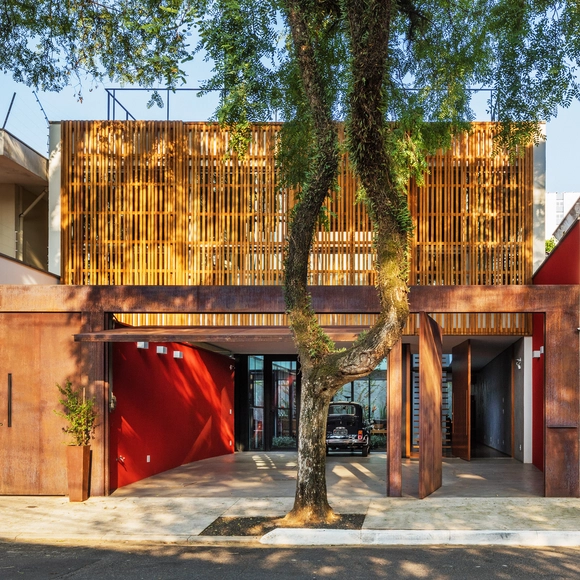
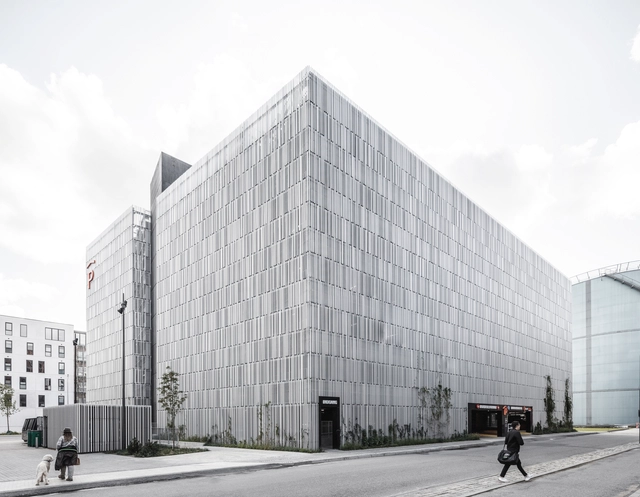
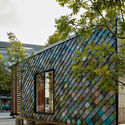
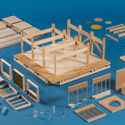
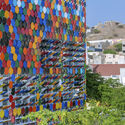
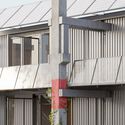
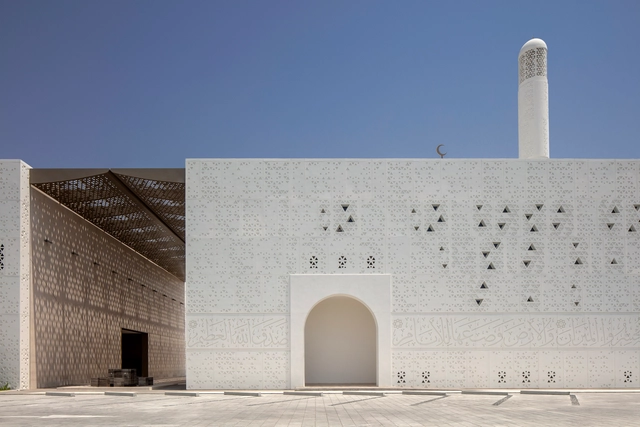
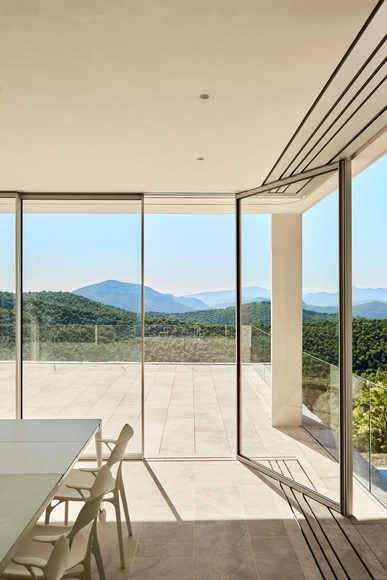
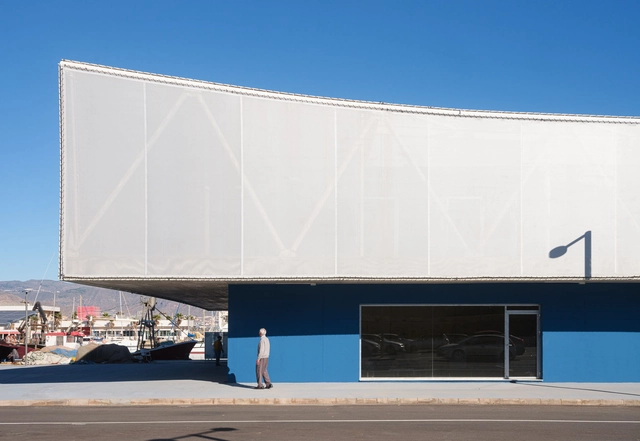
When delving into the envelope of construction and examining how the interior relates to the exterior, the concept of greenhouses emerges as an opportunity to cultivate life indoors, whether dependent on external factors or not. Defined as spaces enclosed by glass or other transparent plastic materials, greenhouses facilitate the growth of vegetables and ornamental plants even during periods of adverse external weather conditions. However, what does designing for plants involve?Climate, species, structural design, and the type of covering are just a few of the considerations to take into account.
The architecture of cultural centers in Mexico has gained relevance in recent years. There has been a growing interest in providing spaces for recreation and education, transforming them into urban landmarks that attract visitors from all over the country year after year.
Black Females in Architecture (BFA) is a social enterprise supporting a membership of more than 450 Black women in built environment professions worldwide. Founded by architects Neba Sere, Selasi Setufe, and Akua Danso, the group advocates for diversity, race and gender equity across all sectors of the built environment, including architecture, urbanism, landscape, engineering, design, and construction.
We are happy to premiere their short film "A Voice for the 450 Plus" to a global audience for the first time since it was shown at the 2023 Venice Architecture Biennale. The film is a celebration of the ongoing contributions of Black women in the built environment fields, showing the world how they contribute to shaping the future of our cities.
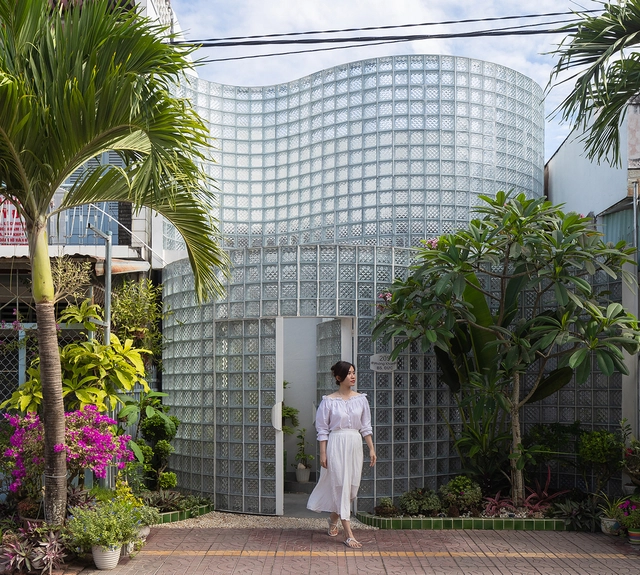
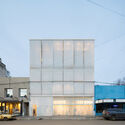
Glass brick facades have emerged as a captivating architectural trend, blending the enduring elegance of glass with the robust strength of bricks. Glass bricks can as well be more thermally resistant than conventional glazing.
These facades add a pixelated effect that plays with light and shadow, perfectly transmitting light, while maintaining privacy. The way glass bricks facades soften and blend the views of the outside can increase calmness and focus. From sleek commercial buildings to avant-garde residential projects, glass brick facades continue to push the boundaries of architectural innovation, captivating both designers and observers alike.
If you follow housing policy in America, you may have noticed a particular term cropping up a lot recently: social housing. Maybe you’ve read a longform academic article, live in a city that is codifying a social-housing policy like Seattle or Atlanta, or seen one of the recent mentions in The New York Times, highlighting U.S. and Viennese success stories. On the design front, Dezeen is running a social-housing revival series.
Flooring plays a fundamental role in defining the ambiance and atmosphere of a space. Among the variety of options on the market, solid wood plank flooring stands out as a timeless choice. Known for their classic beauty and enveloping textures, these floors not only enhance the visual aspect of a room but also provide exceptional thermal comfort, resistance, and resilience, able to withstand wear and tear and heavy traffic. Their easy maintenance and durability are further markers of their quality, making them one of the favorite choices of architects, designers, and homeowners in search of long-lasting elegance and functionality for their projects.
When we look at a meticulously installed floor, we often forget that it was once part of a tree that was taken through a series of processes to eventually become the flooring product beneath our feet. The round trunk of the tree naturally results in boards of different dimensions, from the wide widths of the central core to the narrower dimensions of the outer layers. Various methods can be used to optimize the use of these trunks, each with its advantages and disadvantages.
Environmental comfort is one of the aspects that contribute to the good performance of architecture. In project descriptions, the incidence of natural lighting and ventilation is often highlighted as advantageous characteristics that add to the aesthetics and functioning of the program. In a way, environmental comfort is part of the building's function, not necessarily linked to the activities that take place inside the construction but plays a role in its development.
With global urbanization continuing as a constant and growing phenomenon, nature and its living components often seem scarce in contemporary urban centers. In this sense, we seem to have collectively forgotten that the natural world is humanity's primary environment. Yet, the fact that society has chosen cities as its predominant living model does not mean nature is obsolete. On the contrary, the ongoing search for sustainable, well-being-oriented solutions can provide us with more and better answers.
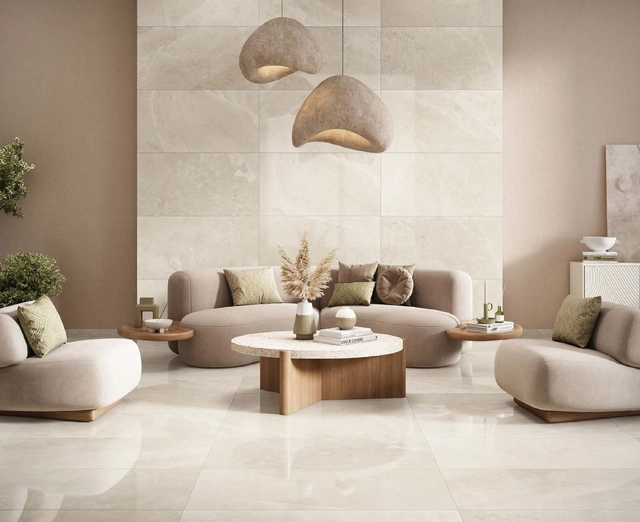
Biomimetic architecture, focused on finding sustainable solutions in the natural environment, emerges as a way to integrate nature into the built environment. This integration goes beyond mere imitation or decontextualized copying, grounding itself in understanding and extrapolating natural qualities to buildings and interiors. As such, specific biomimicry strategies applied to architecture can be reflected in ceramic wall and floor coverings, addressing aspects like mineral composition, design, and aesthetics that are closely linked to nature.
https://www.archdaily.com/1078828/biomimicry-and-ceramic-tiles-from-mineral-composition-to-organic-designEnrique Tovar
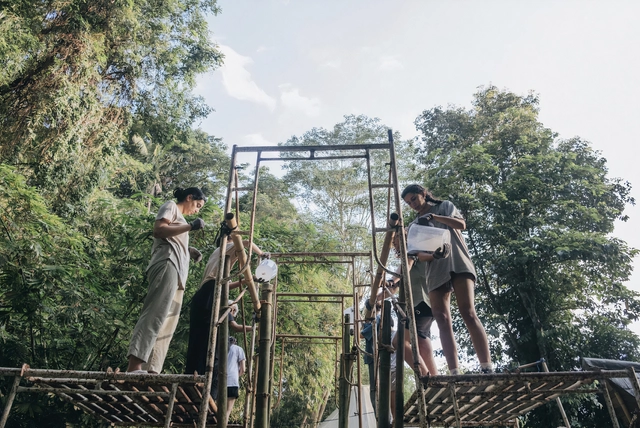
Bamboo, renowned for its strength and eco-friendliness, often faces a formidable adversary: insects and fungi. Despite its resilience, these pests can compromise its durability over time. However, there exists a simple yet effective solution to bolster bamboo's longevity and sturdiness. In this article, we unveil the Vertical Soak Diffusion (VSD) method—a budget-friendly approach that ensures your bamboo projects stand the test of time.
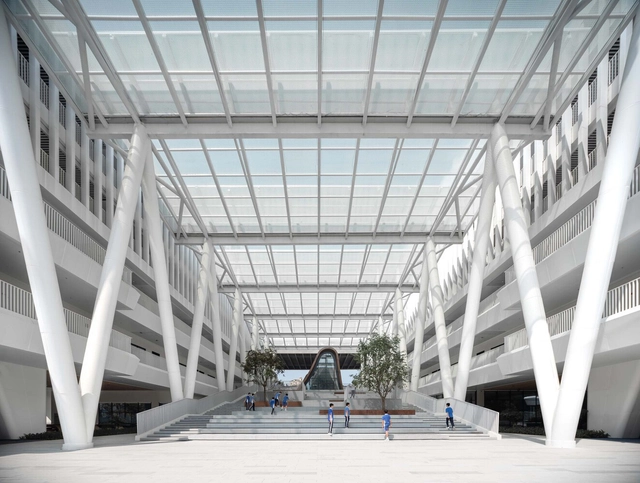
As a highly transparent material that stands up to all but the most extreme of weather conditions, is easily formed into any size or shape, and, once formed, will last for thousands of years, glass is still one of the most innovative and crucial materials used in architecture. Although contemporary building practices allow us to form huge, glittering skyscrapers of glass that rise hundreds of meters into the air, the ancient material’s original purpose – to welcome light into weathertight and secure interiors – remains its most important more than a thousand years on.
As important as glass is to almost every typology of architecture in the form of windows, when it comes to the roof of a building, the use of glass is not so simple. We’ve understood the power and danger of combining light and glass ever since we saw a magnifying glass used to concentrate the heat of sunlight into incredibly high temperatures in children’s cartoons. Under a glass roof, the solar gain can make for uncomfortable internal environments without the correct protective precautions.
The concept of "eyes on the street" is perhaps the most famous within architectural and urban literature when it comes to urban security. Jane Jacobs uses this expression to refer to people who - consciously or unconsciously - use public spaces or observe them from their homes, generating natural surveillance. A movement that, within our discipline, is encouraged both through quality public spaces and through the powerful relationship between the public and private created through building facades. Advocating for this daily control, Jacobs believes in a way of making architecture and cities that condemns excessive verticalization, reinforced by isolated buildings and single-use ones that deny contact with the street
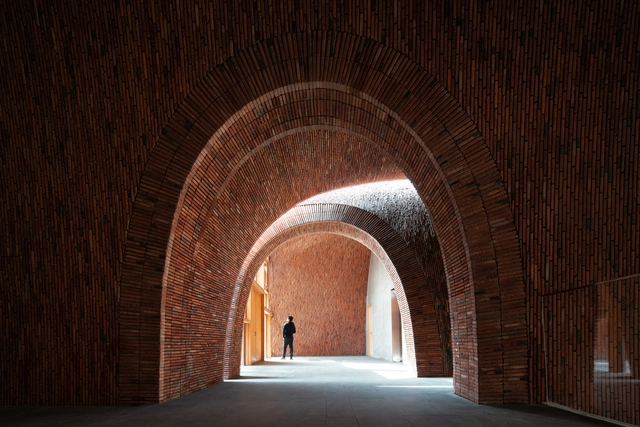
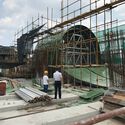
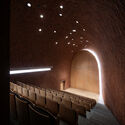
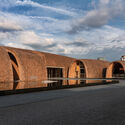
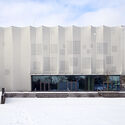
Jingdezhen Imperial Kiln Museum_View to the vaulted foyer of the auditorium. Image
On April 4 – 6, the international conference FABRICATE 2024will be held at the Royal Danish Academy in Copenhagen. Since its inception in 2011, FABRICATE has established itself as a global forum for new radical possibilities for architecture and welcomed thousands of participants from practice, industry, and research.
In this third article we meet architect Zhu Peiwho is the founding Director of Studio Zhu Pei and Dean of the School of Architecture at Central Academy of Fine Arts in Beijing. The text is an excerpt from the upcoming FABRICATE 2024 book and is based on an interview conversation led by Co-chairPhil Ayres between Zhu Peiand architect Cristiano Ceccato, Director of Zaha Hadid Architects. The book will be published on the opening night of the FABRICATE 2024 conference.
Figura 01: Galpón Complejo Recreativo Funcionarios de la Salud. Comuna de Coyhaique, Sector Lago Frío.. Image Cortesía de Alejandro Muñoz Massoglia
The architectural heritage established by the early settlers of the Aysén region—initially a minimal expression of dwelling designed to protect inhabitants from the elements, which later evolved intrinsically alongside the changing needs of its residents—symbolically represents a vernacular architectural identity in wood.
Today, with few exceptions, the remaining houses from the early years of spontaneous settlement in the region show advanced signs of decay. They are often repurposed as storage sheds or outbuildings next to the main house due to degraded materials, a lack of basic utilities, or precarious thermal insulation.
Similarly, although the vast majority of larger and more complex homes from a more recent period—built primarily in urban areas—remain inhabited, the structural decay of these buildings is increasingly evident. This precarious condition is closely linked to their occupants, who are mostly older adults lacking the financial resources or physical capability to undertake necessary repairs.
For decades, our society has predominantly embraced an extractivist approach when formulating models for material manufacturing across diverse industries. While we now know that this model is unsustainable, a major question remains: So, how do we do it? We may be a while away from offering a definitive answer to this challenge. Still, it is exciting to note that, in a context marked by a challenging global and ecological horizon, the architectural community maintains a positive approach by pushing for a re-evaluation of what we make and how we make it.
This momentum may be gaining relevance due to the emergence of new, more environmentally conscious generations, such as Gen Z and Alpha. What is certain is that we are witnessing the development of new production philosophies, such as plant-based materials, which adopt practices aimed at favoring the use of resources derived from plants, reducing dependence on extractive processes, and promoting conscious and sustainable alternatives in various aspects of the manufacture and production of materials in architecture.
https://www.archdaily.com/1014260/harvesting-architecture-a-glimpse-into-3-plant-based-materialsEnrique Tovar
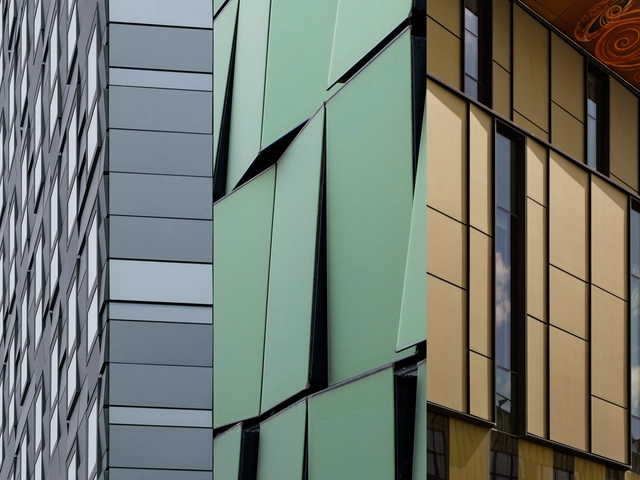
When designing facades, various factors can influence their conception. From compositional, geographic, and environmental elements, facades incorporate a series of gestures that shape the building envelope, serving as the interface between the environment and life inside the building. In this context, contemporary architecture has sought to enrich the role of facades, maximizing their potential through technological innovation. Today, technology has been integrated to create a more textured and expressive architecture, explore diverse materialities, and promote circular and low-carbon architecture.
Understanding facades as the skin of buildings and recognizing the growing global demand for efficient use of resources in the built environment, there arises a need to harness the incidence of sunlight on building facades. In response, and considering an architectural environment closely linked to technology, Building Integrated Photovoltaics (BIPV) has gained even greater relevance in creating new aesthetics for facades and minimizing environmental impacts. These systems, with their technical capabilities and aesthetic qualities, result in attractive, durable, and resilient solar facades. They generate a positive impact on the built environment by seamlessly incorporating sustainable energy production into buildings.
https://www.archdaily.com/1013143/durable-and-resilient-solar-facades-5-essential-architectural-principlesEnrique Tovar
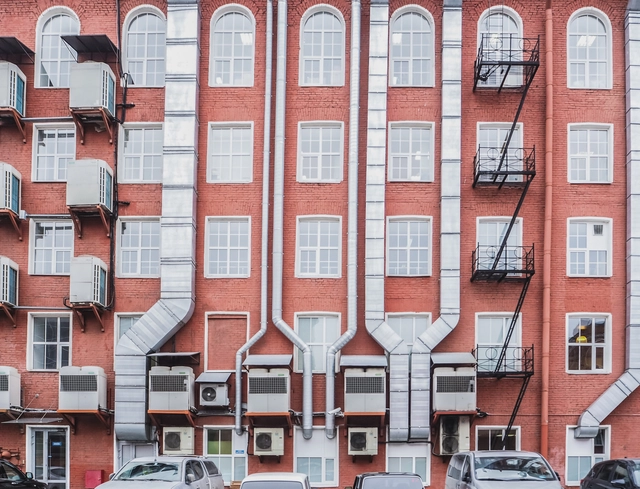
Rising demands for energy efficiency, technical functionality, and interior comfort in buildings necessitate the development of more efficient building envelope constructions. The building envelope serves as a mediator between a building's exterior and interior. In today's architectural landscape, it performs a multitude of functions to enhance the building's performance. These functions include building control systems, energy supply (such as gas and electricity), and heating, ventilation, and air conditioning (HVAC), among others. These elements primarily determine the functionality, efficiency, and safety of building spaces. Given that the nature of building envelopes heavily depends on these services, how can they serve as primary frameworks for building design development?
As we successfully launched our 15th Building of the Year Awards earlier this year, we want to thank you for being part of our community for over 10 years. Together we have been growing and contributing to the architectural scene, aiming for a better world. Now, we are proud to announce the 8th edition of The ArchDaily Building of the Year China, celebrating the best architecture in China, as chosen by you, the reader.
By nominating and voting, you form part of an interdependent, impartial, distributed network of jurors and peers that has consistently helped us celebrate architecture of every scale, purpose, and condition, and architects of all profiles. Over the coming weeks, your votes will result in 700 Chinese projects filtered down to just 10 best projects in China.
The 2024 Building of the Year Awards China is brought to you thanks to Dornbracht, renowned for leading designs for architecture, which can be found internationally in bathrooms and kitchens.
The principles of the circular economy have been most influential and applicable to the construction industry. Emphasizing the efficient use of resources, models around reuse and recycling of components and materials are increasingly being pioneered by global architecture practices. The concept of "design for disassembly" has emerged as an innovative approach especially in the case of building facades. Striking a balance between the demands for new infrastructure and the transition towards sustainability requires a review of traditional facade design throughout its lifecycle.
This curated collection unfolds the narratives of some of the most compelling architectural projects by women from the Global South. From the unique streets of Dubai to the rural landscapes of Niger, each project serves as a testament to the power of architecture to transcend gender boundaries and create meaningful designs that connect people and their surroundings.
When we talk about the building envelope, we often make the analogy of a skin that protects and wraps the structure, creating a transition in the physical environment. This concept is interesting as it identifies that, similar to its function in humans, the skin plays a role in protecting and regulating the interior setting, besides contributing to the aesthetics of the building. In this way, both the human skin and the building envelope act as elements that respond to the stimuli of the surroundings and the life that develops within them. More than just protective barriers, they are experienced as means of active interaction with the context.
While envelopes evolve within diverse contexts, materials, and systems, minimalist windows distinguish themselves through their aesthetic qualities by being transparent and fluid skins. These windows excel with their functionality and visual lightness, standing out in the architectural landscape. In addition, they are noteworthy thanks to their versatility across different systems that connect life within the interior and exterior. Considering Swiss and Pritzker Prize-winning architect Peter Zumthor's statement that "architecture is exposed to life,” windows play a vital role in expressing that connection, becoming a significant part of the building's identity and essence.
https://www.archdaily.com/1013905/reframing-the-concept-of-building-envelope-through-minimalist-windowsEnrique Tovar
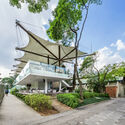
Architecture – once it moved out from under its cavernous beginnings – started off largely nomadic. For a long time, the shade of trees and moveable tents made from animal skin were utilized instead of more permanent dwellings to meet nomadic lifestyles and basic survival needs. These early portable structures were primarily supported by wooden frames and were used by various ancient civilizations, including the Bedouins in the Arabian Peninsula and the Native American tribes in North America. The advent of woven cloth some 40,000 years ago made the dwellings even lighter and easier to transport, a boon to nomadic cultures around the globe.
Though tents have remained popular since then in recreational contexts and as a staple of the architectural form, contemporary architecture has rediscovered the principle of draping fabric and taken its development further – not just for temporary structures, but for permanent buildings and installations, too. Advanced and durable materials have turned fabric into a facade and roof alternative that has sparked a highly specialized sector within the construction industry and created some of the most intriguing exteriors around the globe.
The Second Studio (formerly The Midnight Charette) is an explicit podcast about design, architecture, and the everyday. Hosted by Architects David Lee and Marina Bourderonnet, it features different creative professionals in unscripted conversations that allow for thoughtful takes and personal discussions.
A variety of subjects are covered with honesty and humor: some episodes are interviews, while others are tips for fellow designers, reviews of buildings and other projects, or casual explorations of everyday life and design. The Second Studio is also available on iTunes, Spotify, and YouTube.
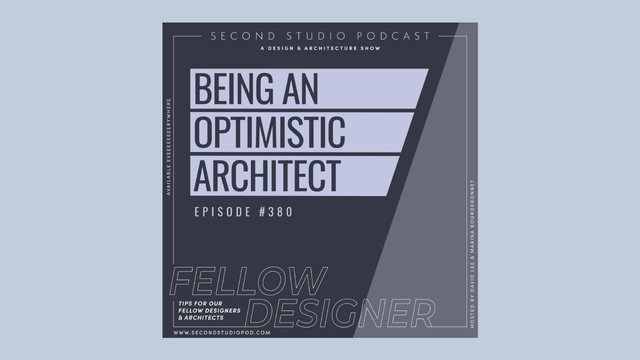
This week David and Marina of FAME Architecture & Design discuss whether or not architects are optimists. Many claim to be, but are they? The two cover in what ways architects are optimists, when architects are pessimists, how to be an optimist and how it impacts one’s work, being a realist, and more.
https://www.archdaily.com/1014329/the-second-studio-podcast-being-an-optimistic-architectThe Second Studio Podcast
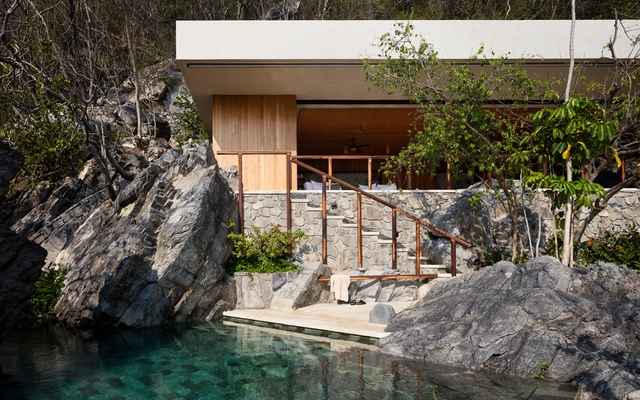
Due to their aesthetic, sustainable, durable, and resistant qualities, stone materials have accompanied the disciplines of architecture and engineering since their origins. As is known, in Mexico, stone has been a fundamental element in pre-Hispanic constructions where experimentation was done with vaults, ashlars, masonry, etc.
However, the industrialization of this material, the perfection of techniques, and experimentation with its various applications have allowed buildings erected today to continue using it in different ways and various regions of the country, specifically in wooded areas. For this reason, we have compiled a selection of projects that include houses, haciendas, hotels, restaurants, and terraces to continue inspiring you.