"True love is a span, extending infinitely, An immense monolith, our architecture." - Gilberto Gil, Drão
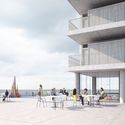
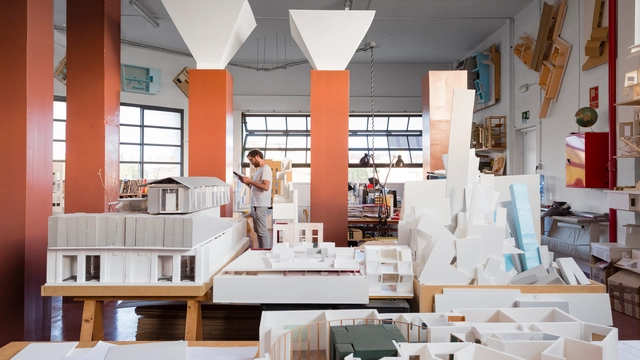
Just over two years ago, the Casa da Arquitectura - Portuguese Centre for Architecture began a major effort to assemble a collection of significant works from the last 90 years of Brazilian architectural history. In addition to expanding the institution's already impressive archive—which includes, among other items, hundreds of original scale models by Souto de Moura—this collection of more than eight thousand documents of Brazilian architecture will form the core of the exhibitionInfinito Vão, curated by Guilherme Wisnik and Fernando Serapião.
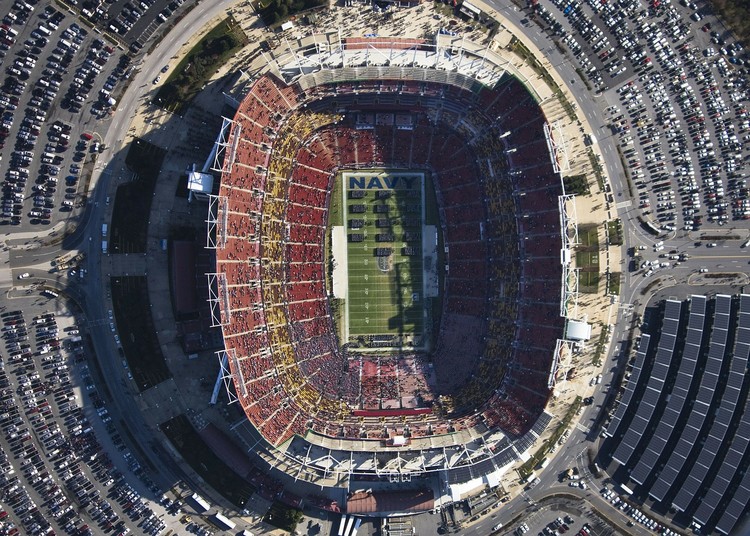
I hope you have caught your breath after this year’s FIFA World Cup. France’s win in Moscow’s Luzhniki Stadium marked the end of an era; the last World Cup with a classic format. After the 2022 Winter tournament in Qatar, the competition will be expanded to 48 teams (rather than the current 32).
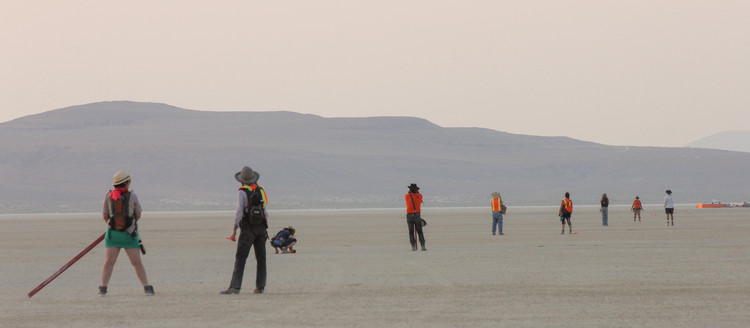
Ever wonder how Burning Man’s famous Black Rock City rises from the dust of the Nevada Desert every year? A video by vlogger Shalaco Sching offers an insight, documenting the process undertaken by the team of surveyors tasked with creating a temporary city from scratch, year after year.
As Shalaco documents through his video below, his Instagram, and a written account on the Burning Man Journal, a team of 21 surveyors spend seven days laying the lines and waypoints of a 5.62-mile plan, creating the largest and most iconic art installation at Burning Man – the city itself.
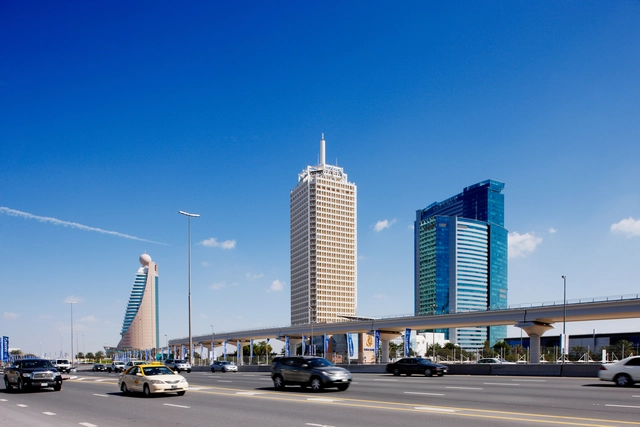
Dubai Trade Centre. Image Courtesy of Shutterstock
Dubai Municipality has announced that the city is planning to preserve its landmark buildings from the 1960s and 70s as part of a new initiative called Modern Heritage. Jointly launched by the Planning Department and the Architectural Heritage Department, the initiative aims to save the first footprints of Dubai. The initiative would protect some of the most significant buildings constructed when the city was first beginning its rapid development. The plan includes the preservation of the Dubai Trade Centre, a 149-metre-high tower regarded as the city's first skyscraper.
In our previous article we wrote about the importance of standing out from the competition by generating content that readers find valuable; this will ensure that they associate your brand with engaging instruction--and hopefully turn them into a loyal client!
https://www.archdaily.com/900150/how-to-generate-content-thats-interesting-for-architects-part-2Pola Mora
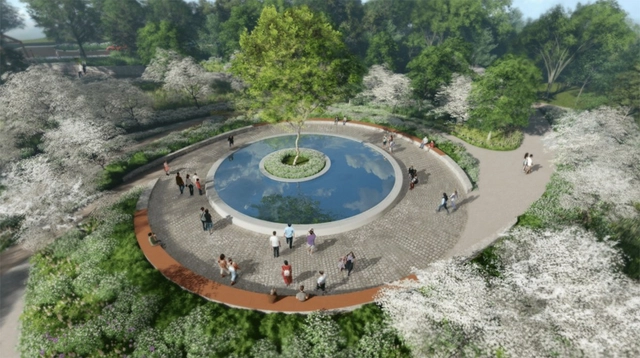
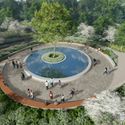
The Sandy Hook Permanent Memorial Commission announced the final design has been unanimously selected for the memorial in Newtown, Connecticut. The Clearing by Ben Waldo and Daniel Affleck of SWA Group was officially recommended by the commission, and the Board of Selectmen will make final approvals this month. Chosen out of three concepts unveiled in May, the winning memorial honors the 26 victims and survivors of the 2012 shooting at Sandy Hook Elementary School.
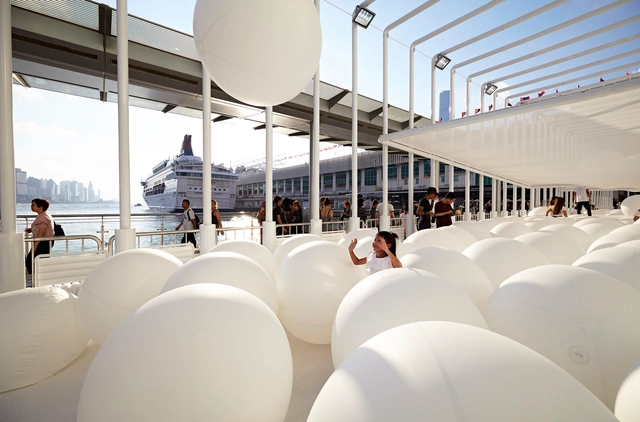
New York-based collaborative and design studio Snarkitecture have unveiled their newest interactive installation, bringing a surreal sense of play to Hong Kong’s waterfront. Titled “BOUNCE,” the installation features hundreds of 300% sized bouncing balls contained in a cage-like stadium, inviting the public to “create their own unique playing experiences.”
The program is spread across three locations, with the feature installation along the Harbour City waterfront, an indoor installation at the Ocean Center titled “Gallery by the Harbour,” and a children’s “Eyeball Maze” at the Ocean Terminal.
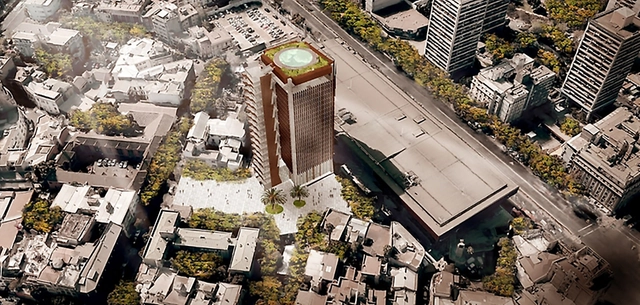
The Chilean City in the Pressis a new section on ArchDaily en Español where we cover the key urban issues facing Chilean cities across the country. This is our editorial roundup of everything you need to stay up to date.
In this first edition, we cover the University of Chile's proposal to rehabilitate the Villavicencio Tower in Santiago, the National Monuments Council's interest in preserving the birthplace of the late poet Nicanor Parra, and urban news from Valparaíso, Concepción, and Valdivia.
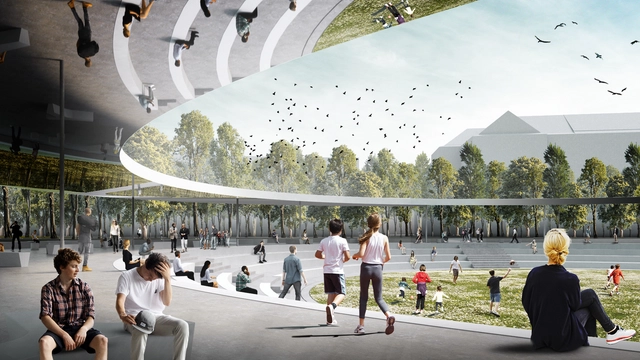
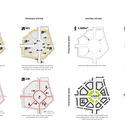
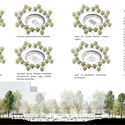
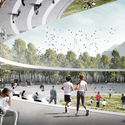
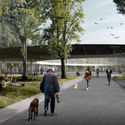
Istanbul-based studio Superspace has proposed a design for Prague’s Victory Square that transforms the dead zone in the middle of Prague into a space flourishing with nature and social activities. The simple but effective solution inverts traffic and pedestrian access to create a green urban center, where markets, art festivals and even wintertime ice-skating can take place. Tall, local evergreen trees would be planted in the horseshoe shape surrounding the inner ring, creating an iconic visual impact while shielding the community space from the noise of the busy traffic area beyond.
Videos
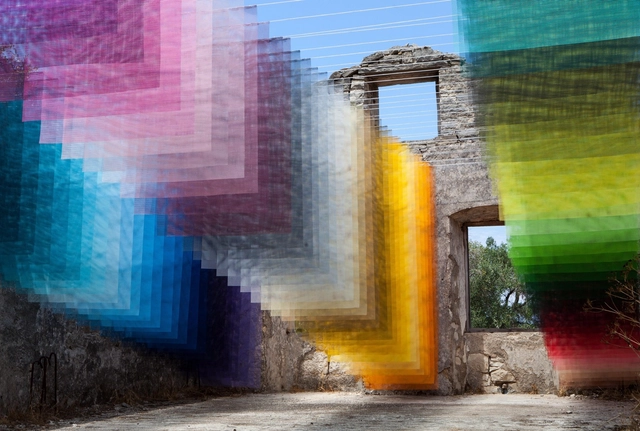
Kagkatikas Secret. Image Courtesy of Quintessenz
Founded by the Hanover and Berlin-based artists Thomas Granseuer and Tomislav Topic, Quintessenz has its roots in both graffiti-culture and chromatics. Combine painting, moving image, and installation, their work uses patterns and shapes found in architecture to change perceptions of space. Using old factory buildings as their canvas, Quintessenz consistently aims to create space for color. In every medium they use, color is the content itself.
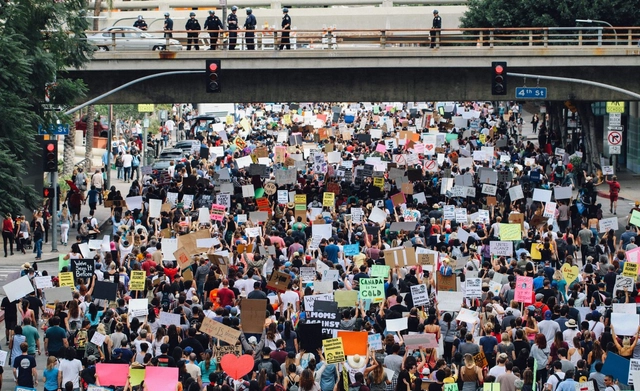
Esquina, a blog by journalist Mariana Barros hosted on the Estadão portal, has launched the special series #EsquinaNaUrna to present presidential candidates with the primary demands for improving Brazilian cities. You can submit your question to Esquina, and the blog will select a group of questions to be answered by the leading candidates in the polls.
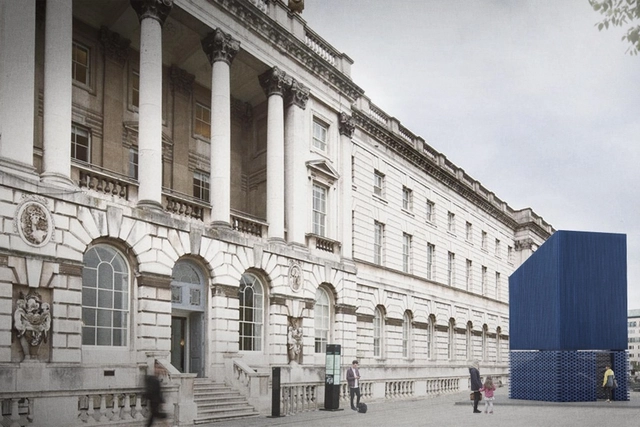
The Silent Room. Image Courtesy of London Design Biennale
Opening next month, the London Design Biennale returns with an impressive cast of characters. In its second iteration, the Biennale begins September 4 under the theme ‘emotional states’ and will run until September 23. After the 2016 inaugural launch, the event has expanded to include 40 countries, cities and territories. Taking over Somerset House, including the Edmond J. Safra Fountain Court and River Terrace, the event will explore ideas ranging from social equality and pollution to migration and cities.
American artist Michael Velliquette has produced his latest series of paper-based artwork, creating intricate paper models of sacred architecture. His hand-cut paper shapes are assembled into complex forms “akin to sacred architecture and three-dimensional mandalas.”
Prioritizing formal symmetry, balance, and order, the models aim to evoke “a sense of visual equanimity” through a restrained palette of neutral or monochromatic tones.
Videos
via flickr user conchur licenced under CC BY 2.0
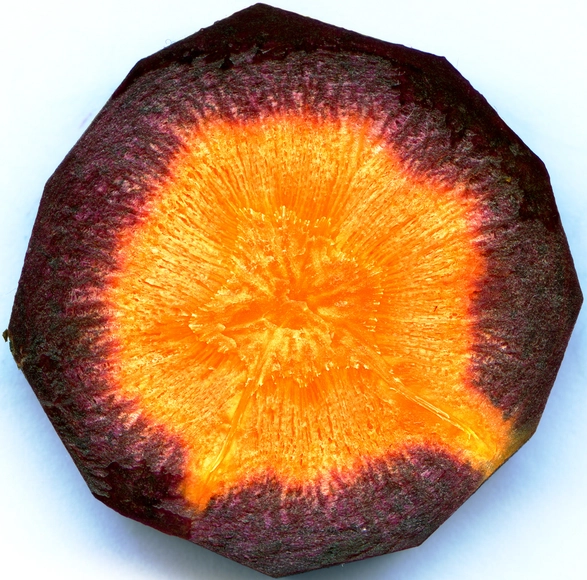
Carrots cannot help you see in the dark, but they could make your buildings stronger, and more environmentally friendly. Engineers at Lancaster University in the UK have worked in collaboration with Cellucomp Ltd UK to study the effects of adding “nano platelets” extracted from the fibers of root vegetables to enhance the performance of concrete mixtures.
The vegetable-composite concretes, made from vegetables such as sugar beet or carrot, have structurally and environmentally out-performed all commercially-available cement additives, such as graphene and carbon nanotubes, doing so at a much lower cost.
https://www.archdaily.com/900003/could-carrots-make-concrete-stronger-and-greenerNiall Patrick Walsh
The World Health Organization (WHO) has advised that countries throughout the world eliminate the use of all types of asbestos, a dangerous carcinogen, to prevent asbestos-related diseases. According to the Asbestos Disease Awareness Organization, it was estimated that 40,000 people in the U.S. die each year from asbestos-related conditions.
Despite the WHO's concerns, Fast Companyreported that under Trump's administration, "The [U.S. Environmental Protection Agency] (EPA) has even made it easier for companies to introduce new uses of asbestos-containing products in America." Although Asbestos Nation estimates that 55 countries have outlawed the carcinogen, this issue brings up a common question: Has my country banned asbestos? Below, we have provided a list by International Ban Asbestos Secretariat's Laurie Kazan-Allen on the following 65 countries and regions that have banned asbestos.
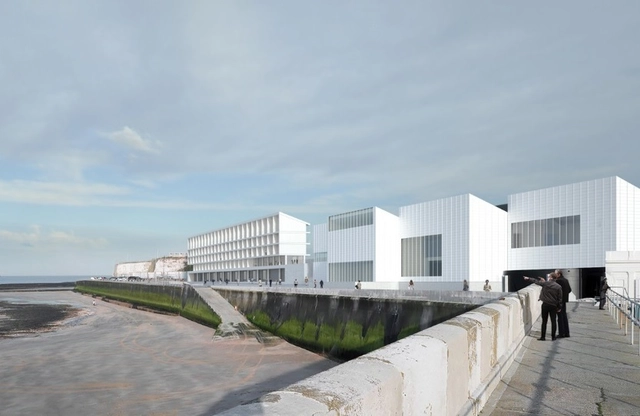
The Turner Rooms. Image Courtesy of David Chipperfield Architects
In a pro-bono move to help spur revival in Margate, David Chipperfield Architects independently conceived a hostel addition to the firm's Turner Contemporary art gallery in Margate. Dubbed the Turner Rooms, the design is made to help grow the vision of the gallery and secure its financial future. Sited on the Margate waterfront, the proposal offers new ways for people to engage with the gallery and the town through a 100 room waterfront hostel.
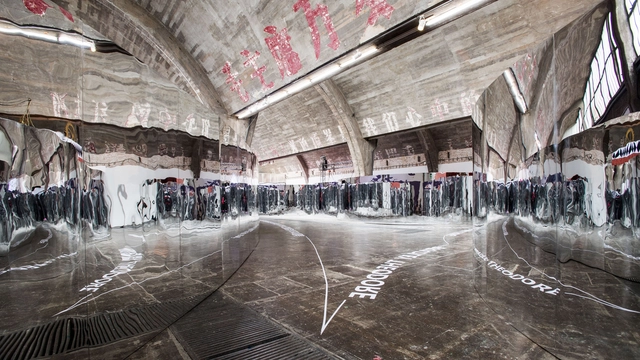
OMA's research and design practice AMO has opened True Me, the studio's first exhibition design in China. Built in the 798 Art Factory in Beijing, True Me explores modern selfie-culture and modes of self-representation through art and media. Organized by App developer Meitu and the Beijing Contemporary Arts Foundation, the exhibition features artworks by Hou Ying, Lu Yang, Maleonn, Xie Haiwei, Ye Funa, Chen Tianzhuo, teamLab, and Theodore Bradley. Celebrating the launch of Meitu’s new logo, the exhibition extends AMO’s interest in studying visual culture.
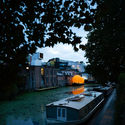
The scheme was chosen from 132 entries to the competition run by Shiva Ltd and the Architecture Foundation, which asked participants to engage with “the heritage of the Regent’s Canal in innovative ways.”

























.jpg?1533918782)