

Produce personalized presentation boards that distill complex concepts into simple visual representations with a few helpful tools and effects.
Articles
How to Create Architectural Presentation Boards
| Sponsored Content
https://www.archdaily.comhttps://www.archdaily.com/catalog/us/products/37234/how-to-create-architectural-presentation-boards-lumion
Dear Martha: An Open Letter to the Pritzker Prize Committee

As the Pritzker Jury begins its deliberations for the 2015 Pritzker Prize, this is a critical time of year for shaping the landscape of architectural debate for the coming year and beyond. The following is an open letter to Martha Thorne, the Executive Director of the Pritzker Prize, from Conrad Newel, author of the popular blog Notes on Becoming a Famous Architect.
Dear Martha,
I have to hand it to you and all the people on the Pritzker committee, you guys are a very crafty bunch. Just when I thought I had you all figured out, you have now - even though only slightly - succeeded in confounding me.
From my 2011 analysis of the Pritzker, I figured that your potential pool of laureates was always a very predictable bunch. In fact anyone could look at my data and predict with reasonable certainty that the next laureate would most likely be an Asian or Caucasian male starchitect from Europe, The USA, or Japan. I further pointed out that none of your laureates have done much in the way of humanitarianism, despite the fact that the mission statement of the Pritzker also asks that the recipient should be making significant contributions to humanity. I maintained that this part of the mandate has been consistently overlooked.
https://www.archdaily.com/590620/dear-martha-an-open-letter-to-the-pritzker-prize-committeeConrad Newel
Code of Context: The Uneasy Excitement of Global Practice
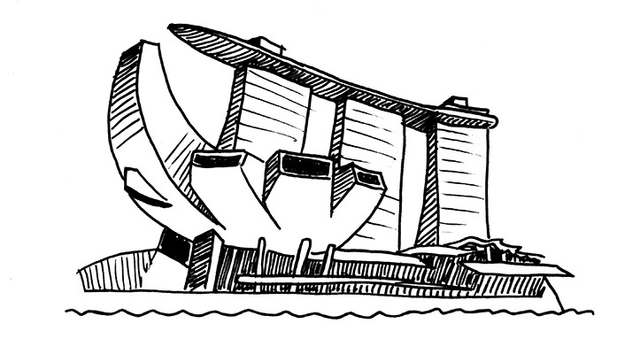

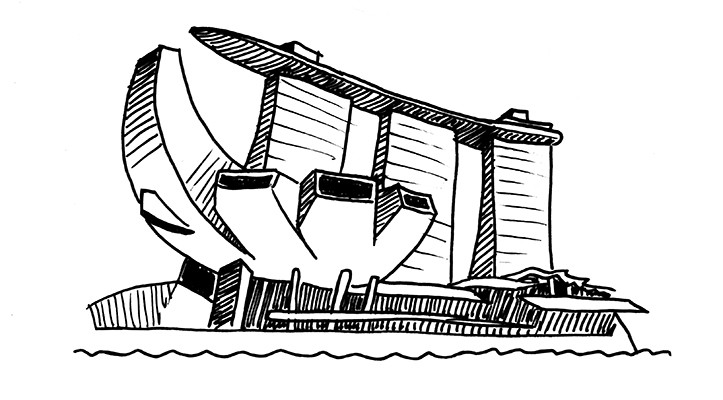
Global, the Winter 2014 issue of ArchitectureBoston magazine, out now, is an examination of the challenges and opportunities facing architects working abroad, from the Middle East to Africa to Asia. The topics explored in this issue include how to value resource-constrained approaches, honor local vernacular, and learn from the urbanization precedents set in other parts of the world. In this article, Jay Wickersham FAIA examines how in a globalized market, architecture firms can take steps to ensure that their designs act in the best interests of the foreign communities they affect.
The signs of architecture’s globalization are all around us. Foreign students flock to Boston to study architecture, prominent buildings are designed by foreign architects, American firms build practices around international projects. Globalization has allowed architects to work outside their own regions and cultures, at a scale and with a freedom of design they might never enjoy at home. But beneath the excitement and glamour of international practice, I sense an unease. Are we creating vital and original new architectures, or are we homogenizing cities and landscapes and obliterating regional differences? Are architects helping to strengthen and develop the economies of host communities, or are they acting as unwitting tools of inequality and repression?


https://www.archdaily.com/590300/code-of-context-the-uneasy-excitement-of-global-practiceJay Wickersham FAIA
Inequality and Informality in New York: SITU Studio's Proposal for MoMA's Uneven Growth Exhibition

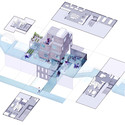
When it comes to discussing informal housing, it's usually cities in developing nations that take the spotlight - however, as revealed by SITU Studio's contribution to MoMA's Uneven Growth exhibition, issues of informal housing are indeed present in cities across the spectrum of development. In this interview, originally posted on Arup Connect as "Inequality and informality in New York," Sarah Wesseler speaks to SITU Studio principle Bradley Samuels about their unconventional proposal to address an issue that is frequently overlooked in New York city policy.
Uneven Growth: Tactical Urbanisms for Expanding Megacities, a newly opened exhibit at New York’s Museum of Modern Art, focuses on the complex relationship between urbanization and inequality. Over the 14-month period leading up to the launch, six interdisciplinary teams explored how these issues are playing out in different parts of the world, each developing an architectural response for a specific city.
Architecture firm SITU Studio (together with Cohabitation Strategies [CohStra]) was tasked with studying its home city, New York. (Arup transport planner Michael Amabile also consulted with the team.) We spoke with SITU principal Bradley Samuels about the project.




https://www.archdaily.com/589157/inequality-and-informality-in-new-york-situ-studio-s-proposal-for-moma-s-uneven-growth-exhibitionSarah Wesseler
The Architecture of Product Design: Circulation in Mobile Apps

A version of this article originally appeared on the Percolate Blog.
In spring of 2009, I graduated from architecture school. At the time, the post-recession economy was rough and not much was happening for architects. With an interest in entrepreneurship and technology, I took a risk and decided to try working at a tech startup. Much to my surprise, I fell in love with the industry and 5 years later, I’m now a Product Designer at Percolate in NYC, a company which produces web and mobile marketing software.
Since my career pivot, I’ve noticed many interesting parallels between architecture and product design. Although the mediums are different, it’s amazing to see how many of the design principles and processes are the same. To some degree, even the tools can be applied to both design industries. In this post, I will discuss how circulation is a fundamental property in the usefulness of both buildings and products.
One of the greatest lessons I learned in architecture school is the importance of circulation systems in the design of buildings.
https://www.archdaily.com/588457/the-architecture-of-product-design-circulation-in-mobile-appsMelissa Mandelbaum
6 Modern Pyramids that Show Timeless Geometry is Here to Stay

If you were a Greek tourist in the 1st century BCE you would likely have had something in your hand that would be quite familiar here in the 21st century. A guide book. The most popular guide book of the Hellenic world listed seven wonders of the world that should be visited by any Greek traveler.
Of those seven wonders, six no longer exist. The Colossus of Rhodes, the Lighthouse of Alexandria, and the Mausoleum at Halicarnassus were lost to natural causes, the Temple of Artemis and Statue of Zues destroyed by human hands, and no one knows what happened to the Hanging Gardens. The remaining wonder is the Great Pyramid of Giza. This colossal Egyptian structure is so grand a work that even today, 4,500 years after its construction, it is still considered by some to be the most impressive civil engineering project in history, beating out feats like the Panama Canal, the Hoover Dam, and the Golden Gate Bridge.
The pyramid isn’t just an ancient wonder. Just as the Great Pyramid has managed to survive into modern times, so has our love affair with the simple but powerful angled shape. Modern architects and engineers continue to build pyramids. These modern pyramids may not be stone tombs to ancient pharaohs, but are no less stunning for all that. Read on after the break for six examples.





https://www.archdaily.com/588430/6-modern-pyramids-that-show-timeless-geometry-is-here-to-stayJames Hinton
Light Matters: UN Celebrates The International Year of Light 2015
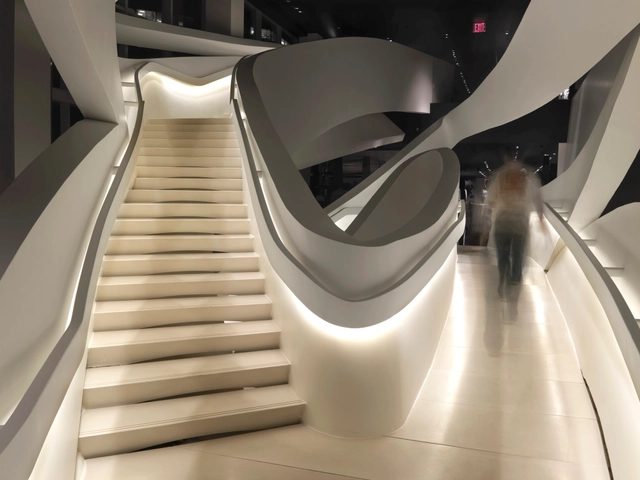
Light is all around us, and it increasingly affects our daily lives. For example, we have started to carry personal light sources around with our smartphones, and in our homes many electrical machines now utilize light to display information and simply to appear more attractive. In a larger context, architecture and cities have also developed a new dimension with the advent of electrical lighting for work and entertainment.
Inspired by the central role of light for our culture and technology, the United Nations has proclaimed 2015 as the “International Year of Light and Light-based Technologies” (IYL2015). With IYL2015 the UN wants to raise the awareness of the importance of light and optical technologies in our lives, our future and the development of society.
Read on after the break for more enlightenment around IYL2015.


https://www.archdaily.com/588417/light-matters-un-celebrates-the-international-year-of-light-2015Thomas Schielke
Why Putin Likes Columns: 21st Century Russia Through the Lens of Architecture
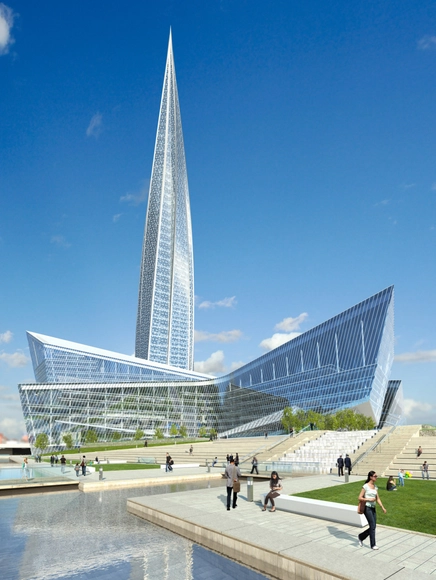
In August 1932, Stalin, holidaying in Sochi, sent a memo containing his thoughts on the entries for the competition to design the Palace of the Soviets, the never-to-be-built monument to Lenin and center of government. In this memo he selected his preferred design, the colossal wedding cake of a tower topped with a 260-foot (79-meter) high statue of Lenin, designed by Boris Iofan. Just over 80 years later, Sochi again hosted the architectural whims of a powerful Russian leader for the 2014 Sochi Winter Olympics. An oversimplification? Probably. But it’s got nice symmetry to it.

.jpg?1420040922 "The Mountain Cluster of the Sochi Olympic Village. Image Courtesy of Wikimedia user Ivanaivanova")


https://www.archdaily.com/587275/why-putin-likes-columns-21st-century-russia-through-the-lens-of-architectureDario Goodwin
Through the Lens: The Social Implications of Green Roofs in Film

Film often makes a mockery of architectural features. Glass facades are obliterated by gunfire, grisly murders are set against a white modernist palette, deconstructed stairs are the cause of nasty accidents or ludicrous slapstick, and you just know a tensile fabric roof will be shredded by the time 007 is finished with it.
There is one architectural feature however that has benefited from very complimentary treatment by the film industry, and surprisingly it is a sustainable one. Green roofs and other “architectural” green spaces have been popping up regularly in mainstream movies over the past decade: blockbusters including The Vow (2012) and Source Code (2011) utilized the greenscape outside Gehry's Jay Pritzker Pavilion in Millennium Park; last year the Vancouver Convention Centre was featured in both Godzilla and Robocop; and Kaspar Schroder’s 2009 uber cool documentary My Playground, about the sport of parkour (the art of bouncing off buildings made famous by the opening scenes of Casino Royale), features BIG’s Mountain Dwellings in Copenhagen. And we cannot forget two of the biggest film franchises in history: both of Peter Jackson’s Lord of the Rings and The Hobbit franchises feature green roofs in their portrayal of Hobbiton – home of the virtuous and incorruptible Hobbits.
https://www.archdaily.com/587017/through-the-lens-the-social-implications-of-green-roofs-in-filmCharlotte Neilson
AR Issues: The Problem With Memorials and Memory
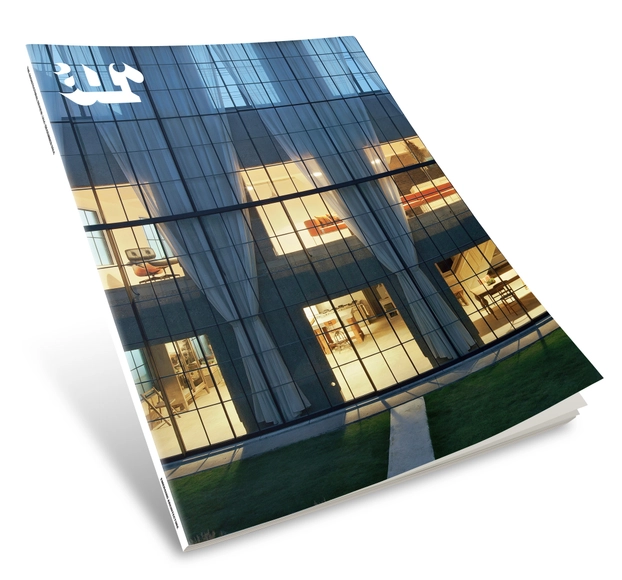
ArchDaily is continuing our partnership with The Architectural Review, bringing you short introductions to the themes of the magazine’s monthly editions. In this editorial from AR’s December 2014 issue, AR Editor Catherine Slessor ruminates on the contemporary approach to memorials, arguing that “as architecture can rarely truly grasp the notion of absence, memorial culture lapses into comforting banality.”
Always uneasy bedfellows, this year the relationship between building and memory has had a particularly charged resonance. The centenary of the outbreak of the First World War has been framed by the familiar narratives of slaughter and sacrifice, while the 25th anniversary of the fall of the Berlin Wall marked the moment when Communism in Europe finally faltered and collapsed. No doubt that these are profound, epoch-defining events, but how they are memorialised in built form is frequently problematic.

https://www.archdaily.com/586052/ar-issues-the-problem-with-memorials-and-memoryCatherine Slessor
Ask Arup: How to Build on a Site that is "Pretty Much a Pool"
This article originally appeared on Arup Connect as “Ask Arup: Silty Sand Solutions.”
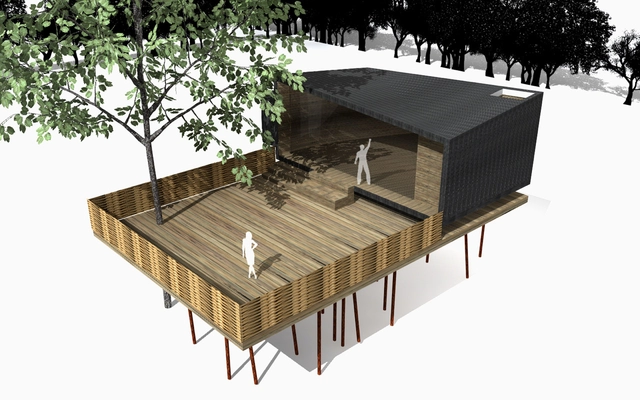
Architect Juan Esteban Correa Elejalde’s client tasked him with designing an off-the-grid getaway for a rural site near Medellín, Colombia. After completing the initial design concept, Correa Elejalde ordered a soil study of the client’s land.
Unfortunately, the results showed the site to be “pretty much a pool,” he said; the high water table and thick layers of loose soil would provide little capacity to support heavy objects above.
After seeing Arup Connect’s call for engineering-related questions on ArchDaily, he reached out to see if we could offer any insight.
https://www.archdaily.com/585854/ask-arup-how-to-build-on-a-site-that-is-pretty-much-a-poolArup Connect
Defining a More Purposeful Architecture: A Guide to Current Architectural Trends

The current state of architectural design incorporates many contemporary ideas of what defines unique geometry. With the advent of strong computer software at the early 21st century, an expected level of experimentation has overtaken our profession and our academic realms to explore purposeful architecture through various techniques, delivering meaningful buildings that each exhibit a message of cultural relevancy.
These new movements are not distinct stylistic trends, but modes of approaching concept design. They often combine with each other, or with stylistic movements, to create complete designs. Outlined within this essay are five movements, each with varying degrees of success creating purposeful buildings: Diagramism, Neo-Brutalism, Revitism, Scriptism, and Subdivisionism.
https://www.archdaily.com/585599/defining-a-more-purposeful-architecture-a-guide-to-current-architectural-trendsMichael Wacht
Wicker Metamorphosis, a Productive Device by Normal Architecture Studio

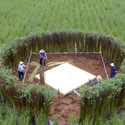
Wicker Metamorphosis is a productive device for manufacturing wicker, designed by Normal Architecture Studio.




https://www.archdaily.com/584299/wicker-metamorphosis-normal-architecture-studioCristian Aguilar
6 of Russia's Best 21st Century Projects
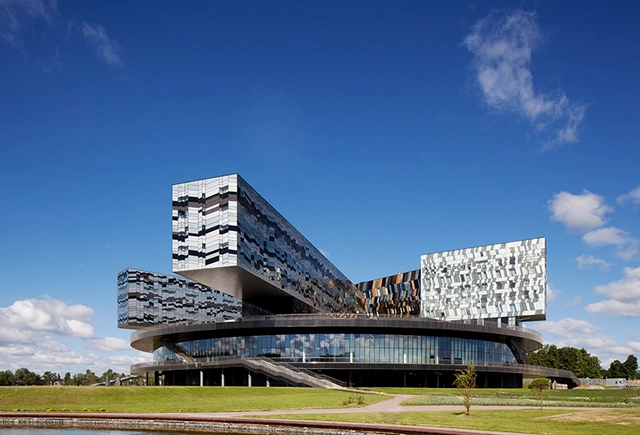
Given the country's rich architectural history spanning almost the entirety of the 20th century, you'd be forgiven for thinking that the fall of Russian Communism in the early 1990s might have sparked an exciting new era in design. That promise hasn't exactly been fulfilled, but as The Calvert Journal reports, a few promising recent projects are hinting at a Russian Renaissance.
The last twenty years of architecture has added little but bog-standard steel-and-glass office blocks to the limited palate of the Russian cityscape — the usual glinting onion domes, pompous Stalinist neoclassicism and crumbling tower blocks. But lately some architects have dared to differ and turned bold blueprints into bricks and mortar. Read on after the break for our pick of the best Russian buildings of the last decade.



https://www.archdaily.com/584354/the-6-most-promising-russian-projects-of-the-past-decadeIgor Zinatulin
'An Installation In Four Acts' - Exploring Structuralism At Rotterdam's Nieuwe Instituut
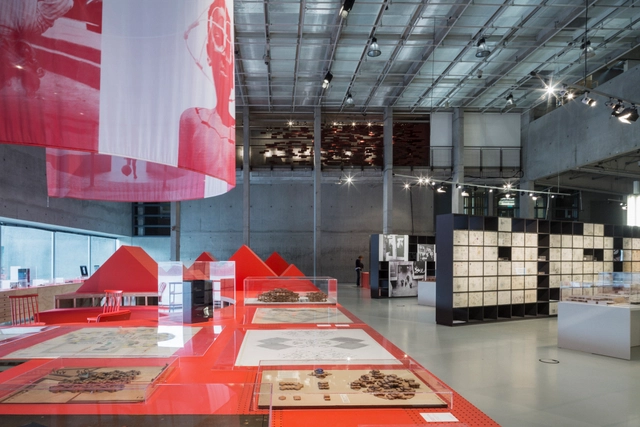
Great movements in architecture are usually set in motion by a dull societal ache or as a response to a sudden, unforeseen reorientation of a community at large. The Dutch city of Rotterdam - vast swathes of which were cast into oblivion during the blitz of May 1940 - has been at the forefront of many shifts in approach to the built environment. It is therefore fitting that the latest exhibition at the Nieuwe Instituut (formerly the NAi), simply titled Structuralism, is being held in the city that was recently named Europe’s best.
Furthermore, Dutch Structuralism is a timely subject for Dirk van den Heuvel and the Jaap Bakema Study Centre (JBSC) in Delft to tackle. With major civic buildings like OMA's extension to Rotterdam's City Hall taking shape, it appears that a resurgence of Structuralist formal thought is appearing in the contemporary city. The exhibition seeks to shine a new light on the movement by uncovering drawings, models and texts which profoundly shaped 20th century architectural thinking.


https://www.archdaily.com/582387/review-structuralism-nieuwe-instituut-rotterdamJames Taylor-Foster
ArchDaily: What Happened In 2014, And Where We Are Heading In 2015
.jpg?1420458250&format=webp&width=640&height=580)
Dear Readers,
https://www.archdaily.com/583920/archdaily-what-happened-in-2014-and-where-we-are-heading-in-2015David Basulto
How a Le Corbusier Design Helped Define the Architecture of Southern California

We all know that in architecture, few things are truly original. Architects take inspiration from all around them, often taking ideas from the designs of others to reinterpret them in their own work. However, it's more rare that a single architectural element can be borrowed to define the style of an entire region. As uncovered in this article, originally published by Curbed as "Le Corbusier's Forgotten Design: SoCal's Iconic Butterfly Roof," this is exactly what happened to Le Corbusier, who - despite only completing one building in the US - still had a significant impact on the appearance of the West Coast.
Atop thousands of homes in the warm western regions of the United States are roofs that turn the traditional housetop silhouette on its head. Two panels meet in the middle of the roofline and slope upward and outward, like butterfly wings in mid-flap. This similarity gave the "butterfly roof" its name, and it is a distinct feature of post-war American residential and commercial architecture. In Hawaii, Southern California, and other sun-drenched places, the butterfly roofs made way for high windows that let in natural light. Homes topped with butterfly roofs seemed larger and more inviting.
Credit for the butterfly roof design often goes to architect William Krisel. He began building single-family homes with butterfly rooflines for the Alexander Construction Company, a father-son development team, in Palm Springs, California, in 1957. The Alexander Construction Company, mostly using Krisel's designs, built over 2,500 tract homes in the desert. These homes, and their roofs, shaped the desert community, and soon other architects and developers began building them, too—the popularity of Krisel's Palm Springs work led to commissions building over 30,000 homes in the Southland from San Diego to the San Fernando Valley.
https://www.archdaily.com/583784/how-a-le-corbusier-design-helped-define-the-architecture-of-southern-californiaMarni Epstein-Mervis
The 14 Best Articles of 2014
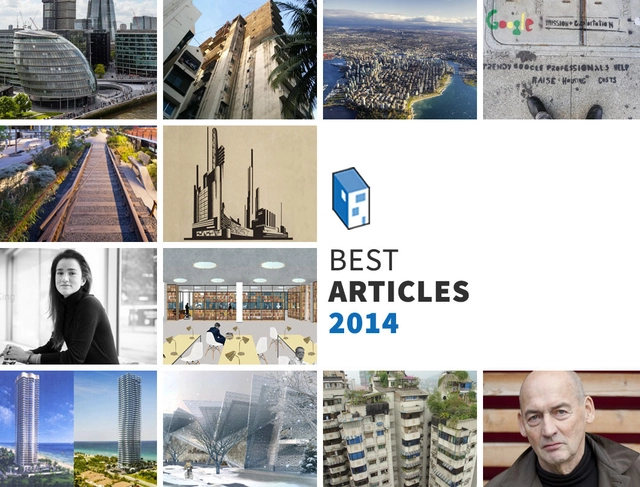
At ArchDaily, we take great pride in bringing our readers the best selection of architectural projects and news stories around, but another big part of our editorial mission also involves giving architects access to the knowledge that will help them improve the lives of future urban dwellers. As the year draws to a close, each of the editors at ArchDaily has personally selected their favorite articles from the past year which complement this editorial mission. These articles may not be the ones that garnered the most attention or views, but we think they are vital nonetheless.
Our top 14 of 2014 includes coverage of crucial events, like the attention-grabbing competition that broke almost every record going, and an architectural model that redefined the idea of political protest; it features profiles of people who are redefining the profession, including both one of the world's most famous architects who had one of his greatest years yet, and a woman who spends most of her time working with sewage; and it includes insightful histories, such as how communist architecture developed in the mid-twentieth century, and how that period is now defining architecture in a modern-day communist superpower. Read on to find out which articles made our list as the best of the past year.
https://www.archdaily.com/583185/the-14-best-articles-of-2014AD Editorial Team
Top 20 Most Read Articles of 2014
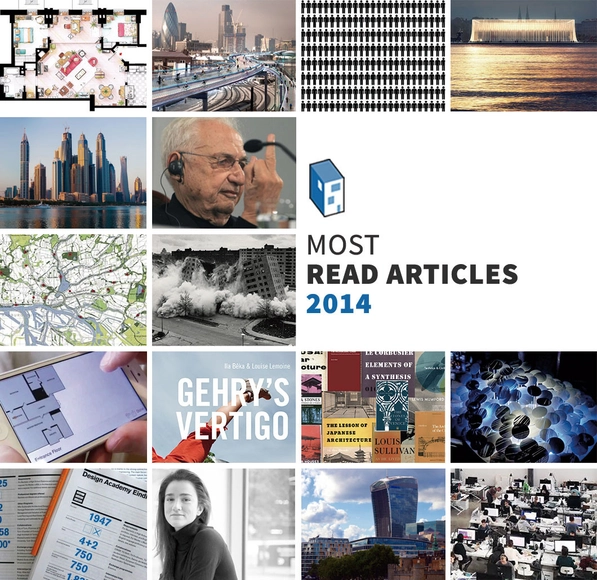
From Frank Gehry giving the finger and claiming that today’s architecture is 98% “pure shit,” to the Guggenheim Helsinki competition receiving 1,715 entries and becoming the most popular architecture competition in history, 2014 has been an eventful year. The following 20 stories were the most read of the year, generating discussion among readers and provoking interesting comments. Ranging from lighthearted lists (25 Free Architecture Books You Can Read Online) to articles analyzing how future cities might look (Hamburg’s Plan to Eliminate Cars in 20 Years), here are the top 20 stories of 2014.
https://www.archdaily.com/582981/top-20-most-read-articles-of-2014AD Editorial Team
Why Are There Still No Built Traces of New York's Tech Industry?
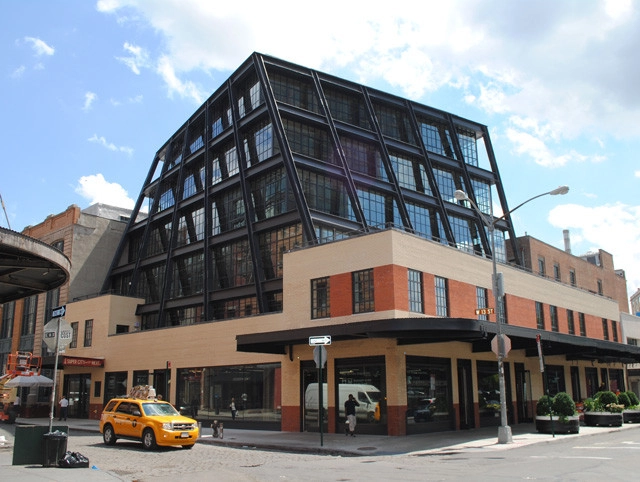
For many architects, the chance to make an impression on the landscape of New York City is a sign of distinction, an indication that they have "made the big time." But it's not just architects who have this desire: for decades, the city's big industrial players have also striven to leave their mark. However in this article, originally posted on New York YIMBY as "How New York City is Robbing Itself of the Tech Industry’s Built Legacy," Stephen Smith examines where it's all gone wrong for the city's latest industry players.
Strolling through the streets of Manhattan’s business neighborhoods, you can pick out the strata of the city’s built commercial heritage, deposited over generations by industries long gone. From the Garment District’s heavy pyramidal avenue office towers and side street lofts, dropped by the garment industry in the 1920s, to the modernist towers like Lever House and the Seagram Building, erected on Park and Fifth Avenues during the post-war years by the country’s giant consumer goods companies, each epoch of industry left the city with a layer of commercial architecture, enduring long after the businesses were acquired and the booms turned to bust.
But 50 or 100 years into the future, when our grandchildren and great-grandchildren stroll through the neighborhoods of Midtown South that are today thick with technology and creative firms, they are not likely to find much left over from the likes of Facebook or Google. There will be no equivalent of Grand Central or Penn Station, Terminal City or the Hotel Pennsylvania, left over from the early 20th century railroad tycoons, or SoHo’s cast iron buildings, developed by speculators seeking to feed the growing textile and dry-goods trades of the late 19th century. Perhaps unique among New York’s large industries, the tech and creative tenants that have become the darlings of the current market cycle are leaving very little behind for future generations to admire.
https://www.archdaily.com/582049/why-are-there-still-no-built-traces-of-new-york-s-tech-industryStephen Smith
Three Lessons From Finnish Architecture
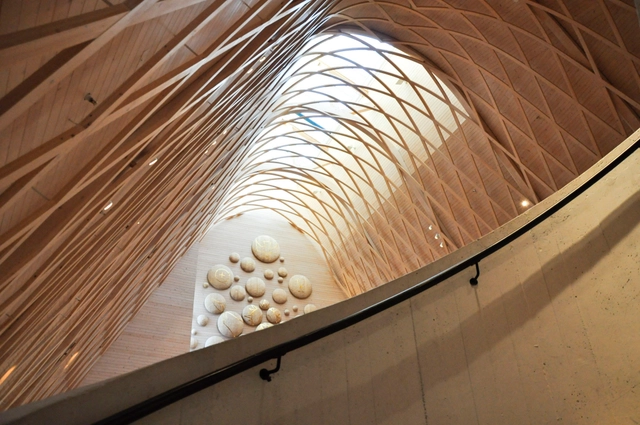
I recently had the opportunity to visit Finland, representing ArchDaily on an architecture press tour organized by the Museum of Finnish Architecture. This was a chance for me to see firsthand some of the recent architecture projects built in the last several years by young architects.
I would like to share with you some of the lessons and best practices I learned from Finnish architecture that I believe we could apply to our work as architects (especially in Latin America, where I am from).
https://www.archdaily.com/581310/three-lessons-from-finnish-architectureFernanda Castro
Inclusivity as Architectural Program: A Reflection on Vancouver's Woodward’s Redevelopment Five Years On

Officially opened in 2010, the Woodward’s Redevelopment project designed by Vancouver based Henriquez Partners Architects and situated in the city’s Downtown Eastside (DTES), was a contentious proposal from the time of its inception, and has continued to be so in the almost five years since its completion. Yet as the large-scale mixed-use complex, and its role in the community, nears the first of many milestone anniversaries, it offers us a chance for critical reflection and allows for perceptions and understandings to be gathered and assessed.
What has made Woodward’s an interesting case study, however, is the project’s attempt to act as a model for responsible development with respect to the regeneration of its surrounding urban and community context. Yet there has also been much criticism, with fears over rapid gentrification and claims that it has displaced some of the community’s most at-risk residents. For managing partner Gregory Henriquez, however, it was seen as an opportunity to introduce a place of inclusivity into the neighbourhood and as a chance to “share a portion of the wealth created in real estate development to support the greater good.”



https://www.archdaily.com/580467/inclusivity-as-architectural-program-a-reflection-on-vancouver-s-woodward-s-redevelopment-five-years-onKristen Gagnon
London Calling: On Fondness
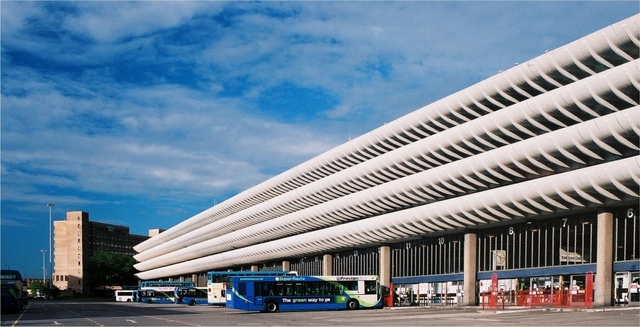
In the UK, the commissioning of buildings is in crisis. The government and the industry as a whole is short-sighted, putting too much emphasis on function and too little thought into what makes for a long-lasting, and in that respect sustainable, building.
What is it that prompts a person to own a classic car or a family to continue to use old silver when both involve so much hard work? Why not buy a new car or use stainless steel cutlery? By convention these possessions have reached the end of their natural life, they require careful maintenance and in many cases they don’t function as well they might - they are obsolete. Their continued use requires a conscious commitment - time and money - on the part of their owner. But then, in time, this responsibility stops being a burden and instead becomes a cause for satisfaction and enjoyment.
It is a question that could be asked of those who commission and use buildings.
https://www.archdaily.com/579116/london-calling-on-fondnessSimon Henley
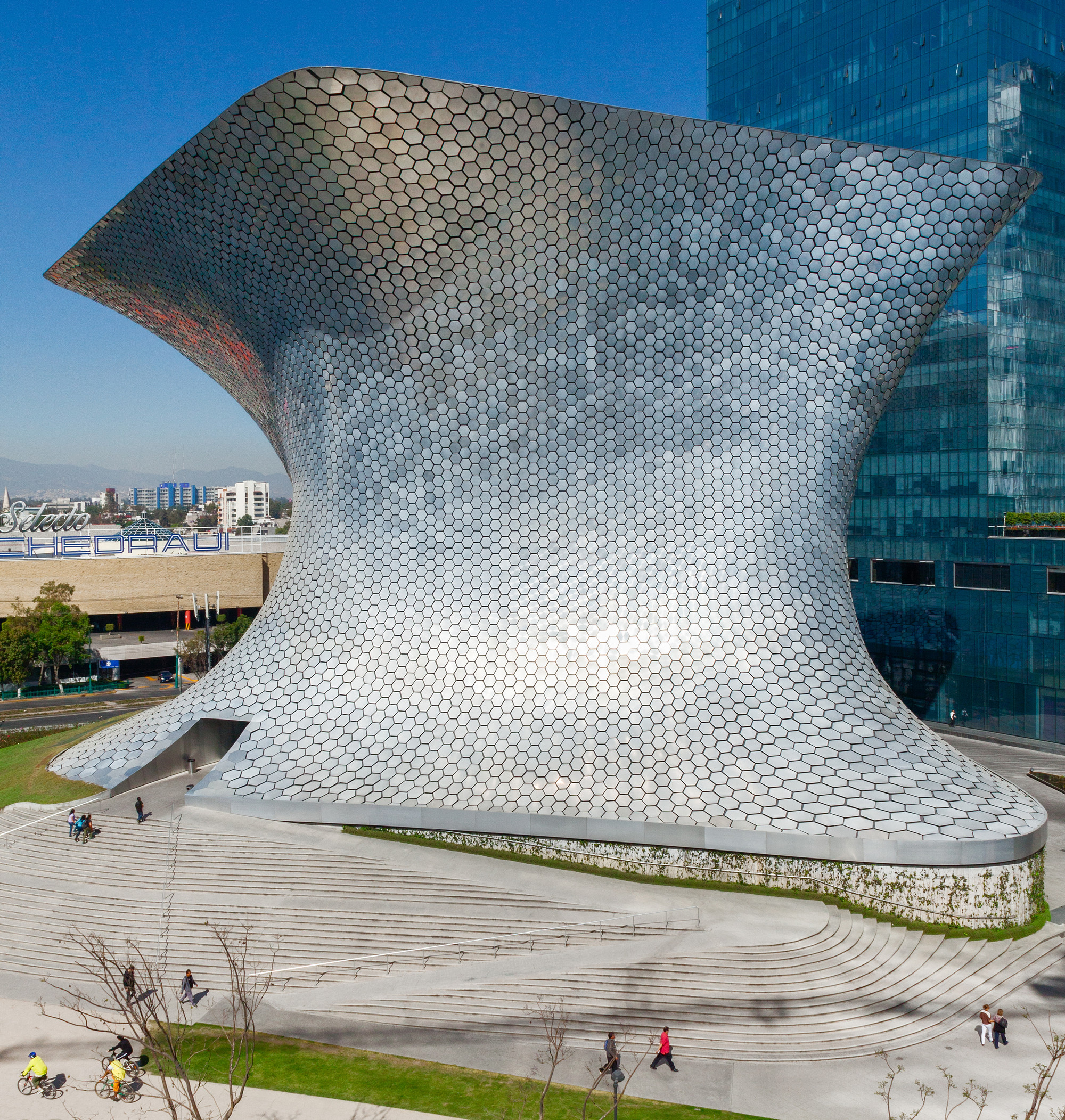
The Mexican Moment: The Rise of Architecture's Latest Design Capital
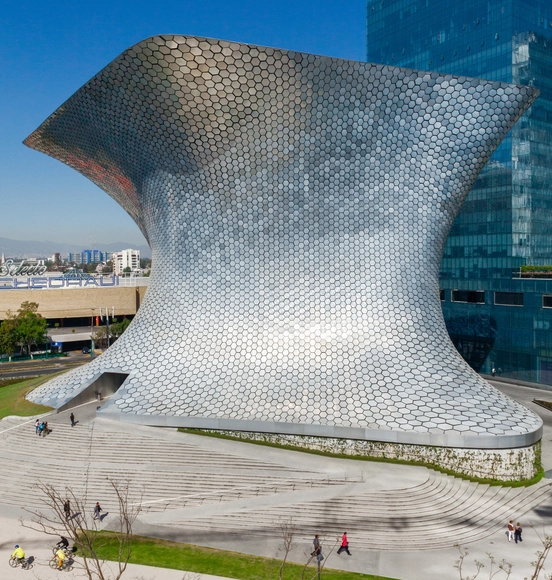
On a recent trip abroad, architect and urban planner José Castillo was struck by a conversation with Mexico’s tourism attaché in Asia. Mexican tourism, the attaché remarked, has changed; it was the ancient pyramids and sandy beaches of the country that once drew visitors to it. Today however, architecture and design—and food—prevail.
The issue of food may be of little wonder. Mexican cuisine has indeed become more popular than ever in both the high and low ends of the culinary spectrum, and food in general is not only what one eats for dinner but also a hobby and an obsessive conversation topic. Yet for local design to come to the same level of acclaim and reputation is, at any rate, quite astonishing. It may be, though, that food and architecture are not so far apart. These are both highly creative and productive professions, as well as ones with a rich history, a theory, and many layers of tradition.


https://www.archdaily.com/578245/the-mexican-moment-the-rise-of-architecture-s-latest-design-capitalDaniel Rauchwerger
INTERIORS: Home Alone

Interiors is an online film and architecture journal, published by Mehruss Jon Ahi and Armen Karaoghlanian. Interiors runs an exclusive column for ArchDaily that analyzes and diagrams films in terms of space. Their Official Store will carry exclusive prints from these posts.
In their first collaboration together as writer and director, John Hughes and Christopher Columbus produced Home Alone (1990). This quintessential Christmas film is a prime example of a “movie home” -- a home that is made iconic and famous with its appearance in a popular film.
The film concerns itself with Kevin McCallister (Macaulay Culkin), a young boy whose family accidently leaves him home alone after leaving for a vacation. In this small suburban town, on Christmas, their home is targeted after a string of successful break-ins in the neighborhood. The McCallister Residence as a result becomes the central space where the majority of the action in the film occurs.
The production used an actual home for the setting of the film. The home’s location is 671 Lincoln Avenue in Winnetka, Illinois, north of Chicago. The majority of the interiors were filmed on location, including most of the first floor, while several rooms were recreated and filmed on a sound stage. Interiors visited the location in July 2014.
https://www.archdaily.com/577316/interiors-home-aloneINTERIORS Journal