“We were sensitive to the way in which society was becoming more consumption-oriented and gave serious thought to how we ought to respond to that change without simply accommodating ourselves to it.” -Toyo Ito
“I was entering a dead world, which would never see the light of the day. I wanted to treat that dead world as if it were alive, or to put it another way, to try to create a different reality.” - Terunobu Fujimori
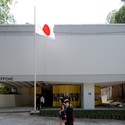
Under the title of Fundamentals, Koolhaas’ Biennale asked national pavilions to focus on their respective countries’ relationships with modernity, the movement that has, for better or worse, shaped the contemporary city. In the case of Japan, modernity was expressed in a unique way, as architecture was instrumental to the rapid industrialization and growth that the country experienced after World War II. This growth resulted in the first architectural avant-garde outside of the Western world. By the 70s, as this movement reached its peak, local architects, historians, artists and urbanists began to look at modernism in a critical way, questioning its impact.
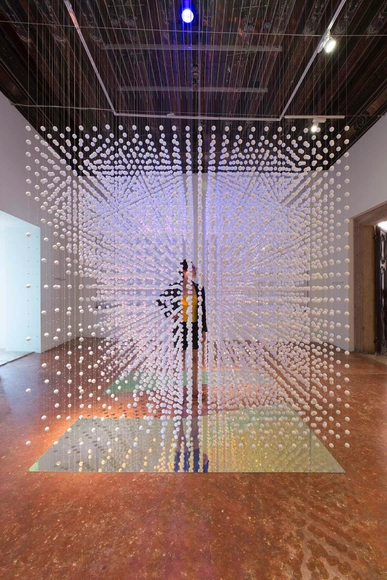
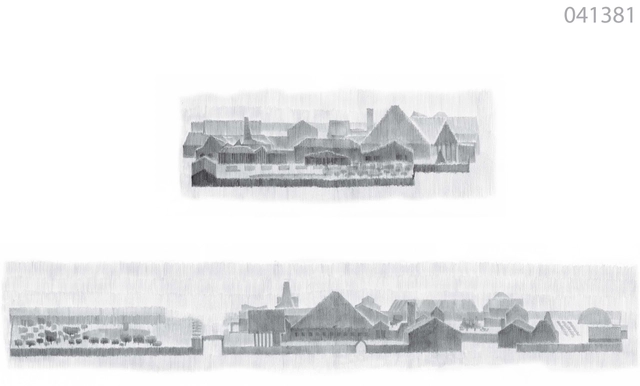
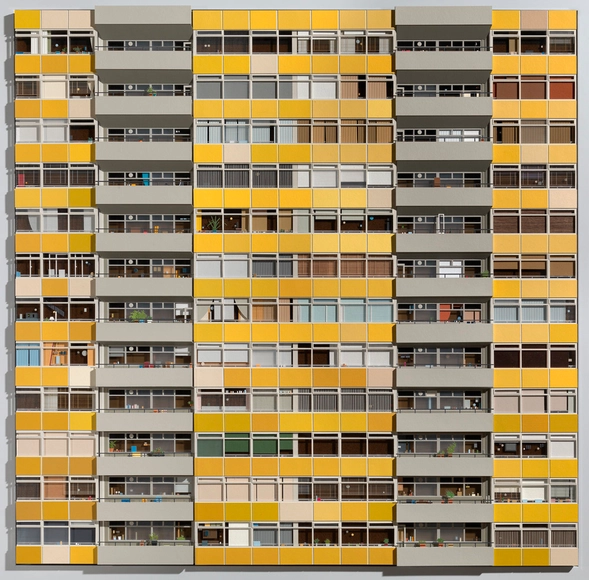
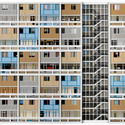
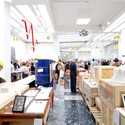
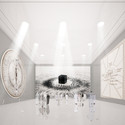
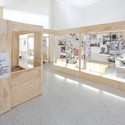
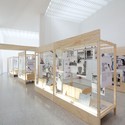
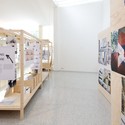
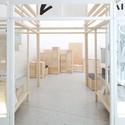
In “The Real World,” the Japan exhibit at the Biennale, curator Norihito Nakatani unearths how this critical movement expressed itself through Osamu Ishiyama, Toyo Ito, Terunobu Fujimori, and other Japanese masters whose works strove to connect to the human of “the real world” rather than contribute to the failed utopias of modernism. Interviews with this group of architects bring to light the desire that they had to positively impact society, and how they attempted to materialize that desire in their early works. The objects found inside the pavilion articulate the storytelling behind the process, leaving their interpretation open to visitors.
“You’ve got to try to make an impact on the times you live in, and you’ve got to do it through your work, not through words.” - Osamu Ushiyama
“Actual objects continue to possess tremendous energy - much more so than photographs or models.” - Tsutomu Ichiki
More about the "In the Real World" after the break:









.jpg?1404772115 "Creative Re-use Category: Architects office at Kim Yam Road/ Park and Associates PTE LTD. Image Courtesy of Jordan Lewis/INSIDE Festival")