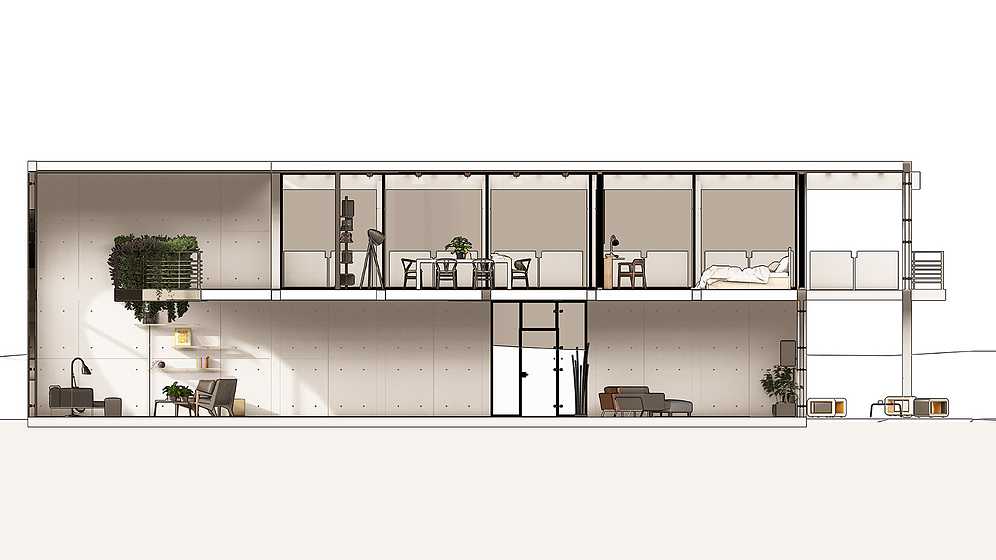
Produce personalized presentation boards that distill complex concepts into simple visual representations with a few helpful tools and effects.


Produce personalized presentation boards that distill complex concepts into simple visual representations with a few helpful tools and effects.
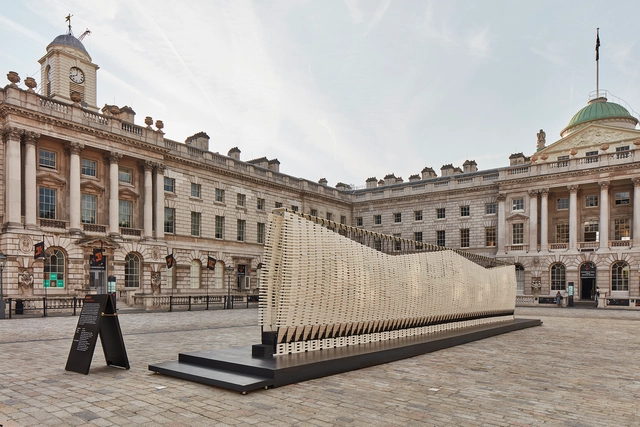
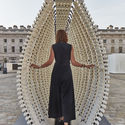
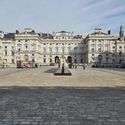
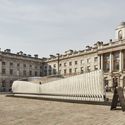
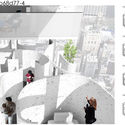
Experimental design practice Studio INI's has designed a kinetic installation to represent this year's Greek Pavilion for the 2018 London Design Biennale. Entitled ΑΝΥΠΑΚΟΗ (Disobedience), the installation responds to the Biennale theme of Emotional States. Selected for the central courtyard exhibit, the design is comprised of a 17 meter-long wall constructed from a steel spring skeleton built up with recycled plastic which flexes, morphs and breathes around the human body.
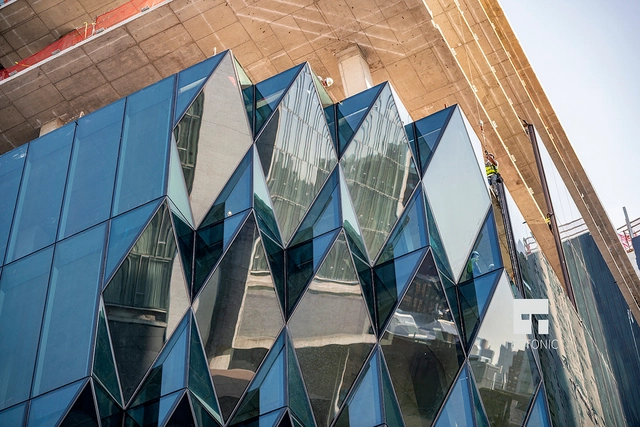
Studio Gang 10-story Solar Carve Tower is nearing completion in New York’s Meatpacking District. Officially named 40 Tenth Avenue, the scheme responds to the Highline and surrounding site with a dramatic curtain wall and chiseled shape. Sculpted by the angles of the sun, 40 Tenth Avenue explores how shaping architecture in response to solar access and other site-specific criteria can expand its potential to have a positive impact on its environment.
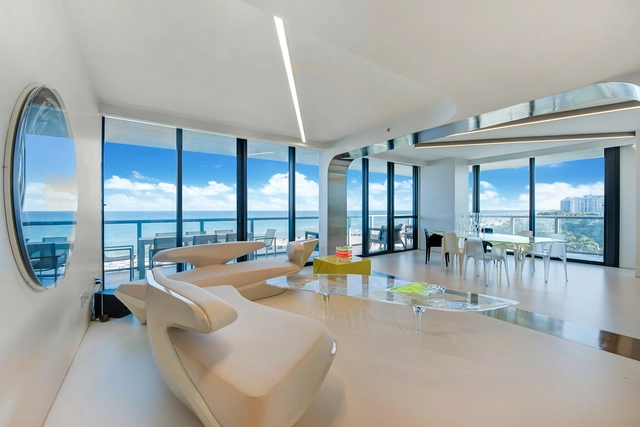
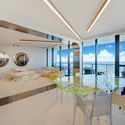
Dame Zaha Hadid forever shaped the field of architecture and design. As an architect who ventured where few would dare, she left an indelible mark on practice. Now, Sotheby's has reportedly sold her Miami residence at W South Beach. The Pritzker-Prize winning architect's private retreat is 3 bedroom, 4 bath unit that opens out to the Atlantic Ocean. Personally designed by the late Zaha herself, the residence gives a glimpse into the life of one of history's greatest architects.
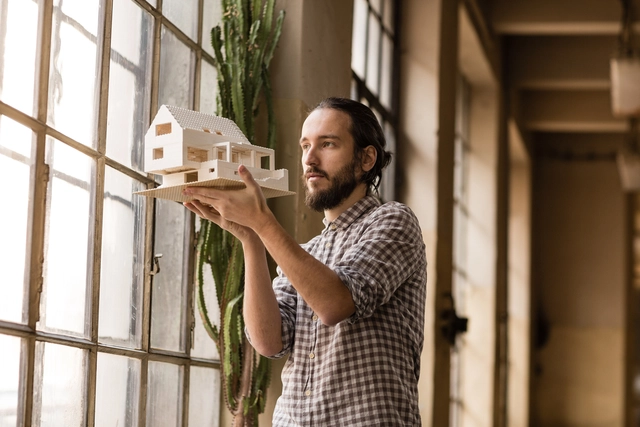
The results of DesignIntelligence's annual ranking of architecture schools in the USA are now being determined with a change in the survey question previously used to determine rankings. This year, instead of being asked "Which programs in the United States are best preparing students for a future in the profession?", architecture and interior design professionals responded to two new questions: "What schools do you most admire for a combination of faculty, programs, culture, and student preparation for the profession?" and "From which schools have you hired the greatest number of (undergraduate or graduate) students in the last five years?".
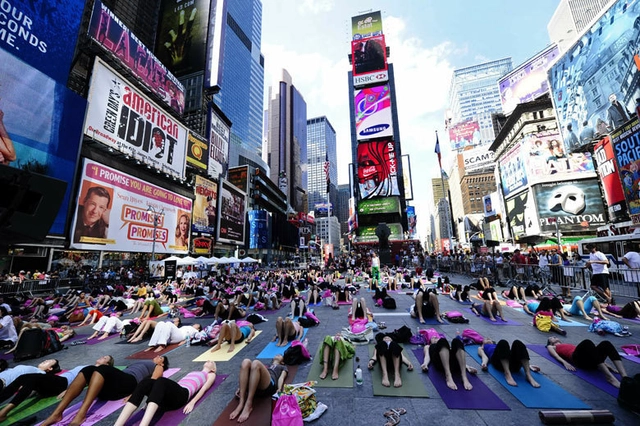
Urban well-being and health tracking has taken another step forward, as researchers from the University of Washington have created an artificial intelligence algorithm that estimates obesity levels by analyzing a city's infrastructure. Published in JAMA Network Open, the researchers' report explains how the algorithm uncovers urban relationships by using satellite and Street View images from Google. As Quartz reports, the project correlated areas with more green spaces and areas between buildings with lower obesity rates.
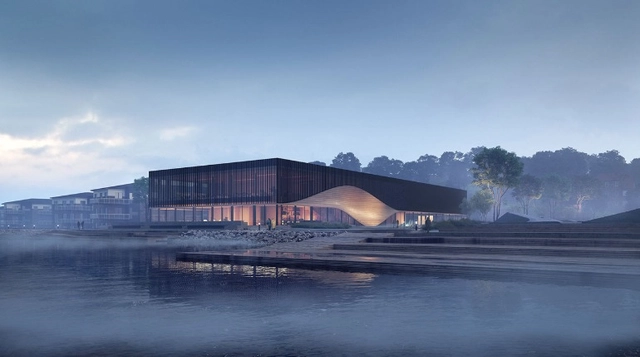
3XN, working in collaboration with Orbicon and SLA, have won a competition for the design of a new climatorium in Lemvig, Denmark. The scheme seeks to form a modern interpretation of the area’s nature and fishing culture, while also influenced by local climate conditions.
The predominantly timber scheme balances a dual role of a public amenity serving science and the arts and a working laboratory geared towards the mitigation of climate change.




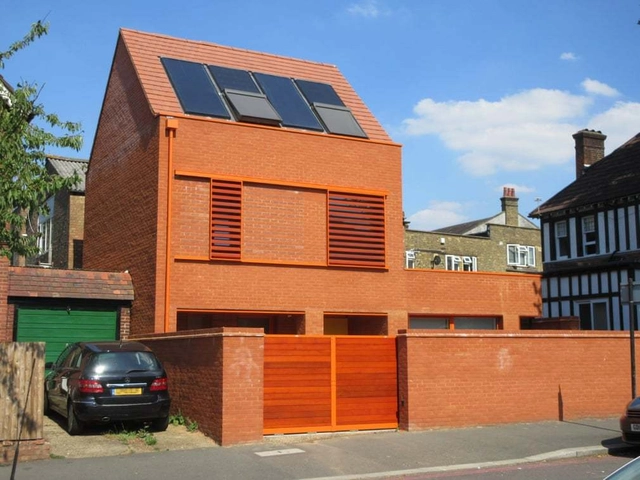
They say that bad publicity is good publicity. Nevertheless, late August is a time for baited breath among UK architects, as the readers of Building Design generate the shortlist for Britain’s "ugliest" building. Beauty is certainly in the eye of the beholder and judgment towards these unpopular designs shouldn't necessarily be generalized. However, this competition opens up important dialogues about architectural aesthetics and public reception of new projects.
Continuing the 12-year tradition of what has been called the RIBA Stirling Prize’s less fortunate sibling, the shortlist for the 2018 Carbuncle Cup showcases the six projects which British architecture followers love to hate. Previous winners of the prize include the Cutty Sark by Grimshaw in 2012, and Rafael Viñoly Architects' 20 Fenchurch Street in 2015.

This article was originally published on Common Edge as "Architectural Criticism that's Not Just for Architects."
In case you hadn’t noticed the world is going from paper to pixels. You’re reading this, here. Everything is changing, and that includes how we talk and think and write about architecture.

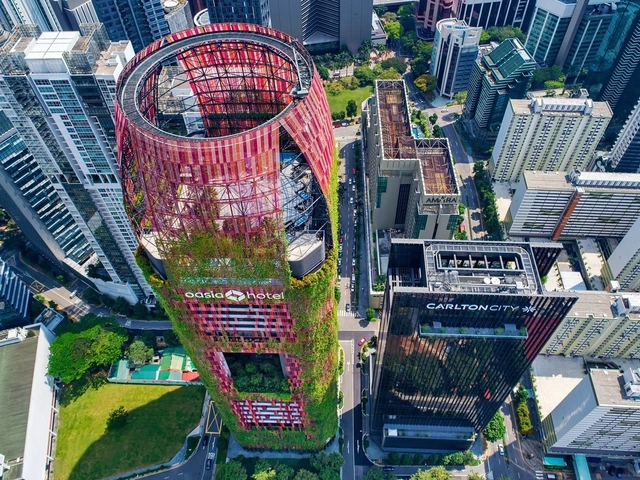
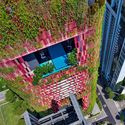
New photographs released by ceramics manufacturer AGROB-BUCHTAL show nature beginning to claim the Oasia Hotel Downtown in Singapore. WOHA Architects’ 30-story scheme was designed to be a “verdant tower of green” in the heart of the city’s financial district.
The tower’s red aluminum mesh cladding has begun to sprout a lush landscaping, consisting of 21 different species of creepers. The colorful flowers and green leaves provide food for birds and insects, while the reaction of the creepers to different light, wind, and shade conditions come together to form a natural mosaic.

In 776 BC, the Olympic Games of antiquity were hosted at the Olympia stadium in Peloponnese, Greece, an arena widely believed to be the world’s oldest stadium. The elongated U-shaped track and stand had a capacity of up to 45,000 people.
Almost 3000 years later, and the typology of the sports stadium continues to act as a gathering place for tens of thousands of eager spectators. As populations, and indeed revenue generated from sporting events continues to increase around the world, the design of sports stadiums is destined to follow suit.

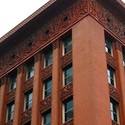
Known as Chicago's "Father of Skyscrapers," Louis Sullivan (September 3, 1856 – April 14, 1924) foreshadowed modernism with his famous phrase "form follows function." Sullivan was an architectural prodigy even as a young man, graduating high school and beginning his studies at MIT when he was just 16. After just a year of study he dropped out of MIT, and by the time he was just 24 he had joined forces with Dankmar Adler as a full partner of Adler and Sullivan.
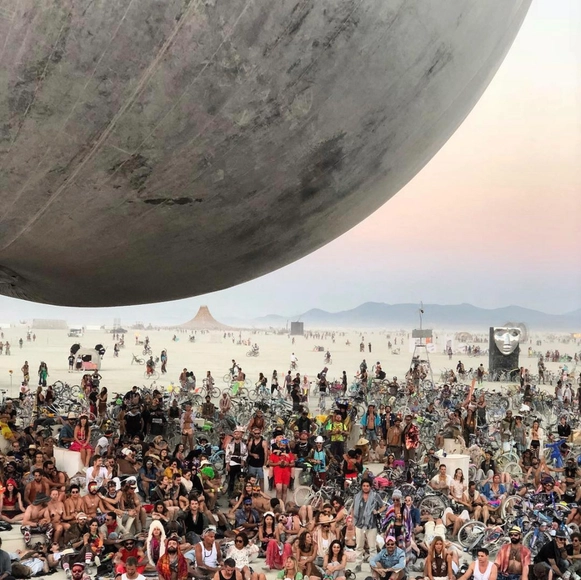
As Burning Man 2018 comes to a close, snapshots and glimpses of the event have begun to emerge in the mediasphere. The most recognizable among these is, perhaps, BIG's Orb, a hovering sphere representing a scaled version of the earth itself.
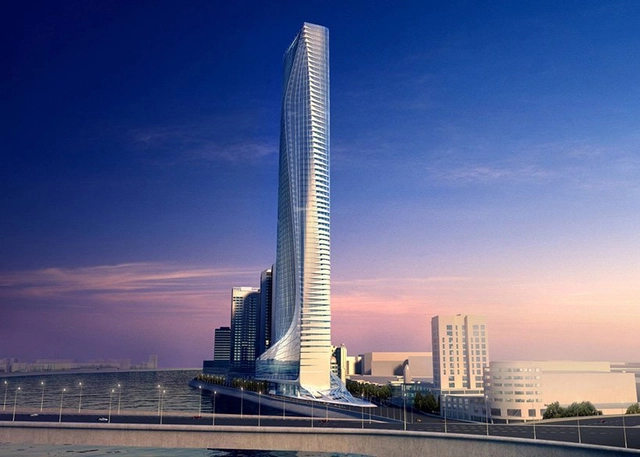
After more than a decade, Egypt has returned to its plan to construct Africa's tallest building. Sited on the Nile River in central Cairo, the skyscraper was designed by the late Zaha Hadid in 2007. President Abdel Fattah el-Sisi and the government are working with the project developers, Living in Interiors, to create the twisting "Nile Tower" with a design that will rise 70 stories. Overlooking views of Cairo, the Nile and the pyramids, the project hopes to symbolize Egypt's growth and the development of the country.
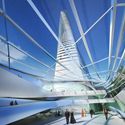
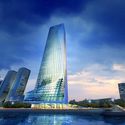


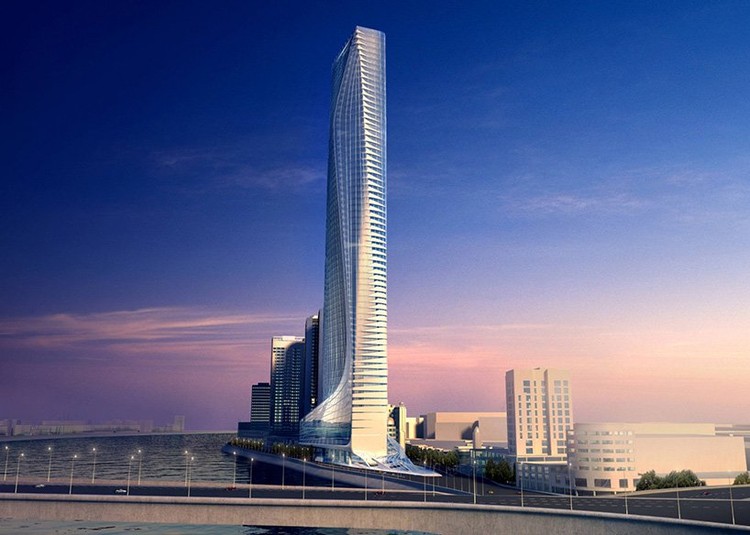
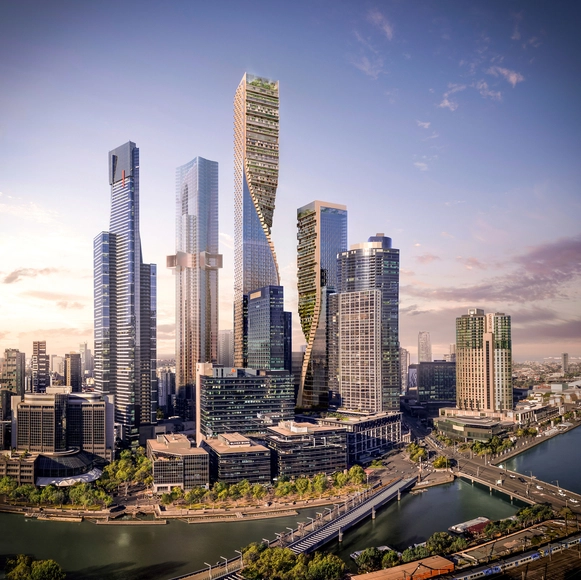
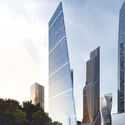
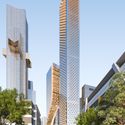
Two years ago over 100 supertall buildings had been constructed worldwide. Last year, 15 more supertall skyscrapers were built, each towering over 300 meters tall. These narrow towers are prevalent in high-density areas with limited land availability and demand for luxury residences. The Council on Tall Buildings and Urban Habitat is the authority on official heights of tall buildings and determines which building receives the title of the Tallest Building in the World. To celebrate International Skyscraper Day, we're exploring a round up of skyscrapers that aim to redefine supertall construction.
Brazil's National Museum, one of Latin America's most important museums, was completely destroyed by a fire that started at 7:30 pm on Sunday evening. It housed over 20 million items related to the history of the Americas, many if not all of which were lost.
A report in the Rio Times indicates that the museum had operated normally on Sunday and closed its doors at 5:00 pm, two and a half hours before the blaze began. The cause of the fire remains undetermined.

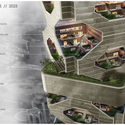
NOVA Property Investment have announced the winners of the 2018 Future Living Space competition. Responding to paradigmatic shifts in technology, social networks and the physical environment, the competition called for projects to imagine living spaces in 2025. Through themes of digital connectivity, inter-personal relationships and artificial intelligence, the proposals explored urban development, social spaces and redefined connections to the environment.

IABsp announced the curatorial team of the Open Call for Curation for XII International Architecture Biennale of São Paulo. The team formed by the Brazilian architects Ciro Miguel, Vanessa Grossman and the French Charlotte Malterre-Barthes were chosen by the jury through the proposal titled Todo Dia.
In this video from the Louisiana Museum, Anne Lacaton from the award-winning practice Lacaton & Vassal describes the importance of building upon existing conditions to create new architecture. She shares the firm's approach to architecture, which is to "never withdraw, always add" and their focus on generosity of space, care of the users, and utilization of existing natural resources to create a more affordable architecture.
Lacaton & Vassal have gained worldwide acclaim for their transformative social housing work. They were awarded the Grand Prix national de l'architecture in 2008, the Heinrich Tessenow Medal in 2016, and the Global Award for Sustainable Architecture in 2018, to name a few. Their projects such as the 23 Semi-collective Housing Units in Trignac, France, and Ourcq Jaures Student & Social Housing display a dedication to social responsibility in architecture. In Anne Lacaton's interview, she describes how they mine the richness of existing architecture and the surroundings to create beautiful and affordable designs. Interpreting history as "an addition of layers," she articulates their stance against the idea of tabula rasa and the importance of utilizing the found beauty of existing environments: "We don't see [the existing conditions] as a constraint, we see it as a chance."
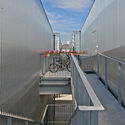
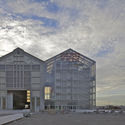
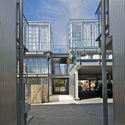
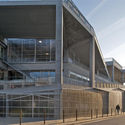

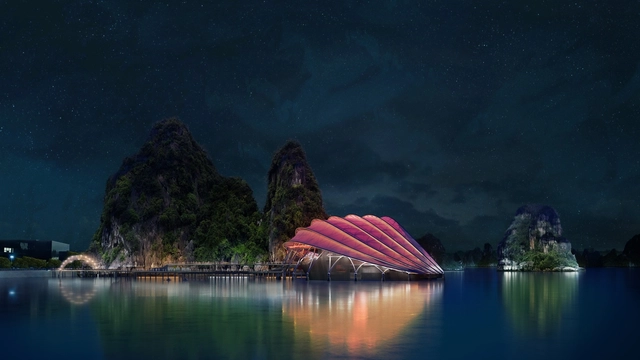
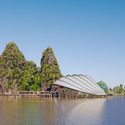
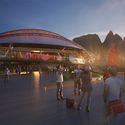
Sceno Light Architecture has released new images of their Ha Long Impression Theater, situated in the idyllic Ha Long Bay in North Vietnam. Drawing inspiration from various mythological and natural features, the soon-to-be-built scheme intends to offer a panoramic backdrop for visitors.
The theater is conceived as a “floating skin” intended to host 2600 people at a time, for two shows per day.

A coalition of 19 U.S. mayors have joined together with C40, a group dedicated to climate action. The coalition has proposed a plan to ensure that all new buildings be net-zero by 2030. The cities are joining forces with the World Green Building Council (WorldGBC) to achieve their emissions goals. All cities in C40 have signed the pledge to ensure new buildings will be required to produce as much energy as they consume by 2030. The initiative is part of a larger plan to make all buildings net-zero by 2050.

Andres Gallardo's ongoing Urban Geometry series captures unique forms, colors, and shadows of modern architecture of various cities. The project is a personal one for Gallardo, as it has been a long-term photo series that has accompanied him throughout his journey in becoming a professional photographer, displaying his development and evolution as he captures the architectural beauty of cities such as Beijing, Helsinki, Seoul, and Copenhagen.
Below is the Copenhagen chapter of the series, a visual poem that allows us to see the city in new ways. Through flowing line and bright bursts of color, Gallardo displays an almost surreal version of the city, where the jagged forms and smooth curves of its modern architecture have replaced human presence.

Plans for One Sydney Park, a $700 million mixed-use development, have been submitted to the City of Sydney for approval. Located on a 44-hectare site in Alexandria, the project is designed by MHN Design Union, Make Architects, Silvester Fuller and Sue Barnsley Design. Planned to be built with close to 400 apartments, the mixed-use complex would include commercial and cultural programs.
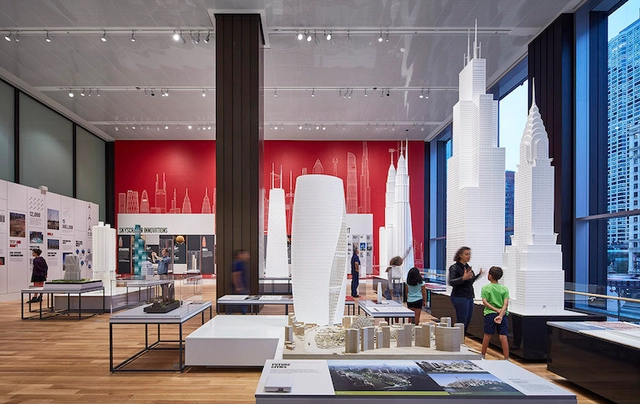
After their previous announcement back in January, the Chicago Architecture Center (CAC) is officially open to the public this Friday, August 31st. Formerly known as the Chicago Architecture Foundation, the 20,000 square foot CAC opens in a new location at 111 East Wacker Drive. Featuring programs, exhibitions and tours, the center aims to be "home to everything architecture in Chicago." The CAC includes a range of custom designed spaces, from an architecture store and lecture hall to interactive exhibits.

Working life as an architect is notoriously difficult. Unreasonable demands from clients, be they about budget, deadlines, or design (not to mention uncompromising personal standards) make the job tough, particularly as architecture continues to be seen as a product. And while it's no reason to accept low (or unequal) pay, troubling mental health, or any of the myriad issues architecture seems beset with, architects anywhere will tell you: you do it because you love it.

























_at_111_E._Wacker_above_dock_for_CAF_River_Cruise_aboard_Chicago's_First_Lady_Cruises.jpg?1535683781 "Chicago Architecture Center. Image Courtesy of Chicago Architecture Center")