Foster + Partners revealed its design for a masterplan focusing on adaptive reuse and programmatic diversity meant to regenerate the site of a mid-century factory in the heart of Santiago. The practice's first project in Chile proposes the refurbishment of the existing factory building, La Fabrica, while adding a residential development on the adjacent site and introducing timber as a sustainable building material for the extensions.
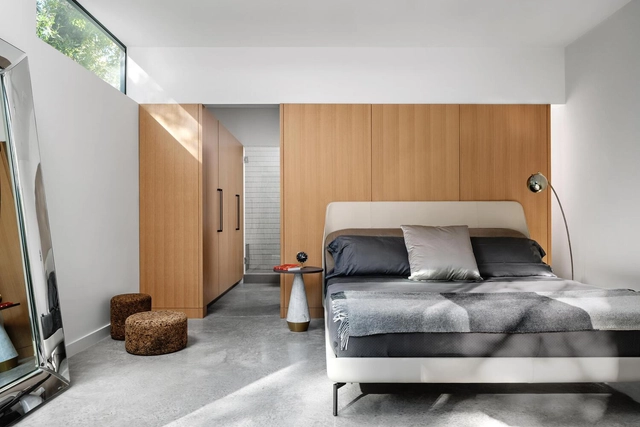
Choosing a home's cabinetry and furniture is not only about function and storage space but also about visual appeal. Walk-in closets, which are normally located in the master bedroom, are a good example of this. These spaces were usually used only for storing clothes, but modern closets now incorporate more unique features, transforming them into more personal and functional amenities.
https://www.archdaily.com/968291/more-than-just-a-wardrobe-15-examples-of-walk-in-closetsEquipe ArchDaily Brasil
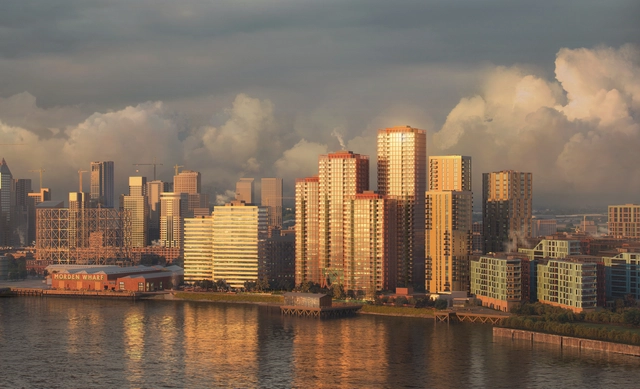
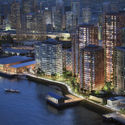
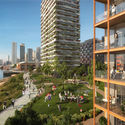
OMA’s mixed-use development for Morden Wharf has just been granted planning consent from the Royal Borough of Greenwich’s Planning Committee. The scheme created for developer U+I is located on a 2.4-hectare brownfield site, with an industrial past, on London’s Greenwich Peninsula facing the historic Greenwich and the millennial O2 Arena.
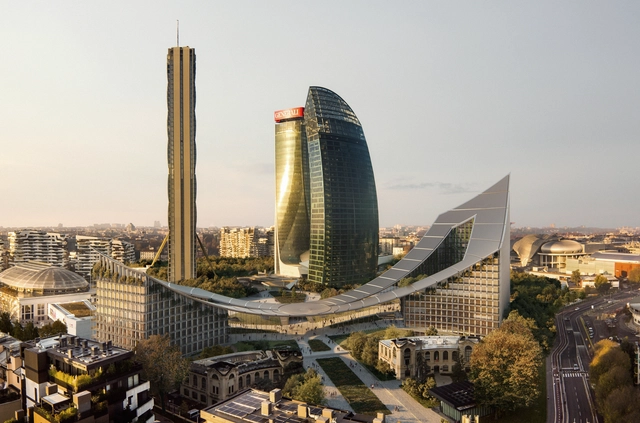
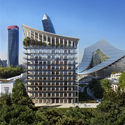
Work on Bjarke Ingels Group's gateway for Milan's CityLife district has officially commenced. The new-generation office building marks the completion of the CityLife area in the Italian city, an urban regeneration project that has been restored to provide a livable environment characterized by sustainability, improved quality of life, and all-inclusive services. The structure is set to "stand as a new paradigm for the offices of the future, as the outcome of a new idea of workplace based on innovative design solutions that put quality of life at the center and redefine the concept of sustainability".
Courtesy of Seoul Biennale of Architecture and Urbanism
The 2021 Seoul Biennale of Architecture and Urbanism will debut on September 16th with a series of exhibitions, events and conferences that reflect on the future of urban environments and the architectural and planning strategies that foster resilience. Titled “CROSSROADS, Building the Resilient City”, the third edition of SBAU curated by architect Dominique Perrault attempts to assert the importance of interactions and “cross-fertilization of expertise and approaches” to respond to the complexities that shape the built environment, all read through the timely issue of resiliency.
A rigorous but warm simplicity remains the foundation of Danish design. Image Courtesy of BoConcept
Today, spaces in the home and at work need to adapt and function in different ways, making Danish design’s flexibility, simplicity and utility more relevant than ever.
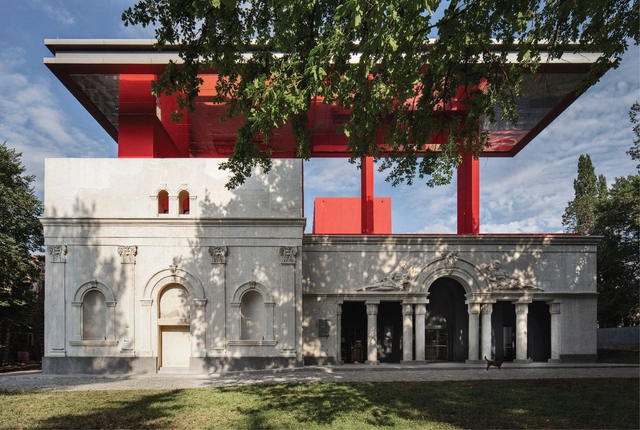
The European Commission and the Fundació Mies van der Rohe have announced the second list of 85 works competing for the 2022 European Union Prize for Contemporary Architecture – Mies van der Rohe Award. Joining the batch of first nominations announced in February 2021, the full list comprises now of 532 competing works for the EU Mies Award 2022. The shortlist of 40 will be announced in January 2022, the winners in April 2022, and the Award ceremony will take place in May 2022.
Graphisoft, the leading Building Information Modeling (BIM) software solution developer for architecture, has announced the full speaker list and agenda for the Building Together 2021 digital event. Scheduled for September 14-16, and offered at no charge, the carefully curated online program will cover a range of topics of interest to today’s AEC professionals, including sustainability, integrated design, Building Lifecycle Intelligence, and the future of architecture education.
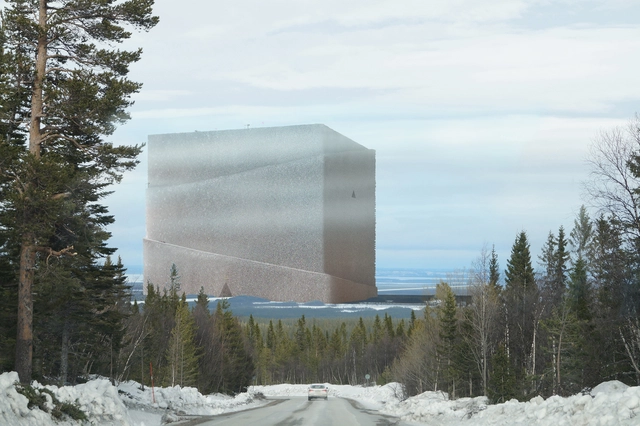
To reduce the “green” half of Sweden’s carbon emissions caused by the forest industries, Anders Berensson Architects have proposed to build the worlds largest timber structure titled the Bank of Norrland. The design aims to store carbon dioxide and a year's worth of timber production, ensuring the continuity of the Swedish construction and manufacturing industries regardless of weather and consumption.
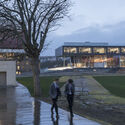
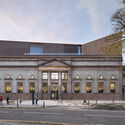
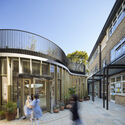
The Royal Institute of British Architects has announced the 54 winners of the 2021 RIBA National Awards, highlighting the UK's best new architecture. Ranging from single homes and housing schemes to educational facilities, cultural buildings, sports venues and medical centres, this year's projects illustrate a growing preoccupation with restoration and adaptive reuse, as well as a significant investment in education and culture. Inaugurated in 1966, the awards provide insight into UK's architectural environment and the economic trends shaping the AEC industry.
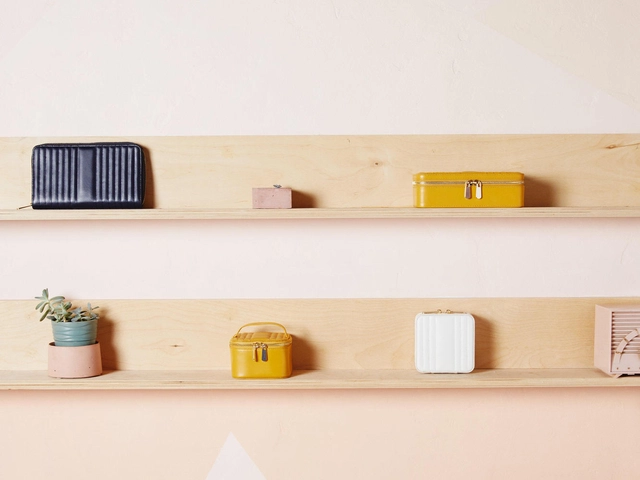
Jewellery can tarnish over time if left exposed to air, so WOLF’s jewellery rolls, zip cases and boxes feature its patented LusterLoc treated lining to protect their contents for up to 35 years. Image Courtesy of WOLF
Where do you keep your most valuable items? Most frequently, they are strewn around the house, hiding in boxes or drawers so they’re impossible to find when they are needed, or lying out in plain sight where they would make easy pickings for an intruder. Even if these pieces are not particularly valuable it is prudent to consider investing in some appropriate storage that would keep them in one place and out of harm’s way.
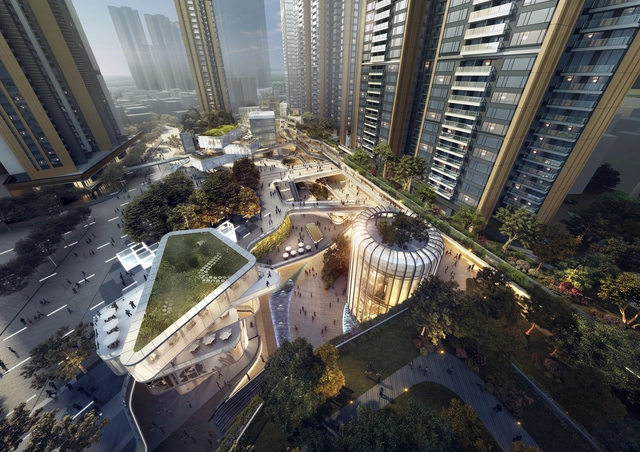
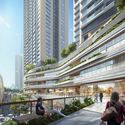
Aedas has unveiled Shenzhen C FutureCity, a two-phase project in Futian's Shangsha Village, Shenzhen. The design highlights how we "converse with the future and render a unique shopping experience that advances the development of the city" by creating an urban lifestyle center nestled between residential and corporate towers.
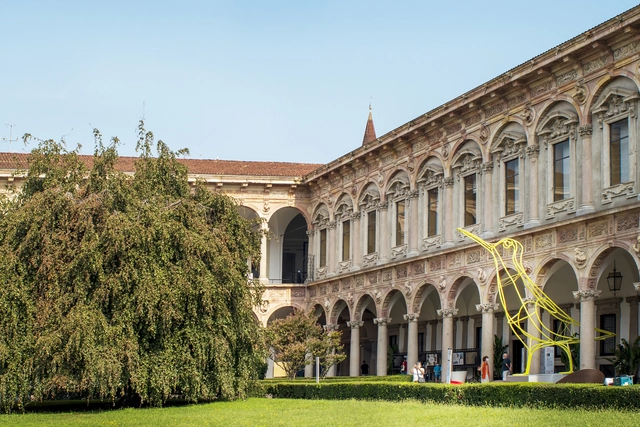
A large seabird gazing towards the sky appeared in the Cortile d’Onore in Milan as a metaphor for life retaking its course in the post-pandemic world. Designed by MAD Architects, the installation titled “Freedom” is a nod to inclusiveness and borderless, as well as a playful symbol of hope. In addition, for the 2021 edition of Milan Design Week, the studio taps again into furniture design with two projects, “Meteor” and “Gu Table”, created in collaboration with Dior and Sawaya & Moroni, respectively.
Here, 3M™ DI-NOC™ Architectural Finishes have transformed a reception space with new wall surfaces that evoke the texture, warmth and colour of natural wood. Image Courtesy of 3M
‘3M™ DI-NOC™ offers designers and facility managers a fast and affordable way to create stunning new spaces without being constrained by budget or construction time,’ says Paola Silva Coronel, Global Advisor for 3M. Find out more...
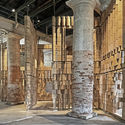
Peruvian architectural firm leonmarcial arquitectos has been invited to take part of the 17th Venice Architecture Biennale with an installation at the Arsenale as part of the "As New Households” exhibition space. Titled Interwoven, the installation encourages the action of sharing and celebrates the exchange between homes and their environments through architecture.
For the 2021 Milan Design Week, Kengo Kuma Associates designed a bamboo installation that merges form, materiality and music, creating a multisensory experience. Created in collaboration with smart device manufacturer OPPO, Bamboo (竹) Ring :|| Weaving a Symphony of Lightness and Form answers the "Creative Connections" theme by merging architecture and music, as well as craftsmanship and technology.
Meals have always been bonding and bringing people together to eat. Sitting around a table or preparing food becomes even more enjoyable in spaces that focus on comfort and well-being. Moreover, cooking with different techniques can add a unique flavor to the experience, especially when it comes to wood-burning stoves, barbecue grills, and wood-fired pizza ovens.
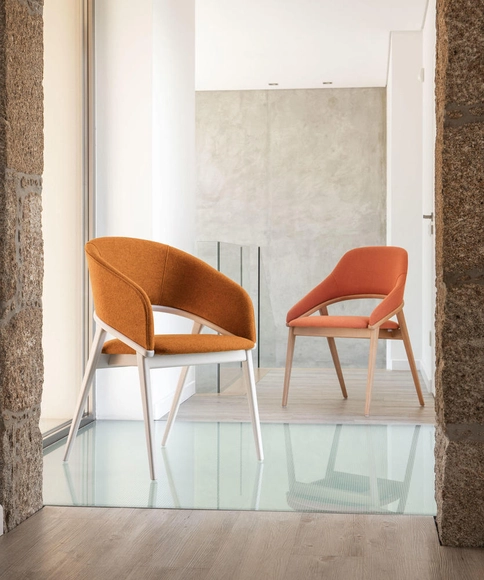
Fenabel’s designs match lasting elegance with super durability. Image Courtesy of Fenabel
Contract furniture that counters the radical changes of our time with elegant design and optimal functionality is what Portuguese specialist Fenabel offers. Discover their new collection at supersalone, Hall 03 k18.
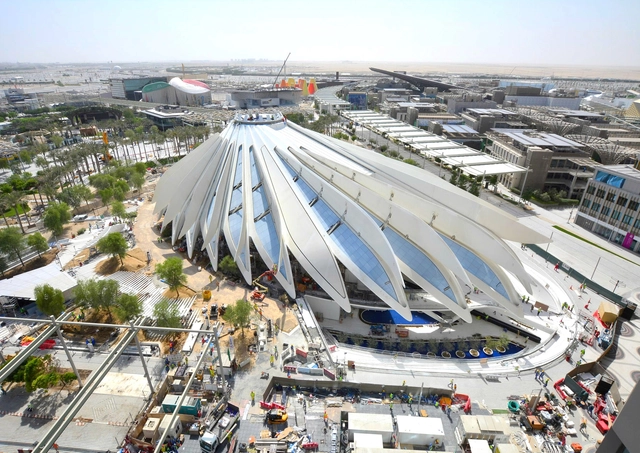
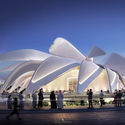
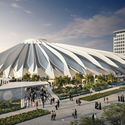
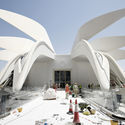
Spanish architect and engineer Santiago Calatrava has unveiled the design of the UAE Pavilion at Expo 2020 in Dubai, UAE. The 15,000 square meters pavilion stands as a "symbolic interpretation of the flow of movement", designed with carefully curated lines and spaces that blend with its surroundings of greenery, shaded arcades, and cantilevered wings. The national monument is set to create an immersive, multisensory experience for visitors from both an architectural standpoint, as well as integrated cinematic features, introducing them to the history, culture, and futuristic innovations of the UAE.
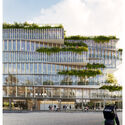
Kengo Kuma's EDA office building revitalizes an abandoned site in Paris, creating a new urban landmark and signalling the renewal of the Issy-les-Moulineaux neighbourhood. Through its horizontality, the large scale project sitting at the confluence of three traffic rouets mediates the urban discontinuities of the surroundings while reflecting the context's dynamic of movement and flows. Defined as "a dense network of tree-lined terraces and hanging gardens", the design features a wood structure and a double-skin façade whose sunscreen elements create the architectural image.
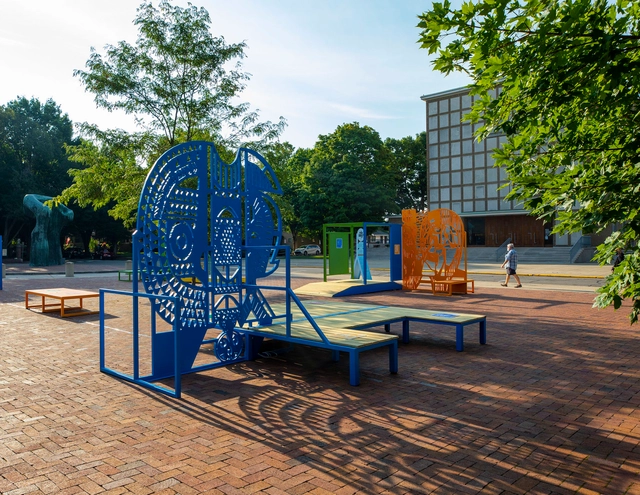
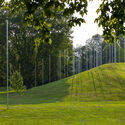
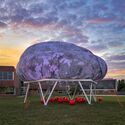
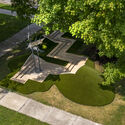
This year’s Exhibit Columbus explores the conditions of middle places as interconnections between ecosystems and the built environment through 13 temporary installations that highlight various aspects that make up the identity of the Mississippi watershed. Now at its third edition, the event builds on the Modernist cultural legacy of the Indiana city through a series of artistic and architectural explorations that activate public spaces and engage the community of Columbus.
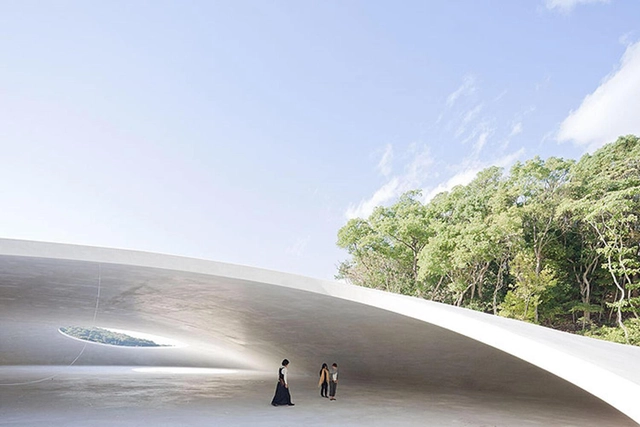
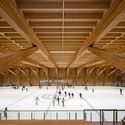
In architecture, ‘span’ is the term given to the length of a structural component that extends between two supports, or the continuous space created between two pillars of a building structure, and when we think of this element, one cannot help recalling classics such as Lina Bo Bardi's MASP, Álvaro Siza's Expo'98 Portuguese National Pavilion, and the Roman Pantheon. However, there are several other buildings with this feature, and recent projects have been using innovative and bold structures to create even more unexpected designs.
https://www.archdaily.com/967697/long-span-buildings-that-defy-gravityEquipe ArchDaily Brasil
Cradle to Cradle is the name of the design concept in which the recycling of a product´s components at the end of its life cycle is already planned for. GROHE is a sanitary-industry pioneer and is launching its first Cradle to Cradle Certified® products. Image Courtesy of Grohe
With the building industry responsible for 50 per cent of material consumption worldwide, GROHE sees huge potential for innovation here and is putting the Cradle to Cradle® design concept at the heart of its product development.
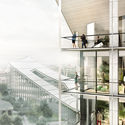
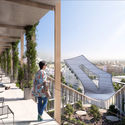
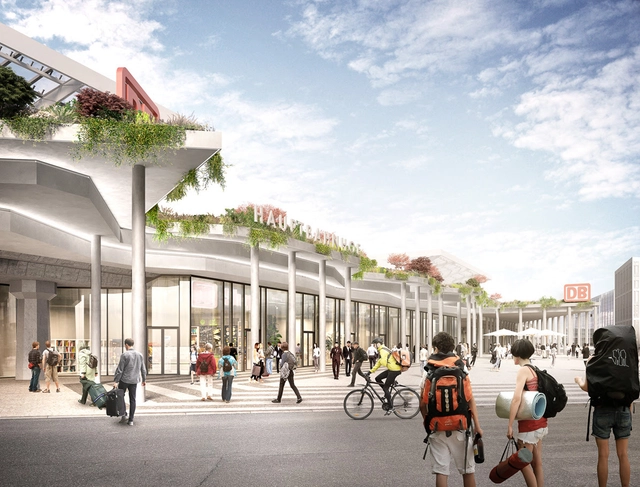
J. Mayer H. has won a competition to design the new façade of Cologne Main Station on Breslauer Platz in Germany. The design proposal frames the sides of the rail station with an all-around façade that offers an innovative use of space by making the best of the site's circulation and natural resources. The intervention will feature rooftop landscaping with local flowers and greenery, rainwater collection, protection from rain, wind, and sunlight, and a visual emphasis on the station's points of access.




























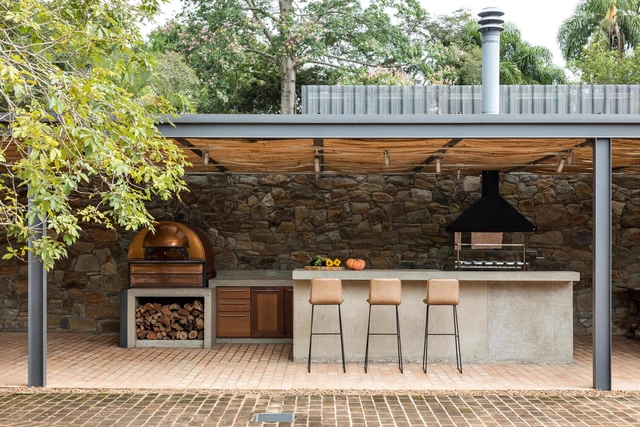
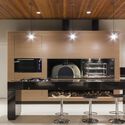
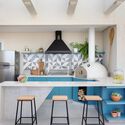










.jpg?1630568377 "Courtesy of Bloomimages")
.jpg?1630568367 "Courtesy of Bloomimages")