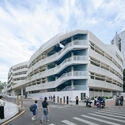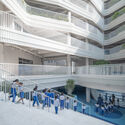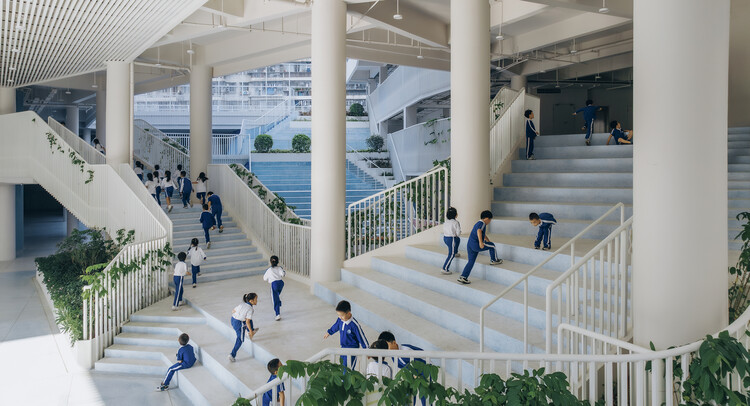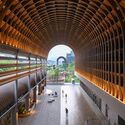

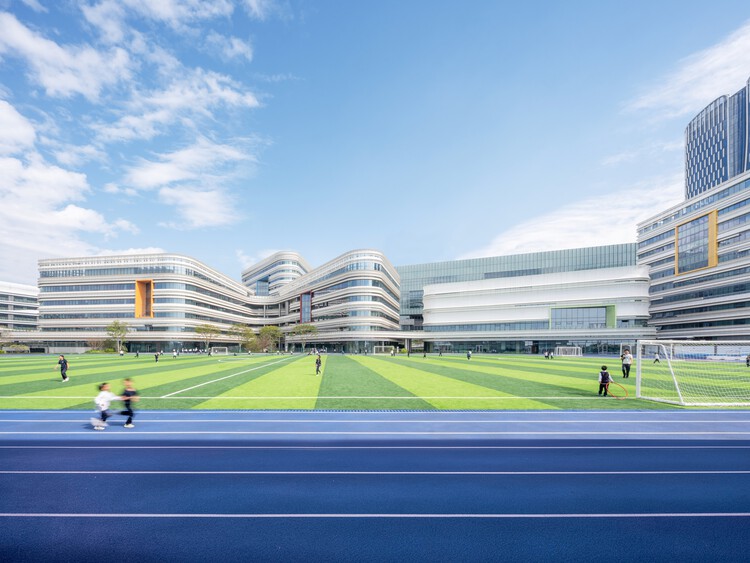
-
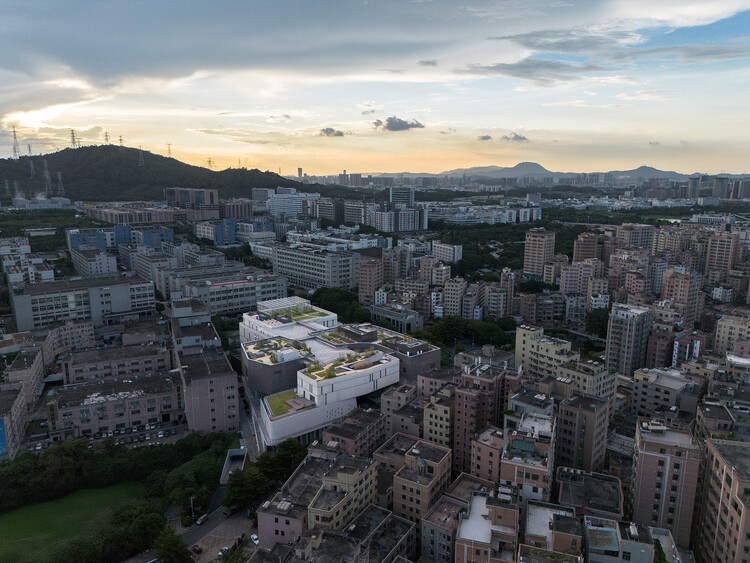
Architects: Perkins&Will
- Area: 59000 m²
- Year: 2026



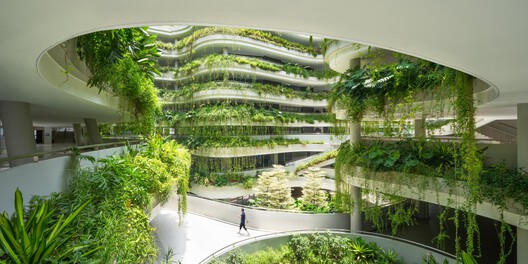

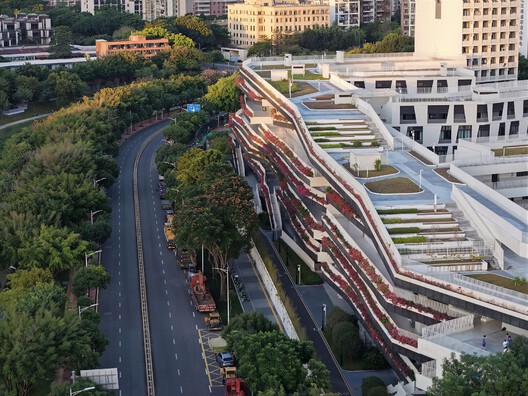


As architectural discourse continues to expand across cultural, educational, and civic domains, this week's developments highlight how the discipline operates simultaneously through legacy, knowledge production, and large-scale public engagement. From reflections on influential figures and their enduring impact to evolving academic landscapes and new forms of cultural infrastructure, architecture is positioned as both a repository of ideas and an active agent in shaping contemporary identities. At the same time, projects spanning entertainment, museums, and waterfront developments point to a growing emphasis on hybrid programs and experiential environments, where architecture mediates between culture, public life, and global audiences.

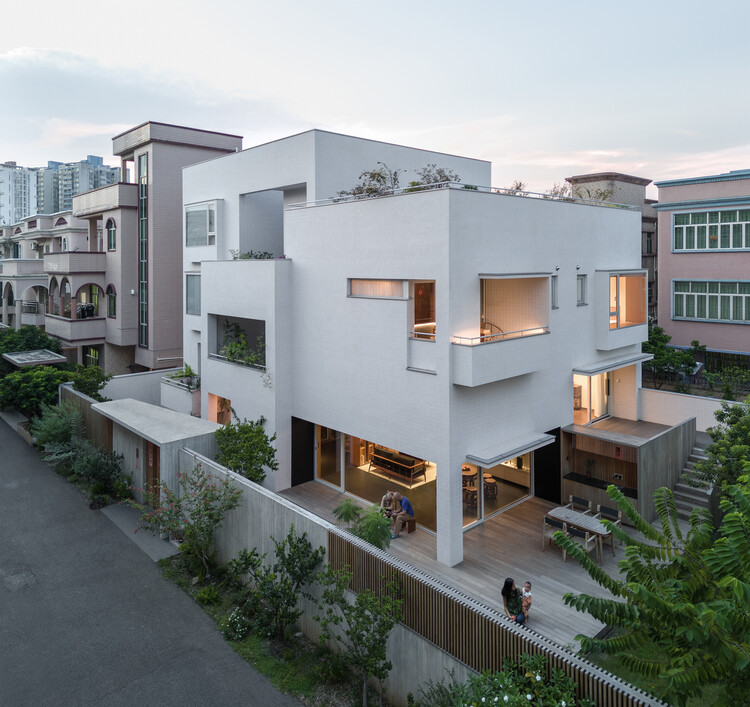
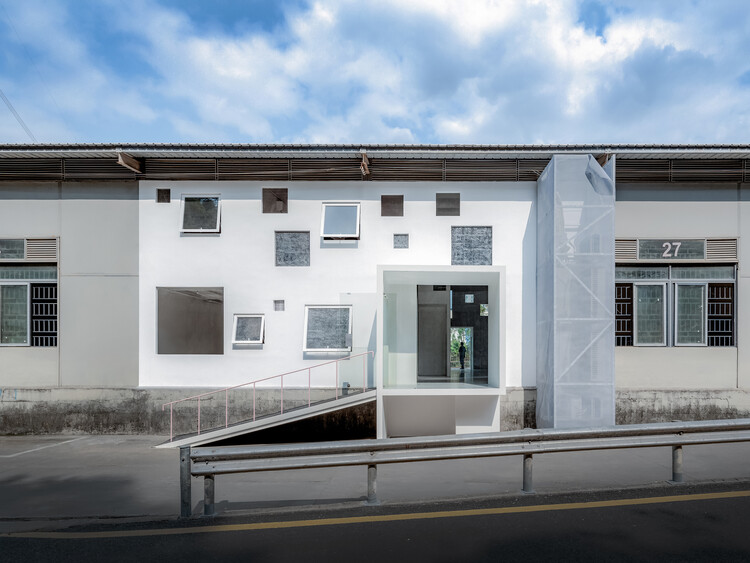
In South China, there is occasionally an urban myth—especially across Hong Kong, Shenzhen, and Guangzhou—about choosing a home that avoids western light. Over decades, the west-facing sun has proven to be a particularly difficult condition to live with: its low angle in the afternoon, its aggressive heat gain (especially in summer), and the way it penetrates deep into interiors. With global warming and longer, hotter seasons, that much-romanticized "afternoon glow" is increasingly experienced less as romance and more as glare, heat, and fatigue. Although this wisdom circulates as a community-driven rule of thumb, it carries an undeniable architectural clarity about building orientations: avoiding western light is not only about thermal comfort, but also about avoiding the sharpest, most intrusive form of direct illumination—light that strikes at the most unforgiving angle, washing surfaces, flattening depth, and turning rooms into high-contrast fields of discomfort.


As artificial intelligence continues to disrupt sectors of the economy and reshape entire industries, institutions and individuals alike are bracing—and rapidly adapting—to the changes that machines seem to hold over our heads. Yet the more precise pressure is not simply AI altering the way people work and live, but the business models and investment logics of the companies developing these systems: the concentration of capital, the new requirements for compute, the race for compartmentalized talent, and the infrastructural footprint needed to sustain it. In the Greater Bay Area—anchored by Guangzhou, Shenzhen, and Hong Kong—this dynamic is especially pronounced. Government-led initiatives are actively accelerating the industry's growth, with policy and planning mechanisms beginning to translate an ostensibly intangible field into physical form: zoning updates, earmarked land, and the emergence of AI-oriented building types, from research laboratories to large-scale data centers.