
-
Architects: dongqi Design
- Area: 600 m²
- Year: 2025

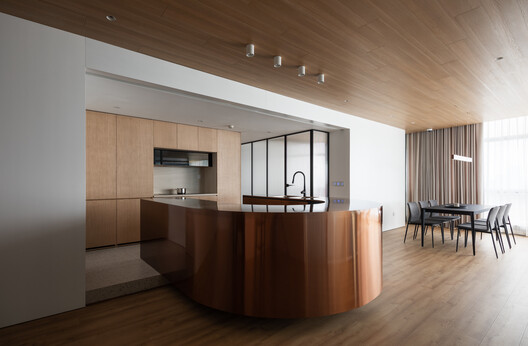
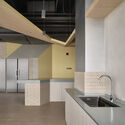
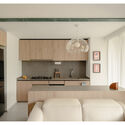
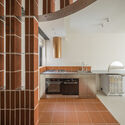
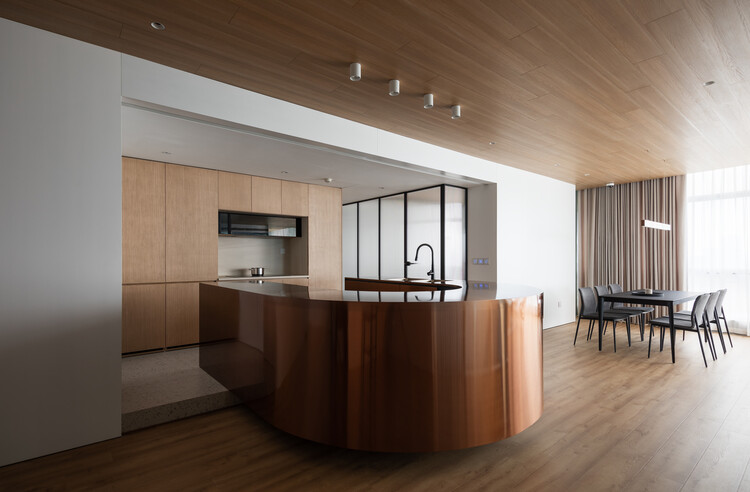
In compact homes, the kitchen is rarely only a room for cooking. It often operates as an edge: a service wall or a boundary between domestic work and social life. Its importance lies not only in food preparation, but in how it organizes the rest of the home, particularly due to limitations of plumbing and ventilation requirements. Before a living room can feel open, the kitchen often has to absorb the practical intensity of daily life: water, heat, smell, appliances, groceries, and storage.
This is especially visible in dense East Asian interiors, where domestic space is frequently shaped by limited area, changing family structures, hybrid work, and the cultural specificity of cooking. The open kitchen may be framed as a lifestyle feature, but in many apartments it is also a planning problem. It has to negotiate domestic labor, support informal gathering, and sometimes, as space-saving strategies, replace the hallway or foyer. More than a design gesture, the kitchen edge is therefore a spatial agreement between service and living.


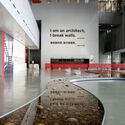
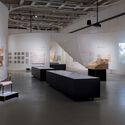
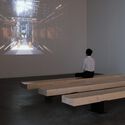
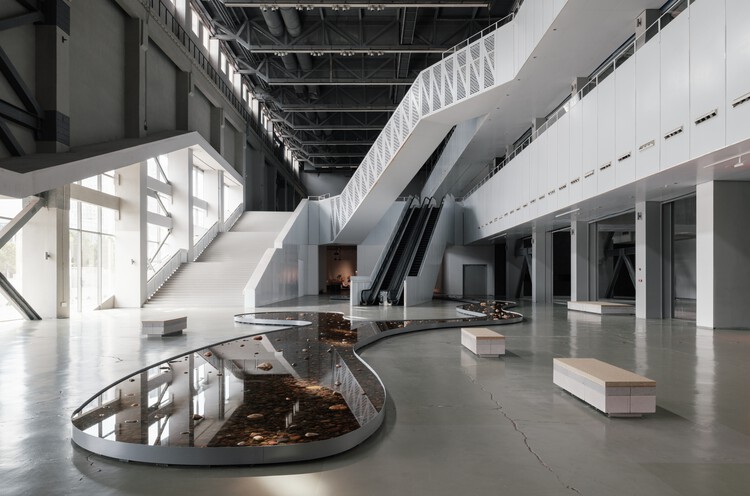
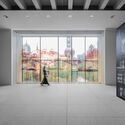
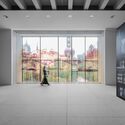
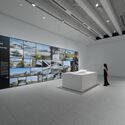
From 25 July to 25 October 2026, Shanghai's Power Station of Art (PSA) will host the first exhibition in China dedicated to the work of Brazilian architect Lina Bo Bardi. Titled "The Poetics of Survival," the exhibition was curated by Renato Anelli, and the display was designed by OPEN Architecture in a 2,300 m² space of the PSA contemporary art museum in Huangpu. The objective was to design "a stage where the audience gets a glimpse of the everyday reality of Brazil in Lina's time" through a journey across the architect's work and layered persona. The exhibition is not described as a retrospective, but as an "encounter with the master's poetics of survival," a late-20th-century concept describing how creative work becomes a tool to endure trauma such as historical oppression or extreme crisis. The concept serves as a common thread linking the reality portrayed and contemporary observers of a body of work "informed by her ingenuity, versatility, and generosity."


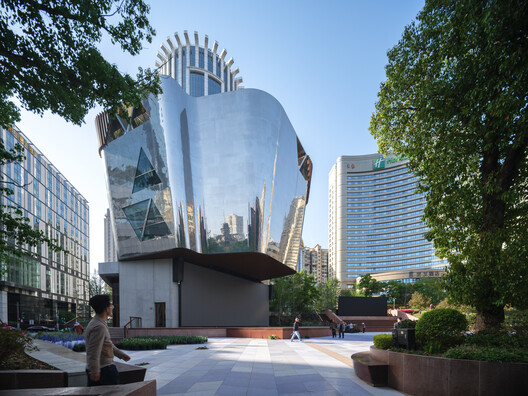
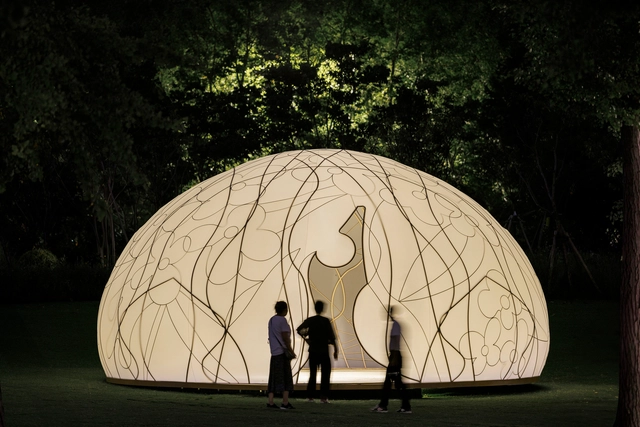
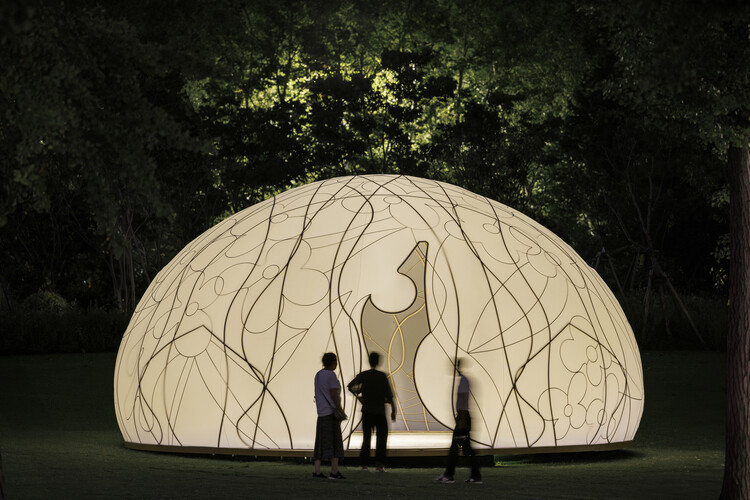
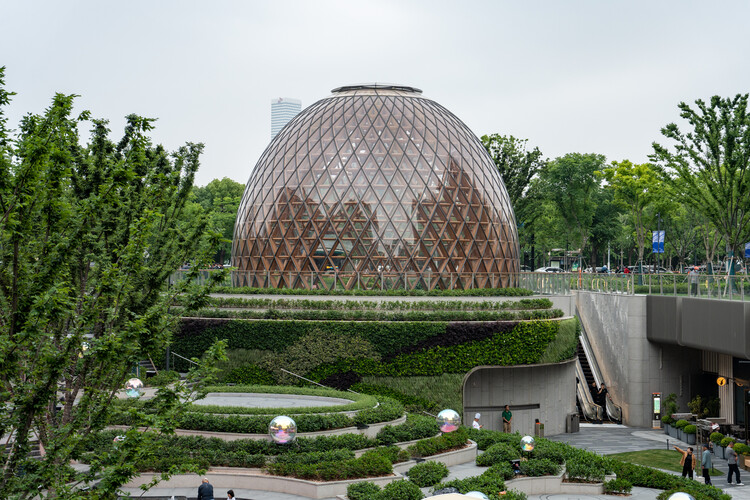
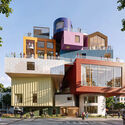
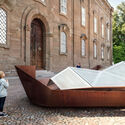
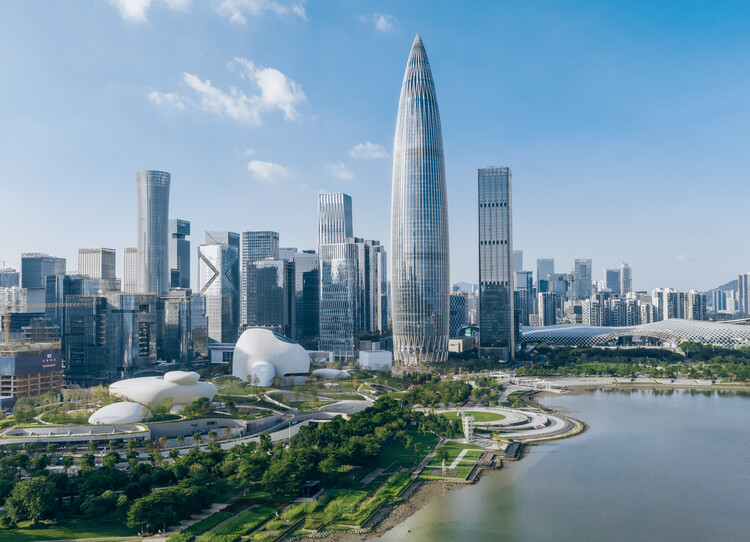
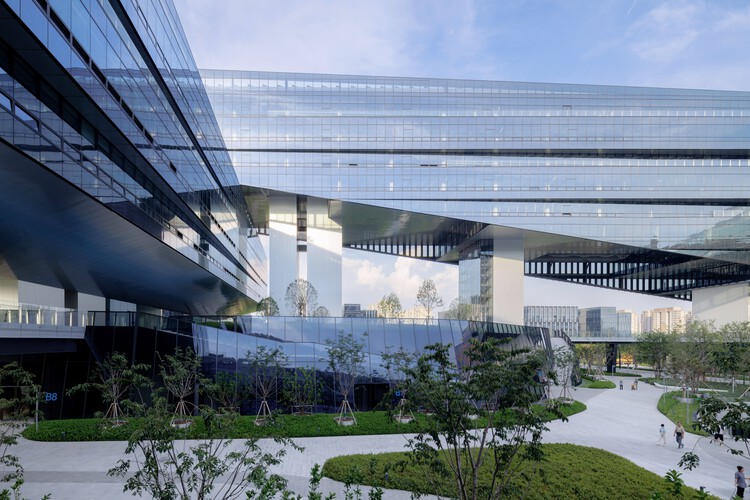
This week, architecture's relationship with culture took center stage through exhibitions, public projects, and new cultural infrastructure that extend architectural discourse beyond the building itself. While major exhibitions from Australia, Shanghai, Barcelona, and Copenhagen examined themes of housing, landscape, and place through research and design, newly unveiled projects in China and Italy demonstrate how museums, performance venues, and mixed-use projects are increasingly conceived as open public landscapes rather than isolated institutions, while new exhibitions and construction milestones reflect ongoing experimentation in adaptive reuse, context-responsive design, and flexible urban environments.
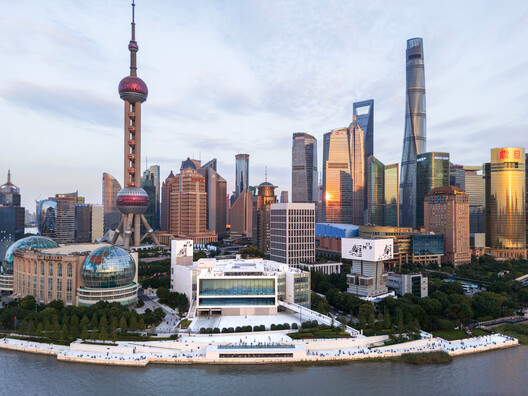
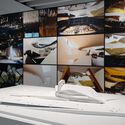
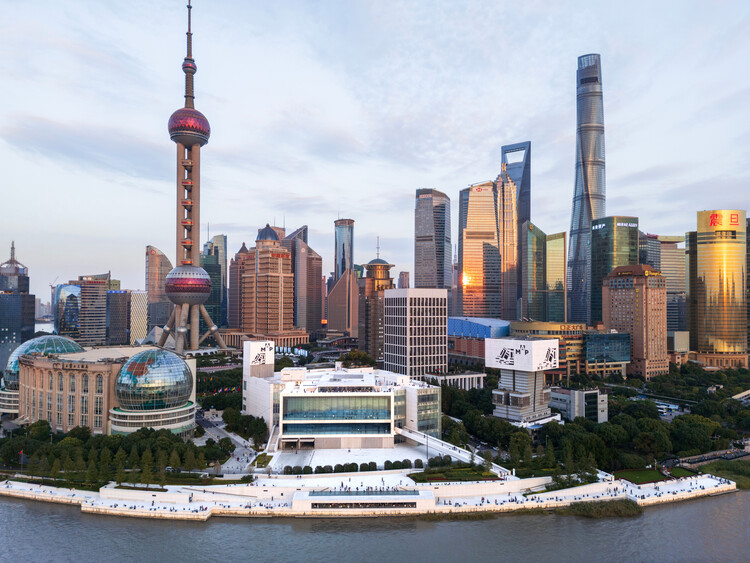
Museum of Art Pudong (MAP) in Shanghai is presenting "Jean Nouvel: Without the Artist, Architecture Disappears" until August 31, 2026. Marking the museum's fifth anniversary, the exhibition is dedicated to the work of Pritzker Prize laureate Jean Nouvel and represents the first time the French architect has staged a solo exhibition inside a building of his own design. Organized by the Museum of Art Pudong in partnership with Ateliers Jean Nouvel, the exhibition brings together architectural models, films, archival documents, installations, and a reconstruction of the architect's Paris studio to examine more than fifty years of architectural practice.


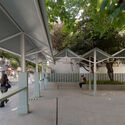
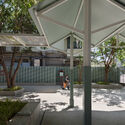
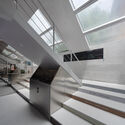
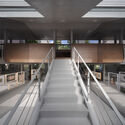
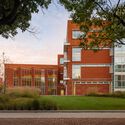
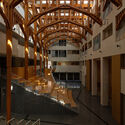
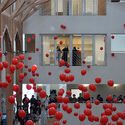
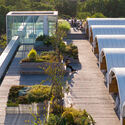
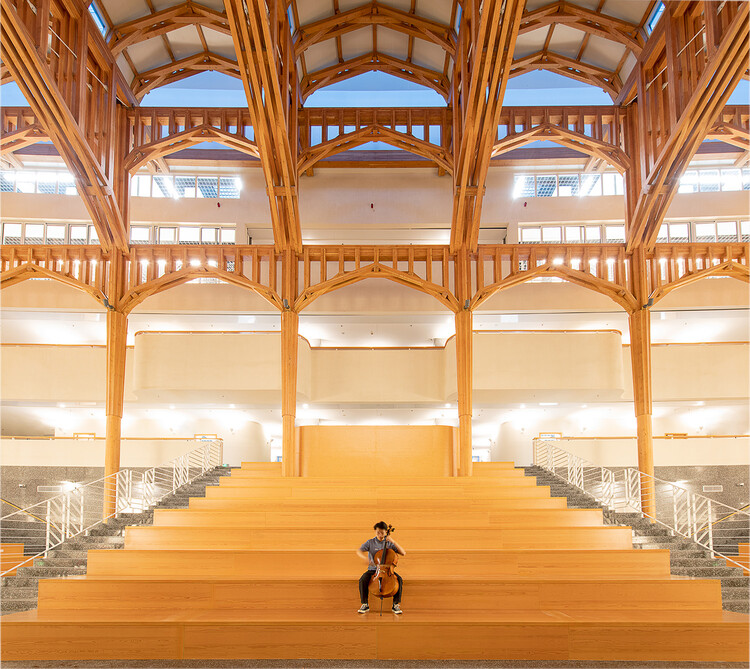
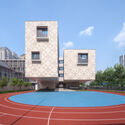
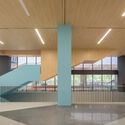
In 2023, the School of Design Building at Shanghai Jiao Tong University opened its doors after a complete remodeling and adaptation of an existing structure. Designed by architect and scholar Xing Ruan, who also serves as Dean of the school, the building went on to receive two recognitions at the Prix Versailles: the World Title of the Most Beautiful Campus and the Special Prize for an Interior, one of the three major honors of the competition. Awards of this kind tend to generate their own momentum. Once a building is recognized, it is quickly placed within a convenient narrative — its materials, techniques, form, and spatial decisions all assigned meanings that make the project legible, categorizable, and easy to cite.
Yet what an award confirms is perhaps only that a building has been seen. What remains worth asking is why it exists in the way that it does — what problems it was made to address, what beliefs it refuses, and what it proposes about the discipline beyond the occasion of its construction. It was in the School of Design Building itself that the following interview took place, moving between architecture, scholarship, frugality, and the limits of what buildings can — and should — be asked to do.