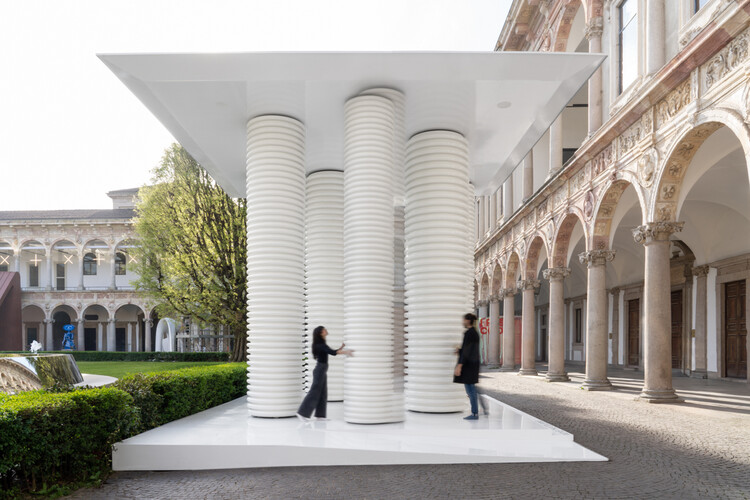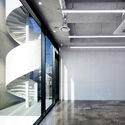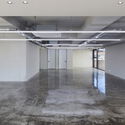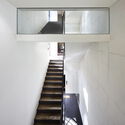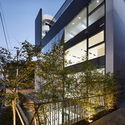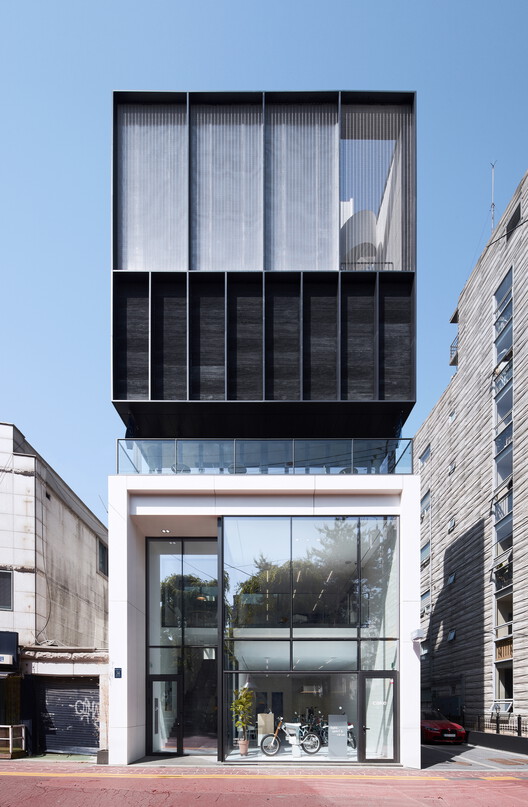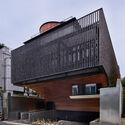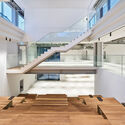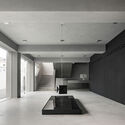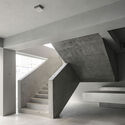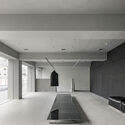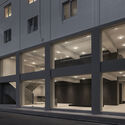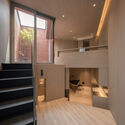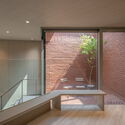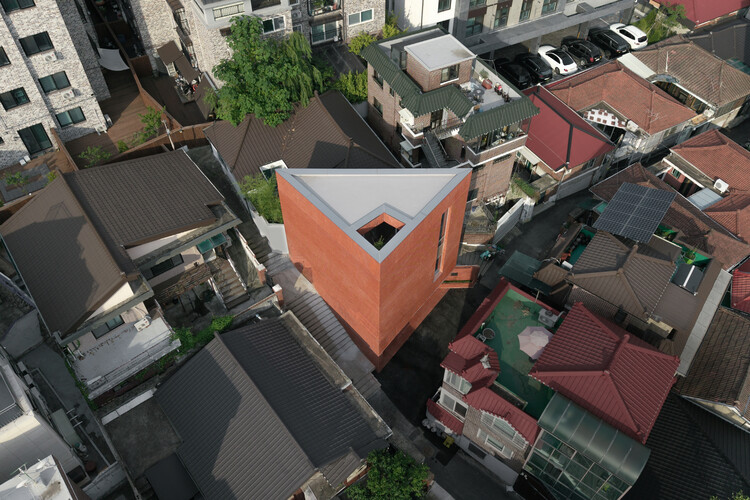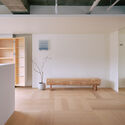
-
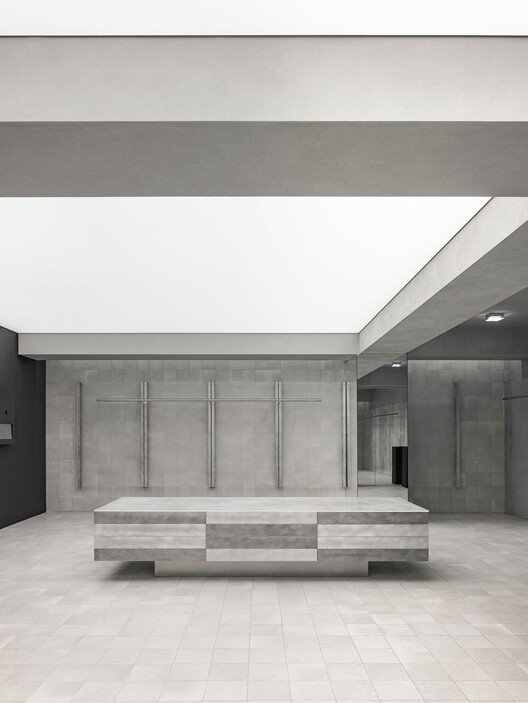
Architects: FHHH friends
- Area: 103 m²
- Year: 2022

This past year marked a period of introspection for architecture. As 2025 unfolded, the discipline, confronted with evolving environmental and social realities, entered a broader turning point in how it understands its role and how users engage with it. Throughout the year, exhibitions shifted focus away from buildings as isolated objects toward a broader understanding of relationships between ecology, equity, everyday life, and collective imaginaries. Across institutions and cities, they operated less as showcases and more as discursive platforms: places where architecture was not only presented, but also imagined, questioned, and collectively redefined.
While exhibitions have long functioned as sites of discourse, politics, and community, this role became more explicit in 2025. As Carlo Ratti noted in an ArchDaily interview during the pre-opening of the Venice Architecture Biennale 2025, exhibitions today can "hybridize the way that people come together," an ambition that echoed across cities and institutions as exhibitions evolved into spaces for debate, experimentation, and collective reflection. Exhibitions are places where architects and designers meet, where conversations unfold openly with the public, and where ideas emerge through spontaneous exchanges among passersby. Exhibitions became spaces where architectural discourse extended beyond professional circles, opening conversations to broader publics through everyday encounters, shared experiences, and informal exchanges.


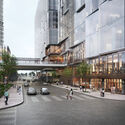
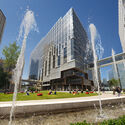
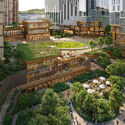
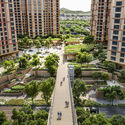
UNS has revealed images of SeoulOne, a master plan designed for Hyundai Development Company (HDC) in Seoul, South Korea, intended as a new model for multigenerational living. The project, already under construction on a brownfield site in the northeast of the city, reimagines an existing industrial site and railway area as a 405,000 m² car-free neighborhood for a multigenerational community. A never-sleeping, green master plan for Seoul, SeoulOne is envisioned as a mixed-use mini-city where all essential services for people of all ages are available within a 10-minute walk. The design includes 24/7 residential towers, retail spaces, offices, a hotel, sports facilities, daycare centers, senior living facilities, and a medical center, offering permanent services within walking distance. More than 30% of the site is dedicated to vegetation, including pocket parks, roof gardens, water gardens, and a forest walk, creating a year-round green village.


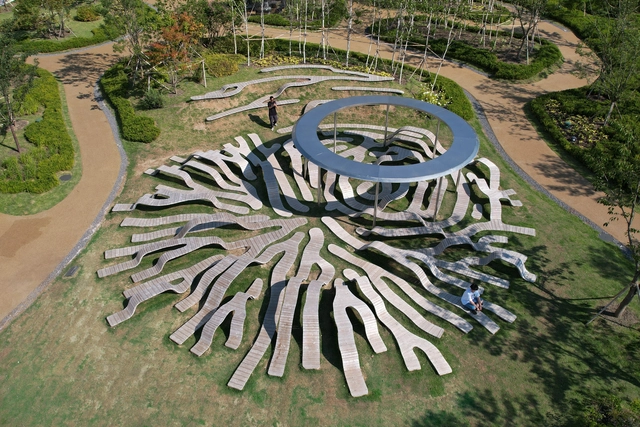

The Seoul Metropolitan Government is hosting the 'Show Garden Competition for Seoul International Garden Show 2026' to discover creative garden designs as a way to promote urban garden culture as everyday art. We look forward to receiving submissions by garden designers of great caliber.
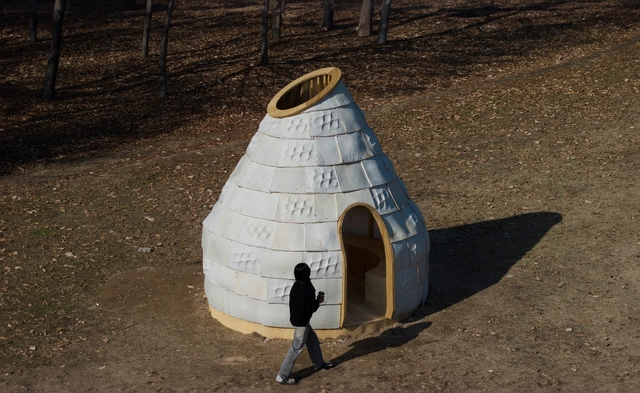
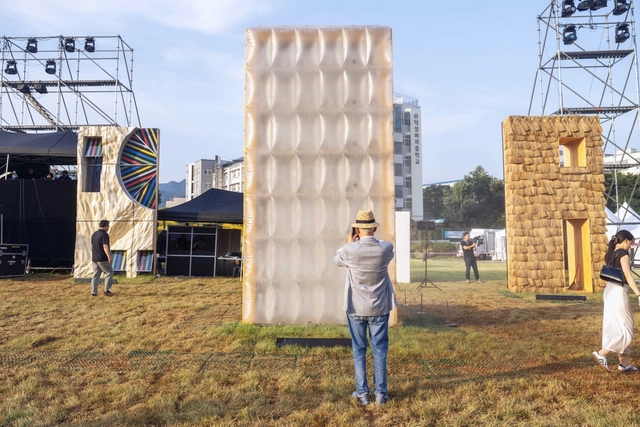
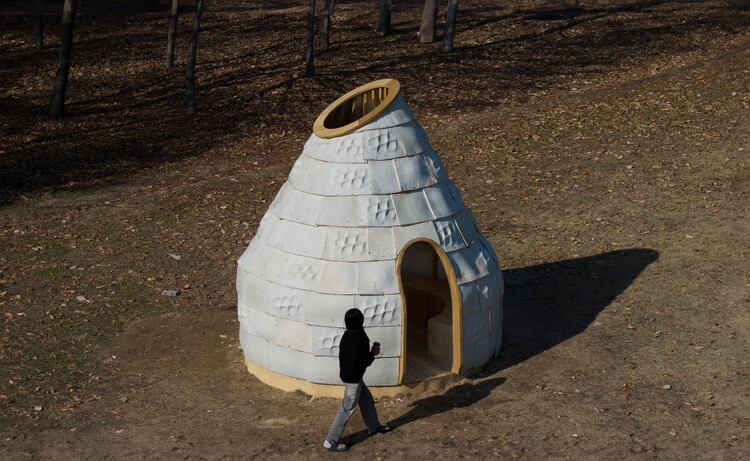
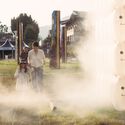
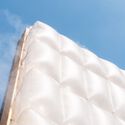
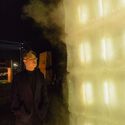
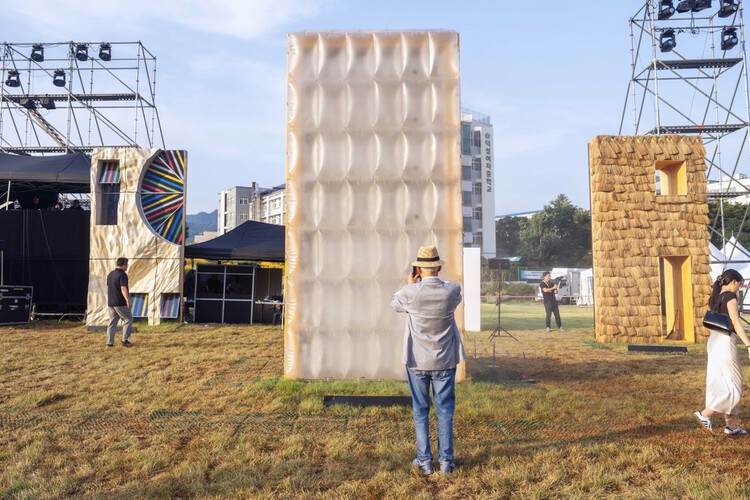
"Breathing Cells," an installation by MAD Architects, is currently on view at Songhyeon Green Plaza in Seoul as part of the 5th Seoul Biennale of Architecture and Urbanism. Invited by Biennale Director Thomas Heatherwick, the installation opened on September 26, 2025, and will remain on display until November 18. Responding to the curatorial theme "Radically More Human," the work presents an alternative vision for future urban environments, one where architecture behaves more like a living organism than a static object.