1. ArchDaily
  2. Q&A

Q&A: The Latest Architecture and News

Hong Kong's Queensway Reimagined: Sara Klomps on the Genesis and Ambition of The Henderson by Zaha Hadid Architects

Subscriber Access | 

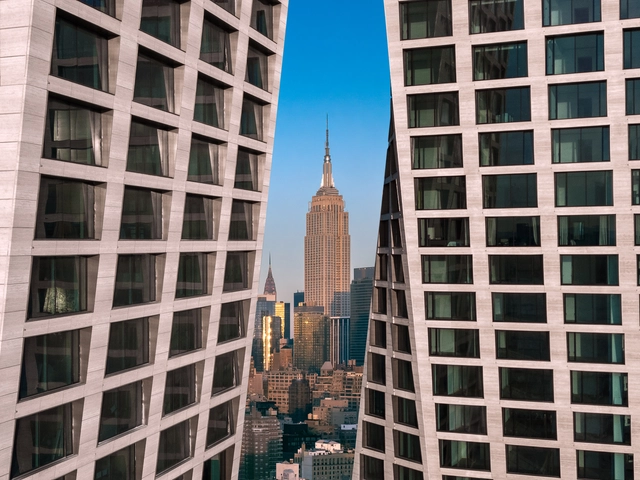
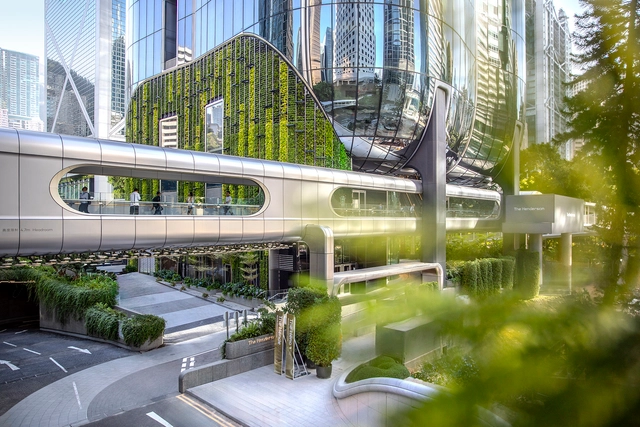
Architectural landmarks often cluster together. In Tokyo, the iconic Omotesando is a well-known stretch where global "starchitects" built flagship luxury retail spaces in the 2000s. Hong Kong has a lesser-known but equally powerful architectural agglomeration along Queensway—though historically more corporate and less publicly engaging. Beginning in the 1980s, this corridor became home to a series of landmark buildings by some of the world's most prominent architects: Norman Foster's HSBC Headquarters, I.M. Pei's Bank of China Tower, Paul Rudolph's Lippo Centre, and the nearby Murray Building by Ron Phillips—now revitalized as a hotel by Foster + Partners. The area is further enriched later on by Heatherwick Studio's renovation of Pacific Place and Tod Williams Billie Tsien Architects' Asia Society Hong Kong Center.

Hong Kong's Queensway Reimagined: Sara Klomps on the Genesis and Ambition of The Henderson by Zaha Hadid Architects - Image 1 of 4Hong Kong's Queensway Reimagined: Sara Klomps on the Genesis and Ambition of The Henderson by Zaha Hadid Architects - Image 2 of 4Hong Kong's Queensway Reimagined: Sara Klomps on the Genesis and Ambition of The Henderson by Zaha Hadid Architects - Image 3 of 4Hong Kong's Queensway Reimagined: Sara Klomps on the Genesis and Ambition of The Henderson by Zaha Hadid Architects - Image 4 of 4Hong Kong's Queensway Reimagined: Sara Klomps on the Genesis and Ambition of The Henderson by Zaha Hadid Architects - More Images+ 7

Designing a Living and Dying Structure: Picoplanktonics and the Canadian Pavilion in Venice

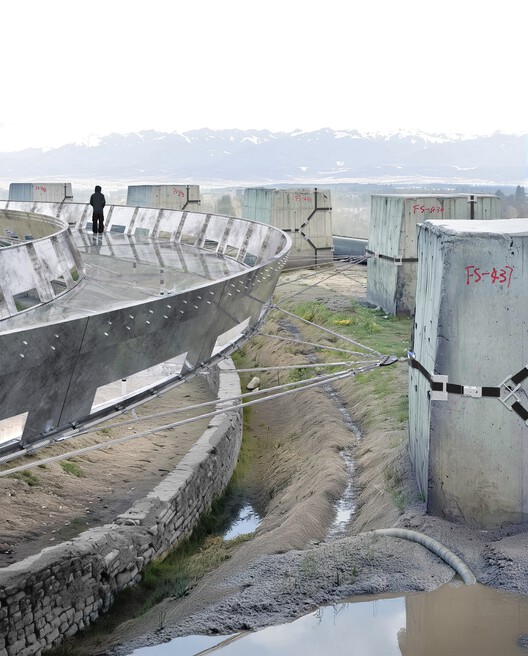
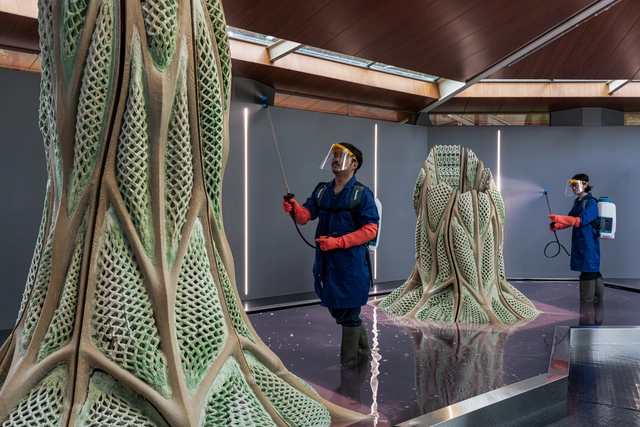
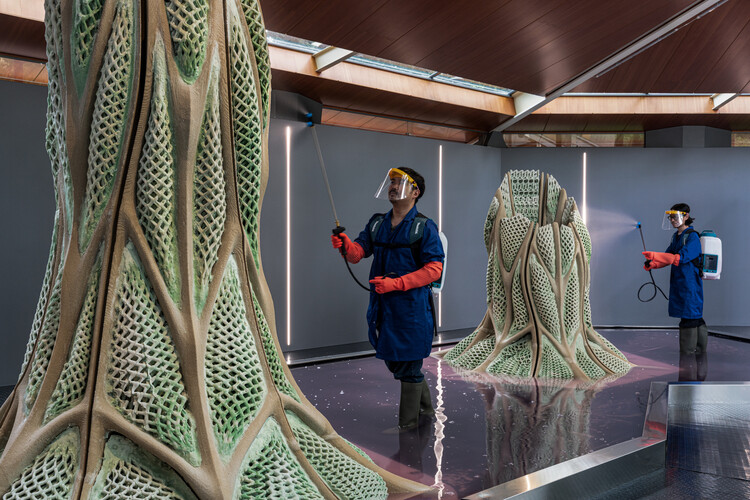
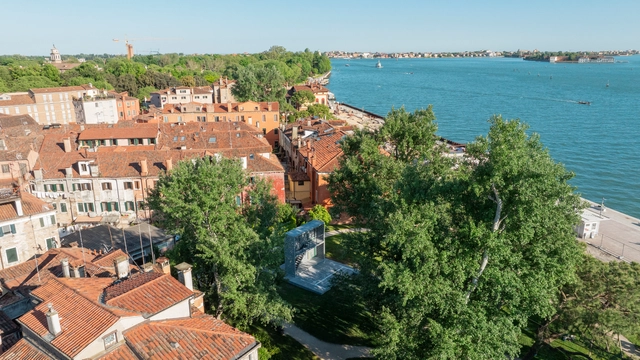
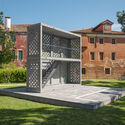
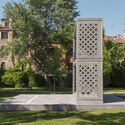
The Canada Pavilion at the 19th International Architecture Exhibition – La Biennale di Venezia, hosted Picoplanktonics. A research that emerged as a radical rethinking of how architecture can become a platform that blends biology, computation, and fabrication to propose an alternative future, one where buildings don't just minimize harm, but actively participate in planetary repair. At its core lies a humble organism: marine cyanobacteria, capable of both capturing carbon and contributing to the material growth of the structure it inhabits. The project has been developed over 5 years by a group of researchers at ETH Zurich, led by Andrea Shin Ling and a group of interdisciplinary contributors and collaborators. Together, they formed the Living Room Collective, founded a year ago to build upon this work and showcase it at the Venice Biennale. The Core team members include Nicholas Hoban, Vincent Hui, and Clayton Lee. This conversation with the team behind the project shares the philosophy, technical challenges, and speculative horizons that animated their work from printing living sand lattices to maintaining microbial life in a public exhibition. Their aim is to inspire people to reconsider architecture not as a static object, but as a living, evolving process. One that requires care, patience, and a radical shift in mindset.

Designing a Living and Dying Structure: Picoplanktonics and the Canadian Pavilion in Venice - Imagen 4 de 4Designing a Living and Dying Structure: Picoplanktonics and the Canadian Pavilion in Venice - Imagen 6 de 4Designing a Living and Dying Structure: Picoplanktonics and the Canadian Pavilion in Venice - Imagen 1 de 4Designing a Living and Dying Structure: Picoplanktonics and the Canadian Pavilion in Venice - Imagen 5 de 4Designing a Living and Dying Structure: Picoplanktonics and the Canadian Pavilion in Venice - More Images+ 6

Reimagining Urban-Rural Coexistence Through AI: In Conversation With Francisco Escapil

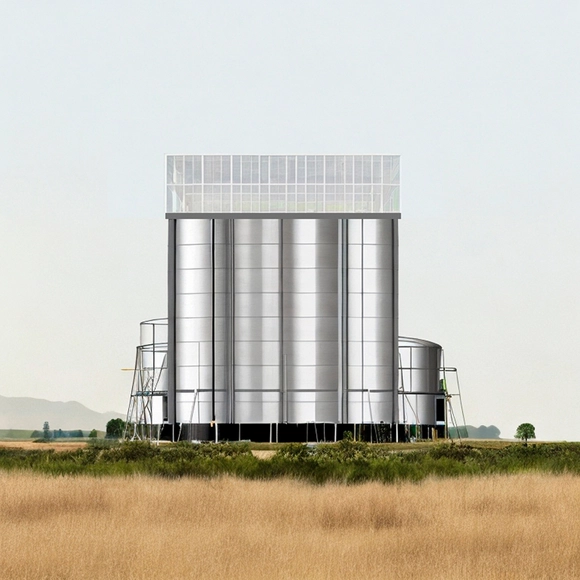
What structures and infrastructures sustain the ties and relationships between the countryside and the city? How will architecture and emerging technologies maintain -or not- the coexistence of both worlds in the future? The reduction of ecological footprints, the impact of climate change, the decentralization of major cities, food security, and other contemporary issues challenge professionals in architecture and urbanism globally under the main shared goal of improving citizens’ quality of life and achieving physical, mental, and emotional well-being in both built and natural environments.

Reimagining Urban-Rural Coexistence Through AI: In Conversation With Francisco Escapil - Image 1 of 4Reimagining Urban-Rural Coexistence Through AI: In Conversation With Francisco Escapil - Image 2 of 4Reimagining Urban-Rural Coexistence Through AI: In Conversation With Francisco Escapil - Image 3 of 4Reimagining Urban-Rural Coexistence Through AI: In Conversation With Francisco Escapil - Image 4 of 4Reimagining Urban-Rural Coexistence Through AI: In Conversation With Francisco Escapil - More Images+ 13

Visions of the Future of Architectural Storytelling: In Conversation with BIG and Squint/Opera

Subscriber Access | 

Architectural presentations to clients typically include renders, diagrams, and drawings. Interpreting these and envisioning the final product requires imagination and architectural insight to fill in the gaps and visualize a final product. BIG and Squint/Opera, a partnership between an architectural powerhouse and a creative digital studio, explore innovative methods to convey spatial and architectural design beyond traditional means. They reimagine architectural storytelling beyond static 2D visuals through cutting-edge video production and immersive technology, enabling clients and the general public to fully experience their futuristic visions of city planning and architectural design. Their notable collaborations include the video production for the Toyota Woven City Project and the creation of the VR collaborative design tool HyperForm.

In a conversation with ArchDaily, Daniel Sundlin, partner at BIG, and Matt Quinn, Commercial Director at Squint/Opera, discuss their insights on the future of architectural digital storytelling.

Barraco / Quarta & Armando

Barraco / Quarta & Armando - Interior Photography, Interior Design, Stairs, Door, Facade, Table, ChairBarraco / Quarta & Armando - Exterior Photography, Interior Design, Facade, LightingBarraco / Quarta & Armando - Interior DesignBarraco / Quarta & Armando - Interior Photography, Interior Design, Table, ChairBarraco / Quarta & Armando - More Images+ 9

  • Architects: Quarta & Armando
  • Area Area of this architecture project Area:  85
  • Year Completion year of this architecture project Year:  2017
  • Manufacturers Brands with products used in this architecture project
    Manufacturers:  HAY