1. ArchDaily
  2. Public Space

Public Space: The Latest Architecture and News

A Day in the Bazaar: When Architecture Is Observed in Time

Audio available

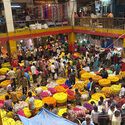
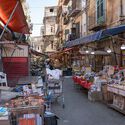
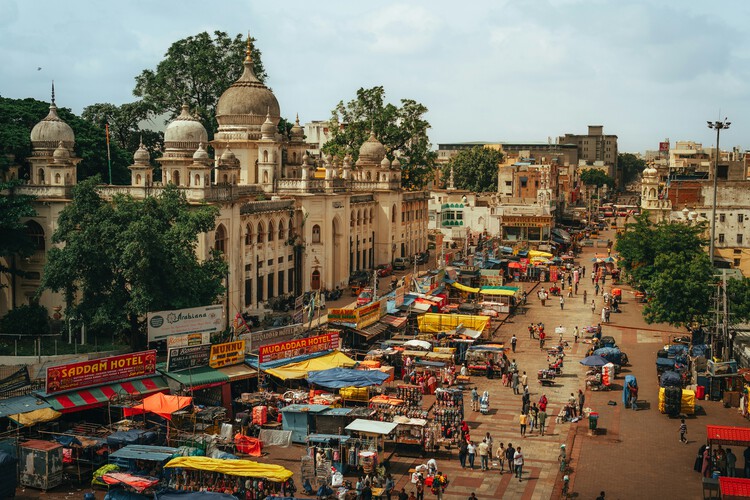
Architecture is most often represented as a stable object: a building captured at a moment of visual clarity, isolated from surrounding contingencies. Plans, sections, and photographs promise legibility by suspending time. Yet many of the world's most enduring public environments resist this mode of representation altogether. They are not designed to be read instantaneously, nor do they reveal their logic through form alone. Their spatial intelligence emerges gradually, through repetition, occupation, and duration.

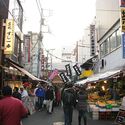
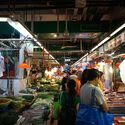
The bazaar belongs firmly within this category. It cannot be understood through a single drawing or a finished elevation. Its organization is not fixed but rehearsed. What sustains it is not purely architectural composition, but shared timing, collective memory, and long-standing patterns of use. Togetherness in the bazaar does not arise from formal design decisions; it is produced through repeated encounters, negotiated proximities, and social familiarity accumulated over time.
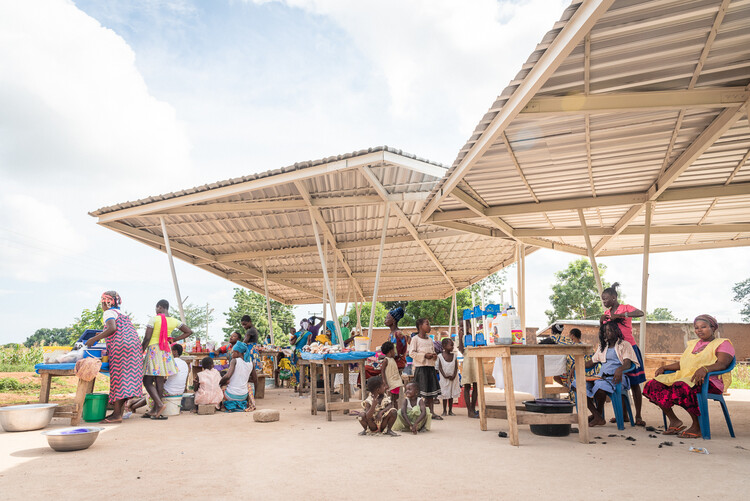
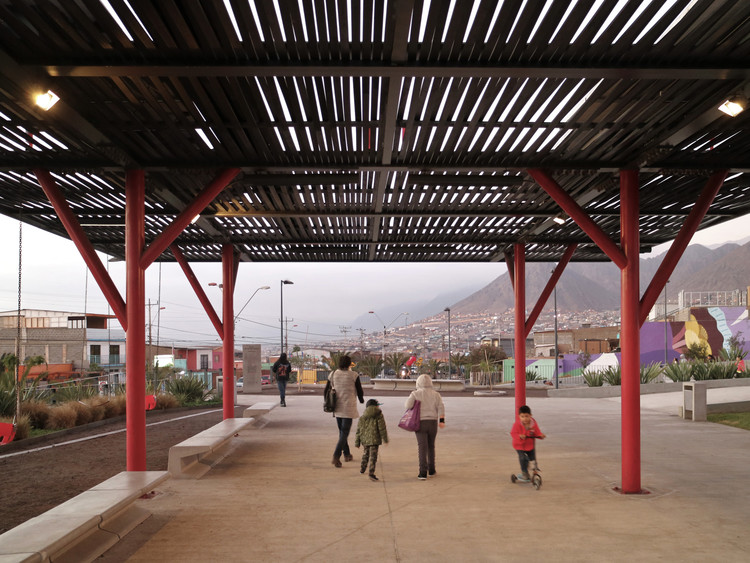
A Day in the Bazaar: When Architecture Is Observed in Time - Image 1 of 4A Day in the Bazaar: When Architecture Is Observed in Time - Image 2 of 4A Day in the Bazaar: When Architecture Is Observed in Time - Image 3 of 4A Day in the Bazaar: When Architecture Is Observed in Time - Image 4 of 4A Day in the Bazaar: When Architecture Is Observed in Time - More Images+ 3

Designing Streets Through the Lens of Care

Audio available

Reflecting on the modern city, Walter Benjamin described the flâneur, a figure who walks without a defined destination, attentive to details, chance encounters, and the narratives that emerge from urban space. This way of being in the city, shaped by observation and openness to the unexpected, has long been in tension with the rationalist and functionalist ideals that came to guide urban planning throughout the twentieth century. Streets designed primarily for efficiency and flow rarely leave room for detours, pauses, or the coexistence of different rhythms of life.
Jane Jacobs was also one of the voices that challenged this predominantly rationalist logic, arguing that truly vibrant streets are those capable of sustaining the diversity of everyday life, its informal exchanges, and the forms of care and natural surveillance that emerge from them. What these authors share is a fundamental insight: streets are not merely infrastructures for circulation, but social ecosystems, shaped by the relationships, uses, and encounters that take place within them.

Cultural Venues, Fresh Perspectives on Public Space and One Month until the Winter Olympics: This Week’s Review

Audio available

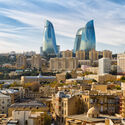
This week's news compilation brings together current discussions around public and collective space, cultural infrastructure, and long-term urban transformation across diverse geographic contexts. From shared management models redefining public space ownership in cities such as Paris and New York, to large-scale event-driven initiatives linked to Milano Cortina 2026 and the World Urban Forum in Baku, the selected projects and initiatives highlight how governance, culture, and infrastructure intersect in contemporary practice. These themes are further developed through a mix of strategic planning processes, including international test planning efforts in Northern Lviv, and built projects spanning education, culture, and temporary architecture, from a new dental teaching facility in Blantyre, Malawi, to restored and newly opened cultural venues in the United States and Taiwan, and adaptive reuse interventions showcased at the Chicago Architecture Biennial. The international examples outline an architectural landscape shaped by reuse, public engagement, and the evolving role of design in responding to social, cultural, and institutional frameworks.

Cultural Venues, Fresh Perspectives on Public Space and One Month until the Winter Olympics: This Week’s Review - Image 1 of 4Cultural Venues, Fresh Perspectives on Public Space and One Month until the Winter Olympics: This Week’s Review - Image 2 of 4Cultural Venues, Fresh Perspectives on Public Space and One Month until the Winter Olympics: This Week’s Review - Image 3 of 4Cultural Venues, Fresh Perspectives on Public Space and One Month until the Winter Olympics: This Week’s Review - Image 4 of 4Cultural Venues, Fresh Perspectives on Public Space and One Month until the Winter Olympics: This Week’s Review - More Images+ 15

Coming Together and the Making of Place: ArchDaily’s January Editorial Focus

Audio available

Long before architecture took the form of walls, roofs, or cities, it gathered people around fire. The simple fire pit was one of humanity's earliest spatial devices: a place for warmth, food, storytelling, and ritual. Around it, space took shape through proximity rather than enclosure, through shared presence rather than prescribed use. The fire organized bodies in a circle, fostered alliances, and turned survival into collective life. Today, this ancestral logic persists: architecture has the potential of bringing people together not by commanding how they gather, but by creating the conditions that make togetherness possible.

This month, ArchDaily explores Coming Together and the Making of Place, a topic that examines architecture as a framework for inclusion, care, and belonging. The theme aligns with the first edition of the ArchDaily Student Project Awards, which approach care from a collective perspective by focusing on spaces that nurture better ways of living together. Looking beyond iconic gathering spaces, the coverage considers everyday environments, from food markets, communal tables, and neighborhood plazas to third spaces, domestic settings, and digital or hybrid environments of remote togetherness. Rather than treating togetherness as a fixed program, it asks how spatial design can support openness, diversity, and collective life without enforcing uniform ways of gathering.

Coming Together and the Making of Place: ArchDaily’s January Editorial Focus - 1 的图像 4Coming Together and the Making of Place: ArchDaily’s January Editorial Focus - 2 的图像 4Coming Together and the Making of Place: ArchDaily’s January Editorial Focus - 3 的图像 4Coming Together and the Making of Place: ArchDaily’s January Editorial Focus - 4 的图像 4Coming Together and the Making of Place: ArchDaily’s January Editorial Focus - More Images+ 5

What Happens When Public Spaces are Without Public Restrooms?

Subscriber Access | 

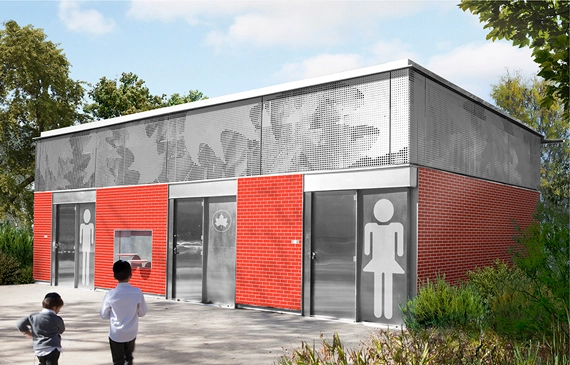
In the realm of design, we often talk about ensuring that there are enough public spaces to serve a community. We discuss the need for public parks so that people have access to outdoor spaces. We think about public transportation, and how our dwindling reliance on cars will help to ensure that we have a healthier planet. But what about the public spaces we lack? What happens when we don’t have enough public restrooms?

Why We Should Create Cities for Children

Subscriber Access | 
Why We Should Create Cities for Children - Featured Image
Image © Hiroyuki Oki

In the book Design of Childhood, architect and researcher Alexandra Lange states that children were considered nonpersons throughout almost the entire history of ancient and modern architecture, being excluded from the process of creating urban and interior spaces. This process has caused and is still causing several problems when children reach adulthood, since these children grew up being constantly watched by fear of movement and the eyes of adults.

Profit Above the Public: The Logic of the Concession of Use in the City of São Paulo

Subscriber Access | 

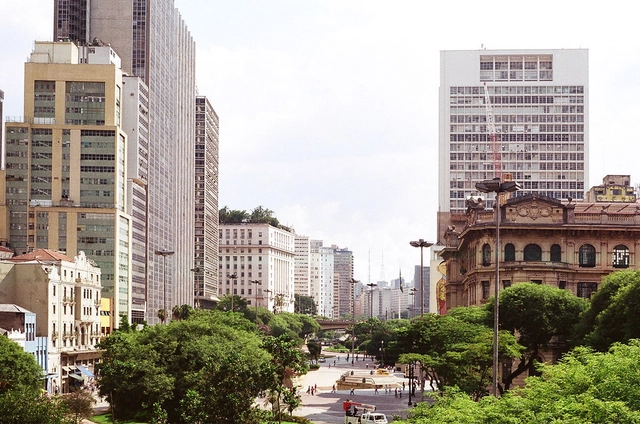
Recently, the city of São Paulo witnessed two events involving spaces that were previously public and are now under private concession. The already renowned Virada Cultural Paulistana took place again after the initial years of the covid-19 pandemic, and had as one of its stages the new Vale do Anhangabaú. In addition, the Pacaembu complex - which recently ceased to be a public facility, became a concession and has been undergoing a series of renovations and transformations - hosted the ArPa Fair, an event that brought together a series of important galleries for exhibition, purchase and sale of artworks. Despite the different nature of these events, their processes arouse reflections upon the privatization model we are experiencing in cities today.

Profit Above the Public: The Logic of the Concession of Use in the City of São Paulo - Image 1 of 4Profit Above the Public: The Logic of the Concession of Use in the City of São Paulo - Image 2 of 4Profit Above the Public: The Logic of the Concession of Use in the City of São Paulo - Image 3 of 4Profit Above the Public: The Logic of the Concession of Use in the City of São Paulo - Image 4 of 4Profit Above the Public: The Logic of the Concession of Use in the City of São Paulo - More Images

How Gender Inclusion Is Influencing Urban Design

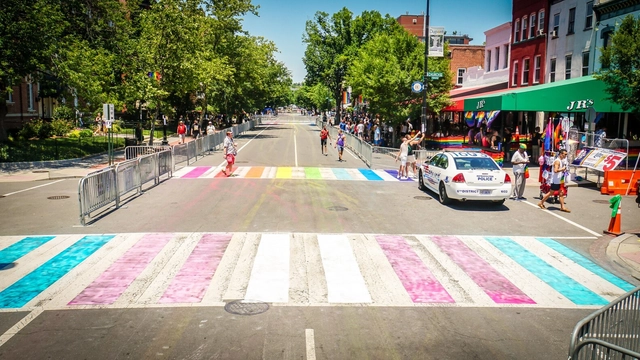
In the 1970s, in Berkeley, California, a group of disability rights activists called the Rolling Quads began dismantling curbs and improvising sidewalk ramps, demanding access for wheelchair users. But what people did not expect was that wheelchair users would not be the only ones to benefit from the intervention. Soon, pedestrians with baby strollers, heavy suitcases or simply with reduced mobility started using the ramps. Likewise, a gender-inclusive city works better for everyone. A city where all gender minorities of different ages and abilities can move around easily and safely, participate fully in the workforce and public life, live healthy, sociable and active lives, is a city that improves everyone's lives.

How Gender Inclusion Is Influencing Urban Design - Image 1 of 4How Gender Inclusion Is Influencing Urban Design - Image 2 of 4How Gender Inclusion Is Influencing Urban Design - Image 3 of 4How Gender Inclusion Is Influencing Urban Design - Image 4 of 4How Gender Inclusion Is Influencing Urban Design - More Images+ 2

Placemaking through Play: Designing for Urban Enjoyment

Subscriber Access | 

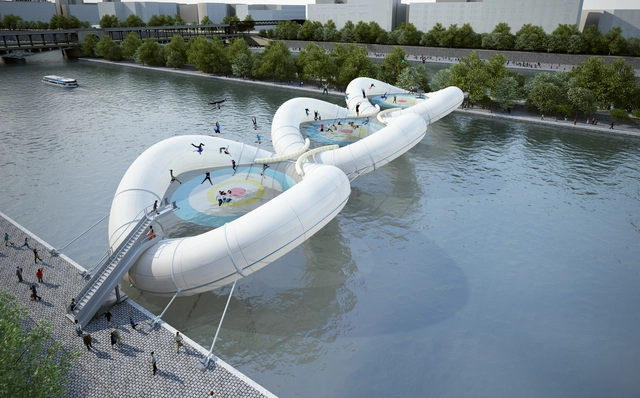
Humane cities center around the relationships between people and places. Communities thrive on shared resources, public spaces, and a collective vision for their locality. To nurture happy and healthy cities, designers and the public apply methods of placemaking to the urban setting. Placemaking—the creation of meaningful places—strongly relies on community-based participation to effectively produce magnetic public spaces.

Placemaking through Play: Designing for Urban Enjoyment  - Image 1 of 4Placemaking through Play: Designing for Urban Enjoyment  - Image 2 of 4Placemaking through Play: Designing for Urban Enjoyment  - Image 3 of 4Placemaking through Play: Designing for Urban Enjoyment  - Image 4 of 4Placemaking through Play: Designing for Urban Enjoyment  - More Images+ 2

Homomonument: The Importance of a Representative Space in the City

Subscriber Access | 
Homomonument: The Importance of a Representative Space in the City - Featured Image
Homomonument in Amsterdam. Photo: Geert-Jan Edelenbosch, CC BY-SA 4.0 , via Wikimedia Commons

While walking through the city, have you ever felt afraid to be yourself? As strange as the question may sound to some, it is a reality for most LGBTQIA+ people, who at some point have been victims of hostility when they were noticed performing outside the "heteronormative standards" of public spaces. If violence comes from social layers that go beyond the designed space, this does not exempt the importance of thinking about projects that can integrate the physical sphere and insert a symbolic or representational factor to include and educate its citizens. This is the case of Homomonument, which for more than three decades, has become a platform for queer celebration and protest in the heart of Amsterdam.

Homomonument: The Importance of a Representative Space in the City - Image 1 of 4Homomonument: The Importance of a Representative Space in the City - Image 2 of 4Homomonument: The Importance of a Representative Space in the City - Image 3 of 4Homomonument: The Importance of a Representative Space in the City - Image 4 of 4Homomonument: The Importance of a Representative Space in the City - More Images+ 4

Join 3rd International Placemaking Week in Chattanooga this October

The 3rd International Placemaking Week is an intimate, four-day-long global gathering of public space practitioners, researchers, and advocates that combines hands-on learning, public space activations, and innovative social events. Sign up before the regular registration rate ends on August 30!

Temporary Plazas: 13 Public Spaces that Activate the City

Temporary Plazas: 13 Public Spaces that Activate the City - Image 1 of 4Temporary Plazas: 13 Public Spaces that Activate the City - Image 2 of 4Temporary Plazas: 13 Public Spaces that Activate the City - Image 3 of 4Temporary Plazas: 13 Public Spaces that Activate the City - Image 4 of 4Temporary Plazas: 13 Public Spaces that Activate the City - More Images+ 9

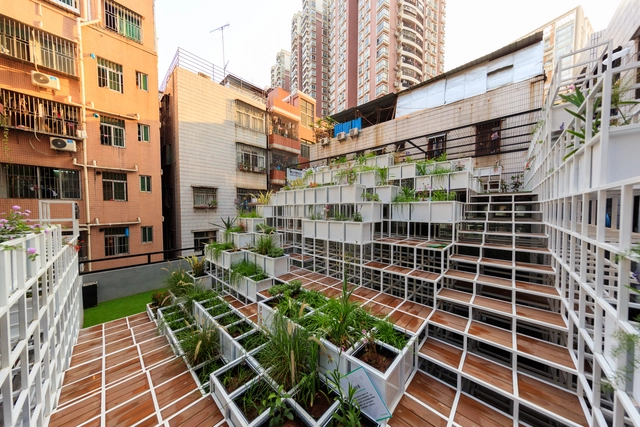
Normally the efforts of the construction industry are aimed to design permanent and durable spaces. However, on some occasions creating temporary spaces can be of great help, not only when providing fast assembly infrastructure after the effects of a natural disaster, but also when activating residual or abandoned spaces in our cities. To exemplify the potential of these interventions, we present thirteen successful temporary public spaces.

Plaza Life Revisited: Field Guide Release

Join us for the release of Field Guide to Life in Urban Plazas.

The guide outlines a research effort focused on New York City, the primary location of urbanist William H. Whyte’s “Street Life Project,” which formed the basis for his seminal book and film The Social Life of Small Urban Spaces (1980). The new guide seeks to understand how different types of public spaces have changed some 40 years later. What’s changed about how people use the public realm, and what makes for successful spaces?

10 Examples of Public Spaces from the Beaches to the Cities of Mexico

Subscriber Access | 

10 Examples of Public Spaces from the Beaches to the Cities of Mexico - Image 1 of 410 Examples of Public Spaces from the Beaches to the Cities of Mexico - Image 2 of 410 Examples of Public Spaces from the Beaches to the Cities of Mexico - Image 3 of 410 Examples of Public Spaces from the Beaches to the Cities of Mexico - Image 4 of 410 Examples of Public Spaces from the Beaches to the Cities of Mexico - More Images+ 7

Urban design is a branch of design intimately related to urban planning and landscape architecture; it focuses broadly on interpreting the form and public space with physical-aesthetic-functional criteria. Different experts in the field such as Jane Jacobs, Denise Scott Brown, Robert Venturi, Jaime Lerner, Jan Gehl, Kevin Lynch have devoted themselves to studying the needs of urban societies within the common spaces to give adequate responses to different contexts. These questions are renewed with new generations and the public space is transformed according to technological advances but what always remains is the sense of belonging of these sites that are only successful when users adopt them as own.

By the People, For the People: What is Public Architecture, According to our Readers

By the People, For the People: What is Public Architecture, According to our Readers - Featured Image
Aarhus Harbor Bath / BIG. Image: © Rasmus Hjortshøj

Last week, we asked our social media followers, "What does public architecture mean to you?" These thoughts are intrinsic to the architectural debate and come into play in various types of projects, especially in those related to the planning of common-use spaces in cities.

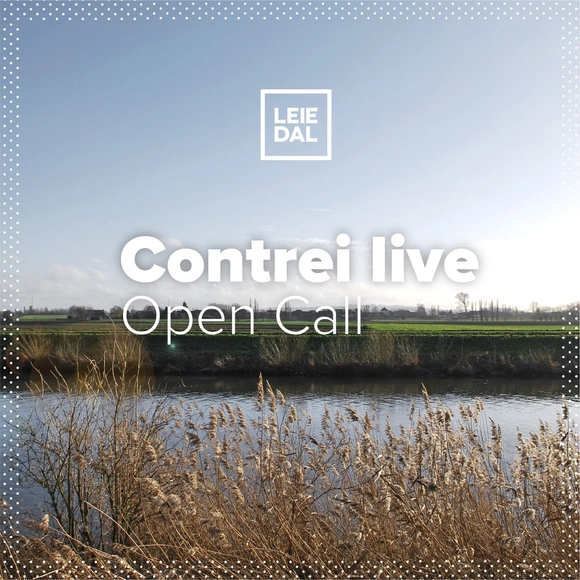
Open Call for Proposals: Contrei live land art festival

Open Call for Proposals
Artists, (environmental) Architects, Designers & Makers

Shade Structures for Outdoor Spaces: 6 Tips to Incorporate Into Your Next Project

Subscriber Access | 

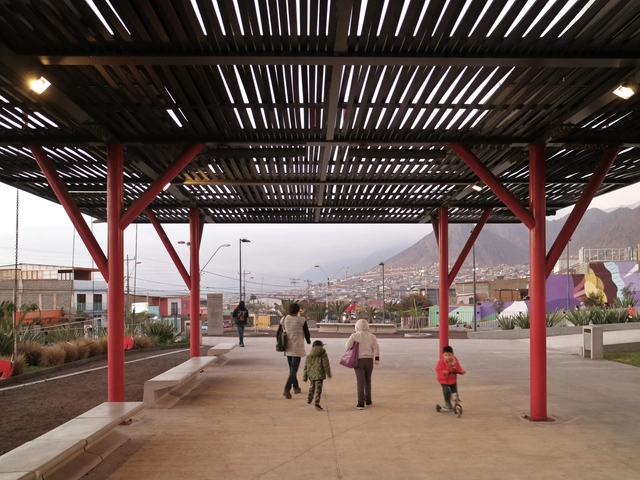
In any successful architectural project, it is essential to provide users with a comfortable outdoor space. At any time of the year, modular shade structures can create spaces that protect from wind, dust, sun, rain, snow, and noise in a light, flexible and aesthetically pleasing way.

With this in mind, what should we look for when choosing shade structures for outdoor spaces? Below, we've provided you with Superior Recreational Products's top recommendations.

Shade Structures for Outdoor Spaces: 6 Tips to Incorporate Into Your Next Project - Image 1 of 4Shade Structures for Outdoor Spaces: 6 Tips to Incorporate Into Your Next Project - Image 2 of 4Shade Structures for Outdoor Spaces: 6 Tips to Incorporate Into Your Next Project - Image 3 of 4Shade Structures for Outdoor Spaces: 6 Tips to Incorporate Into Your Next Project - Image 4 of 4Shade Structures for Outdoor Spaces: 6 Tips to Incorporate Into Your Next Project - More Images+ 28

Why Public Spaces are the Safest Investment for Secure Cities

Why Public Spaces are the Safest Investment for Secure Cities - Image 1 of 4Why Public Spaces are the Safest Investment for Secure Cities - Image 2 of 4Why Public Spaces are the Safest Investment for Secure Cities - Image 3 of 4Why Public Spaces are the Safest Investment for Secure Cities - Image 4 of 4Why Public Spaces are the Safest Investment for Secure Cities - More Images+ 15

Architecture is powerful, and like nuclear energy, it all depends on how it is used. While it can create uninhabitable municipalities, it can also create safer cities that improve quality of life.

In various examples, urban design has provided a response to deteriorated or abandoned public spaces. It has shown that distribution and lighting are essential, but that it is also necessary to consider who will be using the space and how to make it an environment that generates community.