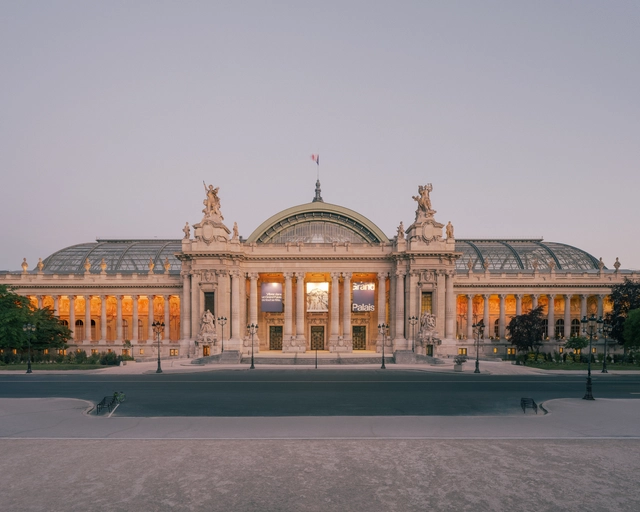
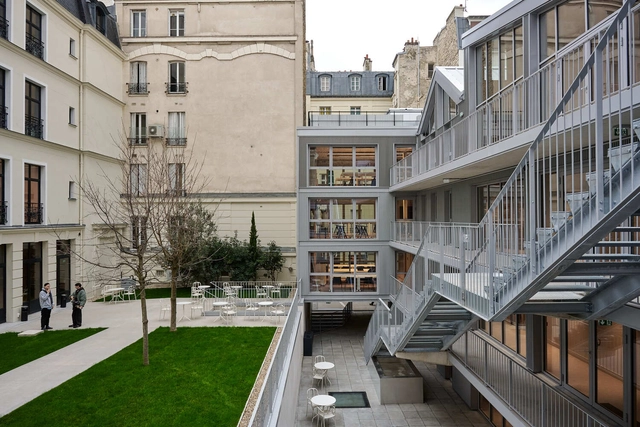
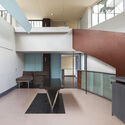
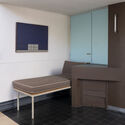
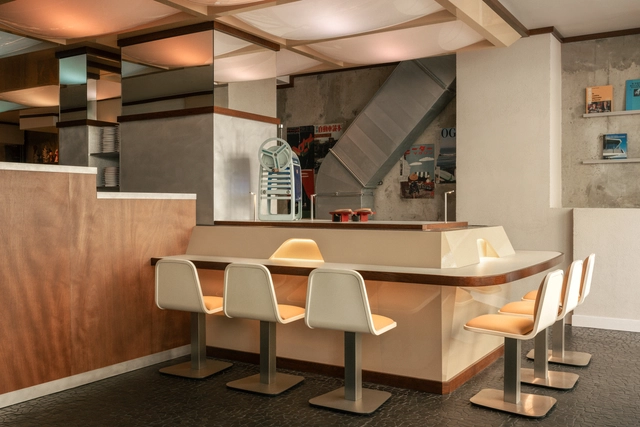
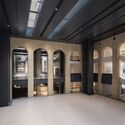
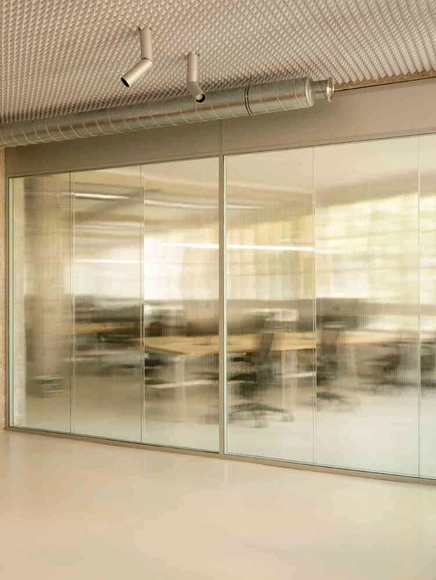
The Grand Palais in Paris has reopened to the public after the most comprehensive renovation in its 120-year history, led by Paris-based Chatillon Architectes. Originally built for the 1900 Universal Exhibition, the Grand Palais has long stood as a symbol of French cultural excellence, technical ingenuity, and architectural ambition. Following the reveal of the restored Nave for the 2024 Paris Olympics, the entire 77,000-square-meter building has now been renewed to enhance spatial clarity, restore original volumes, and transform the visitor experience. The project introduces expanded public access, new exhibition spaces, restaurants, and improved circulation, while remaining rooted in the building's architectural legacy.
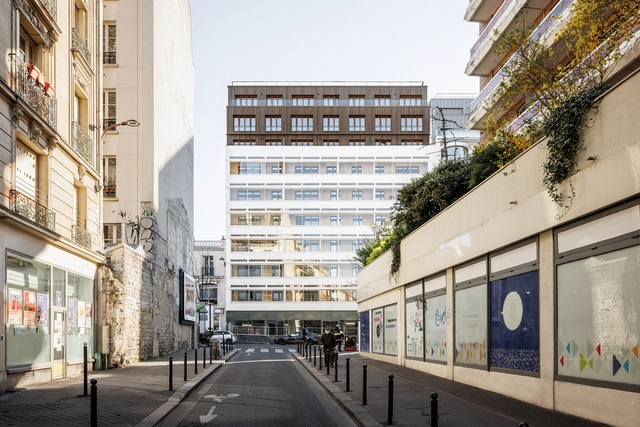
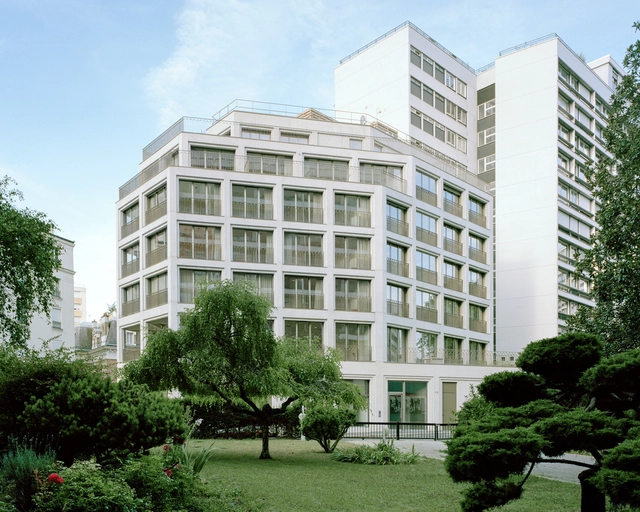
https://www.archdaily.com/1030839/transformation-and-extension-of-a-former-garage-into-63-apartments-and-a-shop-on-avenue-parmentier-in-paris-11th-arrondissement-atelier-tequi-architectsHadir Al Koshta
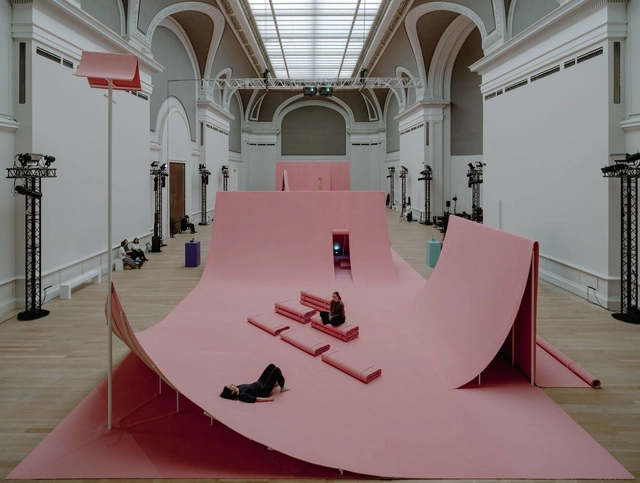
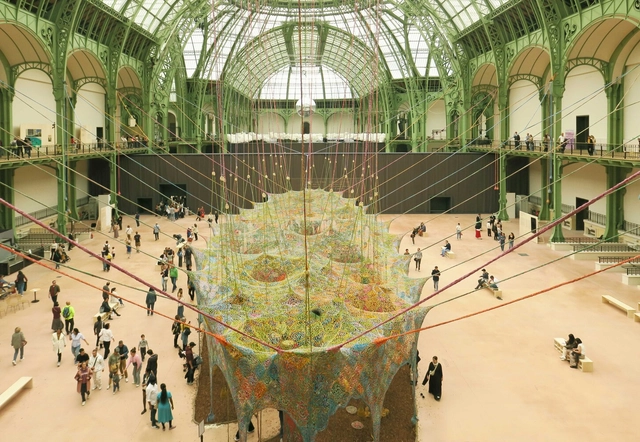
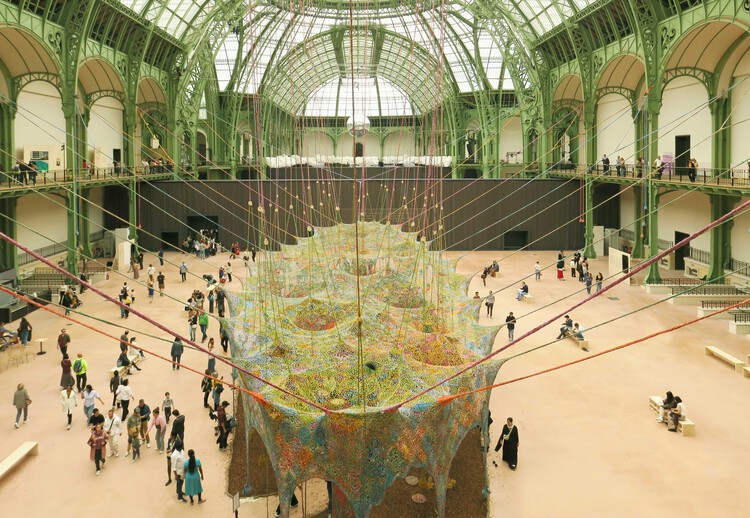
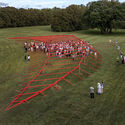
The exhibition "Nosso Barco Tambor Terra" by Brazilian artist Ernesto Neto, held at the recently renovated Grand Palais in Paris from June 6 to July 25, 2025, is a large-scale, immersive installation that invites visitors to reconnect with nature and community through sensory experience. Drawing inspiration from Brazilian and Indigenous cultures, Neto uses textiles, scents, and organic materials to create a space for reflection and interaction. The textile installation was recently captured by photographer Paul Clemence, who sought to portray its architectural qualities.
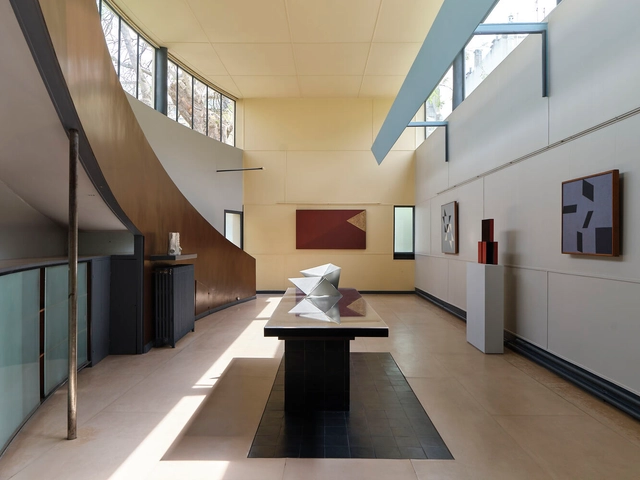
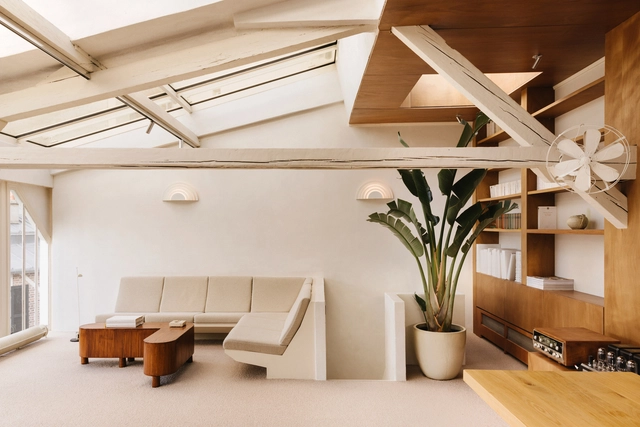
Founded in 2022 by art advisor Filipe Assis, ABERTO is an exhibition platform celebrating the convergence of art, design, and architecture in Brazil and beyond. Staging exhibitions in private and public modernist spaces, its past editions have highlighted the global connections forged by Brazilians from the 20th century onwards. Following three exhibitions in São Paulo, "ABERTO 4 – Brazil After Le Corbusier" marks its first international edition, taking place at Le Corbusier's Maison La Roche in Paris, from 14 May to 8 June 2025. The exhibition presents around 35 design and art pieces by Brazilian artists, spotlighting Le Corbusier's seminal connection to Brazilian modernist architecture and exploring his influence on contemporary Brazilian creatives. Previous editions of ABERTO have featured over 100 artists from Brazil and abroad in houses designed by Oscar Niemeyer (2022), Vilanova Artigas (2023), and Ruy Ohtake and Chu Ming Silveira (2024).
In partnership with the European Cultural Center (ECC), ArchDaily has launched its inaugural exhibition as part of the seventh iteration of Time Space Existence, an architectural showcase occurring concurrently with the 19th VeniceArchitecture Biennale. Open from May 10 to November 23, 2025, in various locations throughout Venice, this edition centers on the theme of "Repair, Regenerate, and Reuse," promoting innovative and sustainable approaches in architecture. ArchDaily's contribution is located at Palazzo Mora, complementing other venues like Palazzo Bembo, Marinaressa Gardens, and Palazzo Michiel.
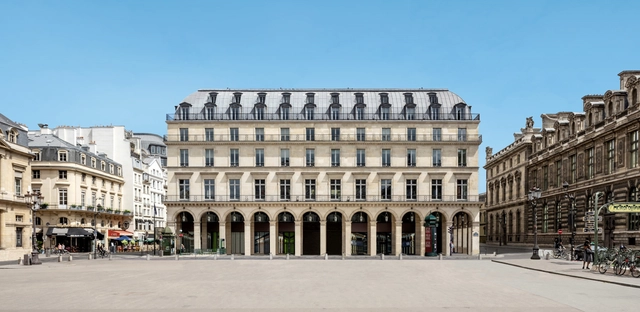
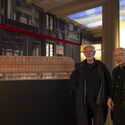
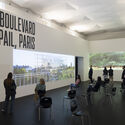
Fondation Cartier pour l'art contemporain announced plans to move into a historic building in Place du Palais-Royal in Paris. Originally built in 1855, the Haussmannian building is reimagined by architect Jean Nouvel and scheduled to open on October 25, 2025. The collaboration between Fondation Cartier and Jean Nouvel dates back to 1994 when the architect designed the "Parisian Monument," a glass and steel building on Boulevard Raspail that serves as the institution's current headquarters.
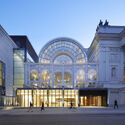
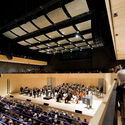
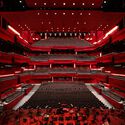
Theaters, concert halls, and opera houses are more than just venues — they are meticulously orchestrated environments where architecture, technology, and human emotion converge. Unlike conventional buildings, these spaces must accommodate a dynamic interplay between acoustics, sightlines, stage mechanics, and audience engagement, all while maintaining an architectural identity that resonates with performers and spectators alike. Whether it is the immersive embrace of a vineyard-style concert hall or the grandeur of a proscenium theater, every design decision shapes how performances are experienced and remembered.