Australian artist, director, and BAFTA-nominated producer Liam Young creates imaginary worlds as a way of thinking through the futures we fear, desire, and are already making. As a creator and designer of atmospheres, he proposes speculative landscapes reflecting the possibilities of a world to come, whether ideal or truthfully unsettling. In his worldbuilding practice across the film, television, and video game industries, fiction becomes a tool for navigating the environmental urgencies of the present. He is considered a "futurist" working across design strategies, technological scenarios, and collective imaginations, grounded in his academic research yet reaching a wider audience in exhibitions such as "In Other Worlds" at the Barbican Centre in London and "Age of Nature" at the Danish Architecture Center in Copenhagen. In February 2026, he was interviewed by Marc-Christoph Wagner for Louisiana Channel, where he shares his visions of our future: from architecture consolidating as a boutique industry to the need for a new kind of planetary punk at the scale of the climate crisis.
Interviews: The Latest Architecture and News
"My Solutions Are Not Polite:" Liam Young on Architecture in the Age of Polycrisis in Louisiana Channel Interview

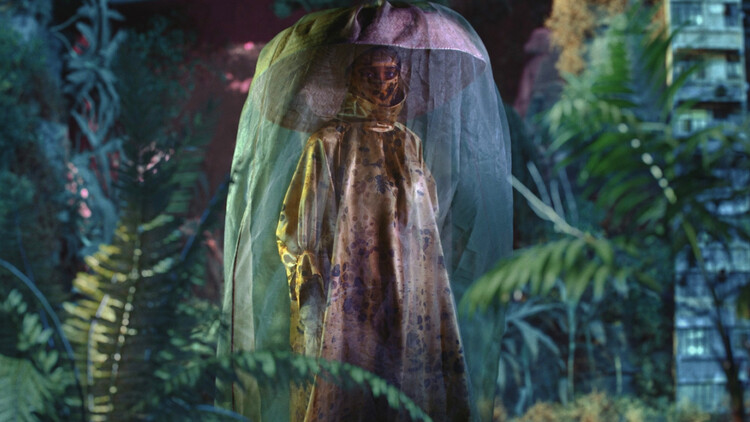
"A Place Remembers What Has Happened:" Tsuyoshi Tane on Memory as a Design Driver in Louisiana Channel Interview
Tsuyoshi Tane is a Japanese architect born in 1979 in Tokyo and based in Paris, where he founded ATTA – Atelier Tsuyoshi Tane Architects in 2006. Working across cultural, institutional, and landscape-related projects, Tane has developed an architectural approach that positions memory as a fundamental design driver. In his interview with Louisiana Channel, filmed in his Paris studio, Tane reflects on architecture as a discipline of observation and thought, arguing that meaningful design emerges from carefully reading the traces embedded within a site. For him, architecture is not produced on a blank slate but begins with an inquiry into what already exists, physically, culturally, and emotionally, beneath the surface of a place.

"An Environment Where People Show Knowledge": In Conversation With David Gianotten of OMA on Salone Contract
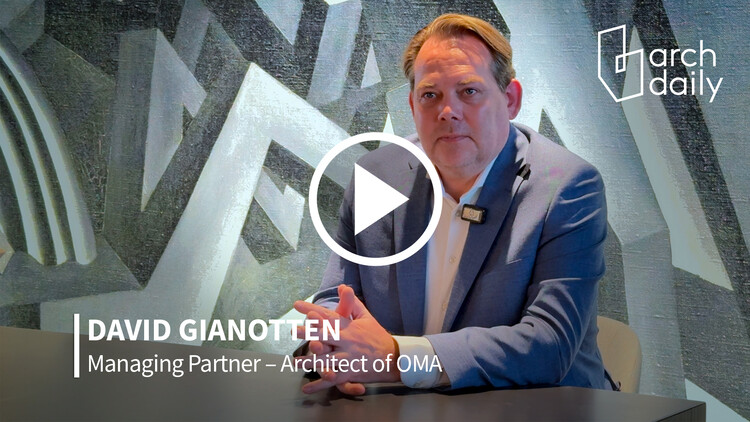
At Salone del Mobile 2026, the 64th edition of the fair unfolded at a moment of transition for the global design industry, where questions of production, collaboration, and long-term performance are reshaping established formats. Held at Rho Fiera Milano and extending across the city during Milan Design Week, this year's edition brought together over 1,900 exhibitors while introducing new curatorial and strategic layers. Among the most significant developments was the first public iteration of "Salone Contract," a long-term initiative developed through a master plan by Rem Koolhaas and David Gianotten of OMA. During the event, ArchDaily's Managing Editor Romullo Baratto and Editor-in-Chief Christele Harrouk met with David Gianotten. In the conversation, Gianotten reflected on how the project responds to broader shifts in design practice, moving from object-based production toward integrated systems and collaborative frameworks.


"Beauty in Itself Is Dangerous:" Xu Tiantian on Moving Beyond Starchitecture in Louisiana Channel Interview
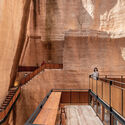
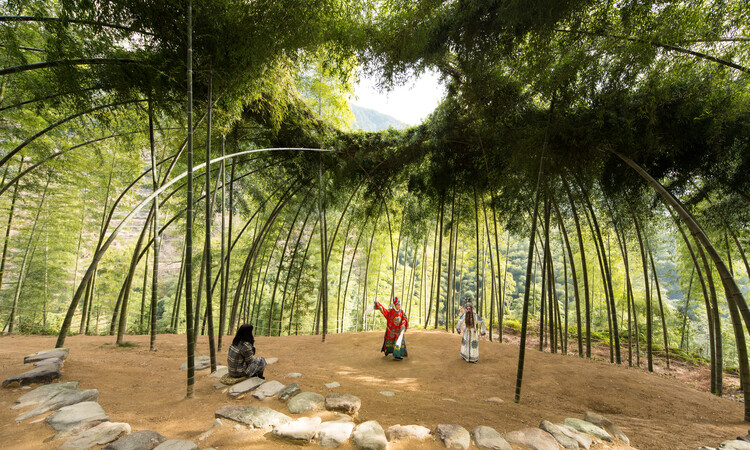
Xu Tiantian is the founding principal of DnA_Design and Architecture, an interdisciplinary practice that addresses both the physical and social dimensions of the contemporary living environment, across scales. Born in 1975 in Fujian, China, she received a Master of Architecture in Urban Design from the Harvard Graduate School of Design and a bachelor's degree in architecture from Tsinghua University in Beijing. Her recent work focuses on rural revitalization through a strategy she describes as "architectural acupuncture," understood as small-scale, site-specific interventions designed to activate local culture, agriculture, and tourism. These interventions, primarily concentrated in China's rural regions, have been recognized by UN-Habitat as a global model for urban–rural integration. In this interview with Louisiana Channel, she reflects on the role of the architect, questions architecture itself and the concept of beauty, explains her working methodology, and emphasizes the spatial dimension of nature.

Fundació Mies van der Rohe Presents “Transnational Narratives,” a Documentary on Six South Asian Women Architects

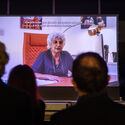
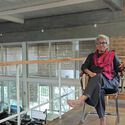
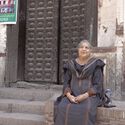
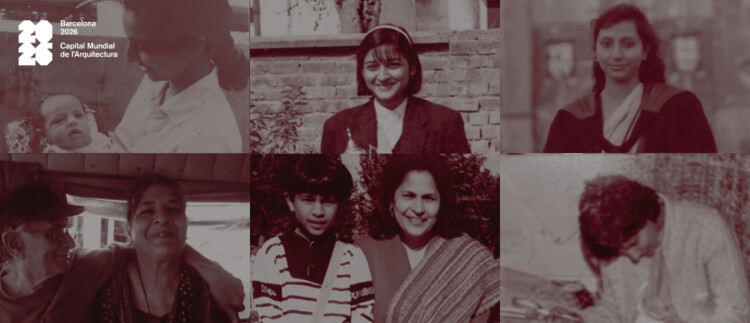
"Gender equity remains an ongoing problem in architecture. Women architects are roughly one-third of the profession or less worldwide." This is the opening statement of the documentary Transnational Narratives: A Documentary Celebrating South Asian Women in Architecture, a result of the 4th Lilly Reich Grant for Equality in Architecture. The grant, an initiative by the Fundació Mies van der Rohe, promotes equal access to opportunities in architectural practice and supports the study and dissemination of contributions to architecture that have been unfairly rendered invisible. Within this context, the documentary, created by Dr. Igea Troiani, Dr. Mamuna Iqbal, artist and researcher Paula Roush, and filmmaker Rime Tsujino, brings visibility to the experiences of six architects of South Asian origin: Sumita Singha, Chitra Vishwanath, Sara Khan, Fauzia Qureshi, Sajida Vandal, and Neelum Naz, whose professional careers span India, Pakistan, and the United Kingdom.

Serpentine Pavilion 2026 and Lina Ghotmeh’s House of Performing Arts: This Week’s Review

Architecture's public role emerges as a central theme across recent announcements, institutional projects, and professional programs. The selection of the 2026 Serpentine Pavilion designer foregrounds architecture as a space for public encounter and material inquiry, while major civic and cultural projects point to renewed investment in institutions that support education, exchange, and urban continuity. Alongside these developments, international award programs and policy-aligned initiatives continue to situate architecture within broader conversations on sustainability, social responsibility, and long-term impact, highlighting how design decisions at both intimate and monumental scales respond to shared environmental and civic challenges.
"Each Constraint Becomes More of an Opportunity": In Conversation With Holcim Award Winner THINK TANK architecture

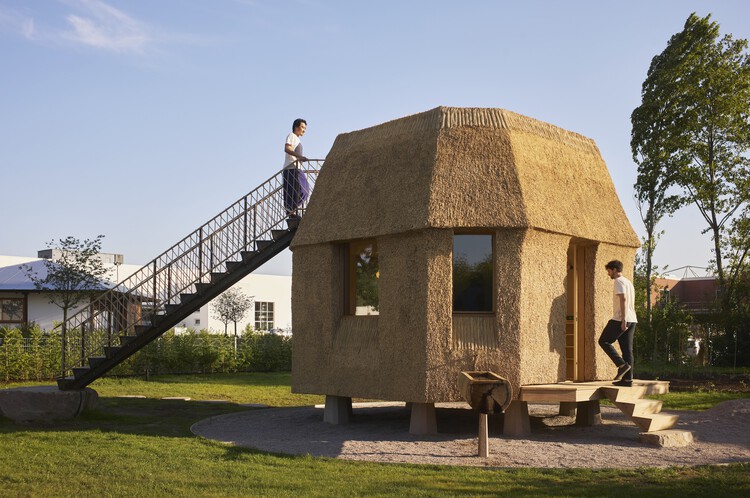
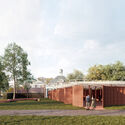
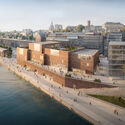
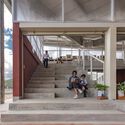
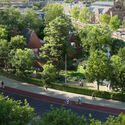
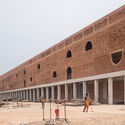
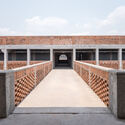
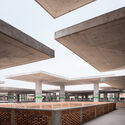
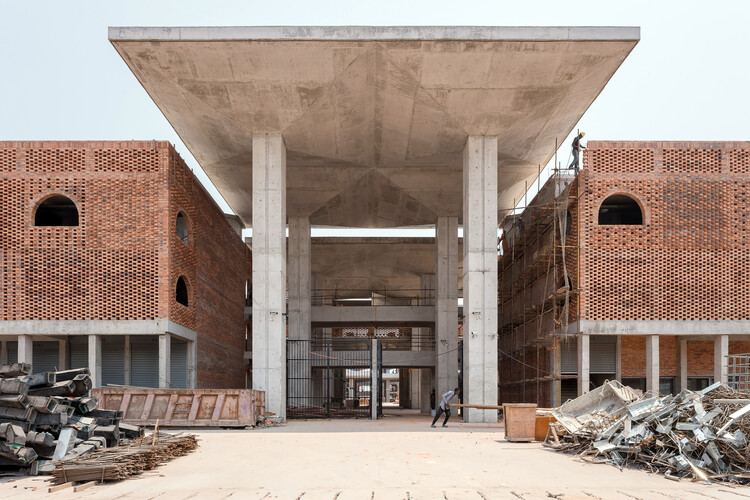
The Zando Central Market redevelopment in Kinshasa, Democratic Republic of the Congo, designed by THINK TANK architecture, has been selected among the 20 winning projects of the 2025 Holcim Foundation Awards in the Middle East and Africa region. Originally designed for 3,500 traders and now accommodating more than 20,000 vendors, the market has long operated under conditions of severe overcrowding and infrastructural strain. The project stands out for its large-scale public ambition, its reliance on locally available materials and skills, and its capacity to accommodate both formal and informal economies within a rapidly transforming urban context.
“Great Architecture Must Be Poetry:” Zhu Pei on Architecture as a Form of Art in Louisiana Channel Interview
Zhu Pei is a Chinese architect born in 1962 in Beijing. He studied at Tsinghua University and UC Berkeley, and founded Studio Zhu Pei in 2005. The studio's experimental work and research focus on contemporary architecture, art, and cultural projects. With an artistic and exploratory approach, it investigates the relationship between the roots that anchor architecture in specific natural and cultural contexts and the innovation that drives architecture as a form of artistic revolution. In his interview with Louisiana Channel, Zhu Pei describes architecture as an artistic discipline that, like poetry, relies on openness, imagination, and the creation of new experiences. He argues that great architecture goes beyond functional problem-solving by generating a sense of wonder through its ability to "invent" and "create some new thing, new experience," positioning architectural practice as cultural and sensory exploration rather than purely technical production.


EU Mies Awards Shortlist and MVRDV’s Fluid Facade in Beijing: This Week’s Review

Spanning multiple geographies and scales, this week's architecture news reflects ongoing discussions around long-term planning, institutional frameworks, and the public role of architecture. National-scale urban initiatives and large civic developments point to how planning and infrastructure are being used to reorganize cities and territorial systems, while parallel attention to stadiums, cultural facilities, and mixed-use projects highlights the expanding civic ambitions of large-scale architecture. Alongside these, interviews and heritage-focused projects foreground participatory practices and the careful reuse of existing structures, highlighting architecture's capacity to operate within complex social and political conditions. Recognition platforms and professional programs further situate these practices within a broader architectural discourse, offering insight into how contemporary work is evaluated and shared across regions.
Rethinking Museums: A Conversation with Béatrice Grenier on Architecture as Cultural Policy

The opening of the new Fondation Cartier pour l'Art Contemporain in Paris last October sparked renewed questions around the role, form, and future of museums. As cultural institutions continue to proliferate worldwide in this digital era, the museum itself appears increasingly in need of redefinition. Rather than offering a single model or solution, Architecture for Culture: Rethinking Museums, written by architectural historian and curator Béatrice Grenier, argues for a more contextual and plural understanding of what a museum can be: an institution shaped by its environment, its public, and the specific cultural questions it seeks to address.
ArchDaily had the opportunity to discuss these ideas with the author against the backdrop of the Fondation Cartier's newly inaugurated home on Rue de Rivoli. Housed within a restored Haussmannian building that once accommodated the Grands Magasins du Louvre, the space has been radically reimagined by Jean Nouvel as a dynamic, transformable architecture.


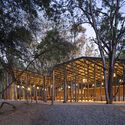
"Learning in Contact With Nature": In Conversation With 2025 Holcim Award Winner Urko Sánchez Architects

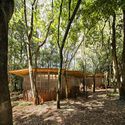
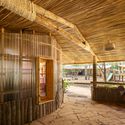
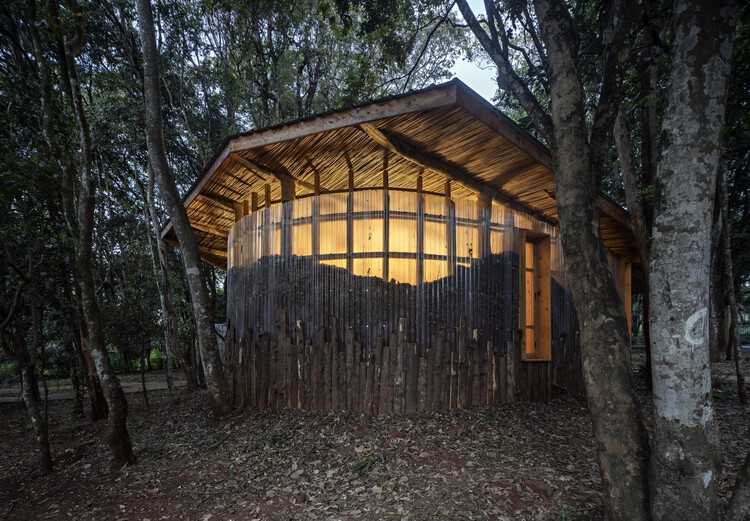
The Waldorf School Nairobi, designed by Urko Sánchez Architects, has been selected among the 20 winning projects of the 2025 Holcim Foundation Awards, which recognize contributions to sustainable design and construction worldwide. Located within a forested site in Nairobi, the project was awarded in the Middle East and Africa region, acknowledging its sensitive response to site conditions, educational needs, and local culture. Developed in close dialogue with its surroundings and community, the school explores low-impact construction methods, the use of locally sourced materials, and participatory design processes.
"Build Something That Disappears": Gabriela Carrillo on Public Space Design in Louisiana Channel Interview
In this interview with Louisiana Channel, Mexican architect Gabriela Carrillo introduces us to the challenges that drive her work, particularly the projects carried out as a member of Colectivo C733, in which she currently participates alongside Carlos Facio, José Amozurrutia, Eric Valdez, and Israel Espin. Through an exploration of her definition of architecture, she offers reflections on the design of public spaces, the relationship between architecture and land art, and the role of the preexisting in the transformation of space. She defends architecture as a "powerful tool" for fostering connections between people and their environment, defining her practice as optimistic.


The Best Interviews of 2025: Architecture’s Year of Reflection, Repair, and Optimism

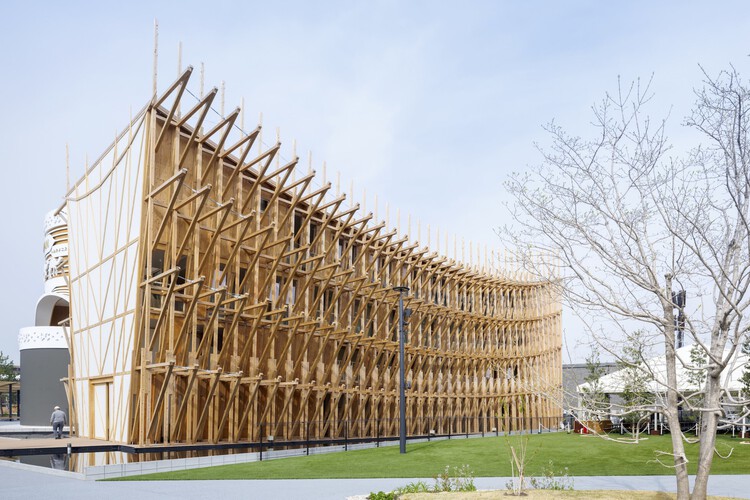
In 2025, the architectural field has been marked by a dense calendar of exhibitions, a measured slowdown in construction across multiple regions, and a period of reflection that scrutinizes the impact of intelligence (artificial and natural)—both on professional practice and workplace culture, as well as its use as a pedagogical tool. Over this calendar year, ArchDaily has published more than 30 interviews in a range of formats—Q&As, in-person conversations, video features, and more. These exchanges have engaged themes of sustainability and nature, housing and urban development, AI and intelligence, adaptive reuse and public life, and have closely followed major exhibition platforms including the Venice Biennale, Expo 2025 Osaka, Milan Design Week, Concéntrico, and others.

The Year in Review: ArchDaily’s December Editorial Focus

From the pavilions of Osaka and Venice, to the roundtables of Belém, another year comes to a close. December invites us to pause and look back at the moments that defined architecture and cities in 2025. Reflection is not only an act of memory, but of foresight — a way to understand where we've been in order to imagine where we might go next. From shifting cultural narratives to material and technological breakthroughs, this past year underscored the importance of experimentation and adaptation across the built environment.
This month, ArchDaily explores the Year in Review, gathering the year's most compelling stories, ideas, and voices. The coverage revisits the projects, interviews, and essays that shaped the conversation, while recognizing the architects and thinkers who left a lasting impact on the discipline. It also looks ahead, identifying the most anticipated projects and issues of 2026, and the emerging directions they suggest.
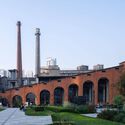
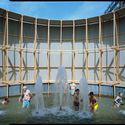
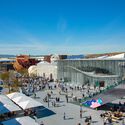
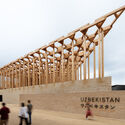
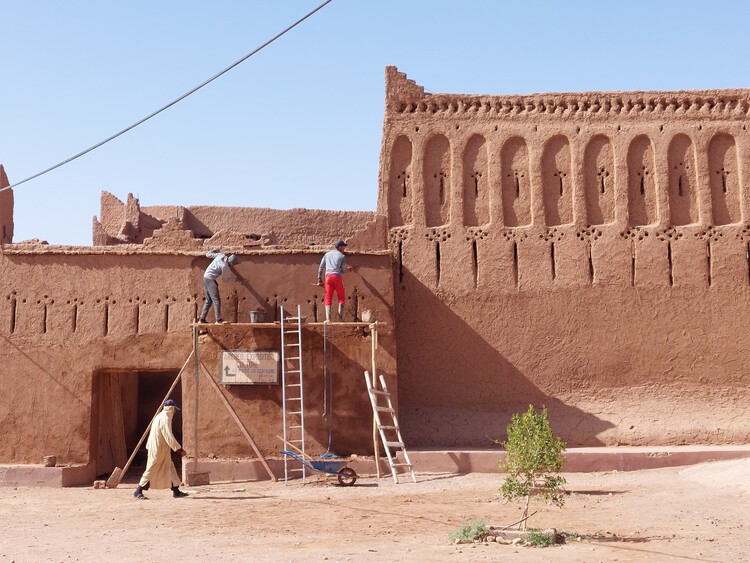
ArchDaily Interviews From the 2025 Venice Architecture Biennale as the Exhibition Enters Its Final Week

As the 19th International Architecture Exhibition enters its final week before closing on November 23, the 2025 Venice Architecture Biennale offers a lens through which to revisit the ideas and experiments that have shaped this year's global architectural conversation. Curated by Carlo Ratti under the theme "Intelligens. Natural. Artificial. Collective.", the Biennale brings together more than 750 participants across national pavilions, collateral events, and city-wide installations. Framed around interconnected forms of intelligence, this edition examines architecture's role in navigating climatic instability, evolving technologies, and emerging forms of collaboration.


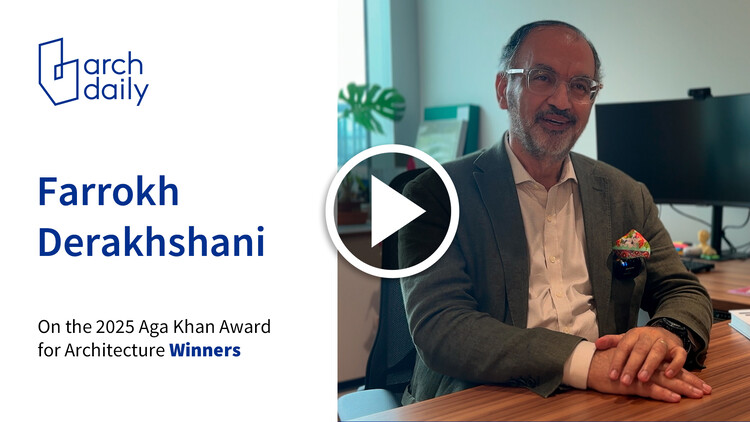
“Our Message This Time Was Optimism”: In Conversation with Farrokh Derakhshani, Director of the Aga Khan Award for Architecture
Today, September 2, the seven winners of the 16th Cycle (2023–2025) of the Aga Khan Award for Architecture were announced, following on-site reviews of the 19 shortlisted projects revealed in June. Established in 1977, the Award seeks to identify and encourage building concepts that respond to the physical, social, and economic needs of communities with a significant Muslim presence, while also addressing their cultural aspirations. To understand the vision behind this cycle's winners, ArchDaily's Editor-in-Chief, Christele Harrouk, spoke with Farrokh Derakhshani, who has been with the award for over four decades. He described the initiative as "a curated message to the world," a message that evolves with the times.

"Can We Think of a Building as a Microclimate?": In Conversation With Bas Smets and Dennis Pohl About the Belgian Pavilion in Venice
The Belgian Pavilion at the Venice Architecture Biennale 2025 presents a prototype that integrates landscape architecture into architectural interiors. Designed by Bas Smets in collaboration with Stefano Mancuso, the exhibition transforms the pavilion into a microclimate modeled after the understory of a subtropical forest, creating an indoor jungle that actively regulates temperature and humidity. The curatorial concept, supported by the Flanders Architecture Institute and its director, Dennis Pohl, promotes landscape thinking as an active design force rather than exterior decoration. In this video interview from Venice, Bas Smets and Dennis Pohl explain to ArchDaily editors how the project positions architecture as a platform for climate resilience and proposes a shift in design paradigms, from static images to evolving, living processes.


“Even If You Want to Be a Gardener, Study Architecture”: Archigram Co-Founder Sir Peter Cook on Boldness, Creativity, and Architectural Education
Sir Peter Cook is an English architect, professor, and writer, and a founding member of the neo-futuristic design group Archigram, alongside Warren Chalk, Ron Herron, David Greene, and Michael Webb. Beyond the group's radical urban concepts and visionary imagery, he co-founded CRAB Studio (Cook Robotham Architectural Bureau) with David Robotham in 2006, where they have developed built, conceptual, and speculative projects. He recently designed the Play Pavilion, located next to Serpentine South in Kensington Gardens, which opened on World Play Day, June 11, 2025. He is also known for the BIX Light and Media Façade at MoMA and for his series of drawings and collages that explore spaces, building elements, and organic landscapes.
Returning for his second interview with ArchDaily, Sir Peter Cook sat with Editor in Chief, Christele Harrouk, at the World Architecture Festival 2025. While the first conversation focused on his advice for young architects, this one followed his presentation during WAF on the forthcoming book, Archigram Ten, an editorial project reviving the spirit of the original magazine with founding members and contemporary designers. Building on those themes, he reflects on artificial intelligence, the impact of COVID-19 on his own practice, and current architectural pedagogies.