Although the use of arches in architecture dates back to the 2nd millennium B.C., it was the Romans who solidified them as both an engineering element and a symbol of military victories, which we now see excessively as memorial arches. Shortly after, different civilizations and cultures adopted the arch for their own purposes, bridging together structural necessity and aesthetics. In this article, we look at how arches evolved from significant structural elements to captivating decorative details.
Foodscapes: Spain's Pavilion for the Venice Architecture Biennale 2023, curated by Manuel Ocaña and Eduardo Castillo-Vinuesa, explores the Spanish agro-architectural context to address global issues. It analyzes the past and present of food systems and the architectures that construct them, in order to look towards the future and question other possible models that are capable of feeding the world without devouring the planet.
https://www.archdaily.com/1003304/foodscapes-a-journey-into-the-architectures-that-feed-the-worldArchDaily Team
The 18th International Architecture Exhibition of the Venice Biennale, inaugurated on May 20th, is truly embodying its theme: "The laboratory of the future". Presented by the main curator Lesley Lokko, it invited "architects and professionals from an expanded field of creative disciplines to draw examples from their contemporary practices that would pave a path for the audience to move forward, imagining for themselves what the future may hold."
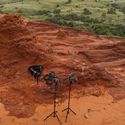
The Chilean pavilion, curated by Gonzalo Carrasco, and Alejandro Beals, as well as Loreto Lyon (Beals Lyon Arquitectos), was centered on "Moving Ecologies." The exhibition presented the current challenges regarding ecological repair and restoration, focusing on the study of soil recovery processes using endemic seeds.
https://www.archdaily.com/1003230/moving-ecologies-the-future-will-not-only-be-built-but-also-sown-and-plantedArchDaily Team
Courtesy of Aranya Theater Festival, MAD Architects Qi Ziying
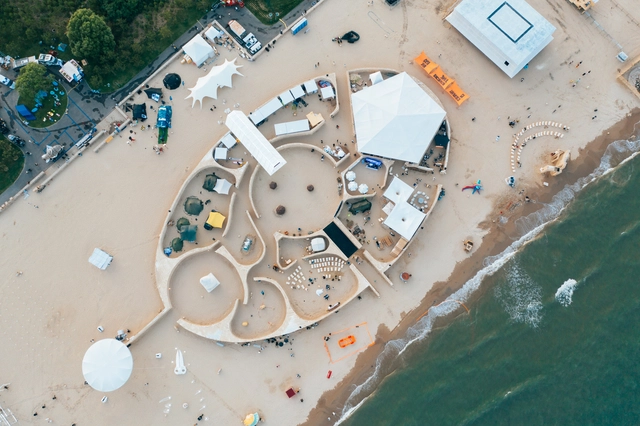
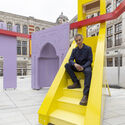
Ma Yansong revealed The City of Time, a performance space and the location of a 300-hour artist residency created for the Aranya Theater Festival in China. Following the metaphor of avian migration, the Migratory Birds 300 is an artist residency program that brings together 300 creators from diverse fields and backgrounds. From June 12 to June 25, Ma Yansong’s architectural intervention will host a wide array of artistic expressions, including shows, installations, sculptures, performance art, paintings, and videos, including 131 group works and 194 individual projects.
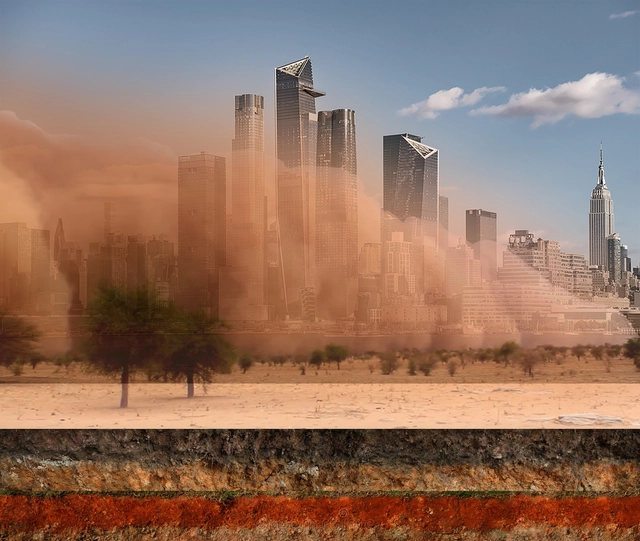
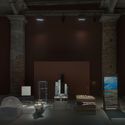
The Office for Political Innovation, led by Andrés Jaque, collaborated with a network of activists and community representatives from Xholobeni (South Africa), experts in seismographs and transduction from Poland, researchers, sound editors, and prop makers to bring a research-based installation at the Arsenale of the 18th Venice Architecture Biennale. Titled ‘XHOLOBENI YARDS. Titanium and the Planetary Making of SHININESS / DUSTINESS,’ the intervention addresses architecture’s problematic fascination with shininess.
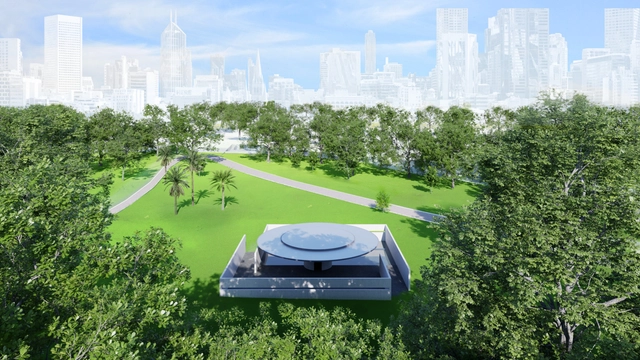
The Naomi Milgrom Foundation has revealed the design of its tenth MPavilion, designed by Pritzker Prize-winner Tadao Ando, set to open during Australian summer, on November 16, 2023. Reflecting the architect’s architectural approach, the design unveiled the “use of striking geometric interventions in nature and […] concrete.” Once ready, the intervention will become the architect’s first commission in Australia. Created as a new gathering place situated within Melbourne's cultural and botanical garden precinct, MPavilion 10 responds directly to the park's surroundings by emphasizing spatial purity and utilizing the geometric shapes of circles and squares.
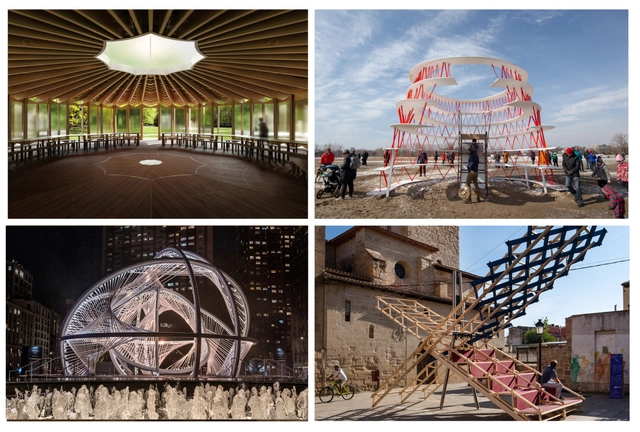
The ninth edition of Concéntrico, the international festival of architecture and design in Logroño, was inaugurated on April 27th to once again promote dialogue between the city, heritage, and contemporary architecture. Until May 2nd, citizens will have the opportunity to rediscover their urban environment alongside the work of more than 60 professionals from 15 different nationalities who have proposed an extensive program with 21 interventions, meetings, and activities.
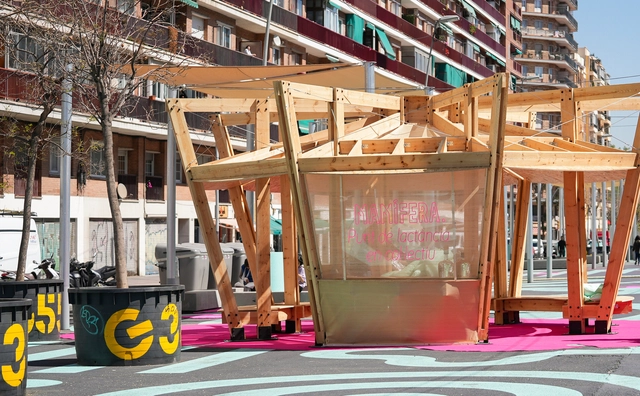
From April 20 to 30, the second edition of the Model: Festival d'Arquitectures de Barcelona took place, debuting a new theme, Radical Empathy, and a new location, the surroundings of the new Parque de las Glorias. This year, managed by the Fundació Mies van der Rohe, the event turned the city into a laboratory of experimentation and dissemination of architectural and urban thought, providing an opportunity to rethink new models and new imaginations of the city.
During the 10 days of the festival, 5 temporary installations were presented as a tool to build a more sustainable, fraternal, and fair city. Among the proposals, we could find a breastfeeding area designed by Equal Saree, the roof of a parking lot transformed into a mushroom structure by Harrison Atelier, and a surface that provides information about the benefits and disadvantages of the city's air created by Daryan Knoblauch, among others. At the same time, a series of 4 digital architectures and augmented realities were added, incorporating new experiences and technologies.
Health Through Water / GROHE SPA. Image Courtesy of GROHE SPA
Milan Design Week represents one of the biggest annual design events in the world, bringing together Salone del Mobile.Milan, the largest furniture and design trade fair worldwide, and Furiosalone, along with many other exhibitions, product launches, conferences, and design-related events. This year’s edition, held between April 17th, 2023 and April 21st, 2023, brought together architects, designers, manufacturers and enthusiasts, both Italian and international. Many architectural offices contributed by collaborating with various brands to develop architect-designed products and to create architectural installations to highlight not only furniture and object design but also the larger context of Milanese architecture and culture.
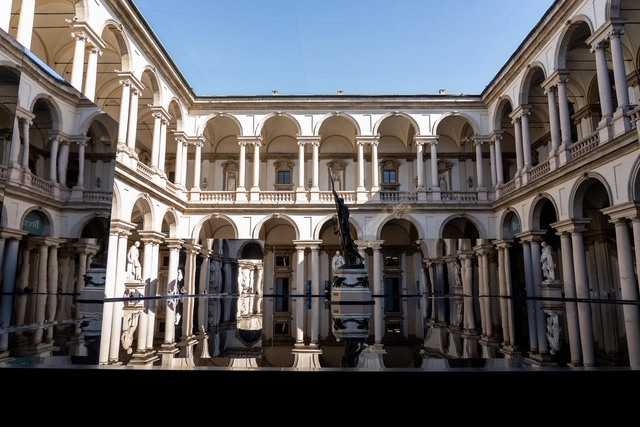
Featuring designs from internationally recognized architecture offices such as OMA, MAD Architects, Stefano Boeri Interiors and CRA-Carlo Ratti Associati, the following selection showcases temporary interventions in both historical and contemporary contexts. The designs present several recurring themes, such as the interest and fascination with the properties of water, be it contained within man-made structures or in its natural state. Many of the participating companies chose to showcase not only their products but also the historical architecture of Milan, by using buildings such as Pinacoteca di Brera, Casa Maveri, or the deconsecrated church of San Vittore e 40 Martiri as a backdrop for their installations.
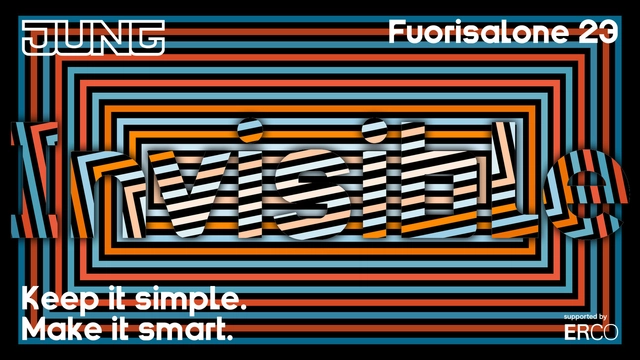
Designing building control systems for smart, flexible, and sustainable spaces is becoming more complex due to the changing contemporary home requirements. Pushing towards smart homes, electrical engineering has generated numerous advances that have improved performance while enriching aesthetics and lowering environmental impacts. In line with these global trends, JUNG’s systems for modern building technology are continuously delving into new possibilities in all areas of modern electrical installation, such as switching and control. Showcasing smart sustainability, the temporary installation INVISIBLE is a space where electrical engineering explores the hidden advantages of connections.
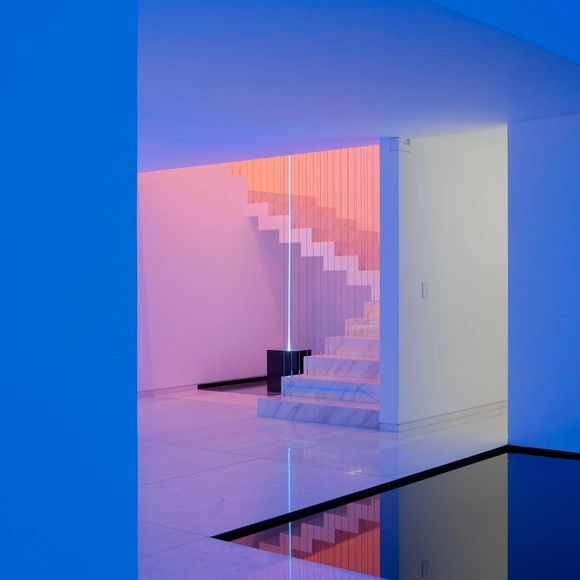
Light is part of various disciplines, shaping the world as we know it. In physics, it serves as a measure of speed and makes vision, and the recording of images by the eye and camera lens possible. Throughout art history, the representation of light - or its absence - has guided secular movements in various manifestations with equally different techniques and supports. This means that light - and its derivative shadow - can create environments, atmospheres and sensations, which can be perceived in objects and spaces. Light is also a part of architecture.
Ramadan Pavilion. Image Courtesy of Victoria & Albert Museum
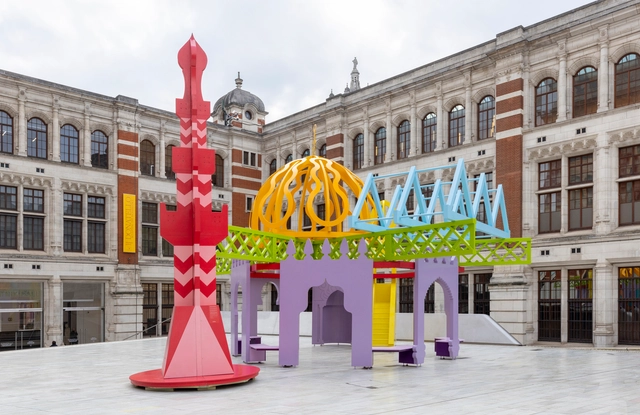
Ramadan Tent Project and V&A present the Ramadan Pavilion 2023, an architectural installation inspired by the holy month of Ramadan, which starts today. The Ramadan Pavilion 2023 is designed by architect Shahed Saleem and will be open to the public at the Exhibition Road Courtyard of the V&A South Kensington until May 1, 2023. As part of the annual festival, the pavilion is accompanied by a series of events, performances, and workshops curated by the Ramadan Tent Project.
After two weeks of voting in our 14th edition of the Building of the Year Awards, our readers have narrowed down over 4,500 projects to just 75 finalists across 15 categories, casting over 100,000 votes. This year's awards celebrate the very best in design, innovation, and sustainability from around the globe, with the shortlist featuring an exceptional range of projects, from a house in a favela to cutting-edge cultural centers and innovative public spaces that are sure to impress. As a crowdsourced award, we are proud to say that your selections are a true reflection of the state of architecture, and this year's finalists are no exception.
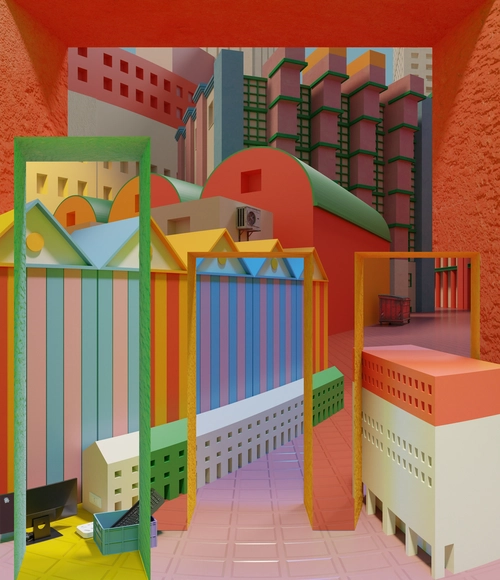
Through the “Search History” exhibition at MAXXI Museum in Rome, Lara Lesmes and Fredrik Hellberg, directors of the architecture and art studio Space Popular, set out to explore the work of Also Rossi and to translate his notions of “urban fact” and “analogous city” to the virtual realm. The installation is a reflection on the proliferation of metaverse platforms and the concept of virtual urbanism. The exhibition is part of the fifth edition of Studio Visit, a partnership between Alcantara and the MAXXI Museo nazionale delle arti del XXI secolo, which challenges designers to put forward a personal reinterpretation of the works of the masters in the MAXXI Architecture Collections.
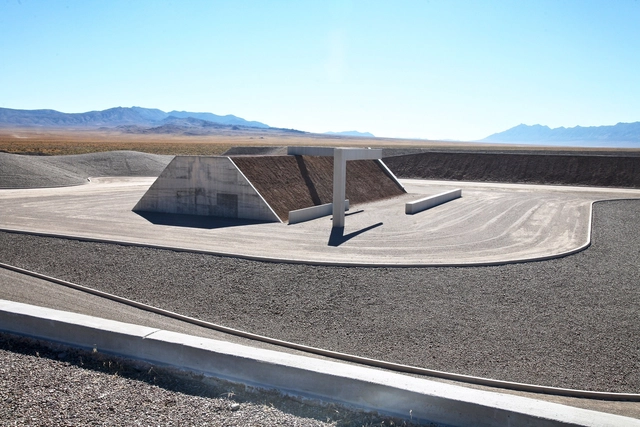
Artists are frequently inspired by land — be it painter Robert S. Duncanson’s renditions of American landscapes, or William Kentridge’s subversions of colonial-era British paintings depicting African vistas. Some artists, though, have preferred to work directly with the land, creating structures that sit on landscapes, or carving into the land itself. This art style — formally termed as Land Art — gained prominence in 1960s and 70s United States, in the context of the rise of the environmental movement amidst civil rights and antiwar protests, and as artists looked to separate themselves from the art market.
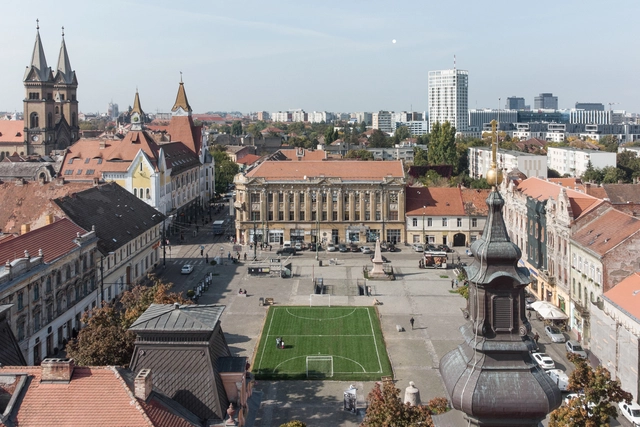
“Another Breach in the Wall’ was the chosen theme for the main exhibition presented at Beta 2022, the Timișoara Architecture Biennial, which ran from 23 September to 23 October 2022. Curated by Daniel Tudor Munteanu and Davide Tommaso Ferrando, it aimed to explore the concept of loopholes, a term referring both to inadequacies in a set of regulations and an arrow slit in a defensive wall. The exhibition aimed to inspire action an empower citizens to appropriate the urban fabric by exposing submissive urban strategies. The projects and actions presented were selected based on their potential to create novel urban spaces by questioning the laws that regulate the use of public space.
Staged stories on community and identity, ephemeral architecture showed that in 2022 it doesn't have to be permanent to be powerful. A direct and popped-up public installation can shift from preparation to action, reclaiming and defining what makes a community unique. Highlighting installations to acknowledge linguistic diversity in NYC, a giant table to celebrate culinary in Barcelona, and a large-scale net in Dubai to represent the local culture, among others, these initiatives seek to understand ways in which local and regional expressions can help cities to be more equal and diverse.
Globalization has connected the world boundaryless. While it has also made information more accessible, it has led to homogeneity and identity crisis at melding unique societies and cultural expressions. Cultural differences are undeniable as globalization grows. Hence, as architecture produces common living standards, it can also highlight singularities. Festivals, installations, and pavilions, 2022 was the year to express local memories to be recognized and celebrated, setting Community and identity as central topics in ephemeral architecture throughout the year.