Theaters, concert halls, and opera houses are more than just venues — they are meticulously orchestrated environments where architecture, technology, and human emotion converge. Unlike conventional buildings, these spaces must accommodate a dynamic interplay between acoustics, sightlines, stage mechanics, and audience engagement, all while maintaining an architectural identity that resonates with performers and spectators alike. Whether it is the immersive embrace of a vineyard-style concert hall or the grandeur of a proscenium theater, every design decision shapes how performances are experienced and remembered.
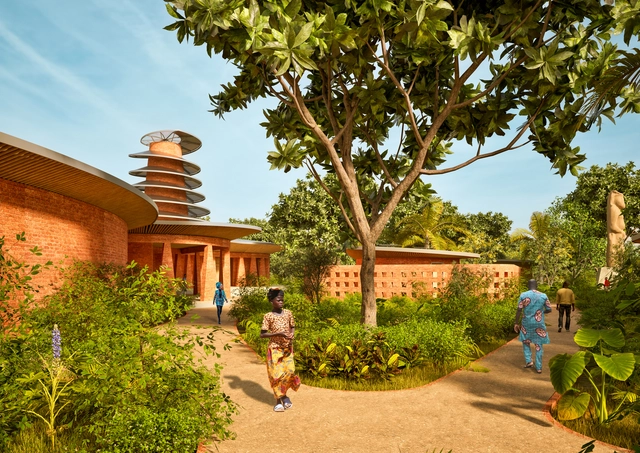
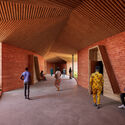
Kéré Architecture has revealed the design of a masterplan and series of buildings dedicated to the cultural and spiritual heritage of the Ewé people in the town of Notsé, in Togo. Commissioned by the Kothor Foundation, the center incorporates a sanctuary, several temples, a large-scale open-air amphitheater, as well as cultural functions such as exhibition halls, an auditorium, restaurants, and a reconstruction of the ancient royal palace of the Ewé Kingdom. The project, Francis Kéré's first in Togo, started construction in October 2024 and is scheduled for completion in February 2026.
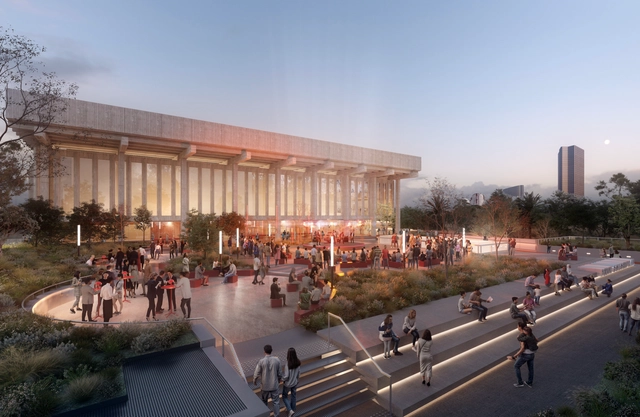
The Western Australian Government has announced the upcoming renovation of the Perth Concert Hall, a 51-year-old heritage-listed venue known for its significant role in the city's cultural landscape. Originally designed by architects Jeffrey Howlett and Don Bailey, the concert hall will undergo extensive upgrades led by OMA's Australian office in collaboration with Perth-based WITH Architecture Studio. The project is set to begin in early 2025, aiming to provide a modern home for the West Australian Symphony Orchestra (WASO) and improve visitor facilities through new public spaces, upgraded amenities, and improved seating.
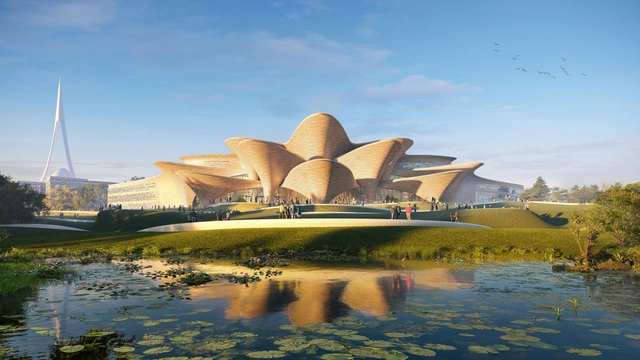
Zaha Hadid Architects (ZHA) has been announced as the architect of the Alisher Navoi International Scientific Research Centre, an expansive cultural and educational facility taking shape in New Tashkent, Uzbekistan. The center is set to incorporate the Navoi State Museum of Literature, along with a 400-seat auditorium and an International Research Center and residential school dedicated to training 200 students in the Uzbek language, literature, and music.
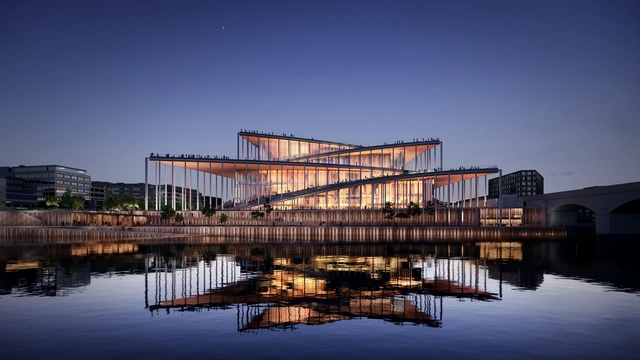
After winning the international competition for the design of the Vltava Philharmonic Hall in May 2022, Danish studio BIG-Bjarke Ingels Group has now developed the design into a detailed architectural study. The project continues the central concept of the competition, that of connecting the riverbank with the venue’s rooftop via a meandering path that expands the public space and invites visitors to engage with the new building. Construction is expected to start in 2027, after completing the project documentation for the building permit and selecting a contractor. The Philharmonic Hall is expected to open in 2032.
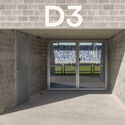
The vomitorium and its purpose is one of historical architecture’s most common misconceptions. It’s said that the vomitorium was a room that neighbored Roman feasts, where guests could socially eject the contents of their stomach before returning to the feast with renewed capacity. Although this theory was not entirely based on fiction – as Romans are known to have indeed taken up habitual regurgitation, possibly as a sign of excess wealth – there’s no reason to believe there was a specific room dedicated to the practice.
The original usage of the term ‘vomitorium’ – taken from the same Latin root ‘vomere’ – in fact refers to a room that allows a large building to disgorge itself of its contents. A vomitorium, therefore, is nothing more than a corridor. Specifically, a wide, arterial corridor leading to or from a high-capacity public space such as a theatre, arena, or stadium, designed with the intention to get as many people in or out of the venue as quickly as possible. A well-designed vomitorium, for example, is essential for efficient emergency evacuation procedures, but even during day-to-day activity, the ability to move large numbers of people quickly helps with a venue’s turnover and creates a more pleasant crowd experience.
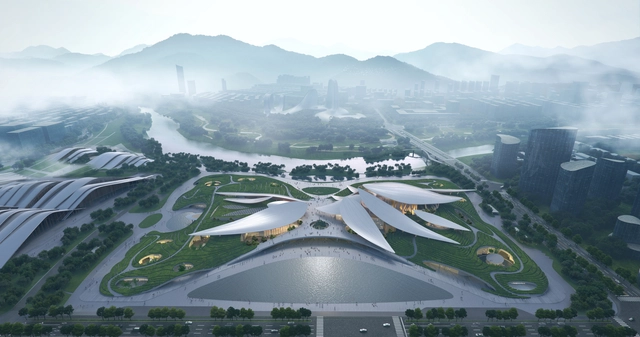
Anji Culture and Art Center . Image Courtesy of MAD Architects
Led by Ma Yansong, MAD Architects has revealed the design of the Anji Culture and Art Center in the Zhejiang Province in southeast China. The new center, covering a site area of about 149,000 square meters, features six event venues: a Grand Theater, a Conference Center, a Leisure Center, a Sports Center, a Youth Activity Center, and an Art Education Center. All functions are spread out beneath bamboo-leaves-inspired roofs, referencing the Anji area, known as the ‘bamboo and white tea’ town of China. Construction of the center has begun and is expected to be completed and in use by 2025.
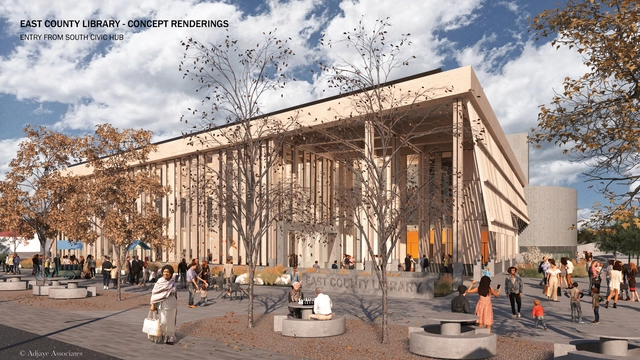
Adjaye Associates, in collaboration with Holst Architecture, the prime architect of record, have unveiled the first renderings for the new East County Library in Portland, Oregon, a new facility that will provide a diverse range of services and programming. The design of the 95,000-square-foot building is informed through extensive community engagement and feedback. Several local organizations aid these efforts by organizing public community events, focus groups, teen outreach, and surveys. As the project is currently in the schematic design phase, the images presented are early drafts, likely to change to reflect the input received.
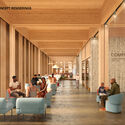
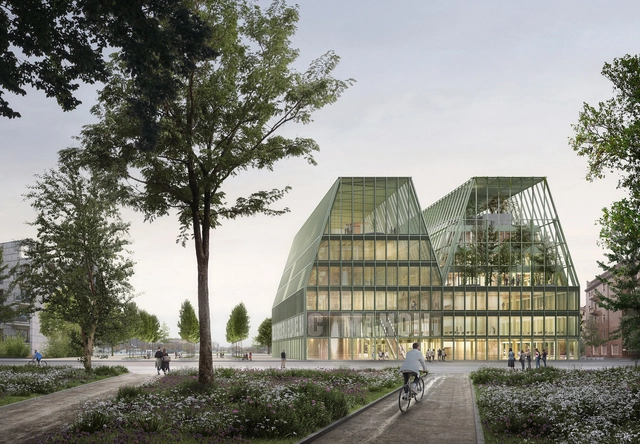
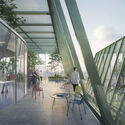
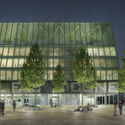
The municipality of Milan has announced the results of the competition to design the new European Library of Information and Culture (BEIC) in Milan, Italy. The winning team is composed of Onsite Studio, baukuh, Yellow Office, SCE Project, Studio Mistretta, Starching, Stain Engineering, Dotdotdot, (ab)Normal, Atmos Lab. The new building, situated in the Porta Vittoria area of Milan, aims to go beyond the traditional functions of a library to become a laboratory for the tools necessary to create contemporary culture.
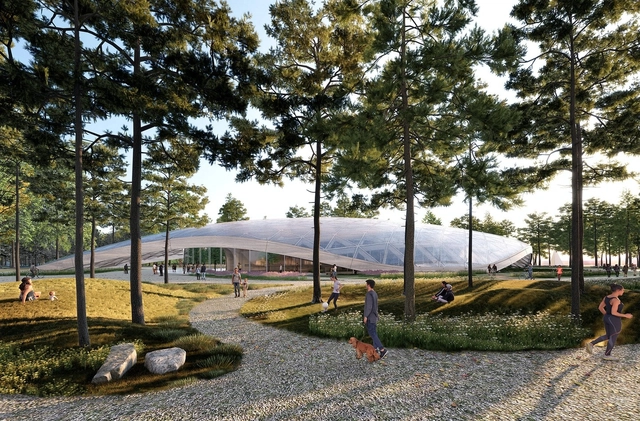
Cavatina Concert Hall by Cavatina. Image Courtesy of Cavatina
The diversity of civic spaces in cities and rural areas have continuously showcased how strongly they explore human connections regardless of program, construction technique, scale, and geography. Ranging from educational facilities and museums, to art centers, libraries, religious halls, and memorials, these projects have enriched urban fabrics with cultural programs that have provided members of the community with places to learn, entertain, create, and unwind.
This week’s curated selection of Best Unbuilt Architecture highlights cultural projects submitted by the ArchDaily community from across the world. From a water management system that targets the natural crises in Egypt to a structurally intertwined memorial in the United States, this round up of unbuilt projects showcases how architects responded to the contextual and spatial needs of their projects through innovative and local solutions. The article also includes projects from Italy, China, Uruguay, Poland, Iran, Hungary, Russia, and the United Kingdom.
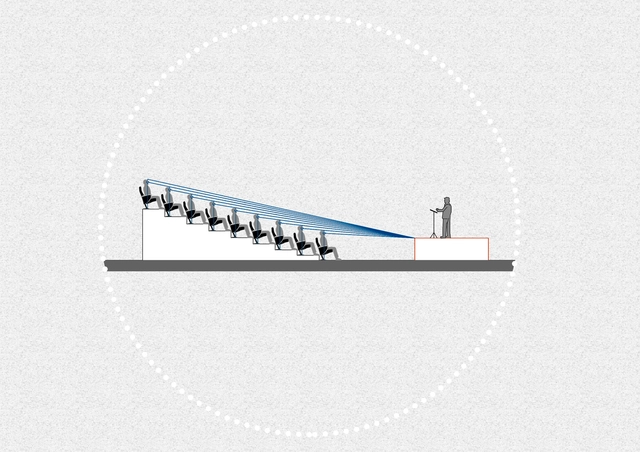
When designing an architectural space, it's necessary to think about how to satisfy the needs of each user, looking to achieve an adequate level of comfort and a pleasant experience. Auditoriums, cinemas, and theatres are spaces that involve large masses of people, so special attention must be paid to factors like isoptics, acoustics or accessibility so that when witnessing an event, everyone is able to receive the same information.

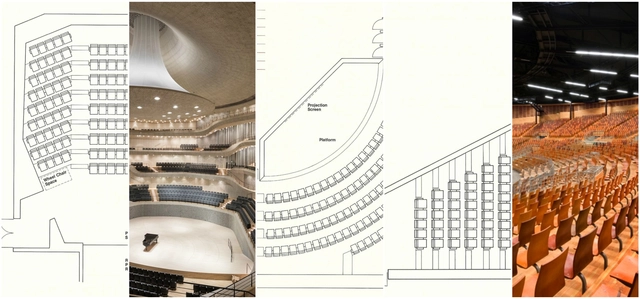
Audience sightlines, accessibility and acoustics all make theater seating a hugely precise art. As part of their set of online resources for architects and designers, the team at Theatre Solutions Inc (TSI) have put together a catalog of 21 examples of theater seating layouts. Each layout is well detailed, with information on the number of seats, the floor seating area and row spacing. These layouts fall under three general forms; to supplement this information, alongside TSI's diagrams we've included the pros and cons of each type, as well as examples of projects which use each format. Read on for more.
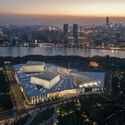
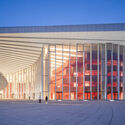
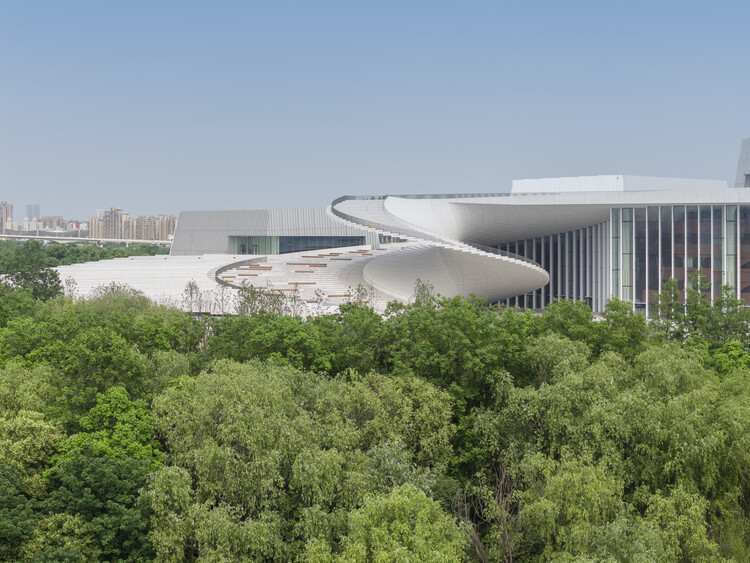
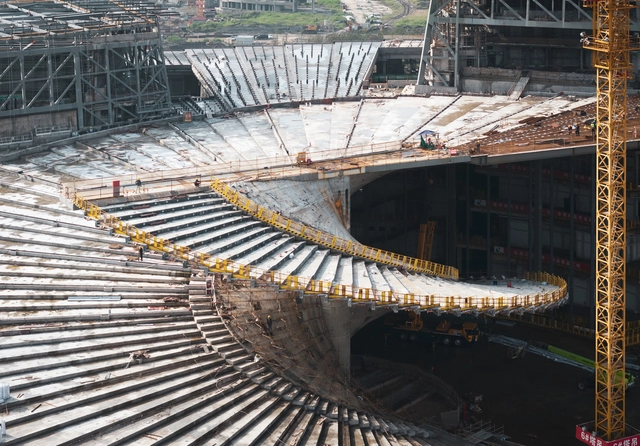
Snøhetta has been commissioned for the design of the Shanghai Grand Opera House in Shanghai, China, following an international design competition. Aiming to attract a broad audience for traditional, classical, and experimental performances, Snøhetta has developed the architectural, landscape, interior, and graphic design for the sweeping complex in collaboration with Shanghai-based architects ECADI.


Zaha Hadid Architects has won an international competition for the design of the new Sverdlovsk Philharmonic Concert Hall in Yekaterinburg, Russia. A melting pot of Eastern and Western cultures, talents, and industries, the strategic Ural city hosts a Philharmonic Orchestra which has performed in more than 20 countries, while based in the existing 1936 Sverdlovsk Philharmonic building.
For the design of the Ural Philharmonic Orchestra’s new home, Zaha Hadid Architects “echoed the physical aspects of sound waves” to create an inspirational venue meeting the orchestra’s growing program, and to create a new public plaza for all citizens.
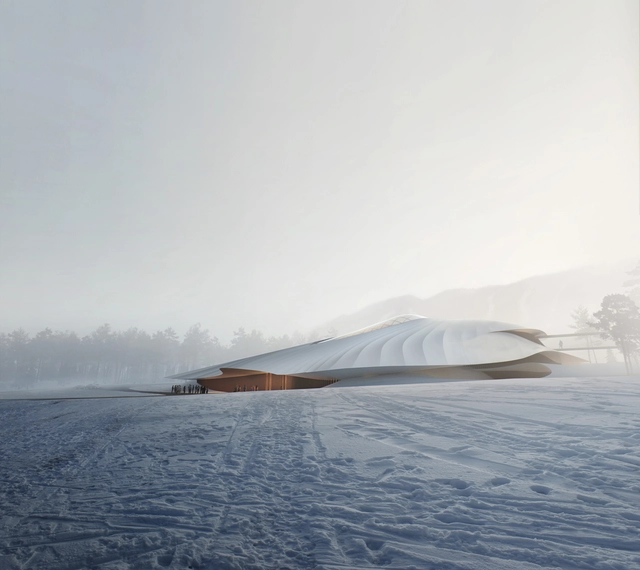
The groundbreaking ceremony has occurred for MAD Architects’ China Entrepreneur Forum Conference Centre, settled in the mountains of Yabuli in Northeastern China. A snow-capped mountainous landscape known for its rugged terrain and freezing temperatures, Yabuli is home to the annual summit of the China Entrepreneur Forum (CEF) considered to be the “Davos of Asia.”
MAD’s scheme, also referred to as the “Yabuli Conference Centre” seeks to embody and showcase the “ambitions, ideologies, and forward critical thinking of CEF members” through a tent-like structure defined by soft, sloping lines.