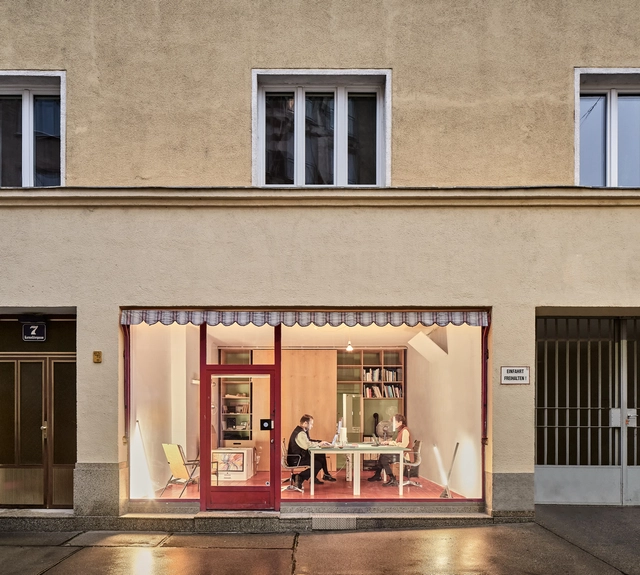
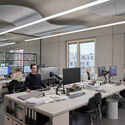
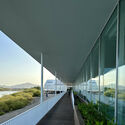
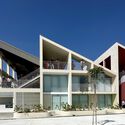
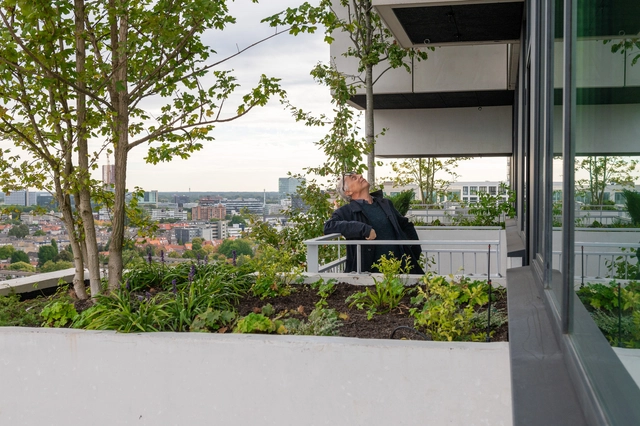
Architectural photographer Marc Goodwin adds one more photo series to his Atlas of Architectural Atmospheres, this time capturing 12 architecture offices in the Austrian capital of Vienna. The series includes the intimate workspaces of AllesWirdGut, Feld72 Architekten, querkraft architekten amongst others.
Goodwin has been working on this project for several years, and the collection holds photographs of work environments of architecture offices in Madrid, Frankfurt, Berlin, Istanbul, Seoul, and many more.
In the late 1960s, Ben Bradlee, the storied executive editor of The Washington Post from 1965 until 1991, confronted making the paper more appealing to younger readers. He ditched Lifestyle as the name of a new, updated section, which he found irksome; instead, he chose Style. As he explained in his memoir: “I liked the word ‘Style’ … I like people with style, with flair, with signature qualities.” After 50 years as Style, and nine years after Bradlee’s death, the section has been renamed Lifestyles. The editorial change notwithstanding, Bradlee used “style” as most non-architects think of it and much in keeping with how Duo Dickinson seems to frame it in a recent Common Edge piece: “Wrestling With Architectural Style in a Post-Style World.” Yet in matters architectural, at least historically, it’s long been another thing altogether.
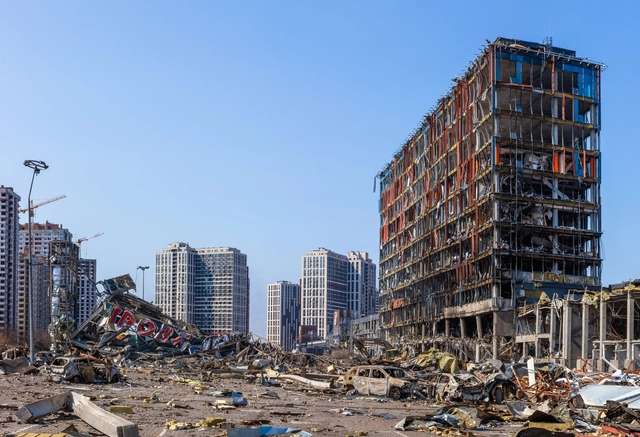
On 24 February 2022, Russia invaded Ukraine, a major escalation of the conflict dating since 2014. Now, a year later, the war is still ongoing. Both soldiers and civilians have fallen victim, while millions of others have become refugees, fleeing to safer areas across Europe or within Ukraine. What was instilled was a severe humanitarian and refugee crisis. The hostilities have also threatened Ukraine’s cultural and architectural heritage, as museums, monuments, and historical landmarks have become targets.
The implications are also reaching Europe and globally, as energy resources and food supplies become scarcer, damaging some economies. Still, Western countries remained unified in their support of Ukraine, as reported by international news outlets. Despite the economic difficulties, international support was mobilized through various initiatives in hopes of helping displaced people, protecting cultural heritage, and mapping a plan for reconstruction.
The United Nations estimates that the world population will reach 10.4 billion by 2100. Already by 2050, 2 out of 3 people will call cities home, coming in search of the opportunities, services and amenities on offer. That puts even more pressure on urban areas given all these people will need access to water, food, public space, good infrastructure and, above all, housing. In fact, estimates suggest more than two billion homes will need to be built by the end of the 21st century to accommodate this population explosion. As cities grow, so does urban sprawl, which brings its own set of environmental and social challenges. In the face of climate change, sustainable urban development must ensure that future housing solutions –new and renovated– are built to support healthy communities, prioritizing both human and environmental well-being. In turn, cities will need to be built denser and faster, but not without meeting a long list of stringent criteria. Only this way can we avoid the negative, often overlooked, effects of uncontrolled hyper densification that give urban development a bad name.
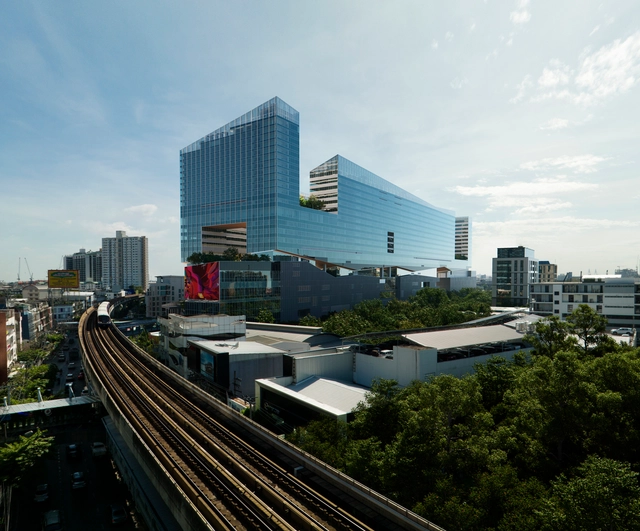
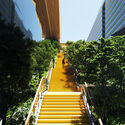
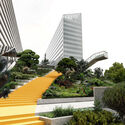
Snøhetta, in collaboration with MQDC, has released the design for Cloud 11, a large-scale mixed-use complex in the South Sukhumvit district in Bangkok, Thailand. The new development addresses the pressing need for urban green spaces in the densely built neighborhood. The project, measuring a total of 250.000 square meters, also aims to help transform the Sukhumvit into a hub for innovation and tech companies in the city while providing the area with a large, green public space and spaces for artists, makers, and tech entrepreneurs. Construction has already started, and the project is expected to be completed by the end of 2024.
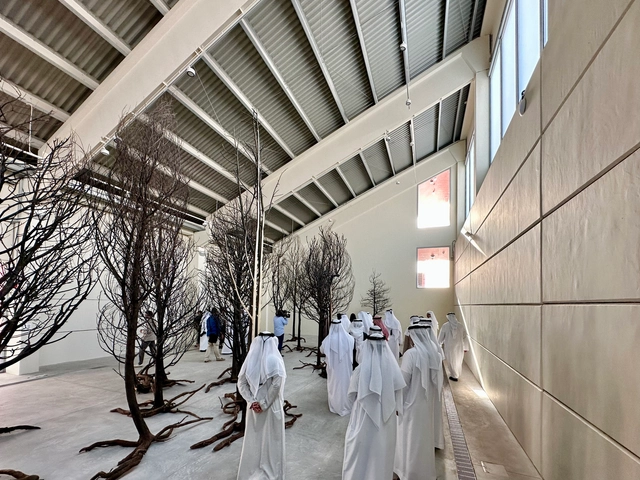
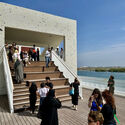
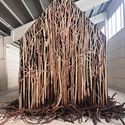
The Kalba Ice Factory, located in the city of Sharjah, on the coast of the UAE, has been renovated by the Sharjah Art Foundation and designed by Peru studio 51-1 Arquitectos, creating a space that seamlessly blends industrial aesthetics with natural surroundings. The transformation of this abandoned fish feed mill and ice storage facility into an art space is a testament to the power of adaptive reuse and preservation. In time for the Sharjah Biennial 15, the Kalba Ice Factory was opened to the public on 8 February 2023 as a venue for the Biennial.
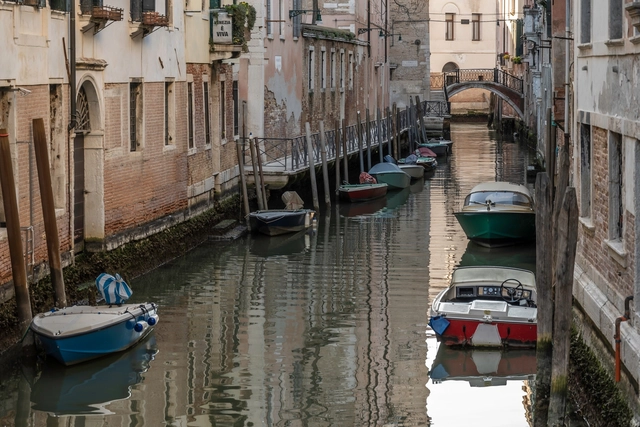
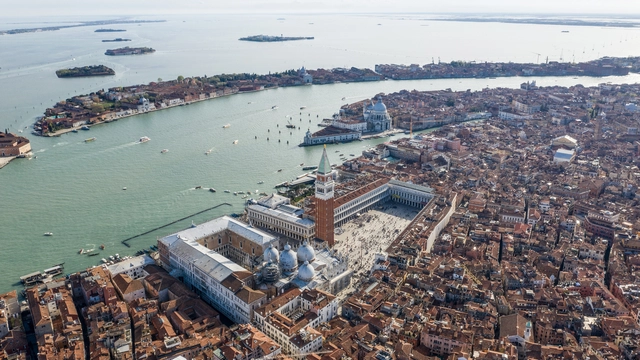
Venice, a city usually concerned with devastating floods, now faces the opposite problem: canals are starting to run dry following weeks of dry winter weather and unusually low tides. A combination of factors is believed to have caused this rare sight: lack of rain, high atmospheric pressure, and the lunar cycle producing low water levels during ebb tide. Since the canals serve as streets in the city, the phenomenon has implications beyond the disappointment of the tourists. Some of Venice’s smaller calas have dried up almost entirely, making it impossible for gondolas, water taxis, and ambulances to reach areas of the city.
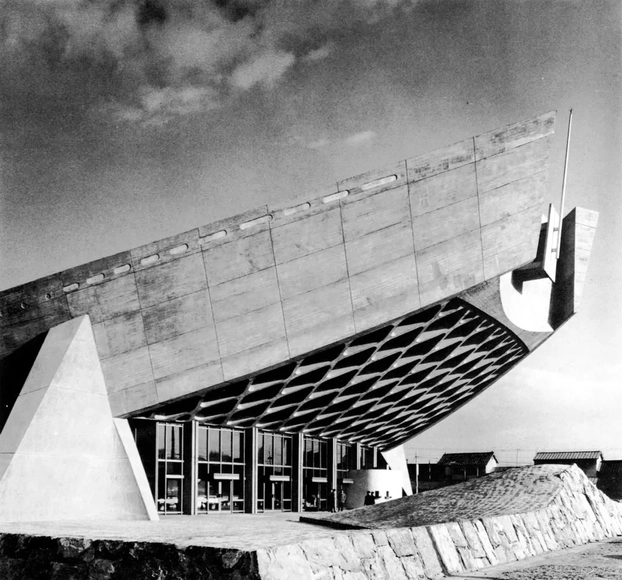
Local governor Toyohito Ikeda of Takamatsu, in Japan, announced that the famous Kagawa Gymnasium will be demolished. Built between 1961 and 1964 by the Pritzker Prize winnerKenzo Tange, the structure is a landmark of the modernist post-war era in Japan. This news has sparked the creation of a petition in an effort to save this 47-year-old monument.
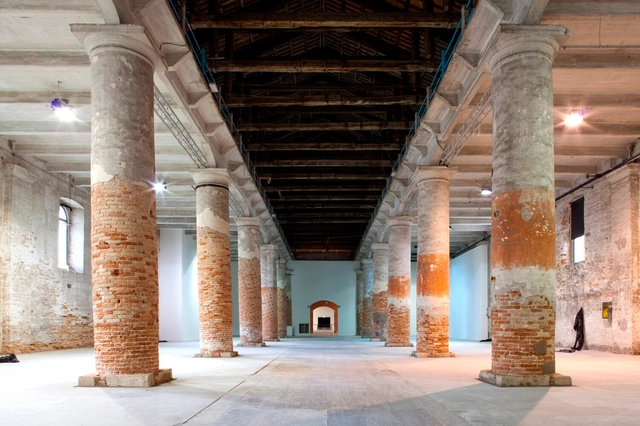
The National Institute of Fine Arts and Literature (Inbal) announced the selected proposal that will represent Mexico at the 18th International Architecture Exhibition of the Venice Biennale 2023. The selection was derived from 44 registered teams and 14 projects submitted. The selected proposal is called "Utopian Infrastructure: The peasant basketball court" and is made up of the following participants:
Captivated by cinematographic references and the narrative space, Ole Scheeren's work stands out by its disruptive solutions to the present social challenges and the cities we live in. With more than 30 years of career in the architecture field, Ole Scheeren has won several awards and one of its most iconic works includes the CCTV Headquarters in Beijing when was director and partner at OMA, before founding Büro Ole Scheeren.
In this interview, documented at the World Architecture Festival 2022, Scheeren discusses the importance of the narrative of a project and the quality architecture has by building the stages where people live: "the fictional anticipation of life".
“Our planet is choking in plastic,” states the United Nations. While the man-made material has many valuable uses, our addiction to single-use plastic products has led to severe economic, health and environmental issues. Roughly one million plastic bottles are purchased every minute, and five trillion plastic bags are used every year worldwide –used just once, then thrown away. Plastics and microplastics have found their way into every corner of our natural environment, from the peaks of the highest mountains to the depths of the deepest oceans. So much so, that they have become part of the Earth’s fossil record and created an entirely new marine microbial habitat known as the “plastisphere.”
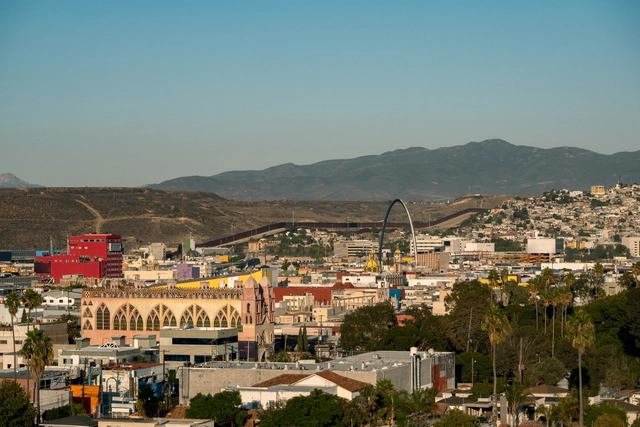
The World Design Capital, a city project dedicated to promoting the design profession around the world, showcases a new capital every two years. The initiative recognizes cities for their constructive use of design to drive social, cultural, and environmental change and improve the overall quality of life. This week, San Diego and Tijuana have been named the World Design Capital of 2024, due to their human-centric design strategies and their cross-border collaboration.Inprevious editions, the World Design Organization had selected Valencia and Mexico City as design capitals of the world.
Stefano Boeri has been awarded the Lifetime Achievement Award at the sixth edition of the Madrid Design Festival. According to the organizers, this recognition pays homage to a “great figure in design”. It acknowledges the significance of his contributions to the disciplines of architecture and urban planning, as well as publishing and academia. The award ceremony, held at the Institución Libre de Enseñanza (ILE), was conferred by the architect Rafael Moneo, who personally handed the award to Stefano Boeri.
Vista aérea de Venecia, Italia. Imagen de Lukas Kastner. Image via Shutterstock
The proposal "EN OPERA. Future Scenarios of a Young Forestry Law" by INST/MAPA + Carlos Casacuberta has been selected to represent Uruguay at the 18th International Architecture Exhibition of the Venice Biennale, to be held from May 20th to November 26th, 2023.
When lockdowns first hit and retailers were forced to shut up shop, many took to the digital high street instead, with those investing hardest and quickest in their online personas invariably winning the battle for our bookmarks. As the world opened again, some kept both their physical and digital presence in a hybrid model, while others chose to remove themselves from bricks and mortar altogether.
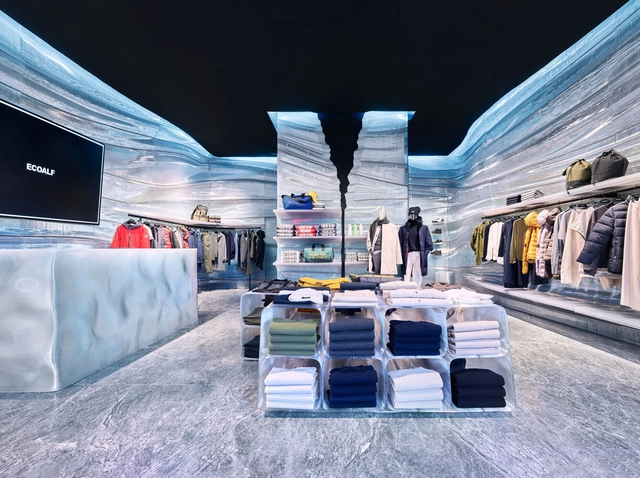
As we become more accustomed to using both models together, it’s clear that physical retail spaces can offer sensorial experiences that the digital simply can not – yet. These four projects buck the online retail trend and encourage consumers – and therefore other retailers, too – to move back into the physical, by turning the act of shopping into an exciting, invigorating, or relaxing luxury pastime, rather than a chore.
Architects’ registration boards in UK and US have reached an agreement that enables architects to benefit from a more straightforward process to get licensed in both countries. The Mutual Recognition Agreement results from a negotiation between the National Council of Architectural Registration Boards (NCARB) in the United States and its United Kingdom counterpart, the Architects Registration Board (ARB). This week, the two organizations announced that the agreement has been signed by both parties. It will become active on April 25, 2023, allowing architects to apply for reciprocal licensure in the US and the UK.
This agreement is the result of over nearly four years of research and negotiation between NCARB and the ARB. In 2018 NCARB initiated a process of evaluating the requirements for registration in the United Kingdom, comparing it to the licensing process in the US. The analysis found a substantial overlap between the standards in both countries. These similarities form the base of the mutual agreement, which will provide a streamlined path for architects seeking reciprocal licensure in the two countries, along with the subsequent professional opportunities that could come with it.
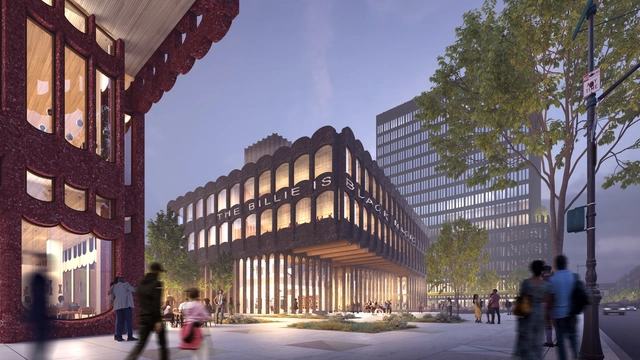
Sir David Adjaye unveils new plans for the new Bedford Stuyvesant Restoration Corporation in Central Brooklyn. This center is the first-ever community development institution in the country, established in 1967. The scheme envisions a space that accelerates wealth creation and closes the racial wealth gap that has affected the United States.