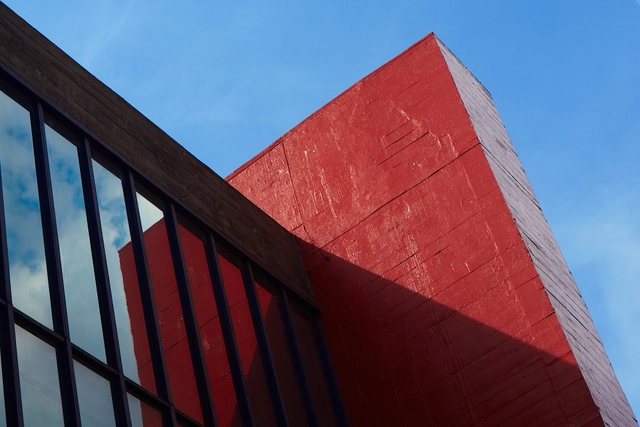
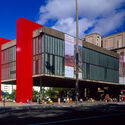
Among the many marks left by architect Lina Bo Bardi in Brazilian architecture is the use of red as a highlight in her works. Whether bringing lightness and vividness to the hardness of São Paulo's concrete at Sesc Pompeia or warming the whiteness of Solar do Unhão in Bahia, red transcended mere visual and aesthetic status to become a distinctive characteristic of the Italo-Brazilian architect, weaving connections between many of her works.
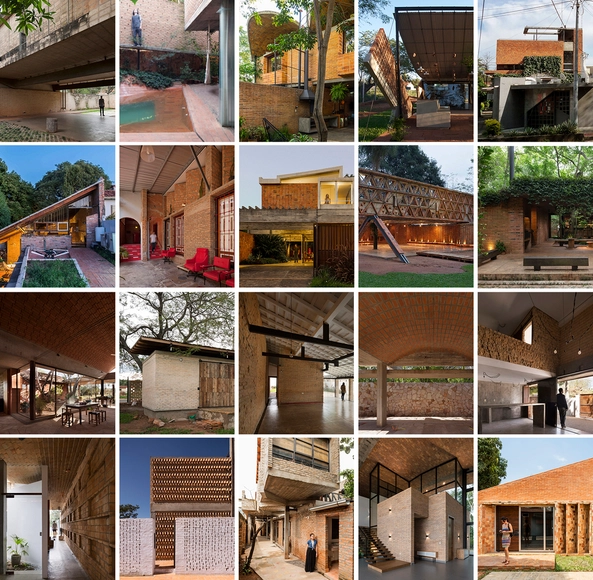
In Paraguay, brick can be many things. Walls, dividers, facades, sieves, vaults, floors, and pavement are just some of the many example that demonstrate, not only the variety of uses for brick, but the ingenuity of the architects who choose to utilize it in their projects.
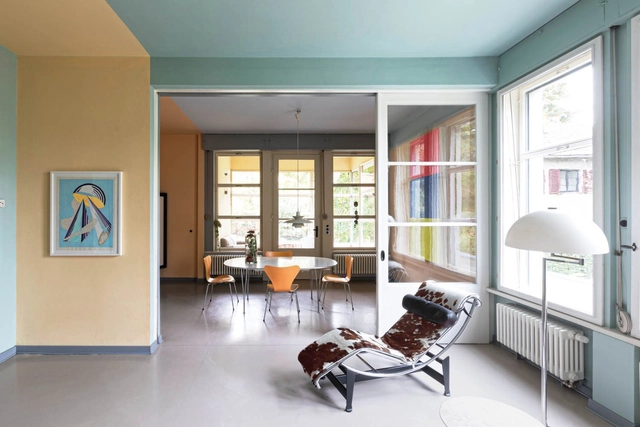
Art has always been a means for people to connect with space, and art movements have served as a platform for exploring new relationships with architecture. By incorporating art into buildings and interior spaces, they have been transformed, resulting in a fusion that creates beautiful, inspiring, and spiritually uplifting environments. Throughout history, various art movements, such as the Renaissance in the 17th century, Baroque in the 18th century, and Art Nouveau, Art Déco, and Bauhaus in the early 20th century, have had a significant impact on architecture. Architects drew inspiration from the ideals, concepts, stylistic approaches, and techniques of these movements, using them to create large-scale habitable structures. As the home is a fundamental expression of an architectural movement and the simplest canvas to exhibit the artistic ethos of any particular era, studying the interior spaces of houses provides a detailed picture of art's influence on spatial organization, furniture design, product patterns, and user interaction.
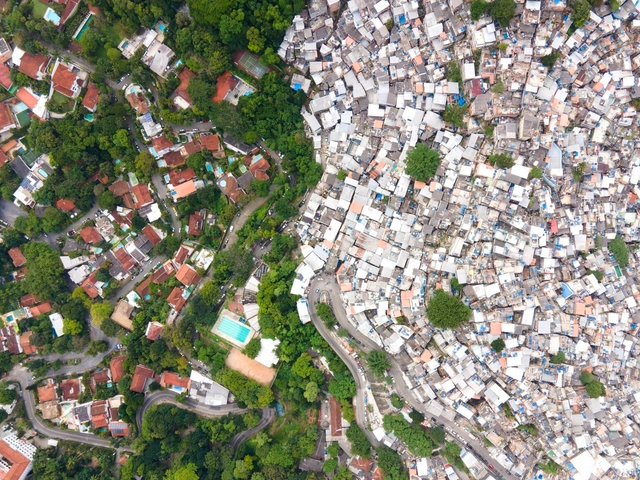
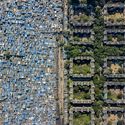
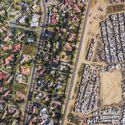
Cities frequently have an unequal presence and distribution of green spaces, and their residents do not use and enjoy them in the same way. Aerial views of various urban areas show that the color green appears to be more prominent and concentrated in economically valuable locations, illustrative of the complicated and multifaceted relationship between vegetation and wealth concentration in urban environments. This relationship, which has been the focus of discussion and contemplation on a global scale, is crucial to understanding how socioeconomic differences materialize geographically and impact urban residents' quality of life.
What we build can be metaphoric—often intentionally, sometimes subliminally. But architecture is seldom the intentional commentary of architects, crafting symbolism; more often it is a direct reflection of its time and the culture that made it.
IKEA’s research and design lab SPACE10 has published The Healthy Home report, the second release in its Future Home report series. The report explores three main themes concerning domestic environments: how our homes protect us from harm, restore our bodies and minds, and enable us to grow through life’s stages. The research aims to evaluate the ways in which homes can positively contribute to and support the rhythms and flows of life. It was developed in collaboration with Morph to develop the visuals supporting the findings.
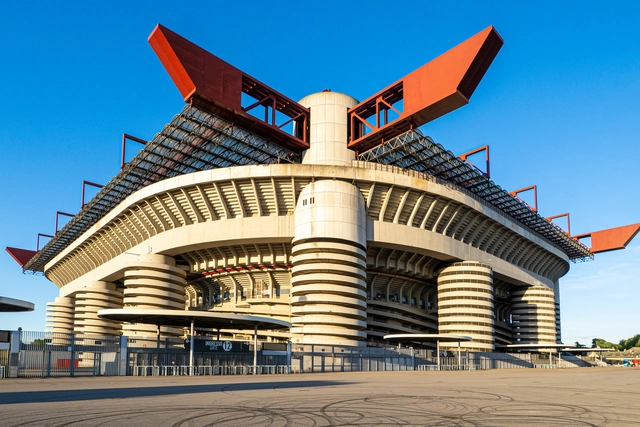
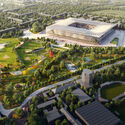
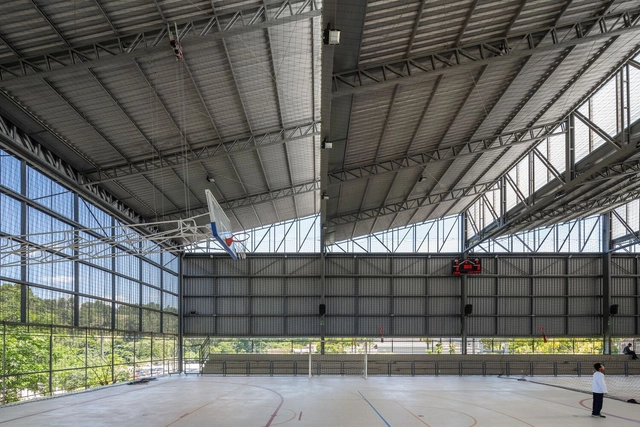
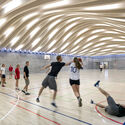
Sports arenas hold significant relevance in society as they serve as vital meeting places for sports and cultural activities. They play a role in enhancing overall well-being, encouraging an active lifestyle, and fostering social inclusion. Within these projects, architects assume the responsibility of designing spaces that seamlessly accommodate athletes and the community. Moreover, architects must actively engage with the surroundings to create a harmonious dialogue and establish a distinct identity for the arena.
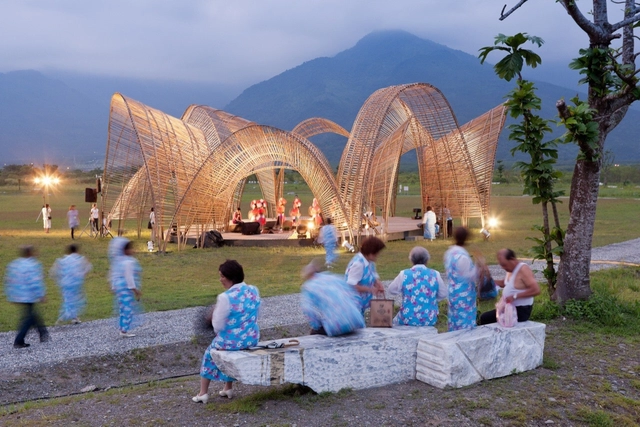
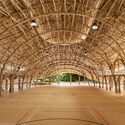
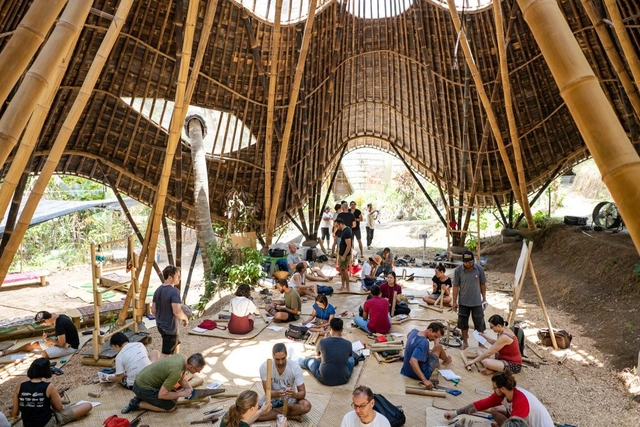
As the world increasingly recognizes the importance of adopting sustainable construction practices, bamboo’s versatility, strength, and renewable qualities are generating significant momentum in the transition toward a circular material economy. From initial idea to completion, this article will provide you with valuable insights to begin your bamboo building project, from the perspective of Bamboo U.
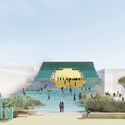
The city of Osaka, Japan, has won the bid to organize the 2025 World Expo, an international event expected to draw in millions of visitors. Set to commence on April 13, 2025, and conclude on October 13, 2025, this marks Japan's second occasion as host, the prior instance being in 1970. Throughout their history, World Expos have been the place where new technologies and products are showcased and popularized, leading to technological advancements and innovative designs. For this event, Osaka has chosen the overarching theme of "Designing Future Society for Our Lives," with three subthemes further developing the concept: Saving Lives, Empowering Lives, and Connecting Lives. Architect Sou Fujimoto was selected as the Expo Site Design Producer, taking on the responsibility of creating the master plan and providing guidance to designers from participating countries.
The Chicago Architecture Biennial has unveiled a phased opening plan for its fifth edition, CAB 5: This is a Rehearsal. The inauguration of CAB 5 will be on September 21, 2023, with installations and programs held all over city sites. This will build up to a citywide opening celebration on November 1st when all exhibitions will be unveiled at the Chicago Cultural Center and the Graham Foundation. CAB 5 is curated by the collective Floating Museum, a group of artists, designers, poets, and educators focused on building connections between art, community, architecture, infrastructure, and public institutions.
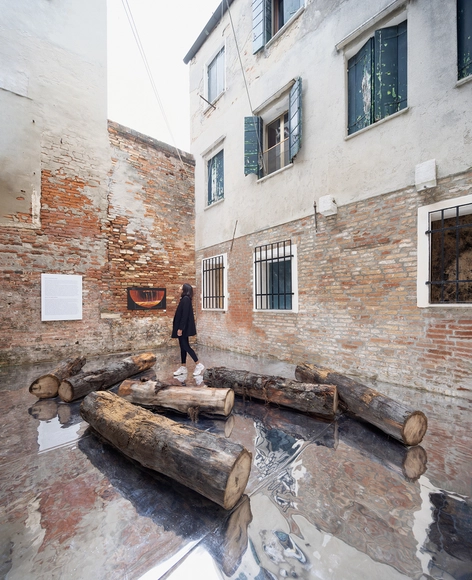
Panama presented its pavilion on "Stories Beneath the Water" at the 18th International Architecture Exhibition – La Biennale di Venezia. Curated by Aimée Lam Tunon, the exhibition explored themes of division and integration, with a focus on three different areas within the former Panama Canal Zone. It is an analysis that addresses issues of division and integration: Divisive architectural structures and systems; erased identities of submerged communities; and Barro Colorado Island, critically examining and questioning the overlaps between notions of protection and control.
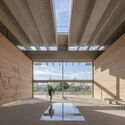
Not nearly as complex an architectural typology as the word suggests, a ‘clerestory’ is a simple – if lexically loose – a portmanteau of ‘clear’ and ‘story’. Denoting a section of the wall that contains windows or cavities above eye level. The word is often assumed to have a religious context. Clerestories historically appeared at the upper levels of Roman churches, Hebrew temples, and early Christian architecture after all. And the earliest references we have to the feature come from religious texts.
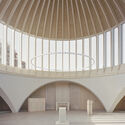
Today, religious structures are often typified by the light their high windows allow to stream in, both figuratively and literally, from a higher source. At the CES Chapel in Taiwan, for example, ‘light diffuses through the glass clerestory and brightens the apse throughout the day,’ explains JJP Architects & Planners, about an interior design concept driven by natural lighting, ‘the chapel is filled with a spiritual aura, with a bright cross projected deep into the space.’
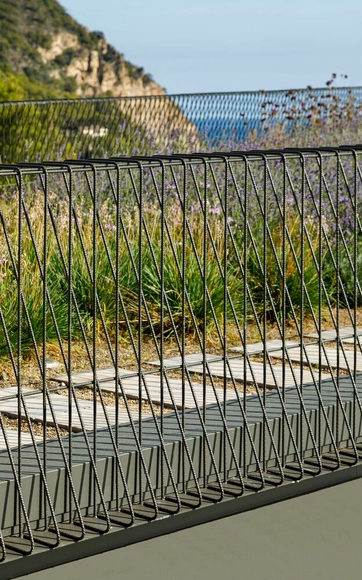
Concrete has enormous resistance to compressive stress, but it is a fragile material in terms of tension, which occurs when forces are applied in opposite directions of a structure, tending to separate the parts. This is why the incorporation of steel into concrete –which provides high levels of strength when stretched– has made so-called reinforced concrete the world's most widely used construction method. In other words, reinforced concrete combines the intrinsic advantages of its two components (concrete and steel reinforcement) to produce an extremely robust, versatile, and practical material. These steel reinforcements, in addition to reinforcing concrete, can also be used in art installations, facades, and even interiors.
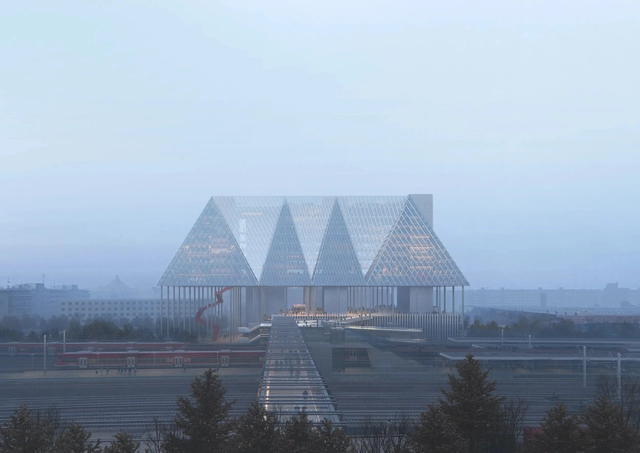
OMA’s competition design for UniCredit’s new Headquarters in Munich, Germany, proposes a plaza lifted off the ground to increase public spaces and urban connectivity and to activate an otherwise overlooked area. The scheme aims to “retroactively attribute character to an area which may never have had one.” The site is located by one of the city’s main arteries, the S-Bahn, a strictly functional area lacking in public spaces or amenities. The building proposed by OMA is lifted off the ground, with its limited footprint allowing for more public space to be integrated while preserving the site’s natural features.