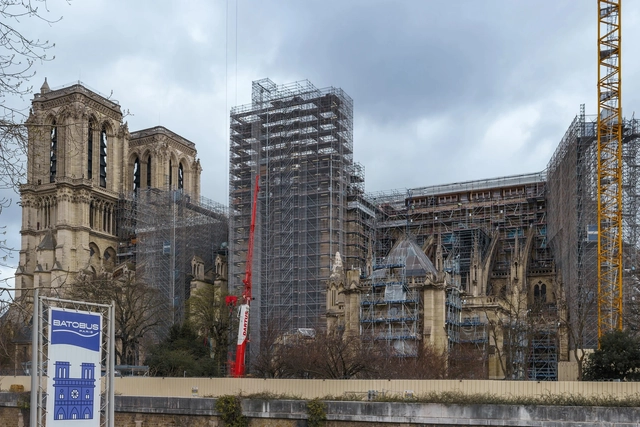
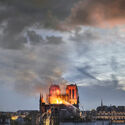
Scaffolding continues to surround the cathedral on March 24, 2023.. Image via Shutterstock | O.Kemppainen
On April 15, 2019, a devastating fire occurred at the infamous Notre Dame Cathedral in Paris, France. The fire caused significant damage to the historic structure, which is a landmark in the city and a symbol of French Gothic architecture. The cathedral has been undergoing restoration works and is on course to reopen to the public in 2024. Throughout the process of restoration, its interior cleaning methodologies were debated, its carpentry was entirely replaced by medieval-skilled timber craftsmen, and the completion date for the cathedral is still on track for December 2024.
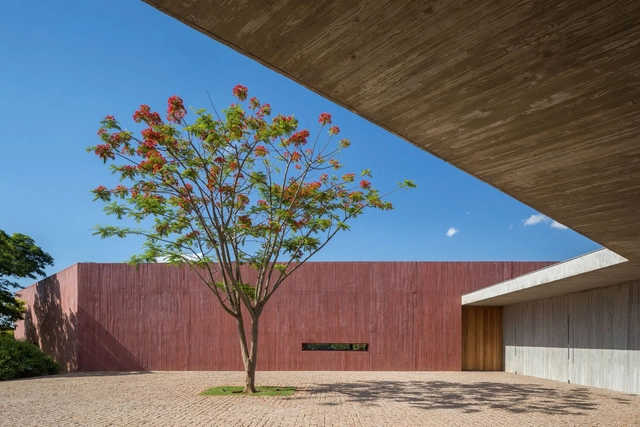
The use of pigmented concrete in Latin American architecture is growing - and influencing contemporary architectural expression. This can be seen in recent built works ranging from the INES Innovation Center designed by Pezo von Ellrichshausen in Chile to the Teotitlán del Valle Community Cultural Center by PRODUCTORA in Mexico.
Iwona Blazwick has been appointed as the Curator of the 18th Istanbul Biennial, organized by the Istanbul Foundation for Culture and Art (iKSV). The Biennial will occur in 2024, from 14 September until 17 November. The Istanbul Biennial is the most comprehensive international exhibition organized in Türkiye and the region, playing an essential role in promoting contemporary artists and artist collectives.
Iwona Blazwich OBE is a curator, writer, and art historian. She held the position of Director at the Whitechapel Gallery in London from 2001 to 2022 and previously worked with many renowned institutions in her practice. Currently, she is the curator for the Royal Commission’s Arts AlUla initiative in Saudi Arabia. Furthermore, Blazwhich’s career as an independent curator ranges from exhibitions and public art projects across Europe, the United States, Japan, and China.
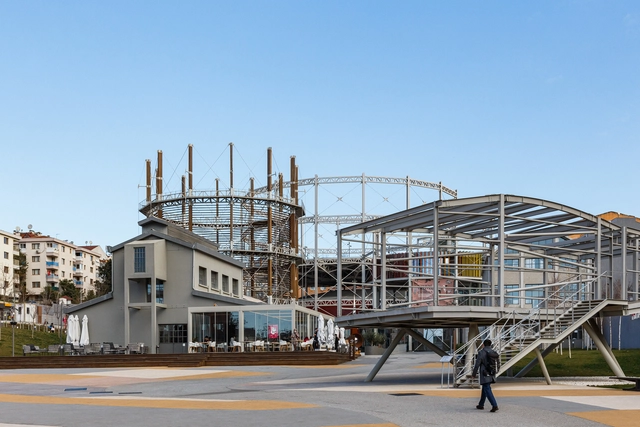
Tourist facilities are a significant architectural program as they not only provide essential amenities for travelers but also encapsulate the cultural essence of a destination. Resorts and hotels experiment with ideas of comfort and leisure, restaurants bring visitors into the local culinary culture, while wineries merge craftsmanship, tradition, and modernity. Visitor centers are another facility often provided for travelers, serving as gateways to exploring the city. Besides their flexible program, these architectural interventions most often strive to relate and harmonize with the local context to enrich the narrative of the space and create a memorable experience for every visitor.
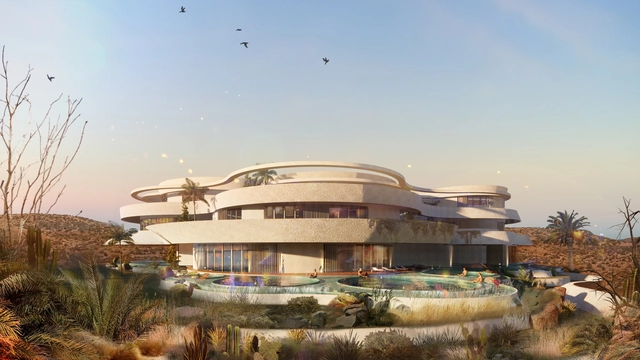
This week's curated selection of Best Unbuilt Architecture highlights projects submitted by the ArchDaily community that showcase various amenities dedicated to tourists, from wine cellars, specialty restaurants, and visitor centers to isolated camping sites in the mountains or lavish spa hotels in the arid areas of the Middle East. Featuring projects from emerging and established architectural offices such as Melike Altınışık Architects, Lockhart Krause Architects, MUA, and OMBI Innovation Lab the selection includes a wide range of programs and scales, showcasing designs that rethink conventional tourist facilities while establishing a connection with their surroundings and cultural context.
Amidst the current wave of architectural globalization, the art of crafting designs attuned to specific contexts is fading. This concern is especially significant in countries in crisis, such as Ukraine, where the built environment's history is being eroded by war. In these conditions, the contribution of local architects with an innate grasp of the country's cultural nuances becomes imperative. Leading the charge in the rebuilding of Ukraine is prototype, a pioneering practice that challenges architectural conventions to push the country towards a promising future.
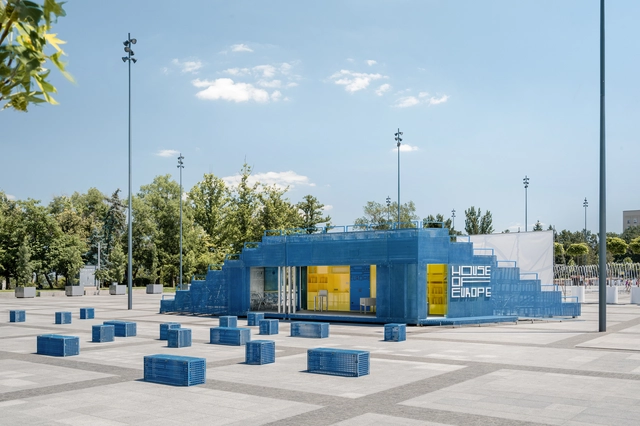
Recognizing their forward-looking vision, ArchDaily has featured prototype as part of the 2023 New Practices, a global annual survey. prototype's outlook on the future of architecture aligns with responsible design that addresses the environmental impact of construction and marries contextual and specific considerations for each project. Their recent accomplishments include the bookstore Readellion, and Ukrainian-Danish Youth House, epitomizing prototype's recurring design principles of mobility, adaptability, dynamic levels, and change of scenarios.
Videos
Sto distribution centre in Hamburg, Germany. Designed by Michael Wilford & Associates, 1994-1995. Photographed by Richard Bryant, image courtesy of Sto
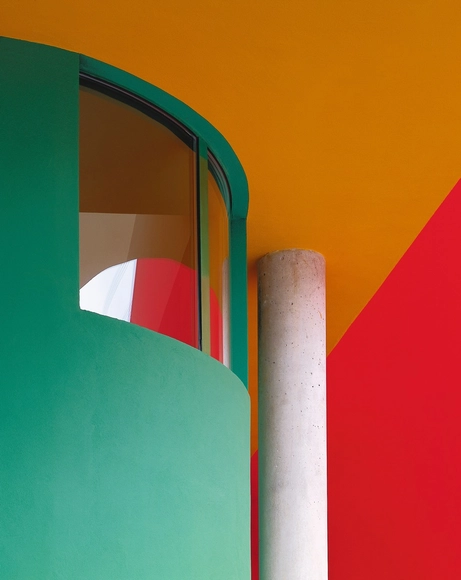
Contrary to popular belief, Roman buildings were not as monochrome as previously thought. Recent discoveries indicate that statues and structures were, in fact, richly adorned with bright colors and exuberant decorations, following the tradition established by their Greek predecessors. This may be surprising, but it shows the presence of color in architecture much earlier than imagined. Color has always played a significant role in shaping the perception and experience of a space, and was prominent in the works of seminal architects such as Le Corbusier and Luis Barragán, for example. Another master of the use of color was Michael Wilford, who, together with his former partner James Stirling gained international recognition with notable public buildings, art centers, museums, and libraries located worldwide. The volumes present in Wilford's architecture are often remembered for their careful use of color, which highlights certain elements and adds other dimensions to the structures.
Charlotte Mecklenburg Library. Image Courtesy of Snohetta
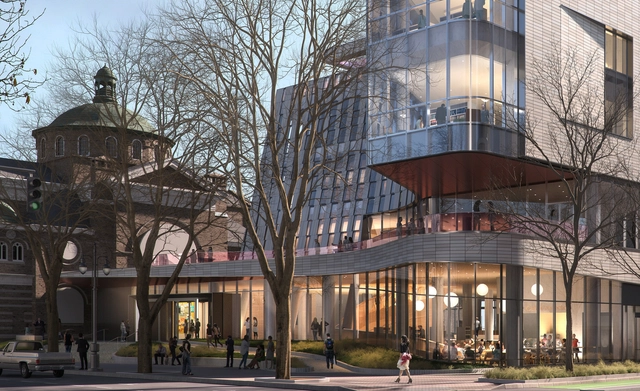
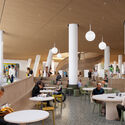
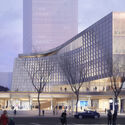
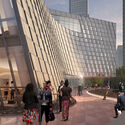
Construction has just begun on Snøhetta’sCharlotte Mecklenburg Library in North Carolina,USA. The new project is designed to become a significant destination in Uptown Charlotte. Last week, the main library organized a commemoration to celebrate the beginning of the demolition phase on site in anticipation of the upcoming construction. It is set to open in the spring of 2026.
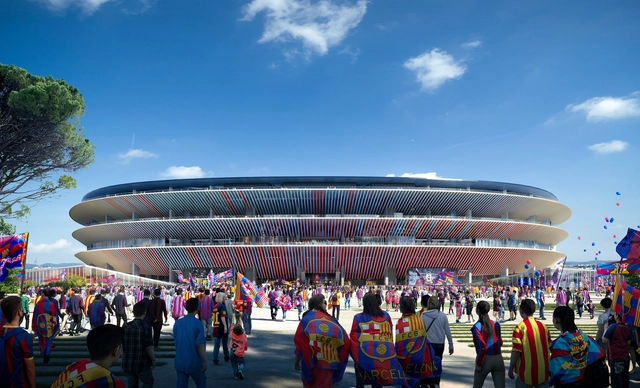
The Museum of Architecture and Design, Chicago Athenaeum, and the European Center for Architecture, Art, Design, and Urban Studies have just revealed the winning projects in their 2023 edition of the International Architecture Awards (IAA). Among these recognitions, the design by IDOM, Nikken Sekkei, and b720 for the Nou Camp Nou stands out.
Circles, as a fundamental geometric shape, possess a captivating and harmonious quality that has been seamlessly integrated into architecture and design across various eras and styles. From subtle accents to bold focal points, the use of circles in interior design transcends mere ornamentation, often symbolizing continuity, connection, and a soothing visual rhythm. With their endless and unbroken curves, they offer a sense of unity, movement, and balance that can transform spaces into inviting and aesthetically pleasing environments – an effect especially useful for interior design. In this article, we take a look at 27 projects from our ArchDaily database that illustrate circular forms in interiors across the globe.
Sanders highlighted the results of a five-year assessment of the LAF fellowship program and its efforts to grow the next generation of diverse landscape architecture leaders. The assessment shows that past fellows are shaping the future of the built environment in key public, non-profit, and private sector roles.
Videos
Gent Waste Brick. Image Cortesia de Carmody Groarke
There are several symbols that transcend language barriers and are easily recognized and understood by people from different cultures. Examples include the male and female bathroom icons, the cross symbolizing health, and the universal Wi-Fi symbol. Among these universal icons is the recycling symbol, conceived in 1971 by Gary Anderson, an architect and designer who was a student at the University of Southern California. Depicting a continuous cycle, it is a triangle with three arrows arranged clockwise, each of which represents the industry, consumers and recycling.
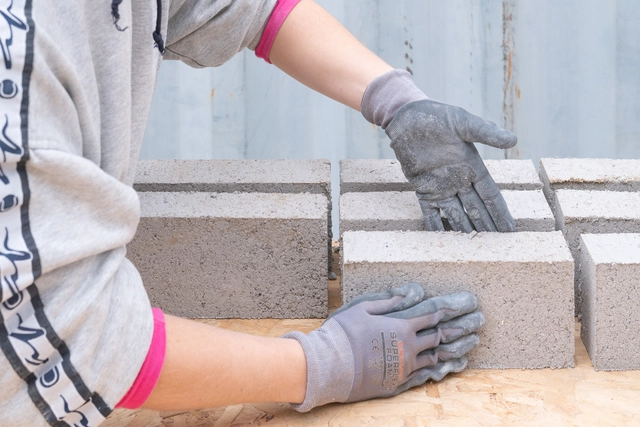
Central to the concept of the circular economy is the reintegration of materials typically viewed as waste back into the production cycle. This concept is particularly important for the construction industry, which has historically depended on the destruction and extraction of resources in order to exist. In this case, nothing is more symbolic than the brick, which not only represents the construction of new things, but is also the perfect example of how to apply the concept of circularity. Creative minds have embraced the challenge of circularity, devising solutions that transform discarded materials into high-value resources and generating a wide range of products, using raw waste materials that range from seaweed and plastics to human hair. These innovations not only address pressing environmental issues but essentially redefine the way we build and inhabit our spaces. In this article, we highlight seven initiatives that are turning waste into bricks.
During this year’s edition of the Venice Architecture Biennale, ArchDaily had the chance to discuss with Giacomo Ardesio and Claudia Mainardi of Fosbury Architecture, the curators of the Italian Pavilion together with Alessandro Bonizzoni, Nicola Campri and Veronica Caprino. The curatorial project, titled “Spaziale: Everyone Belongs to Everyone Else,” aims to provide a distinctive and original portrait of Italian architecture within the international context. The curators discussed the origins of their office, their sources of inspiration and the thinking behind the design decisions that led to the creation of the curatorial project for the Italian Pavilion.
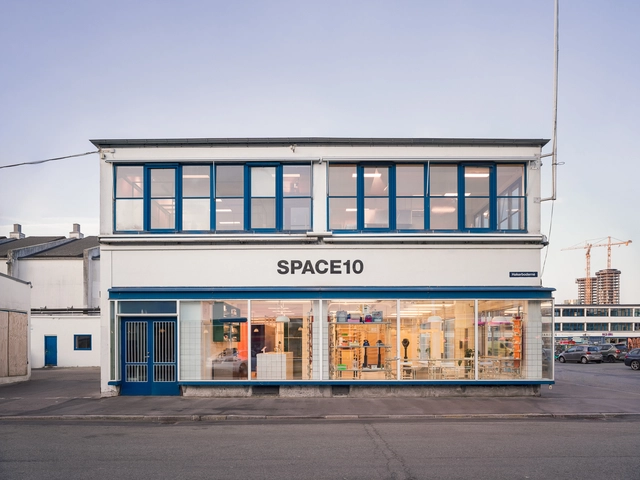
Sede de Copenhague – Fotografía de Hampus Berndtson . Image Cortesía de SPACE10
Ten years ago, SPACE10 was born as a pioneering platform ushering in a novel approach to corporate innovation, consolidating itself for its ability to be open, democratic, driven by a playful purpose, and community-oriented. Composed of a small core team of around 23 people based in Copenhagen, their efforts have focused on combining the power of creativity, science, and technology to find solutions that address the accelerated climate crisis and social injustices.
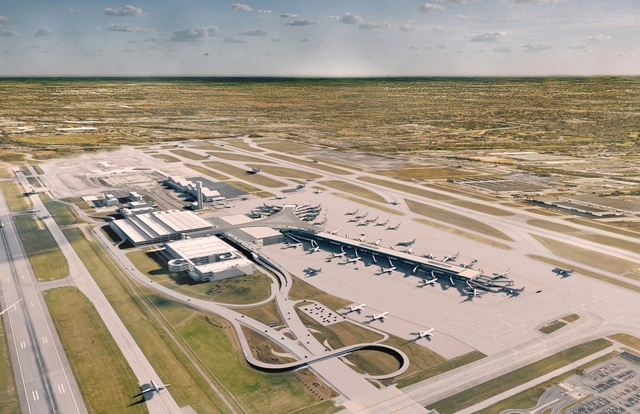
As the fastest-growing metropolitan city in the Midwest region, Columbus is situated amidst Central Ohio’s exciting blend of infrastructure and natural landscape. Columbus and its surroundings are currently undergoing a significant phase of cultural expansion and anticipate a population surpassing 3 million by 2050. In collaboration with Columbus-based Moody Nolan, Gensler has just revealed their design for the new terminal at John Glenn Columbus International Airport in Ohio, a facility to grow the city and support it in reaching these goals of expansion.
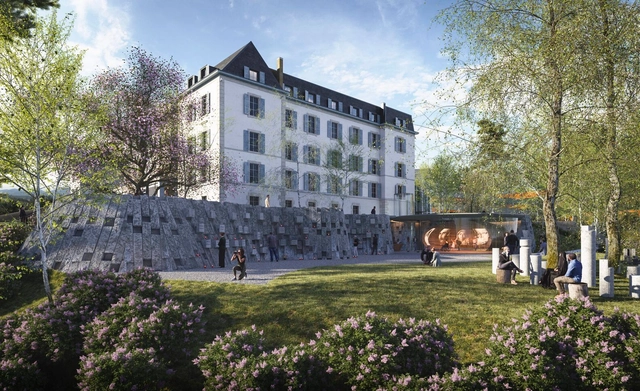
Chilean architect Cazu Zegers has been chosen to design a memorial garden at the Red Cross headquarters. In the architect's own words, this project "aims to showcase the selfless efforts of those who have become martyrs of the Red Cross."
Cantercel, France, 2022. Image Courtesy of forty five degrees
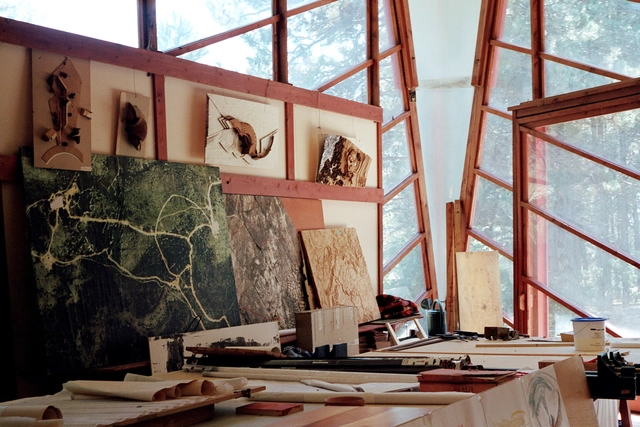
When talking about space-making practices, architects and urban planners are usually thinking about participatory planning and collaborative processes, often overlooking the ways in which the communities themselves can become their own agents of change. As the people poses an intimate knowledge of not only their environment, but also of social and cultural norms, the needs of their communities and latent opportunities within their surroundings, they are often the ones initiating actions, supporting their peers and contributing positively to their locality. Research-focused office forty five degrees set out to explore these grass-roots initiatives, to meet the locals and gather their stories in an effort to gain a better understanding of the complex and diverse cultural territories across Europe. Their journey, organized under the “Radical Rituals” project, follows the 45°N parallel line that transverses Europe from East to West. The office has been selected as part of ArchDaily's 2023 New Practices, an annual survey aimed at showcasing those who adress the ever-growing challanges of our times and take architecture to new directions.
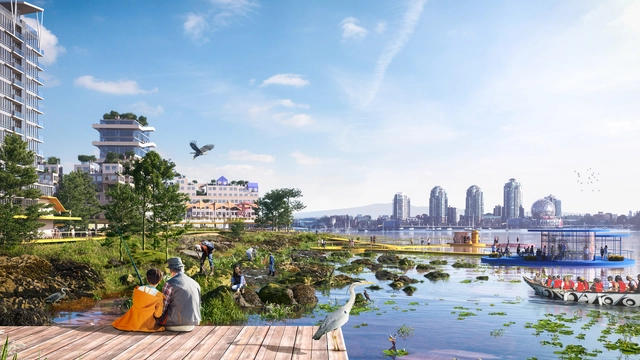
Architects, urban planners, and researchers from around the world are working on solutions to address the rising threat of climate change and climate-induced rise in sea levels and storm surges. Among them, MVRDV, as part of the North Creek Collective, has released a series of proposals for the city of Vancouver, mapping out possible adaptations of waterfront buildings, landscape, and infrastructure. On a similar note, a group of researchers led by Adrian Lahoud has developed the Second Sea Calculator, a digital tool that estimates the financial damages owned to coastal cities by different nations, while Human Climate Horizons has developed a platform for visualizing how different levels of global heating will affect people’s lives.
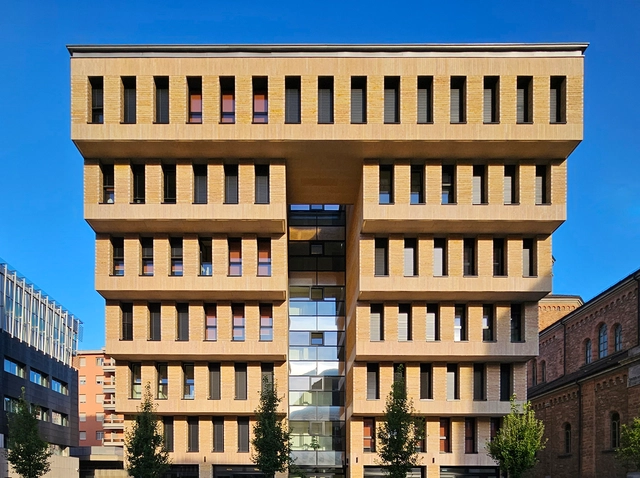
In the center of the city of Lugano, Switzerland, architect Mario Botta has designed a new housing solution on the foundations of the former Cinema Teatro Cittadella. Captured by Paul Clemence, this photo series displays the new residence in a city rich with an artistic and cultural past. The residential complex is located near the ancient basilica of the Sacred Heart of Lugano, nestled in a quiet area away from city traffic.