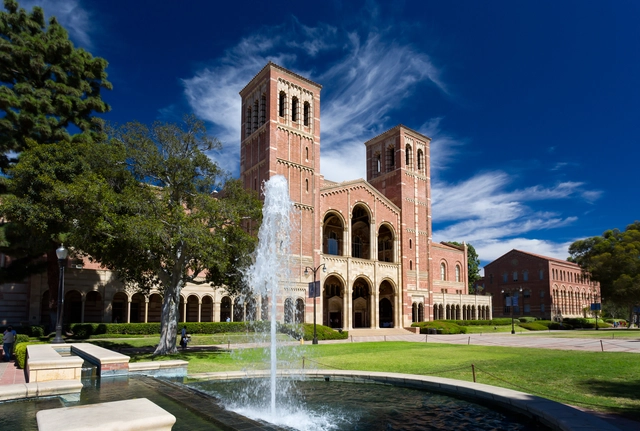
LOS ANGELES, CA/USA, Royce Hall on the campus of UCLA. Royce Hall is one of four original buildings on UCLA's Westwood campus.. Image via Shutterstock | Ken Wolter
The annual BAM ranking of International Master’s Programs in Architecture aims to assist architects and students in identifying the top international Master’s programs globally. Assessing programs from various leading architecture schools, it evaluates degrees through a comparative approach developed by a panel of 15 professors and international experts. For this edition, different Architecture and Built Environment programs have been selected to be part of the BAM Ranking 2023, and 18 Universities worldwide were featured in the 2023 edition of the BAM Ranking.
Similar to the past few years, Harvard University, Columbia University, and Universidad Politécnica de Madrid maintained their position at the top of the ranking. MIT has made the list with two programs, one focused on urbanism and the other on design. Moreover, Tsinghua University in Beijing, China, made the list with their English Program for Master in Architecture. The ranking also features TUDelft (Netherlands), TUM (Munich), and TUBerlin (Berlin) in Europe.
Throughout the annals of architectural history, timber has been a fundamental element in the evolution of building design and construction. From the ancient timber-framed structures of Japan to the medieval European cathedrals, timber's structural prowess and aesthetic appeal have left an indelible mark on human civilization. It wasn't until the Industrial Revolution's advent that a significant shift towards alternative building materials such as steel and concrete occurred, relegating the material to a secondary role in construction. As contemporary architects grapple with the consequences of climate change, however, timber has staged a remarkable comeback, offering an eco-friendly and structurally robust alternative. Internationally renowned firms are centering their designs around timber's potential, embracing its rich history while simultaneously harnessing advanced technologies to create awe-inspiring, sustainable structures that represent a harmonious blend of historical wisdom and modern innovation.
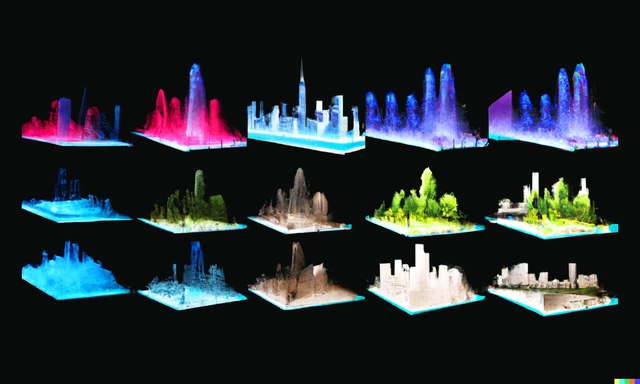
Image created using AI under the prompt: A futuristic architectural landscape exemplifying data-driven architecture. Image via DALL.E 2
Architecture is a multifaceted discipline influenced by diverse sources of data and information, which play a fundamental role in shaping architectural production. In the past, horological instruments like the sundial were used to obtain data, such as time, and gain knowledge of solar incidence at different times of the year and geographical locations. This made it possible to determine the optimal orientation of buildings, resulting in benefits such as better use of sunlight and greater thermal comfort.
Although cultural, social, and even religious factors can influence architectural design, quantitative factors are especially relevant when making decisions in the early stages of the creative process, during construction, and throughout the life cycle of a building. Therefore, it is important to collect and process relevant information, such as location, solar incidence, occupancy capacity, occupant interactions, energy performance, and carbon emissions, among other aspects.
https://www.archdaily.com/1003902/data-driven-architecture-delving-into-4-building-information-toolsEnrique Tovar
New York City’s Local Law 18, also known as the Short-Term Rental Registration Law, came into effect on September 5, changing the way in which short-term apartment rentals operate in the city. The new local legislation dictated that from now on, short-term rental hosts in the city must register with the Office of Special Enforcement (OSE) to obtain a license, and rentals are only allowed if the host lives in the place and is present for the duration of the guest’s stay. The number of guests is also limited to just two, and the duration is limited to 30 days. The legislation is not an explicit ban on platforms such as Airbnb, but the strict regulations make it almost impossible for the service to continue its activity.
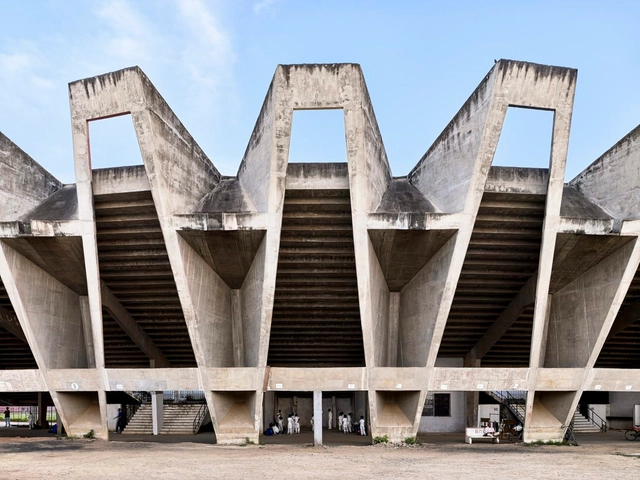
The structure was originally built to host international and domestic cricket matches. In the 1950s, the Cricket Club of Ahmedabad was granted 67,000 sqm of land to construct a Cricket Stadium. It was the country’s first “turf ground,” hosting the first cricket match in India. For the cricket community in the country, the SVP represents a venue that has nurtured and honed young cricketers from all over the state, and it has been graced by several of India's legendary players in both test and one-day cricket matches.
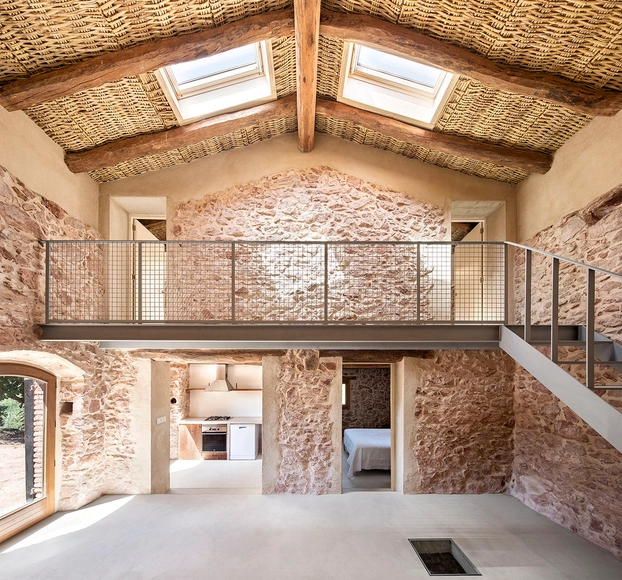
What does architectural restoration, transformation, or renovation entail? What factors are involved in their processes? When delving into the interiors of Spanish homes, we set out to discover the various methodologies, tools, and technical and construction strategies that are often employed, with stone as the main protagonist.
Whether it’s a guilt-driven effort to reduce one’s own carbon footprint, an economy-inspired reduction in energy bills or simply taking advantage of a government incentive scheme, sustainable construction, and design choices are not only being made by the most eco-aware amongst us, but now by anyone with an eye on both the current cost of energy and the future cost of its obsolescence.
Whatever the motivation, as we desperately attempt to reduce our self-destructive reliance on fossil fuels, our homes and buildings are gradually turning their backs on gas – one of the final hurdles standing between us and a carbon-neutral home. These alternative systems and appliances run on renewable electricity instead, breaking our reliance on emission-causing gas-dependant products and using innovative electrical technology to improve them too.
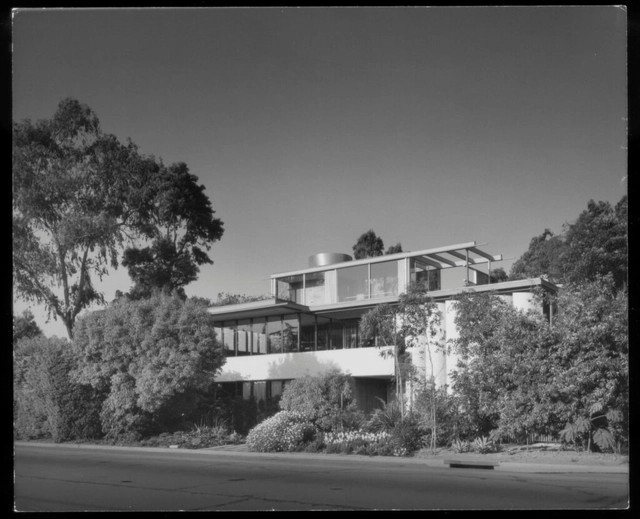
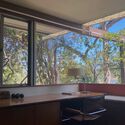
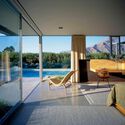
Courtesy of Raymond Neutra and the Neutra Institute, Photo by Julius Shulman | VDL Research House
It was, of course, Frank Lloyd Wright who set up the ground for modern architecture to happen in Los Angeles. Then came the Viennese, Rudolph Schindler in 1920 and Richard Neutra in 1925 at the invitation of Schindler. Both worked for Wright choosing to learn from him what they saw as essential—by focusing on spatial and formal clarity, transformability, restrained materiality, and the living environment to achieve a desirable quality of life within. Neutra and Schindler collaborated at first, and then each built a rich portfolio, mainly comprising houses and apartment blocks. Universal in principle, these abstract robust structures defined and led the development of a local building vernacular. These buildings, of which there are several hundred, are now strongly associated with the two architects’ adopted city.
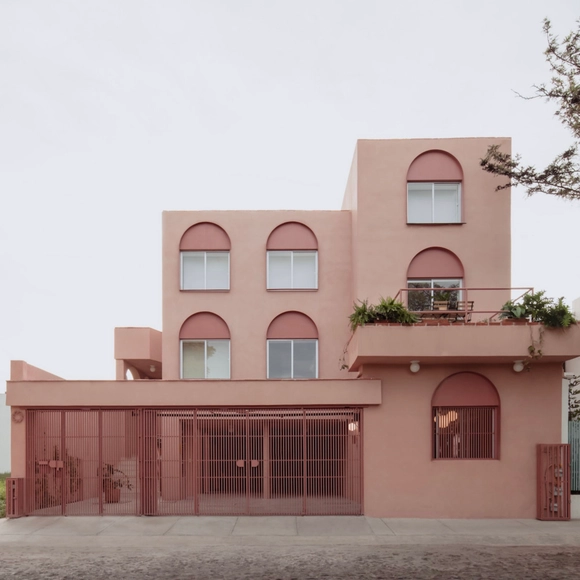
One way to employ color is through monochrome, a design technique that involves using a single tone or color in a space. In architecture, monochrome is a powerful tool where different shades can be created through the play of lights and shadows, generating spaces that offer unique experiences to their inhabitants.
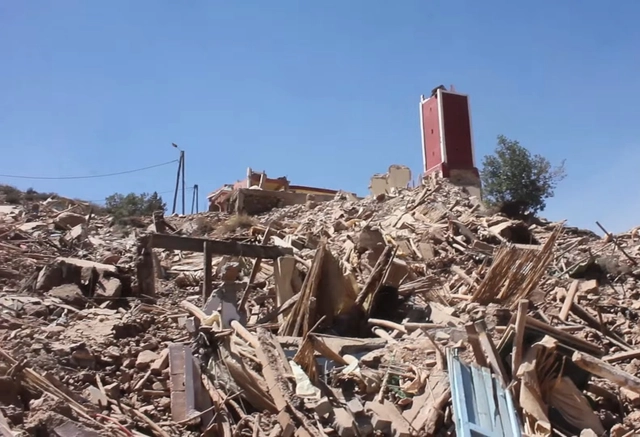
Friday, September 8th, a 6.8-magnitude earthquake hit Morocco’s High Atlas Mountain range. The epicenter was located just 72 kilometers southwest of Marrakech, the country’s fourth-largest city and a popular tourist destination. The quake is the strongest to hit the nation’s center in more than a century. Estimates put the number of victims at over 2,000 and more injured, but as several towns and villages remain inaccessible high in the mountains, the number is expected to increase. In addition to the human toll, several historical landmarks, including UNESCO World Heritage sites, have been affected, while eyewitnesses in the foothills of the mountains report that several remote towns have been completely destroyed, according to CNN.
However, sexism doesn't end there. In addition to the discrimination experienced in professional contexts, one can observe the objectification of women in architectural images and concepts.
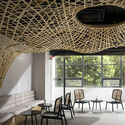
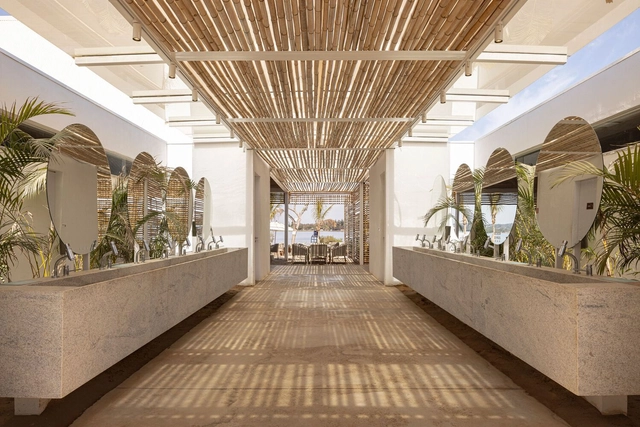
In recent years, there has been a noticeable surge in the pursuit of sustainability and eco-conscious practices across diverse domains, including interior architecture projects. Bamboo has garnered significant attention among various elements thanks to its remarkable versatility. It presents a wide array of creative opportunities for crafting environmentally conscious and elegant spaces.
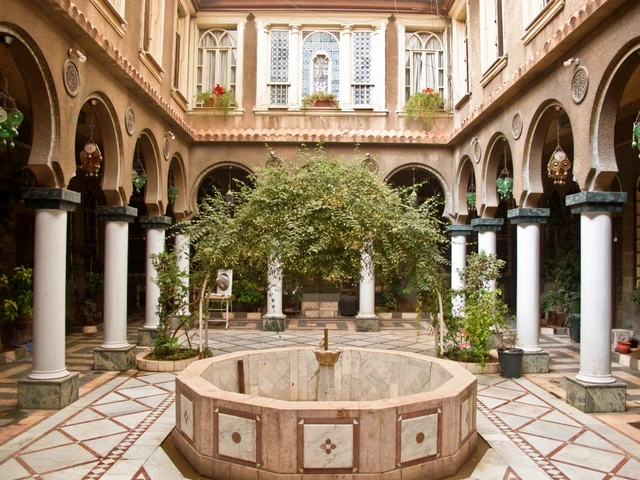
Beit Rumman Hotel, Damascus. Image via Tumblr Account syrian-courtyard
We have seen in recent residential projects the need for bringing the outdoors inside, whether it's through green walls, biophilic designs, or interior courtyards, especially in countries with dry and hot climates. When it comes to countries of the Arab world, creating these outdoor-inspired inner spaces is a lot more than just bringing in some sunlight and fresh air, it is an architectural expression of a rich culture that transcended generations and inspired nations beyond their borders. In this article, we will explore how cultural and social norms influenced the creation of traditional courtyard houses in Arabian countries and how their unique architectural features were reimagined in modern contexts.
The Second Studio (formerly The Midnight Charette) is an explicit podcast about design, architecture, and the everyday. Hosted by Architects David Lee and Marina Bourderonnet, it features different creative professionals in unscripted conversations that allow for thoughtful takes and personal discussions.
A variety of subjects are covered with honesty and humor: some episodes are interviews, while others are tips for fellow designers, reviews of buildings and other projects, or casual explorations of everyday life and design. The Second Studio is also available on iTunes, Spotify, and YouTube.
This week David and Marina have a discussion about how schools can better prepare students for their careers and to tackle issues of equity, social justice, and climate change. The questions are from EQiA’s (Equity in Architecture) 2023 Forum panel which took place in Georgia Institute of Technology. The EQiA is a student organization at the Georgia Institute of Technology, College of Design. It is dedicated to unity and equity in architecture.
https://www.archdaily.com/1005957/the-second-studio-podcast-preparing-students-for-their-careers-and-global-challengesThe Second Studio Podcast
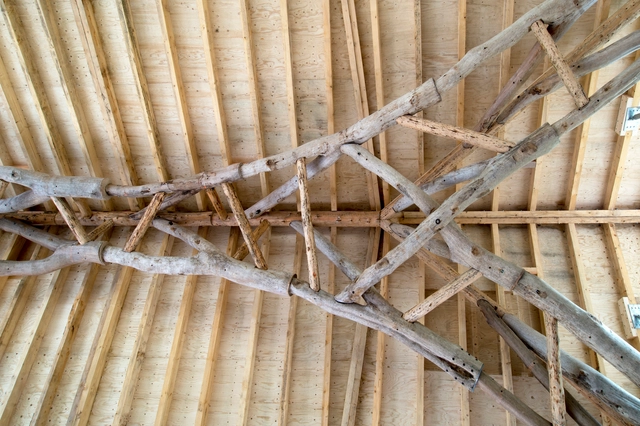
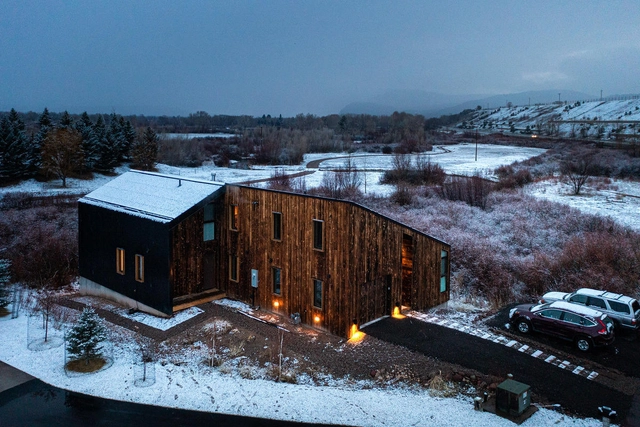
Timber has been a popular source of construction material for thousands of years. Through sawing, milling, and other engineered wood conversion processes, various wood forms have been created and applied in products, furniture, and architecture. However, these processes can sometimes alter the basic lines of wood structure. The stems can be split, grain patterns changed, and some woods, such as oak and cedar, are easily reduced while others can become intractable. This led to the exploration of whole timber forms in ancient structures, such as log cabins, which layered timber in different cross-sections to form home profiles. Through design, the use of trunks or branches of trees in their entirety can accentuate their innate mechanical properties for structural sustainability. Although these practices are fairly absent in contemporary building techniques, new technological innovations expand the prospects of timber construction in architecture.
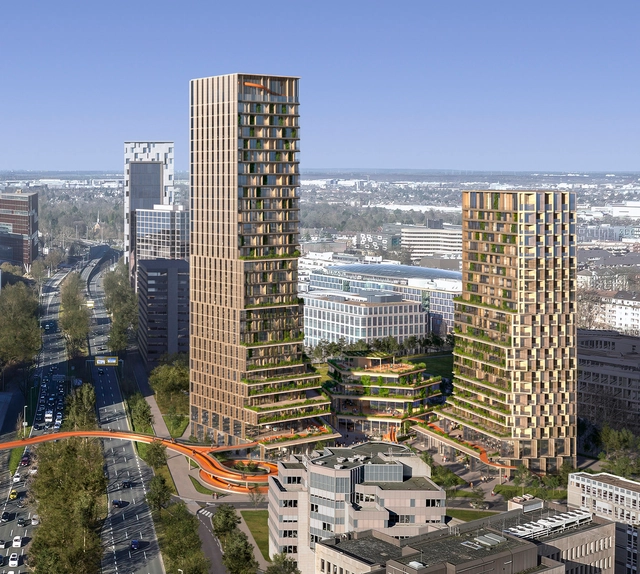
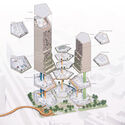
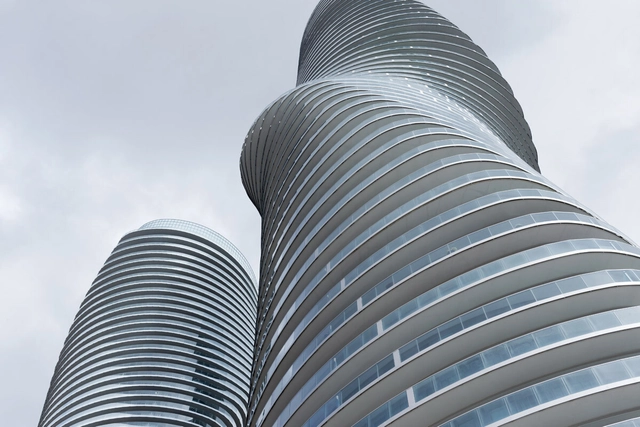
UNStudio has been selected as the winner of the international competition for the design of a mixed-use development in Düsseldorf, Germany, surpassing other internationally recognized participant offices, including 3XN, BIG, David Chipperfield Architect, and finalists Hadi Teherani Architects, HPP Architekten, and Ingenhoven. UNStudio’s proposal features two mixed-use towers measuring up to 120 meters, surrounded by a low-rise community pavilion. In addition to the office and residential spaces, the scheme also includes multifunctional uses and services such as sports, fitness, medical facilities, gastronomy spaces, a mobility hub, a daycare center, and opportunities for cultural events.
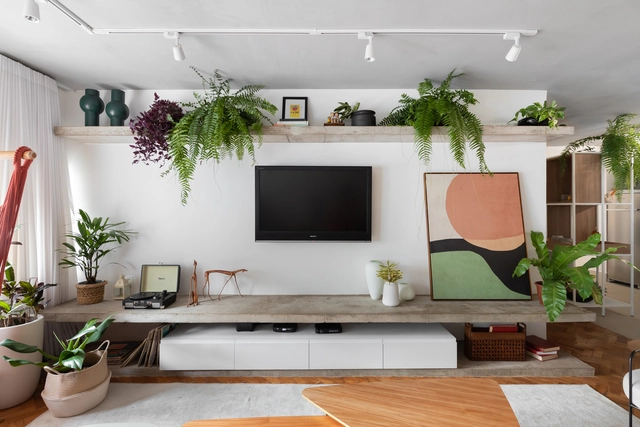
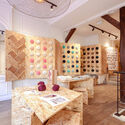
Shelves are incredibly versatile furniture items that are vital in organizing, decorating, and maximizing efficiency in various spaces, including homes, businesses, and industries. Crafted from a wide range of materials and available in numerous designs, shelves enhance compact environments by adding flexibility and easy access. With this in mind, we've compiled suggestions to elevate these ubiquitous solutions — temporary additions or integrated architectural features — into prominent elements within interior design.























_(14783070935).jpg?1628520318 "Courtesy of Wikimedia Commons (CC BY-SA 4.0)")
.jpg?1628520094 "Iwan . Image Courtesy of Wikimedia Commons (CC BY-SA 4.0)")