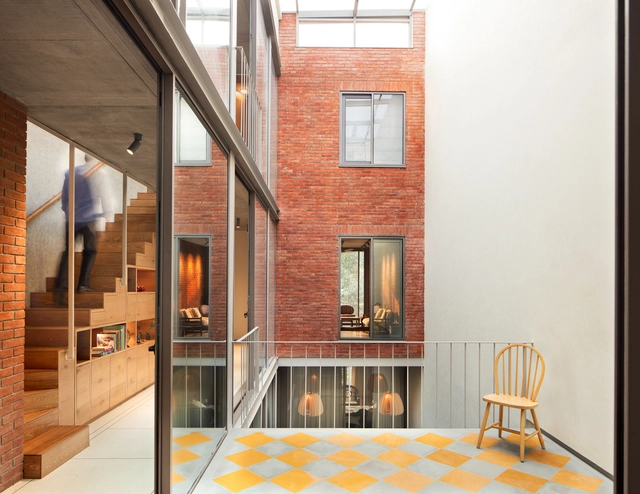
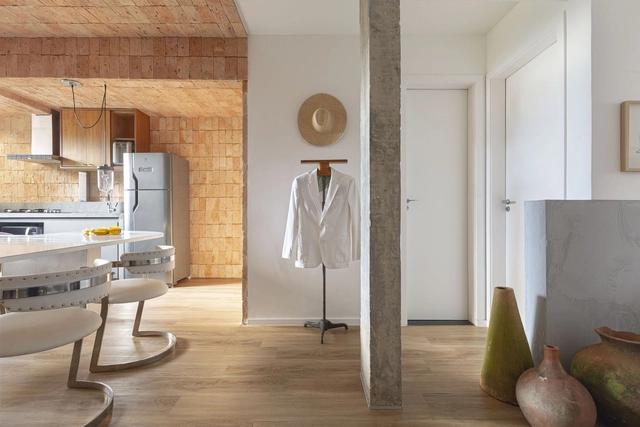
Designing a home is always a significant challenge. Technical and construction expertise must align with the expectations of its future resident, gently embracing their daily routine and tasks. Thus, mapping out the needs and rituals that will unfold within the house is fundamental for the success of the task. In the abundance of personalities, preferences, and quirks, residential architecture needs to mediate intentions and embrace diversities.
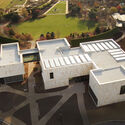
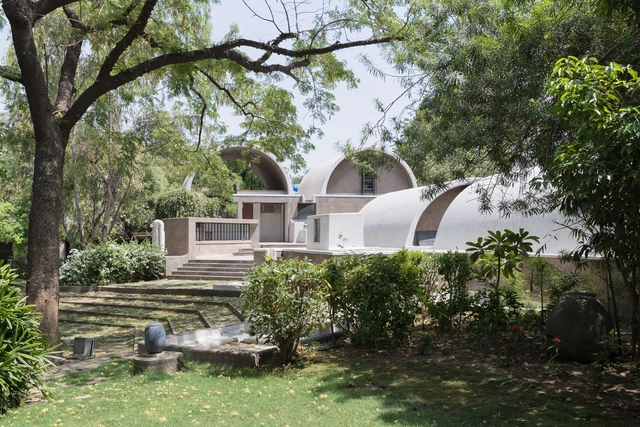
Exterior view of Doshi’s Sangath Architect’s Studio, Ahmedabad, Image by Iwan Baan. . Image Courtesy of Vitra Design Museum
As we step into the new year, we take a moment to reflect on the lasting impact of celebrated architects, designers, and curators who passed away in 2023. This past year witnessed the departure of influential figures who, through their talent and dedication, left an indelible mark on the built environment. Some embarked on their careers with bold gestures that reshaped architectural paradigms, while others worked quietly, placing a profound focus on the human experience or the invisible figures of out profession.
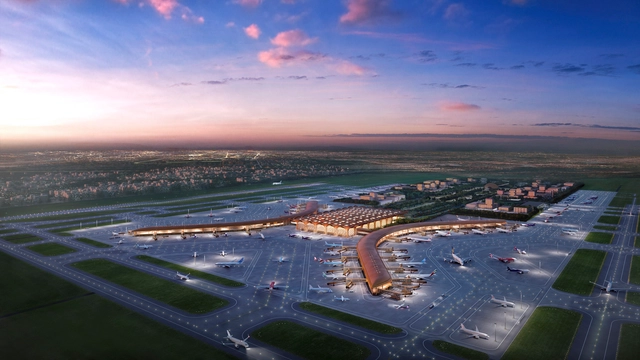
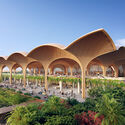
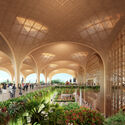
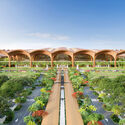
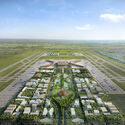
Construction is underway at the new Techo International Airport in Phnom Penh, Cambodia, designed by Foster + Partners. The project, located 20 kilometers from Cambodia’s capital city, draws inspiration from the vernacular architecture that defines the area, searching to provide adequate design solutions in response to the tropical climate. The commission, which was won following an international competition, includes the master plan for a new airport city in addition to the new terminal building.
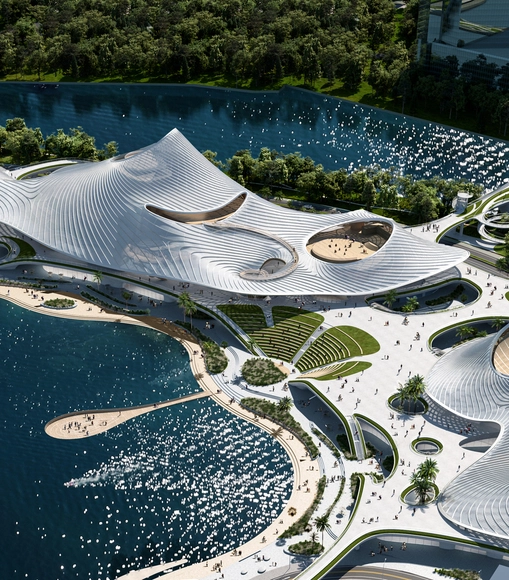
MAD Architects has revealed the designs for the Nanhai Art Center in Foshan City, Guangdong. Covering 59,445 sqm, the project features three main elements: a Grand Theater, a Museum, and a Sports Center. Aiming to encourage community and traditional culture, the center features a wave-like form with a new public gateway to the waterfront. Upon completion, the Art Center seeks to become a new waterfront public space blending social and creative aspects.
Cities are vibrant systems that hold meaning and move with the rhythm of the human life that powers it. In the fabric of urban landscapes, architects and urban designers collaborate to create spatial harmonies that extend beyond aesthetics and towards social justice and poetic expression. Citizens engage, becoming active participants in the ongoing narrative of the city - the metropolitan melody.
In 2023, ArchDaily wrote about the poetics of urbanism, exploring a future where cities meet its people’s social and emotional needs:
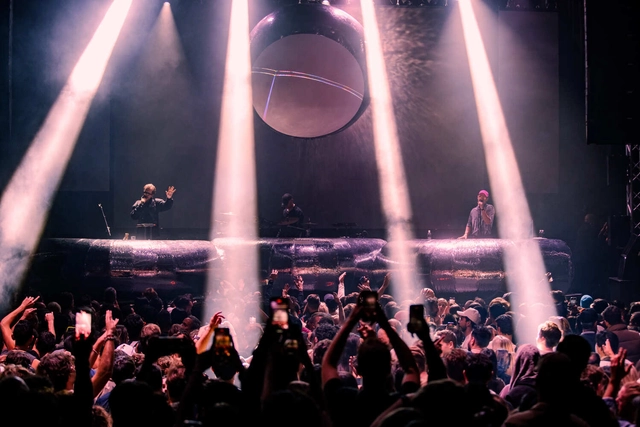
Architecture group BIG has unveiled the new stage design for the world tour of the Danish band WhoMadeWho. With visuals developed in collaboration with flora&faunavisions, EyeMix Studio, and Christopher Mulligan, the design features an inflatable sphere created to become a canvas for the three-dimensional video projections that contribute to the concert experience. The tour kicked off on November 2023 and will reach several cities around the world, including Paris, Madrid, Berlin, Istanbul, New York City, Los Angeles, Santiago de Chile, London as well as the band’s hometown, Copenhagen.
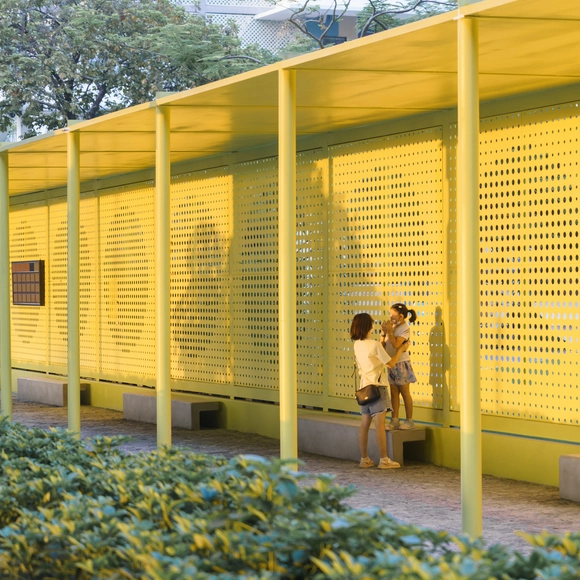
Spring Rain, portico, wall and staircase for the Qianhai Harbour School, Shenzhen, 2022. In collaboration with Tu'an Architecture Design Company (Guangzhou). Image Courtesy of studio ACF
Bruno Stagno from Costa Rica not only reflects on how responses to the environment can be the main foundation for the inspiration and identity of architecture but also suggests going a step further, envisioning architecture for an entire latitude.
We discussed his current concerns and motivations, the shortcomings and necessary innovations in tropical cities, the relationship between academia and professional practice regarding the environment, and, above all, projections for the future of Costa Rican architecture.
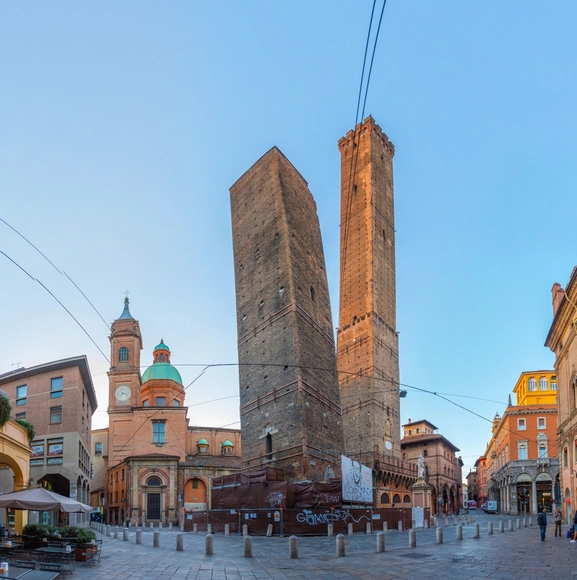
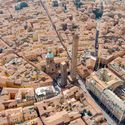
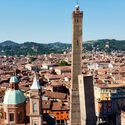
Bologna officials announced plans to secure and repair the leaning Garisenda Tower, a medieval structure in the center of the Italian city. Earlier last month, the area surrounding the tower was secured after raising fears of collapse, as monitoring has found shifts in the direction of the tilt. The 47-meter-tall tower leans at a four-degree angle, similar to its more famous counterpart, Leaning Tower of Pisa. The Garisenda Tower has been a defining feature of Bologna’s skyline along with its neighboring Asinelli Tower, which is around twice the height and also leans, though at a smaller angle, and is usually open for tourists to climb.
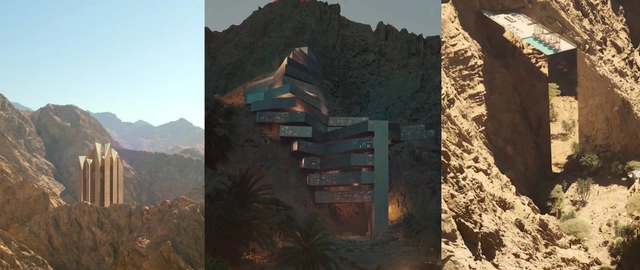
NEOM has just unveiled “Leyja” as a new tourism destination in Northwest Saudi Arabia. Featuring three different hotels by world-renowned architects, the Leyja region is located in an ancient valley overhung by mountains 400 m tall. The project includes a staggering hotel by Chris van Duijn, a mirrored hotel by Shaun Killa, and a vertical rock hotel by Mario Cucinella. In an attempt to support sustainable tourism, the destination is part of the Saudi Vision 2030.
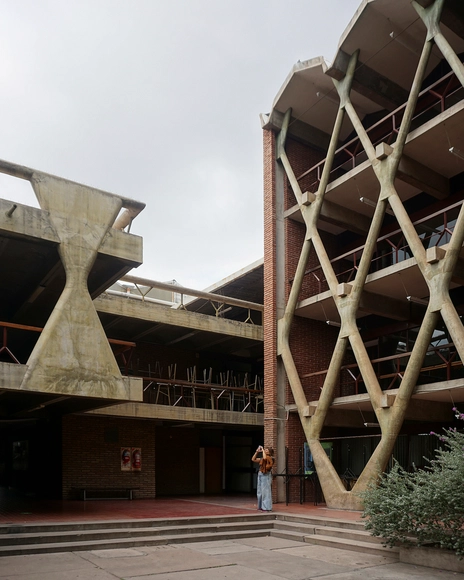
There are reasons to visit the city of Mendoza: it serves as both the gateway to Argentine wine tourism and a diverse collection of historically and architecturally significant buildings. From the Museum of the Foundational Area to the renowned Faculty of Architecture at the University of Mendoza, this guide invites you to explore a cultural and scenic richness reflected in every facade and every street. The city's public spaces not only blend with the natural surroundings of the vast Andes but also harmonize with a system of irrigation channels and urban greenery that can be appreciated at every moment of the journey.
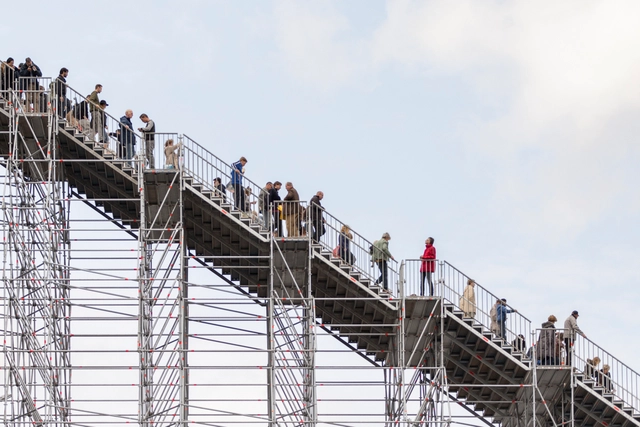
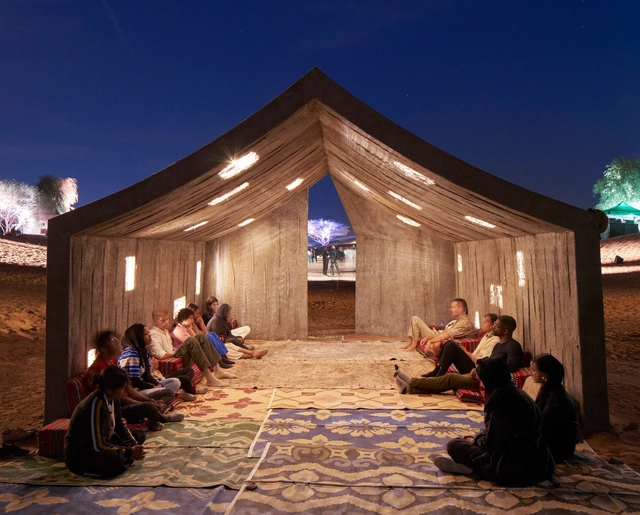
The Sharjah Triennial debuted on November 11th, 2023, with the theme of The Beauty of Impermanence: An Architecture of Adaptability. At the center of the abandoned 1970s “Al Madam,” in the eastern desert of Sharjah, the “Concrete Tent”, created by DAAR, an experimental Palestinian and Swedish Studio, combines elements of a mobile tent and a concrete house. Overall, the tent explores the notion of “permanent temporariness.”
To convey the might and prestige of their empire, the Romans constructed enduring architecture as symbols of their long-lasting reign. Emperors employed grand public works as assertions of their status and reputation. Conversely, Japanese architecture has long embraced ideas of change and renewal, evident in the ritualistic rebuilding of Shinto shrines. A practice, known as shikinen sengu, is observed at Ise Jingu, where the shrine is purposefully dismantled and reconstructed every twenty years. Across the world, philosophies around permanence and impermanence pervaded architectural traditions. Amidst the climate crisis, how do these tenets apply to modern architectural design?
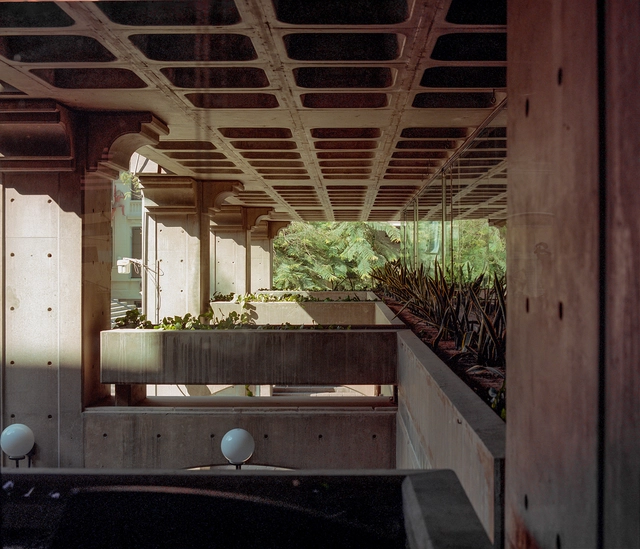
In Downtown Cairo, the Jameel Center pays homage to modernism and Mamluk architectural heritage. The Abdul Latif Jameel Center for Middle East Management Studies illustrates effective and adaptable architecture. The old business education building, a monument in Cairo's multi-layered architectural and academic heritage with staple elements such as concrete façades, has Mamluk-inspired arches, and wooden mashrabiyyas. Photographer Ebrahim Bahaa Eldin captures this unique architecture and its surrounding environment.
One of the most popular choices in the construction market, vinyl flooring has various characteristics that have elevated it to this level. Composed mainly of polyvinyl chloride (PVC) - and with other additives, depending on its production, such as plasticizers, fiberglass, resins, and/or minerals - it is a durable, affordable, and easily installable material that can be applied in a variety of environments.
Urban environments are constantly evolving, with cities becoming the hubs of cultural diversity and economic life. In fact, the globe is speeding towards a future in which 70% of people will live in cities by 2050. Architects are at the core of this revolutionary movement, rethinking the nature of a city due to this urban surge. In response to this immense focus on newer and more diverse cities, architects and designers are leaning towards multifunctional and mixed-use projects. Attracting diverse crowds of people, mixed-use architecture explores the maximum potential of what a structure can serve.
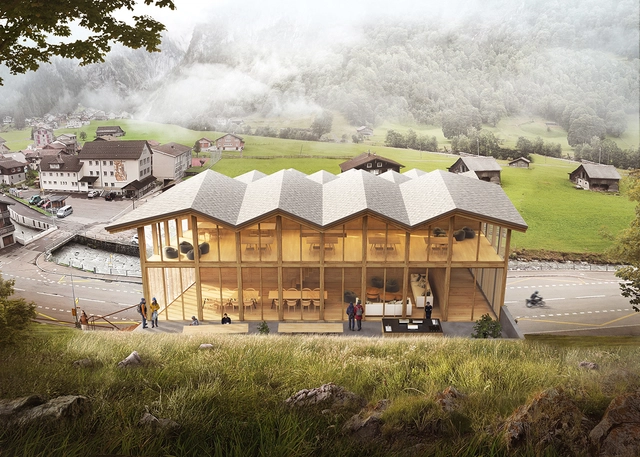
Highlighting architecture firms such as Atelier 333, MOR Architects, BXB studio Bogusław Barnaś, Beek Architects, Frey Architekten, and Kalbod Design Studio, among others, the forthcoming exploration unveils a collection of unbuilt architectural projects submitted to ArchDaily that champion multi-function in their design. From the innovative Plata.forma in Laqlouq to the maritime haven of The Ark and the Swiss House's harmonious alpine blend, these projects redefine urban living.
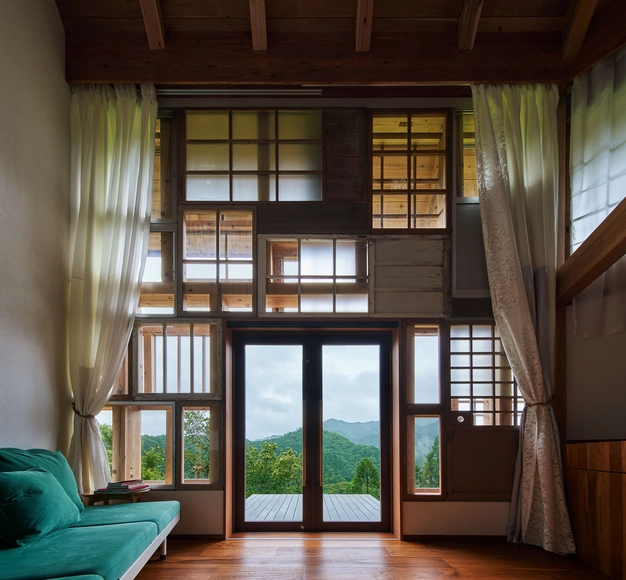
A vital aspect of a circular economy lies in shifting our view of waste. Labeling an item "waste" implies voiding its value and ending its useful role in a traditionally linear economy. While the item might be out of sight and out of mind, its life continues in the landfill. This shift in perspective regarding waste means opening our minds to the opportunity that the abundance of junk presents. These designers and architects have managed to not only effectively reclaim discarded objects but also to make them look precious, imbuing them with new meaning and value through their careful curation.