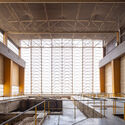
Under the theme Common Ground, ICFF 2026 brought together the international design community through a shared focus on craftsmanship and innovation. From May 17–19, 2026, ICFF (International Contemporary Furniture Fair) returned to the Javits Center for a landmark edition that celebrated the global design community during NYCxDESIGN.
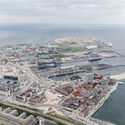
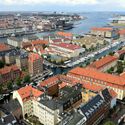
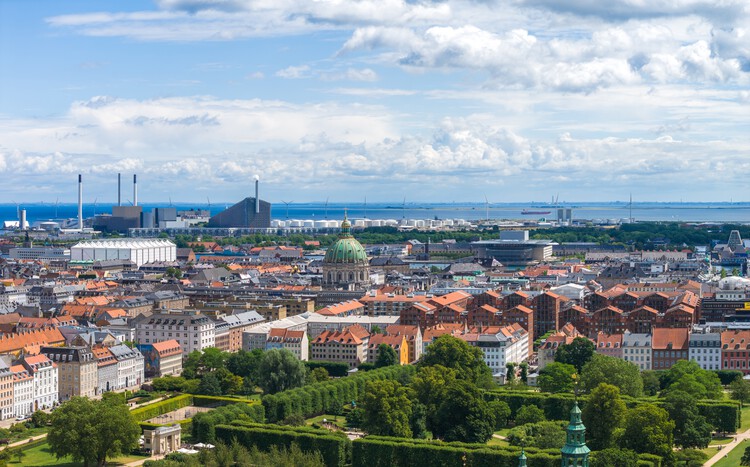
From June 10-12, 2026, 3daysofdesign returns to Copenhagen with a city-wide program of exhibitions, installations, talks, and showroom presentations organized around the theme "Make This Moment Matter." Taking place across eight Design Districts throughout the Danish capital, this year's festival brings together design brands, cultural institutions, studios, and practitioners to explore contemporary questions shaping design and the built environment. As part of the program, Cobe and ArchDaily will host the public launch of a guest-edited edition of Cobe Notes, under the theme Thresholds, at the Cobe Bookcafé, Nordhavn on June 10.
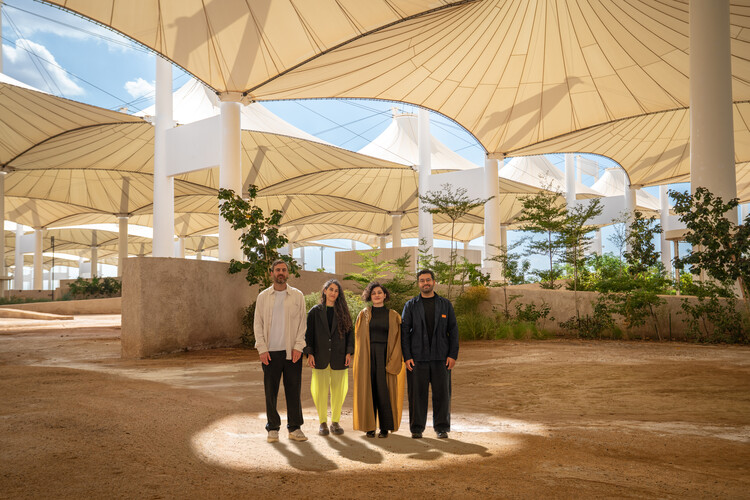
AlMusalla Prize 2027 - Group portrait, from left to right_ Jessam Al-Jawad (Al-Jawad Pike), Zeina Koreitem (MILLIØNS), Meriem Chabani (New South), Ali Ismail Karimi (Civil Architecture). Image Courtesy of Diriyah Biennale Foundation
The 8th edition of the Tallinn Architecture Biennale 2026 (TAB 2026) has announced the winners of its Installation Programme Competition and Vision Competition, both developed within the curatorial framework titled "How Much?". Organized by the Estonian Centre for Architecture, the biennale will take place from September 9 to November 30, 2026, with its Opening Week scheduled from September 9 to 13. Curated by Stuudio TÄNA, Mark Aleksander Fischer, and Mira Samonig, TAB 2026 explores the role of money, affordability, and resource allocation in shaping architecture and the built environment, while examining how contemporary practice negotiates economic constraints and cultural value.
On March 12, the Chilean architect of Croatian descent, Smiljan Radić Clarke, was awarded the 2026 Pritzker Architecture Prize. The jury highlighted his "unorthodox approach to design," which "may initially appear unusual, unexpected, even rebellious; yet, far from producing alienation or estrangement, his anti-canonical stance feels fresh and unprecedented. It conveys the unmistakable sensation of encountering something new." This recognition will be celebrated with the annual Pritzker Architecture Prize Laureate Lecture and Panel Discussion, to be held in Mexico City at the Universidad Nacional Autónoma de México (UNAM), at the Faculty of Architecture's Teatro Estefanía Chávez, on May 12, 2026.
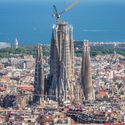
The UIA World Congress of Architects 2026 Barcelona has released its full program, outlining the structure, participants, and range of activities scheduled to take place from June 28 to July 2, 2026. Expanding on the previously introduced theme, Becoming. Architectures for a Planet in Transition, the Congress is conceived as a distributed event across multiple venues and urban contexts rather than a single-site conference. Organized by the International Union of Architects (UIA) in collaboration with the Higher Council of the Colleges of Architects of Spain (CSCAE) and the Architects' Association of Catalonia (COAC), the event is expected to gather approximately 10,000 participants and 250 speakers from more than 130 countries.
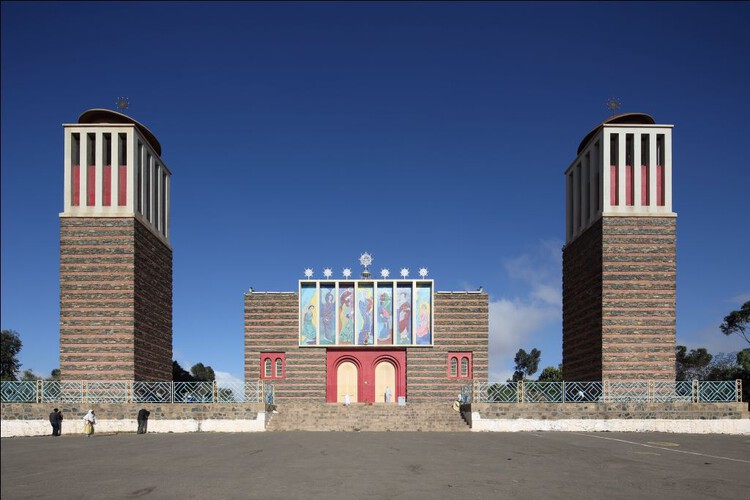
Enda mariam, Asmara Heritage Project, Eritrea . Image Courtesy of Pan-African Biennale (PAB)
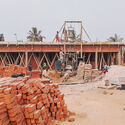
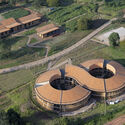
The Pan-African Biennale (PAB) is a platform for discussion and exchange on architecture, bringing together, for the first time, all countries in the African continent. To highlight African contributions to the field, it seeks to shift the narrative from one of fragility to one of resilience by raising awareness of the continent's traditions, design, culture, and collective memory. The inaugural one-week event is scheduled to take place in Nairobi, Kenya, launching on September 7, 2026. As the first architecture biennale of its kind on the continent and a highly anticipated event, the opening week will feature exhibitions, installations, keynote dialogues, and public events across the city and other satellite locations. Curated by Somali-Italian architect Omar Degan, the biennale aims to shift architectural discourse by expanding contributions from studios representing all 54 African nations, exhibiting work rooted in local contexts, materials, and cultural narratives.
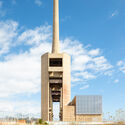
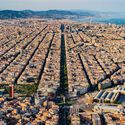
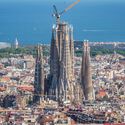
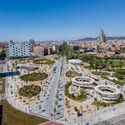
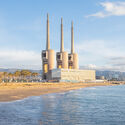
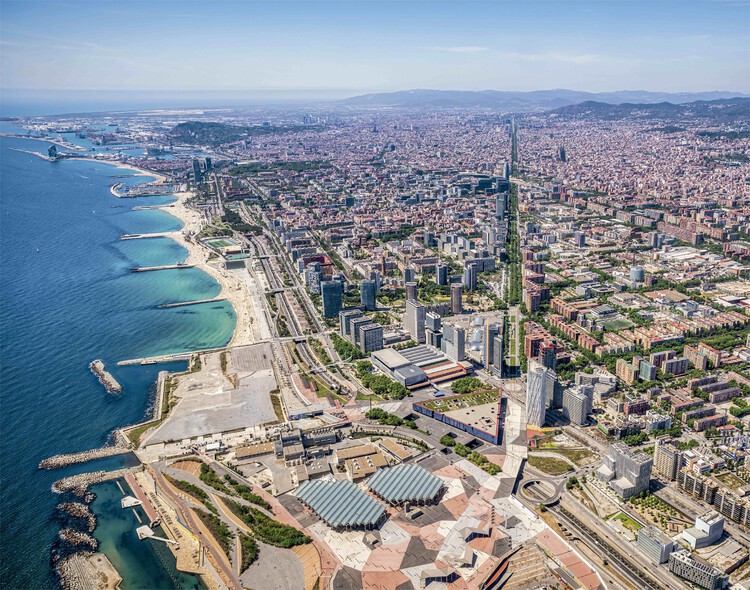
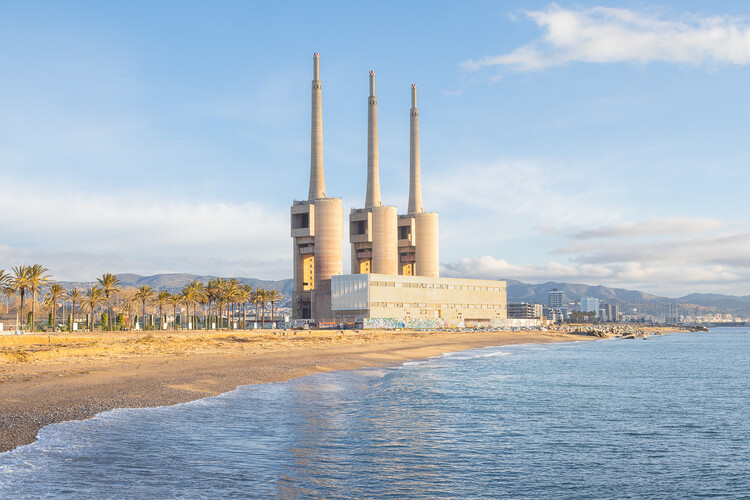
More than three decades after previously hosting the event, Barcelona is set to welcome the UIA World Congress of Architects 2026 Barcelona (UIA2026BCN), bringing the global architectural community back to the city between 28 June and 2 July 2026. Organized under the theme "Becoming. Architectures for a Planet in Transition," the Congress is expected to gather approximately 10,000 participants from over 130 countries, including practitioners, researchers, and students. Rather than being confined to a single venue, the event will unfold across multiple locations along the Mediterranean seafront, among them the Three Chimneys complex, positioning the city itself as an active platform for exchange, discussion, and public programming.
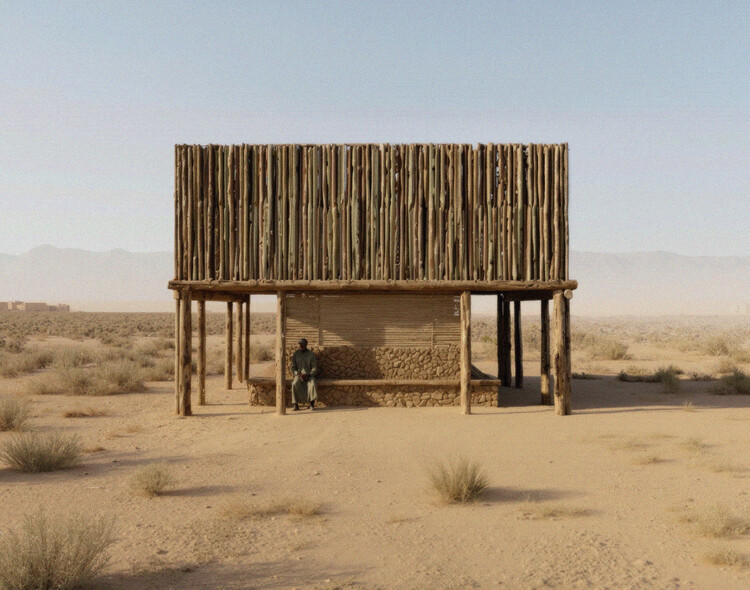
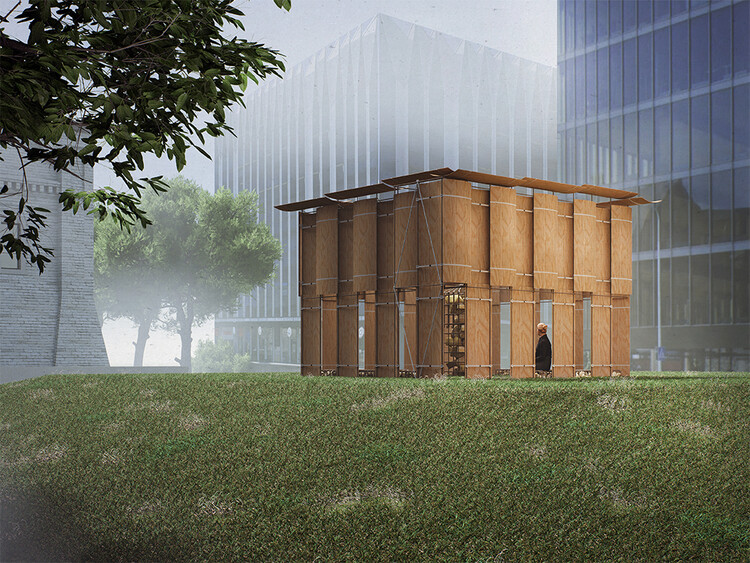
The Bethel Woods Art and Architecture Festival announces BuildFest: Acts of Construction, a three-year initiative that activates the historic grounds of the 1969 Woodstock festival through large-scale timber installations and multimedia experiences. Each year is organized around a single theme, inviting designers to collaborate on an interdisciplinary series of "acts" that build on one another to create an interconnected set of installations, activations, and performances. Act One: Staging is currently accepting proposals for adaptive art infrastructure designed to "set the stage" for future activations. It will be followed by Act Two: Choreography in 2027 and Act Three: Performance in 2028.
The UIA World Congress of Architects is an international event for architectural dialogue organised by the International Union of Architects (UIA, by its French acronym), a non-governmental organisation that unites national associations of architects from over 100 countries, representing more than one million professionals. The first UIA Congress of Architects, which also marked the institution's founding, was held in Lausanne in 1948 during the post-war reconstruction period. Since then, UIA congresses have been held every three years in a different city within a member country, serving as the organisation's main recurring event. In 2026, the Congress will be held in Barcelona, and UNESCO has consequently designated the city as the World Capital of Architecture 2026. Each Congress focuses on a key topic relevant to the profession, articulated through a central theme. Recent themes include Copenhagen 2023: "Sustainable Futures. Leave no one behind." and Rio 2020–2021: "All the worlds. Just one World." The topic for 2026 is "Becoming. Architectures for a Planet in Transition," welcoming renowned figures in contemporary architectural thought and practice for a broad and critical overview of the possible futures of architecture.
The 8th edition of the Lisbon Architecture Triennale is scheduled to take place in the autumn of 2028. As in previous editions, the curatorial process begins three years in advance, allowing time to fully develop the project and build on the work of earlier Triennales. The 7th edition, curated by Ann-Sofi Rönnskog and John Palmesino, founders of Territorial Agency, ran from October 2 to December 8, 2025. It was structured around the question How heavy is a city?, proposing an understanding of cities not as fixed objects but as dynamic systems extending beyond urban boundaries into the atmosphere, oceans, and deep time. This approach was explored through three main exhibitions, Fluxes, Spectres, and Lighter, alongside a wider set of initiatives. With the 7th edition concluded, the Triennale has announced Portuguese architect and academic Joaquim Moreno as Chief Curator of the upcoming edition, responsible for developing a new curatorial project for the event.
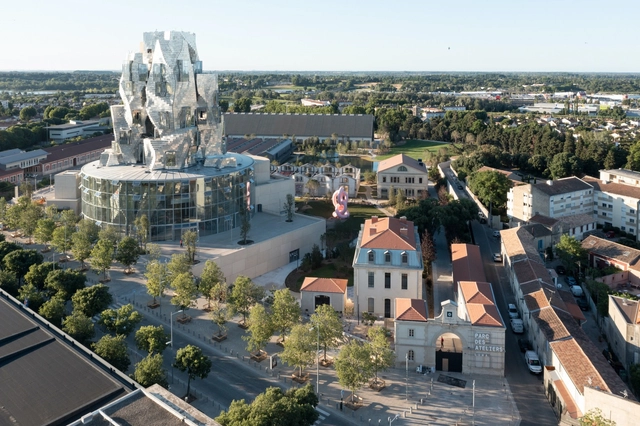
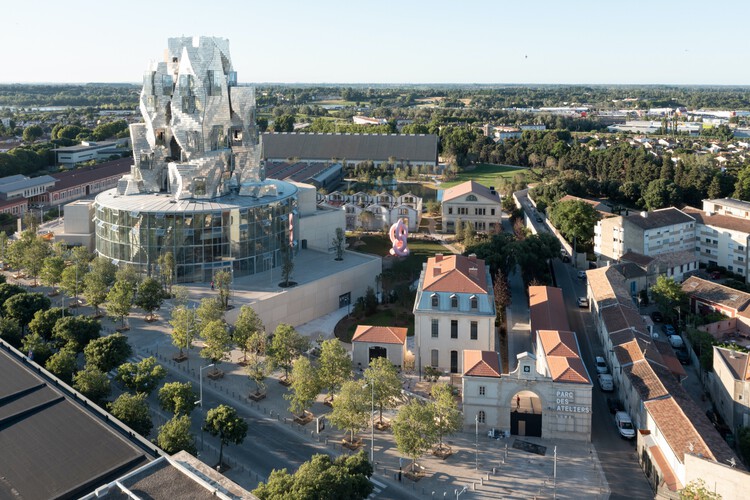
LUMA Arles / Gehry Partners. Photography by Iwan Baan. Image Courtesy of Gehry Partners
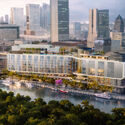
This week's news reflects architecture's simultaneous engagement with cultural reflection, professional legacy, and the material realities of building cities. The passing of Frank Gehry prompted a broader reassessment of late 20th- and early 21st-century architectural practice, while Shigeru Ban's selection as the recipient of the 2026 AIA Gold Medal brought renewed attention to socially driven design and the profession's public responsibilities. These milestones unfolded alongside wider conversations sparked by Human Rights Day, examining architecture's role in equity, housing access, and safety worldwide, and forward-looking discussions setting the architectural agenda for 2026 through major international events and cultural programs. At the scale of the built environment, these themes are echoed in three projects shaping future urban conditions: Powerhouse Company's transformation of a former limestone quarry into a mixed-use neighbourhood in Bærum, near Oslo; the groundbreaking of Riverside Wharf, a hospitality-led development contributing to the regeneration of Miami's River District; and Foster + Partners' approved retrofit of 1 St James's Square in London, focused on structural retention and long-term urban resilience.
From the pavilions of Osaka and Venice, to the roundtables of Belém, another year comes to a close. December invites us to pause and look back at the moments that defined architecture and cities in 2025. Reflection is not only an act of memory, but of foresight — a way to understand where we've been in order to imagine where we might go next. From shifting cultural narratives to material and technological breakthroughs, this past year underscored the importance of experimentation and adaptation across the built environment.
This month, ArchDaily explores the Year in Review, gathering the year's most compelling stories, ideas, and voices. The coverage revisits the projects, interviews, and essays that shaped the conversation, while recognizing the architects and thinkers who left a lasting impact on the discipline. It also looks ahead, identifying the most anticipated projects and issues of 2026, and the emerging directions they suggest.