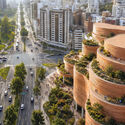
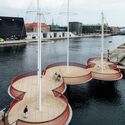
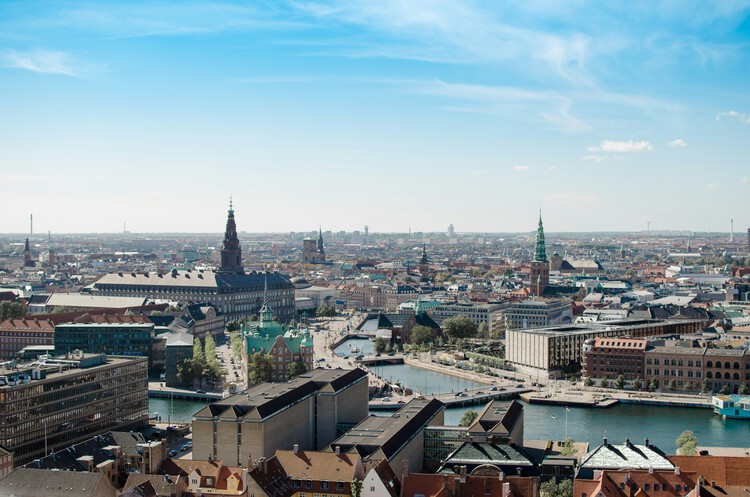
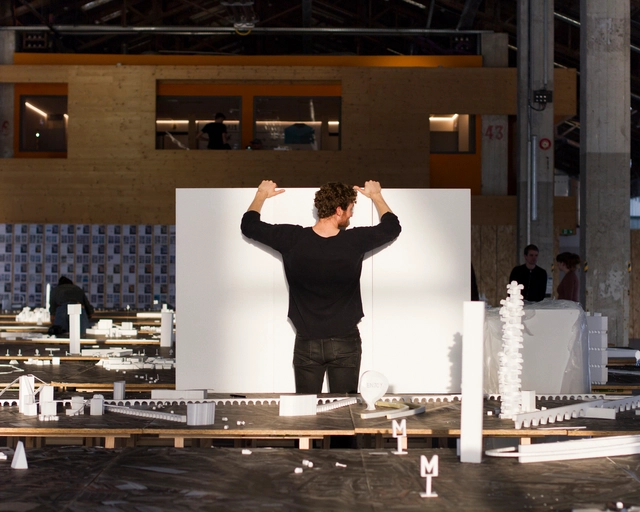
What happens when a city’s industrial past becomes the raw material for its future? In Copenhagen, Nordhavn transforms the old harbor into a living laboratory of sustainable urbanism, where warehouses and docks give way to independent districts, small islands, and canals that redefine what it means to inhabit the city.
For most architecture enthusiasts, mentions of the city of Copenhagen will prompt images of pedestrian-friendly streets, suspended bike lanes, quaint water canals, and overall happy residents. The capital of Denmark has many accomplishments to boast: over 60 percent of its residents commute to work by bike, it was among the first cities to set up a strategic plan to achieve carbon neutrality, resulting in an 80% decrease since 2009, and it has become one of the most cited study cases for its urban planning and infrastructure. This reputation was officially cemented when UNESCO named Copenhagen the 2023 World Capital of Architecture, recognizing the city's enduring role as a laboratory for innovative contemporary design and people-centered urbanism. This September,the inaugural Copenhagen Architecture Biennial transforms the city into a global platform for dialogue under the theme "Slow Down," exploring how architecture can respond to global pressures by rethinking the pace of change. The occasion is also marked by the launch of ArchDaily's 5th edition of Next Practices Awards, solidifying the city's status as a nexus for contemporary architectural thought.
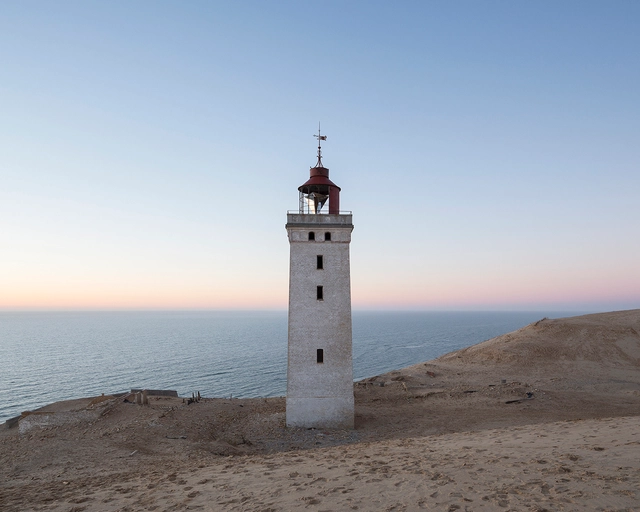
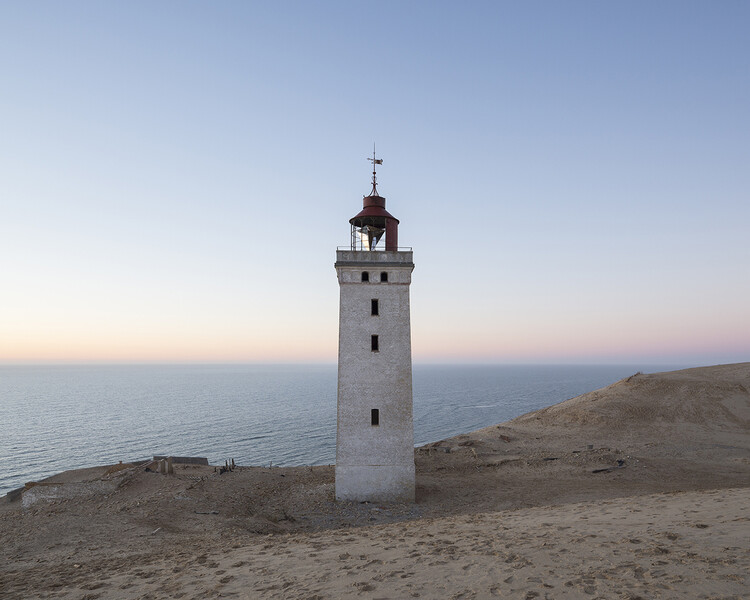
Lighthouses have stood along the margins of continents and islands for centuries as points of light in vast maritime territories. Rising in solitude from rocky cliffs, reefs, and headlands, these towers were tools for navigation and instruments of spatial clarity, shaping coastlines and marking the boundary between land and sea. Built to guide, warn, and locate, they constituted a global network of visibility long before the advent of digital mapping. Yet as maritime technologies evolved, many of these structures lost their original purpose. The typology, once essential, now stands at the edge of obsolescence. What remains is not merely an architectural relic, but a powerful spatial form — resilient, symbolic, and increasingly open to reinterpretation.
MVRDV and Delft University of Technology Release _Le Grand Puzzle_, an Urban Study of Marseille in the South of France. Image Courtesy of HÇläne Bossy, Manifesta
In architecture, most practices revolve around delivering projects to clients. Offices are shaped by deadlines, budgets, and clear briefs. While this structure produces buildings, it rarely leaves space for architects to question broader issues — about how we live, how cities are changing, or what the future demands of design. But alongside this production-focused system, a quieter movement has emerged: studios, collectives, and foundations that prioritize research, experimentation, and reflection. These are the architecture think tanks — spaces designed not to build immediately, but to think first.
The idea of a think tank is not new. Traditionally found in politics, economics, or science, think tanks bring together experts to study complex problems and propose solutions. In architecture, their rise reveals a tension at the heart of the discipline. If architecture is to remain socially and environmentally relevant, can it continue to rely only on client-driven practice? Or must it carve out space for slower, deeper inquiry?
This month's architecture news highlights a strong focus on sustainability, adaptive reuse, and innovative community-centered design. From environmentally responsiveurban developments to cultural and recreational spaces, architects are redefining how buildings interact with their surroundings. Notable examples include 3XN's Sydney Fish Market redevelopment, which integrates public accessibility with climate-sensitive design, and CambridgeSeven's Seneca Park Zoo expansion, which blends conservation efforts with immersive visitor experiences. Whether it's the creation of high-performance sports facilities in Portland or the transformation of historic sites into contemporary hubs, these projects showcase the evolving role of architecture in shaping communities. Read on to discover the latest architectural news and developments.
3XN has just won an international competition, which they were invited to participate in, to design the Chungnam Art Center in Chungcheongnam-do, South Korea. Designed in collaboration with SIAPLAN and MDA, the new art center aims to serve as a key destination for creative expression. Drawing inspiration from the dynamic movements of art, the center seeks to create a space where everyone can both experience and participate in the arts.
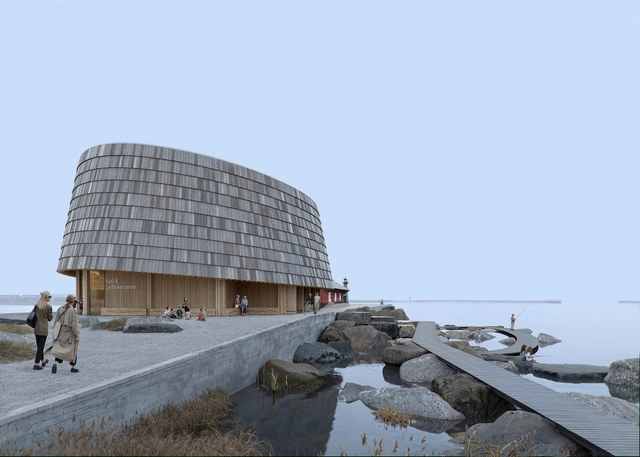
3XN GXN and landscape architect DETBLÅ have won the commissions for the design of a new Centre for Coastal Nature and Sport Fishing in Assens, Denmark. The proposal features a subtle oval structure to showcase local stories of the natural environment. The building aims to enhance public awareness and appreciation of the marine environment, reflecting a growing understanding of the need for better marine stewardship. It will also act as a hub for knowledge exchange about the impact of humans and climate change on the sea.
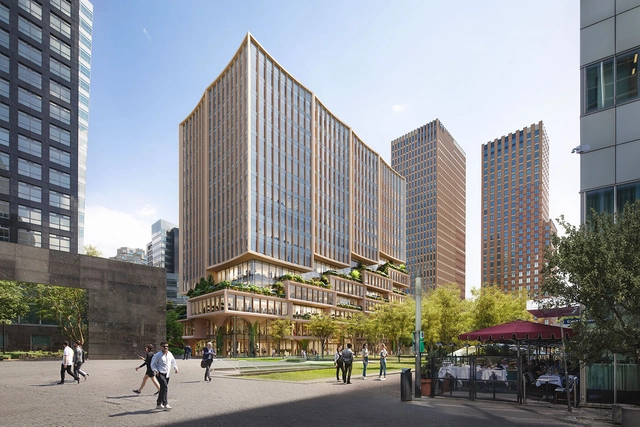
3XN GXN has revealed its design for Mahler 1, a 15-storey mixed-use office building. The structure, developed in collaboration with Victory Group, Icon Real Estate, and Erik Dhont Landscape Architects, features a hybrid-timber construction system that creates a stepped volume, breaking down the building’s mass. At the street level, the development offers a wide variety of public amenities, striving to become an active hub for both residents and office workers. The project is expected to begin construction in the first half of 2025 and conclude in late 2027.
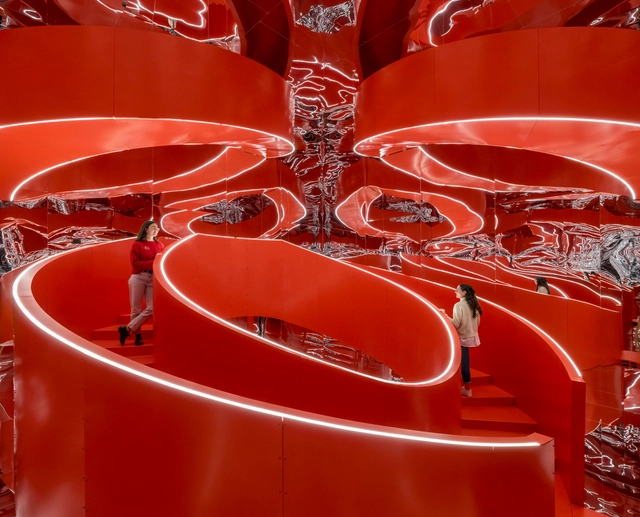
3XN/GXN has just opened its exhibition “Aware: Architecture and Senses,” hosted at the Danish Architecture Center until September 15th, 2024. The display invites visitors to explore, comprehend, and interrogate their relationships with architecture. In collaboration with the Danish Architecture Center, 3XN/GXN delves into the conversation between individuals and spaces, showcasing six life-sized installations.
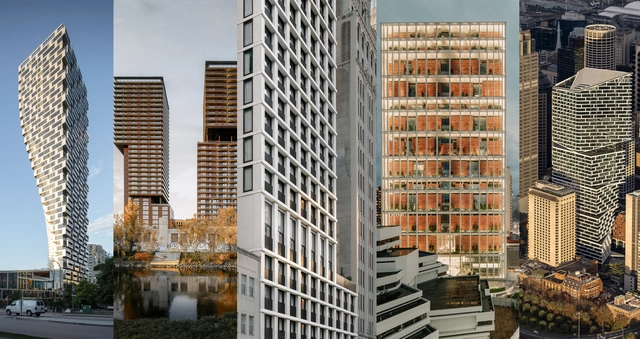
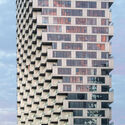
The Danish architectural practice 3XN won the 10th International High-Rise Award for the office tower Quay Quarter Tower in Sydney, Australia, the world's most innovative high-rise in 2022/23. From over 1000 high-rises completed in the last two years, the Quay Quarter Tower was selected because it implemented innovative solutions in a time of increased ecological challenges by integrating a large proportion of the existing 1970s high-rise structure into the new building.
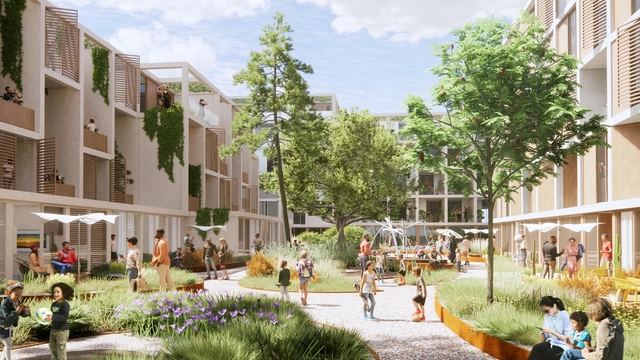
3XN I GXN, Gehl Architects, and ConAm Management Corporation have been selected for the second phase of a new masterplan in San Diego, California. Titled Neighborhood Next, the 15-minute community proposes 5,000 homes for residents of all income levels, with cultural, commercial, and recreational spaces all weaved within green promenades and public parks.
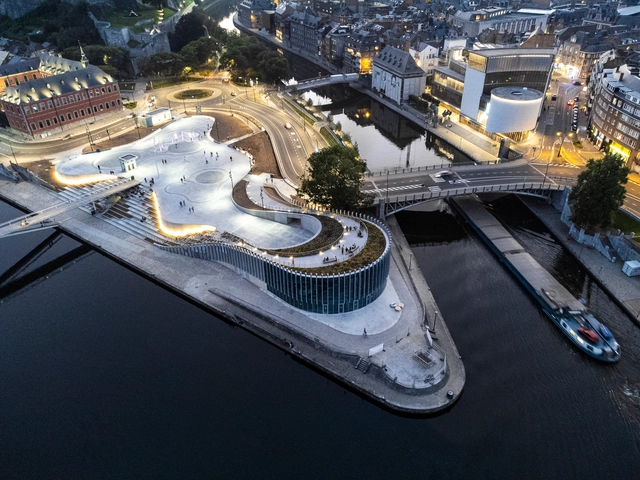
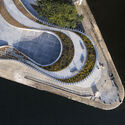
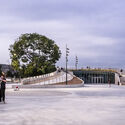
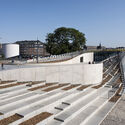
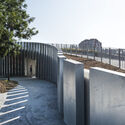
3XN has recently completed the Grognon exhibition space dedicated to the history of digital technologies. Located in Namur, Belgium, at the confluence of two rivers and neighbouring the Roman citadel, as well as the Wallonian Parliament, the project inserts itself within the protected historical setting as a new topography, a landscape that flows along the site weaving together the context and the new programme.
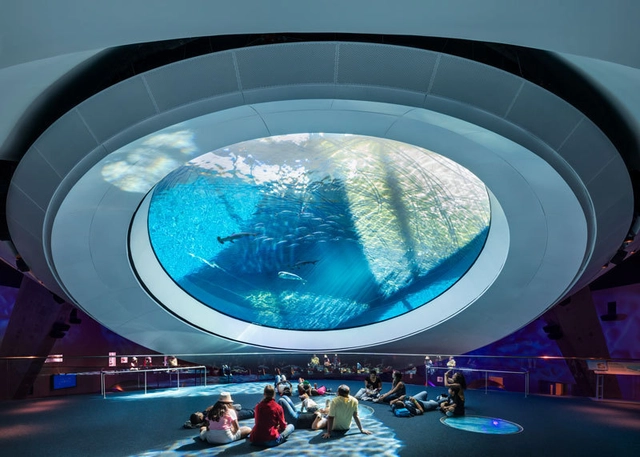
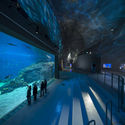
Aquariums are built to reshape expectation. Giving visitors a new vantage point to observe freshwater and marine life, these structures range in scale from simple exhibits to elaborate public aquaria. With a diversity of programming, they often include facilities for rehabilitation and conservation, as well as educational spaces to support learning and discovery. Today, modern aquariums offer glimpses into aquatic life both above water and below the surface.
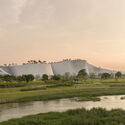
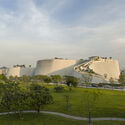
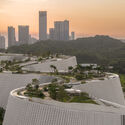
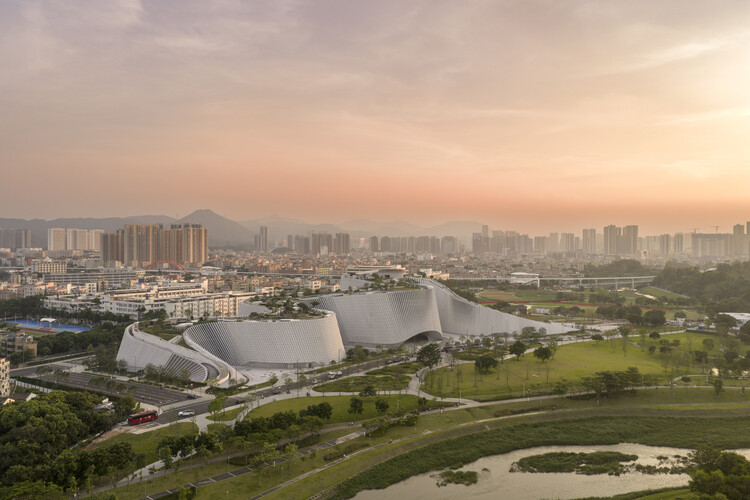
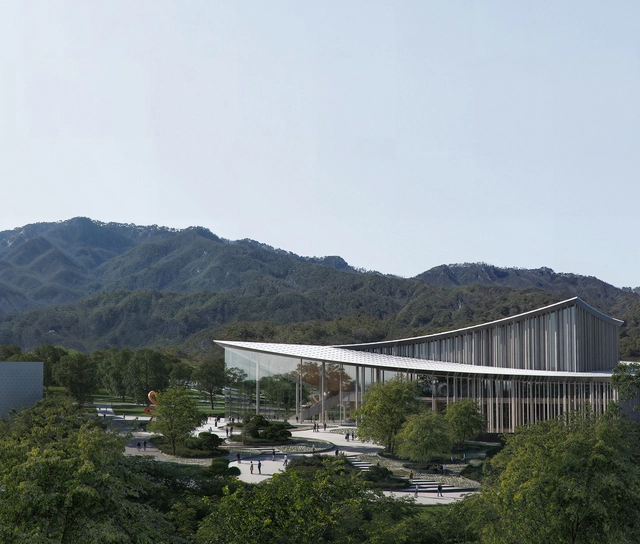
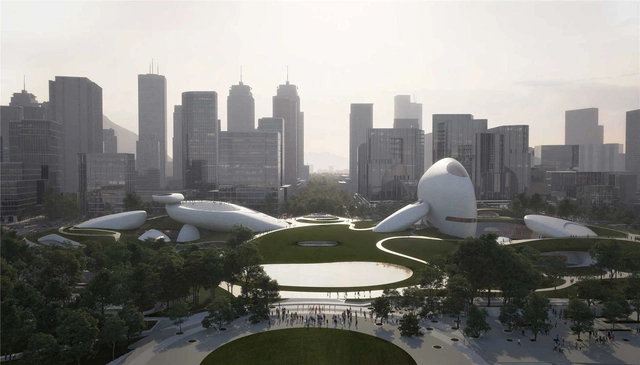
Shenzhen Bay Culture Park. Image Courtesy of Proloog
Shenzhen, as the modern metropolis in southeastern China that links Hong Kong to China’s mainland, has undergone rapid real estate development and intensive construction bidding in recent years.
“Shenzhen Ten Cultural Facilities of New Era” serves as a significant international design competition that has attracted much attention and investment from many high-level active architects worldwide.
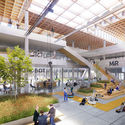
Denmark-based 3XN Architects has unveiled their design for a new Robot Developers Hub in Odense, Denmark. Designed as the new home of Universal Robots (UR) and Mobile Industrial Robots (MiR), the 20,000 square-meter hub will offer specialised environments for robot research and development.
3XN, B+H, and Zhubo Design were selected as first-place winners in an international design competition for the new ShenzhenNatural History Museum. Attracting over 70 proposals from around the world, the contest first nominated fifteen teams for the bidding stage, representing 18 countries, before choosing the best proposal.
Join ArchDaily's Christele Harrouk, Kim Herforth Nielsen, Founder and Creative Director 3XN, and Kasper Guldager Jensen, Founder GXN for an exclusive conversation about the studio's new monograph “Beyond Buildings".